Silken Windhound Temperament: Exercise, Training, and Family Fit
Assess a Silken Windhound's fit for your home with practical guidance on companionship, recall, reward-based training, time alone, and carefully managed introductions to cats and other pets.

BVMS, MRCVS
Petful is reader supported. As an affiliate of platforms like Amazon and Chewy, we may earn a commission when you buy through links on this page. There is no extra cost to you.
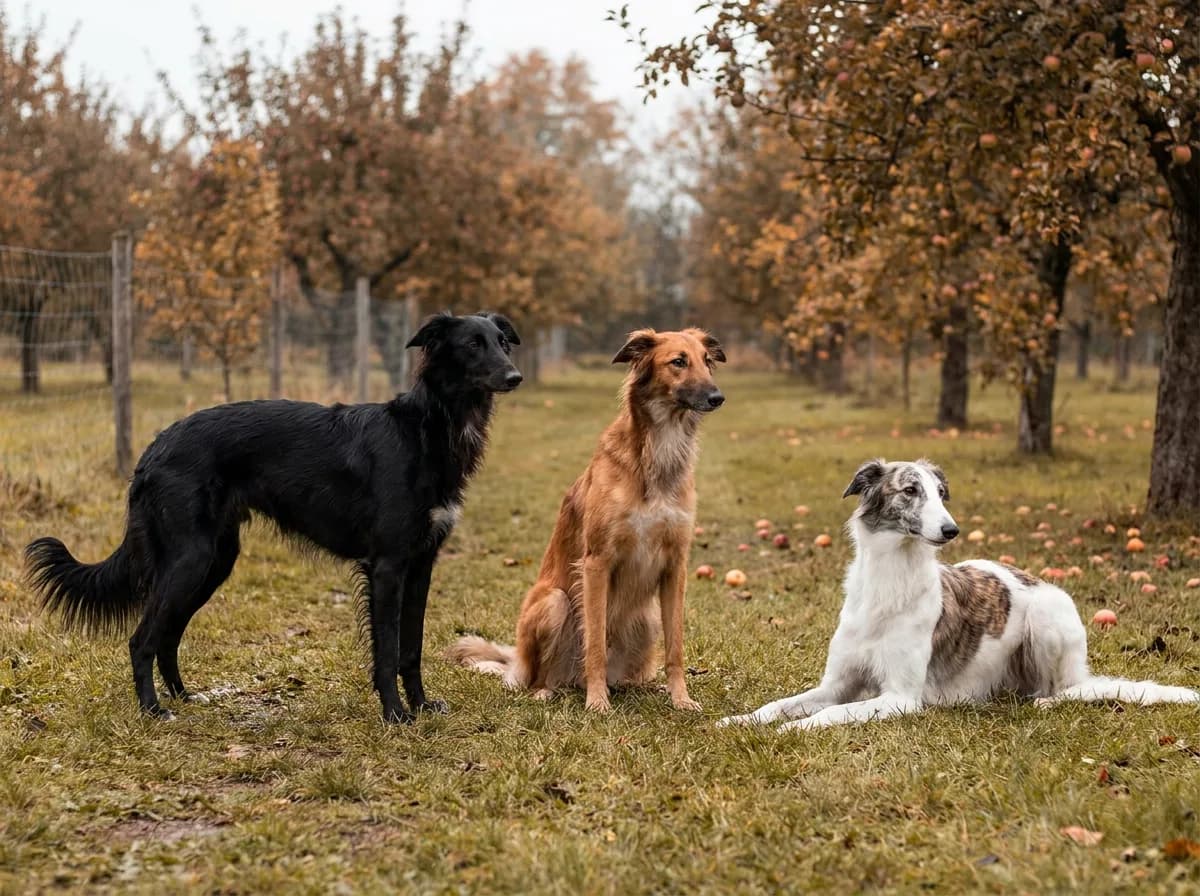
Silken Windhound temperament combines an affectionate companion's tendencies with a sighthound's interest in moving prey. The breed standard describes a gentle dog at home and strong prey drive in the field. Those traits can coexist in the same individual, so a peaceful afternoon beside the sofa does not establish how that dog will respond to a running cat or an open gate.
Evaluate the situations your household will actually ask a dog to handle. Quiet companionship, visitors, time alone, neighborhood walks, and life with other pets each deserve their own conversation and plan.

Sign up for expert-backed reviews and safety alerts all in one place.
Silken Windhound temperament at home
The International Silken Windhound Society breed standard describes intelligence, affection, and devotion alongside the breed's coursing instincts. The breed standard describes general temperament tendencies; individual variation determines how those tendencies appear in your home. An affectionate Silken may still prefer some distance from visitors, while another seeks contact. Age, experiences, learning and the immediate environment all matter, so ask about the particular dog's ordinary behavior rather than treating the standard as a promise.
For a useful household-fit assessment, separate three situations. Watch how the dog settles indoors, ask about outdoor chase triggers, and discuss supervised introductions to household animals. A settled dog beside a familiar indoor cat may still chase that cat running across a garden; likewise, returning in a fenced field does not establish off-leash reliability beside wildlife. A favorable observation in one situation does not answer the others. Be especially specific when a breeder or foster carer says a dog is “easy”: easy during what activity, with which people, and after how much preparation?
For a supervised resting area, the Frisco 30-inch configurable gate and playpen may help divide a room for a dog that respects it. Check stability, gaps and the individual's jumping ability. It is not secure confinement for every sighthound or a substitute for a closed room when animals need reliable separation.

A configurable gate and playpen for a supervised rest area; check height, gaps and stability.
Petful may earn a commission when you click through to Chewy, at no extra cost to you.
- 1Evaluate quiet companionship, outdoor chase triggers and supervised introductions separately.
- 2A breed description cannot guarantee recall or safety with smaller pets.
- 3Match the individual dog's observed needs to your ordinary household routine.
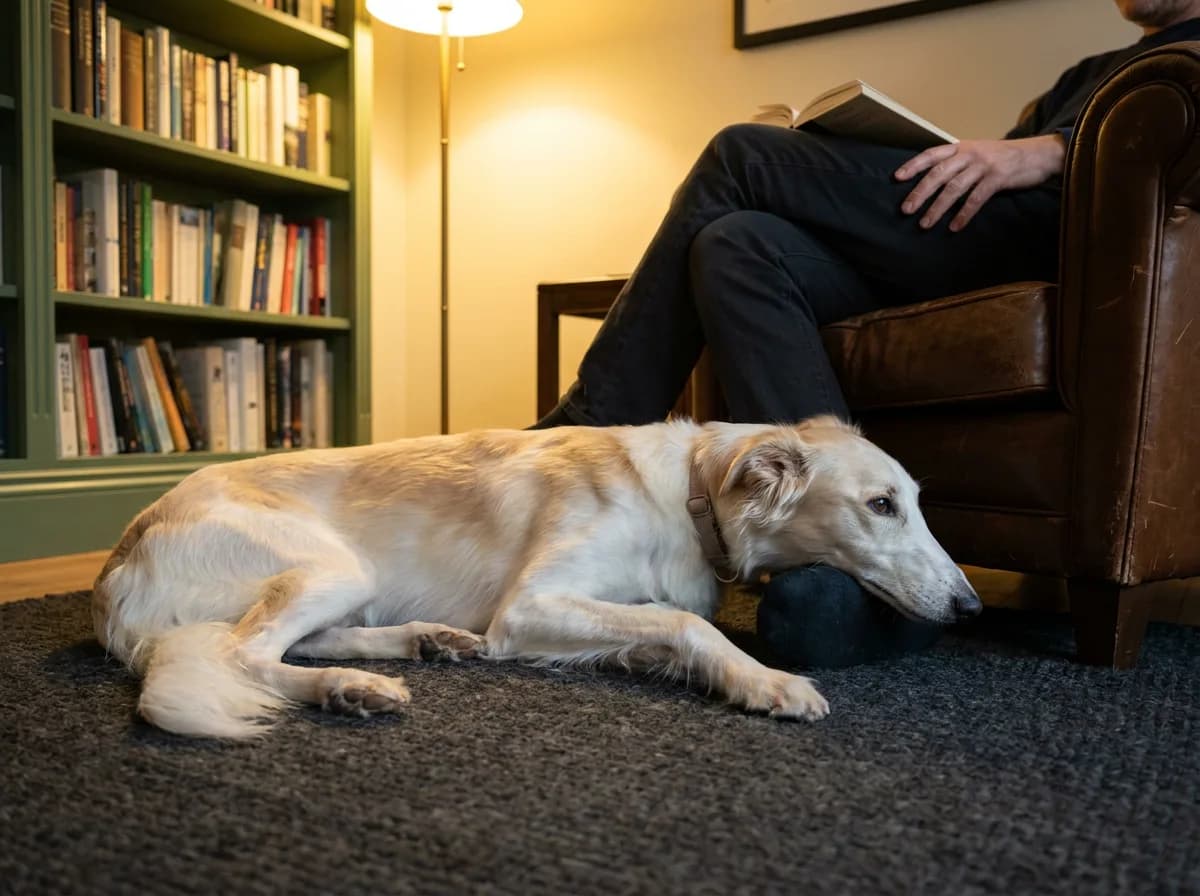
Observe the ordinary moments
During a visit, allow time after the excitement of arriving. Ask the carer to describe a normal weekday rather than arranging a series of temperament tests. You want to understand the dog's established routine, how much support it needs, and which situations it has not yet experienced. A short meeting can inform that conversation without predicting every future behavior.
Useful questions include:
- Where does the dog choose to rest when the household is busy?
- What happens when a familiar person leaves the room or home?
- How does the dog respond to visitors, delivery activity, and household noise?
- Which activities help it settle afterward, and which leave it more excited?
- Has the dog lived with children or other animals, and what did that arrangement involve?
Keep descriptions concrete. “Sleeps beside the desk while the carer works” tells you more than “low maintenance.” It also exposes the next question: whether the dog has practiced resting when that person is absent. Likewise, a dog that enjoys guests at home may need more support in an unfamiliar, crowded setting. Neither observation needs to be turned into a permanent label such as timid or stubborn.
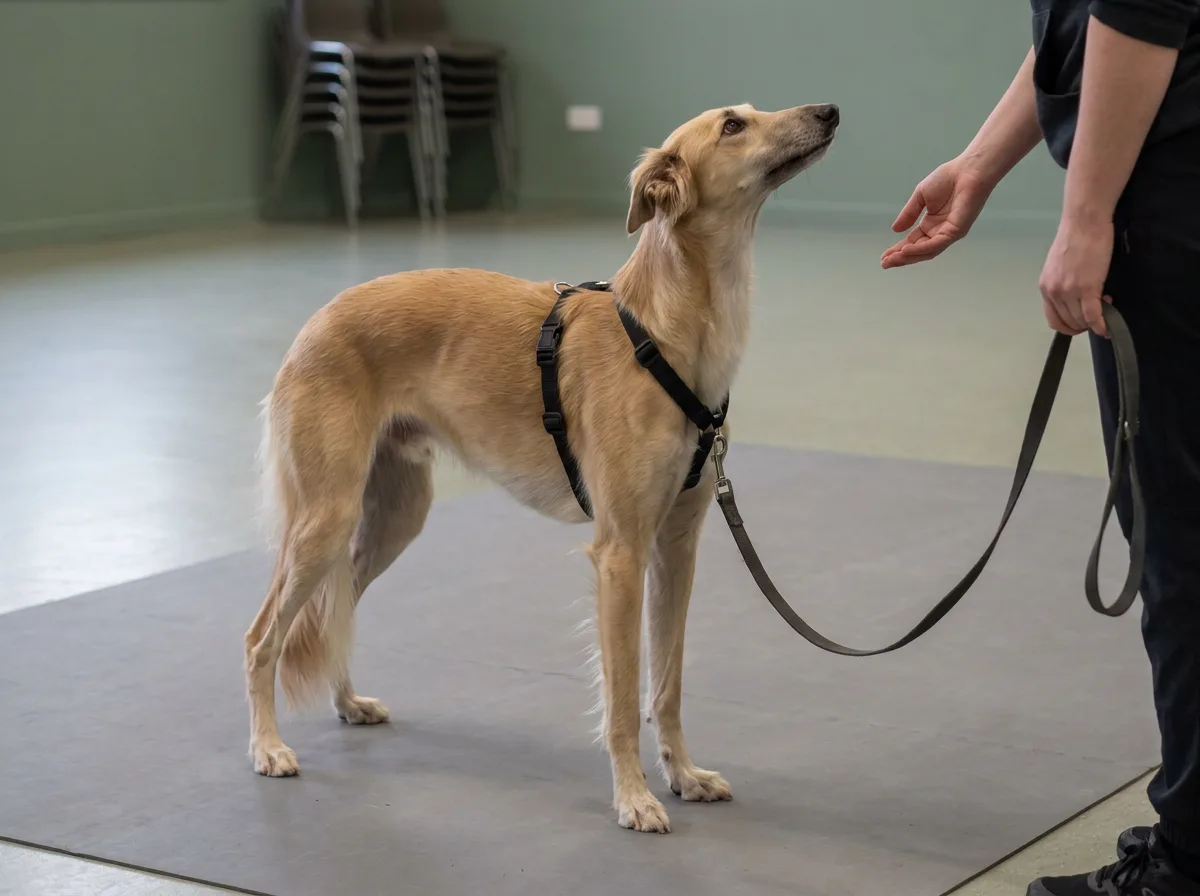
If greetings involve a harness, measure first. The Ruffwear Web Master harness in Small is specified for a 22–27-inch chest. Follow its fitting instructions and check the straps on the moving dog; the third strap does not make the harness escape-proof or replace teaching a calm doorway routine.
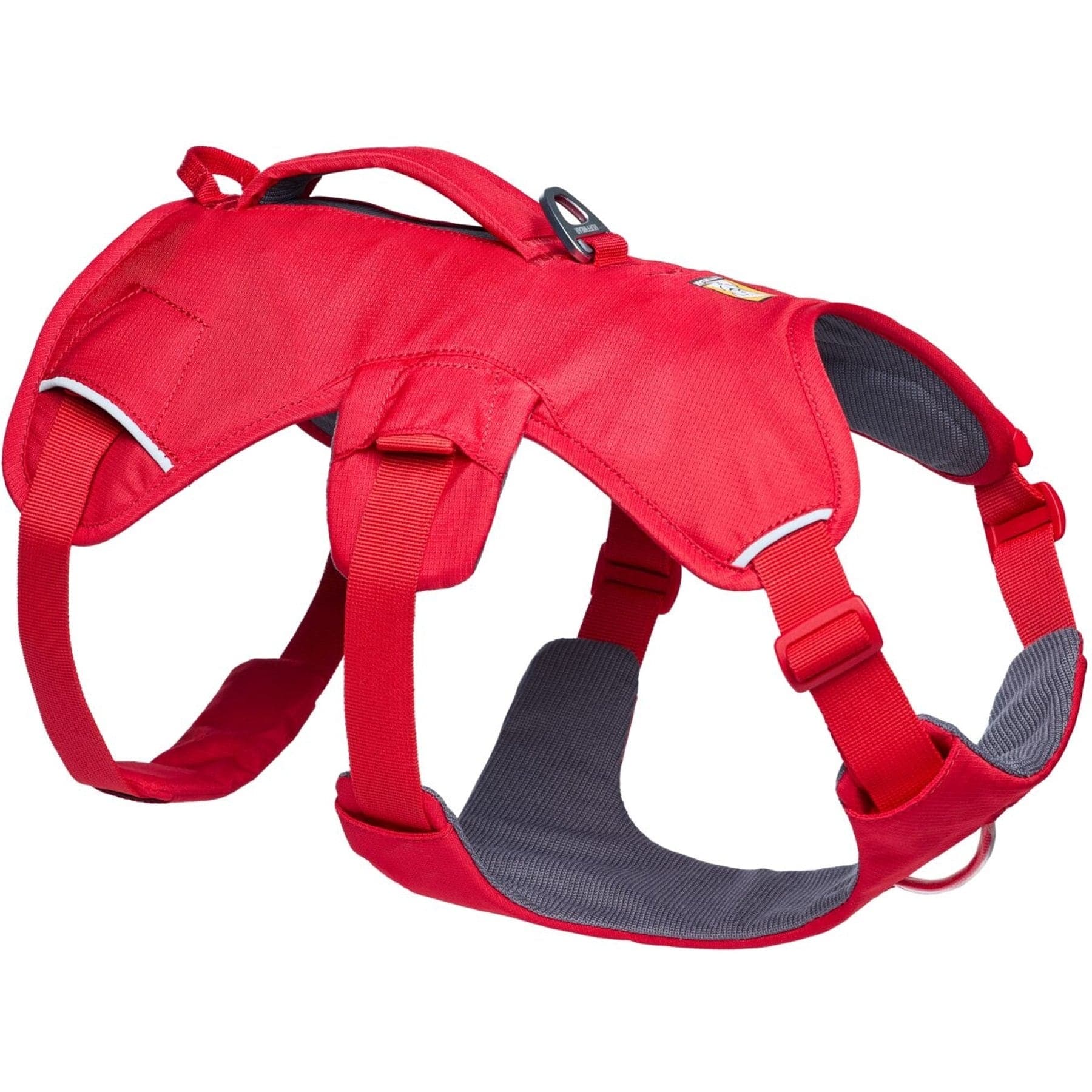
Measure the individual dog before choosing this harness; this Small option fits a 22–27-inch chest.
Petful may earn a commission when you click through to Chewy, at no extra cost to you.
Children, visitors and a place to rest
Plan family interactions around the dog's ability to move away. A resting area should remain available during play, meals, and visits. Adults should supervise children with the dog and prevent grabbing, chasing, or disturbing it while it eats or sleeps. If supervision becomes difficult during a gathering, separate the activities before anyone gets overwhelmed.
Set rules that a visiting child can understand without needing to interpret subtle body language:
- Invite the dog to approach instead of following it into its bed.
- Keep hands away from food, chews, and sleeping dogs.
- Avoid hugging, climbing on, or cornering the dog.
- Ask an adult for help if the dog moves away or the interaction becomes too lively.
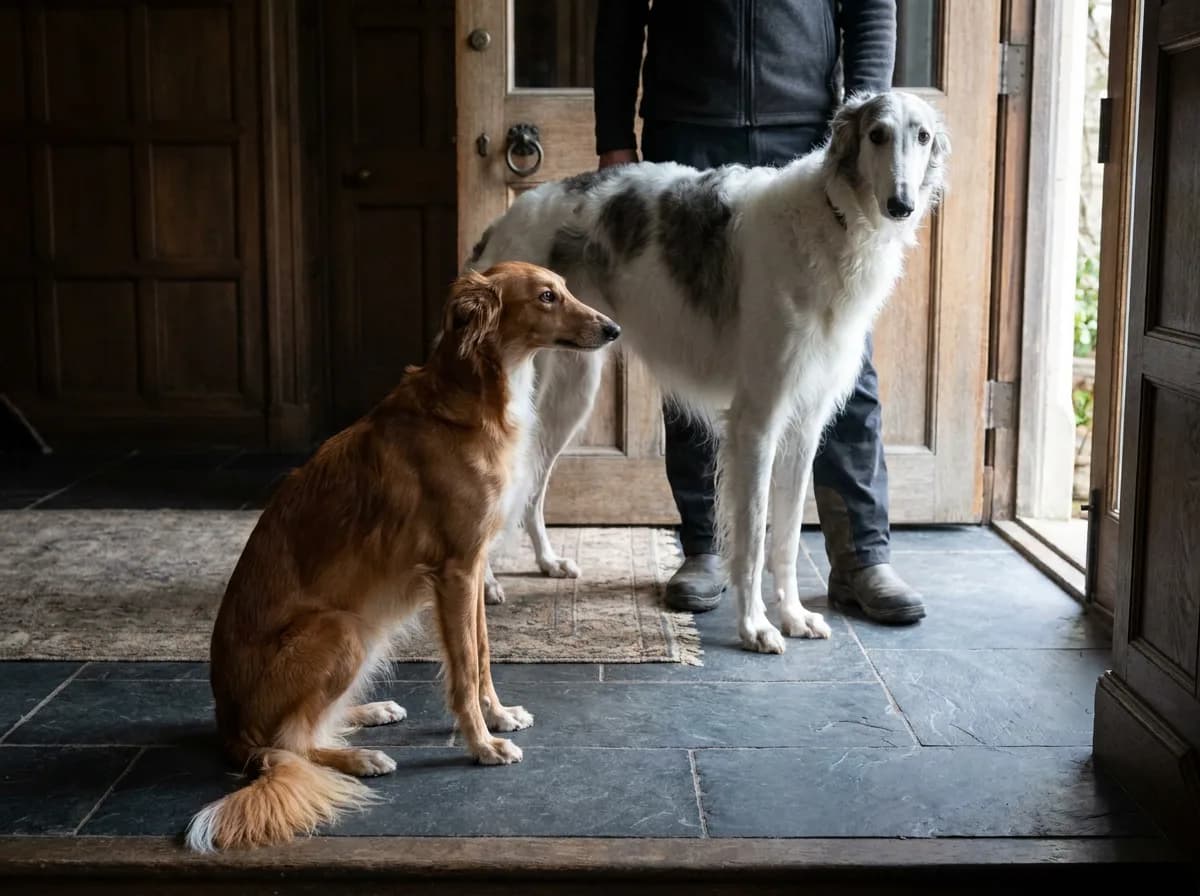
Your household also needs a practical greeting routine. Decide who holds the leash when the front door opens and where the dog can wait while guests enter. An affectionate dog still benefits from a predictable way to greet people. The aim is a comfortable interaction, not requiring the dog to accept attention from everyone who visits.
Activities that suit the individual
Silken Windhound agility is an established activity: ISWS describes Silkens competing in agility, where dog and handler learn to communicate through an obstacle course. That offers one possible shared interest, not a requirement that every pet compete. A beginner class should introduce foundation skills at an appropriate level rather than sending an unprepared dog over a full course.
When weighing Silken Windhound pros and cons, ask whether you enjoy teaching as well as watching athletic ability. A dog's interest in movement does not supply trained teamwork by itself. You might prefer scent games, quiet training sessions, or walks with time to investigate the environment. Choose activities you can provide consistently, and judge their success by the individual dog's engagement and ability to settle afterward.
Exercise, recall and reward-based training
A Silken Windhound's energy level is better understood through its daily pattern than through a single “high” or “low” label. Plan suitable enrichment through sniffing, short reward-based lessons, secure movement and rest. Prey drive sets limits on recall around moving animals, while separation training addresses a different skill: coping comfortably with time alone. Practise both gradually in manageable settings rather than expecting a tiring run to provide recall or independence. Observe the dog during each part of that routine. Repeatedly increasing exertion because it is restless indoors can miss a need for a calmer environment, a clearer routine, or help with distress.
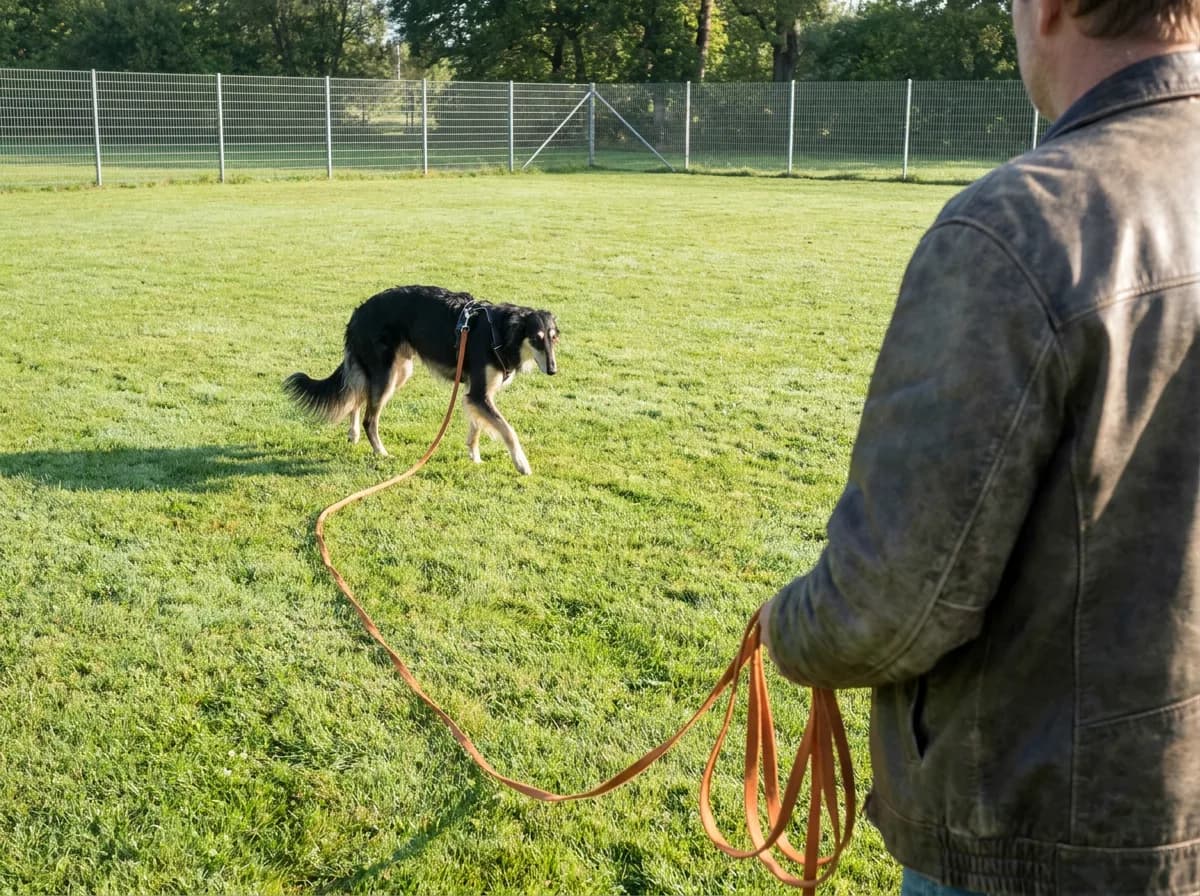
Separate walking equipment from recall practice
Use well-fitted equipment that the individual dog cannot readily back out of. Check the fit while the dog moves, and recheck it as a puppy grows. A standard leash suits controlled neighborhood walking; a long training line serves a different purpose and needs enough clear space to be used without tangling around people, dogs, or obstacles. The Frisco six-foot traffic leash is an option for ordinary controlled walks and close handling. It is not a long line for distance recall practice. A leash product's length or extra handle does not make an unfenced area safe for free running, and the rest of the equipment still needs to fit the dog securely.
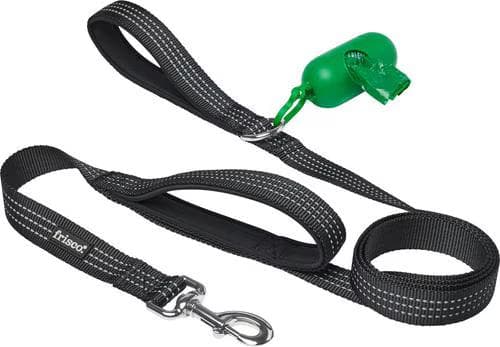
A six-foot leash with padded handles for ordinary supervised walks.
Petful may earn a commission when you click through to Chewy, at no extra cost to you.
Recall training starts where the dog can succeed. Use a familiar cue, reward the dog for returning, and increase difficulty gradually. If it cannot respond in the current setting, reduce distance or distractions instead of repeating the cue more loudly. A secure enclosure and appropriate line management let you practice without making a missed response an escape.
Small Pet Botanics Training Rewards can reinforce a return or voluntary check-in. Use appropriate pieces, count them in daily intake and reward promptly; treats do not make a distracting location safe. Before allowing freedom in an exercise area, check the actual setting:
- Walk the perimeter and inspect gaps, gates, and damaged fencing.
- Confirm who controls entrances while your dog is using the space.
- Notice nearby wildlife, dogs, or other movement that could attract attention.
- Check the surface and remove obvious hazards from the running area.
- End the session before excitement makes safe handling difficult.
No amount of success in the kitchen establishes dependable off-leash recall around wildlife. A sighthound may notice movement before its handler does. Preserve physical safety measures while building the skill; recall is useful even when it never becomes permission to remove them. Do not test the dog's response by deliberately releasing it toward an animal.
Make rewards clear and useful
Positive reinforcement means arranging a consequence the dog values after a behavior you want to encourage. Reward checking in during a walk, returning when called, or resting on a mat. Keep the task achievable, and practice in short sessions that allow you to notice whether the dog understands. A reward offered after a confusing string of requests is less informative than one delivered promptly for a clear response.
The American Veterinary Society of Animal Behavior recommends reward-based training and advises against aversive methods. Choose a trainer who can explain how they teach a skill, how they respond when a dog struggles, and how they keep the dog comfortable. “Sighthound experience” is useful only when paired with methods and handling you are comfortable using yourself.
Build an ordinary weekday routine
Write down the hours that need coverage before deciding that the breed fits your life. Include the commute, school run, and evening commitments rather than counting only the time you spend at work. A flexible exercise plan needs a backup for bad weather or a missed walk. It should also leave room for undisturbed sleep instead of filling every available hour with activity.
For example, a home-based worker might provide a morning walk, a quiet resting period during calls, a brief training break using small Pet Botanics rewards, and another outing later. Count those rewards in daily food intake. That arrangement still requires the dog to learn to relax when the worker stands up, closes a door, or leaves the house. A person working away from home may need a reliable midday carer before bringing the dog home at all.

Soft chicken-flavor training rewards in a larger bag for frequent practice. Break rewards into appropriate pieces for your dog.
Petful may earn a commission when you click through to Chewy, at no extra cost to you.
Compare your plan with what the current carer can actually report:
- Which parts of the routine already resemble the dog's current life?
- Which skills would need gradual teaching after the move?
- Who can help during the adjustment period?
- What happens if the dog needs more support than expected?
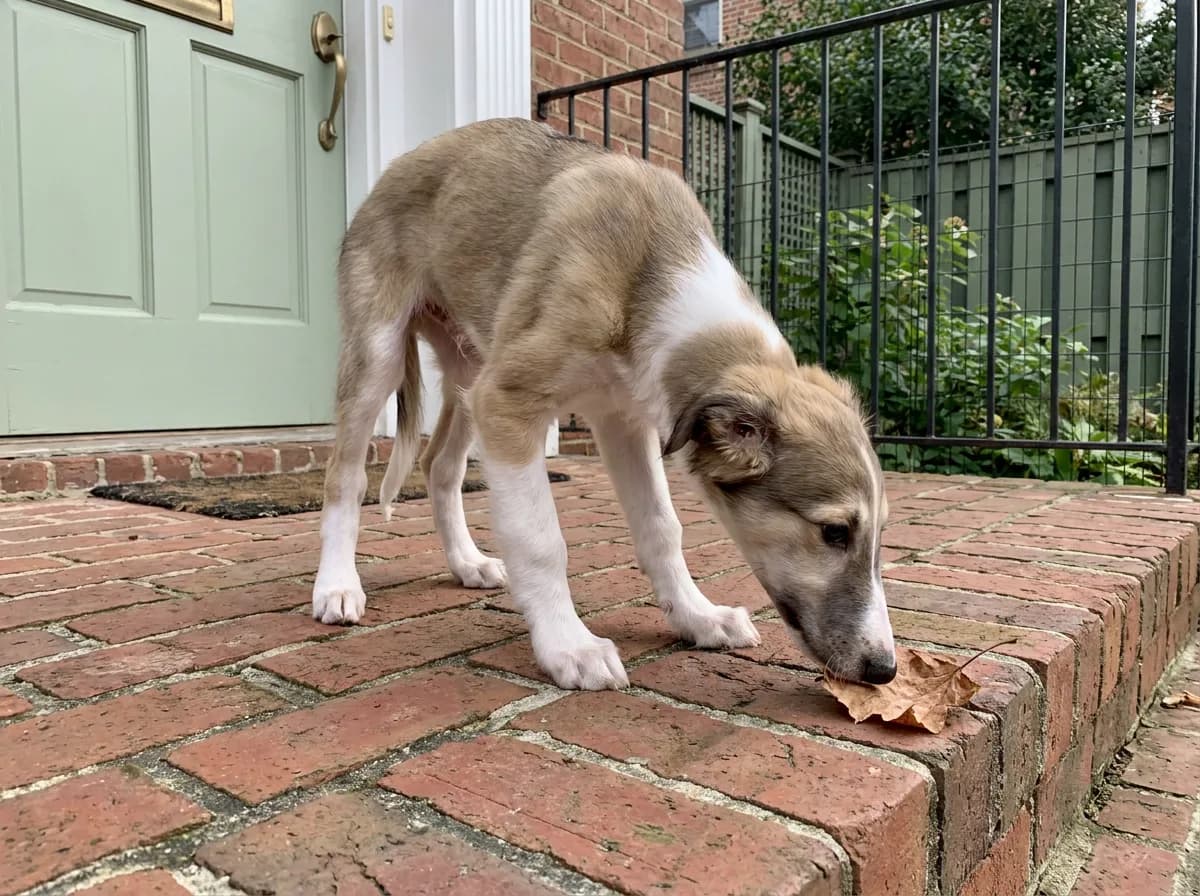
This conversation is particularly valuable for an adult dog with an established daily rhythm. For a puppy, assume more frequent care and less established independence. The Silken Windhound puppies guide covers breeder evaluation, first-year planning, and the costs to clarify before making a commitment.
Teach time alone gradually
Begin with manageable periods of separation while the dog remains comfortable, and increase time according to its response. The RSPCA's guidance on learning to be left alone emphasizes gradual practice and observing for distress. Video can reveal pacing or vocalizing that is invisible when you return to an apparently tidy home.
If the dog becomes distressed, reduce the difficulty and arrange support for necessary absences. Do not punish damage or force longer departures to make it “get used to it.” Persistent separation-related distress or a sudden behavior change merits a veterinary conversation and qualified behavior help. Being people-oriented does not mean every Silken will struggle alone, and a second dog is not a guaranteed solution.
Silken Windhounds with cats and smaller pets
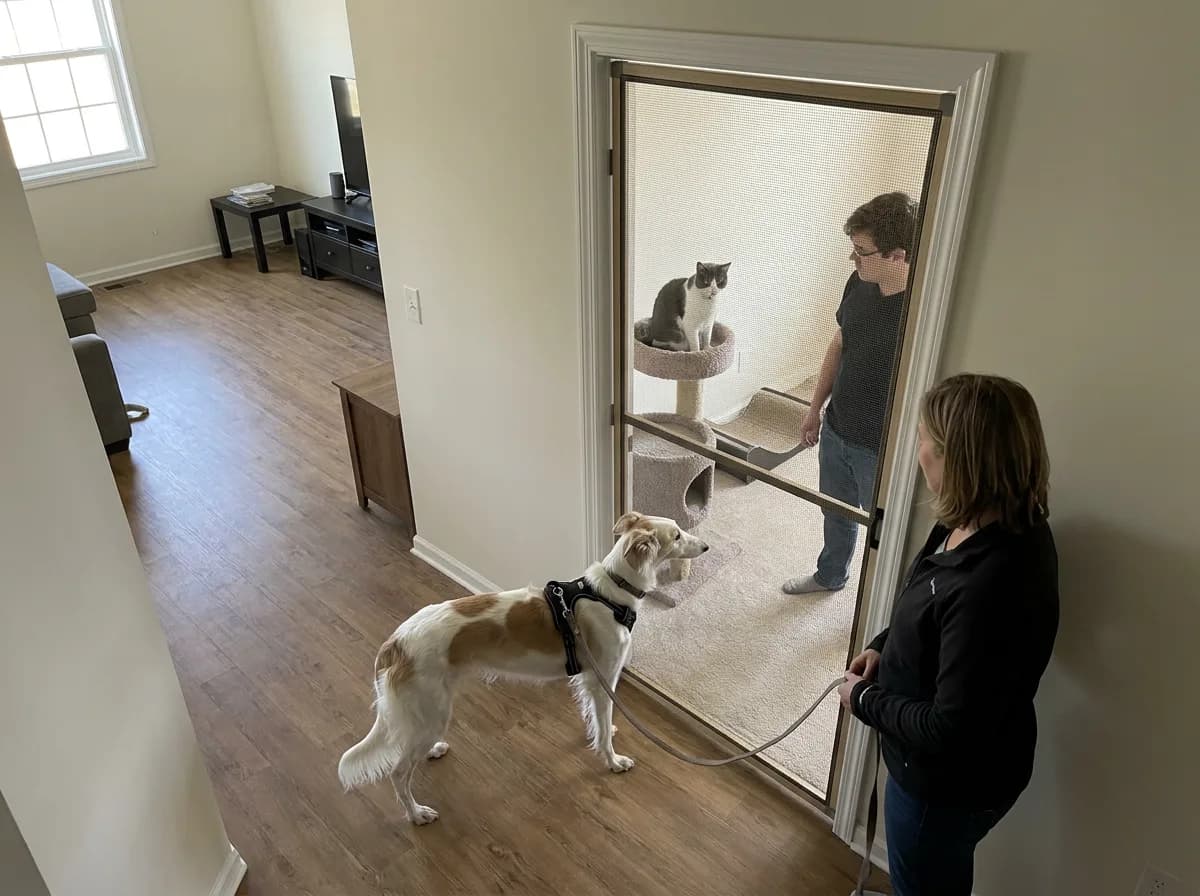
Assess a Silken Windhound with cats as an individual pairing in a particular home. Ask what “lived with cats” means: which cats, indoors or outdoors, for how long, under what supervision, and whether chasing occurred. A calm interaction with one familiar cat does not establish safety with every cat, particularly one that runs away.
Plan the environment before an introduction
Best Friends Animal Society's introduction guidance starts with separation and gradually introduces awareness at a distance. Use secure physical barriers, short supervised sessions, and enough distance for both animals to remain comfortable. The cat needs a way to retreat; do not carry it toward the dog's face. Stop if either animal becomes distressed or the dog fixates, lunges, or attempts to chase.
Reward the dog for looking away from the cat and attending to you at a manageable distance. Small pieces of a suitable training treat can support that practice; account for rewards within the dog's daily food intake. Food should not be used to lure the dog closer than either animal can comfortably tolerate. If the dog cannot disengage, increase separation and seek qualified help rather than pressing ahead.
A gate must actually prevent access in your home. The Frisco 30-inch configurable gate and playpen may define a supervised resting area for a dog that reliably respects it, but that height is not a promise of sighthound containment. It is not an adequate cat-safety barrier for a dog that can jump or push past it. Use secure room separation when a gate cannot do the job.
Decide whether management is realistic
Walk through your home with the other animals' needs in mind. Identify how they will reach food, water, resting places, and, for cats, litter boxes without being forced past the new dog. Consider what happens when a child opens a door or a visitor forgets a gate. A plan that works only when one experienced adult watches every doorway may be difficult to sustain.
The household questions are practical:
- Can you keep the animals securely separated when no one supervises?
- Can each pet use its essential resources without entering the other's space?
- Will everyone follow the same door and gate routine?
- Is there a workable alternative if the animals cannot share space safely?
Small mammals and birds should not be used as introduction experiments. Keep them securely separated from a dog with an unknown response to them. A label such as “service dog,” a certificate, or registration status cannot establish safety with smaller animals. Base decisions on the individual dog's behavior and appropriate professional guidance, with physical protection for the vulnerable pet.
How this fits the Silken Windhound breed
The Silken Windhound breed guide puts these behavior decisions alongside size, coat care, lifespan, and the breed's background. The International Silken Windhound Society says life expectancy can extend into the mid-teens. That is breed-club guidance, not a measured guarantee for an individual. Those practical needs continue even when an individual seems a good personality match. If your shortlist includes the larger sighthound often associated with Silkens, our Silken Windhound vs. Borzoi comparison explains the distinction and the different space and handling considerations. Meet individuals from either breed rather than assuming that a similar outline means identical household needs.
Questions from prospective owners
Potential advantages include affectionate companionship, an athletic partner for suitable activities, and a moderate size compared with larger sighthounds. The responsibilities include secure exercise arrangements, training, coat care, and management around chase triggers. Supervised introductions and individual observation matter more than a generic family-friendly label. The best balance depends on the particular dog and the routine you can provide.
Plan daily activity that combines walks, exploration, and suitable opportunities to move freely in a secure area, with training and rest between activities. There is no single minute count appropriate to every age and individual. Ask the current carer about the dog's established routine, then adjust it with your veterinarian for growth, fitness, or health limitations.
Many enjoy close companionship, consistent with the affectionate character described in the breed standard. Physical contact preferences still vary: one dog may lean against you while another prefers a nearby bed. Let the dog choose contact and move away freely. A breed reputation for affection is not a reason to insist on cuddling or hugging an unwilling individual.
Some individuals can share a home with cats, but breed identity cannot guarantee it. Consider the dog's specific history, the cat's behavior, and whether secure separation is possible. Supervised introductions must proceed at the animals' pace, and outdoor chase triggers can produce a different response from quiet indoor encounters. If safety is uncertain, keep them separated and get qualified help.
A second dog is not a reliable solution to distress about a person leaving. Find out what happens during absences, using video when practical, and build comfortable separations gradually. Arrange help for necessary departures while you seek veterinary or qualified behavior advice. Add another dog only if you can meet both dogs’ needs independently of that hoped-for benefit.
BVMS, MRCVS
Dr. Pippa Elliott, BVMS, MRCVS, is a veterinarian with nearly 30 years of experience in companion animal practice. Dr. Elliott earned her Bachelor of Veterinary Medicine and Surgery from the University of Glasgow. She was also designated a Member of the Royal College of Veterinary Surgeons. Married with 2 grown-up kids, Dr. Elliott has a naughty Puggle named Poggle, 3 cats and a bearded dragon.
Sign up for expert-backed reviews and safety alerts all in one place.