Shiloh Shepherd vs. German Shepherd vs. King Shepherd
Compare three shepherd identities through named standards, actual records, and household needs. Understand size claims, coat care, training commitments, and the limits of broad breed promises.

BVMS, MRCVS
Petful is reader supported. As an affiliate of platforms like Amazon and Chewy, we may earn a commission when you buy through links on this page. There is no extra cost to you.
Comparing Shiloh Shepherd vs. German Shepherd vs. King Shepherd starts with three different identities, not three sizes of one breed. German Shepherds have an established AKC standard. Shiloh and King Shepherd programs have their own standards and registration systems. A larger dog is not automatically calmer, healthier, more protective, or better suited to your family.
The useful comparison combines a named standard with evidence about the actual dog. Below, size figures are attributed to their issuing organizations, breeding aims are kept separate from promises, and everyday decisions focus on what your household can manage.

Sign up for expert-backed reviews and safety alerts all in one place.
Shiloh Shepherd vs. German Shepherd
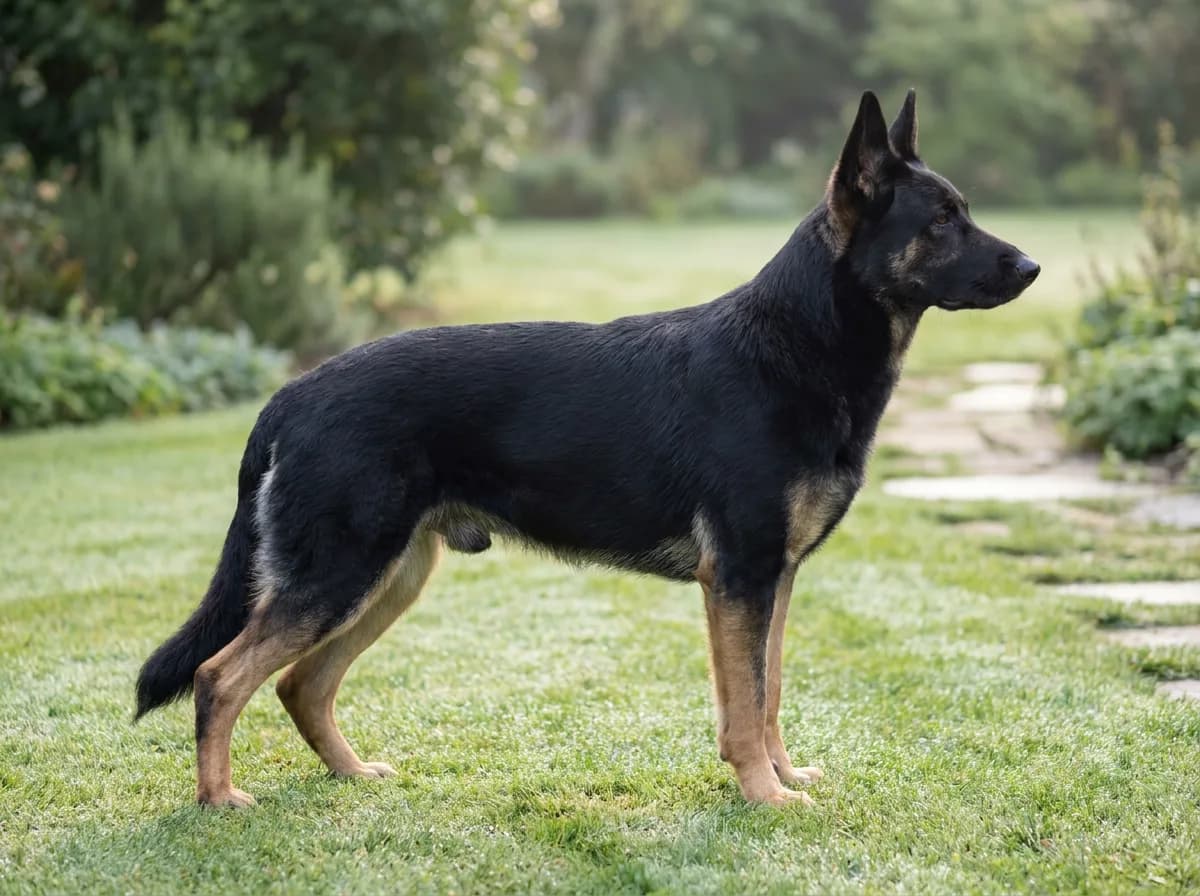
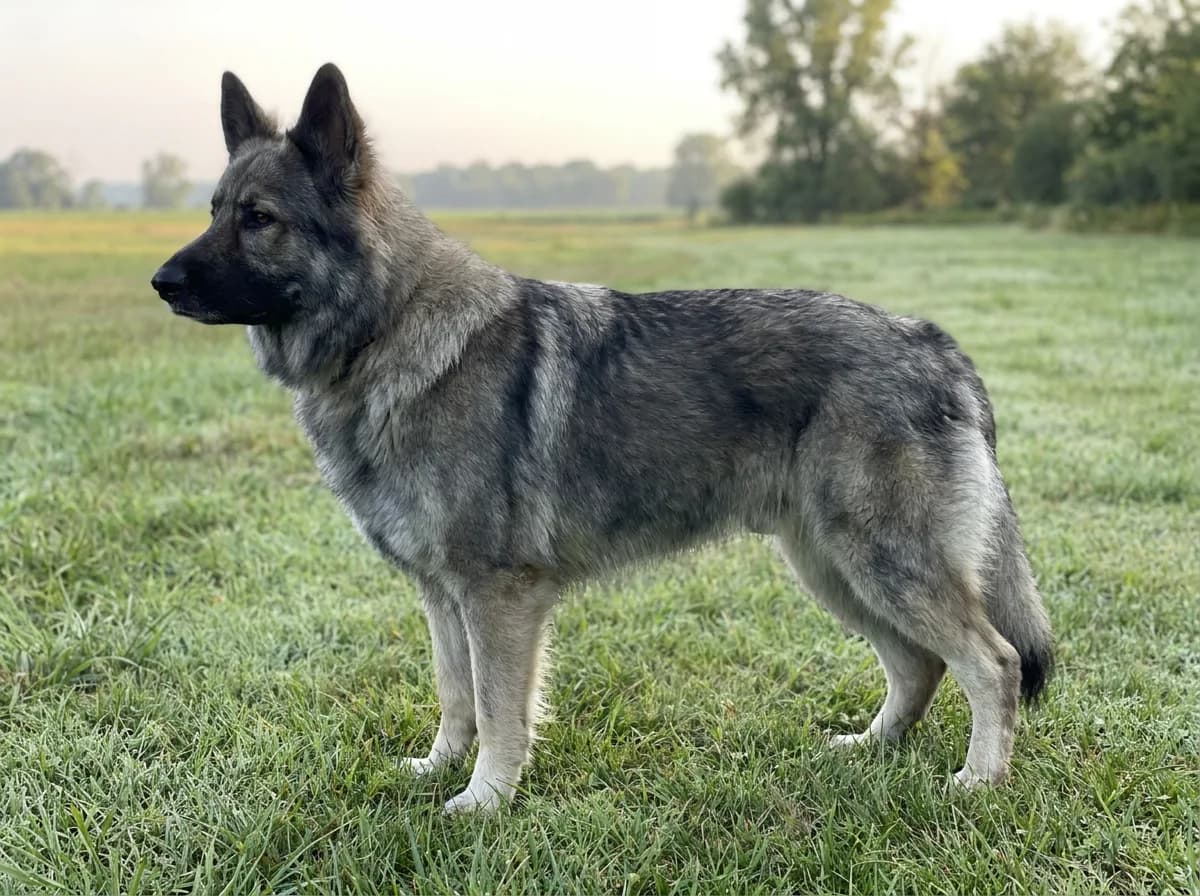
The main differences concern breed development, recognition, and the goals expressed by the relevant organizations. The AKC German Shepherd standard describes a versatile working dog and desired shoulder heights of 24–26 inches for males and 22–24 inches for females. The ISSDC Shiloh standard describes a companion-oriented dog, with adult height ranges of 28–32 inches for males and 26–30 inches for females.
Those figures establish a difference between the standards, not a guarantee that any two dogs will differ by a fixed amount. Individual variation, sex, age, and condition matter. A registry standard describes an ideal against which dogs may be evaluated; it is not a measurement certificate for a puppy advertised online.
| Comparison | Shiloh Shepherd | German Shepherd | King Shepherd |
|---|---|---|---|
| Named authority used here | International Shiloh Shepherd Dog Club standard | AKC German Shepherd Dog standard | American King Shepherd Club published standard |
| Stated emphasis | Companion-oriented shepherd | Versatile working shepherd | Substantial working and guardian type |
| Male shoulder-height wording | 28–32 inches at maturity | Desired 24–26 inches | Minimum 27 inches |
| Female shoulder-height wording | 26–30 inches at maturity | Desired 22–24 inches | Minimum 25 inches |
| How to read the comparison | Registry standard, not guaranteed puppy size | Standard range, not every dog's measurement | Minimum, not a complete adult range |
| What still needs checking | Individual variation and actual family records | Individual variation and the breeder's line | Individual variation and the named program |
The King Shepherd column uses the American King Shepherd Club's published standard. Do not combine its minimum heights with another website's averages and call the result a single universal standard. Confirm which organization's rules apply to any dog you are considering, particularly when a breeder cites a different club.
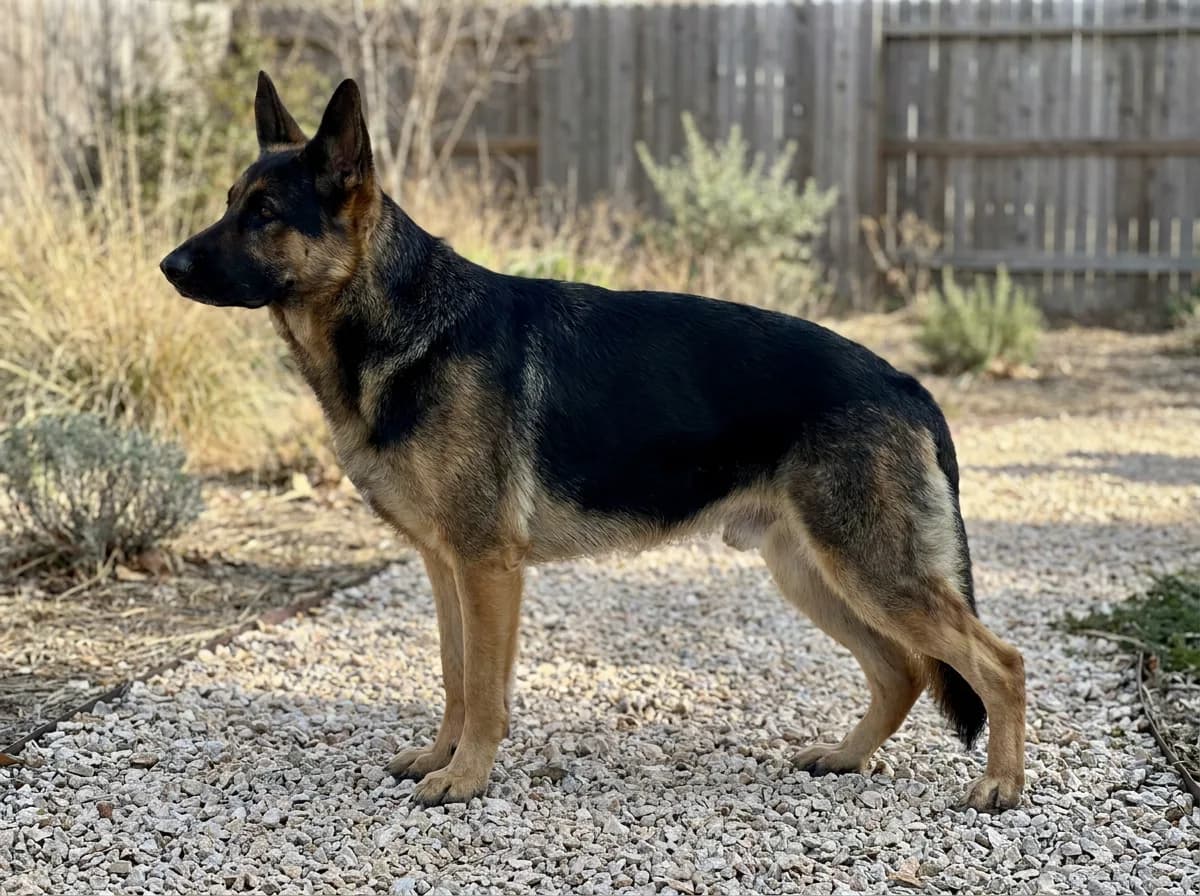
One practical test is whether each dog fits the proposed equipment. The Frisco X-Large wire crate is an option to measure, not a universal fit for these three breeds. Check natural standing, turning and resting clearance; a larger individual may need a different crate despite the X-Large label.
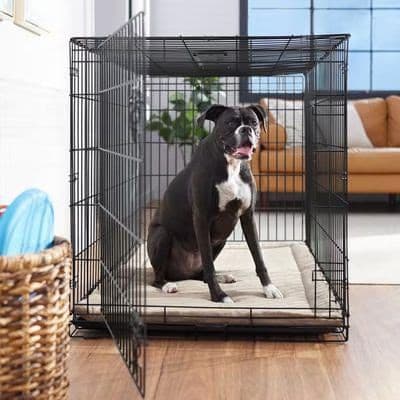
X-Large wire crate only if your dog can stand, turn and rest naturally inside. Introduce gradually; no escape-proof or transport-safety claim.
Petful may earn a commission when you click through to Chewy, at no extra cost to you.
What are the key differences between a Shiloh Shepherd and a German Shepherd?
A Shiloh is associated with a distinct breeding program developed from shepherd foundations, while a German Shepherd belongs to its own established breed and registration system. The Shiloh standard used here calls for greater adult height and emphasizes companionship. Neither distinction establishes that a particular Shiloh is easier to train or that a particular German Shepherd cannot be a suitable family companion.
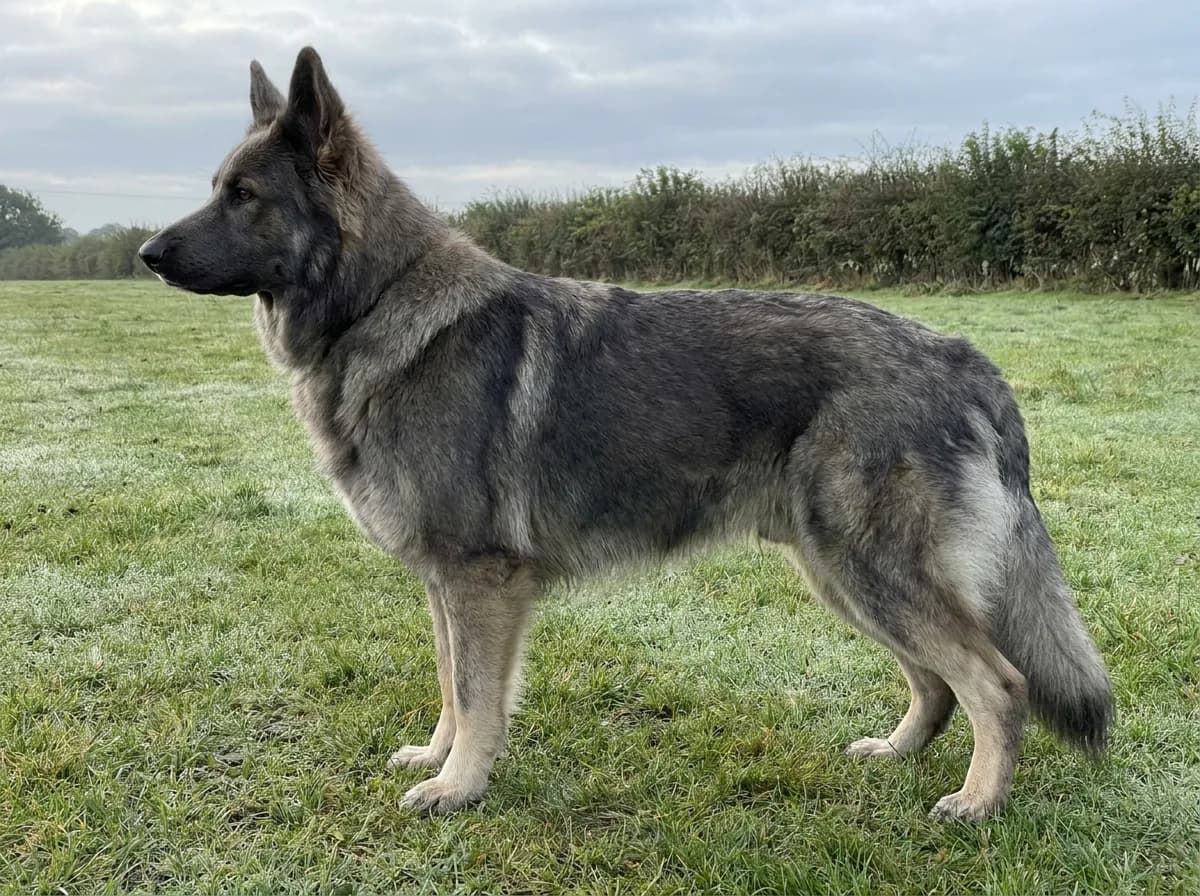
A photograph of a Shiloh Shepherd next to a German Shepherd can illustrate two individuals, but it cannot prove the typical size difference. A closer dog looks larger, a plush coat adds visual volume, and comparing an adult male with a young female changes the impression. For an equipment or housing decision, request actual measurements taken at the shoulder rather than estimating from the photograph.
- Compare adults of known age and sex when discussing size.
- Ask which standard and registry the breeder follows.
- Request observations of the parents outside a staged greeting.
- Separate an individual dog's behavior from claims about its entire breed.
- Check whether your planned activity requires a particular registration or evaluation.
German Shepherd lines and individual dogs also differ in working interests and household behavior. An owner seeking regular sport training may prioritize different traits from a family seeking a companion for walks and quiet evenings. Describe your intended routine clearly before choosing a breeder or adult dog. The right question is which dog fits that routine, not which label is universally better.
Compare resting space as carefully as activity plans. A FurHaven sofa-style bed in Large may fit one individual and be too small for another. Measure the usable sleeping area against each dog’s stretched-out posture; neither breed name nor the orthopedic label proves suitability.
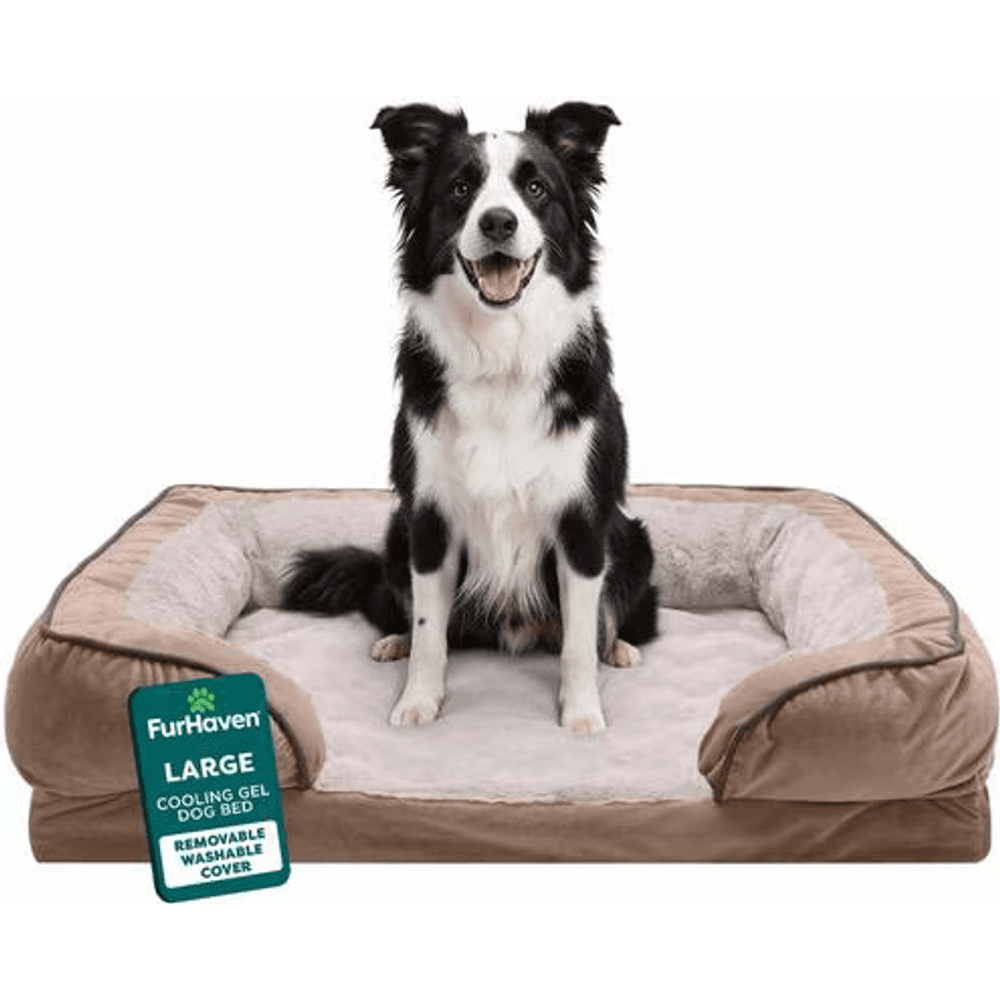
Removable-cover sofa bed. Check usable sleeping space and entry height against your dog’s posture and mobility; no medical or calming outcome promised.
Petful may earn a commission when you click through to Chewy, at no extra cost to you.
Shiloh Shepherd vs. King Shepherd
Shiloh and King Shepherds both require more investigation than simply locating a giant shepherd puppy. Their names point to distinct programs, and a seller should be able to explain the dog's registration and pedigree. The American King Shepherd Club describes German Shepherd foundations and the use of additional breeds during development. That history does not turn every large or long-haired German Shepherd into a King Shepherd.
- 1Compare a named registry standard with the records for the actual dog.
- 2Size descriptions overlap and individual variation matters.
- 3Greater height or weight does not establish superior health, temperament, or guarding ability.
The AKSC standard emphasizes a substantial body, heavy bone, and a broad, square head. Its wording about working and guardian purpose differs from the companion emphasis in the Shiloh standard used here. Treat these as the organizations' breeding aims. They are not evidence that an untrained puppy will guard safely, accept every visitor, or behave predictably around livestock.
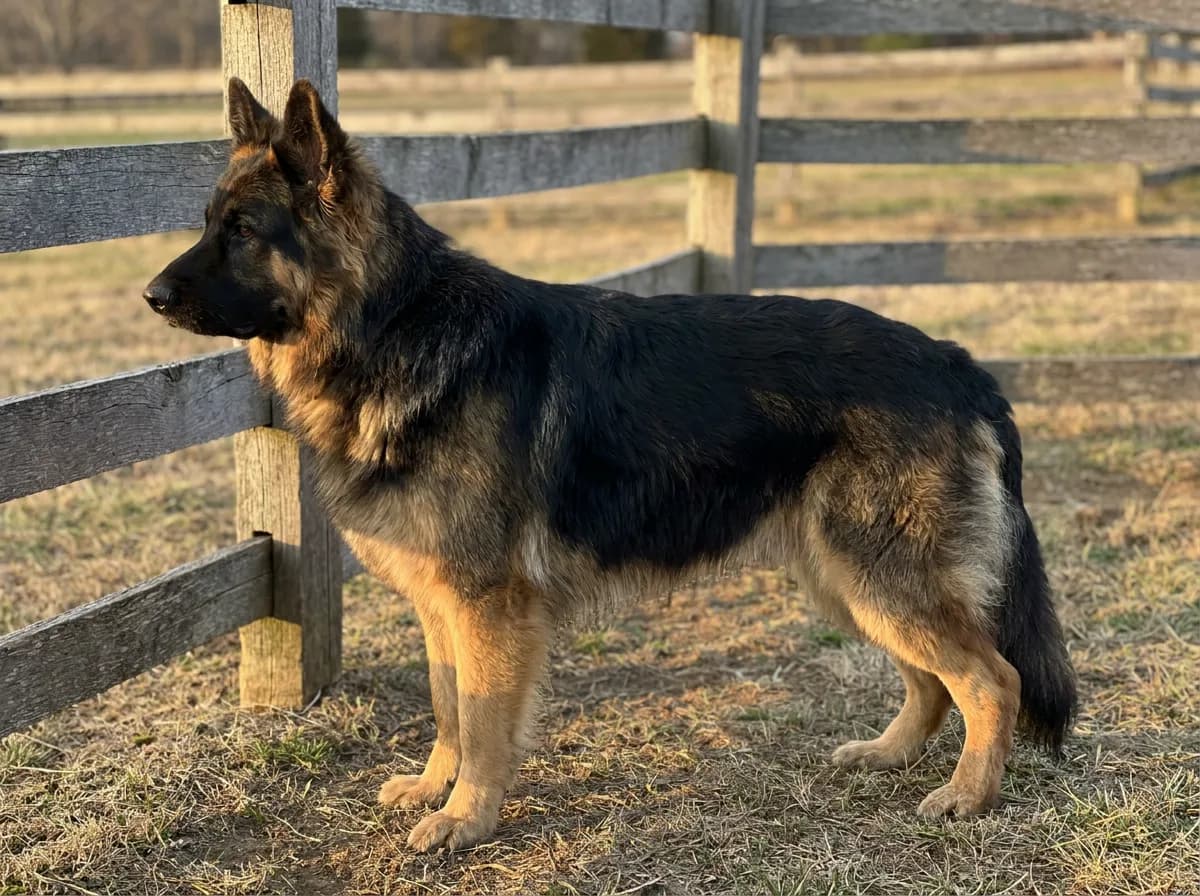
Compare like with like
The Shiloh height ranges in the matrix and the King's minimum heights are different kinds of figures. A minimum does not supply an upper limit, median, or typical adult size. You cannot subtract the two rows to rank every Shiloh and King Shepherd. Ask each breeder for the parents' measured heights and mature weights, while remembering that parent size still does not promise an exact puppy outcome.
For household use, body length and handling matter alongside height. Two dogs with similar shoulder measurements may need different beds, harness adjustments, and vehicle space. A heavier dog can also be harder to assist after an injury even when both dogs are calm. Think through the practical burden before treating extra size as an advantage.
- Measure the vehicle area where the adult dog would travel.
- Check whether the dog can turn and lie comfortably in the intended space.
- Consider the strength and confidence of every regular handler.
- Plan for care during travel, illness, or a change in work hours.
- Ask what support the breeder provides if the match proves unsuitable.
A useful breeder comparison includes both positive and difficult examples. Ask about relatives that were sensitive, highly active, slow to settle, or challenging with other animals, and how owners managed them. An answer that acknowledges variation helps you prepare. A claim that all dogs in one program are effortless companions leaves the most important household questions unanswered.
King Shepherd vs. German Shepherd
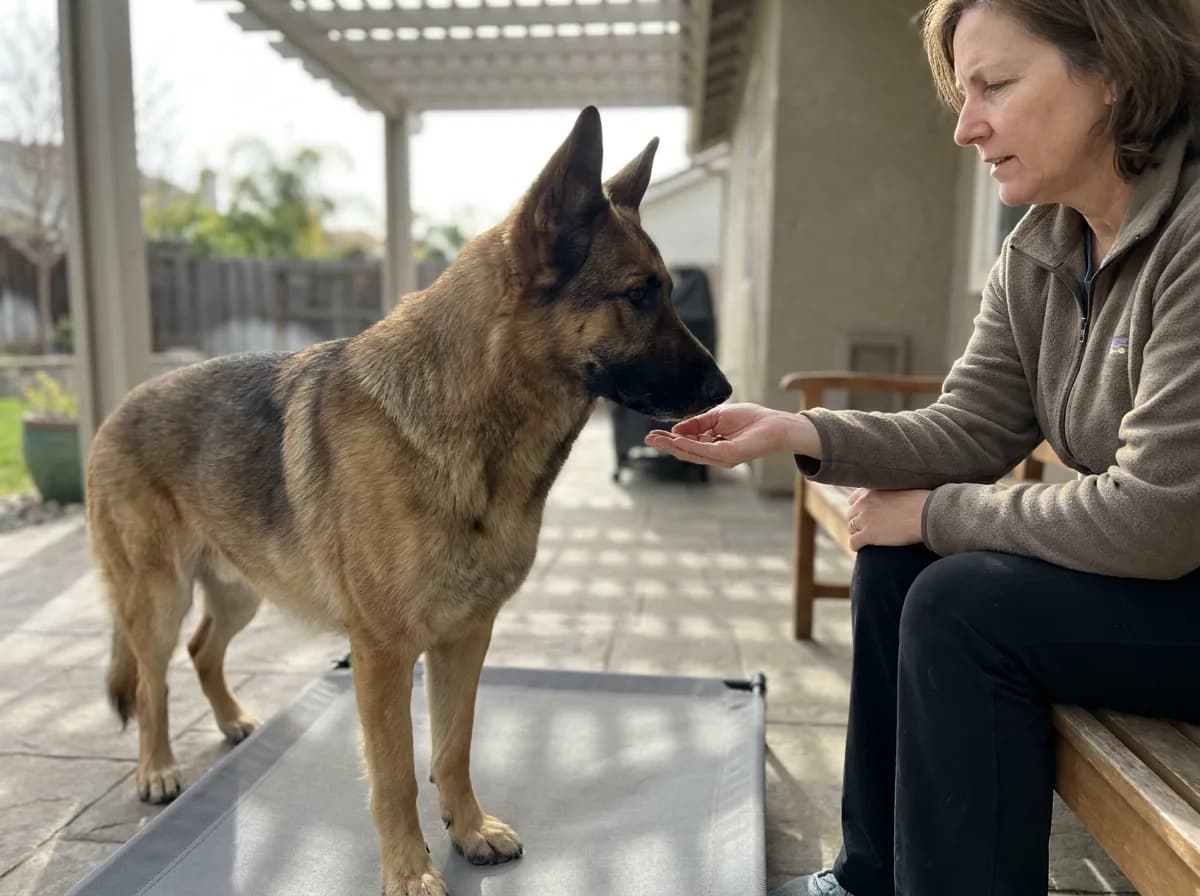
A King Shepherd is not a size variety automatically awarded to an oversized German Shepherd. The AKSC maintains a separate registration system and describes a distinct development program. A German Shepherd's identity depends on its own pedigree and registry eligibility, even when the dog is taller, heavier, or longer-coated than the preferred standard.
What's the difference between a King Shepherd and a German Shepherd?
The named standards differ in desired size and physical type, and the dogs have separate breeding and registration histories. The King standard cited here sets a larger minimum height and emphasizes substantial bone and a broad head. The German Shepherd standard describes a balanced working dog with its own proportions. Neither a large body nor a long coat is enough to identify a dog as a King Shepherd.
If an advertisement uses both names interchangeably, request clarification before discussing a deposit. Ask whether the puppy is registered as a King Shepherd, a German Shepherd, foundation stock, or something else, and which organization issued the documents. Those categories may have different meanings within the issuing program; the seller should explain them rather than assuming the buyer understands the jargon.
- Ask for the exact registered identity and issuing organization. A size label, coat description, or photograph cannot replace pedigree records. If the advertisement and paperwork use different breed names, resolve that difference before paying.
For a family, a more substantial outline can affect logistics without improving suitability. A dog that calmly accepts a visitor, responds to its handler, and recovers after a surprise offers useful behavioral evidence. An impressive head or chest offers no equivalent information. Keep appearance preferences separate from the behaviors needed in your home.
- Ask how the adult dog behaves when visitors enter and leave.
- Discuss the intended role without assuming guardian language guarantees protection.
- Check whether the dog can settle when activity stops.
- Ask about actual exposure to children, pets, and public settings.
- Choose an individual whose management needs the household can meet.
Three Shepherds at a Glance
Walking equipment should be compared against handling needs too. The Frisco six-foot traffic leash is a close-walking option if its fittings suit the dog and handler. It cannot make an untrained dog easy to manage, and it is not a long line for distance-recall work.

Six-foot leash for supervised everyday walks when the clip and weight suit your dog. Not a long line for distance recall.
Petful may earn a commission when you click through to Chewy, at no extra cost to you.
Interpret the size comparison
Read the matrix as three attributed standards, not a league table. A larger minimum is not a higher quality score, and a breed's presence in a major registry is not a guarantee that a particular breeder has made a thoughtful pairing. Both formal rules and the records behind an individual litter deserve attention.
The most useful size comparison puts the same measurements side by side: shoulder height, body length, and current weight with age and body condition. Avoid comparing a guessed maximum weight for one breed with a measured average for another. If the source does not explain what a number represents, it should not drive an equipment purchase or a decision about physical manageability.
Our Shiloh Shepherd size guide explains the Shiloh-specific measurements and growth questions in more detail. For this three-way decision, use dimensions to test the home plan: vehicle clearance, resting space, doorways, and whether you can safely assist the dog. A preferred look is reasonable, but the daily arrangement still has to work.
- A standard tells you the organization's desired type.
- A pedigree documents recorded ancestry within a registration system.
- A measurement tells you about the dog measured at that time.
- A behavioral observation describes a particular situation.
- A health result answers the question assessed by that test.
Keeping those forms of evidence separate prevents common mistakes. A pedigree cannot confirm relaxed behavior around your cat. A show award cannot replace health screening. A large parent does not guarantee a puppy's adult weight. You can use all of these records together without asking any one of them to prove more than it does.
Coat Care, Exercise, and Training Commitments
Choose a maintenance routine you can perform on an ordinary workday. Long or plush hair may catch your attention first, but both visible outer coat and undercoat need consideration. The ISSDC standard recognizes smooth and plush Shiloh coats; the AKC German Shepherd standard describes a double coat. Whatever the label, inspect the actual dog and ask someone familiar with that coat to demonstrate grooming through the hair rather than over its surface.

Large rubber toy for supervised enrichment if sizing and chewing style suit. Follow the current size guide, inspect regularly and retire when damaged.
Petful may earn a commission when you click through to Chewy, at no extra cost to you.
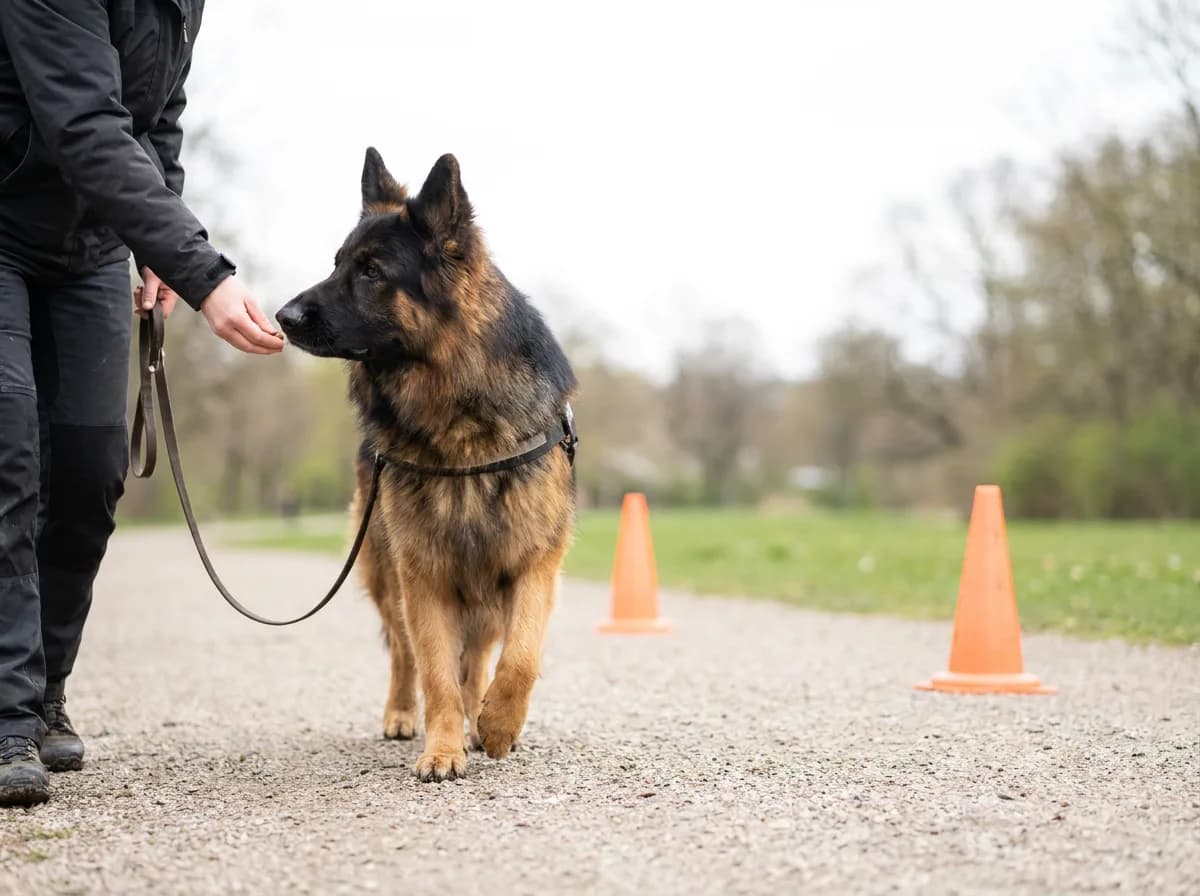
The Shiloh Shepherd colors and coats guide separates coat length, patterns, and shedding questions. Color does not establish temperament, and a dramatic plush outline does not establish a heavier skeleton. For a coat-care decision, ask about brushing, seasonal loose hair, drying after wet walks, and the help available when the dog does not enjoy handling.
Build an achievable activity routine
Exercise plans should reflect the dog's age, health, condition, and interests. A working-oriented individual may enjoy regular structured training; a companion-oriented individual still needs movement and engagement. Neither a yard nor a breed label tells you how much satisfying activity the dog receives. Consider whether someone will actually be available to walk, train, and supervise it on busy days.
- Include comfortable walks with opportunities to sniff.
- Practice useful skills in short sessions before adding distractions.
- Provide quiet rest rather than expecting constant interaction.
- Adjust activity when the dog struggles, becomes distressed, or has difficulty recovering.
- Ask your veterinarian about appropriate exercise when pain, illness, or growth raises concerns.
A suitable food toy can support a quiet routine after activity. The KONG Classic in Large is an option only if its dimensions and durability suit the individual dog's mouth and chewing behavior. Some dogs in this comparison may need a larger size or a different toy. Supervise initial use and remove damaged equipment rather than choosing solely from the breed name.
Training should make daily management easier for everyone who handles the dog. Teach waiting at doors, walking without pulling, settling on a mat, and accepting ordinary care. The American Veterinary Society of Animal Behavior recommends reward-based training. A larger dog does not require harsher methods; it makes early, consistent practice more valuable. Small pieces of a suitable training treat can reward a successful step; include them in the daily feeding allowance.
Ask for demonstrations that match your life
If you expect to use a car daily, watch how the adult relatives approach and enter one. If visitors are frequent, ask how greetings are managed and whether the dog can remain relaxed behind a barrier. If the dog will accompany you to public spaces, discuss the difference between calm observation and being required to greet every person or animal.
A demonstration is one piece of evidence, not a guarantee. Note the environment, the handler's help, and whether the situation is familiar to the dog. A relaxed dog at home may need patient preparation elsewhere. Conversely, a dog that is reserved during a first meeting is not automatically unsuitable; ask how it usually recovers and builds familiarity.
- Describe the routine you want rather than asking whether the breed is easy.
- Ask which skills the puppy or adult has already practiced.
- Find out what situations remain unfamiliar or difficult.
- Plan support before a handling problem becomes urgent.
- Keep training goals realistic for the dog's current stage.
Health Records Matter More Than a Breed Promise
Do not rank these dogs by a claim that one was developed to eliminate another's health problems. A breeding goal can motivate screening and careful selection, but it does not establish comparative disease rates or guarantee a healthy puppy. Ask for actual reports, family history, and the policy followed by the breeder's program.
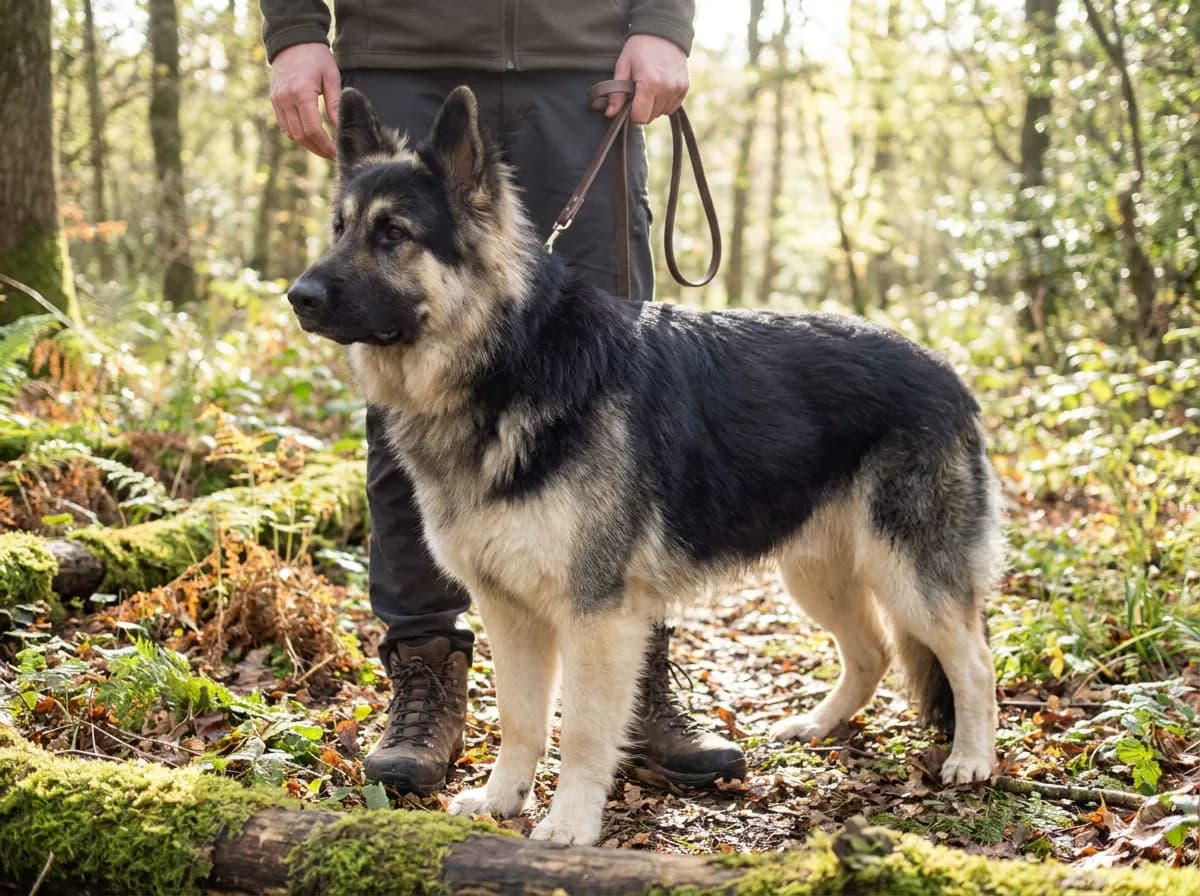
For example, the ISSA health-testing page describes requirements for dogs covered by its program. Those requirements should not be silently applied to all Shiloh registries, much less to German or King Shepherds. Similarly, a test name alone is incomplete evidence: you need the dog identity, result, age, and relevant method to understand what was assessed.
Make the records comparable
Request the same categories of information from each breeder, then note where the documents differ. The purpose is not to diagnose the parents yourself or to insist that every program uses identical procedures. It is to identify what can be verified and what needs a veterinarian's interpretation before you commit.
- Match the reports to the registered identities of both parents.
- Distinguish preliminary assessments from final evaluations when applicable.
- Ask about significant illnesses in close relatives and previous litters.
- Check what the contract actually promises and what remedy it provides.
- Ask who will share relevant family-health information later.
A normal result reduces uncertainty about the specific issue evaluated; it does not erase every possible health concern. A registry entry, championship, or breeder assurance serves a different purpose from a veterinary report. If a seller discourages reasonable questions or substitutes a broad healthy-breed claim for records, you have an unresolved information gap.
The Shiloh Shepherd puppies guide covers Shiloh-specific breeder checks and purchase questions. Use the comparison here to decide what evidence you need, then investigate the actual litter. Price, rarity, and the number of photographs in an advertisement do not answer the health-record questions.
Which Shepherd Fits Your Household?
Start with a realistic week. Include work, school, visitors, exercise, grooming, rest, travel, and the person who takes over when you cannot. A breed preference becomes a useful decision only when it fits that schedule. Any of these dogs can create difficulty if the household cannot manage its size, activity, or responses to the environment.
For the Shiloh's development, companion aims, variable temperament, and large-dog tradeoffs, see the Shiloh Shepherd breed guide. Rarity is not a quality rating, and a complicated development history should not be compressed into a universal two-breed recipe. Ask about barking and settling as observed behaviors rather than assuming the breed name supplies an exact answer.
- If physical handling is the main concern, prioritize the individual dog's size and leash behavior.
- If training is a major hobby, discuss specific activities and the breeder's experience with them.
- If a quiet companion is the priority, investigate settling and sensitivity in adult relatives.
- If other pets are present, plan introductions and management around observed behavior.
- If your schedule is already stretched, reconsider whether the proposed dog fits it now.
An adult dog with a documented history may offer different information from a young puppy whose traits are still developing. That does not make either route universally better. It changes the questions you can answer before adoption or purchase, and the support you may need afterward.
Choose the dog whose needs you can meet consistently, supported by clear records and candid guidance. You do not need to prove that one shepherd is the best in every category. You need a sound reason that this particular dog, from this particular source, can live well in your household.
Shiloh Shepherd vs. German Shepherd vs. King Shepherd Questions
No. Height and weight do not establish judgment, confidence, or a safe response to unfamiliar people. Individual behavior, appropriate training, and safe management matter more than a size ranking. Do not encourage threatening behavior or buy a puppy on a promise that it will protect a family without specialized assessment and responsible handling.
Not simply because it resembles one or has German Shepherd ancestry. These names involve separate registry systems and pedigree records. Eligibility depends on the receiving organization's rules and the actual documentation. Confirm the exact registration category with that organization instead of relying on an advertisement's interchangeable breed labels.
The named Shiloh standard used here gives mature heights of 28–32 inches for males and 26–30 for females. The AKC German Shepherd standard gives desired heights of 24–26 inches for males and 22–24 for females. That supports a difference in the standards, not a guarantee about every pair of dogs. Compare actual shoulder measurements from adults of known age and sex; coat volume and camera position can make photographs misleading.
The best predictor is the individual dog’s fit with your routine, not a universal ranking. A working-oriented German Shepherd may suit someone who wants regular structured training, while a companion-oriented Shiloh still needs activity, social learning and capable handling. King Shepherd program aims also need checking against the actual dog. Ask about settling, visitors, other animals and handling, and consider an adult whose daily behavior is already known.
BVMS, MRCVS
Dr. Pippa Elliott, BVMS, MRCVS, is a veterinarian with nearly 30 years of experience in companion animal practice. Dr. Elliott earned her Bachelor of Veterinary Medicine and Surgery from the University of Glasgow. She was also designated a Member of the Royal College of Veterinary Surgeons. Married with 2 grown-up kids, Dr. Elliott has a naughty Puggle named Poggle, 3 cats and a bearded dragon.
Sign up for expert-backed reviews and safety alerts all in one place.