Shiloh Shepherd Colors and Coats: Plush vs. Smooth
Separate Shiloh Shepherd coat length from color and pattern. Compare smooth and plush outlines, interpret sable shading, and plan practical grooming while recognizing what photographs cannot prove.

BVMS, MRCVS
Petful is reader supported. As an affiliate of platforms like Amazon and Chewy, we may earn a commission when you buy through links on this page. There is no extra cost to you.
Shiloh Shepherd colors and coat varieties describe two different things. Black, white, sable, and black-and-tan describe color or pattern. Plush and smooth describe coat structure and length. A dog can be both plush and sable, or smooth and black, without either description contradicting the other.
Start by looking at the outline of the coat, then at the distribution of pigment. For registration or showing, use the named organization's written standard. Photographs help describe visible traits, but they do not prove pedigree, genetic results, or the adult coat of a young puppy.

Sign up for expert-backed reviews and safety alerts all in one place.
Plush vs. Smooth Shiloh Shepherd Coats
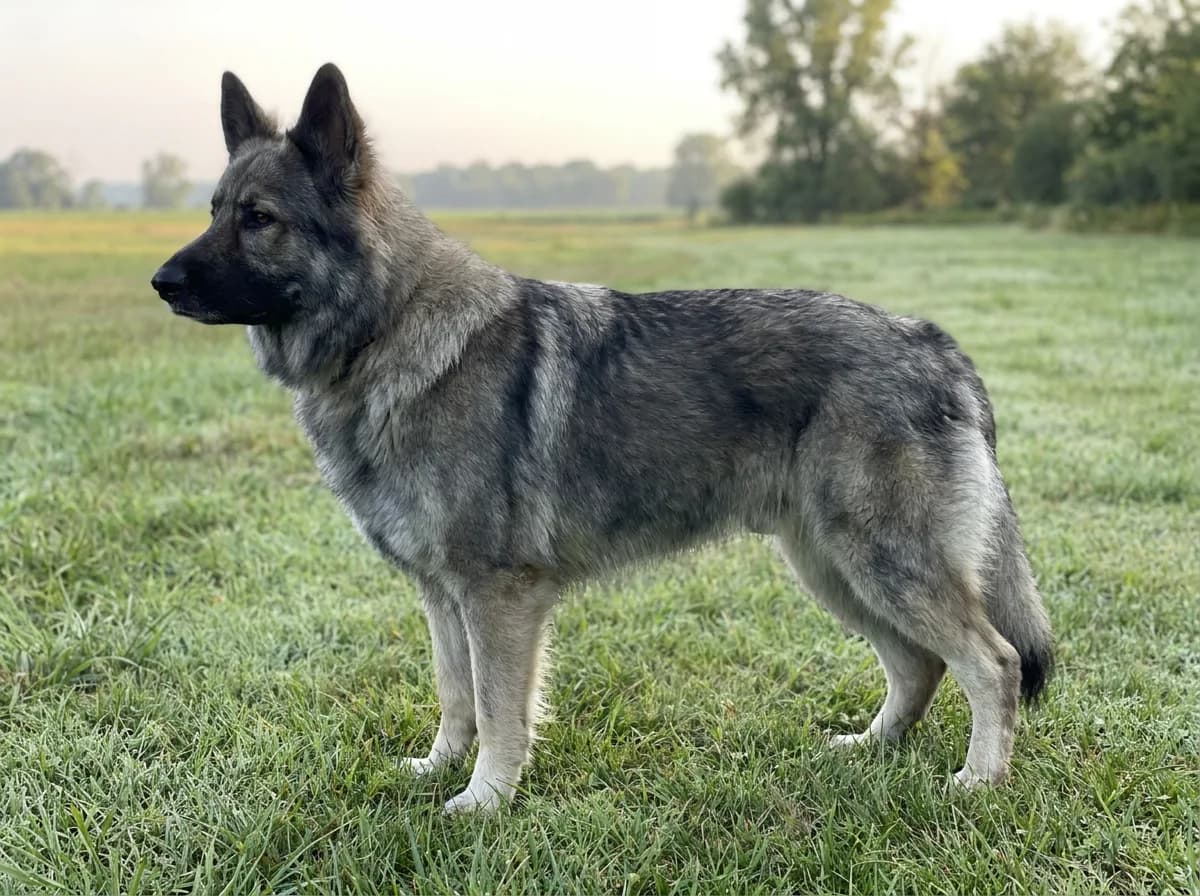
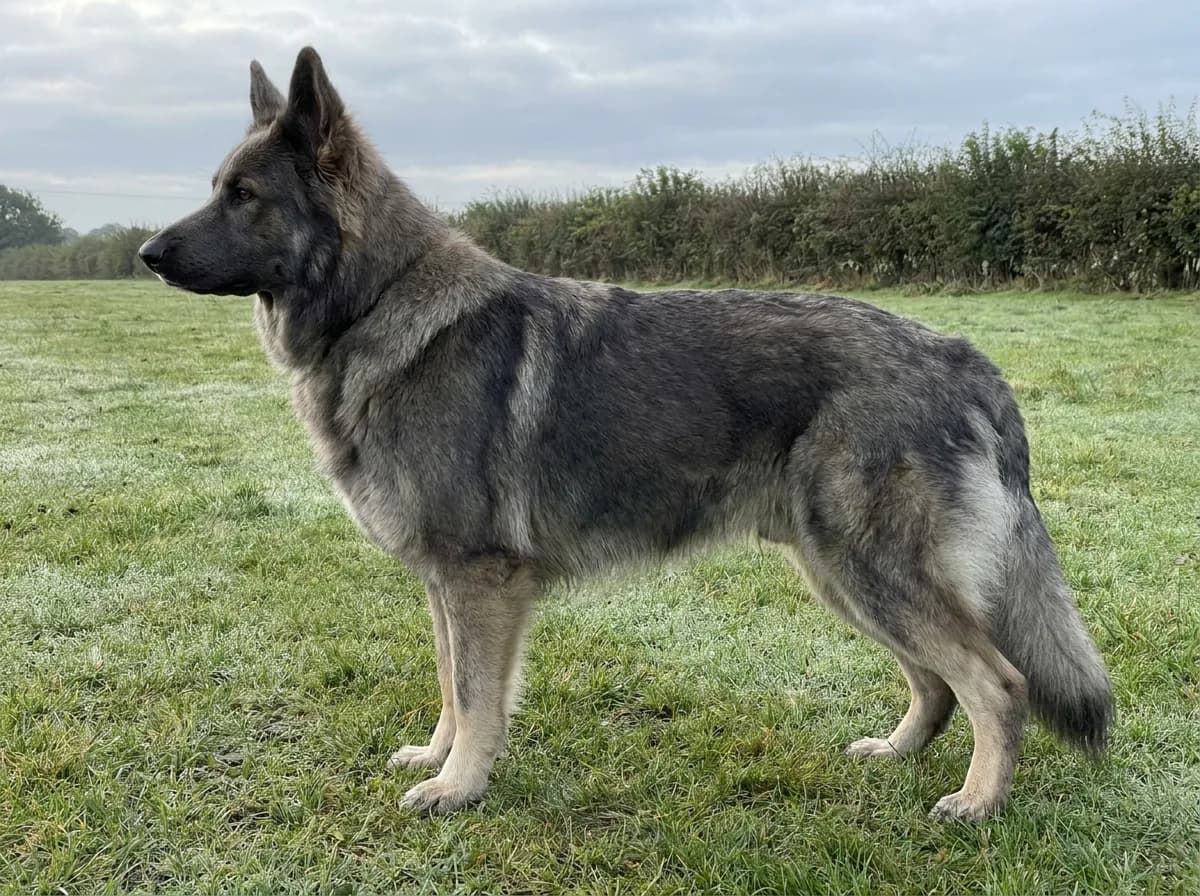
The International Shiloh Shepherd Dog Club standard recognizes smooth and plush coat varieties. Smooth coats lie closer to the body; plush coats show more mane and feathering. Both have an undercoat. Coat length and pigment pattern are separate observations, so choose grooming around the hair you are handling rather than a color label.
| First describe coat length | Then describe pigment pattern | Example of a complete description |
|---|---|---|
| Smooth, with a closer outline | Predominantly black | Smooth-coated black Shiloh |
| Plush, with fuller mane and feathering | Dark-tipped sable shading | Plush sable Shiloh |
| Smooth, with shorter-looking body hair | Black saddle with lighter areas | Smooth black-and-tan Shiloh |
| Plush, with longer furnishings | Predominantly white | Plush white Shiloh |
| Either variety | Gray or silver-looking shading | State both the visible shading and coat variety |
For collecting loose hair around the resting area, a FurHaven sofa bed with removable cover is one practical option. Check its usable sleeping area and entry against the dog’s actual size; the linked Large bed may be too small for some Shilohs. Follow cover-care instructions without expecting bedding to reduce shedding.
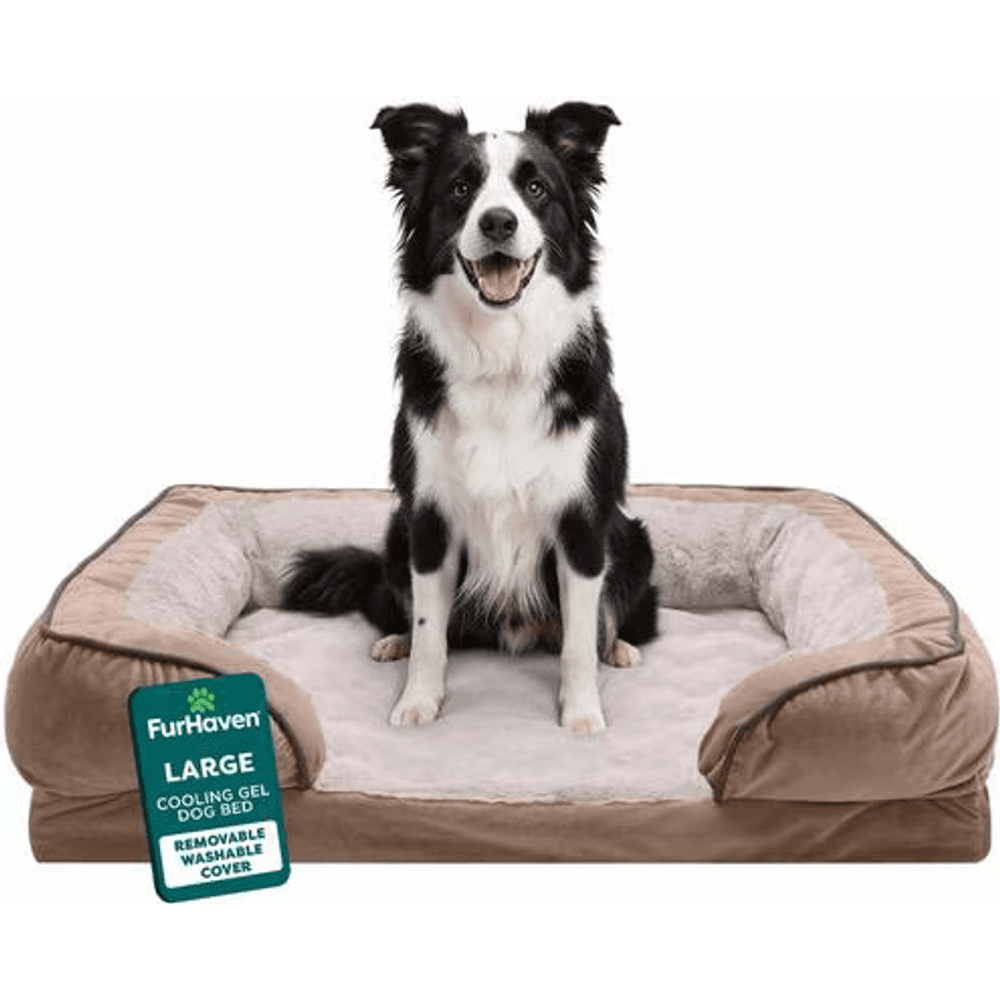
Removable-cover sofa bed. Check usable sleeping space and entry height against your dog’s posture and mobility; no medical or calming outcome promised.
Petful may earn a commission when you click through to Chewy, at no extra cost to you.
Short-haired is often an informal description of a smooth Shiloh, while long-haired commonly points to a plush appearance. Those labels are less precise than the named varieties. A smooth dog still has a substantial double coat, and a plush dog is not defined by unlimited length or a soft, woolly texture.
A gray or grey Shiloh is being described by its apparent shade, not assigned a third coat-length category. Blue is also a color term, not a synonym for smooth. The ISSDC standard lists blues and livers among color faults. If a seller uses one of those labels, ask which registry terminology applies instead of treating an unusual name as proof of rarity or value.
What the difference means at home
The aumuca Self Cleaning Slicker Brush is a possible brushing tool if its pins and size suit the individual coat. Use light pressure and check the result rather than assuming a slicker reaches every layer. A self-cleaning mechanism removes hair from the tool; it does not establish that the dog's undercoat has been thoroughly groomed.
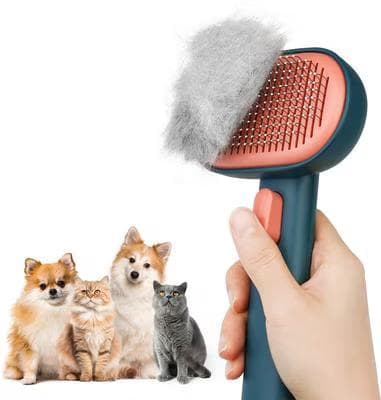
Slicker for gentle coat care if its pins and size suit your dog. Use light pressure; stop if it pulls or causes discomfort.
Petful may earn a commission when you click through to Chewy, at no extra cost to you.
The ISSA breed overview describes both smooth and plush Shilohs as shedding dogs. A fuller coat may retain loose hair until grooming releases it, while shorter-looking hair can be more noticeable on household surfaces. The amount you collect in a brush is not a controlled comparison of how much two dogs shed.
- Look beneath the outer hair rather than judging only the surface.
- Pay attention to feathered areas where hair can tangle.
- Adjust grooming to the dog's current coat and seasonal loose hair.
- Keep grooming comfortable enough that the dog can participate calmly.
- Ask for a practical demonstration if the undercoat is difficult to assess.
A plush outline can make a dog look larger, especially around the neck and chest. That is useful to recognize when comparing photographs, but it should not determine equipment size. Measure the body for a harness or crate and follow the product's instructions rather than guessing from the volume of hair.
Shiloh Shepherd Colors and Markings
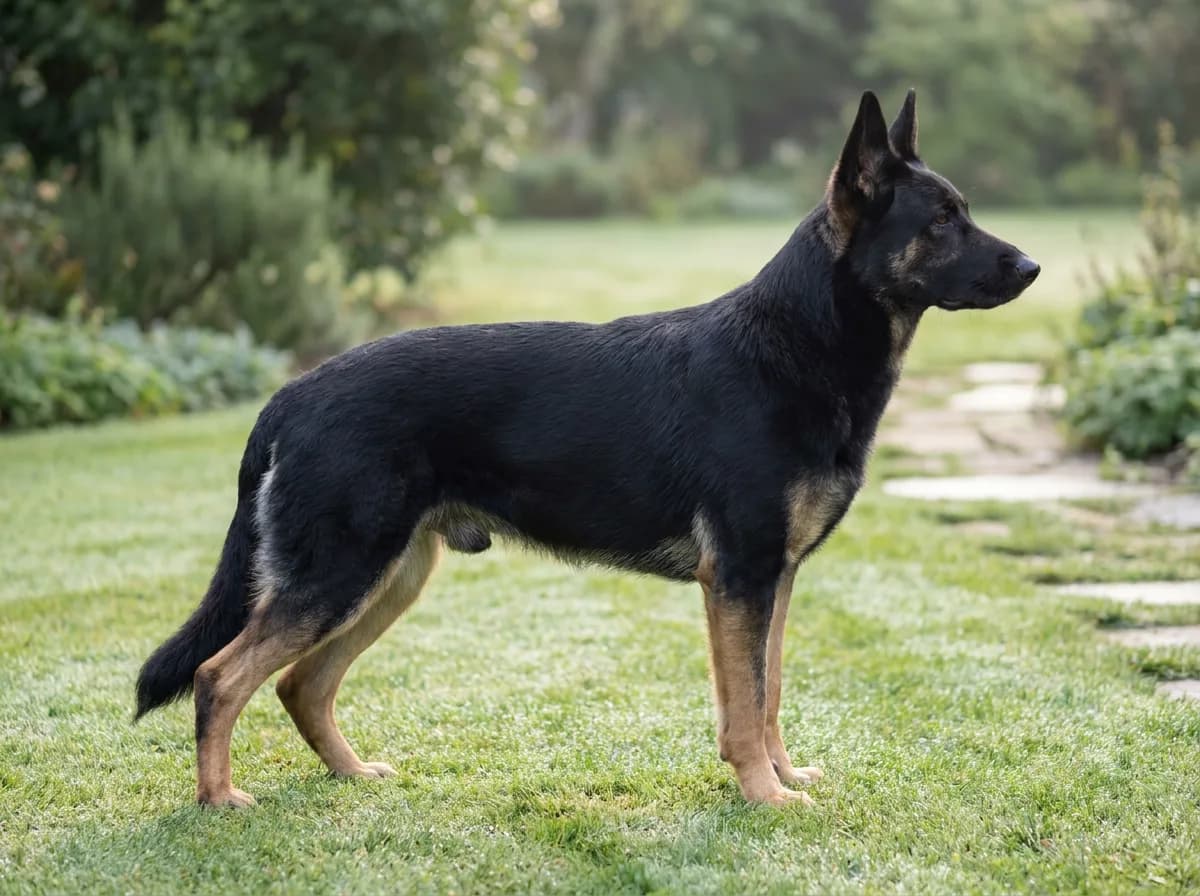
Describe the broad color first, then the pattern. A black Shiloh appears predominantly black; a white Shiloh appears predominantly white. A black-and-tan dog has contrasting areas, while a sable dog shows darker-tipped hair over a lighter base. Red, silver, and gray descriptions can refer to the shade visible within a more complex coat rather than a completely separate pattern.
- 1Coat length and pigment pattern answer different questions.
- 2Name the registry when discussing a written color standard.
- 3A photograph describes appearance without proving ancestry or genotype.
The ISSDC standard accepts solid black and solid white, black paired with several lighter shades, and sable patterns. It also distinguishes permitted small white markings from broader white spotting. These are that organization's show-standard descriptions, not a universal statement that every Shiloh registry uses identical wording or classifications.
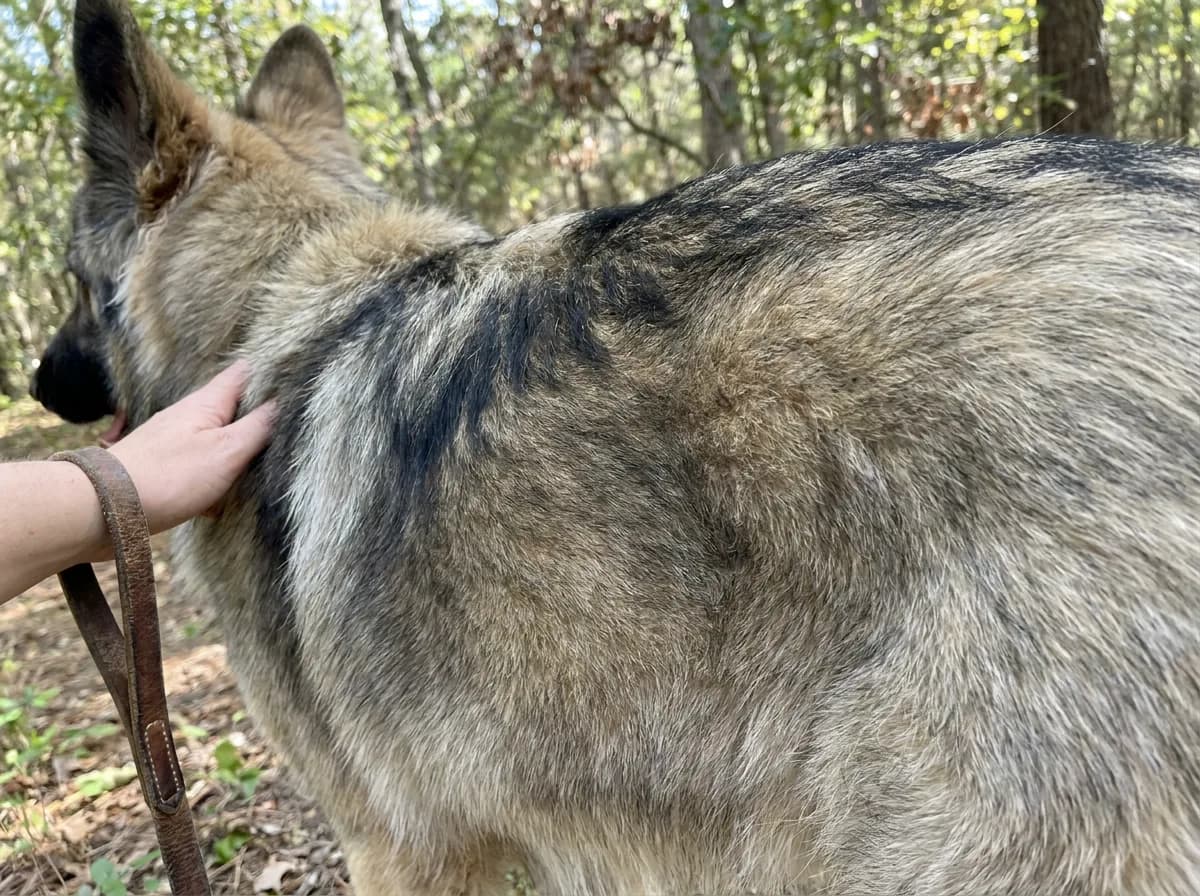
Read sable and shaded coats carefully
For a sable Shiloh, look at the hair itself as well as the overall silhouette. Dark tips can create a darker surface while the lighter hair beneath remains visible when the coat moves or is parted. A silver sable or gray sable description should tell you about the visible shading; it does not, by itself, establish the genetic mechanism behind it.
A red Shiloh may show warm tones alongside darker hair or markings. Similarly, silver can be used for cooler pale areas within a patterned coat. Ask for photographs in neutral daylight and a plain description of what is visible, especially when deciding whether a seller's label matches the dog you are considering.
- Look at the side of the body for the overall pattern.
- Compare the face, neck, legs, and tail rather than relying on one close-up.
- Distinguish dark hair tips from a continuous dark saddle area.
- Note whether the image was taken in shade, warm sunlight, or artificial light.
- Use the registration record for the registered label rather than assigning one from a photograph.

Six-foot leash for supervised everyday walks when the clip and weight suit your dog. Not a long line for distance recall.
Petful may earn a commission when you click through to Chewy, at no extra cost to you.
Lighting can make a black coat show warm highlights or make a cool-colored coat appear bluer. Wet hair also lies differently from dry hair. Comparing unlike photographs can create an apparent color change that is partly photographic. If the distinction matters, ask for a current image of the dry coat in even natural light.
How Puppy Coats Change
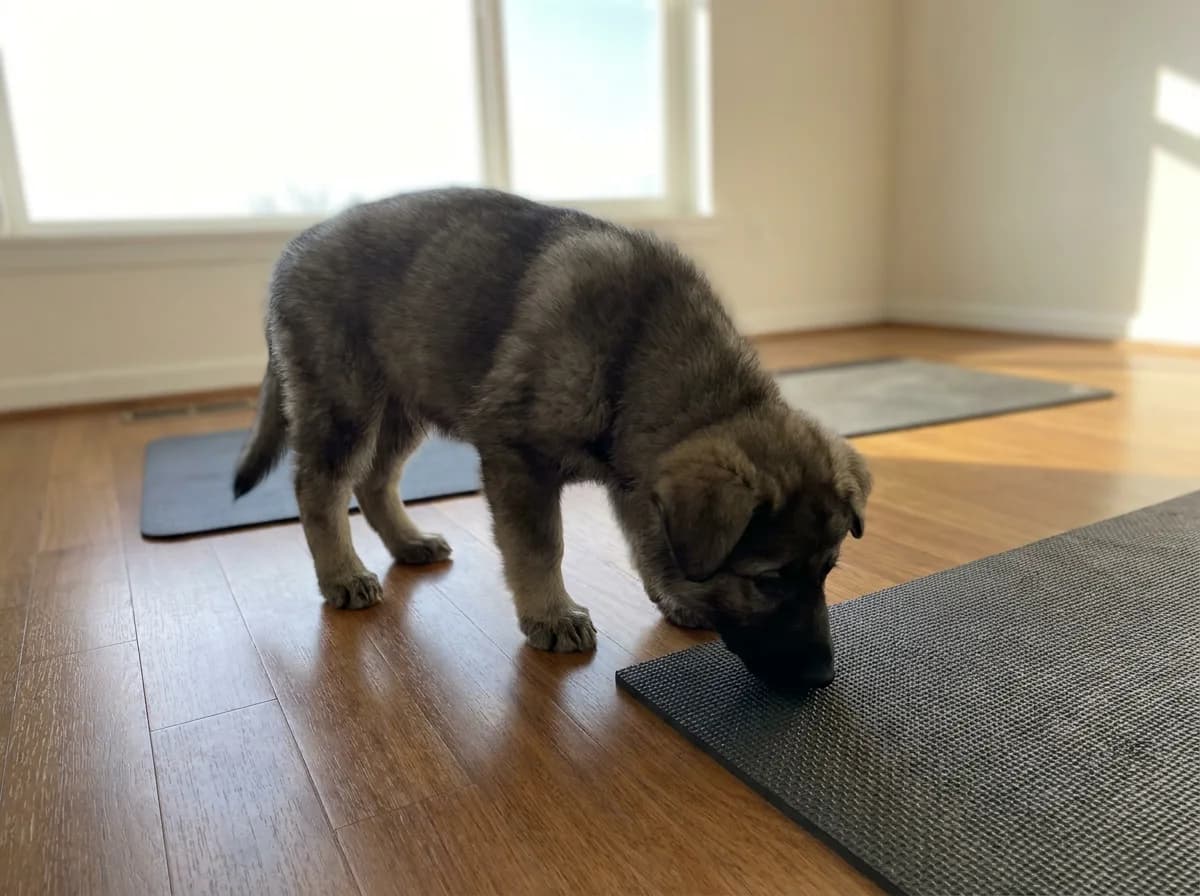
A young puppy's coat is still developing, so avoid expecting an adult to look exactly like its earliest photograph. Length, fullness, and the balance of visible lighter and darker hair can change as the coat matures. The timing and final appearance are not guaranteed by a single image or a confident prediction from a seller.
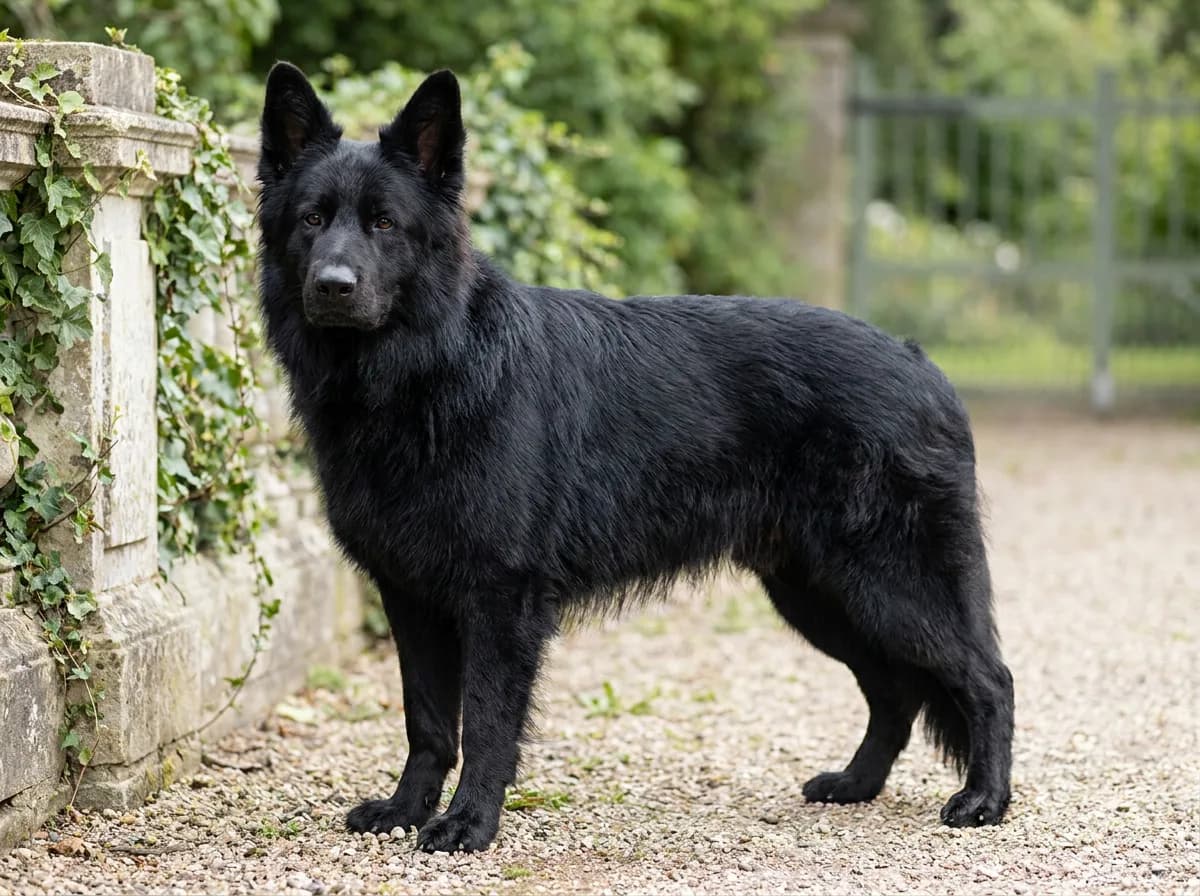
During walks or outdoor reference photographs, use equipment fitted beneath the coat rather than judged from its outline. The Frisco six-foot traffic leash is an everyday option when its fittings suit the dog and handler. It is not a long line, and a plush appearance does not make an insecure connection acceptable.
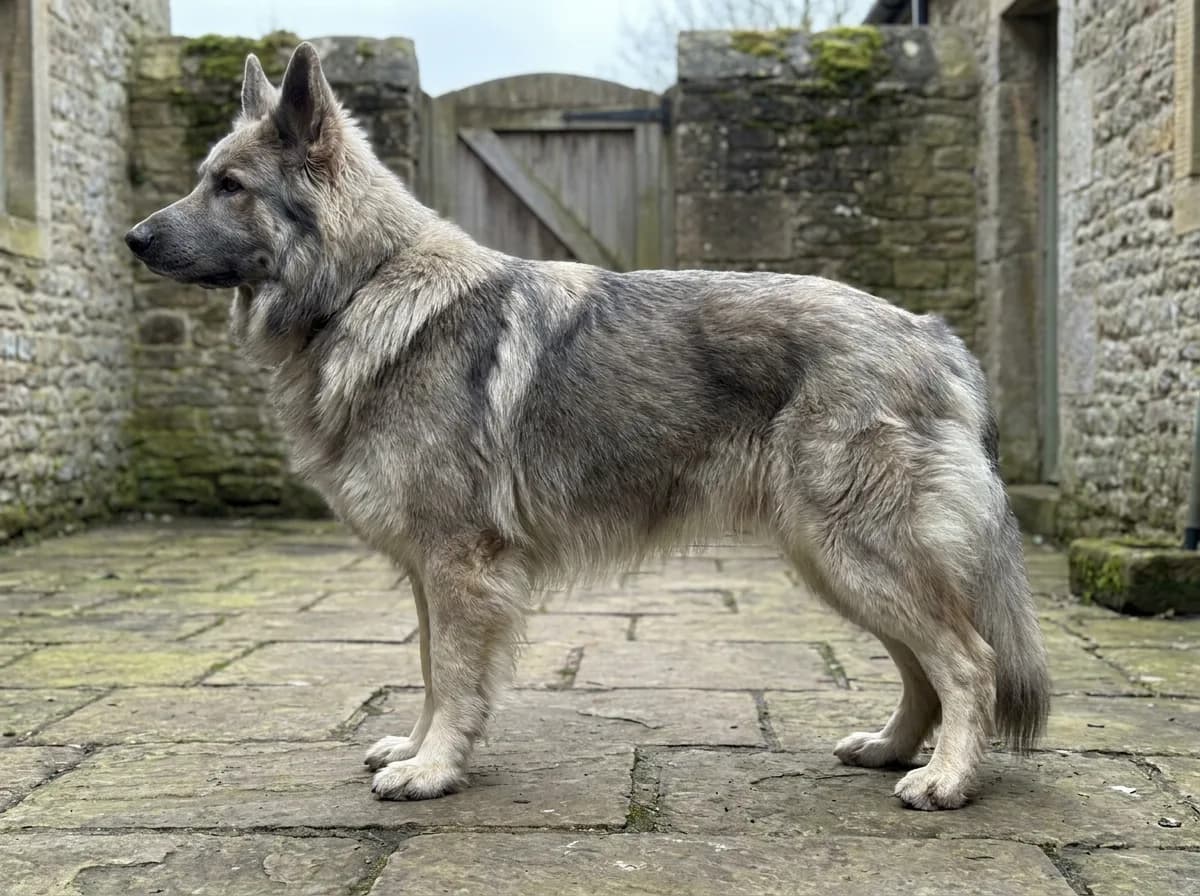
Ask the breeder to distinguish what is currently visible from what is expected. Photographs of mature relatives may provide context, but they are not a promise of an identical mane, shade, or pattern. An adult black Shiloh shown here is a reference for appearance, not an after photograph proving how a particular puppy changed.
- Keep dated photographs if you want to follow your own dog's coat development.
- Use similar lighting and angles when comparing those images.
- Record the breeder's exact terminology without turning it into a guarantee.
- Reassess grooming needs as fuller or longer hair appears.
- Treat sudden patchy hair loss or irritated skin as a separate concern, not an expected color transition.
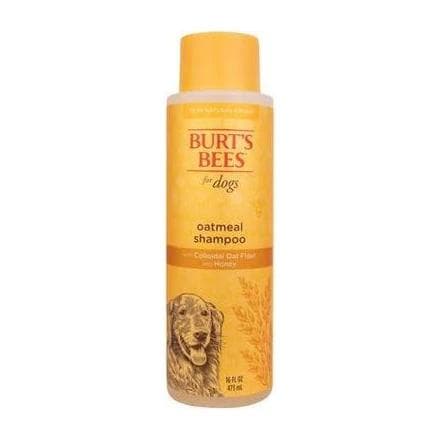
Nonmedicated shampoo for ordinary cleaning of a healthy coat. Follow the label; ask a veterinarian about unexplained irritation.
Petful may earn a commission when you click through to Chewy, at no extra cost to you.
For normal appearance tracking, a few consistent photographs are enough. There is no need to repeatedly handle an uncomfortable puppy just to inspect every hair. Build gentle grooming habits, allow the dog to rest, and ask a professional when you cannot distinguish a tangle or retained coat from a skin problem.
Grooming Each Coat Without Chasing a Look
Groom to keep the actual coat comfortable and manageable. A smooth Shiloh still needs loose hair removed; a plush Shiloh may require more attention to feathering and areas where hair rubs together. Start with short sessions and work methodically instead of trying to remove every loose hair in one sitting.
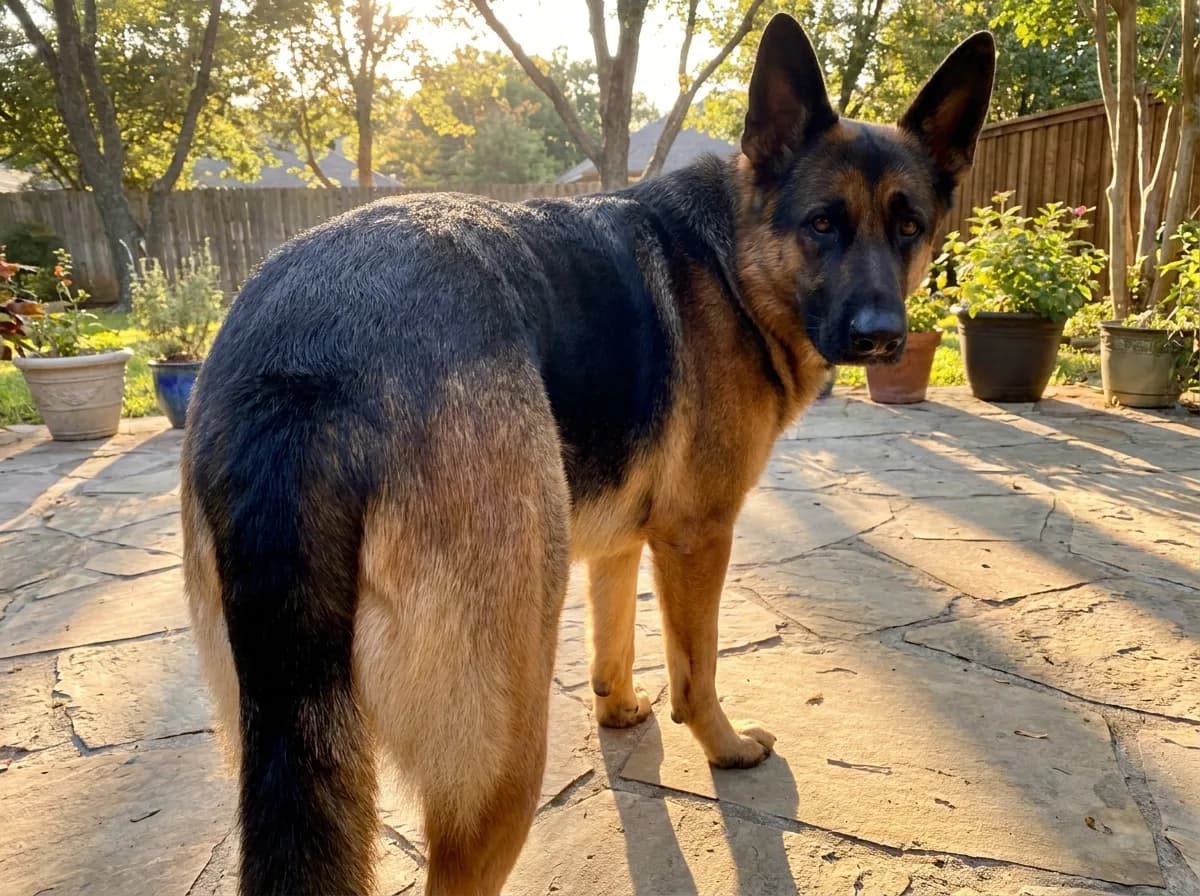
Part the coat gently and check small sections. A brush that glides over the surface may leave tangles underneath, while excessive pressure can make grooming unpleasant. A suitable rounded-tooth comb can help check whether a section is clear, but stop when it catches rather than pulling it through resistance.
- Choose tools suitable for the dog's actual coat density and tolerance.
- Work in manageable sections and check the skin as you go.
- Pay attention behind the ears, in feathering, and where equipment rubs.
- Pause if the dog becomes uncomfortable or the skin looks irritated.
- Arrange professional help for tight tangles or a coat you cannot safely manage.
For ordinary cleaning of a healthy coat, Burt's Bees Oatmeal Dog Shampoo is one nonmedicated option to consider according to its label. Rinse thoroughly and dry the coat appropriately. Do not treat an oatmeal label as a promise to resolve itching, infection, or every sensitivity; persistent skin changes need veterinary advice.
Keep the routine realistic
A grooming plan should fit both the dog and the person doing it. A brief, thorough session in one area can be more useful than a long session that ends with a struggling dog and unfinished tangles. Use stable footing, have the tools ready, and reward calm cooperation without restraining the dog into a difficult position.
Coat preference also has household consequences. Plan for loose hair in bedding and the car, drying after wet outings, and professional help when necessary. Choosing smooth does not remove those tasks, and choosing plush should include a willingness to maintain the fuller furnishings. The best-looking coat is not a reason to ignore the care it requires.
What Appearance Cannot Prove About a Shiloh
A coat photograph cannot verify registry identity, determine temperament, or predict lifespan. Pedigree records and the issuing organization's documentation answer different questions from coat appearance. A wolf-like outline, a teddy bear mane, or an unusual shade does not establish a particular ancestry formula.
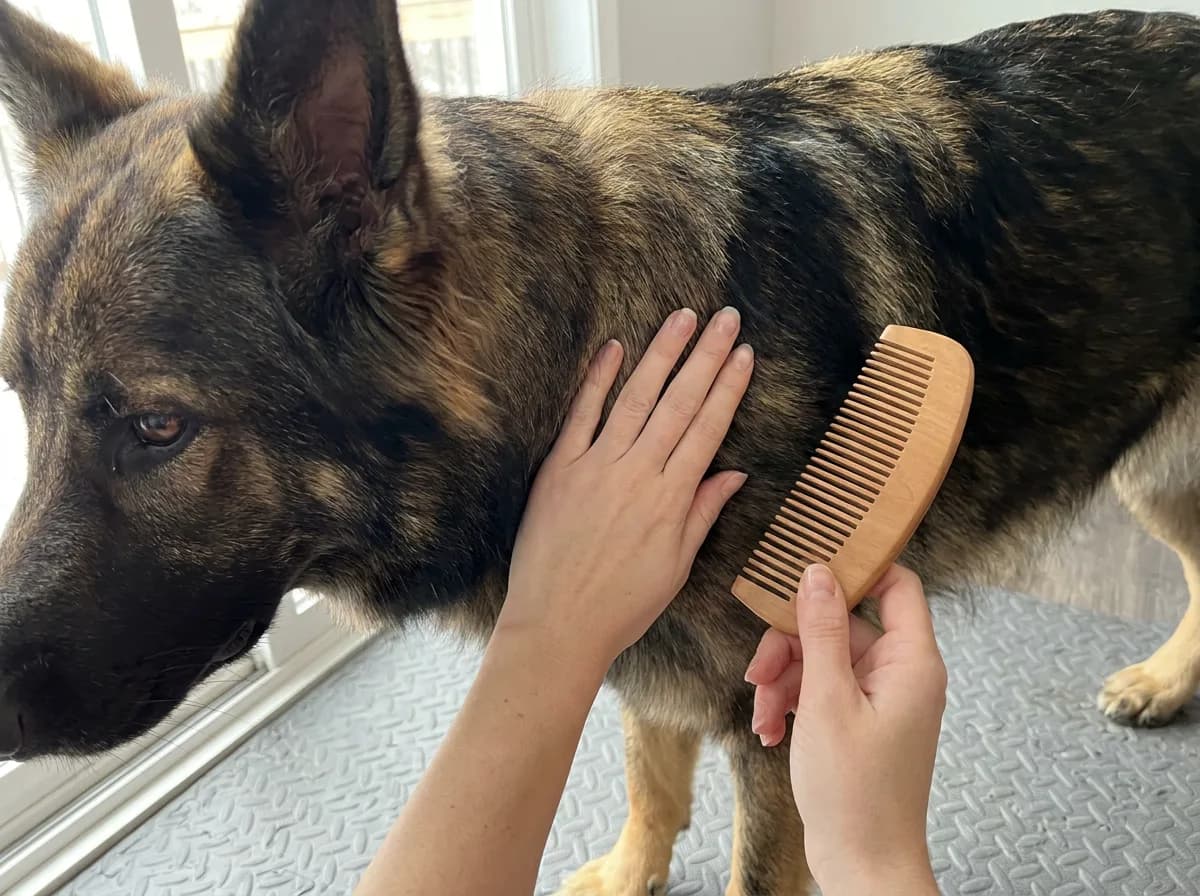
The Shiloh Shepherd breed guide explains the breed's development, named organizations, companion aims, and practical ownership demands. Use those records and individual observations when considering household fit. Color and coat length cannot tell you whether the dog will settle easily, accept other pets, or need particular support.
If you are choosing a puppy, keep appearance preferences separate from the important evidence. Ask for clear documentation, health records, and candid behavior descriptions before narrowing the decision to a favorite shade. If you already own the dog, use coat descriptions to communicate with your groomer and registry without expecting them to explain everything about the dog.
- Use photographs for visible characteristics.
- Use pedigree records for documented family history.
- Use actual observations for behavior in specific situations.
- Use veterinary assessment for health concerns.
- Use the named standard when a show or registration classification matters.
Shiloh Shepherd Colors and Coats Questions
Coat length alone does not establish a reliable less-shedding ranking. Both have undercoat, but loose hair release and retained undercoat can make shedding look different on the dog, brush, and floor. Assess the individual coat and maintain it rather than expecting a smooth dog to be free of shedding.
No. Coat appearance can be described, but pedigree records and the issuing organization's documentation establish the recorded identity. A puppy that resembles a Shiloh is not authenticated by color, ear shape, or a plush outline. Ask for the actual records when registration matters.
No. Plush is a coat variety within the same breed, alongside smooth in the ISSDC standard used here. It describes the fuller mane and feathering rather than a separate ancestry category. A plush dog can also be described by its color or pattern, such as sable or black-and-tan.
Not automatically. Coat length alone does not set a bathing interval. Consider dirt, odor, loose undercoat and how the coat responds to the current routine. A plush coat may require more attention to tangles and thorough drying, but repeated baths do not replace grooming. Follow the shampoo label and ask a groomer to help plan a manageable routine if the dense coat is difficult to clean and dry.
BVMS, MRCVS
Dr. Pippa Elliott, BVMS, MRCVS, is a veterinarian with nearly 30 years of experience in companion animal practice. Dr. Elliott earned her Bachelor of Veterinary Medicine and Surgery from the University of Glasgow. She was also designated a Member of the Royal College of Veterinary Surgeons. Married with 2 grown-up kids, Dr. Elliott has a naughty Puggle named Poggle, 3 cats and a bearded dragon.
Sign up for expert-backed reviews and safety alerts all in one place.