Shiloh Shepherd Size: Height, Weight, and Growth
Put Shiloh Shepherd size claims in context with named standards and practical measurements. Track growth, assess condition, and choose equipment for the individual dog without chasing a weight target.

BVMS, MRCVS
Petful is reader supported. As an affiliate of platforms like Amazon and Chewy, we may earn a commission when you buy through links on this page. There is no extra cost to you.
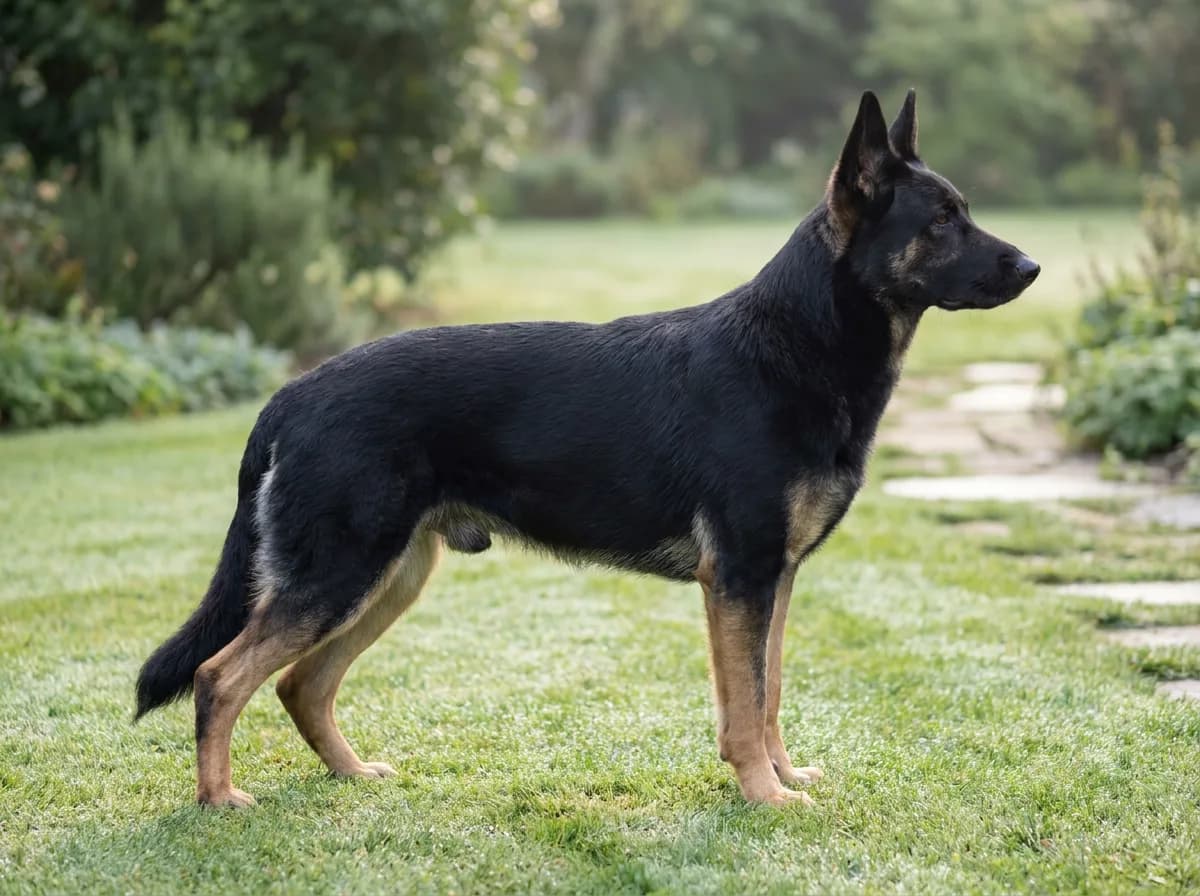
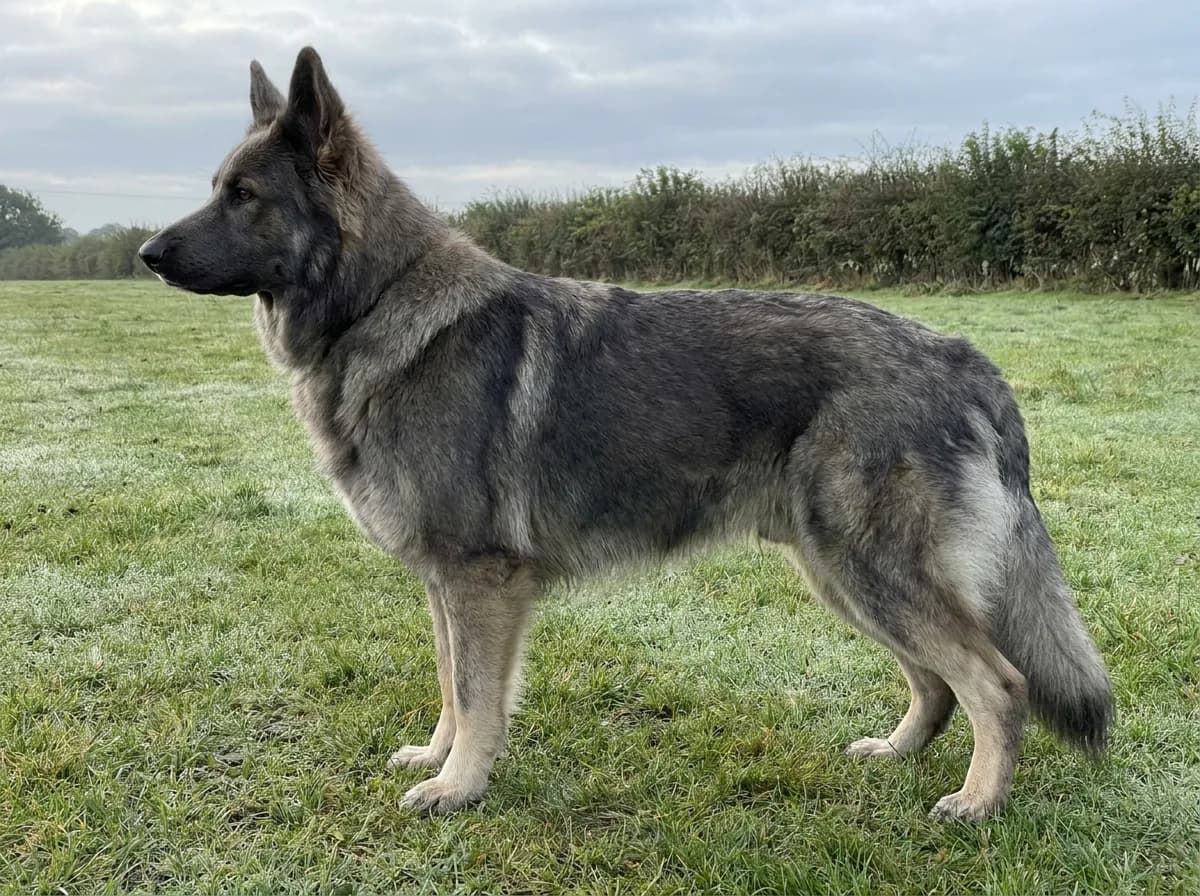
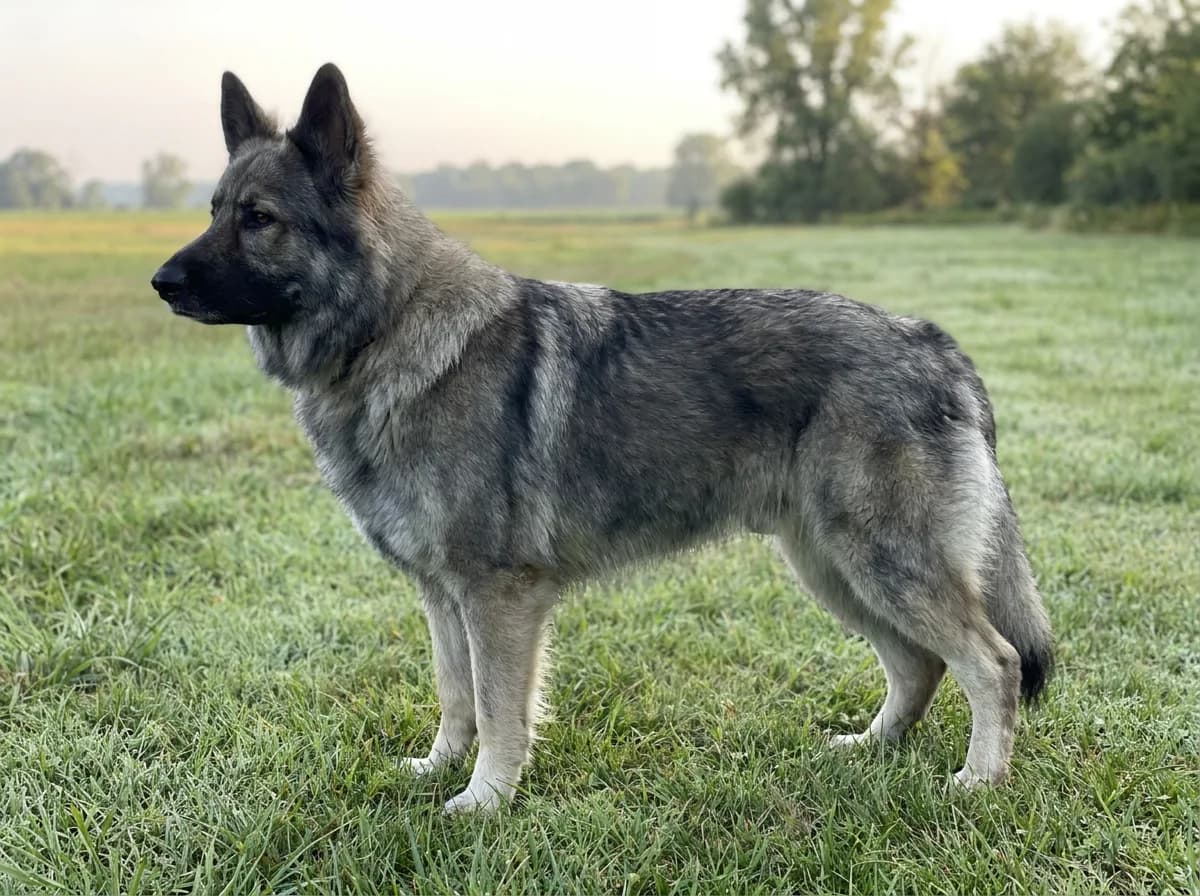
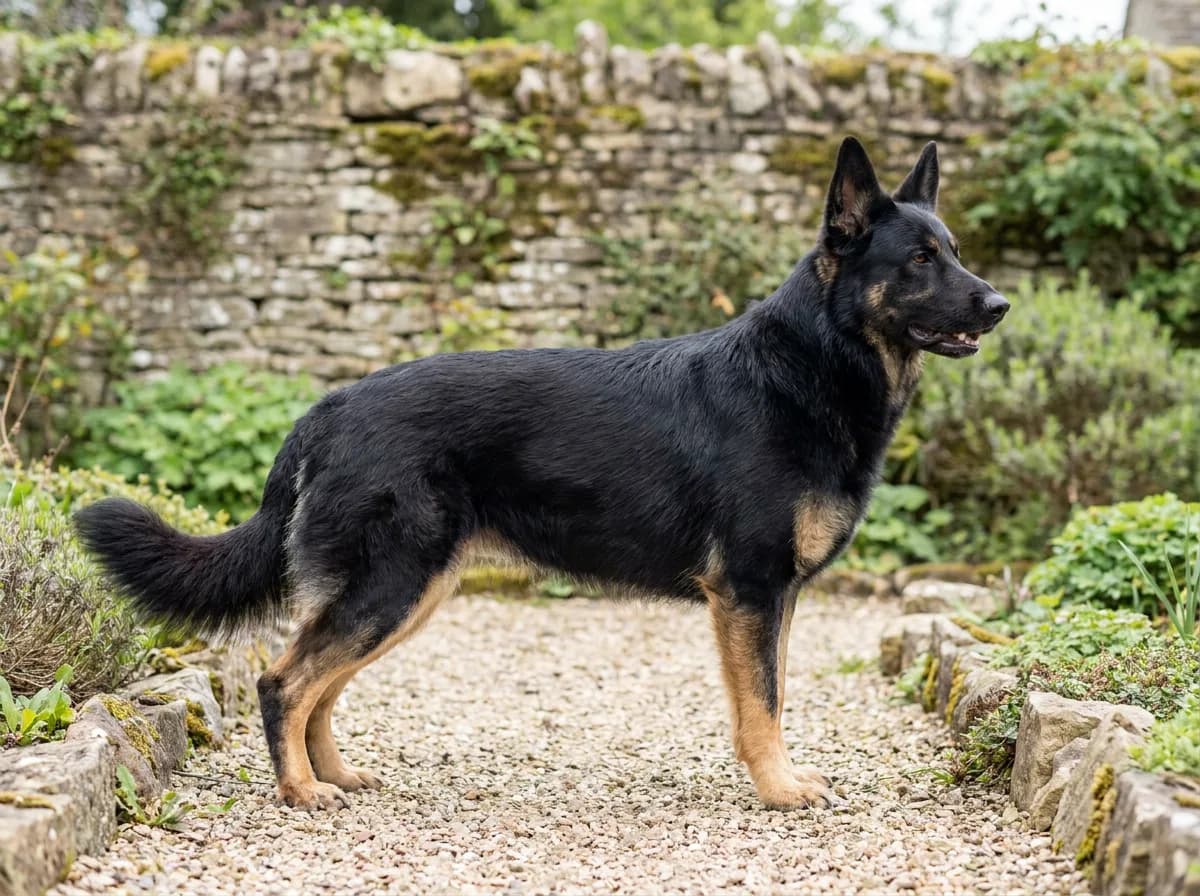
Shiloh Shepherd size is best understood through a named standard and the measurements of the individual dog. The International Shiloh Shepherd Dog Club standard gives adult shoulder-height ranges of 28–32 inches for males and 26–30 inches for females. It describes weight in relation to the dog's optimal condition rather than prescribing a single number every Shiloh should reach.
For an owner, the useful goal is a comfortably moving dog in lean body condition, with equipment that fits. A giant label or an impressive weight does not establish health, and a puppy should not be fed toward an advertised adult maximum.

Sign up for expert-backed reviews and safety alerts all in one place.
Shiloh Shepherd Size: Height and Weight in Context
The ISSDC standard in its show information packet specifies the male and female height ranges above and evaluates that requirement at maturity, identified as 36 months. It also states that structure should not be sacrificed for height. This is a conformation standard, not a promise about every puppy or a clinical timetable for when all growth ends.
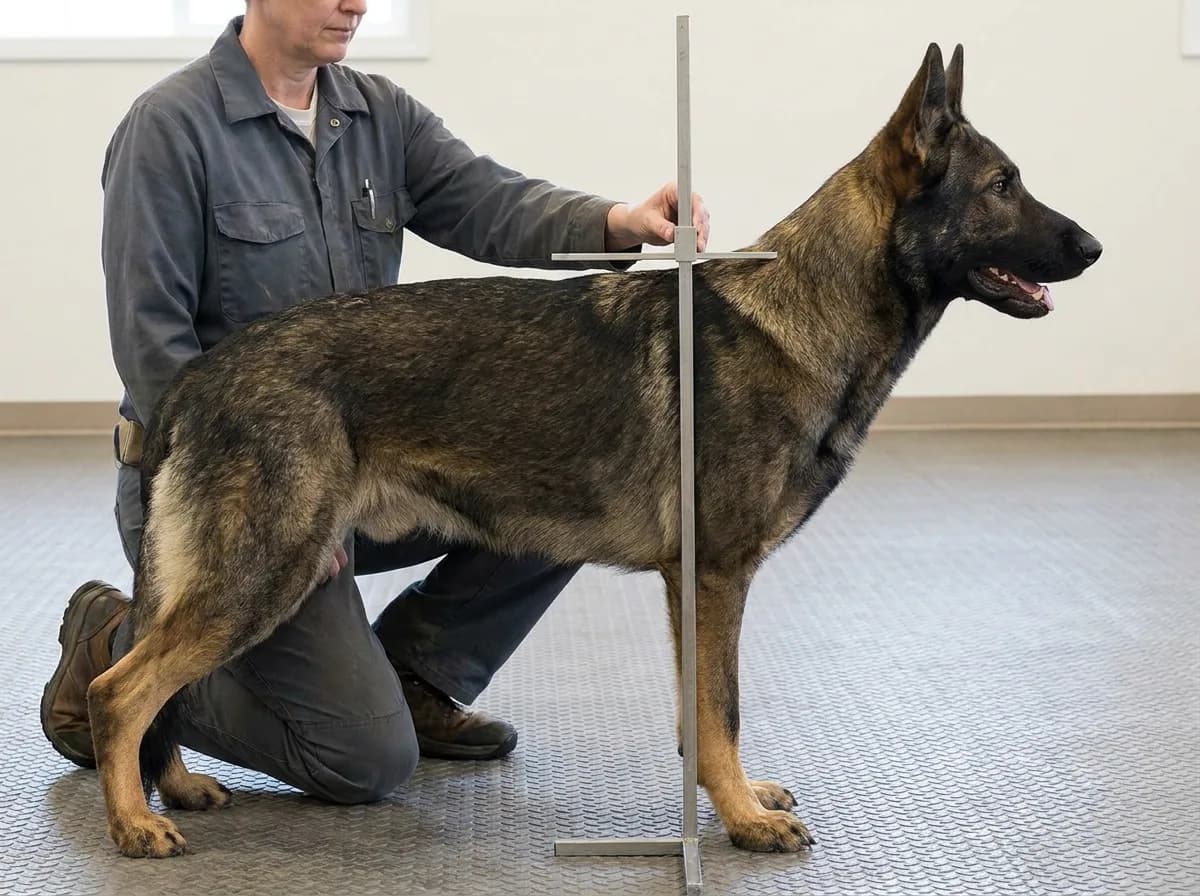
Height at the withers means the vertical distance from level ground to the top of the shoulders. It is different from height to the ears, head, or highest point of the coat. A plush dog can look taller and broader than a smooth-coated dog with similar skeletal measurements.
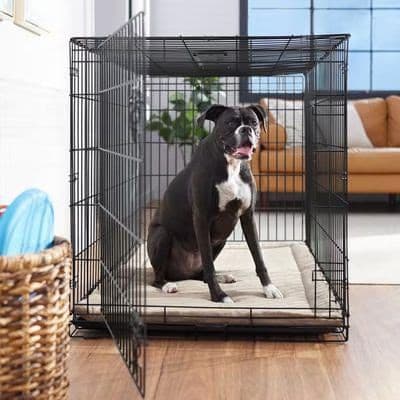
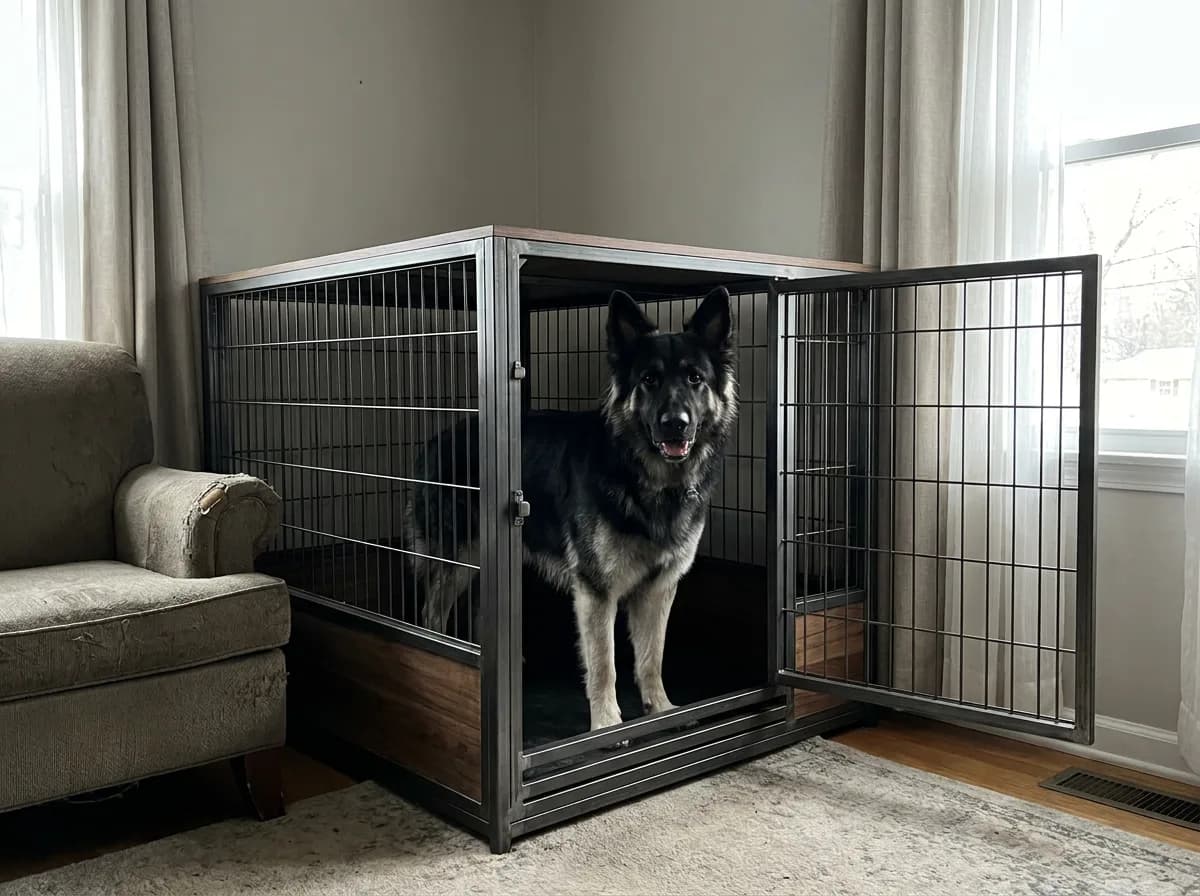
X-Large wire crate only if your dog can stand, turn and rest naturally inside. Introduce gradually; no escape-proof or transport-safety claim.
Petful may earn a commission when you click through to Chewy, at no extra cost to you.
| Record this | How to use it | What not to assume |
|---|---|---|
| Height at the withers | Understand shoulder stature and compare consistent measurements | That height to the ears is equivalent |
| Body length and resting position | Check usable bed, crate, and vehicle space | That shoulder height alone establishes fit |
| Chest and neck measurements | Follow the specific harness or collar maker's instructions | That a generic large size fits every Shiloh |
| Weight with date and age | Follow the individual's trend | That the highest number is the healthiest |
| Lean body condition | Review nourishment and condition with your veterinarian | That breed weight claims are feeding goals |
Equipment sizes are another source of false certainty. The Frisco Heavy Duty crate in X-Large is only a candidate if its actual interior measurements accommodate the individual dog. The label X-Large does not establish suitability for every male or female Shiloh, and the adult may need something larger.
Shiloh versus King Shepherd size comparisons need the same care: identify whether a source gives a minimum, an ideal, a range, or an actual dog's measurement. These are not interchangeable. The word giant describes an impression or category; it is not a separate measurement method or a guarantee that one named breed always exceeds another.
For breed development, registry differences, and large-dog household tradeoffs, see the Shiloh Shepherd breed guide. The breed's history is more complex than a fixed two-breed recipe. For a size decision, start with the relevant standard and the dog's records rather than inferring ancestry or temperament from its outline.
Measure and Track a Growing Shiloh Shepherd
A useful Shiloh Shepherd growth chart records your dog's measurements over time. It does not need invented monthly target weights or breed percentiles. Write down the date, age, weight, and any relevant change in diet, health, or measurement method so the trend can be interpreted later.
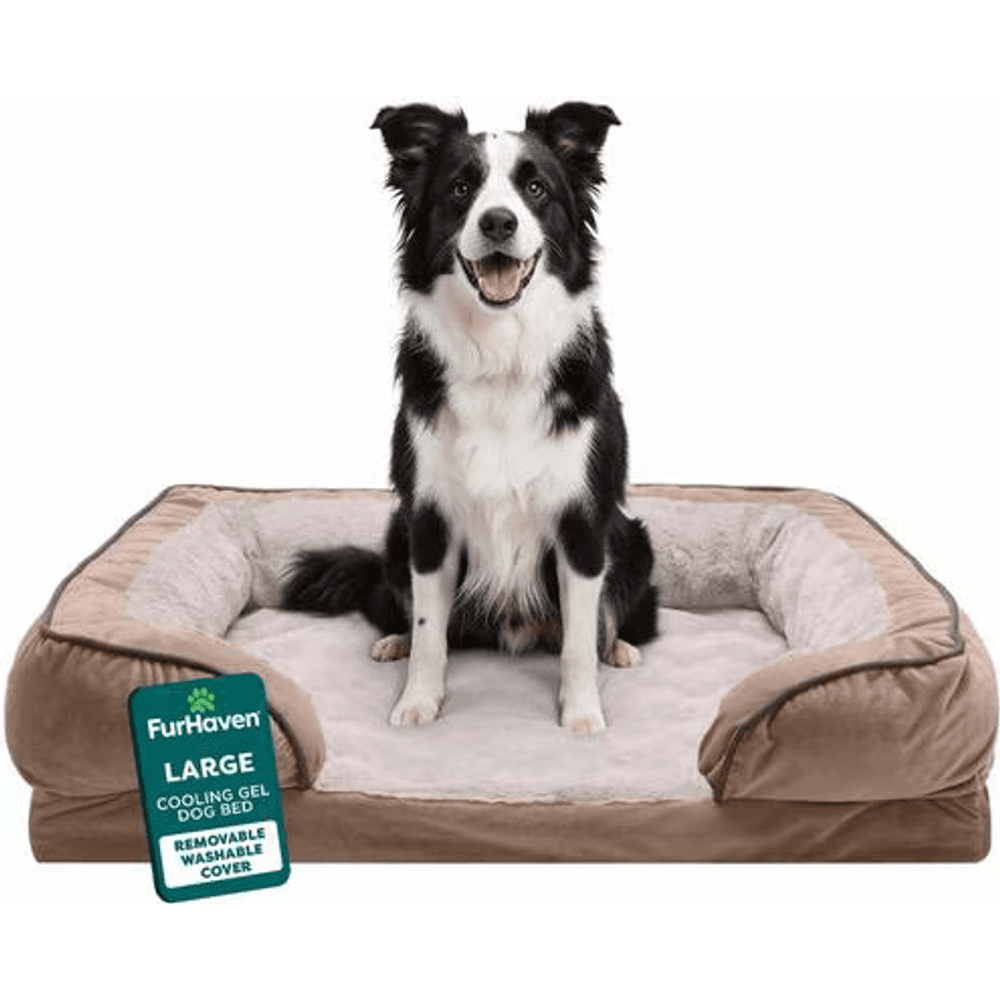
Removable-cover sofa bed. Check usable sleeping space and entry height against your dog’s posture and mobility; no medical or calming outcome promised.
Petful may earn a commission when you click through to Chewy, at no extra cost to you.
- 1Measure height at the withers on level ground.
- 2Track the individual dog's trend rather than chasing a maximum weight.
- 3Assess lean body condition alongside weight with your veterinarian.
Resting length deserves its own measurement. Compare the usable area of a FurHaven sofa-style bed in Large with how the dog sleeps, including a stretched-out position. The linked size may be too small for some adults; choose a larger surface when needed rather than expecting the dog to curl up to fit.
Take a usable shoulder measurement
Choose a nonslip, level surface and let the dog stand naturally. The feet should support its weight without being pulled into an exaggerated pose. A second person can help the dog remain comfortable while you locate the top of the shoulders and use a suitable measuring tool.
- Let the dog settle with its head in a natural position.
- Find the withers rather than measuring to the head or ear tips.
- Keep the vertical measure perpendicular to the floor.
- Read the height without pressing down on the dog or compressing it into a pose.
- Repeat calmly if needed and record the method with the result.
Do not struggle with a dog that is frightened by the tool. Introduce the equipment gradually or ask a veterinary team or experienced handler for help. An approximate number obtained during a wrestling match is less useful than a later, repeatable measurement taken when the dog can stand comfortably.
Record weight consistently
Use a scale suitable for the dog's size, ideally the same scale for follow-up measurements. Note unusual circumstances such as a different scale or equipment left on the dog. Small differences between readings do not necessarily represent a meaningful change in growth; the longer trend and the dog's condition need to be considered together.
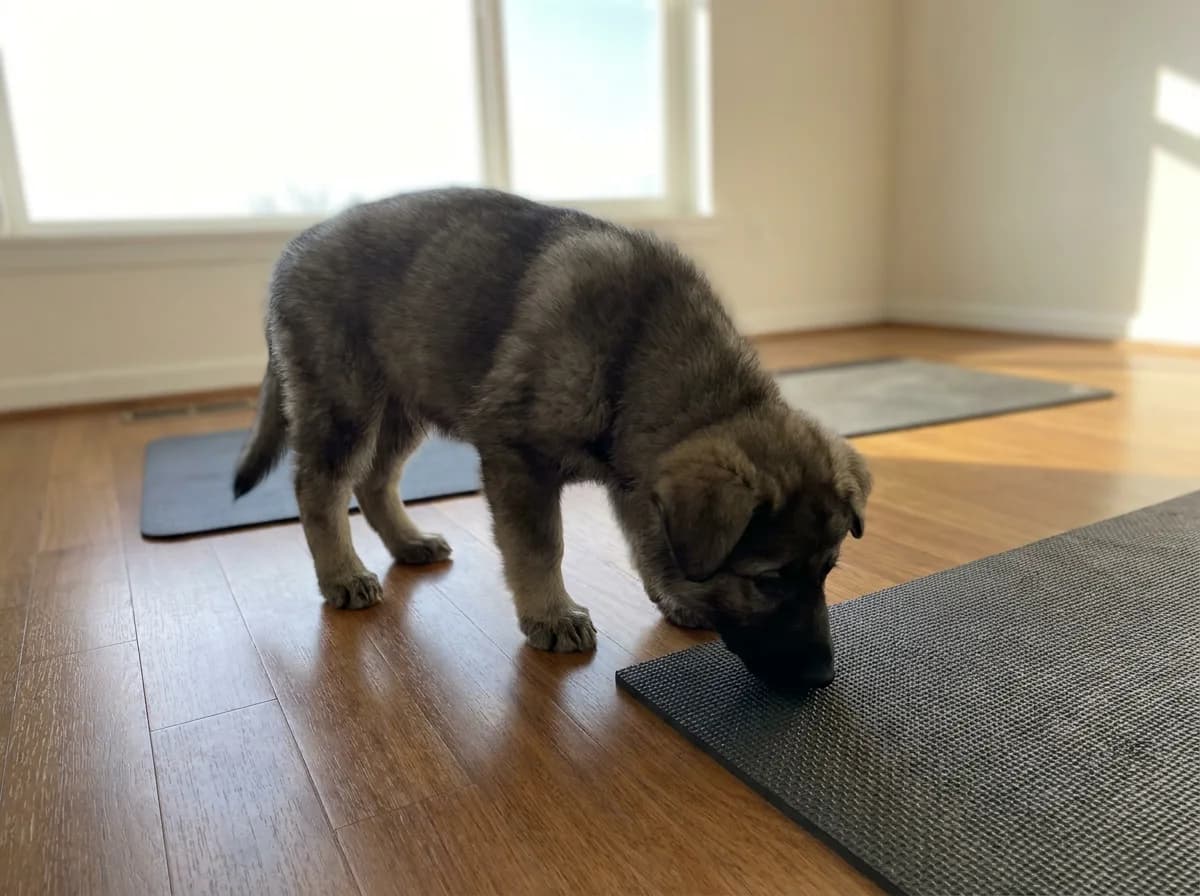
Parent measurements provide context, especially when the parents' ages and conditions are known. They cannot predict an exact adult height or weight. A puppy may also grow unevenly enough that one photograph gives a misleading impression of its eventual proportions. Keep the record factual rather than labeling the dog too small or too big from a single comparison.
- Record the date and the puppy's age.
- Use the same units and note the scale used.
- Keep feeding changes and veterinary observations with the measurements.
- Ask your veterinarian how often weighing is useful for your dog.
- Bring the record to appointments if growth or condition concerns arise.
Male and Female Size Without False Certainty
The standard distinguishes males and females, but its ranges overlap. Sex helps interpret the written standard; it does not tell you which particular dog will fit your car, be easier to handle, or need less grooming. Ask for actual measurements when those decisions matter.
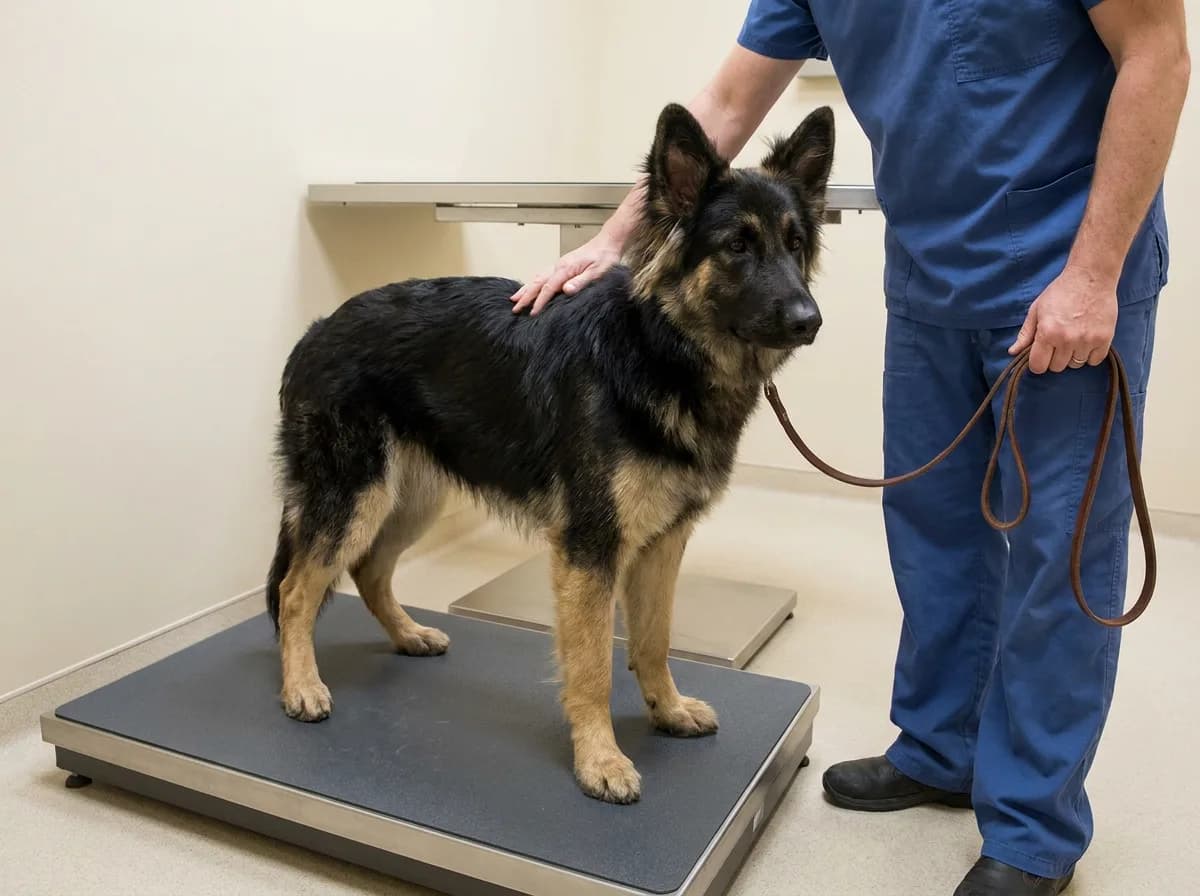
Do not compare a mature male's weight with an adolescent female's weight as though it establishes a general difference. Age, frame, muscle, and body condition all affect what you are looking at. Similarly, a larger female can need more space than a smaller male even when the overall breeding standard differentiates the sexes.

Six-foot leash for supervised everyday walks when the clip and weight suit your dog. Not a long line for distance recall.
Petful may earn a commission when you click through to Chewy, at no extra cost to you.
For everyday walks, assess the handler and equipment together. The Frisco six-foot traffic leash is an option when its fittings and weight suit the dog and handler. Its name does not establish control of a strong dog; maintain appropriate training and use a separate suitable long line for distance work.
- Compare the product's internal usable dimensions, not just the outside footprint.
- Allow for the dog's natural head and resting positions.
- Check whether door openings provide comfortable access.
- Reassess fit as a puppy grows instead of waiting for obvious crowding.
- Keep the possibility of replacement in the budget.
How Shiloh Size Compares With Other Shepherds
Size comparisons should begin with named standards rather than promotional photographs. The AKC German Shepherd standard gives desired heights of 24–26 inches for males and 22–24 inches for females. Those figures are lower than the ISSDC Shiloh ranges cited here, but they do not establish the difference between every pair of dogs.
The American King Shepherd Club's published standard gives minimum heights of 27 inches for males and 25 inches for females. A minimum is not an average or an upper limit. It cannot be used to conclude that a King Shepherd always falls below the top of a Shiloh range.
For the broader differences in identity, purpose, coat, and household fit, use the Shiloh, German, and King Shepherd comparison. Keep the narrow size question tied to individual measurements. A dog closer to the camera or covered in a fuller coat can look larger without being taller at the shoulder.
Planning Beds, Crates, Vehicles, and Handling
Toy sizing also belongs to the individual. A KONG Classic in Large should be used only if the manufacturer’s current guide and the dog’s mouth and chewing style support that size. Some Shilohs need a larger or different toy. Supervise use, inspect for damage and retire it when worn.
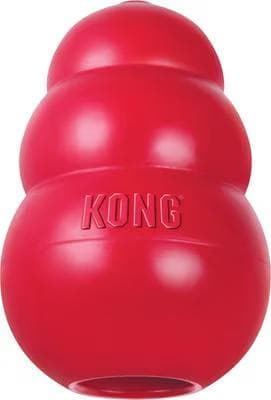
Large rubber toy for supervised enrichment if sizing and chewing style suit. Follow the current size guide, inspect regularly and retire when damaged.
Petful may earn a commission when you click through to Chewy, at no extra cost to you.
Translate measurements into the task the equipment must perform. A bed needs usable resting area. A crate needs comfortable standing, turning, and lying space. A harness must fit the relevant body measurements and allow appropriate movement. A vehicle setup must accommodate the dog and the restraint system you will actually use.
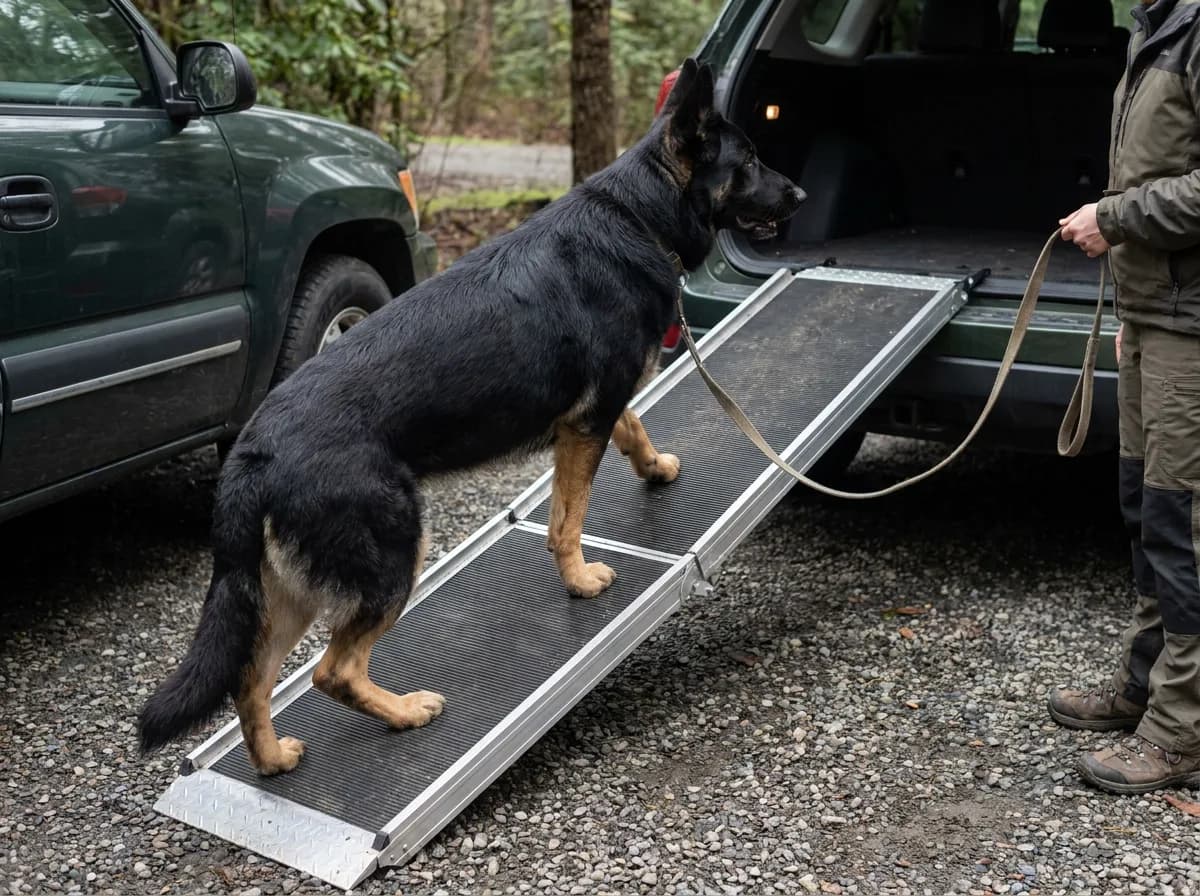
Check the full route
Vehicle space is not only the area inside the car. Check the doorway, step height, footing, and where you can stand while helping the dog. If you plan to use a ramp, choose one appropriate for the vehicle and dog's weight, secure it according to its instructions, and introduce it gradually on stable footing.
- Measure entry clearance as well as the final travel space.
- Confirm that equipment does not block safe access to the dog.
- Practice loading when there is time to reward calm cooperation.
- Plan how another adult would manage the same routine.
- Consider transport if the dog became unable to walk unaided.
For a harness, follow that specific manufacturer's measurement points. Chest girth commonly means a circumference behind the front legs, but designs differ and a neck or front-chest measurement is not a substitute. Take the requested measurements, compare them with the product chart, and inspect fit on the dog rather than relying on its weight category alone.
A resting surface should accommodate how the dog actually sleeps. Some dogs curl up; others extend their legs and body. Bolsters can reduce the usable interior space even when the listed outside dimensions appear generous. Measure the resting area, not just the largest number in the product description.
Make handling part of the plan
Teach everyday cooperation while the dog is young and manageable. Waiting at doors, walking on a loose leash, standing for care, and moving onto a mat can reduce the need for physical intervention later. A calm routine helps every handler, especially when different family members have different levels of strength or experience.
Avoid making size the dog's main achievement. Reward behavior that makes ordinary life comfortable: pausing, checking in, and allowing simple care. The practical success is a dog you can live with safely and comfortably, not a record weight or a dramatic comparison photograph.
When Growth or Gait Needs Veterinary Advice
Discuss unexpected changes in growth, body condition, or movement with your veterinarian. Limping, difficulty rising, reluctance to move, or a persistent change in gait should not be dismissed as a normal consequence of being a large puppy. A video of the movement and a factual timeline can help explain what you have noticed.
The American College of Veterinary Surgeons explains that hip dysplasia has multiple influences and that excessive nutritional intake and rapid weight gain can complicate its development. That does not mean every awkward-looking puppy has hip dysplasia, or that one feeding change can diagnose or solve a gait problem. Examination is needed to determine what is happening.
- Record when the change began and whether it is intermittent or persistent.
- Note changes in appetite, activity, or willingness to rise.
- Bring the growth record and current feeding information.
- Avoid forcing exercise to test whether the dog can work through discomfort.
- Seek prompt care for severe pain or inability to bear weight.
A veterinary growth assessment considers more than a number on the scale. Ask how to maintain lean body condition and whether the current diet and portions remain appropriate. Do not increase food or add supplements simply to reach a breeder's projected weight. The right plan supports the individual dog rather than an advertised size.
Shiloh Shepherd Size Questions
Not necessarily. The ISSDC Shiloh standard gives adult heights of 28–32 inches for males and 26–30 inches for females. The AKSC King Shepherd standard cited here gives minimum heights of 27 inches for males and 25 inches for females, not matching upper limits. These differently defined figures and overlapping ranges cannot rank every dog. Use an individual measurement when comparing dogs or buying equipment.
No. A growth trend and parent measurements provide context, but a single puppy weight does not determine adult stature. Age, condition, and development affect comparisons. Track the individual puppy and plan adjustable or replaceable equipment rather than choosing or feeding solely for the highest number.
No. Aim for appropriate nourishment and lean body condition, guided by a veterinary growth assessment. A standard, breeder estimate, or internet weight chart is not an instruction to increase food. Discuss the actual puppy's diet, portions, growth, and condition before making changes.
No. The ISSDC document uses 36 months as the maturity point for assessing its height requirement. That conformation standard is not an individual growth timetable. Follow the dog’s growth trend and condition, and ask your veterinarian about unexpected changes rather than expecting a particular monthly gain. Keep equipment adjustable while measurements are changing.
BVMS, MRCVS
Dr. Pippa Elliott, BVMS, MRCVS, is a veterinarian with nearly 30 years of experience in companion animal practice. Dr. Elliott earned her Bachelor of Veterinary Medicine and Surgery from the University of Glasgow. She was also designated a Member of the Royal College of Veterinary Surgeons. Married with 2 grown-up kids, Dr. Elliott has a naughty Puggle named Poggle, 3 cats and a bearded dragon.
Sign up for expert-backed reviews and safety alerts all in one place.