Samoyed Size and Growth: Height, Weight and Puppy Stages
Samoyed size is best understood through official adult height, individual frame and hands-on body condition. The breed's dense coat can make a lean dog look much larger, while internet weight charts can turn normal variation
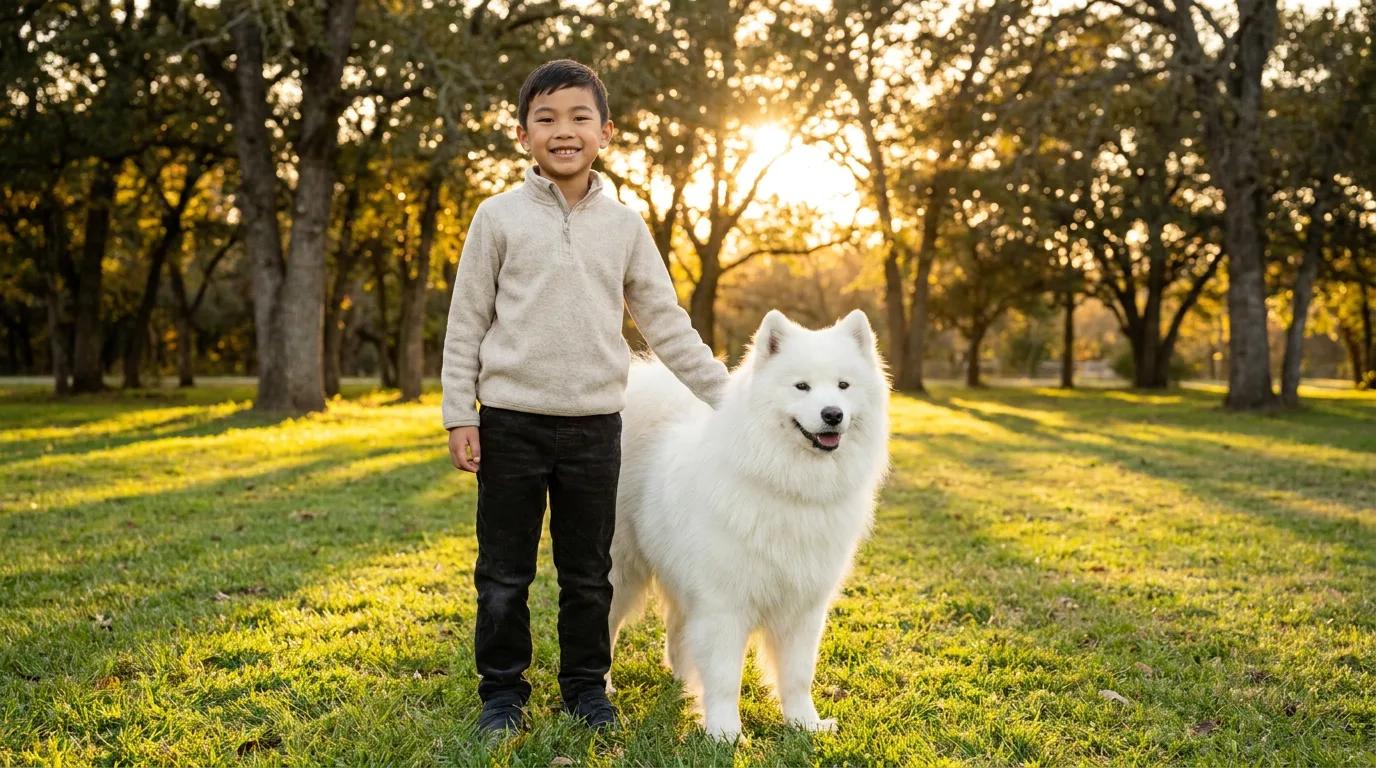
Adult Samoyeds stand about 19 to 23.5 inches at the shoulder.
Petful is reader supported. As an affiliate of platforms like Amazon and Chewy, we may earn a commission when you buy through links on this page. There is no extra cost to you.
Samoyed size is best understood through official adult height, individual frame and hands-on body condition. The breed's dense coat can make a lean dog look much larger, while internet weight charts can turn normal variation into unnecessary worry. For reference, adult males stand 21 to 23.5 inches and typically weigh about 45 to 65 pounds, while females stand 19 to 21 inches and weigh about 35 to 50 pounds.
Measure and track trends instead of chasing one target. A puppy's growth should be interpreted with a veterinarian, especially when appetite, energy, gait or body condition changes. Measured meals of a large-breed puppy food and a crate with a divider make that tracking easier.

Sign up for expert-backed reviews and safety alerts all in one place.
Adult Samoyed size
- 1Official adult height is 21 to 23.5 inches for males and 19 to 21 inches for females.
- 2The AKC lists about 45 to 65 pounds for males and 35 to 50 pounds for females.
- 3Use a growth trend, not a single online chart point.
- 4Check ribs and waist beneath the coat with your hands.
An adult Samoyed is a medium-to-large dog. Under the official standard, males stand 21 to 23.5 inches at the withers and females 19 to 21 inches, and the AKC lists about 45 to 65 pounds for males and 35 to 50 pounds for females. A dog outside those ranges still needs an individual health and nutrition assessment rather than a cosmetic correction.
| Sex | Height at the withers (standard) | Typical weight (AKC) |
|---|---|---|
| Male | 21 to 23.5 inches | About 45 to 65 pounds |
| Female | 19 to 21 inches | About 35 to 50 pounds |
The breed standard itself sets no required weight and asks only that weight stay in proportion to height, so the figures in the AKC breed profile describe a typical range, not a target. Samoyed weight varies with height, bone, sex, muscle and body condition, and the correct weight is the one that supports healthy condition on that frame.

Petful may earn a commission when you click through to Chewy, at no extra cost to you.
A full coat adds visual volume and can conceal changes. Compare measured height, scale trend and hands-on condition instead of judging from a photograph.
Samoyed size is anchored by the official adult height range, while Samoyed weight should remain proportional to frame and body condition. A heavy coat can make the outline deceptive. Record height at the withers, use hands-on rib and waist checks and ask the veterinarian to interpret the full body-condition trend rather than chasing one breed-average number.
Adult measurement record
- Height at the withers on level ground
- Weight on the same reliable scale
- Rib feel and waist
- Muscle over shoulders and thighs
- Date, age and recent activity
How to measure height safely
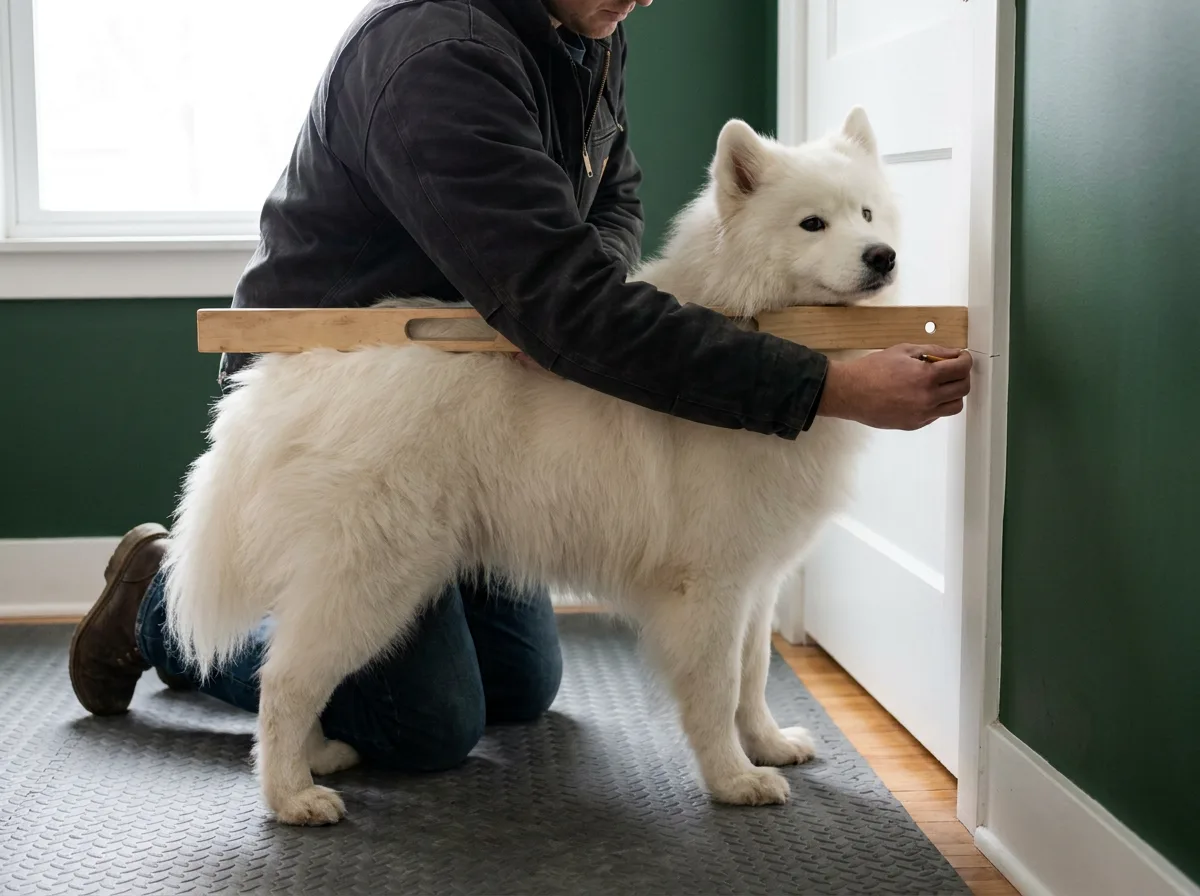
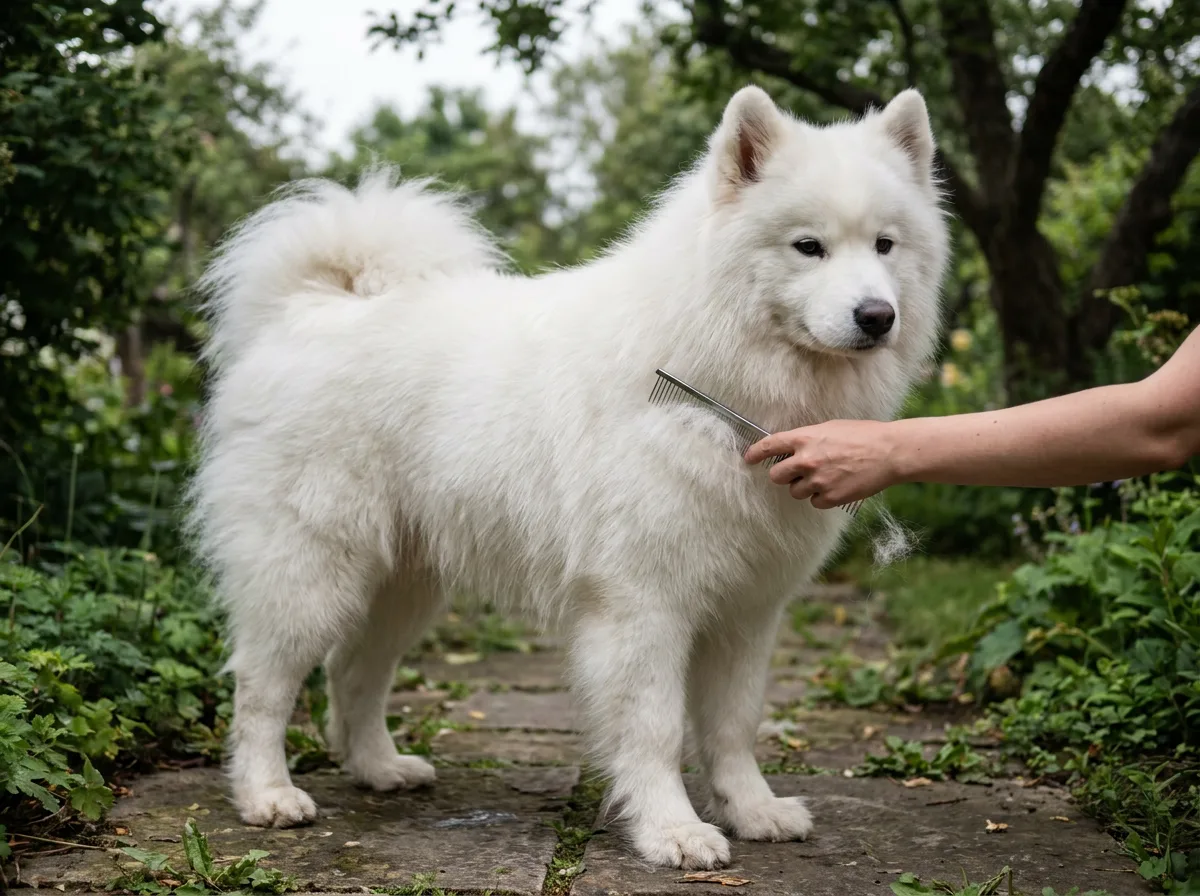
- A full Samoyed coat adds a great deal of visual bulk. Feel for ribs under light pressure and a waist behind them every few weeks; a lean dog can look heavy, and a heavy dog can hide extra weight under the coat.
Stand the dog squarely on a level, nonslip surface. Locate the top of the shoulder blades, called the withers, and use a level arm or safe measuring wicket down to the floor. Keep the head natural rather than stretching the neck upward.
Repeat the measurement two or three times. Thick coat can lift a ruler and create error, so feel the bony landmark. Never force a worried dog into position; practice standing and touching in short rewarded sessions. Soft puppy training treats broken into small pieces keep those standing sessions short and positive.
Record the method with the number. A home estimate may differ from a show wicket or clinic reading. Trend and context are more useful than arguing over a fraction of an inch.
Petful may earn a commission when you click through to Chewy, at no extra cost to you.
A safe height measurement method starts with a level surface and a Samoyed standing naturally. Samoyed height is taken at the top of the shoulder blades, with a level guide down to the floor, without pressing through the coat or forcing posture. Repeat calmly and accept a practical range. Home measurements support planning; they do not replace a formal measurement when precision matters.
Samoyed puppy growth stages
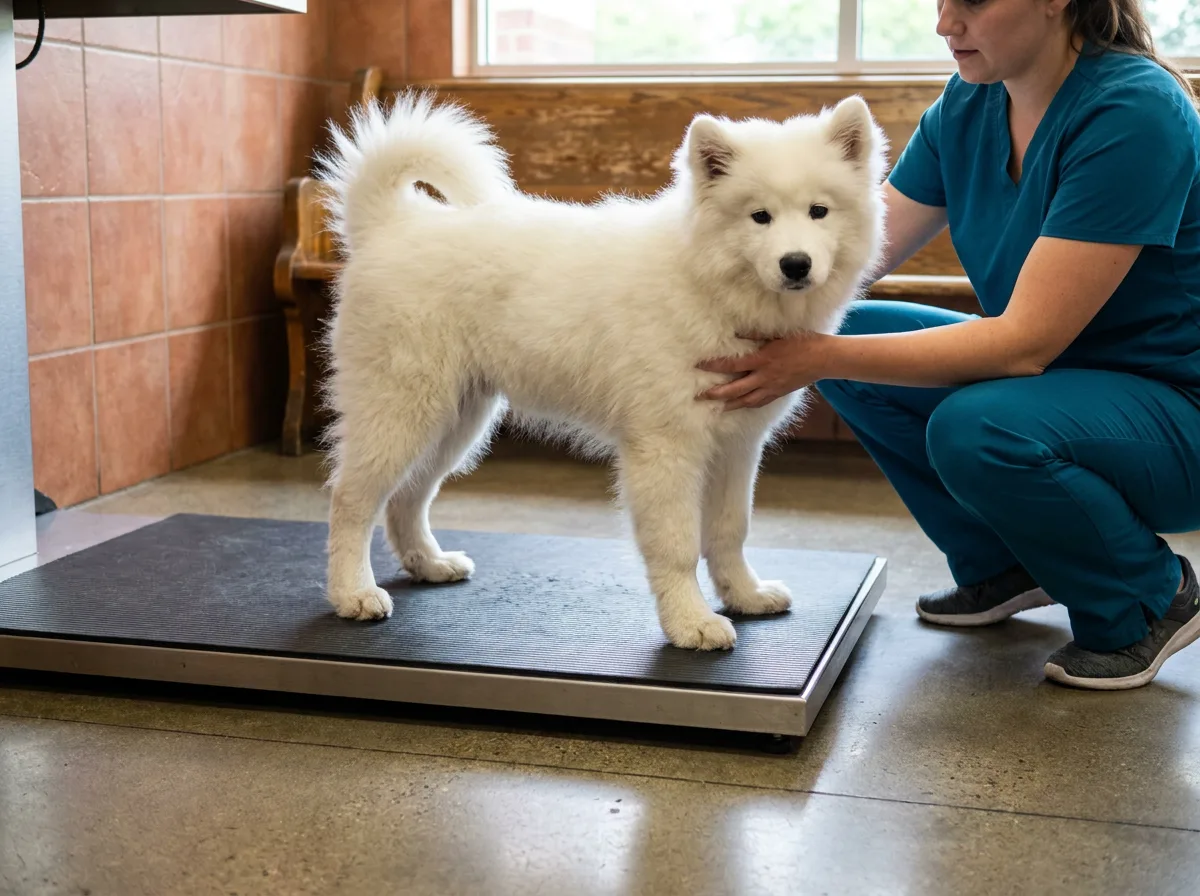
Puppies grow rapidly but not smoothly. A Samoyed may gain height, look narrow, then fill out later. Teeth, coat change and adolescence can also affect appetite and appearance. One awkward week does not define the adult.
| Age | What usually changes |
|---|---|
| 8 to 12 weeks | Rapid early growth and a wary period; keep new experiences calm and positive |
| 3 to 6 months | Permanent teeth start coming in from about 12 weeks, chewing peaks and the puppy often looks leggy as height outpaces fill |
| 6 to 12 months | Adolescence; height growth slows toward adult level by about 12 months while the adult coat replaces puppy fluff |
| 12 to 18 months | Filling out with muscle and coat; the AKC advises waiting until 14 to 18 months before sustained jogging, and growth plates close between about 6 and 24 months depending on size |
Use regular veterinary visits to review growth, nutrition and gait. Plot measurements at reasonable intervals rather than weighing daily. A growth trend log should include food amount, body condition, illness and major activity changes. A digital pet scale used the same way each time makes home weigh-ins easier to compare between visits.
Avoid comparing unrelated puppies as if age alone predicts size. Parent size provides context, but littermates can mature differently. Genetics, health and environment all contribute.
Growth log fields
- Age and date
- Weight and body-condition score
- Measured food and treats
- Appetite, stool and energy
- Gait or mobility changes
When is a Samoyed full grown?
Most Samoyeds reach close to adult height around 12 months and keep filling out until about 15 to 18 months. AKC growth guidance places medium breeds at adult size around 12 months and large breeds at full size around 18 months, and the Samoyed’s 35 to 65 pound range straddles that line. Do not use calendar age alone to increase exercise or remove nutritional support.
Ask the veterinarian when to change food and how to adjust portions. Growth plates, body condition and current health matter. A breeder's family history can add context but should not replace examination. Recheck the fit of a dog harness as your Samoyed grows.
Equipment fit must be checked through this period. Harnesses, collars, crates and vehicle restraints can become too tight or unstable before owners notice.
Body condition beneath a heavy coat
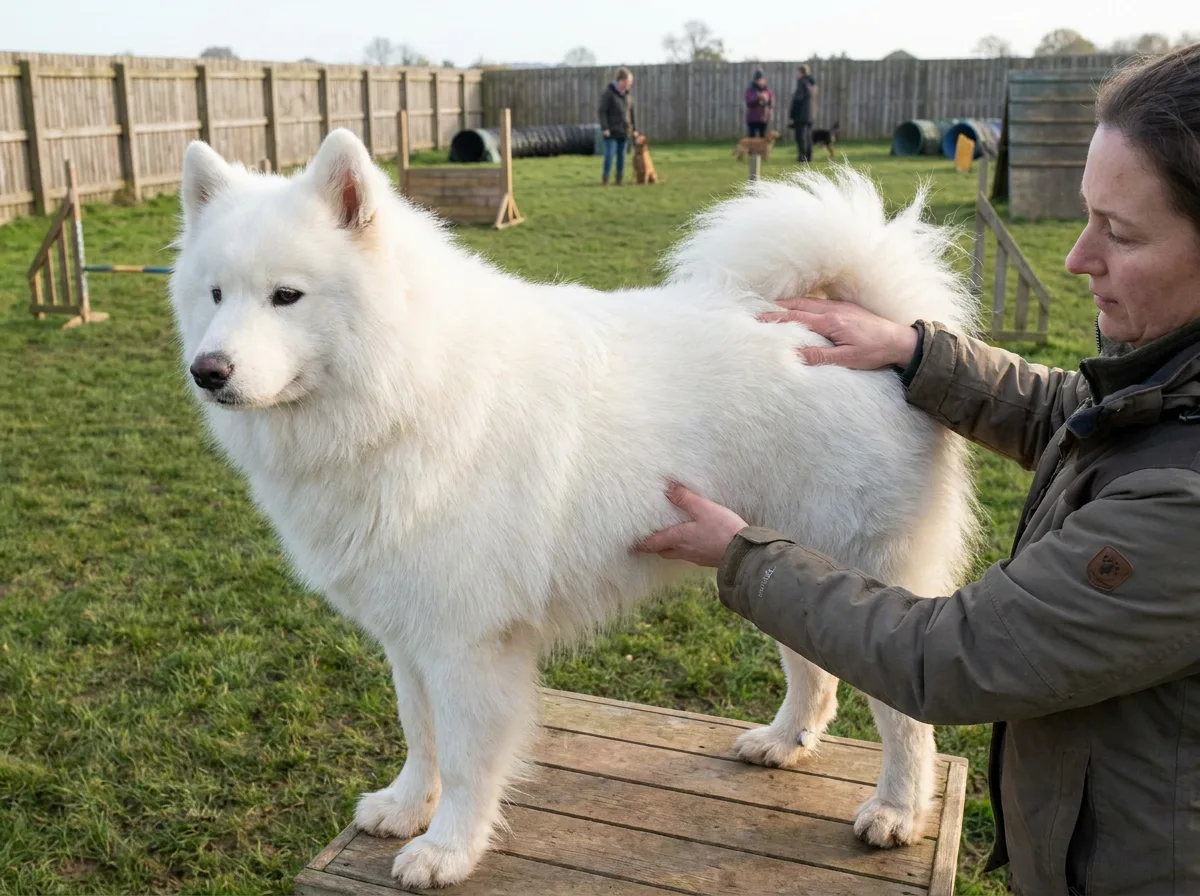
Look and feel. Ribs should be palpable without pressing through a thick fat layer, and there should be a waist and abdominal tuck appropriate to the individual. The coat may hide both excess fat and weight loss.
Use the same hands-on body condition check every few weeks. Feel the ribs, spine, pelvis and muscle over the thighs. Ask the clinic to demonstrate the target condition and write down the score system used.
A giant-looking outline is often coat, not extra size. Do not overfeed to make a young dog look substantial. Extra weight can burden joints and reduce heat tolerance.
Hands-on check
- Ribs felt with light pressure
- Waist behind the ribs
- Abdominal tuck from the side
- Symmetrical muscle over hips and thighs
- No sudden bony prominence beneath the coat
Male and female variation
The official height ranges overlap only slightly, but individual build still varies. A female near the top of her range may look larger than a male near the bottom because coat, bone and stance affect appearance.
Female Samoyed weight should not be forced toward a male average, and a male should not be bulked up to match a photograph. Reproductive status, age, conditioning and health also influence the scale.
Use the dog's own stable healthy trend as the reference. Sudden divergence from that trend matters more than missing a broad internet average.
Feeding for steady growth
Choose a complete and balanced puppy diet appropriate for the dog and measure it consistently. Count treats and training food. Recheck portions when growth rate, activity or body condition changes. A slow feeder bowl stretches mealtime for a puppy that gulps its measured portion.
More food does not create a healthier large dog. Rapid weight gain can increase stress on a developing body, while inadequate nutrition can impair growth. Supplements can unbalance a complete diet unless a veterinarian identifies a need.
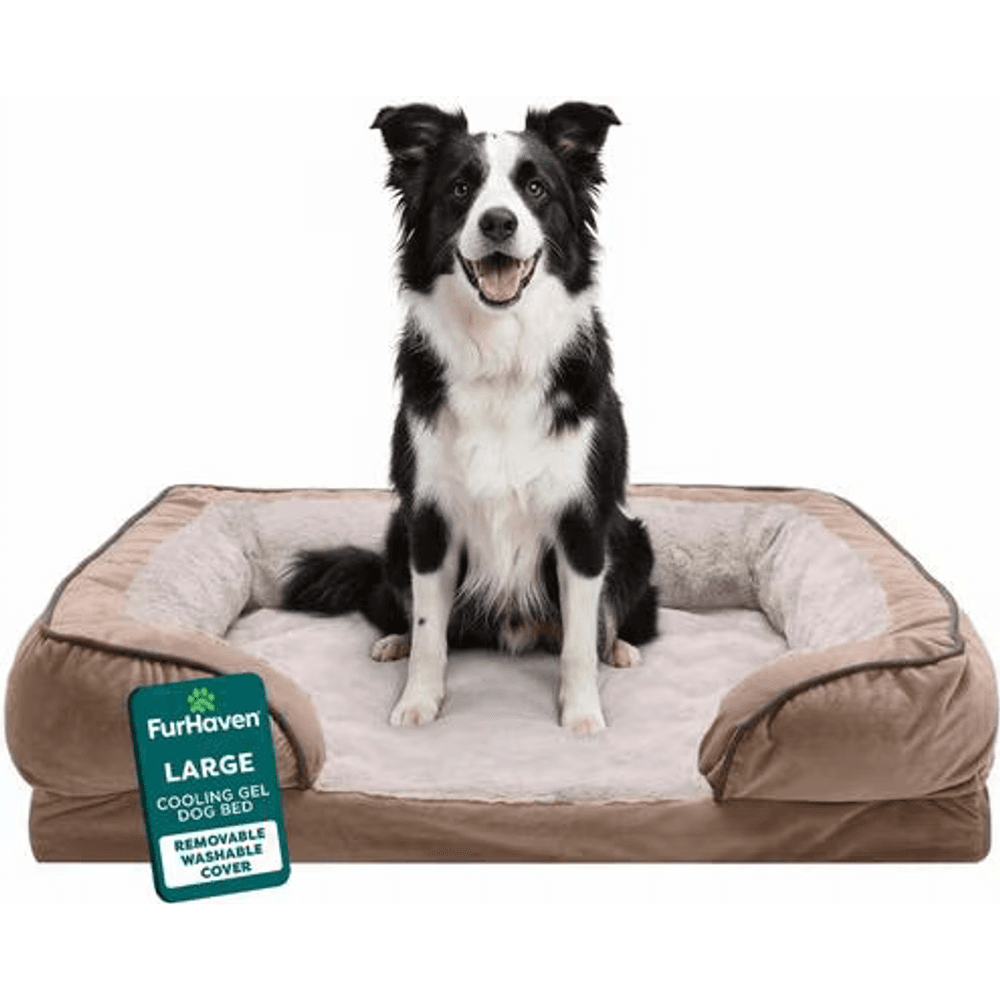
An orthopedic sofa bed with three bolstered sides for dogs who like to rest their head and joints against a cushion. The supportive foam base cradles hips and elbows, a comforting spot for an older or shaky dog to settle.
Petful may earn a commission when you click through to Chewy, at no extra cost to you.
If appetite, stool or weight changes abruptly, call the clinic. Do not make repeated diet switches without enough time or medical context to understand the response.
Exercise during growth
Puppies benefit from free exploration, play, sniffing games on a snuffle mat and short skill sessions. Repetitive forced running, jumping or long mileage is not required to produce a fit adult, and the AKC advises waiting until about 14 to 18 months before sustained jogging, since growth plates close between about 6 and 24 months depending on size. Increase challenge gradually and provide rest.
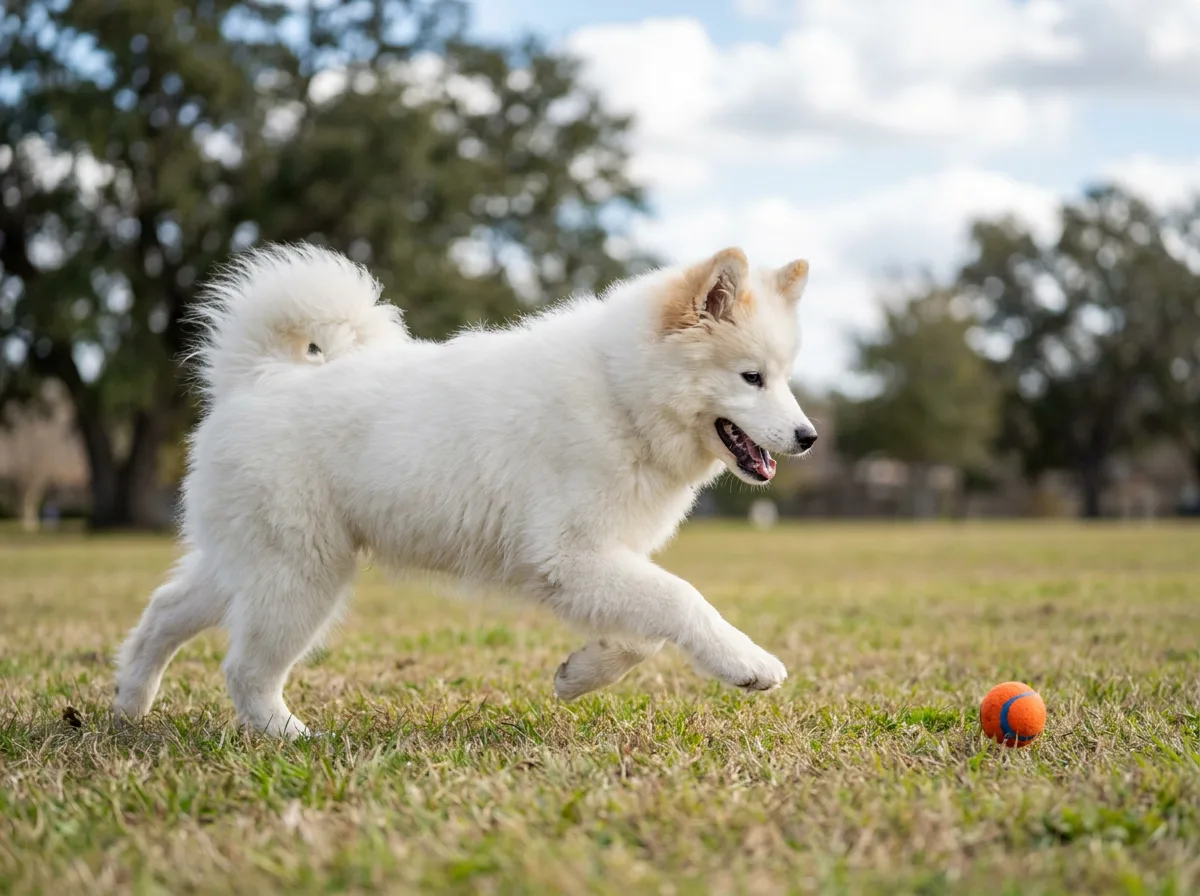
Watch gait, willingness and recovery. Slowing down, sitting repeatedly, limping or next-day stiffness means the plan needs reassessment. Heat can also reduce safe activity for this cold-adapted coat.
Use secure footing and avoid using exercise to compensate for overfeeding. Fitness and nutrition should support each other.
When size or weight needs veterinary advice
Prompt advice is appropriate for weight loss, poor growth, repeated vomiting or diarrhea, excessive thirst, marked appetite change, weakness, lameness or a swollen abdomen. Puppies can deteriorate quickly, so contact the clinic rather than waiting for the next chart point.
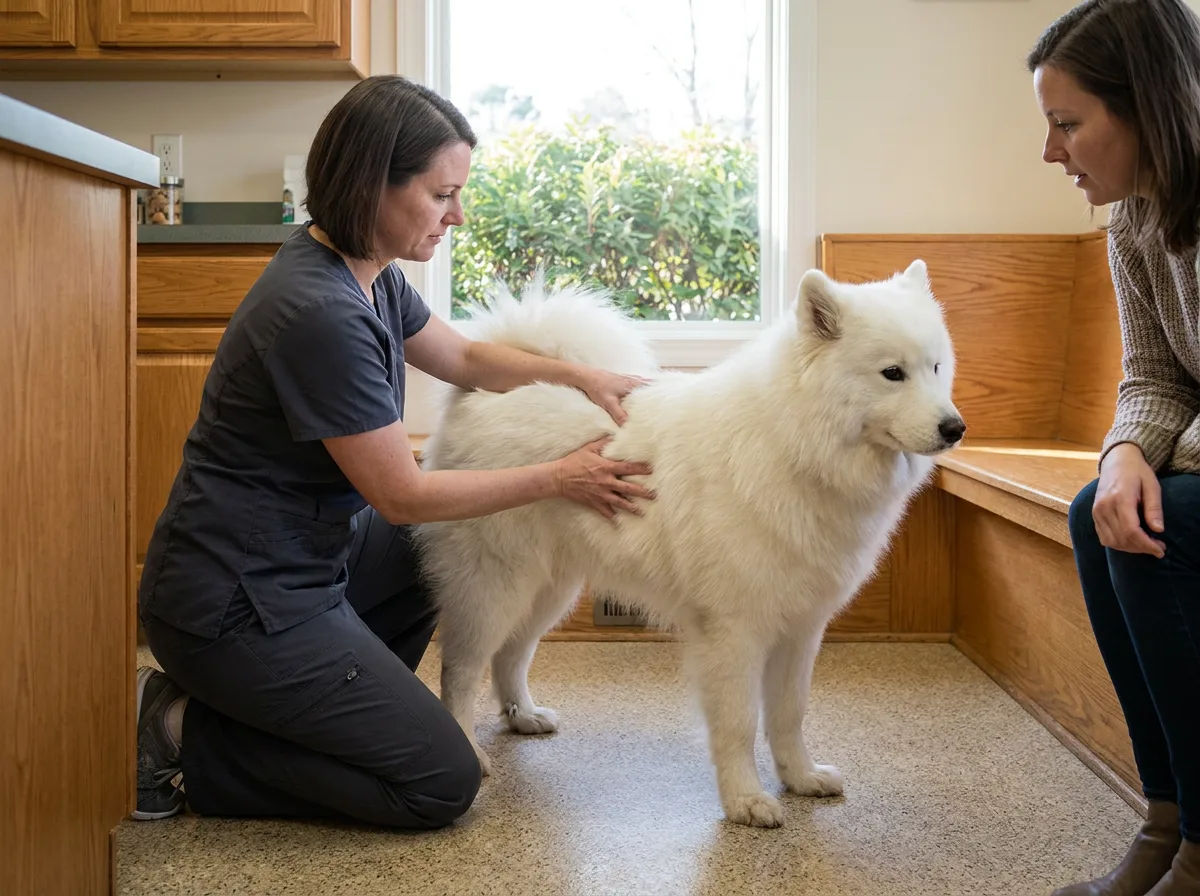
Gradual excess weight also deserves a plan. The veterinarian can confirm body condition, estimate calorie needs and look for medical factors before restriction. Safe change preserves nutrients and muscle.
Bring the growth log, food label, measured daily amount and photos of standing posture. That evidence helps separate measurement noise from a true change.
Equipment fit as the dog grows
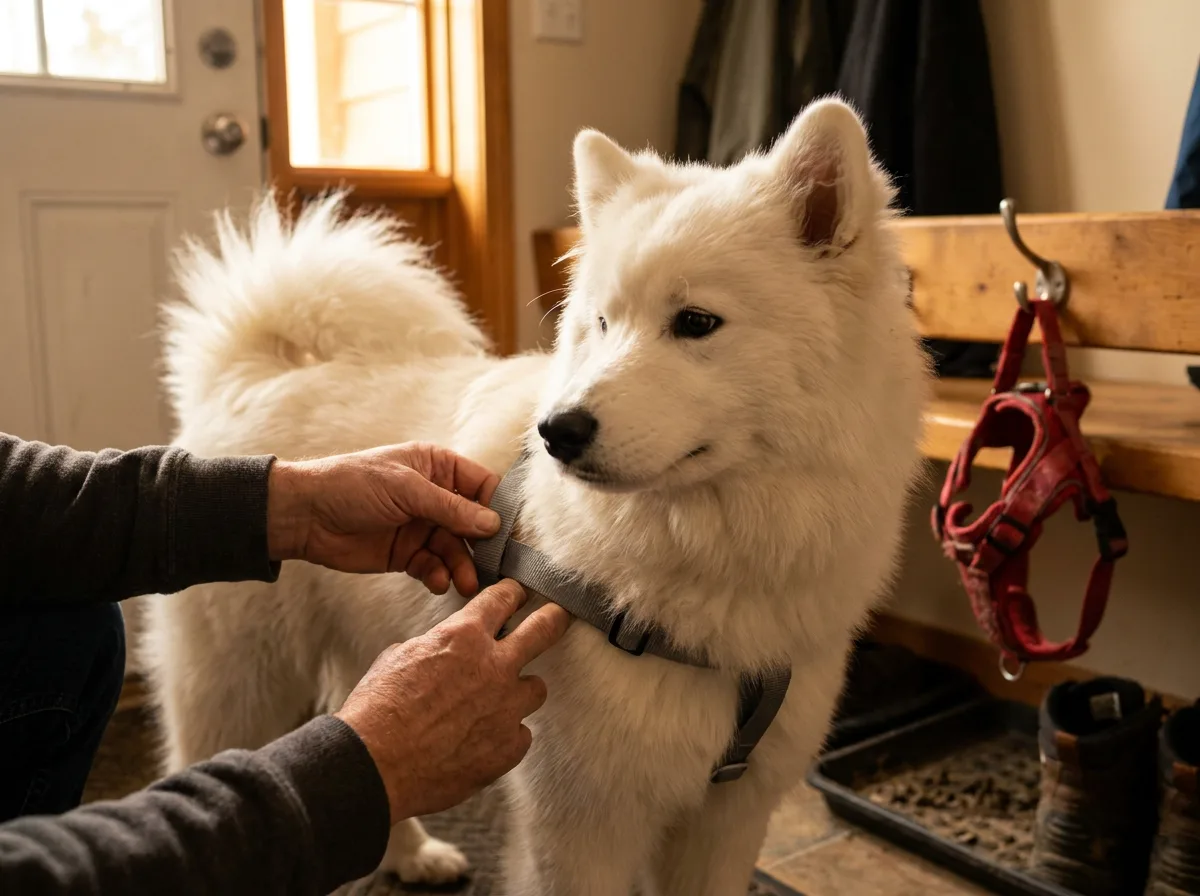
Harnesses should permit shoulder movement, stay clear of the throat and resist backing out. Check fit under compressed coat, then again after seasonal shedding. A collar hidden in fur can become too tight without looking different. An adjustable front-clip harness with several strap points can be refitted as the chest fills out.
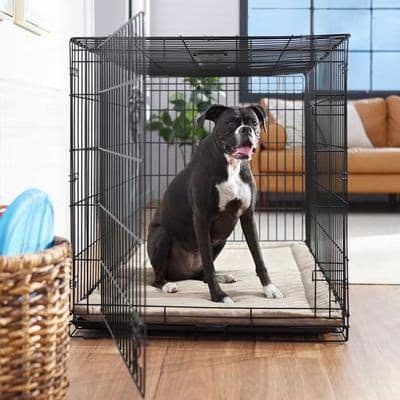
A crate must allow standing, turning and comfortable rest. An oversized space can be managed safely with a divider during growth, while vehicle restraints should follow manufacturer fit instructions. Never choose solely from a breed label. A double-door wire crate also gives more placement options as the dog’s space needs change.
Record the date each item was checked. Growth and coat change can make a previously safe fit unreliable within weeks.
Use growth records well
Common measurement errors
Measuring to the top of the head instead of the withers inflates height. Thick coat can lift the measuring arm, and an uneven floor changes posture. Photograph the setup so later numbers use the same method.
Scale readings vary with equipment, time of day and recent food or elimination. Use the same reliable scale when possible and focus on multi-week trend. A single surprising number should be repeated before conclusions.
Do not compare inches from one method with a breed chart that used another. Method belongs beside the measurement.
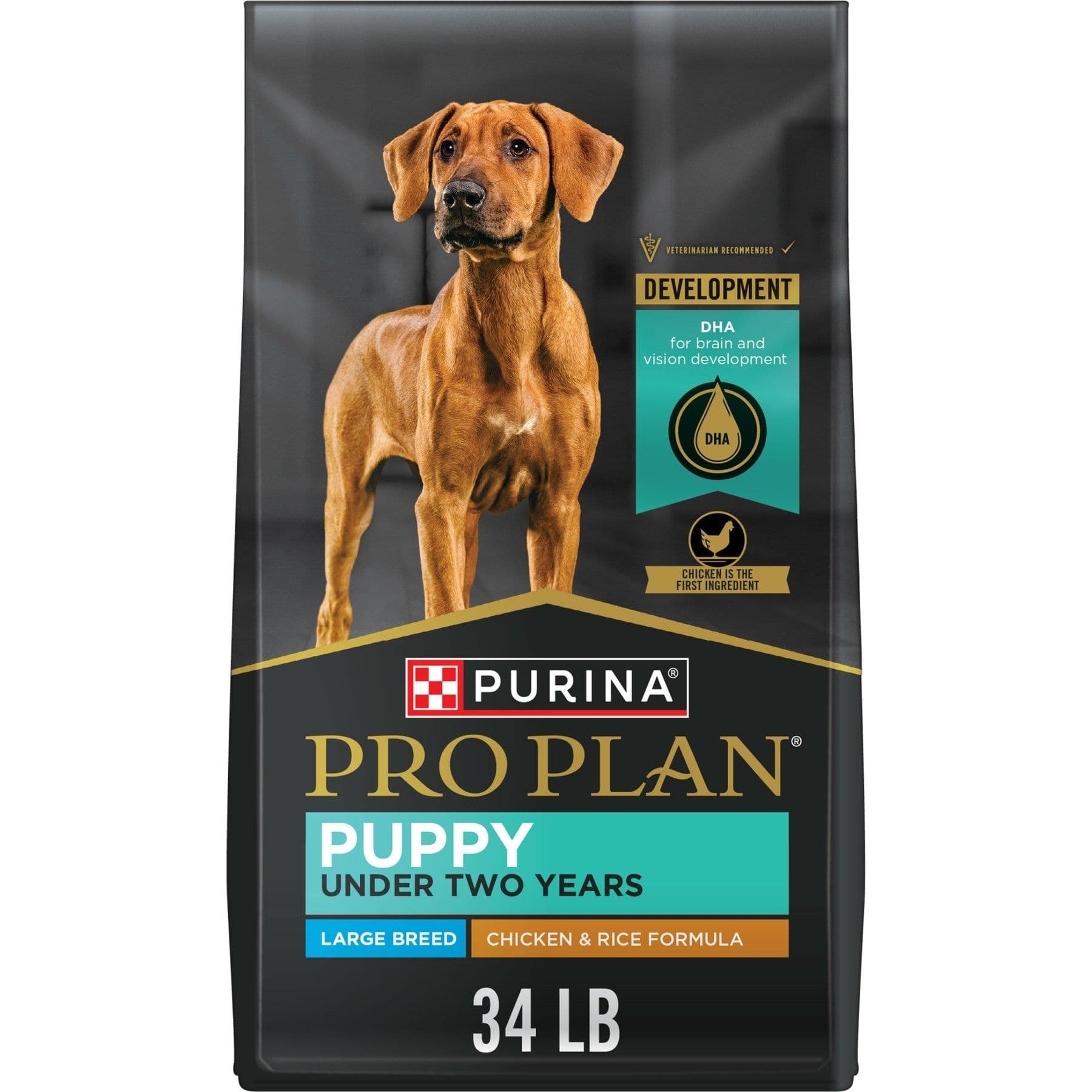
A large-breed puppy recipe to discuss with your veterinarian when planning growth-stage feeding. Adjust portions to the puppy's condition and growth.
Petful may earn a commission when you click through to Chewy, at no extra cost to you.
Coat cycles can hide change
Seasonal undercoat loss can make a dog look much smaller without true weight loss. Conversely, a full coat can conceal gradual gain. Pair photographs with the scale and hands-on condition.
Wet coat compresses dramatically and can reveal the outline, but bathing is not a diagnostic test. If the dog feels thinner, weigh and consult the veterinarian when the change is unexplained.
Use side and overhead photos in a natural stance. Avoid posing that stretches or compresses the body.
Adult conditioning and muscle
A fit adult may gain muscle without becoming overconditioned. Evaluate ribs, waist, movement and recovery together. Athletic appearance should not be pursued through excessive food or forced exercise.
Conditioning progresses from regular walking and skill work to more demanding activity only after a health assessment and gradual preparation. Warm weather may require shorter sessions. A leash with a traffic handle gives close control at crossings as walks lengthen.
After injury or illness, rebuild under veterinary or rehabilitation guidance. The previous scale number is not always the immediate target during recovery.
Questions a growth chart cannot answer
A chart cannot diagnose poor absorption, endocrine disease, orthopedic pain or an incorrect feeding amount. It also cannot see parent size, frame and body condition. Use it only to organize observations.
Ask why the dog is changing, not only whether the number is above or below average. Appetite, stool, thirst, energy and gait provide critical context.
When the puppy is healthy and following its own stable curve, variation from an online average may be normal. The veterinarian is the right person to interpret the whole pattern.
Climate, coat and the scale
Hot weather can reduce activity and appetite temporarily, while a full coat changes visual outline. Record weather and coat phase beside measurements so the trend has context. An elevated cot-style bed lets air move beneath a dense coat during warm-weather rest.
Do not use heat-driven inactivity as a reason for severe food restriction. Adjust with veterinary guidance and provide safe cooler activity.
After coat blow, repeat the hands-on check. A dog may look dramatically smaller while weight and condition remain stable.
Growth after sterilization or illness
Surgery, illness and medication can change activity, appetite and weight. Ask the veterinarian how recovery should affect portions and exercise. Do not compare a recovering puppy directly with an unaffected chart line. WebVet’s dog neuter recovery timeline shows how activity typically returns over the first weeks.
Rebuild activity gradually and watch muscle symmetry. Persistent lameness, weakness or poor appetite deserves follow-up.
Sterilization timing and growth questions should be individualized. The breed name alone does not determine the safest medical plan.
Review the growth log at each visit
Measure the growing dog under the same conditions at a sensible interval, then review the trend rather than reacting to one number. Record weight, body condition, approximate height method, appetite and recent illness or diet change. Bring the series to veterinary visits. A growth log becomes useful when it reveals direction and context, not when it pressures a puppy toward an online average.
Use breed ranges as context
Use the official adult height ranges as a destination context, not a weekly timetable. Sex, lineage, nutrition, health and measurement error affect the path, and adult weight still needs to suit frame and condition. Mark internet charts as estimates. A dog can grow normally without following a smooth line or matching a sibling's pace.
Practical gear to compare
Check the four optional size-related products against current girth, length, shoulder clearance and movement. Leave safe adjustment room, but do not oversize restraints or crates in ways that undermine control or housetraining. Recheck fit after growth spurts and coat changes. Equipment should follow the growth trend; it should never be used to force or predict it.
- PetSafe Easy Walk Dog Harness, Red/Black, Medium/Large: use the current chest measurement and coat clearance, then recheck as the puppy grows; the breed label alone does not establish fit.
- Frisco Heavy Duty Fold & Carry Single Door Collapsible Wire Dog Crate, X-Large: compare interior dimensions with measured standing, turning and resting space, and use a secure divider for a growing puppy when appropriate.
- FurHaven Velvet Waves Perfect Comfort Orthopedic Sofa Cat & Dog Bed with Removable Cover, Brownstone, Large: choose only after measuring the adult dog and floor space, with a cooler resting option for a dense-coated Samoyed.
- Purina Pro Plan Large Breed Dry Puppy Food: a large-breed puppy formula to discuss with the veterinarian, fed in measured portions and adjusted to body condition rather than to a target weight.
Related Samoyed guides
Sources
Questions readers ask
A Samoyed is a medium-to-large working dog. The official adult height range is 21 to 23.5 inches for males and 19 to 21 inches for females, and the AKC lists about 45 to 65 pounds for males and 35 to 50 pounds for females. The dense coat makes many look bigger than they are, so measure height and check body condition by hand.
Adult males stand 21 to 23.5 inches at the shoulder and females 19 to 21 inches under the breed standard. The AKC lists about 45 to 65 pounds for males and 35 to 50 pounds for females. Judge the individual by frame and hands-on body condition, because the coat makes many Samoyeds look heavier than they are.
Most Samoyeds are full grown at about 12 to 18 months. They are close to adult height by about 12 months and finish filling out with muscle and coat between about 15 and 18 months; AKC growth guidance puts medium breeds at adult size around 12 months and large breeds at full size around 18 months. The AKC also advises waiting until about 14 to 18 months before sustained jogging, so keep exercise age-appropriate until then.
The official adult male Samoyed height is 21 to 23.5 inches at the shoulder, and the AKC lists a typical male weight of about 45 to 65 pounds. Measure on level ground at the highest point of the shoulder blades, with the dog standing naturally. Use that measurement, not coat volume, when fitting gates, crates, harnesses or vehicle equipment.
The official adult female Samoyed height is 19 to 21 inches at the shoulder, and the AKC lists a typical female weight of about 35 to 50 pounds. Measure on level ground at the highest point of the shoulder blades, with the dog standing naturally. Individual weight should suit frame and body condition rather than being forced toward a generic average.

Coreen Saito is a pet writer and longtime shelter volunteer with more than a decade in animal rescue. She covers cat behavior, breed care, and the small, ordinary science of sharing a life with companion animals, with a particular focus on honest takes about the products and decisions that actually matter. At home in Arizona, she's outranked by Mac (a dog with the loudest opinion in the house), Rebel (a cat who governs by quiet authority), and Meri (an orange tabby who runs the late shift and the laundry basket). She writes about all three, plus the rescues that keep coming through her life, at LifeWithMinty.com.
Sign up for expert-backed reviews and safety alerts all in one place.