Samoyed Colors, Patterns and Markings
Samoyed colors look simple at first because the breed is famous for white coats. The official palette is broader but still narrow: pure white, cream, biscuit, and white with biscuit. Shading, lighting and puppy coat changes
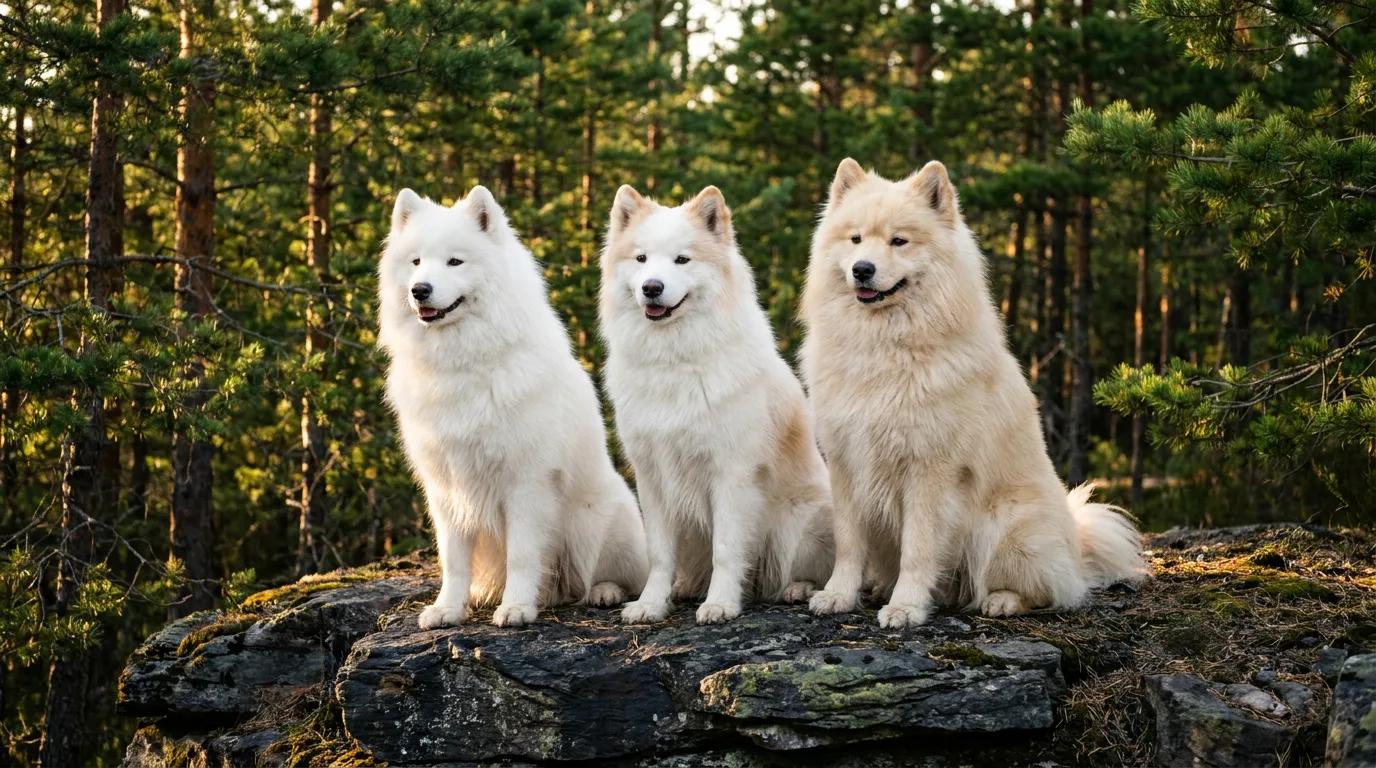
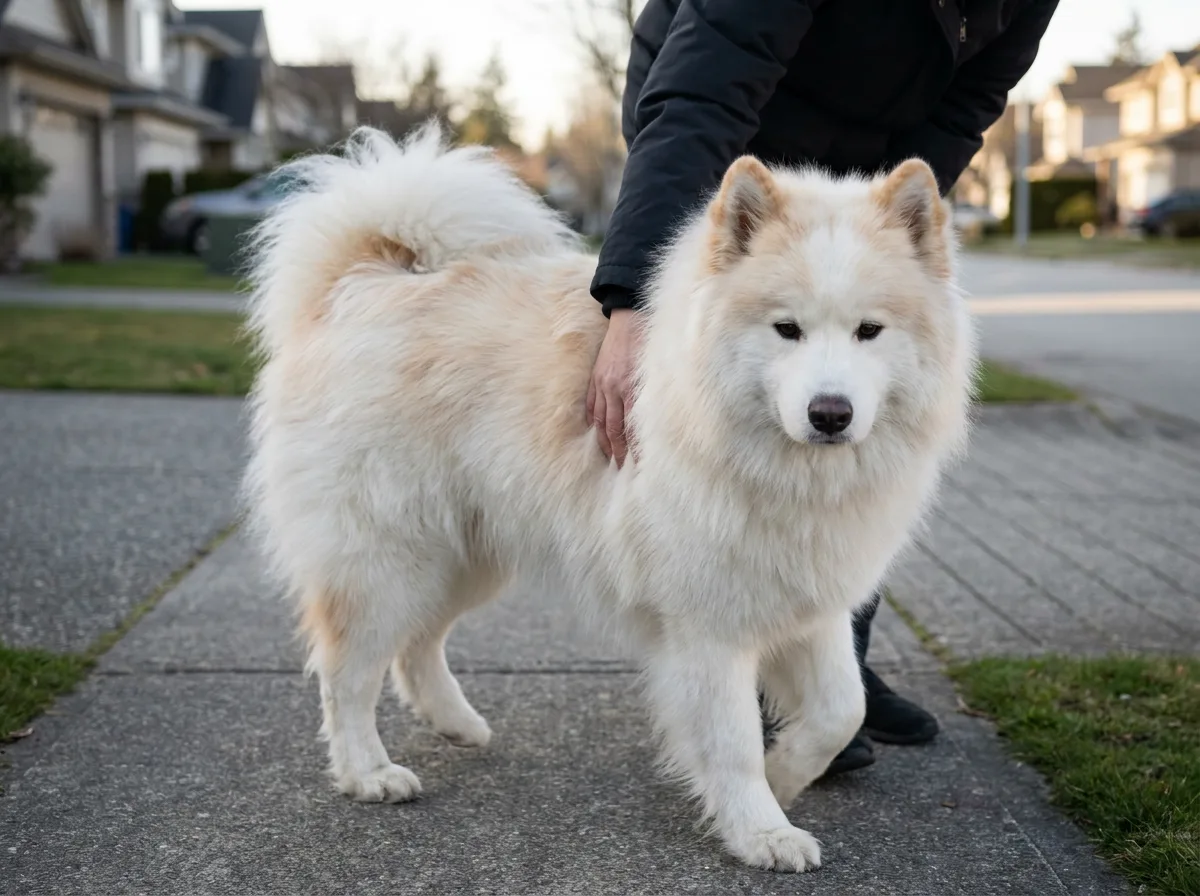
From left: pure white, white and biscuit, and cream, three of the breed's accepted colors.
Petful is reader supported. As an affiliate of platforms like Amazon and Chewy, we may earn a commission when you buy through links on this page. There is no extra cost to you.
Samoyed colors look simple at first because the breed is famous for white coats. The official palette is broader but still narrow: pure white, cream, biscuit, and white with biscuit. Shading, lighting and puppy coat changes can make those labels confusing in photographs.
This guide separates coat color from pigment, markings and marketing language. A color description can help identify what is visible, but it cannot prove pedigree, health, temperament or genetic purity. Pedigree records or a breed-ID DNA test add a different kind of evidence about ancestry.

Sign up for expert-backed reviews and safety alerts all in one place.
Official Samoyed colors
- 1Official colors are white, cream, biscuit, and white with biscuit.
- 2Biscuit can be subtle shading rather than a dark patch.
- 3Nose, lip and eye-rim pigment is not the same as hair color.
- 4Color cannot predict temperament, health or ancestry.
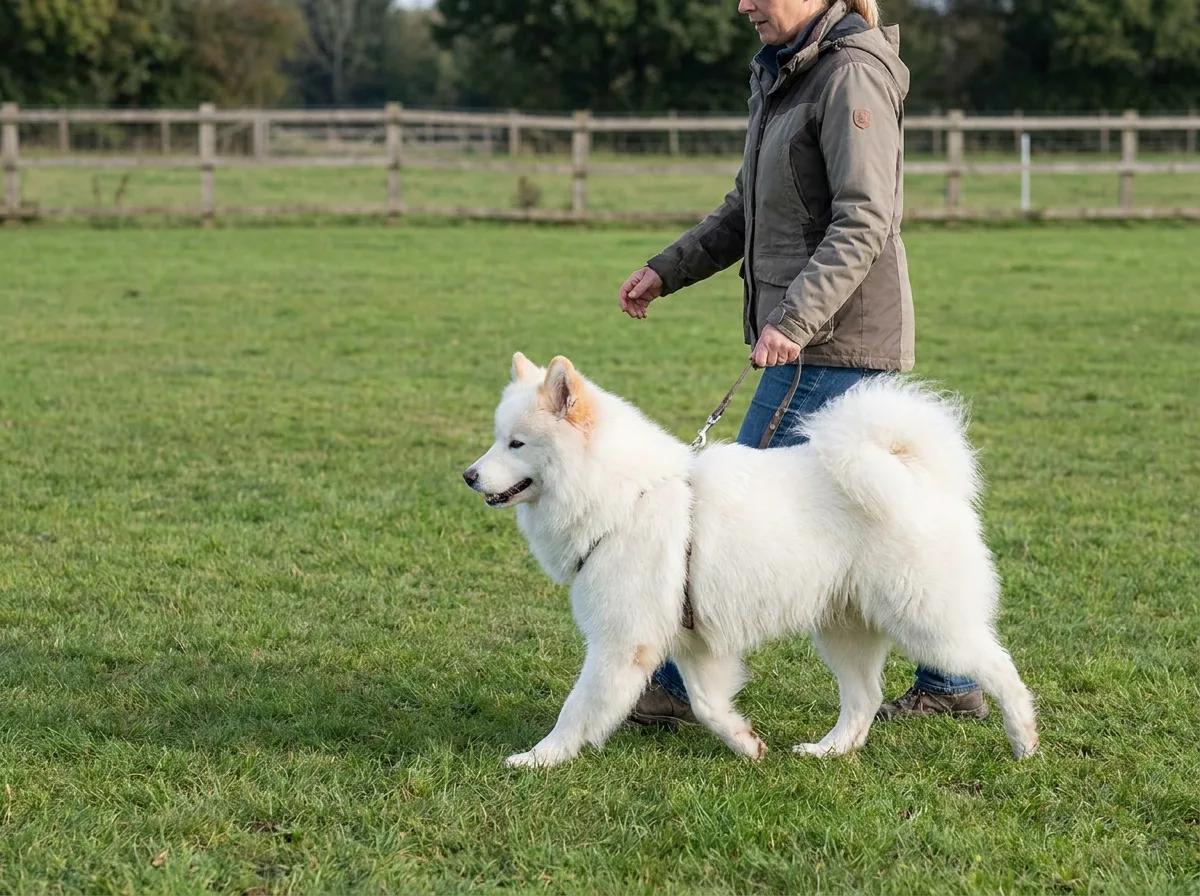
The AKC Samoyed standard accepts pure white, white and biscuit, cream, or all biscuit. Any other color is a disqualification under that conformation standard. This rule describes show evaluation, not whether a dog deserves care or affection.
A white Samoyed may show different tones under shade, warm indoor bulbs or reflected grass. Cream is an accepted pale shade. Biscuit describes warm tan or buff coloring that may appear lightly or more visibly on the ears, body or markings.
When viewing photos, compare multiple areas in neutral daylight. Camera white balance and editing can turn cream into gray or make biscuit appear orange. Registration wording should be considered alongside the actual coat and the registry's definitions.
Petful may earn a commission when you click through to Chewy, at no extra cost to you.
Official Samoyed colors include pure white, white and biscuit, cream and biscuit. A white Samoyed may still show a silver sheen or limited biscuit shading under different light. The standard describes accepted coat colors, not a ranking of companion quality. Health testing, temperament and fit should remain the deciding evidence even when a buyer prefers one shade.
Accepted color descriptions
| Color | What it looks like | AKC standard |
|---|---|---|
| Pure white | White without biscuit coloring; the outer coat may show a silver sheen | Accepted |
| White and biscuit | Mostly white with biscuit shading, often on the ears, head or body | Accepted |
| Cream | A warm off-white cast that stays much lighter than tan | Accepted |
| All biscuit | Warm buff or pale tan through the coat | Accepted |
| Black, brown or any other color | Usually a mix, a mislabeled dog or another spitz breed | Disqualified |
White, cream and biscuit in plain language
- The AKC standard accepts pure white, white and biscuit, cream and all biscuit, and lists any other color, along with blue eyes, as a disqualification. A seller charging extra for rare white, or offering a black or brown Samoyed, is selling a label, not a recognized color.
Pure white means the coat reads white without biscuit coloring. It does not mean every hair looks identical under every light. Silver sheen from the outer coat and shadows in dense fur can create depth without becoming a separate color.
A cream Samoyed has a warm off-white cast that remains much lighter than tan. A biscuit Samoyed shows a warmer buff tone. White and biscuit combines white with visible biscuit shading or areas.
Describe shades from neutral photographs and plain words rather than rarity claims. Small differences can be hard to name consistently, especially in a changing puppy coat.
Petful may earn a commission when you click through to Chewy, at no extra cost to you.
A cream Samoyed has a warm overall cast without becoming tan, while a biscuit Samoyed carries pale buff shading that may be localized or more visible through the coat. Shades are easiest to judge in neutral daylight and in photographs from more than one angle. Grooming, staining and camera white balance can change appearance, so label what is observed without inventing rare-color genetics.
Biscuit shading and markings
Biscuit often appears first around the ears or as soft patches and shading. It can be faint enough that one image looks white while another reveals warmth. Coat length also changes how a colored area is distributed visually.
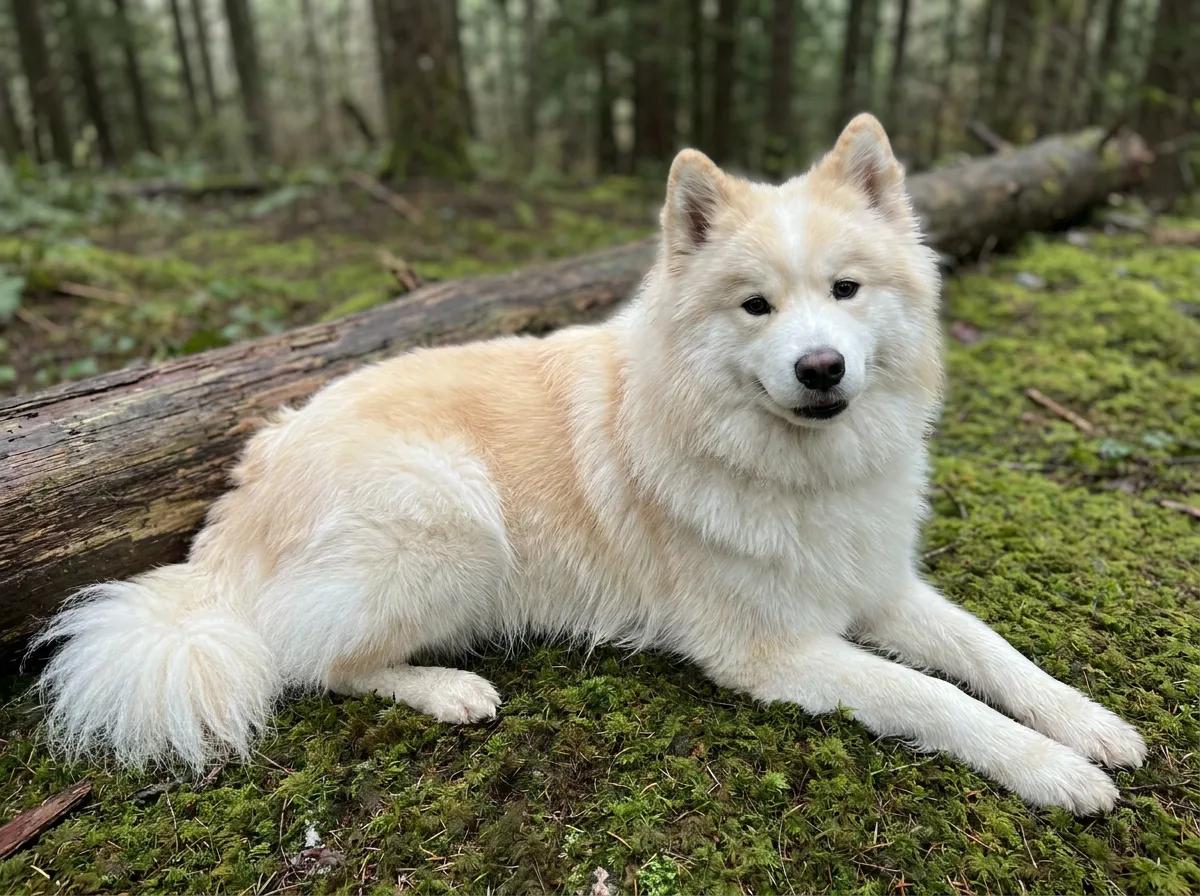
A white and biscuit Samoyed does not become a different breed type. The label describes the visible coat. Avoid assuming a stronger biscuit shade predicts coat texture, behavior or health.
When documenting a dog, photograph the whole body plus close views in indirect daylight. State whether the label comes from registration paperwork, visual observation or genetic information. Those are different kinds of evidence.
A white and biscuit Samoyed can show biscuit on the ears, head or body while remaining within the accepted standard. Samoyed coat colors may also look different as the puppy coat gives way to adult guard hair and undercoat. Record the registered description and observe development over time rather than promising an exact mature pattern from one early photograph.
Useful photo record
- Whole-body side view
- Ear and face close view
- Back and tail in indirect daylight
- Date and age of the dog
- Registry wording if available
Pigment is separate from coat color
The standard prefers dark pigment at the lips and eye rims and a black nose, while recognizing that nose color can sometimes change. Those details concern skin pigment, not whether the coat is white, cream or biscuit.
A dark nose against white fur creates the familiar expression, but photographs can exaggerate contrast. Temporary or seasonal changes should be discussed with a veterinarian when accompanied by sores, crusting, pain or other health changes.
Eye color and coat color also should not be blended into one label. A colored mark from staining, dirt, saliva or lighting is not automatically inherited hair color. Clean and inspect before drawing conclusions. A damp microfiber dog towel lifts surface dirt and saliva so the true hair color shows.
Puppy coat changes
Samoyed puppies have a softer coat that develops as the adult double coat grows. Apparent shade can change with hair length, season and the loss of puppy coat. Subtle biscuit may become more or less noticeable. For routine coat care, an undercoat rake can help manage loose undercoat as the adult coat comes in.
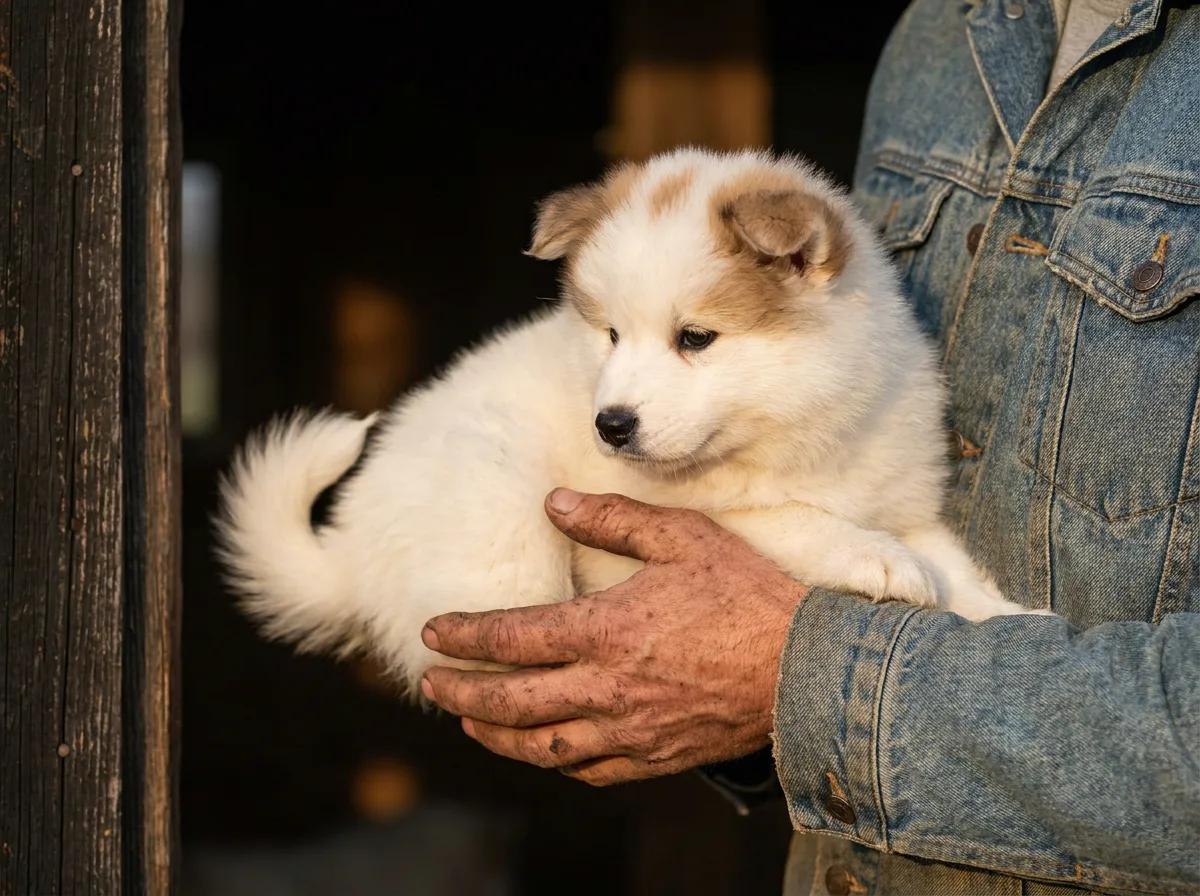
Do not promise a final adult shade from one newborn photograph. Ask to see both parents and older relatives for context, then accept that individual expression varies. Health and temperament evidence matters more than a cosmetic forecast.
Keep dated photographs if color documentation matters. Use the same location and neutral lighting so the record shows the dog rather than the camera settings.
Black or brown Samoyed claims
Searches for a black Samoyed or brown Samoyed often surface mixes, mislabeled dogs, edited images or another spitz breed. Black and brown are not accepted Samoyed coat colors under the AKC standard.
Appearance alone cannot establish ancestry. A fluffy white dog can also be a mix, and a dark dog advertised with a Samoyed parent may be exactly that, a mixed-breed individual. Pedigree records and, when appropriate, DNA information provide different evidence.
Rare-color language can inflate price without improving welfare or health. Verify the dog's identity and care rather than paying for a claim that conflicts with the standard.
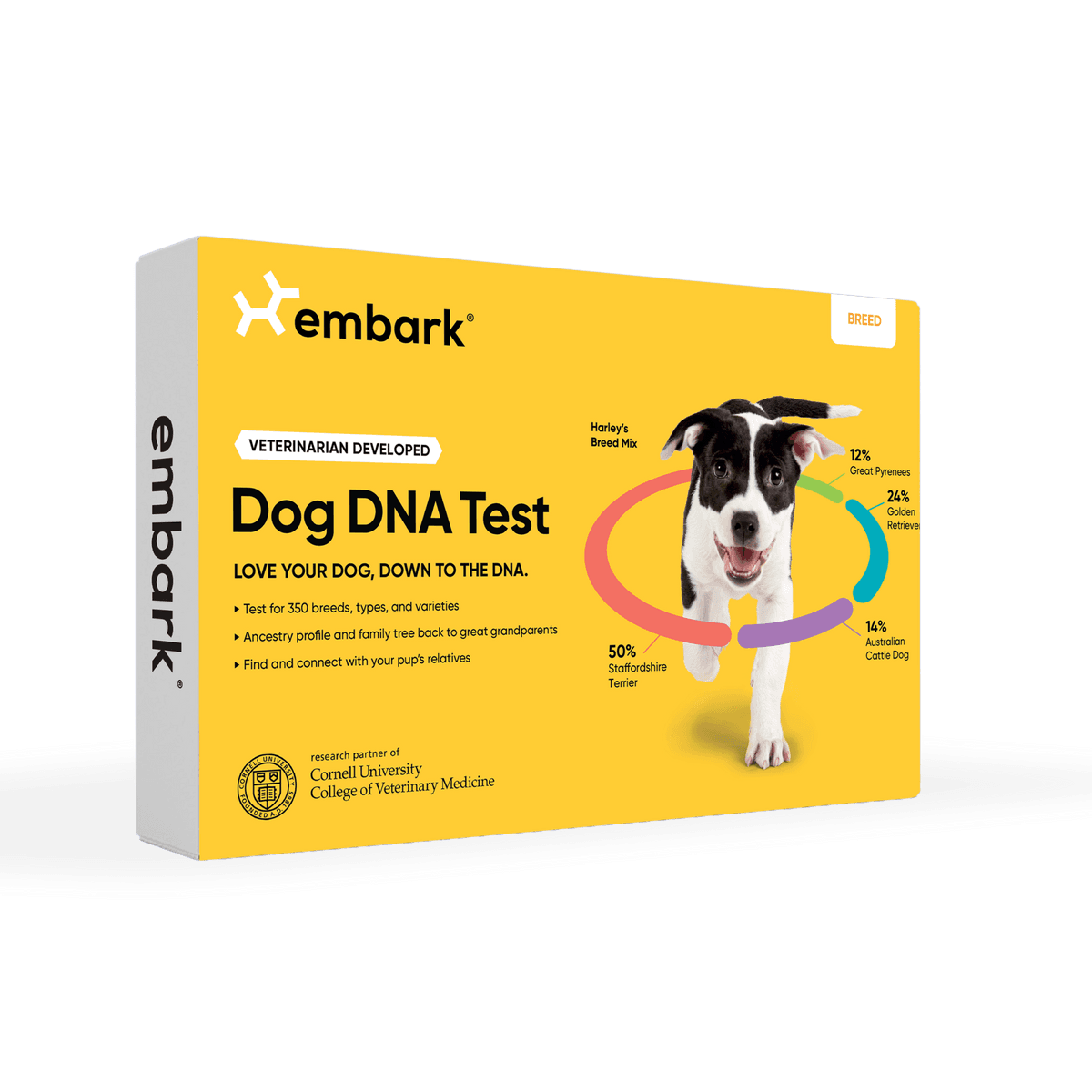
Petful may earn a commission when you click through to Embark, at no extra cost to you.
Questions for a seller
- What exactly supports the ancestry claim?
- Can both parents be identified independently?
- Which registry recorded the color?
- Are health results public and current?
- Does the contract describe the dog accurately?
Does color affect health or temperament?
The accepted shade labels do not predict a Samoyed's friendliness, trainability, exercise needs or lifespan. Those outcomes are shaped by many genetic and environmental factors. Color should not replace behavior assessment or health testing.
Some pigment or coat changes can be medical signs, but diagnosis depends on examination. New hair loss, redness, itching, sores or sudden pigment change should be discussed with a veterinarian rather than explained as a rare color.
Choose the individual whose health evidence, temperament and needs fit the home. Treat coat color as one visible characteristic, not the decision engine.
Photographing Samoyed colors accurately
Use open shade or indirect daylight and avoid colored floors or walls that reflect onto white fur. Include one close view and one full-body view. Do not increase saturation or warmth when the goal is documentation.
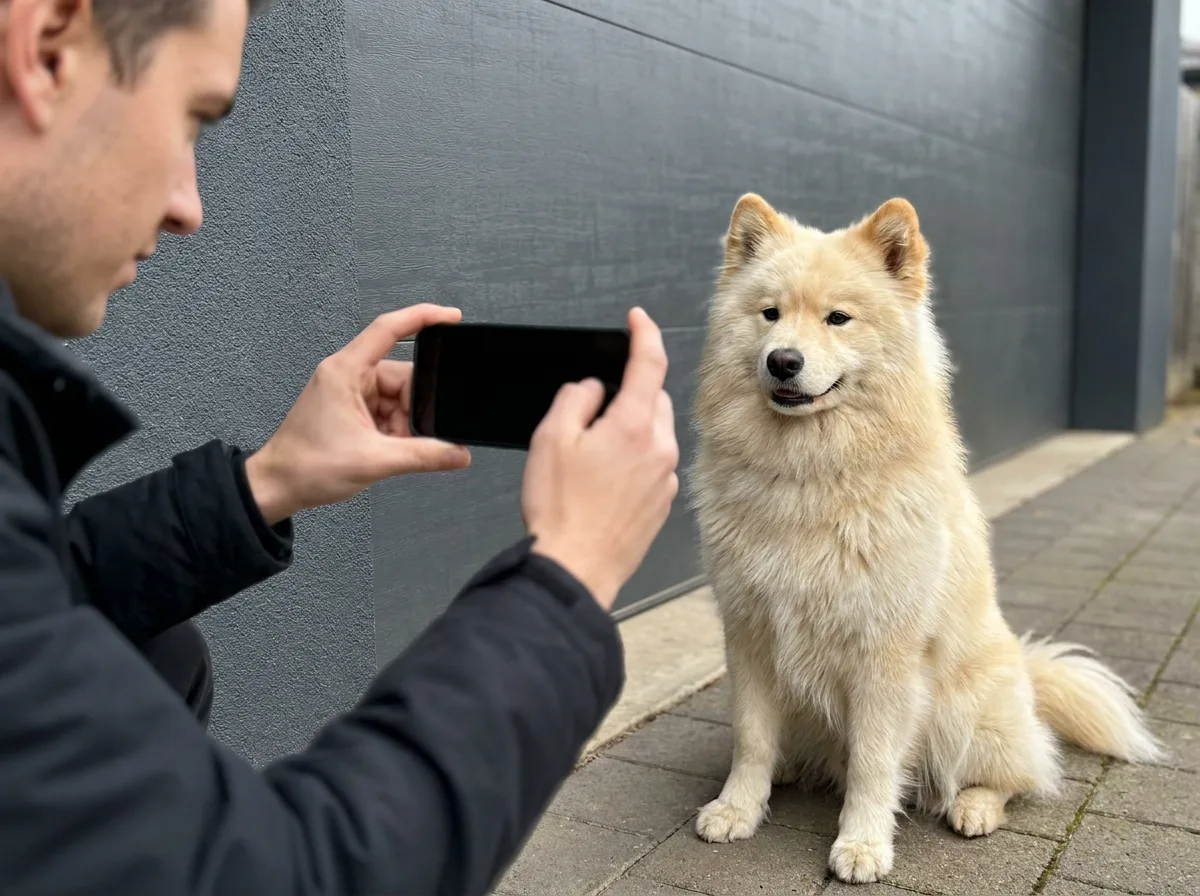
For comparison, keep distance, angle and light similar. Screens and cameras still vary, so compare dogs side by side in the same light.
Use color evidence responsibly
Staining is not a new coat color
Saliva, tears, urine, soil and environmental minerals can stain white or cream hair. The visible color may be rusty, pink, yellow or gray without representing inherited coat pigment.
Identify and address the cause rather than bleaching the hair. Persistent tear staining, licking, discharge, odor or skin irritation can have a medical component and should be discussed with a veterinarian.
Photograph the area before and after gentle cleaning with tear stain wipes if documentation matters. Do not use harsh whitening products near eyes, mouth or irritated skin.
Registry language and seller language
Registries use defined color choices, while sellers may invent descriptive names. Champagne, snow white or platinum can be marketing terms rather than separate recognized Samoyed colors.
Ask which official registry and document supports the wording. Then compare it with the breed standard. A creative label does not create a rare genetic category or justify a health claim.
If the dog is a companion rather than a show prospect, color eligibility may not affect daily life. Accurate identity, welfare, health evidence and household fit remain more important.
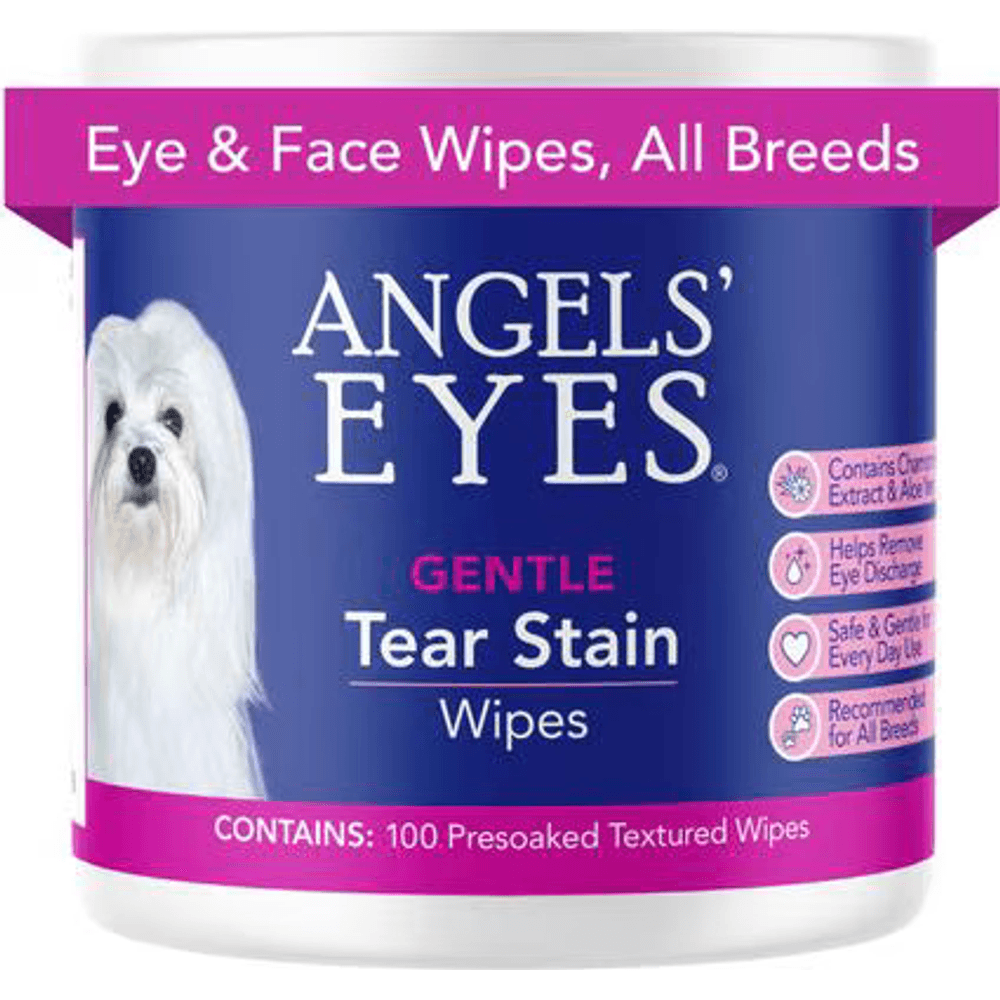
Presoaked wipes that gently clean the fur and skin around a dog's or cat's eyes, lifting away tear stains, discharge, and daily debris. A quick, no-rinse way to keep the eye area clean between baths. For routine cleaning only.
Petful may earn a commission when you click through to Chewy, at no extra cost to you.
Coat care without whitening damage
A clean healthy coat does not need to be chemically forced toward bright white. Use a fragrance-free dog shampoo, rinse thoroughly and dry to the skin. Residue can cause irritation that creates more staining or licking.
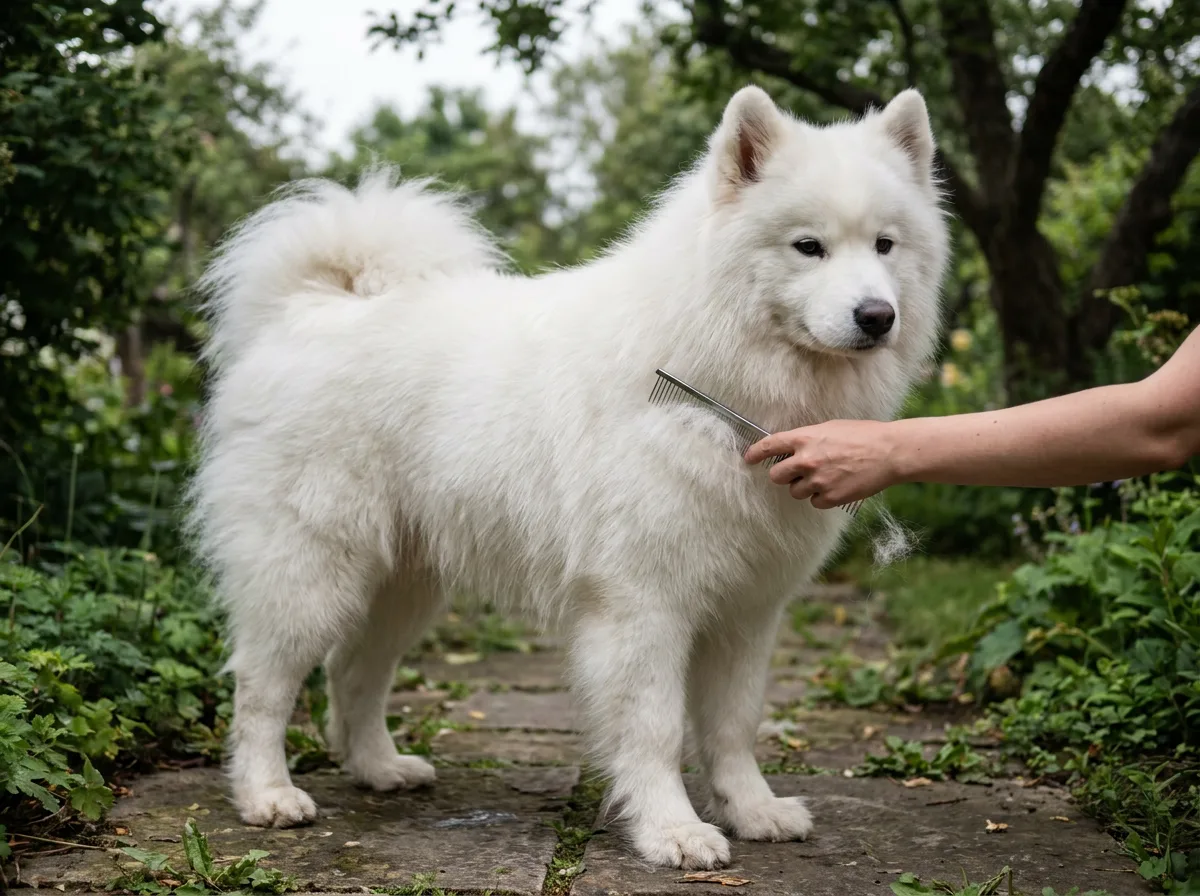
Brush dirt out with a slicker brush when practical and protect the coat from mats. Ask a groomer about safe stain management for the individual dog, especially around eyes and mouth.
Color should never make grooming painful. Comfort, skin health and cooperative handling are the standard for care. A fine-toothed comb run through after brushing confirms the coat is clear to the skin without hard pulling.
Color questions in a puppy decision
Ask to see the whole litter and adults in ordinary light, but prioritize health records, behavior and living conditions. A preferred shade should not create pressure to accept a poor source.
Do not pay more because a seller calls white rare. Pure white is one of the standard Samoyed colors. Biscuit and cream are also accepted descriptions.
If conformation eligibility matters, consult the current registry and breed club directly. Companion suitability depends on much more than color.
Describe without overclaiming
A useful description names what can be seen: cream body, biscuit shading at the ears, or white coat with biscuit areas. It does not infer genes, parentage or health from a photo.
State uncertainty when lighting or staining may affect appearance. Ask for an unedited daylight image when the distinction matters.
Plain wording helps future veterinarians, groomers and registries understand the record without carrying marketing claims forward.
Keep a dated color record
Photograph the coat in neutral daylight at arrival, after the adult coat develops and after a major seasonal shed. Note which areas changed and whether the difference is color, staining, clipping, sun exposure or new hair growth. Review any sudden patch with the skin underneath. A dated color record is most useful when it helps separate normal coat development from a health concern. Working through each seasonal shed with an undercoat rake also keeps dead coat from dulling the color in those photos.
Allow for normal variation
Allow for normal variation within pure white, white and biscuit, cream and biscuit. Lighting, coat cycle, age and staining can change what a photograph seems to show, while appearance alone cannot establish ancestry. Describe what is observed and what the record says separately. That distinction protects buyers from rare-color marketing without implying that every off-standard-looking dog has the same background.
Practical gear to compare
Choose the four optional examples for surface cleaning, stain care, skin comfort and ancestry questions, not for promises to bleach or manufacture a color. Check tool pressure, product ingredients and drying instructions on the individual coat. A DNA result can add ancestry evidence, but no product can make color more important than health and temperament.
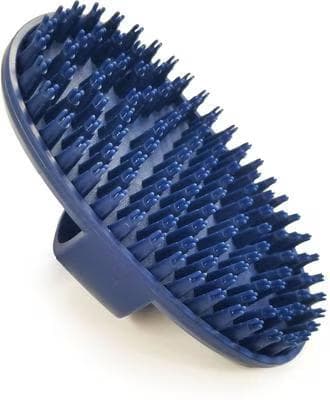
- Four Paws Magic Coat Professional Series All-In-One Wet & Dry Dog Glove & Curry Brush: a soft curry tool may loosen surface dirt on a tolerant dog, but it does not decode color or replace undercoat access with an appropriate comb or brush.
- Earthbath Oatmeal & Aloe Itch Relief Fragrance Free Dog & Cat Shampoo: a fragrance-free bathing option for dirt or lifestyle needs, never as a whitening treatment or a way to alter an accepted Samoyed color.
- Embark Breed ID Dog DNA Test Kit: adds ancestry evidence when a seller’s color or breed claim is in doubt, read alongside pedigree records rather than in place of them.
- Angels’ Eyes Face Eye and Paw Cleansing and Tear Stain Wipe: for gentle routine cleaning around the face and paws of a white coat, never as a whitening treatment or a substitute for checking the cause of persistent staining.
Related Samoyed guides
Sources
Questions readers ask
Yes, but only within a narrow range. The AKC standard allows four Samoyed colors: pure white, white and biscuit, cream and all biscuit. Any other color is a disqualification in the show ring, as are blue eyes. Silver sheen on the outer coat and light biscuit shading on the ears are normal within those colors, and color cannot prove ancestry or predict health and temperament.
There is no official rarest color. The AKC standard accepts four colors, pure white, white and biscuit, cream and all biscuit, and does not rank them or publish a rarity count. Because the breed is best known for white coats, sellers sometimes market cream or biscuit as rare. Treat a rare-color premium as marketing, and judge the dog on health records and temperament.
Yes. Cream is one of the accepted Samoyed coat colors in the AKC standard. It looks warmer than pure white but stays much lighter than tan, and it can photograph differently under indoor or golden-hour light, so assess the coat in neutral daylight. An accepted cream coat does not establish ancestry or predict health, temperament or breeding quality.
It describes a mostly white Samoyed with visible warm tan or buff shading, often on the ears, head or body. The biscuit can be faint enough that one photo looks white and another shows warmth, and it may become more or less noticeable as the puppy coat changes. It is an accepted standard color, not a separate breed type or a health prediction.
No. Black is not an accepted Samoyed coat color under the AKC standard, which allows only pure white, white and biscuit, cream and all biscuit. A black dog sold as a Samoyed is usually a mix, a mislabeled dog or another spitz breed, and only pedigree records or DNA information can speak to its ancestry. Treat a black or brown Samoyed listing as a red flag.

Coreen Saito is a pet writer and longtime shelter volunteer with more than a decade in animal rescue. She covers cat behavior, breed care, and the small, ordinary science of sharing a life with companion animals, with a particular focus on honest takes about the products and decisions that actually matter. At home in Arizona, she's outranked by Mac (a dog with the loudest opinion in the house), Rebel (a cat who governs by quiet authority), and Meri (an orange tabby who runs the late shift and the laundry basket). She writes about all three, plus the rescues that keep coming through her life, at LifeWithMinty.com.
Sign up for expert-backed reviews and safety alerts all in one place.