Do Samoyeds Shed? Coat and Grooming Guide
Do Samoyeds shed? Yes. They have a dense double coat and can release large amounts of undercoat, especially during seasonal coat blow. The white fur is visible on dark fabric, and the grooming workload is a core breed
Petful is reader supported. As an affiliate of platforms like Amazon and Chewy, we may earn a commission when you buy through links on this page. There is no extra cost to you.
Do Samoyeds shed? Yes. They have a dense double coat and can release large amounts of undercoat, especially during seasonal coat blow. The white fur is visible on dark fabric, and the grooming workload is a core breed commitment.
Good coat care is not about removing every loose hair. It prevents painful mats, keeps skin observable and makes bathing and drying manageable. A safe routine uses the right tools, such as an undercoat rake and a slicker brush, short cooperative sessions and veterinary attention for abnormal coat changes.

Sign up for expert-backed reviews and safety alerts all in one place.
How much Samoyeds shed
- 1Expect year-round shedding plus heavier seasonal coat blow.
- 2Brush to the skin in sections, not only over the surface.
- 3Dry the dense coat completely after bathing.
- 4Sudden hair loss, sores or severe itching needs veterinary care.
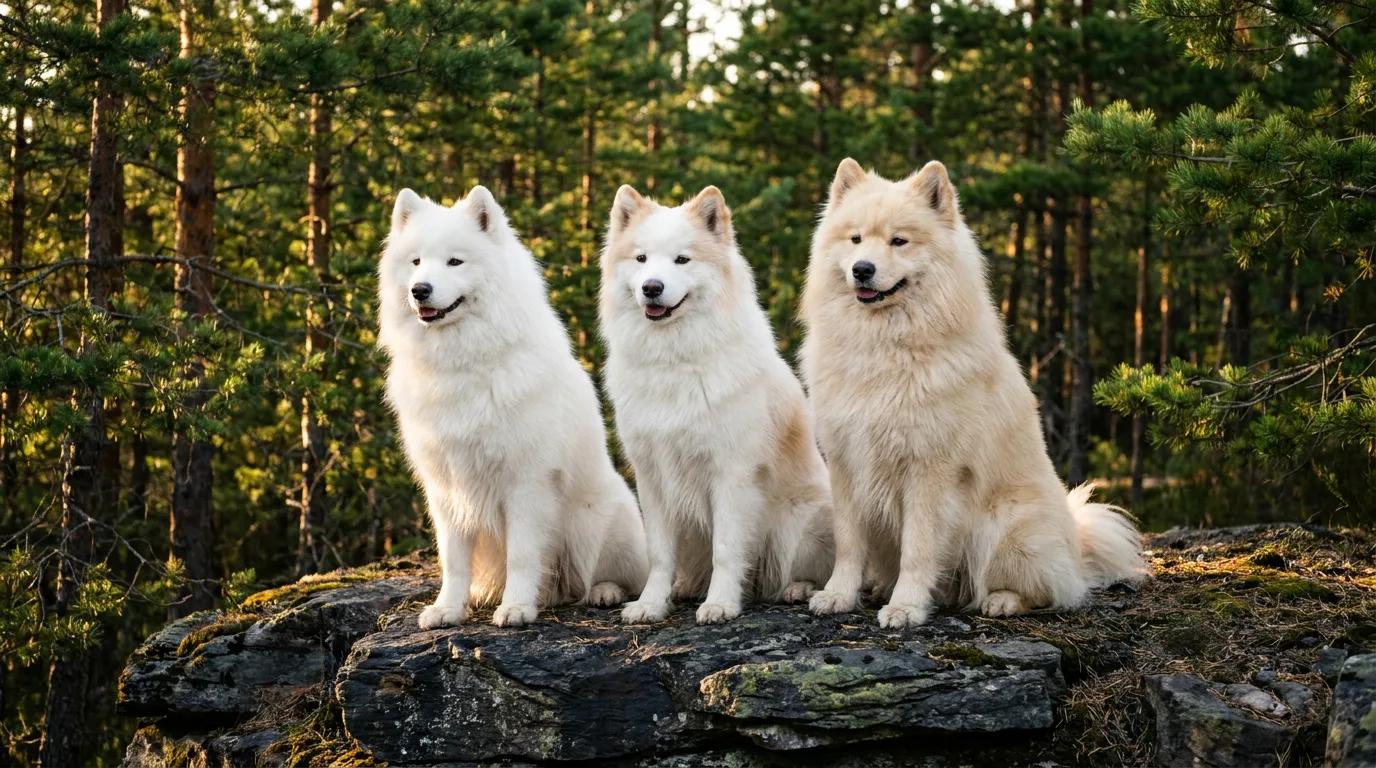
Samoyeds shed a lot. They lose some fur all year and release the soft undercoat in one or two heavy seasonal coat blows: the AKC describes two heavier shedding periods a year, while the Samoyed Club of America says the undercoat is typically shed out once a year. Loose undercoat can collect in clumps and drift through the home even with regular brushing. Indoor climate, health and reproductive cycles can affect timing.
The exact amount varies. One dog may release coat gradually while another has a concentrated seasonal blow. A short hair phase after shedding does not turn the breed into a low-maintenance coat.
Plan washable covers, a pet hair vacuum and grooming space before bringing the dog home. Fur management is easier when it is an expected household system rather than a scramble each season.
Petful may earn a commission when you click through to Chewy, at no extra cost to you.
Samoyed shedding occurs throughout the year and can intensify sharply when the undercoat releases. The volume depends on coat, season, indoor climate, hormones and health. Plan routine brushing and a heavier coat-blow workload, and treat bald spots, sores or severe itching as health concerns rather than cleanup.
Normal coat-release pattern
- Small amounts of loose fur most weeks
- Larger undercoat release seasonally
- More hair during brushing and drying
- Individual timing and intensity
Are Samoyeds hypoallergenic?
- Clumps of loose undercoat during coat blow are normal. Bald patches, redness, sores, odor, intense itching or hair loss alongside appetite, thirst or weight changes are not, and they need a veterinary visit rather than more brushing.
A Samoyed is not reliably hypoallergenic. People can react to proteins in dander, saliva and urine, not only visible hair. Heavy shedding can spread allergens through the environment.
Allergy experience varies by person and dog. Spend time around adult Samoyeds in realistic indoor settings before committing, and speak with a medical professional about personal risk. A puppy visit outdoors is not a complete test.
Frequent cleaning and keeping the dog out of some spaces may reduce exposure but cannot guarantee symptoms will disappear. Be cautious with sellers who promise an allergy-safe coat.
A Samoyed hypoallergenic claim is not a reliable promise. People may react to proteins in dander, saliva and urine, not just visible hair. Spend time with adult dogs in a realistic indoor setting before commitment and seek personal medical advice for significant allergy risk.
Samoyed brushing and line brushing
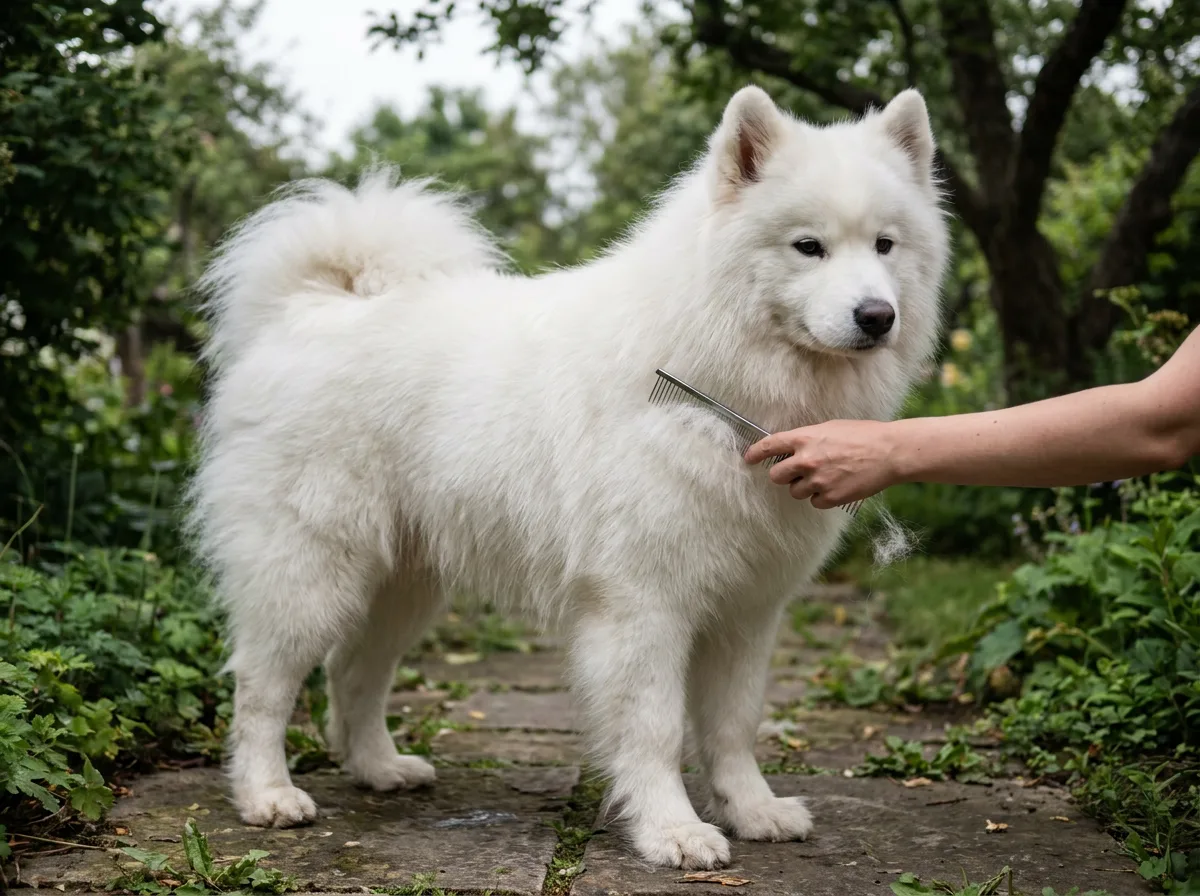
Line brushing works through the coat in narrow sections. Part the hair, brush a small line from skin outward, check it with a fine comb, then move to the next section. Work gently and stop if skin becomes red or the dog is distressed.
Pay attention behind ears, under the collar, in armpits, along the trousers and anywhere friction occurs. Surface brushing can make the outer coat look neat while mats tighten below.

A simpler corded upright with a wide floor head and manual height adjustment.
Petful may earn a commission when you click through to Chewy, at no extra cost to you.
A slicker brush for Samoyed coat care may help when chosen and used correctly, but one tool does not fit every area or dog. Ask a groomer to demonstrate pressure and technique.
Samoyed dog grooming should reach the undercoat without scraping skin or breaking healthy hair. Samoyed shedding season often calls for shorter, more frequent sessions and complete drying after bathing. Line brushing and mat prevention work together: part the coat in small rows, support sensitive areas and stop when skin reddens. Do not shave routinely, and watch abnormal coat changes instead of chasing a fur quota.
Line-brushing sequence
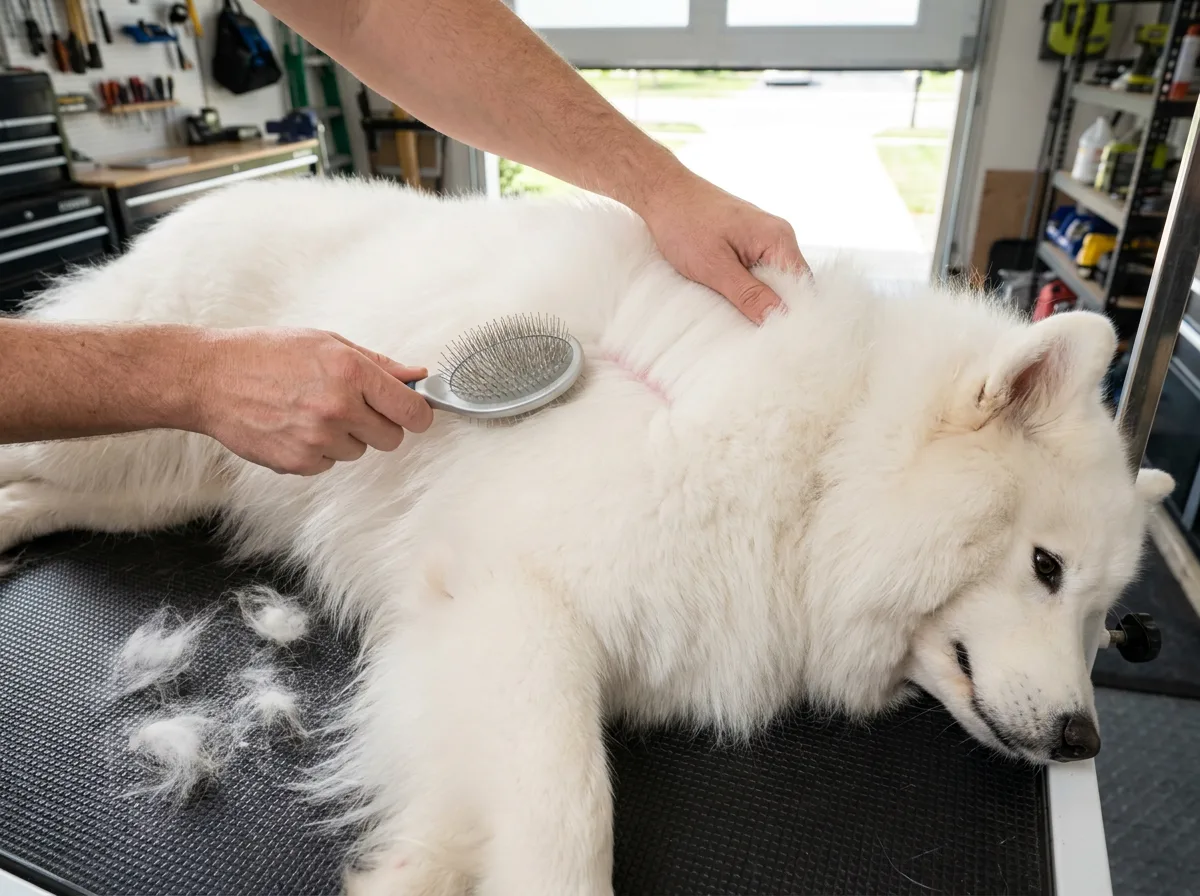
- Place the dog on a nonslip surface
- Part one small coat line
- Brush from skin outward without scraping
- Check the section with a comb
- Reward, pause and continue only while comfortable
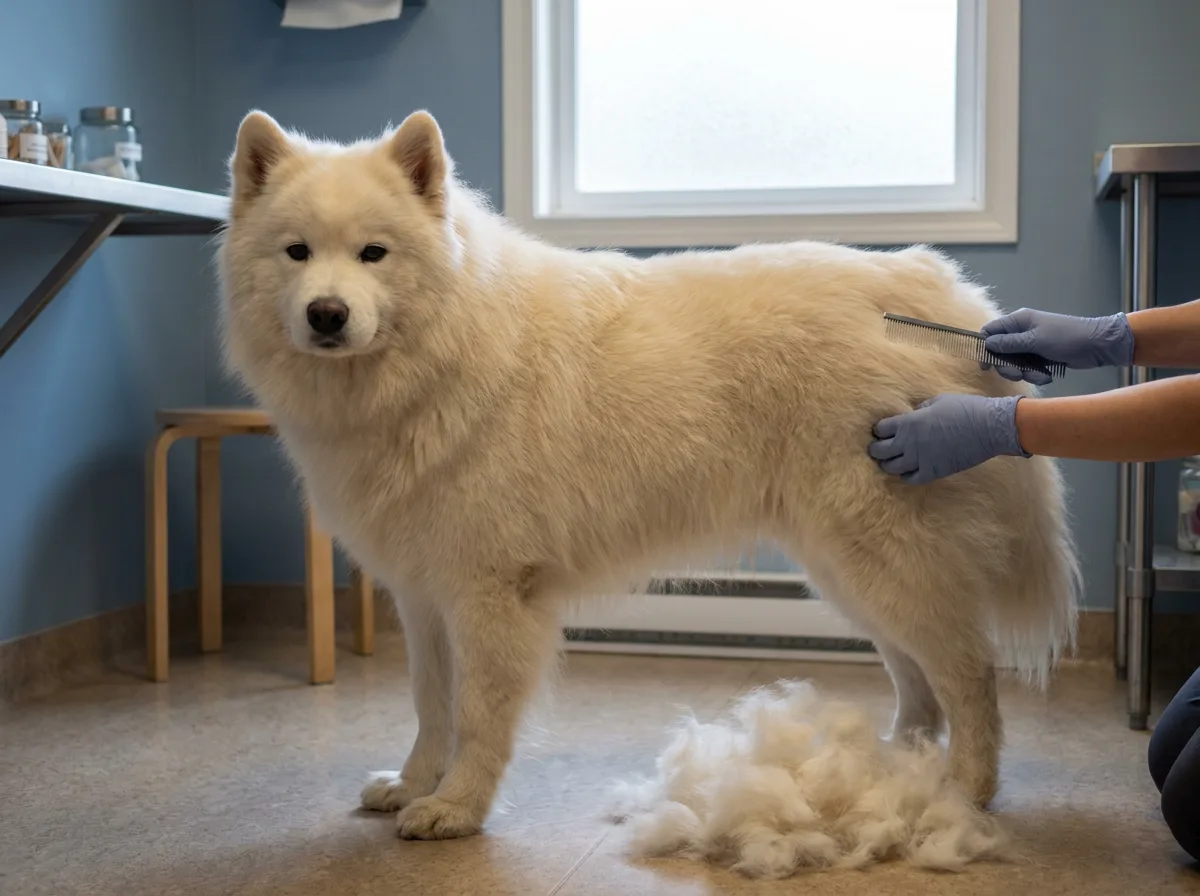
Coat-blow preparation
Before heavy release begins, inspect tools, choose a contained grooming area and schedule several shorter sessions. Trying to remove the entire undercoat in one sitting can exhaust both dog and owner. A cordless hand vacuum kept beside the grooming area handles the drifts of undercoat between full cleanings.
A bath followed by complete, safe drying can help loosen ready undercoat, but technique matters. Protect eyes and ears from forced air, control temperature and never leave dampness trapped near skin.
The coat blow preparation plan should include cleanup, breaks and a stopping rule. Mats, skin pain or a dog who cannot tolerate the process may require professional help.
Bathing and thorough drying
Bathing frequency depends on dirt, skin condition and lifestyle. Brush or comb out mats before bathing because water can tighten them. Use a fragrance-free dog shampoo and rinse until the coat is free of residue.
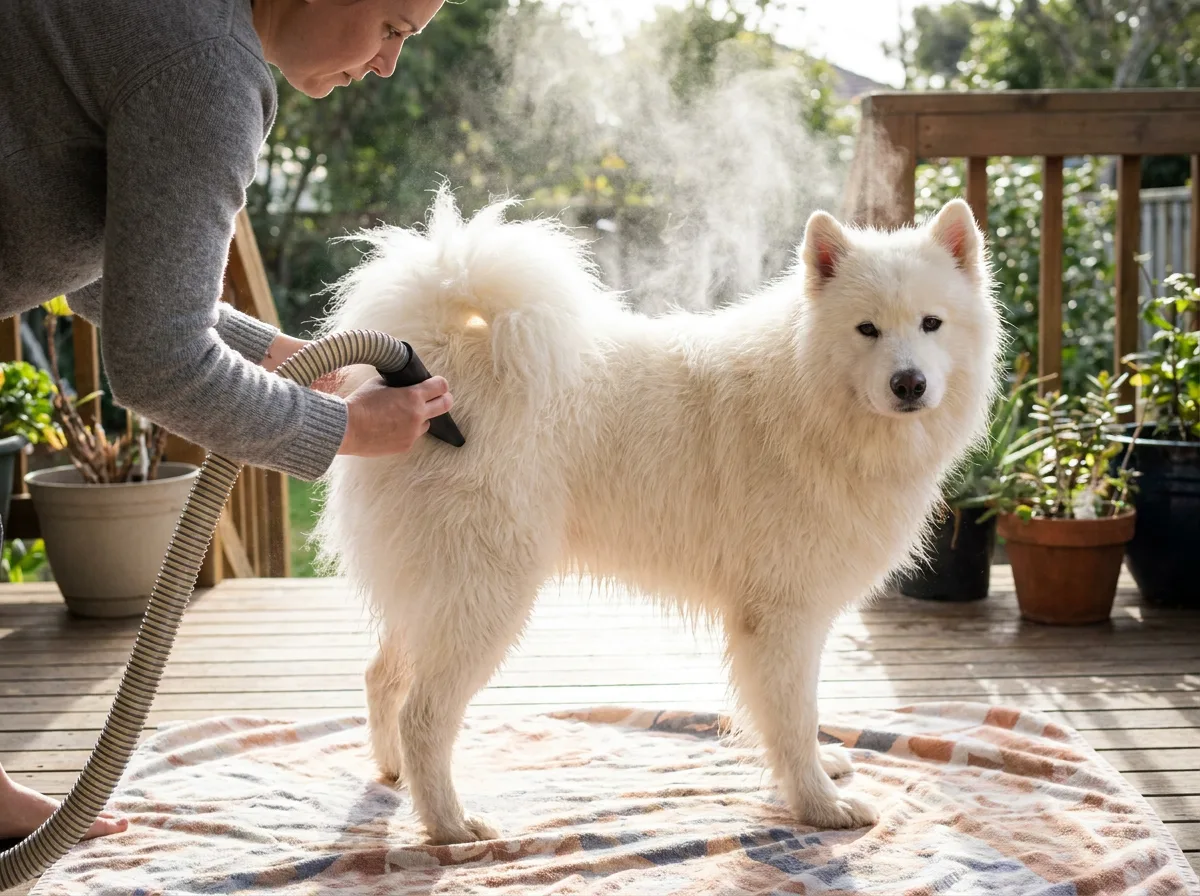
Dry the undercoat, not only the visible tips. Use towels and controlled airflow while parting the coat to check the skin. A dog that stays damp for hours can become uncomfortable and may develop odor or irritation. An absorbent dog towel pulls more water out of the undercoat before airflow starts.
If the dog has persistent itching, sores or a diagnosed skin condition, ask the veterinarian which products and frequency are appropriate. More frequent bathing is not automatically better.
Should you shave a Samoyed?
Routine shaving is not recommended as a shortcut for shedding or heat. It does not stop allergens, and regrowth can be slow or uneven. The coat also provides environmental protection when healthy and maintained.
Medical treatment, severe matting or an individual welfare need may require clipping. That decision should be made with a veterinarian or experienced groomer who can protect the skin and plan aftercare.
Heat safety depends on shade, water, cool indoor recovery, timing and activity level. A shaved dog can still overheat and may have less sun protection.
Warm-weather safeguards
- Exercise during cooler hours
- Frequent water and shaded breaks
- Air-conditioned or reliably cool recovery space
- An elevated mesh cot that lets air circulate under the coat
- No forced activity when pace or breathing changes
- Veterinary advice for heat illness signs
Nails, ears, teeth and cooperative care
Coat care should not crowd out nails, ears and teeth. Check nail length regularly, inspect ears without inserting tools into the canal and use a veterinarian-approved dental routine. Changes in smell, discharge or pain need assessment.
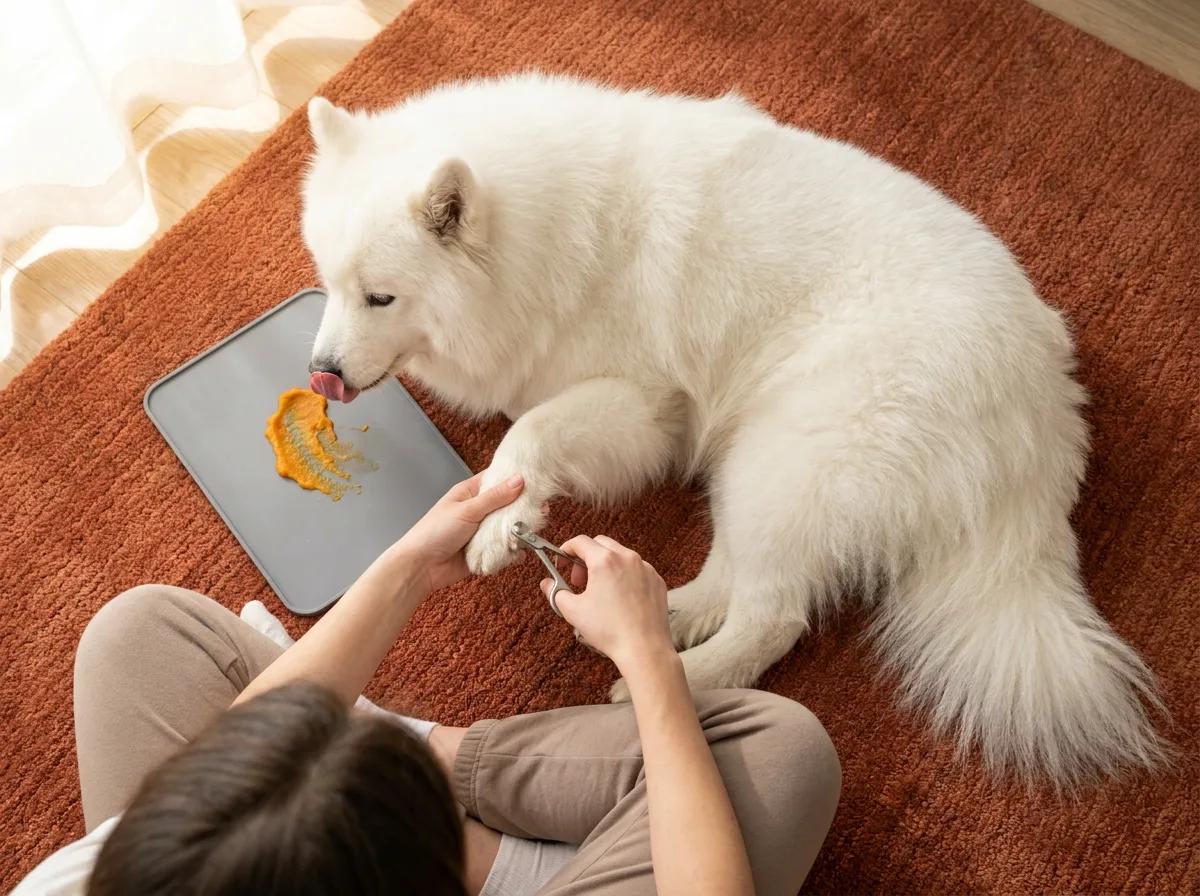
Teach handling in small steps. Touch one foot, reward and stop. Pair the brush and dryer sound with easy reinforcement. A grooming table or mat should be stable and introduced gradually. Nail clippers with a safety guard make it easier to take a little off at a time on thick nails.
Restraint that creates panic makes future care harder. When safety is difficult, ask a veterinarian or qualified groomer for a cooperative plan rather than escalating force.
Normal shedding versus a skin problem
Normal shedding releases hair without inflamed skin or obvious illness. Veterinary attention is warranted for bald patches, redness, sores, odor, intense itching, coat breakage, pain or a sudden change accompanied by appetite, thirst or weight changes.
Parasites, infection, allergy, nutrition and hormonal disease can look similar at home. Photograph the area, note timing and list current products, but do not diagnose from coat pattern alone.
Avoid repeated product switching before evaluation. It can irritate skin and obscure the timeline. Urgent care is appropriate if swelling, breathing difficulty or rapidly worsening illness accompanies the skin change.
A realistic grooming schedule
| Period or task | How often | What to watch |
|---|---|---|
| Ordinary weeks | Line brush to the skin at least weekly; the AKC notes daily brushing keeps loose hair under control | Behind the ears, armpits, collar line and trousers need checks more often |
| Coat blow | Shorter sessions more often, daily if needed, until the loose undercoat is out | Expect the heavy release once or twice a year and book help early |
| Bathing | When dirt, skin or lifestyle calls for it; the Samoyed Club of America recommends at least twice a year | Brush out mats first and dry the undercoat to the skin |
| Professional grooming | Commonly every 6 to 8 weeks | Book before seasonal demand peaks and agree that routine shaving is not the goal |
Book professional help before the coat is severely compacted. Ask what the service includes, how the dog is dried and how behavior is handled. Share health or mobility limitations before the appointment.

Petful may earn a commission when you click through to Chewy, at no extra cost to you.
Record which tools and session lengths work. The best schedule is the one that reaches the skin, prevents mats and keeps the dog willing to participate.
Make the routine sustainable
Home cleanup without overgrooming
A high-efficiency vacuum, washable throws and a designated brushing area can reduce loose hair without increasing pressure on the dog. Clean filters and dryer lint traps frequently during coat blow.
Do not brush until the skin is sore just to reduce hair in the house. Loose fur is a household management issue; skin integrity and cooperative behavior come first.
Keep grooming tools clean and inspect pins or teeth for damage. Sharing tools between animals can spread contaminants unless they are cleaned appropriately.
Choosing and using grooming tools
A pin brush, slicker and comb may each have a role, but coat and technique determine fit. Pins must be smooth, teeth should not scratch skin and the tool should reach the target layer without cutting healthy hair.
Test pressure on a small area and inspect the skin. More expensive does not automatically mean safer. Ask a groomer to demonstrate the actual line brushing sequence on the dog.
Blades marketed as deshedding tools can damage outer coat when overused. The goal is ready loose undercoat, not aggressive hair removal.
Finding and handling mats
Use fingers and a comb to check friction zones. A mat close to skin may feel like a flat pad and can pull with every movement. Do not cut blindly with scissors because skin can be drawn into the mat.
Small loose tangles may be separated gently with support at the base of the hair. Tight, extensive or painful mats need professional removal. Welfare matters more than preserving coat length.
After removal, identify the cause: friction, dampness, missed undercoat or handling difficulty. Change the routine so the same area does not recur.
Working with a professional groomer
Ask whether the groomer has experience with dense northern double coats, how drying is performed and how behavior is handled. Share medical, mobility and skin concerns before the appointment.
Agree on matting decisions and clarify that routine cosmetic shaving is not the goal. A professional may recommend a different home schedule after assessing coat density and technique.
Book before seasonal demand peaks. Long delays during coat blow can turn manageable loose undercoat into compaction.
Puppy coat, adult coat and senior coat
Puppy coat is softer and changes as adult guard hair and undercoat develop. Grooming should build comfort before the full workload arrives. A puppy who tolerates ten seconds calmly can progress without wrestling.
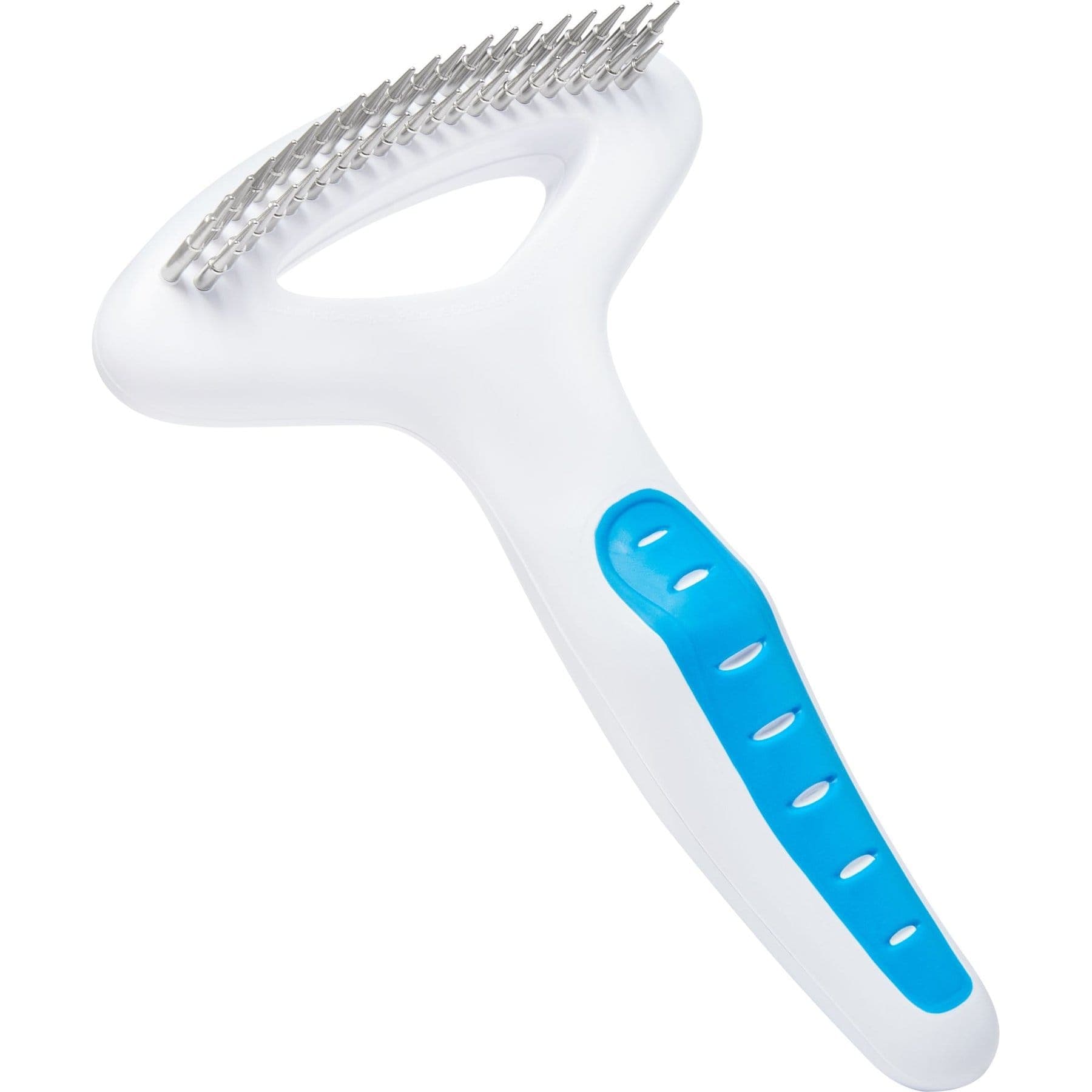
Metal teeth in two lengths lift shedding hair from the undercoat and loosen lightly matted fur; teeth sit parallel to the skin so the rake does not scrape it. Rubber-sheathed non-slip handle.
Petful may earn a commission when you click through to Chewy, at no extra cost to you.
Adult coat release varies with season and the individual. Senior dogs may have altered texture, mobility or tolerance, requiring shorter sessions and supportive positioning.
Any life-stage change accompanied by skin disease, pain or systemic signs belongs with the veterinarian. Age alone does not explain every coat problem.
Laundry, furniture and air management
Washable covers, closed clothing storage and frequent vacuuming reduce visible fur. Clean heating and cooling filters according to manufacturer guidance, especially during coat blow.
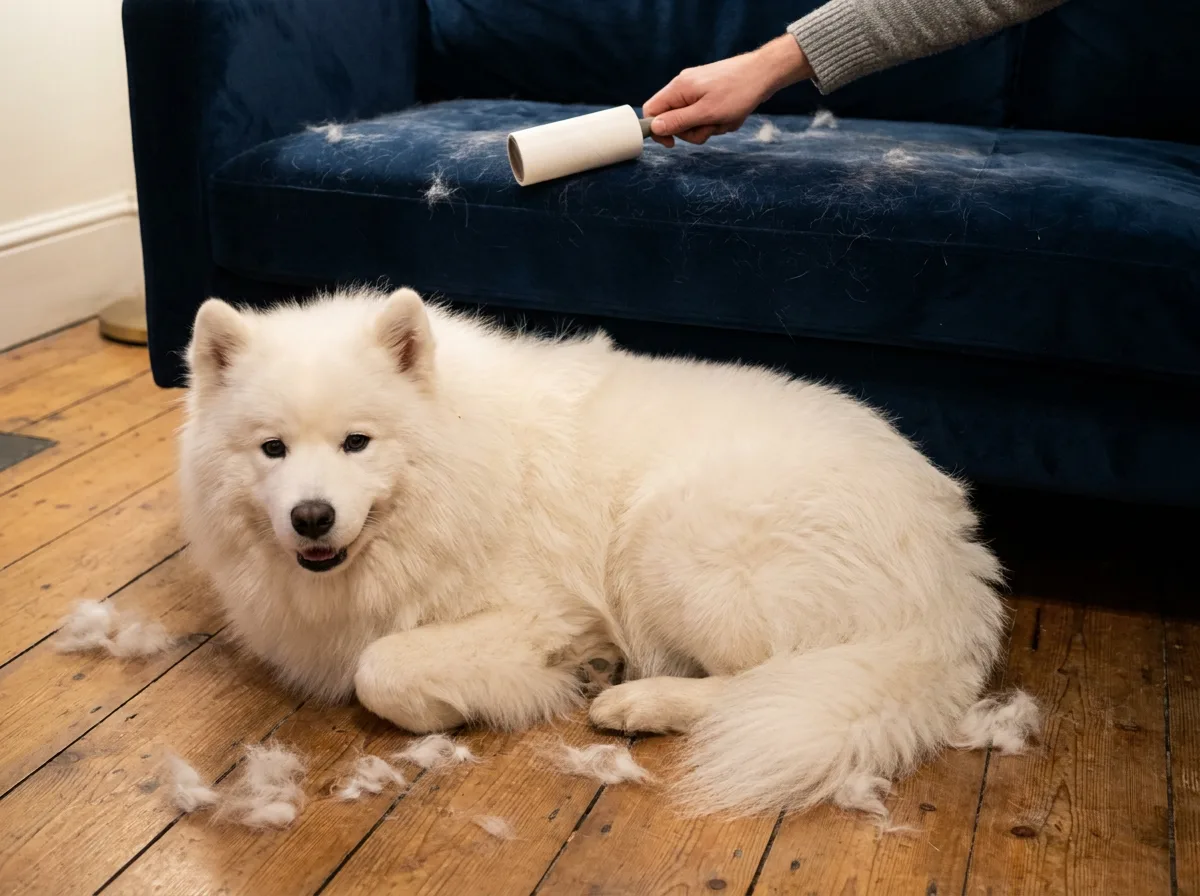
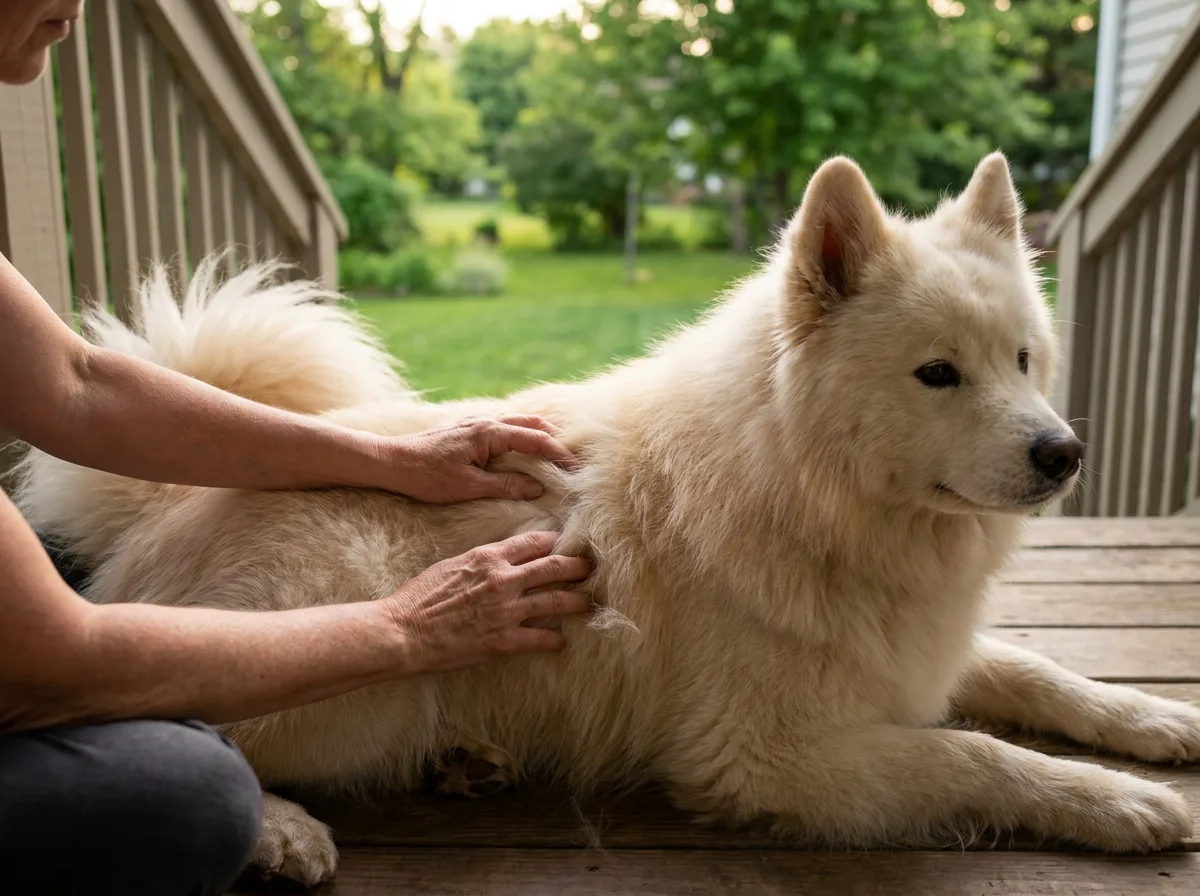
Brush outdoors only when weather is safe and loose fur can be contained responsibly. Never leave coat piles where wildlife may ingest synthetic product residue or become entangled.
Household cleanup should be shared honestly before adoption. A person who cannot tolerate hair on dark fabric may not enjoy living with the breed even with excellent grooming.
Dryer safety and sound training
Introduce dryer sound at a low level and distance, pair it with rewards and stop before fear. Protect eyes, ears and sensitive skin. Keep air temperature comfortable and maintain control of the hose.
Forced air can reveal loose undercoat and separate damp hair, but it should not become a struggle. Use professional help when equipment or handling is unfamiliar.
Check that the coat is dry near the skin at the chest, armpits, tail base and trousers. Surface dryness can hide retained moisture.
Seasonal planning for coat blow
Add grooming appointments and cleanup time to the calendar before expected seasonal shedding. Prepare washable covers and inspect tools. Owners who travel should brief the sitter on current coat needs.
Nutrition, health, hormones and indoor climate can shift timing, so follow the dog rather than a fixed month. A sudden unusual change still deserves assessment.
Weigh and check body condition after major coat release. The outline may change even when the dog has not lost tissue.
Protecting skin during grooming
Use good light and part the coat to inspect skin. Stop when redness, pain or repeated flinching appears. A hidden sore can make a previously cooperative dog resist.
Keep shampoos, sprays and tools specific to the individual. Fragrance and whitening claims do not prove skin compatibility. Rinse every product thoroughly.
Seek veterinary care for spreading lesions, swelling, discharge or systemic illness. Grooming should not delay diagnosis.
A plan for busy weeks
Identify the minimum maintenance that prevents mats: friction-area checks, line brushing and complete drying after getting wet. Optional cosmetic work can wait.
Arrange a professional or trained backup before travel, injury or schedule pressure makes care impossible. Share the dog's handling cues and health limits.
Skipping one bath is usually less consequential than leaving damp undercoat or a tightening mat. Prioritize comfort and skin access.
Review the coat plan every season
Compare the current coat with the previous season: loose undercoat, mat-prone areas, skin condition, session tolerance and drying time. Adjust frequency before problems grow.
Write down who can complete care if the usual groomer or owner is unavailable. Seasonal review turns a reactive cleanup into a repeatable welfare plan.
Practical gear to compare
Choose the four optional grooming and cleanup items by coat depth, tooth spacing and safe handling. Test brushes on a small area, avoid repeated scraping and clean tools between sessions. Cleanup gear manages loose fur in the house; it does not replace line brushing to the skin.
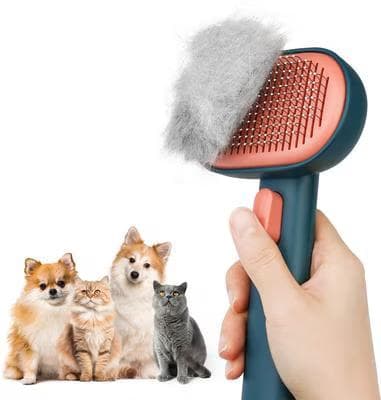
- Aumuca Self Cleaning Slicker Brush: a slicker option to compare for surface tangles and loosened coat after line brushing, with light pressure and a skin check beneath the dense Samoyed coat.
- Bissell CleanViewSwivel Pet Upright Vacuum Cleaner: a full-size pet vacuum for floors and rugs during coat blow, when loose undercoat collects faster than a hand vacuum can keep up.
- Earthbath Oatmeal & Aloe Fragrance Free Shampoo: a fragrance-free dog shampoo option for dirt- or lifestyle-driven baths, followed by thorough rinsing and complete undercoat drying.
- JW Pet Gripsoft Double Row Undercoat Rake: reaches loose undercoat during line brushing and coat blow when used with light pressure and followed by a comb check down to the skin.
Related Samoyed guides
Sources
Questions readers ask
The main downsides are heavy shedding, regular undercoat work, vocal behavior, strong exercise needs and discomfort when left alone for long periods. Those demands suit some homes and frustrate others, so compare the full weekly routine with your schedule, climate and budget before committing. The Samoyed breed guide covers the full household-fit picture.
Yes. Samoyeds shed throughout the year and release much more undercoat during seasonal coat blow, when loose fur can come out in clumps. Line brushing to the skin, thorough drying after baths and extra short sessions during a blow keep it manageable. Bald areas, sores or intense itching are not normal shedding and need a veterinary visit.
No Samoyed is reliably hypoallergenic. People react to proteins in dander, saliva and urine, not just hair, and the breed sheds heavily, which spreads those allergens through the home. Spend time around adult Samoyeds indoors and talk with a medical professional about personal allergy risk before committing.
Brush a Samoyed at least weekly during ordinary coat periods, checking friction areas such as behind the ears, armpits and trousers more often. During coat blow, brush more frequently in shorter sessions so loose undercoat does not compact or irritate skin. Work from the skin outward in small sections and stop before the dog becomes sore or restless.
Bathe a Samoyed when dirt, skin condition or lifestyle makes a bath useful, not on one universal interval. Remove or address mats before water, rinse thoroughly and dry the dense undercoat completely, because damp coat near the skin can cause odor and irritation. Ask the veterinarian about product and frequency for a dog with persistent itching or diagnosed skin disease.
A Samoyed can be a high maintenance dog because the dense double coat needs regular skin-level checks, a weekly brushing baseline, more frequent short sessions during coat blow and complete drying after baths or soaking. The honest decision includes grooming time, cleanup, cooperative handling and backup professional care during busy weeks.
Not usually. A healthy, clean and fully dried Samoyed coat should not carry a persistent smell or need fragrance to mask one. Odor usually follows trapped moisture, residue, skin inflammation, ear problems or other health concerns. Rinse and dry to the skin, document when the smell began and seek veterinary assessment for persistent odor, sores, discharge or discomfort.

Coreen Saito is a pet writer and longtime shelter volunteer with more than a decade in animal rescue. She covers cat behavior, breed care, and the small, ordinary science of sharing a life with companion animals, with a particular focus on honest takes about the products and decisions that actually matter. At home in Arizona, she's outranked by Mac (a dog with the loudest opinion in the house), Rebel (a cat who governs by quiet authority), and Meri (an orange tabby who runs the late shift and the laundry basket). She writes about all three, plus the rescues that keep coming through her life, at LifeWithMinty.com.
Sign up for expert-backed reviews and safety alerts all in one place.