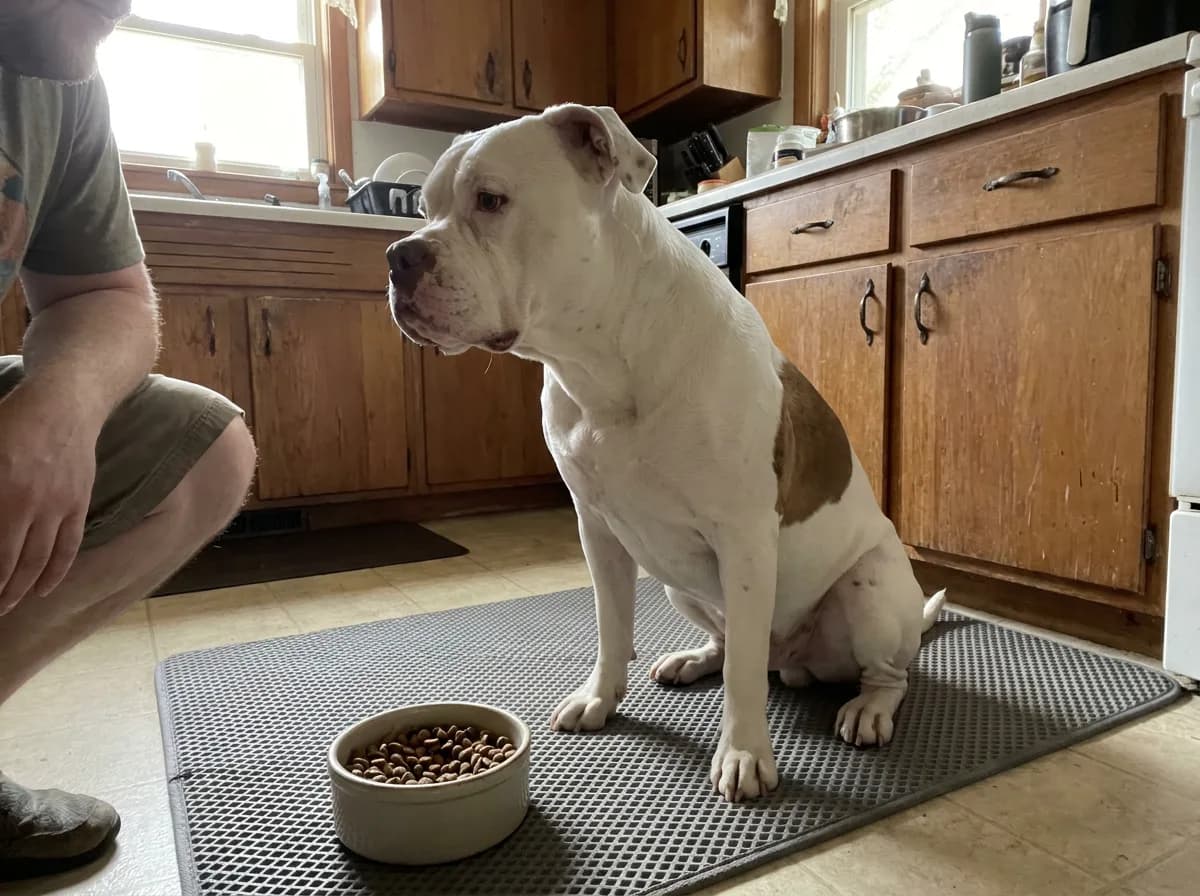
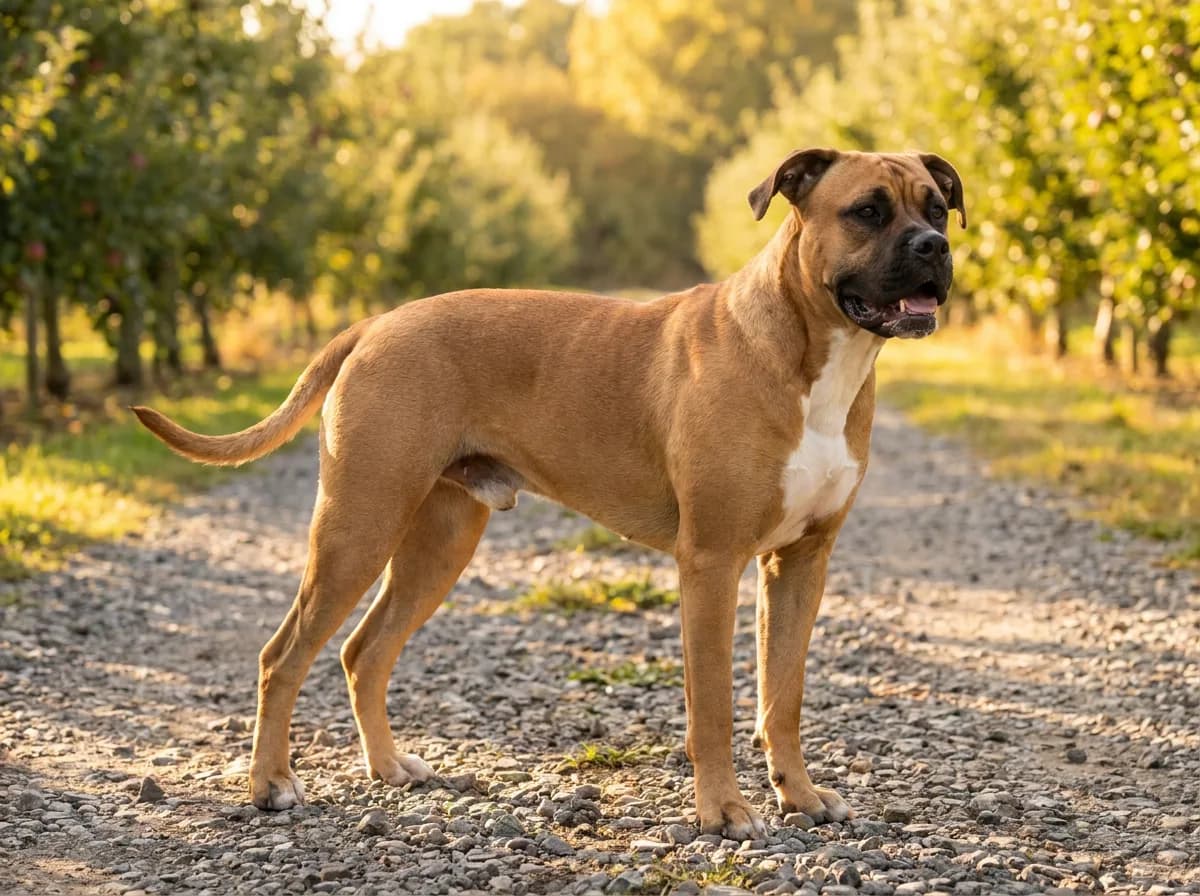
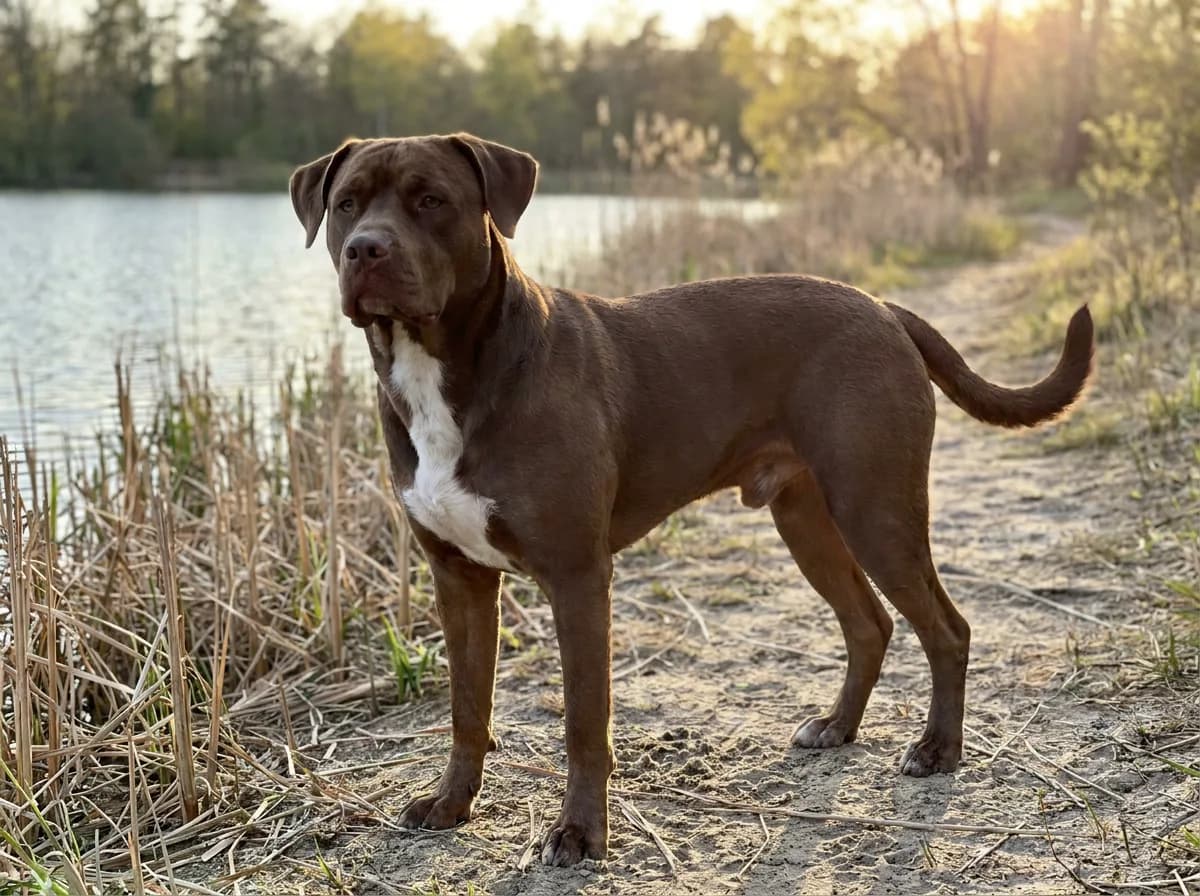
Rottweiler Size, Weight and Growth Guide
Rottweiler size varies with sex, frame, development and body condition. Learn the official height context, track growth safely and measure for everyday equipment.

Petful is reader supported. As an affiliate of platforms like Amazon and Chewy, we may earn a commission when you buy through links on this page. There is no extra cost to you.
Rottweiler size is substantial: the American Rottweiler Club standard lists adult males at 24 to 27 inches at the withers and adult females at 22 to 25 inches. The AKC breed profile gives a broad adult weight reference of 80 to 135 pounds. Those figures describe a breed population, not the healthy target for every individual dog. There is more on this in Petful’s guide to german Rottweiler vs american Rottweiler.
To understand one Rottweiler's size, use repeat measurements, body condition, movement, family history and veterinary guidance together. A Rottweiler growth chart can organize observations, but it cannot predict a puppy's exact adult height or tell an owner to make a growing dog heavier.

Sign up for expert-backed reviews and safety alerts all in one place.
Rottweiler Size, Weight and Growth Guide at a glance
- 1Adult male Rottweilers are 24 to 27 inches and females are 22 to 25 inches at the withers under the American Rottweiler Club standard
- 2The AKC profile gives an 80 to 135 pound adult reference, but healthy weight depends on frame, sex, muscle, age and body condition
- 3Individual dogs vary, so repeat records and direct observation matter more than one chart point
- 4Measure the dog before choosing crates, beds or harnesses
- 5Unexpected growth, weight or movement changes need veterinary context, not an online target.
The most useful record compares the dog with its own previous measurements. Use the same scale and method whenever practical, note the date and life stage, and preserve information about diet, activity, body condition and health. This creates a usable trend instead of a collection of unrelated numbers.
Rottweiler size at a glance
How big do Rottweilers get? They are medium-large, powerfully built working dogs. The American Rottweiler Club breed standard describes males as 24 to 27 inches and females as 22 to 25 inches at the withers. The AKC Rottweiler profile supplies the broader 22 to 27 inch and 80 to 135 pound breed reference seen by many prospective owners.
Petful may earn a commission when you click through to Chewy, at no extra cost to you.
| Practical comparison and clear comparison labels | Source-limited values | What the individual dog still needs |
|---|---|---|
| Adult male height | 24 to 27 inches at the withers | A calm, level measurement and context for age and development |
| Adult female height | 22 to 25 inches at the withers | A calm, level measurement and context for age and development |
| Adult weight | AKC profile reference of 80 to 135 pounds | Body condition, frame, muscle, health and a trend from the same scale |
| Puppy growth | No official monthly target predicts every puppy | Dated measurements, diet history, body condition and veterinary assessment |
| Equipment fit | No universal breed-size label | Current body, chest and sleeping measurements plus product dimensions |
| How to use this table | Present the promised comparison, map, budget, or life-stage framework in a native accessible table with clear labels and source-limited values. | Treat population references as context, not a prescription for one dog |
This practical comparison for the individual dog keeps three kinds of evidence separate. A breed standard describes intended proportions. A scale or tape describes the dog on one date. A veterinary assessment interprets body condition, health and function. None can substitute for the others. The clear comparison labels and source-limited values show where population context ends and individual assessment begins.
Large, extra-large and full-grown are context labels
A Rottweiler is clearly a large dog in ordinary household planning. Extra-large, giant and full-grown are less precise. A crate company, harness maker, airline, landlord and veterinary clinic may use different thresholds. Read the actual dimensional or weight rule instead of transferring a size label between systems.
Adult stature also does not appear on one birthday. Height growth may slow before the chest, muscle and coordination look mature. A dog can be close to adult height while still changing physically and behaviorally. Petful's Rottweiler breed guide covers the whole breed; this page stays focused on measurement, growth and fit.
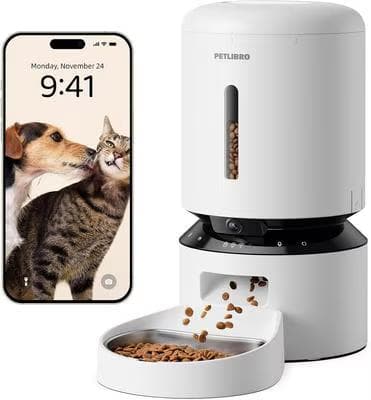
A scheduled feeder can support a repeatable meal routine while a puppy grows, but it does not set the correct ration. Compare the capacity, portion mechanism and cleaning requirements of the Petlibro Granary WiFi automatic feeder with the food, household schedule and veterinary plan.
Adult weight and sex differences
Rottweiler weight varies within the breed. Sex is one influence, but height, frame, bone, muscle, reproductive status, age, health, activity and body fat also change the scale. A male Rottweiler weight near the top of the AKC profile range is not automatically healthier or better bred than a lighter male, and a female does not need to match a male's number.
Use the 80 to 135 pound AKC profile reference as broad context, not a male target or a female target. A healthy Rottweiler weight is the weight at which the individual dog has an appropriate body condition, maintains useful muscle, moves comfortably and remains stable within veterinary context. Comparing a male Rottweiler weight with a female's number, or comparing unrelated dogs of the same sex, cannot establish which dog is healthier.
Height and weight answer different questions
Height measures stature at the withers. Weight includes bone, muscle, organs, body fat, hydration and current stomach contents. Two Rottweilers of the same height can weigh differently and still require individual assessment. A heavily built appearance also does not prove breed identity, health or pedigree.
Use specific terms in the record:
- Height: The vertical measurement from level floor to the top of the withers.
- Weight: A reading from a labeled scale on a stated date.
- Body condition: A hands-on and visual assessment of fat cover and contour.
- Muscle condition: An assessment of muscle mass and distribution, considered separately from fat.
- Function: How comfortably the dog stands, walks, rises, rests and recovers from appropriate activity.
An owner should not try to push a puppy toward the heaviest adult estimate. Extra calories cannot lengthen bones to a promised size, and rapid or excessive gain can hide rather than solve a problem. Keep portions measurable and discuss meaningful changes with the dog's veterinarian.
Petful may earn a commission when you click through to Chewy, at no extra cost to you.
If timed meals fit the care plan, verify several dispenses from the Petlibro Granary WiFi feeder before relying on it. Count treats and training food, confirm that the dog cannot raid the hopper, and maintain a manual backup plan.
Very high or low numbers need context
A Rottweiler can weigh outside a popular internet range. The number alone cannot reveal whether the dog is unusually tall, lean, overweight, losing muscle, misidentified or measured incorrectly. Recheck the scale and compare the dog's own trend before interpreting the result.
Bring a veterinarian the date, age, food and treat amounts, medications, activity changes, body-condition notes and recent symptoms. Prompt assessment matters when an unexpected number appears with appetite change, excessive thirst, repeated vomiting or diarrhea, weakness, pain, swelling, breathing changes or reduced mobility.
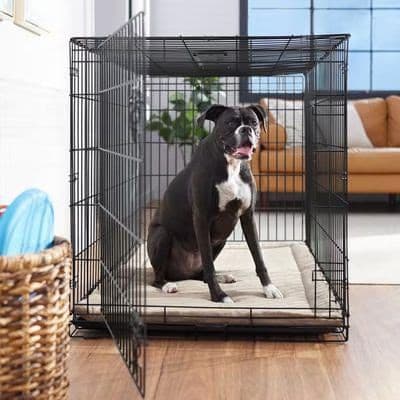
A crate should fit posture, not an online male or female average. Compare the internal dimensions and divider setup of the Frisco X-Large Fold & Carry wire crate with the measured dog before purchase.
Rottweiler puppy growth stages
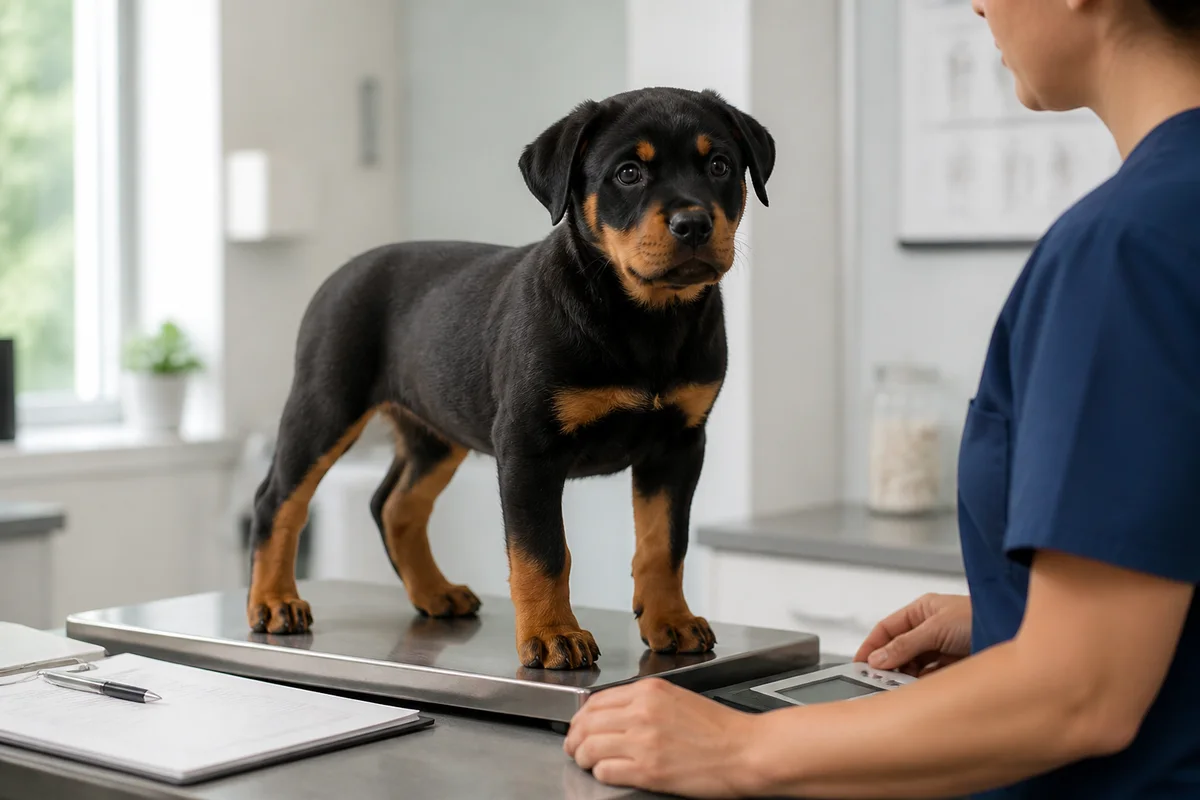
Rottweiler puppy weight can change quickly, but puppies do not follow one monthly ladder. These Rottweiler puppy growth stages are observation periods, not fixed weight targets. Genetics, sex, nutrition, illness, parasite control, activity and measurement conditions all affect the record. A useful Rottweiler growth chart shows what to observe at each stage without prescribing one mandatory weight.
A non-prescriptive growth framework
| Life stage | What to record | The decision it supports |
|---|---|---|
| Arrival and early puppy period | Veterinary baseline, current food, weight, body condition, appetite and stool | Establish a reliable starting point |
| Rapid growth | Repeat weight, measured food, body condition, movement and equipment fit | Identify a trend without chasing a fixed monthly target |
| Adolescence | Weight, height, chest, coordination, behavior and recovery after activity | Update handling, training and equipment as strength increases |
| Approaching adulthood | Stable height trend, body condition, muscle, function and veterinary findings | Shift from growth monitoring to adult maintenance |
| Mature adult | Meaningful change from the dog's own stable baseline | Reassess food, health, activity and support needs |
This is a planning table, not a diagnostic chart. A puppy may grow in uneven spurts, and littermates can mature differently. Parent size and pedigree can add context, but they still cannot guarantee the adult outcome. The Rottweiler puppy guide explains how to request parent records and evaluate a source without treating seller predictions as proof.
Build a growth log a veterinarian can use
Record the puppy's date, age, weight, scale, diet, amount offered, treats, appetite, stool, activity, medications and body-condition notes. If height can be measured safely, record the method. A consistent side and overhead photograph may add context, but camera angle and coat make it unsuitable as the only evidence.
When a reading surprises you, check the process first:
- Was the scale zeroed and set to the expected unit?
- Was the whole dog on the platform without a handler supporting weight?
- Was the date or decimal entered correctly?
- Was the reading taken on the same scale and under similar meal conditions?
- Did the dog recently have illness, surgery, travel, medication or a diet change?
- Did appetite, thirst, stool, gait, sleep or energy change at the same time?
Repeat a questionable measurement once under safe, similar conditions. Do not keep weighing until the preferred number appears. Preserve both readings and the reason one may be unreliable.
Development is more than weight
Height, chest, coordination, strength and behavior do not mature at the same rate. An adolescent may look narrow or leggy before filling out, yet that appearance does not justify adding calories without body-condition and veterinary context. Growth also affects what the dog can safely do. Ask the veterinarian about age-appropriate activity and any individual restrictions.
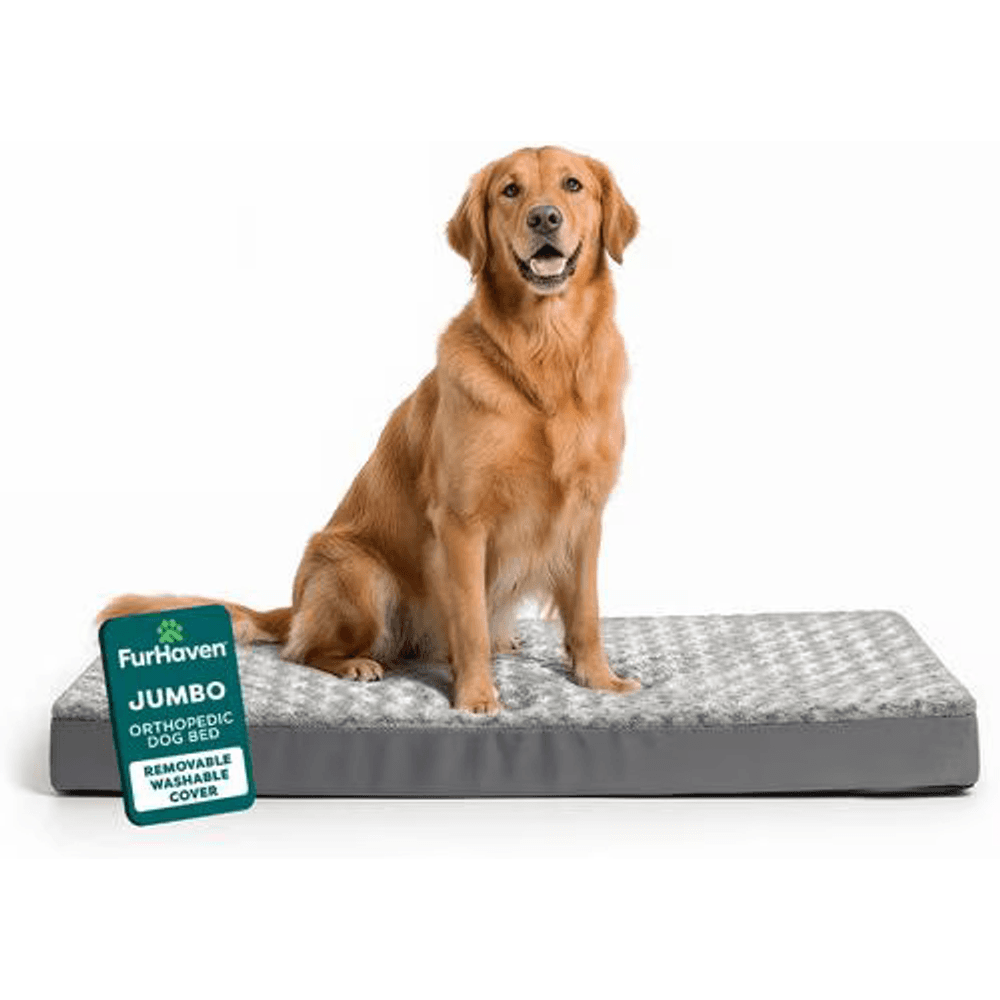
A plush orthopedic foam mattress that cushions aging joints and pressure points, giving a stiff or trembling senior dog warm, supportive rest.
Petful may earn a commission when you click through to Chewy, at no extra cost to you.
Avoid unprescribed supplements intended to maximize bone, height or mass. A complete diet appropriate to the puppy and professional guidance are more useful than marketing built around making a Rottweiler look bigger. Petful's Rottweiler health and lifespan guide owns the clinical detail.
How to measure height and weight
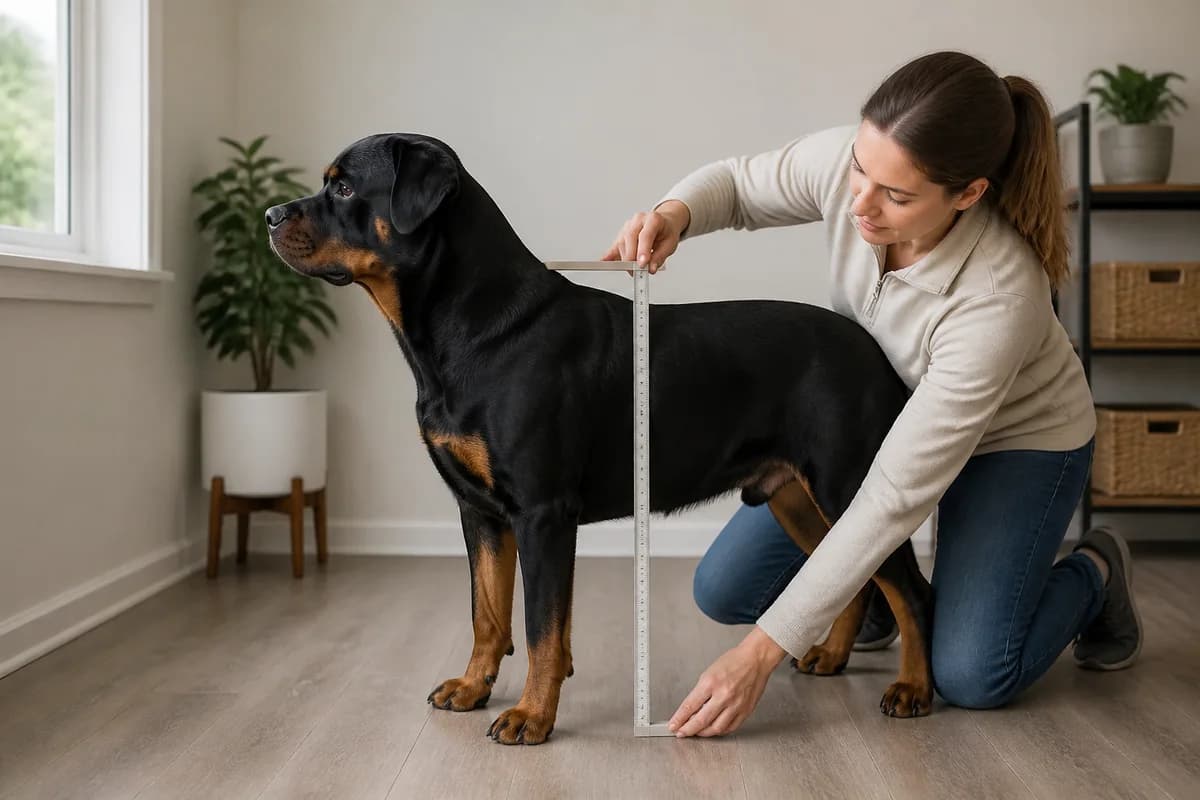
Rottweiler height is measured at the withers, the highest point of the shoulder blades, while the dog stands naturally on a level surface. Do not measure to the top of the head, pull the neck upward or force the legs into an exaggerated stance. Record Rottweiler height with the date, surface, tool and helper so the next measurement uses the same method. A small difference between attempts may reflect posture or technique rather than real growth.
Measuring height at home
Use a flat floor, wall, rigid book or level, tape measure and calm adult helper. Let the dog investigate the tools before beginning.
- Ask the dog to stand squarely without pulling on the collar.
- Locate the top of the shoulder blades by touch.
- Place the rigid edge level across the withers to the wall.
- Measure vertically from the floor to that point.
- Repeat once after the dog relaxes, then record the date and method.
Stop if the dog appears worried, painful or defensive. A number is not worth a bite, fall or damaged relationship. An experienced handler or veterinary team can help when home measurement is not safe.
Weighing a powerful dog
A veterinary walk-on scale is usually the safest choice for an adult. Confirm the scale reads zero and that the dog stands completely on the platform. Do not lift a dog whose weight or movement makes that unsafe. Ask whether the clinic permits brief scale visits between appointments.
Use the same unit and round consistently. Note whether the reading occurred before or after a meal when comparing small differences. Home and clinic scales may not match exactly, so record which device produced each point.
Chest girth is a separate measurement used by many harness makers. Follow the current product diagram rather than measuring wherever a strap happens to lie. Compare the current chart for the PetSafe Easy Walk harness in Medium/Large with the individual dog's chest and adjustment range. A named size is not a breed guarantee.
Healthy body condition versus a chart
Rottweiler healthy weight is an individual health and body-condition question. The American Veterinary Medical Association healthy-weight guidance advises owners to work with a veterinarian on weight and feeding decisions rather than relying only on a scale.
WebVet also looks at how dog size can affect arthritis management and comfort planning.
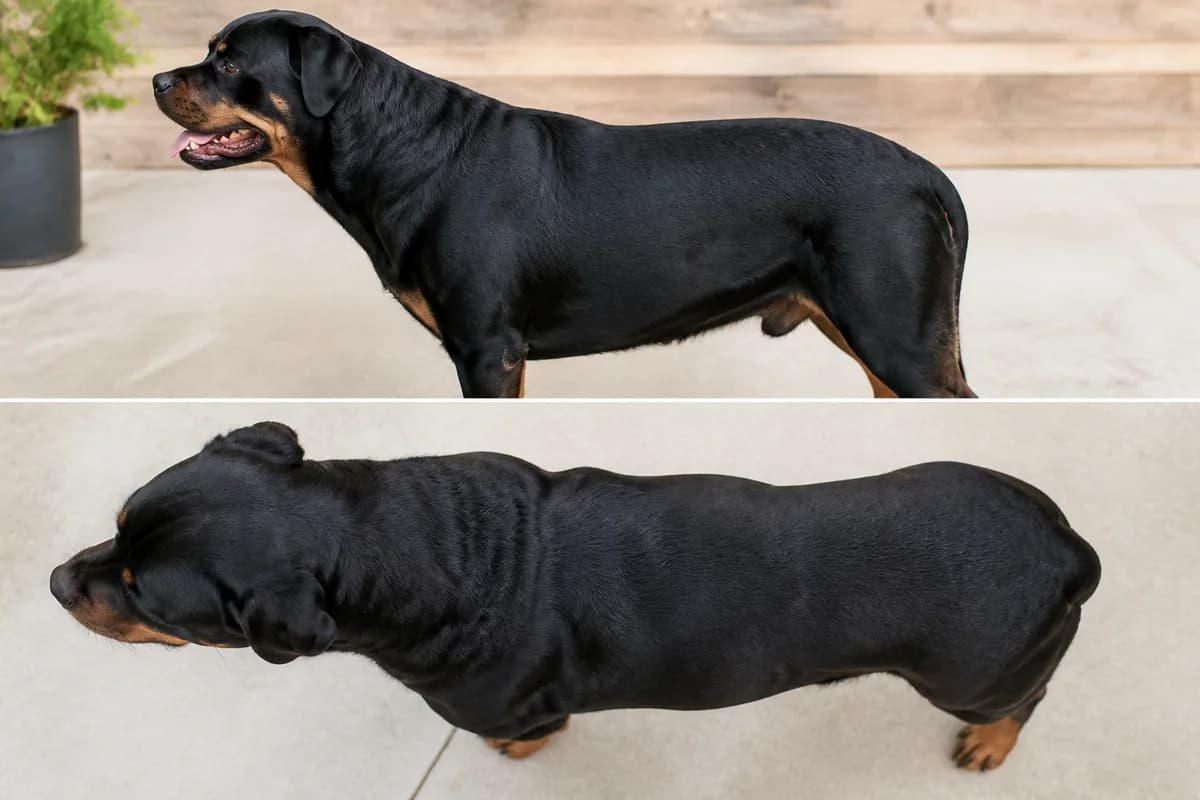
A general assessment considers whether the ribs can be felt beneath an appropriate covering, whether a waist is visible from above and whether the abdomen has a contour from the side. Muscle condition, posture, mobility, pain, age and medical history also matter. Ask the veterinarian to demonstrate the appropriate hands-on check for the dog.

Petful may earn a commission when you click through to Chewy, at no extra cost to you.
Look for change, not one idealized silhouette
Track patterns such as:
- Ribs becoming much easier or harder to feel.
- Loss of waist or a rapid change in abdominal contour.
- Stable scale weight with visible muscle loss.
- Difficulty rising, reluctance on stairs, stiffness or a changed gait.
- New exercise intolerance, panting or slow recovery.
- Persistent appetite, thirst, stool or energy changes.
A photograph can help show change over time, but posture, angle and lighting can create a false impression. A standard weight range cannot diagnose obesity, undernutrition, orthopedic pain or illness. Use it as context for better questions.
The same boundary applies to puppy growth. Do not restrict a growing puppy because another puppy weighs less, and do not add food because a larger littermate weighs more. A repeatable record and professional assessment are safer than comparison culture.
Planning equipment by adult size
Rottweiler crate size and Rottweiler harness size must come from measurements, not breed labels. Crates, beds and harnesses solve different fit problems, and each manufacturer defines its sizes differently.
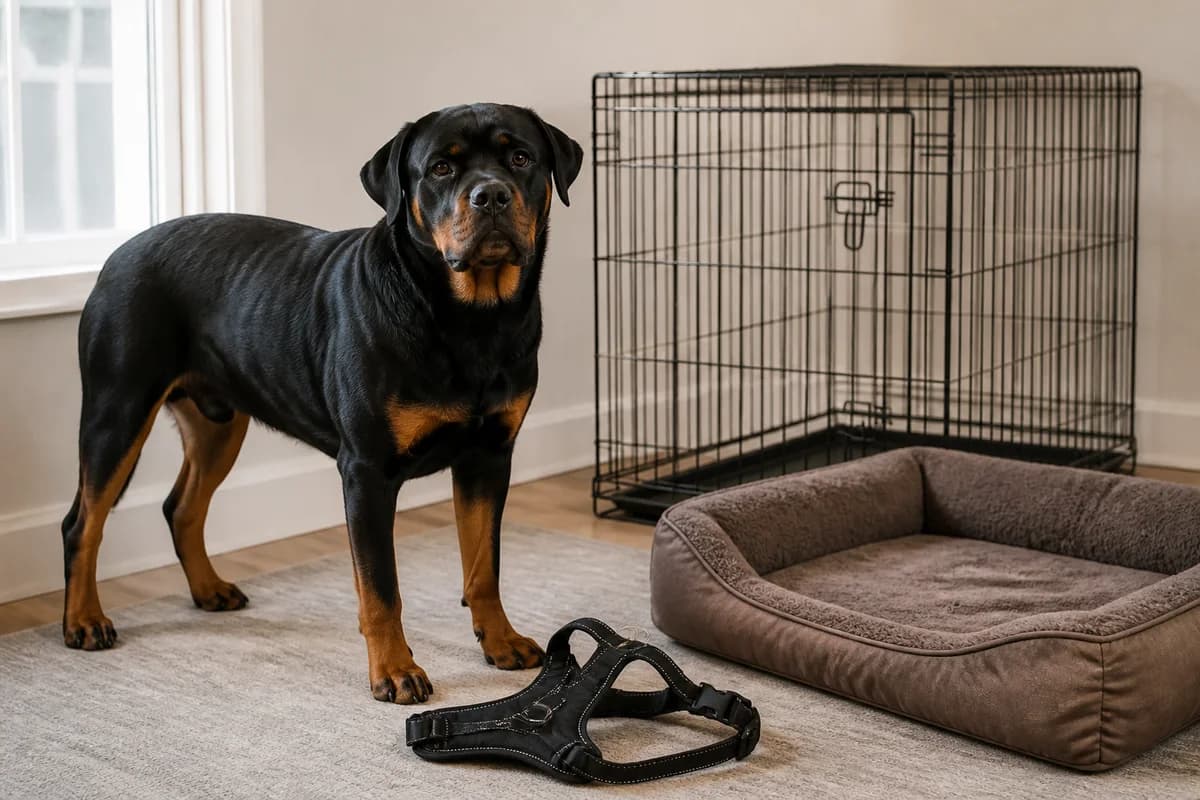
Crate fit
For a crate, measure standing height, nose-to-rump length and turning room. Compare those numbers with internal dimensions, door clearance and divider placement. The dog should be able to stand naturally, turn and lie comfortably. A crate is not a place to confine a dog for excessive periods or a substitute for training and care.
The Frisco X-Large Fold & Carry wire crate is one dimensional reference. Confirm construction, latch security, floor support, room placement and the current measured dog before treating it as a match.
Bed and rest-area fit
Measure the dog's usual curled and stretched sleeping positions. Add room to change posture and consider step-on height, traction, temperature, chewing, cover cleaning and mobility. The FurHaven NAP Ultra Plush Orthopedic Deluxe bed in Jumbo is one tracked option to compare against those needs.
Reassess the FurHaven Jumbo bed as the dog grows or if sleep posture, stiffness, skin, temperature preference or chewing changes. A supportive bed may improve comfort, but it does not diagnose or treat pain.
Harness fit and handler control
Follow the maker's current measuring locations and check fit while the dog stands and moves. The PetSafe Easy Walk harness should be evaluated for shoulder freedom, rubbing, strap stability and escape risk. Stop using equipment that changes gait, causes coughing or creates skin irritation.
A fitted harness does not teach loose-leash walking or make a handler strong enough for every situation. Petful's Rottweiler temperament and training guide covers reward-based training, public handling and household management in depth.
Plan the room, vehicle and backup route
Equipment can fit the dog and still fail the environment. Measure doorways before assembling a crate, vehicle openings before planning travel and the floor space required for a fully stretched bed. Consider how a sick or injured adult could be transported by the available caregivers.
Check whether:
- The crate door opens without blocking an exit.
- The dog can enter the vehicle without an unsafe jump.
- The bed creates a trip hazard in a normal traffic route.
- A caregiver can put on the harness without unsafe restraint.
- Veterinary, boarding and emergency plans can accommodate the dog's measured size.
- The household can replace outgrown puppy equipment without delaying a safe fit.
What to verify before you decide
- Use official standards for population-level context, a dated measurement log for the individual dog and veterinary guidance for body condition or health questions. Appearance and seller wording are not records. A clear next step is to measure the known dog, compare the result with its own trend and ask a veterinarian about meaningful changes.
The best practical comparison has three layers:
- Breed reference: Official standard and profile information describe the expected adult population.
- Individual record: Measurements, body condition, movement, diet and health history describe the known dog.
- Household fit: Space, vehicle, caregivers, budget, training and equipment show whether the dog's measured size can be managed.
Missing evidence should remain labeled as uncertainty. A seller's predicted adult weight does not guarantee size. A photograph does not prove ancestry. A scale does not interpret health. Records and direct observation answer different questions, and professional guidance connects the findings to an individual care plan.
Is this the right dog for your household?
- Rottweilers can be capable, close companions in prepared homes
- Adult measurements make household fit and equipment planning concrete
- Repeat growth records create useful evidence for veterinary conversations
- Their strength can suit experienced handlers who enjoy structured training
- Adult size and adolescent power can overwhelm an unprepared caregiver
- Crates, beds, vehicles and veterinary logistics require real space and budget
- Individual behavior still determines whether management is safe and realistic
- Breed size ranges cannot predict one puppy's exact adult outcome or guarantee household fit
Size is only one part of the decision. A household must also evaluate the known dog's behavior, training needs, health information, source, legal or housing rules, supervision plan and daily routine. An adult who fits physically may still be a poor match if the caregivers cannot safely handle excitement, visitors or public walks.
Try a written reality check. Map a normal weekday, measure the likely crate and bed locations, confirm vehicle access, identify all capable caregivers and estimate replacement equipment through growth. If the plan depends on the dog remaining unusually small or on one person never becoming unavailable, revise it before committing.
Rottweiler Size, Weight and Growth Guide FAQs
A Rottweiler can be a good dog to have when the household is prepared for a powerful adult, daily reward-based training, social contact, exercise, secure management and ongoing veterinary care. Use verified records and current observations for the known dog instead of relying on breed reputation. The clear next step is to compare those needs with an ordinary weekday, every capable caregiver and the home's space and handling limits.
A Rottweiler can be a good family dog in some prepared homes, but breed identity does not guarantee safety or fit. Adults should use verified records, assess the individual dog's behavior, history and health, supervise interactions, protect rest and food, and use barriers or leashes where needed. The clear next step is a realistic household management plan that covers children, visitors, other pets and backup caregivers.
The premise that police no longer use Rottweilers everywhere is inaccurate. Working-dog choices vary by agency, task, available breeding programs, handler systems and the individual dog, so occupational popularity is not proof of breed quality or household fit. Verified records matter more than a generalized claim. The clear next step for an owner is to evaluate the known dog's measured strength, behavior, training needs and safe management.
The most important thing to know about rottweiler size is that official ranges describe a breed population while healthy size belongs to the individual dog. Use a practical comparison of height, Rottweiler weight trend, body condition, movement and health rather than pursuing the heaviest number. Individual variation is normal, and a repeatable record plus veterinary context is more useful than one chart point or seller prediction.
The evidence you should verify for rottweiler size includes the current official breed standard for population context and documented evidence from the same dog: dates, scale, Rottweiler height method, diet, body-condition notes and meaningful health changes. That record helps answer how big do Rottweilers get without pretending to predict one puppy. Professional guidance is needed to interpret healthy weight, unusual growth or symptoms, and a photograph or seller estimate cannot replace it.
What an owner should do next after learning about rottweiler size is measure the known dog, record the method, track Rottweiler weight on the same scale and check body condition with a veterinarian. Compare every crate, bed and harness with actual dimensions. Then test household fit, including handling strength, space, vehicle access, budget and backup care. Individual behavior and health can matter more than the breed average, so update the plan when either changes.
Sources

Coreen Saito is a pet writer and longtime shelter volunteer with more than a decade in animal rescue. She covers cat behavior, breed care, and the small, ordinary science of sharing a life with companion animals, with a particular focus on honest takes about the products and decisions that actually matter. At home in Arizona, she's outranked by Mac (a dog with the loudest opinion in the house), Rebel (a cat who governs by quiet authority), and Meri (an orange tabby who runs the late shift and the laundry basket). She writes about all three, plus the rescues that keep coming through her life, at LifeWithMinty.com.
Sign up for expert-backed reviews and safety alerts all in one place.