Micro American Bully: Size, Health, and Welfare Facts
The Micro American Bully label is not an official UKC or ABKC variety. Learn how extreme compactness can affect breathing, movement, skin, reproduction, and long-term care.

BVMS, MRCVS
Petful is reader supported. As an affiliate of platforms like Amazon and Chewy, we may earn a commission when you buy through links on this page. There is no extra cost to you.
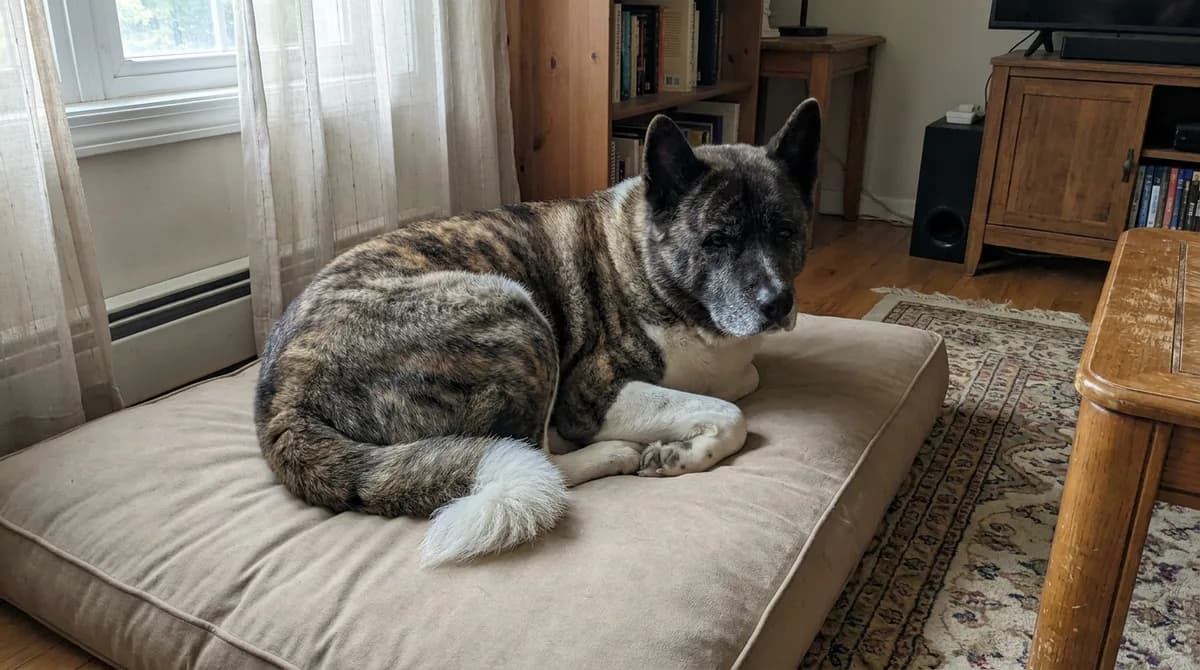
A Micro American Bully is not an official United Kennel Club or American Bully Kennel Club size variety. "Micro Bully" is a marketing label without one agreed adult height, weight, pedigree, or body type. Some dogs sold under it are short American Bullies, some may have mixed ancestry, and some have been selected for extreme compactness that can compromise breathing, movement, skin, teeth, eyes, or reproduction.
That does not mean every dog carrying the label is sick. It means the label cannot answer the questions that matter. If you are considering or already live with one, assess the individual dog's function, obtain veterinary care, verify records, and put comfort ahead of minimum height, maximum width, color, or price.

Sign up for expert-backed reviews and safety alerts all in one place.
What is a Micro American Bully?
- 1Micro Bully is not an official UKC or ABKC American Bully variety.
- 2There is no universal Micro height, weight, ancestry, or lifespan standard.
- 3A shorter body is not automatically unhealthy, but selection for extreme conformation can reduce breathing, movement, skin, dental, eye, and reproductive function.
- 4Evaluate the actual dog and source, with function before size.
The UKC American Bully standard groups Pocket, Standard/Classic, and XL size or style divisions. The ABKC breed standard lists Pocket, Standard, Classic, and XL varieties. Neither classification includes Micro.
This distinction is not a technicality. An official standard gives buyers and judges a published definition. A marketing label can shift from seller to seller. One advertisement may use "Micro" for an adult below the Pocket range, another for a very broad Pocket-height dog, and another for a puppy expected to stay small. Without an agreed definition, online size and price claims cannot be combined into one reliable profile.
Fast answers about price and lifespan
How much does a Micro Bully cost? There is no evidence-based universal price. The label, region, age, source, color marketing, reproductive interventions, records, and seller demand can all change an asking price, while a larger number does not establish health or welfare.
How long does a Micro Bully live? No reliable research establishes one Micro-specific lifespan. Online ranges often lack a consistent definition or study method, so buyers should evaluate anatomy, relatives, records, body condition, preventive care, and access to treatment instead of treating a seller's number as a warranty.
Cons and shedding
What are the cons of Micro Bullies? The biggest disadvantage is uncertainty: no official size or ancestry definition, limited label-specific health evidence, and a market that may reward extreme compactness. The individual dog may also face airway, orthopedic, skin, eye, dental, reproductive, or heat-tolerance concerns described below.
Do Micro Bullies shed a lot? The label does not establish a shedding rate. A short bully-type coat normally sheds and often responds to routine brushing, but sudden hair loss, bald patches, itching, odor, or inflamed skin needs veterinary attention.
Petful's broad American Bully guide explains the recognized breed and varieties. The Pocket American Bully guide gives the official shorter height range and a measuring walkthrough.
The evidence limitation up front
High-quality epidemiological research specifically on dogs labeled Micro American Bully is very limited. Published veterinary studies often group dogs by established breed, broad skull shape, referral population, diagnosis, or body measurement. They may not record the seller's label, registry, ancestry, or exact conformation.
The UK Brachycephalic Working Group has identified Micro and Exotic Bully types as a welfare concern while also noting the lack of robust population data. Therefore, this guide does not assign a made-up disease rate or guaranteed life expectancy to all Micro Bullies. It uses established links between extreme anatomy and impaired function, official standards, veterinary welfare principles, and observable signs that can guide safer decisions.
Is Micro a separate breed?
No major registry cited here defines Micro as a separate breed or official variety. A pedigree from a different organization may use its own terminology, but that does not change the UKC or ABKC lists. Ask exactly which registry issued a document and read that registry's public standard.
A seller may also describe crosses or generations used to create a compact look. Claims vary and are difficult to verify from appearance. A sponsored Embark Breed & Health Dog DNA Test may provide ancestry estimates and screen specified variants, but it cannot certify a Micro category, reconstruct every breeding decision, rule out all inherited disease, or replace a veterinarian and parent health records. There is more on this in Petful’s guide to Embark dog dna test.
Petful may earn a commission when you click through to Lemonade, at no extra cost to you.
Micro Bully size and adult growth
There is no official Micro American Bully size chart. Adult dogs advertised under the label are often described as shorter than Pocket height, but sellers use different thresholds, measure differently, and sometimes advertise a puppy before growth is complete. Any exact range presented as universal should be treated cautiously.
Height is measured at the withers, the highest point of the shoulder blades, on a level surface with the dog standing naturally. Weight is influenced by height, bone, muscle, sex, body fat, and conditioning. A heavy number does not prove quality, and a low height does not prove a separate breed.
Why puppy size promises fail
Adult size is polygenic, meaning many genes contribute. Parent and relative measurements can narrow expectations, but littermates still differ. Nutrition, illness, neuter timing, and ordinary growth variation add uncertainty. A seller guaranteeing an exact adult height, weight, or head size is promising more precision than biology allows.
Very young puppies may also appear especially compact because their legs and bodies grow at different rates. Photographs can exaggerate proportions through camera angle, a wide lens, crouching posture, or comparison with unusually large objects. Meet the dog and adult relatives in person where possible.
Do not restrict nutrition to keep a puppy small
A growing dog needs a complete and balanced diet for growth, appropriate calories, and regular body-condition checks. Underfeeding to suppress size can harm development. Overfeeding to create bulk can also burden joints and make heat management harder.
Do not add calcium, protein powders, or "muscle" supplements unless a veterinarian has identified a medical need. More is not better during skeletal growth. Ask the veterinarian to chart weight, body condition, and growth rather than chasing an advertisement's promised dimensions.
Micro Bully vs. Pocket Bully
Pocket has published mature height limits under UKC and ABKC. Micro does not. That is the cleanest and most important difference. A dog advertised as Micro may be shorter than Pocket, within Pocket height but promoted as more compact, or unrelated to a registry classification.

Pocket males measure 14 inches to under 17 inches at the withers, and Pocket females measure 13 inches to under 16 inches under the cited standards. The Pocket should retain the same basic American Bully type in a shorter frame. It should not achieve shortness through dwarfism or anatomy that prevents normal movement.
Compare function, not labels
If choosing between dogs, assess:
- Quiet, effortless breathing at rest.
- Open nostrils and a muzzle that permits ordinary airflow.
- Ability to walk, trot, turn, rise, and lie down without distress.
- Straight, load-bearing limbs and feet that support the body.
- Eyes that close and remain protected.
- Skin that stays dry and comfortable.
- A mouth with a functional bite and manageable dental crowding.
- Lean body condition rather than deliberate over-bulking.
- Stable, recoverable behavior during ordinary handling.
- Verifiable health information about parents and close relatives.
A moderately built dog sold under an imprecise label may function well. A registered Pocket may still have health problems. The point is not to declare one word healthy and another unhealthy. It is to stop allowing either word to replace examination and evidence.
Dwarfism is not a style
Disproportionately short limbs, severe bowing, enlarged joints, or an unusual spine may reflect developmental or inherited abnormalities rather than a harmless "micro" look. Several conditions can produce short stature, and appearance alone cannot diagnose them. A veterinarian may recommend orthopedic examination and imaging based on the dog.
Do not breed or buy around a suspected abnormality simply because it creates a marketable silhouette. Comfort and sound movement have more value than reproducing an extreme outline.
Micro Bully health risks
The responsible way to discuss Micro Bully health is by linking observable anatomy and function to plausible concerns, then recommending appropriate assessment. It is not accurate to say every Micro Bully will develop every condition below.
| What you can observe | Possible welfare concern | Useful next step |
|---|---|---|
| Pinched nostrils, persistent noise, poor exercise recovery | Restricted airflow or brachycephaly-related airway disease | Veterinary airway assessment; avoid heat and strenuous activity until evaluated |
| Skipping, limping, bowed limbs, rolling gait, reluctance to rise | Patellar luxation, joint disease, limb deformity, spinal pain, or another orthopedic problem | Veterinary gait and orthopedic examination; imaging when indicated |
| Red, moist, odorous, or painful folds | Skin-fold dermatitis, allergy, yeast, or bacterial infection | Veterinary skin assessment; keep folds clean and dry as directed |
| Bulging, irritated, or incompletely closing eyes | Exposure, abrasion, ulceration, eyelid disease, or trauma | Prompt veterinary eye examination, urgently if painful |
| Crowded teeth, abnormal bite, odor, bleeding gums | Retained teeth, periodontal disease, traumatic contact, or dental crowding | Veterinary oral examination and preventive dental plan |
| History of artificial insemination or surgical delivery | Possible impaired natural mating or dystocia risk | Obtain reproductive records; do not normalize avoidable suffering |
This table is a triage and buying framework, not a diagnostic tool. The same sign can have several causes, and a dog may hide pain. Use it to ask better questions and seek professional care, not to label a disease at home.
What extreme conformation means
Extreme conformation is an exaggeration of body shape that reduces normal function or creates a predictable welfare burden. Examples include a muzzle so shortened that breathing is impaired, limbs so bowed that gait is painful, skin folds that chronically inflame, or a pelvic and fetal-size mismatch that makes natural birth unsafe.
The International Collaborative on Extreme Conformations in Dogs advises reducing negative impacts by avoiding selection for features that compromise health and welfare. The principle applies across breeds and labels: animals should be able to breathe, move, eat, see, reproduce, and regulate temperature without preventable suffering.
The UKC American Bully standard also rejects overly massive dogs, dwarfism, and conformation that interferes with breathing or movement. Those limits matter because an extreme sales trend can move in the opposite direction from the breed standard.
Breathing and heat tolerance
Brachycephaly means a shortened skull shape. A short muzzle can be associated with narrowed nostrils, excess or crowded airway tissue, and increased resistance to airflow. External appearance does not reveal the entire airway, so a dog that looks moderately short-faced may still need evaluation.
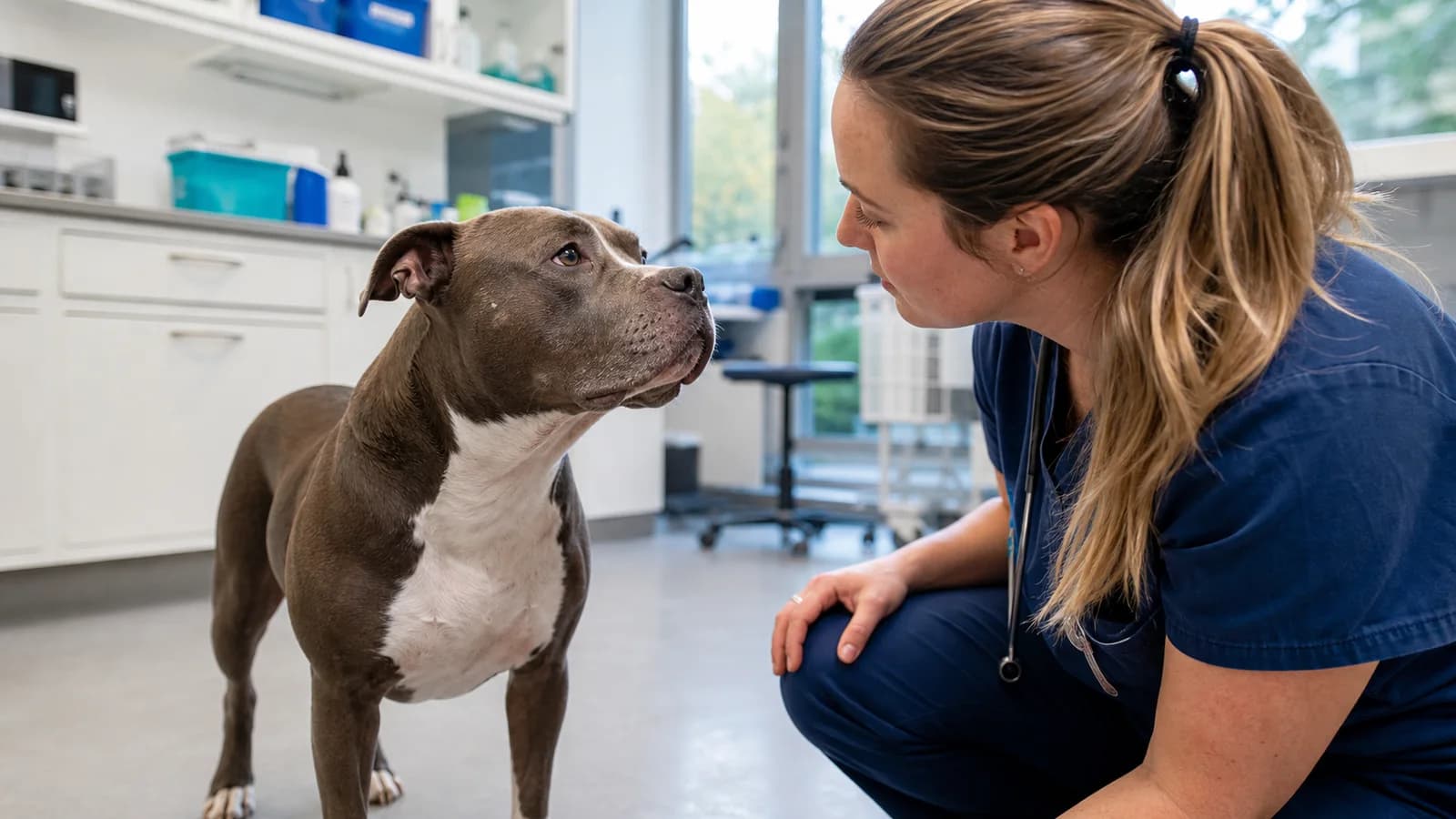
Signs that warrant veterinary discussion include:
- Persistent loud breathing while awake.
- Snoring that disrupts sleep or causes repeated waking.
- Gagging, retching, or regurgitation.
- Exercise intolerance beyond what age and fitness explain.
- Taking a long time to recover after mild activity.
- Sleeping with the head propped or neck extended.
- Blue or gray gums, collapse, or severe distress.
Blue or gray gums, collapse, struggling for breath, or severe heat illness is an emergency. Move the dog to a cooler area, call an emergency clinic, and follow professional instructions while arranging transport. Do not force water into a distressed dog.
Why heat increases risk
Dogs cool primarily by panting. Restricted airflow makes that system less efficient, and a broad, muscular, overweight body may generate or retain more heat. Humidity further reduces evaporative cooling.
Walk during cooler periods, provide air-conditioned rest when temperatures are dangerous, carry water, and stop early. Never leave the dog in a parked car. Avoid relying on a fan alone when the environment is already hot, because moving hot air may not cool an at-risk dog enough.
Airway surgery is treatment, not a badge
Some dogs benefit from surgery after specialist evaluation. The fact that a procedure exists does not make deliberately producing the problem acceptable. Before buying, ask whether parents or close relatives have required nostril, soft-palate, or other airway surgery and whether they can sleep and exercise comfortably.
Sellers should not dismiss loud breathing as normal for the type. "Normal in my dogs" and "healthy" are not equivalent statements.
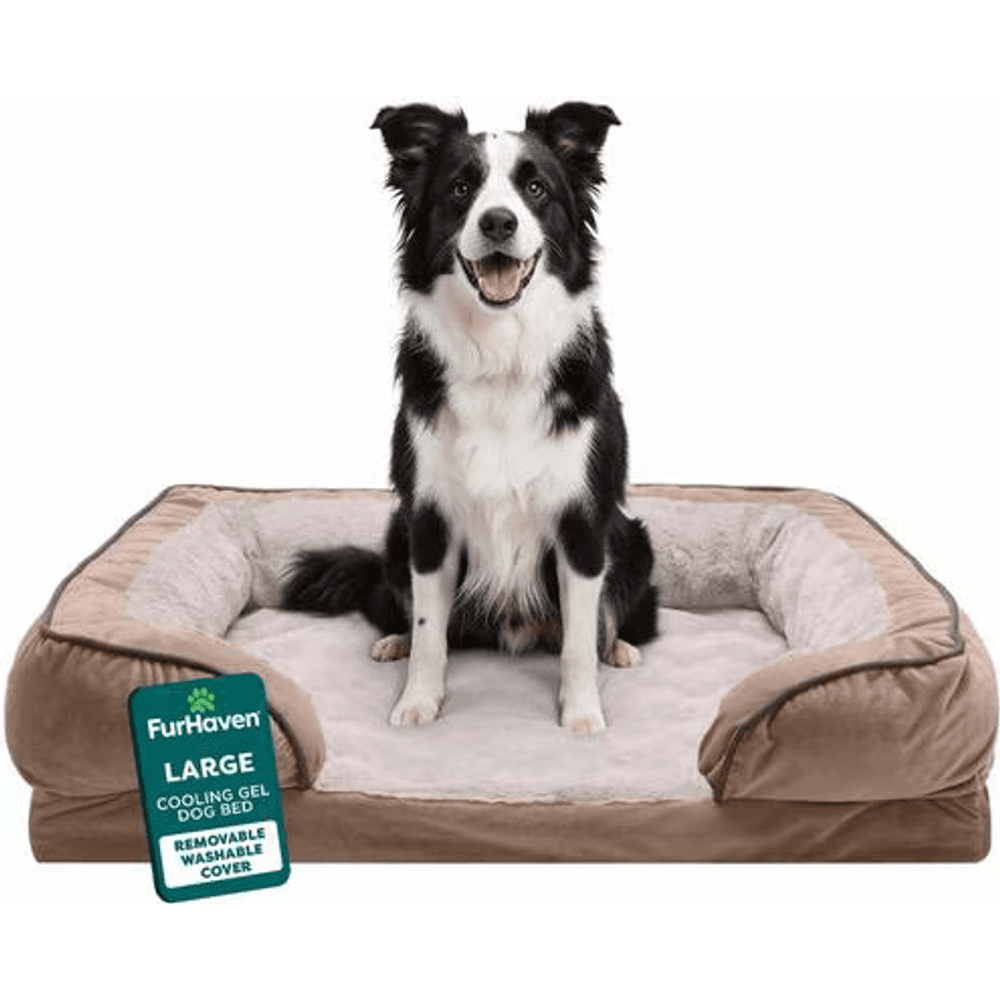
An orthopedic sofa bed with three bolstered sides for dogs who like to rest their head and joints against a cushion. The supportive foam base cradles hips and elbows, a comforting spot for an older or shaky dog to settle.
Petful may earn a commission when you click through to Chewy, at no extra cost to you.
Movement, joints, and spine
A healthy dog should be able to stand squarely, walk and trot with balance, turn both ways, rise without repeated effort, and recover after ordinary play. A very broad chest, short limbs, heavy front, or long back can change load distribution. Excess body fat adds further strain.
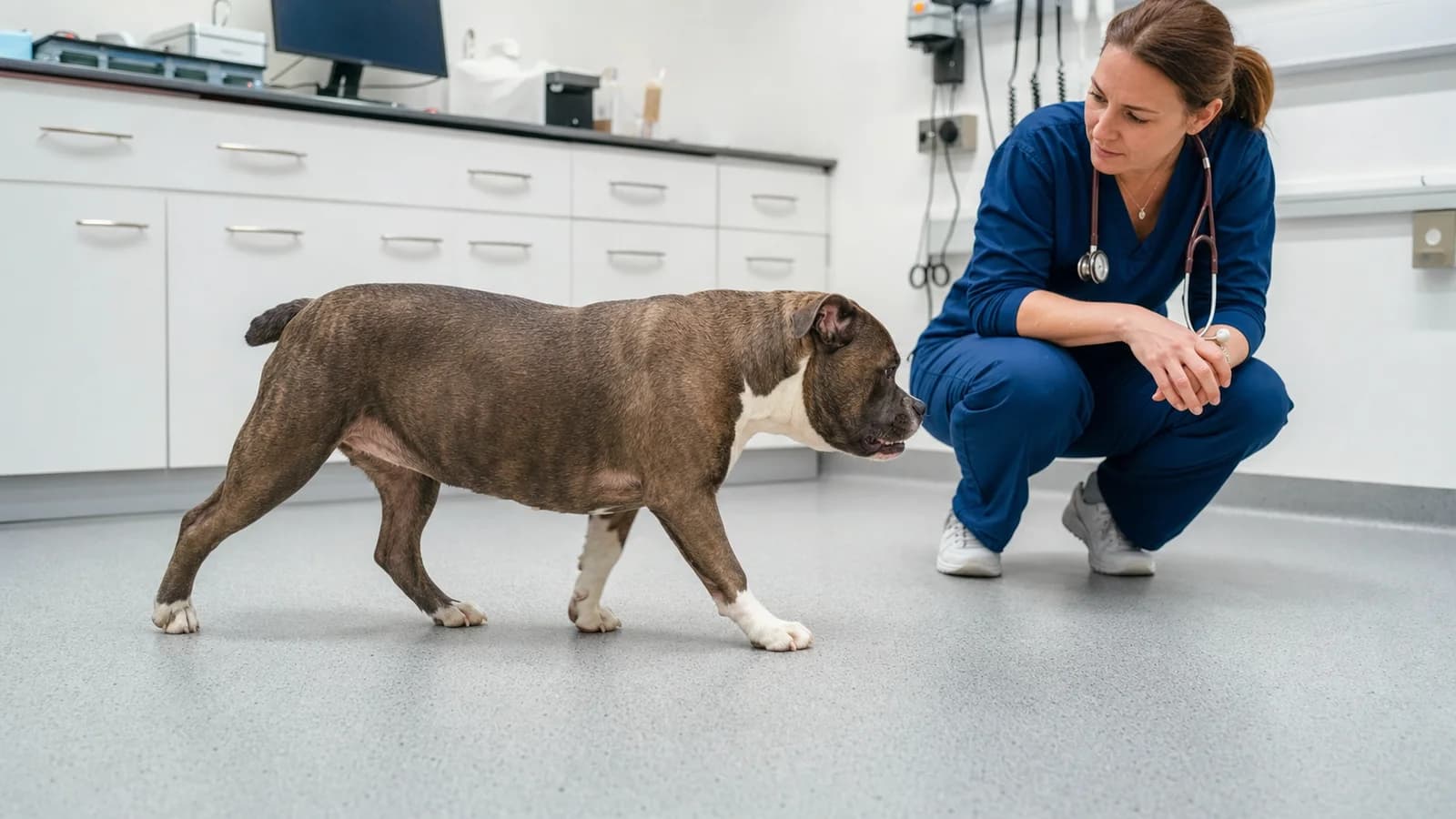
Patellar luxation occurs when the kneecap moves out of its normal groove. A dog may skip, briefly carry a hind leg, or show persistent lameness, but similar signs have other causes. Hip disease, elbow disease, cruciate injury, limb deformity, and spinal pain also require veterinary diagnosis.
The Orthopedic Foundation for Animals disease resources explain available screening programs. Ask for the registered or identifying names of both parents and verify results. A seller's statement that a dog "moves fine" is not equivalent to formal screening.
Watch the dog on ordinary surfaces
Videos posed on a table or thick carpet can hide gait problems. Observe walking and trotting from the front, rear, and side on a level nonslip surface. Watch the dog turn, sit, lie down, and rise. Look again after a normal short walk.
Avoid interpreting every unusual step as a diagnosis. Puppies can be uncoordinated, and slippery floors alter gait. Repeated skipping, stiffness, pain, falling, nail dragging, bunny hopping, or reluctance to move deserves examination.
Exercise without proving toughness
Movement supports muscle, weight control, confidence, and quality of life, but exercise must fit the dog. Use short walks, sniffing, low-impact play, and reward-based training. Increase gradually and stop for lameness, weakness, breathing distress, or poor recovery.
Do not use weighted chains, heavy pulling, forced treadmill work, repeated jumping, or roadwork to create a thicker body. These activities can overload a developing or compromised dog. A veterinary rehabilitation professional can design safe conditioning when orthopedic disease is present.
A comfortable resting surface may help an older or sore dog settle. The sponsored FurHaven orthopedic sofa bed provides foam support and bolsters. Measure the dog while stretched out and choose a location that is easy to reach. A bed does not treat patellar luxation, arthritis, spinal pain, or another disease.
Skin, eyes, and dental crowding
Compact dogs may have deep facial or body folds, prominent eyes, crowded teeth, or an abnormal bite. None of these features is merely cosmetic when it causes chronic irritation, pain, infection, impaired vision, or difficulty eating.
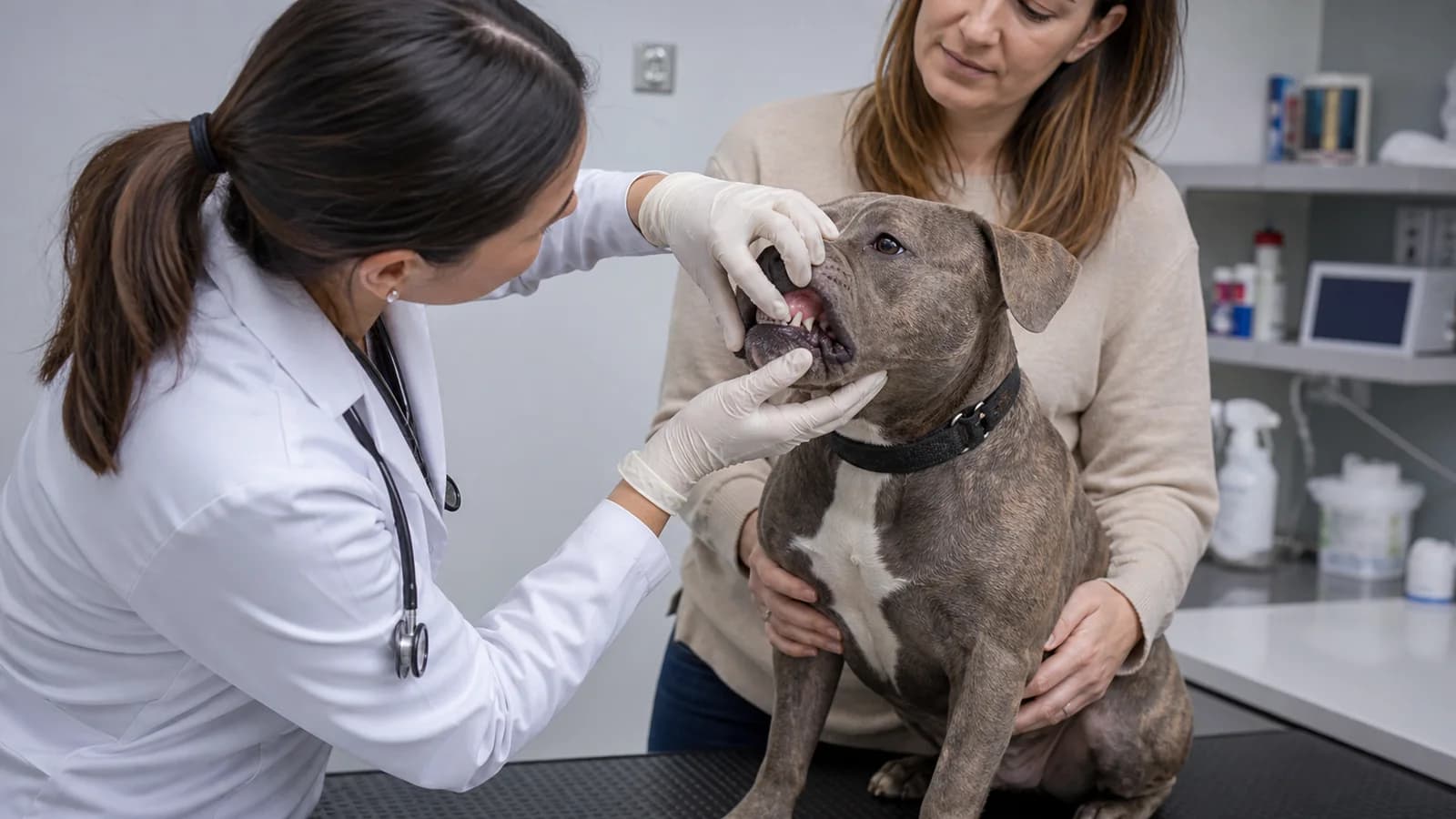
Skin-fold dermatitis
Warm, moist folds can trap friction, debris, yeast, and bacteria. Watch for redness, odor, discharge, darkening, hair loss, pain, or resistance to cleaning. A veterinarian should identify the cause because allergy, infection, parasites, and mechanical irritation may overlap.
Keep folds clean and dry according to veterinary guidance. Avoid applying fragranced wipes, harsh antiseptics, powders, or human creams without advice. Products can irritate skin or hide worsening disease.
Recurrent fold disease is not proof that a dog needs more aggressive home cleaning forever. It may show that anatomy is creating a persistent welfare problem. Medical treatment, weight management, allergy control, or surgery may be discussed based on the case.
Eyes
Prominent eyes can be more exposed to drying, hair contact, trauma, or incomplete eyelid closure. Squinting, holding an eye shut, cloudiness, marked redness, thick discharge, rubbing, or a suddenly protruding eye needs prompt care. Eye pain can worsen quickly.
Do not use leftover drops. Some medications can make a corneal ulcer worse, and a surface examination alone cannot identify every cause.
Teeth and bite
A shortened jaw may leave less room for the normal number of teeth. Crowding, retained baby teeth, rotated teeth, traumatic contact, and periodontal pockets can follow. An abnormal bite may also interfere with grasping food or cause a tooth to strike the palate.
Daily brushing is the foundation of home dental care when the dog tolerates it. The sponsored Jasper 360 Dog Finger Toothbrush may help owners introduce gentle brushing. Use dog-safe toothpaste, begin with brief cooperative sessions, and stop if the mouth is painful. Home brushing cannot remove established calculus under the gumline or correct a traumatic bite.
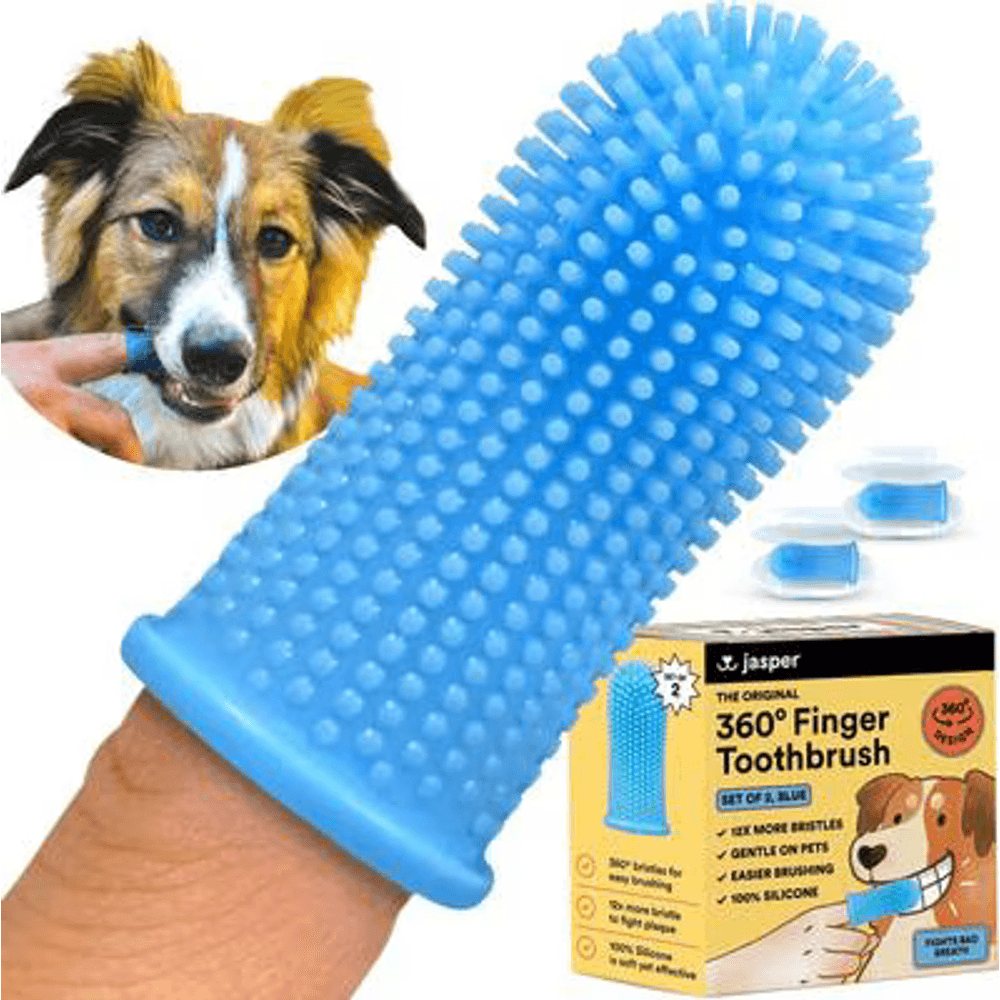
A 360-degree silicone finger toothbrush that brushes every side of a tooth at once. Gentle on gums and ideal for dogs new to brushing or owners who find a handled brush awkward.
Petful may earn a commission when you click through to Chewy, at no extra cost to you.
Reproduction and dystocia
Dystocia means difficult birth. Risk can increase when the dam's pelvis, fetal size, head shape, litter factors, uterine function, or health prevents safe delivery. Extreme selection for a broad head and compact maternal body raises a direct welfare question even when exact Micro Bully incidence is unknown.
The UK government's Animal Welfare Committee opinion on specialized canine reproductive practices discusses welfare concerns around assisted breeding practices. Artificial insemination and planned cesarean delivery may be medically justified in an individual case, but using them routinely to perpetuate dogs unable to mate or give birth naturally can normalize preventable harm.
Ask breeders:
- Did the dam mate naturally?
- How many pregnancies and cesareans has she had?
- Why was each cesarean performed?
- Were puppies unusually large relative to her?
- Did she recover without complications?
- Can the breeder provide veterinary reproductive records?
- Are they selecting future parents for easier natural function?
A vague statement that "all bullies need C-sections" is not a health record. Neither is social media footage of a successful litter.
The mother's welfare counts
Marketing often focuses only on surviving puppies. The dam may face anesthesia, hemorrhage, infection, pain, poor milk production, or repeat surgery. Ethical evaluation includes her comfort, recovery, lifetime reproductive burden, and ability to perform normal behavior.
Do not buy a puppy because an expensive surgical delivery is presented as evidence of value. Price reflects a seller's market and costs, not necessarily good welfare.
- No bed, supplement, grooming tool, or insurance policy can make extreme anatomy healthy. Buy only for a defined care task, and use veterinary examination and verifiable records for welfare decisions.
Inbreeding, pedigree, and health testing
Inbreeding increases the chance that the same inherited variant is received from both sides of a pedigree. A small founder population, repeated use of popular sires, and intense selection for a rare look can reduce genetic diversity. A pedigree name alone does not quantify every risk.
A coefficient of inbreeding can be estimated from pedigree or genomic data, but methods and reference populations differ. Ask how the number was calculated and what breeding decisions it informed. A low reported number does not guarantee health, and a high one does not diagnose a particular disease.
Useful records include:
- Identified parent and close-relative pedigrees.
- Verifiable orthopedic screening.
- Cardiac and eye evaluations when appropriate to the family.
- Results for relevant DNA variants.
- Veterinary history of skin, airway, dental, neurologic, and reproductive problems.
- Ages and causes of death in older relatives where known.
- Honest reporting of affected dogs, not only show or sales achievements.
DNA screening covers the variants on the panel. It cannot clear a dog of every polygenic, structural, or acquired condition. A "clear" badge should never outweigh how the dog breathes, moves, sees, eats, and lives.

Petful may earn a commission when you click through to Chewy, at no extra cost to you.
Micro Bully lifespan claims
There is not enough reliable, label-specific evidence to state one Micro American Bully lifespan as fact. Numbers on sales and general breed sites may come from owner reports, other American Bully varieties, unrelated small breeds, or unattributed repetition. They rarely describe how dogs were identified or followed.
Life expectancy can be affected by airway disease, orthopedic pain, skin and dental disease, neurologic problems, reproductive complications, obesity, access to veterinary care, accidents, and inherited risk. Some moderately built dogs may live comfortable long lives. Others may require substantial medical support. A seller's guaranteed range is not evidence.
Petful's American Bully lifespan and health guide discusses the broader breed evidence without pretending it specifically measures every Micro-labeled dog.
What owners can control
You cannot change inherited anatomy, but you can improve the odds of comfort:
- Maintain a lean body condition.
- Use moderate activity tailored to breathing and joints.
- Avoid heat and humidity risk.
- Brush teeth and maintain veterinary dental care.
- Treat skin and ear disease early.
- Schedule preventive examinations and recommended screening.
- Record baseline gait, breathing, weight, and behavior.
- Seek help when function changes rather than normalizing it.
Comparing insurance early can be reasonable because chronic airway, skin, orthopedic, or dental care can be expensive and policies exclude pre-existing conditions differently. The sponsored Lemonade pet insurance information page is one starting point. Read the actual policy, waiting periods, exclusions, reimbursement rules, and limits, then compare with other providers and emergency savings.
Daily care for a Micro Bully
Care should be organized around function rather than appearance. A moderate individual may follow a routine similar to other compact companion dogs, while a dog with airway, joint, skin, eye, or dental disease needs an individualized veterinary plan.
Feeding and body condition
Feed a complete and balanced diet for the dog's life stage and measure portions. Include treats in daily calories. A broad chest can make visual body-condition assessment harder, so learn to feel the ribs and track waist, abdominal tuck, weight, and muscle condition over time.
Rapid growth and intentional overfeeding do not build a healthier frame. Puppies need controlled, complete growth nutrition. Adults should not be kept heavy to satisfy a visual ideal.
Exercise and enrichment
Use several manageable activities: cool-time walks, sniffing, food searches, short training sessions, calm tug, and supervised enrichment. Let the dog's breathing, gait, and recovery set the ceiling.
Mental activity matters when physical intensity must be limited. Teach targeting, mat settling, cooperative care, scent games, and simple choices. Avoid boredom without demanding athletic performance the body cannot safely provide.
Grooming and handling
Brush the short coat weekly, inspect folds and feet, clean and dry as advised, trim nails, check ears, and build daily toothbrushing. Train the dog to accept examination with tiny steps and high-value rewards.
Do not force a painful dog through grooming. New resistance may reflect skin inflammation, ear disease, dental pain, joint pain, or fear. Address the cause before escalating restraint.
Home setup
Use nonslip runners on slick floors, low stable steps where appropriate, a supportive bed, and gates that prevent unsafe jumps. Keep the dog in climate-controlled space during dangerous heat. Fit walking equipment without compressing the neck or restricting shoulders.
For ordinary comfortable walks, a properly fitted PetSafe Easy Walk harness can help manage leverage while training. It should not restrict the shoulders or compress the neck, and it is not a tool for pushing a dog through breathing difficulty or lameness.
Have a transport plan for a dog that may be heavy despite short height. A painful or breathless dog may be unable to jump into a vehicle. Practice calm ramp or assisted entry before an emergency.
Micro Bully price and buyer risk
Micro Bully prices can be high because the label, appearance, color, pedigree marketing, reproductive interventions, and limited supply are used to create scarcity. None of those factors proves health. High medical or breeding costs can also reflect welfare problems rather than quality.
The American Bully price guide helps separate acquisition price from lifetime expenses. Budget for veterinary examinations, training, nutrition, dental care, skin treatment, orthopedic assessment, emergency care, boarding, and climate management.
Do not let a deposit create commitment before records are reviewed. It is cheaper and kinder to walk away from a concerning source than to buy because money has already changed hands.
Buyer and breeder red flags
- Do not proceed when a seller guarantees exact adult size, treats breathing noise or poor movement as desirable, cannot show verifiable parent health records, hides the dam or living conditions, markets routine surgical reproduction as prestige, claims a DNA panel clears every disease, charges color premiums while dismissing health, or pressures immediate unprotected payment.
Records to request before paying
Ask for both parents' identities, registry documents if claimed, adult height, weight and body condition, health-screening results, airway and surgical history, reproductive records, veterinary records for the puppy, and a contract with a return provision. Verify results with the issuing organization.
Meet the dam when appropriate and observe her breathing, movement, skin, eyes, mouth, behavior, and body condition. Ask to see older relatives. A seller who shows only heavily edited photographs or posed puppies prevents meaningful evaluation.
Questions that reveal priorities
Ask:
- What qualities caused you to choose this pairing?
- Which comfort or function traits would disqualify a dog from breeding?
- What health problems have occurred in close relatives?
- How do you measure adult height?
- What do you mean by Micro, and which registry defines it?
- Have either parent or their relatives required airway or orthopedic surgery?
- Could the dam mate and give birth naturally?
- What happens if this dog develops a serious inherited problem?
- Will you take the dog back at any age?
Responsible people do not need every answer to be perfect, but they should answer specifically, acknowledge uncertainty, and show how welfare changes breeding decisions.
Marketing claims to translate
"Guaranteed micro" means the seller is claiming precise adult growth without an official standard. "Clean health panel" means only that listed variants had reported results. "Vet checked" usually means an examination, not comprehensive parent screening. "Rare color" describes market scarcity, not health. "Champion bloodline" describes relatives, not the puppy's function.
"Compact but functional" should be demonstrated, not asserted. Watch the dog breathe after a normal walk, move on level ground, lie down, rise, eat, and interact. Obtain independent veterinary assessment.
Adoption and existing owners
If you already own a Micro-labeled dog, this article is not a verdict on your companion. Focus on the dog's present comfort and what can be improved. A label chosen by a seller does not diminish the animal's value.
Book a veterinary visit if breathing, gait, skin, eyes, teeth, digestion, exercise tolerance, or sleep is concerning. Ask for referrals to veterinary surgery, dermatology, dentistry, ophthalmology, cardiology, or rehabilitation when appropriate. Early treatment may improve comfort even when anatomy cannot be changed.
Rescue can be a responsible route when the organization provides known medical and behavior information and the adopter budgets for uncertainty. Obtain records, arrange an independent examination, and introduce the dog to the home gradually.
Track function over time
Once each month, record:
- Weight and body-condition trend.
- Resting breathing when asleep in a cool room.
- Recovery after the same easy walk.
- Gait from the front, rear, and side.
- Ability to rise and use ordinary steps.
- Skin and ear flare frequency.
- Eating comfort and dental changes.
- Sleep quality and behavior.
These observations do not replace examinations. They make gradual change easier to identify and describe.
Legal and housing considerations
A Micro label may not exempt a dog from housing, insurance, travel, or breed-specific rules. Policies may use "American Bully," "pit bull-type," ancestry, physical features, or behavior. Some use weight or measurements.
Get written confirmation from the landlord, homeowners association, and insurer before acquiring or moving with the dog. Check city, county, state, provincial, and national rules. Ask boarding, day-care, airline, and destination providers about restrictions.
Do not rely on the seller's assurance that "Micro is legal everywhere." Legal definitions are jurisdiction-specific and can change. Registry papers and DNA results may not control a law based on physical type.
Is a Micro American Bully right for you?
The most welfare-protective option is to avoid creating demand for extreme anatomy. If you are choosing among dogs, favor the most functional individual and a source that selects away from impairment. Do not choose the shortest or widest dog as a status object.
A moderately built rescue or carefully evaluated adult may fit a household prepared for strength, possible medical needs, training, heat precautions, and housing rules. A puppy sold with uncertain adult form creates more forecasting risk.
Think carefully if the budget cannot absorb specialist care, no adult can safely handle the dog, the home is hot without reliable cooling, or the purchase depends on a guaranteed appearance. Love and commitment matter, but they cannot make a restricted airway or painful limb normal.
A pre-decision veterinary consultation
Bring the seller's records, parent results, photographs, videos, contract, and registry claims to an independent veterinarian. Ask what can and cannot be assessed before acquisition. The veterinarian may identify missing records or visible concerns, but no pre-purchase visit can guarantee future health.
If the source refuses independent review or imposes a deadline designed to prevent it, stop. A healthy decision can tolerate questions.
The bottom line
Micro American Bully is a marketing term, not a health result. Choose breathing, gait, skin, eyes, mouth, body condition, behavior, and transparent records over size and spectacle. If the dog already shares your home, use those same priorities to protect comfort.
Micro American Bully FAQs
No. Micro is absent from the cited standards. UKC groups Pocket, Standard/Classic, and XL size or style divisions, while ABKC lists Pocket, Standard, Classic, and XL varieties. Other organizations may use different marketing or registry terms, so verify the specific source.
There is no universal official height or weight. Sellers use the label differently, and puppy size cannot guarantee adult dimensions. Measure a mature dog at the withers and evaluate body condition and function rather than relying on a promised number.
Pocket has official mature height ranges under UKC and ABKC: males 14 inches to under 17 inches and females 13 inches to under 16 inches. Micro has no official range in those standards and is a variable marketing label.
Some may be healthy, while others have airway, orthopedic, skin, eye, dental, or reproductive problems related to inherited risk or extreme conformation. Label-specific prevalence data are limited, so evaluate the individual dog and records rather than assuming every dog is healthy or sick.
Reliable research does not establish one Micro-specific life expectancy. Online ranges often lack clear identification or methods. Lifespan varies with anatomy, inherited risk, source, body condition, preventive care, environment, accidents, and access to treatment.
The label does not predict aggression. Behavior depends on genetics, health, pain, socialization, learning, management, and context. Assess the individual dog and use adult supervision around children, visitors, food, and other animals.
A moderately built healthy dog may enjoy regular moderate activity. Dogs with restricted airways, painful joints, spinal disease, excess weight, or heat intolerance need limits and veterinary guidance. Stop for distress, lameness, weakness, or poor recovery.
Prices may reflect scarcity marketing, color, pedigree claims, reproductive interventions, and demand, not proven health. High price can coexist with poor welfare. Compare function, verifiable testing, records, contract support, and lifetime care costs before considering price.
BVMS, MRCVS
Dr. Pippa Elliott, BVMS, MRCVS, is a veterinarian with nearly 30 years of experience in companion animal practice. Dr. Elliott earned her Bachelor of Veterinary Medicine and Surgery from the University of Glasgow. She was also designated a Member of the Royal College of Veterinary Surgeons. Married with 2 grown-up kids, Dr. Elliott has a naughty Puggle named Poggle, 3 cats and a bearded dragon.
Sign up for expert-backed reviews and safety alerts all in one place.