Doxiepoo: Dachshund–Poodle Mix Traits, Health, and Care
A Doxiepoo mixes Dachshund and Poodle ancestry with varied looks and care needs. Learn how to assess temperament, grooming, records, and daily routines before choosing one.
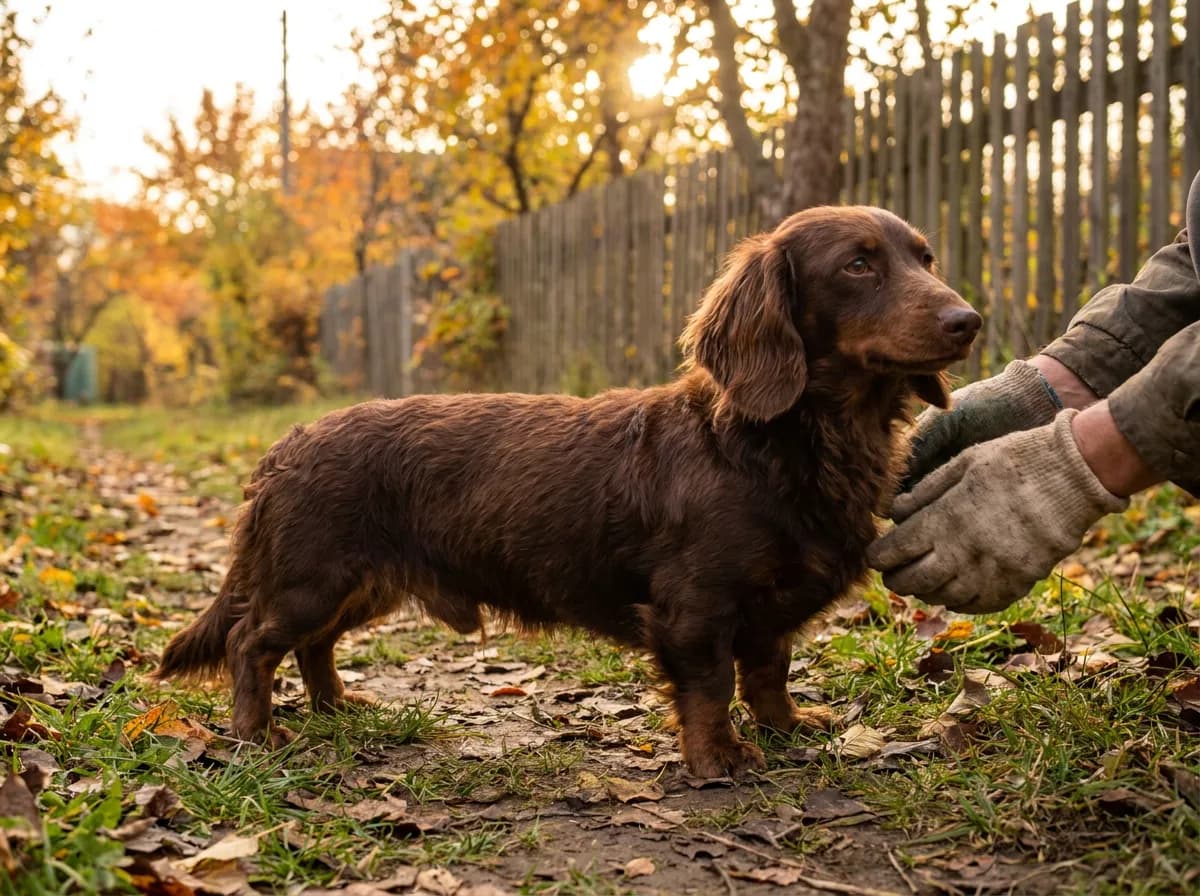
Appearance alone does not establish ancestry or predict adult size.
Petful is reader supported. As an affiliate of platforms like Amazon and Chewy, we may earn a commission when you buy through links on this page. There is no extra cost to you.
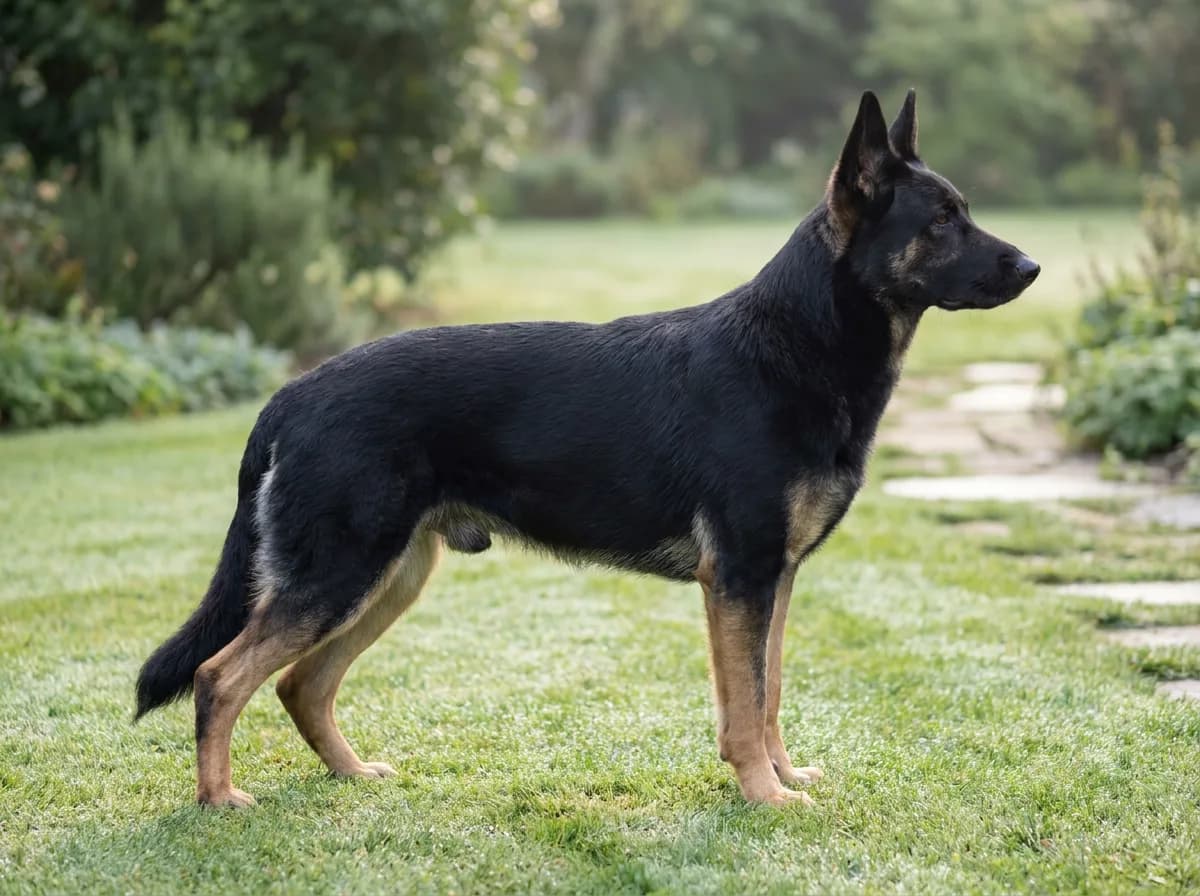
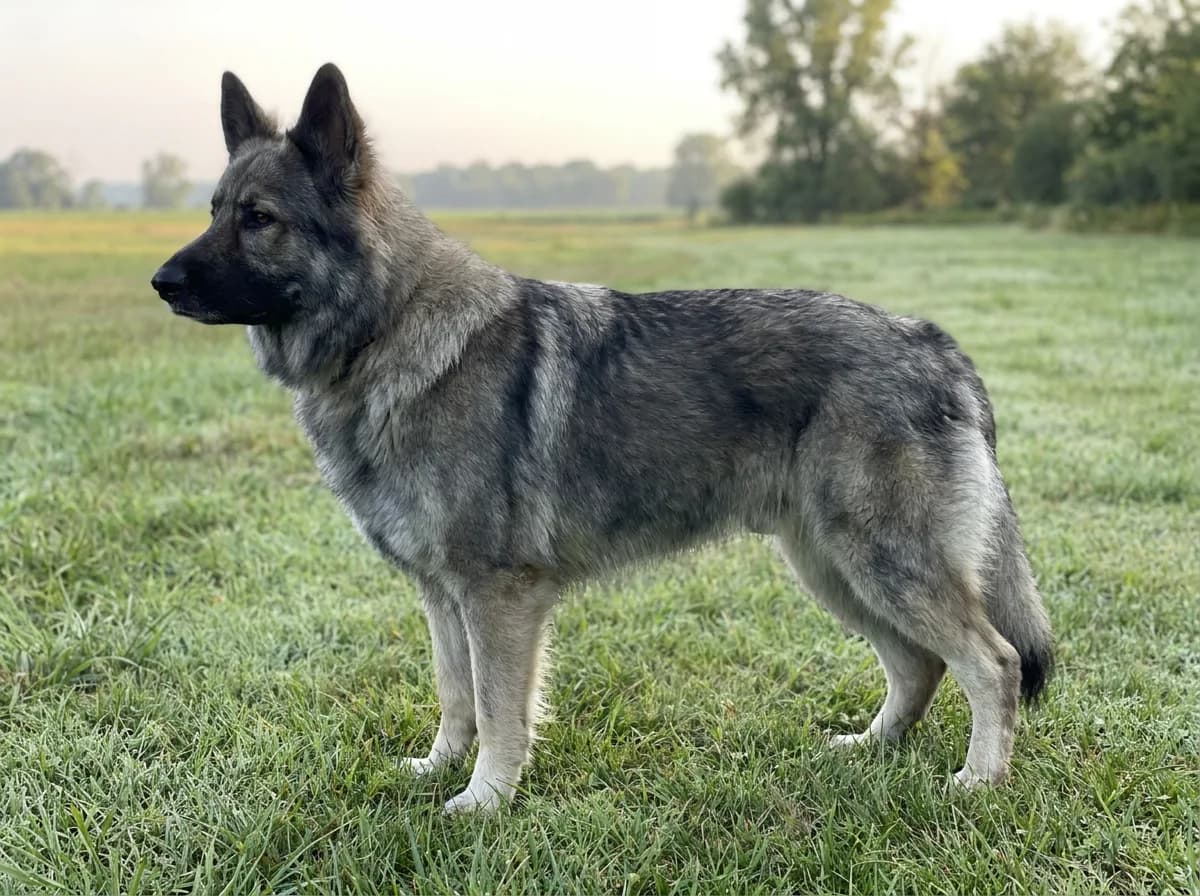
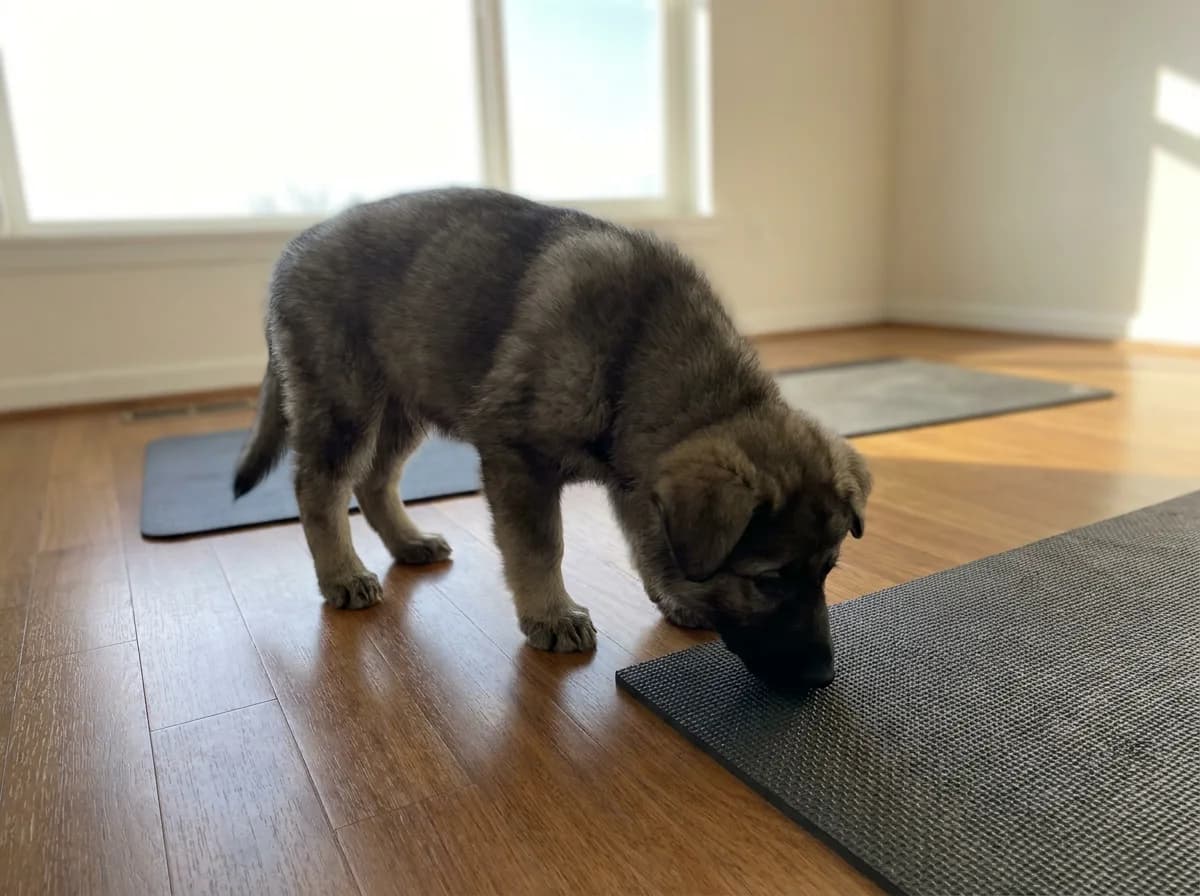
A Doxiepoo is a Dachshund–Poodle mix, sometimes called a Doxiedoodle. The name describes ancestry, not a predictable package of size, coat, temperament, or health. Some adults are long-bodied with relatively short legs; others have different proportions. A Doxiepoo may have curls, waves, or a coat that needs a different grooming approach entirely.
The most useful question is whether the individual dog fits your home and routine. Parent history, observed behavior, health records, and the actual coat tell you more than promises about a perfect low-shedding family dog. This guide explains what to assess before adoption and how to plan everyday care.

Sign up for expert-backed reviews and safety alerts all in one place.
What is a Doxiepoo?
- 1Doxiepoos combine Dachshund and Poodle ancestry, with substantial individual variation.
- 2Evaluate the actual coat, body shape, behavior, and records before choosing a dog.
- 3Plan for training, grooming, appropriate activity, and veterinary care without assuming the mix is allergy-safe or protected from inherited disease.
A Doxiepoo has Dachshund and Poodle ancestry. A first-generation cross has one parent of each breed, while later generations or dogs identified by appearance may be described using the same name. Ask what the label means for that particular dog. “Doodle” does not tell you which Poodle size was involved, whether both parents are documented, or how the puppy will develop.
The American Kennel Club describes Dachshunds as having two sizes and three coat types. Poodles also come in different sizes. Those parent differences help explain why Doxiepoo characteristics such as adult size and coat texture vary widely. The Vetstreet Doxiepoo profile emphasizes that unpredictability rather than treating all dogs with the name as interchangeable.
| Decision | Useful evidence | A claim to question |
|---|---|---|
| Adult size | Parent history and measurements; actual adult measurements | Every mini Doxiepoo stays below one exact weight |
| Coat maintenance | Hands-on coat assessment by a groomer | Poodle ancestry always means easy grooming |
| Family compatibility | Observed behavior and gradual introductions | Every Doxiepoo loves children and cats |
| Health planning | Individual records and appropriate parent screening | Crossbreeding eliminates inherited risks |
An individual assessment separates ancestry from the decisions you must make. If a rescue estimates the mix from appearance, that uncertainty should remain visible. You can still evaluate the adult dog's handling tolerance, routine, size, and care needs. A pedigree claim is not required for a good adoption match, but a seller should not present uncertain ancestry as a verified fact.
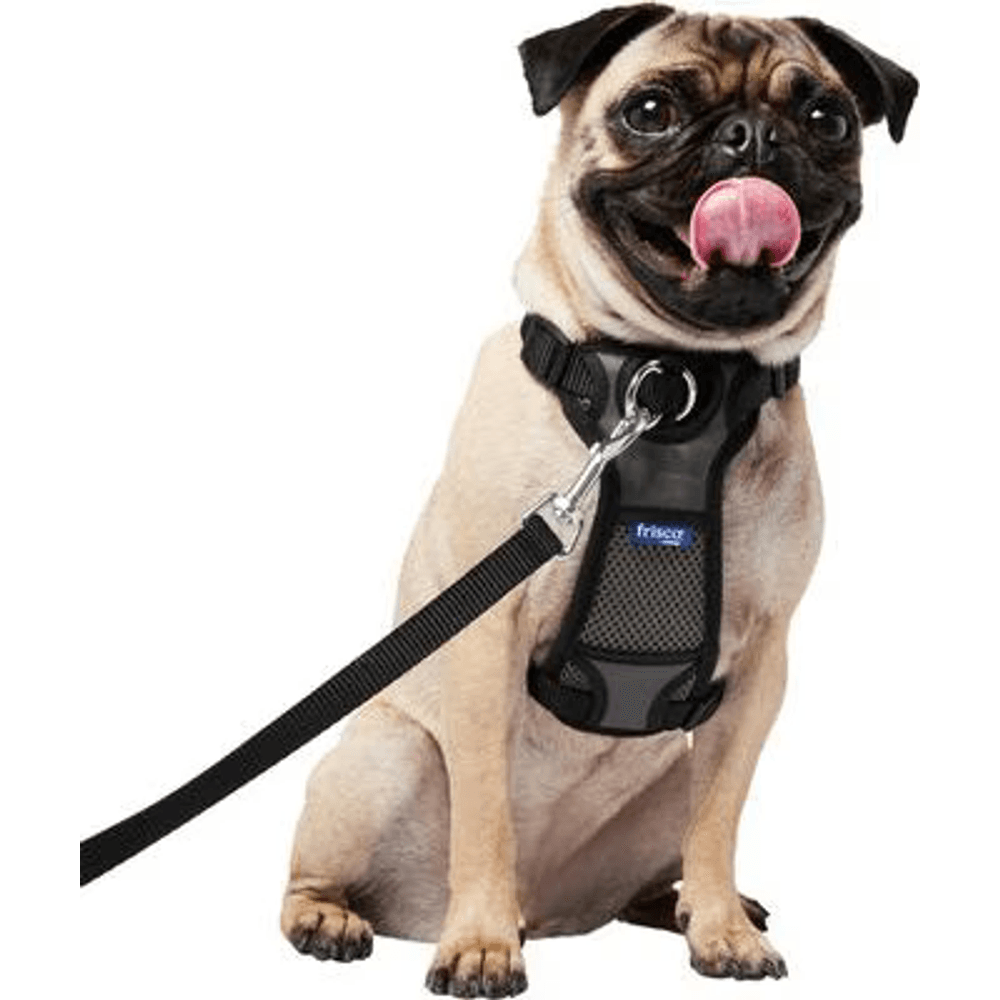
A budget-friendly padded no-pull harness that keeps leash pressure off a coughing dog's neck and windpipe by distributing it across the chest. A simple, affordable way to protect an irritated airway or a collapsing trachea on every walk.
Petful may earn a commission when you click through to Chewy, at no extra cost to you.
Prepare a safe area for the dog's arrival. A Frisco configurable gate and playpen can help divide space when its openings, height, and layout suit the individual. Check escape routes and supervise initial use. Long bodies and short legs do not make a dog incapable of climbing, squeezing through a gap, or finding a way around an unsecured barrier.
What the name does not tell you
Doxiepoo, mini Doxiepoo, toy Doxiepoo, and Doxiedoodle may be used differently by different sellers. Ask for the parents' identities and mature measurements rather than assuming each name refers to a fixed category. A dog with more curls is not necessarily more Poodle in a way you can quantify by sight. Ancestry, appearance, and behavior are related questions, but they are not the same question.
If a listing uses merle, dapple, rare, or golden as a selling point, ask what those words mean and what evidence supports the family history. Color should not take priority over welfare and health records. A striking coat does not establish a safer purchase or a better companion. It also cannot predict whether the dog will tolerate grooming or being left alone.
Doxiepoo temperament and family fit
The Doxiepoo temperament can combine sociability, curiosity, and persistence, with substantial individual variation. Its practical pros and cons depend on your home: a lively dog may suit an active owner but struggle with a long isolated workday. Meet the dog, observe calm everyday interactions, and ask about behavior around children and other animals. A breed label cannot replace that assessment.
For an adult, ask a foster carer or previous caregiver about visitors, walks, resting, grooming, and time alone. Specific examples are more useful than a label such as “friendly.” A dog that enjoys familiar adults may still be unsure around small children or busy gatherings. A puppy's early experiences matter too, but they do not remove the need for patient training after arrival.
- Let the dog approach instead of repeatedly picking it up.
- Provide a resting place where people and other animals leave it alone.
- Supervise contact with children and prevent chasing or rough play.
- Introduce household animals gradually with safe ways to separate them.
- Ask for help early if fear, guarding, or distress appears.
Children and handling
A Doxiepoo's manageable size can make it tempting for children to carry it frequently. That is not automatically comfortable or safe for the dog. Teach seated, supervised interaction and let an adult handle lifting. When lifting is appropriate, support the body securely rather than allowing the hindquarters to dangle. Ask your veterinarian to demonstrate a suitable technique for your dog's shape and medical needs.
Petful may earn a commission when you click through to Chewy, at no extra cost to you.
Do not judge tolerance by how much unwanted handling a dog will endure before reacting. Watch for attempts to move away, tension, avoidance, or other signs that the interaction should stop. A predictable routine and respectful handling are better foundations than testing whether the dog is “good with kids.” Give the child and dog clear boundaries from the beginning.
Cats and other pets
Some Doxiepoos live peacefully with cats; others may chase them. Ask about the individual dog's history and prevent repeated chasing during introductions. The cat needs accessible escape routes and secure resting areas. A gate can support management when safe for both animals, but it does not teach calm behavior by itself.
If your home includes small animals, do not assume friendliness with a cat means safety with every species. Separate housing and careful management may be necessary. Seek qualified help for introductions when the dog's response is uncertain. A broad breed reputation should never override what you observe in the actual interaction.
Exercise, training, and time alone
A Doxiepoo needs appropriate physical activity, mental engagement, and opportunities to rest. The right routine depends on age, health, proportions, and the individual dog's response. Combine manageable walks, sniffing, play, and short learning sessions rather than chasing a universal number of exercise minutes. Adjust when the dog shows discomfort or has veterinary restrictions.
The American Veterinary Society of Animal Behavior recommends reward-based training. Teach useful skills such as coming when called, settling, handling, and walking comfortably on a leash. Make the task easy enough for the dog to succeed, then build gradually. A dog that does not understand the cue is not choosing to be difficult simply because it has Dachshund ancestry.
Build a workable routine
Start with a few reliable anchors: toilet opportunities, meals, activity, rest, and brief training. Keep expectations consistent across household members. A puppy needs closer supervision and more frequent toilet opportunities than a settled adult. Reward successful toileting promptly, and discuss sudden changes or discomfort with a veterinarian instead of assuming every accident is a training failure.
- Choose the behavior you want to teach and an appropriate reward.
- Practice in a quiet setting with few distractions.
- Keep the session short and end while the dog is still comfortable.
- Repeat in slightly different settings only when the dog understands.
- Adjust the plan if the dog is frightened, frustrated, or unable to engage.
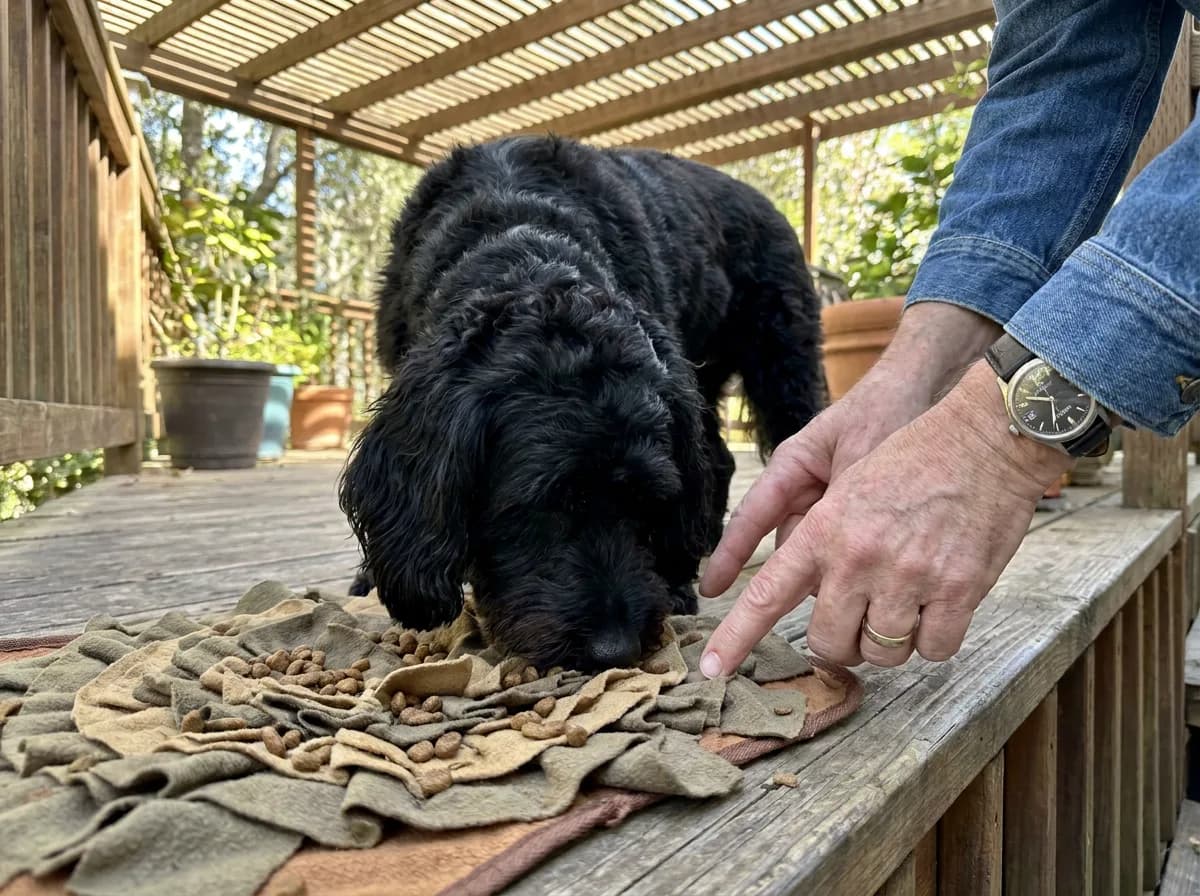
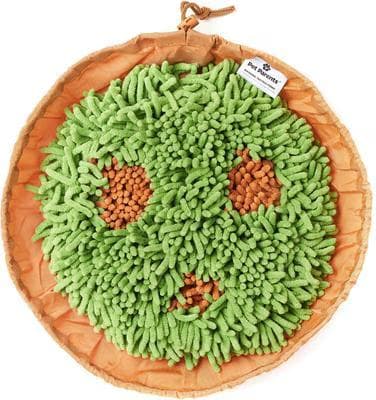
A Pet Parents Forager snuffle mat can provide a supervised searching activity using part of a measured meal. A Nina Ottosson Lickin' Layers puzzle offers a different challenge when its size and difficulty suit the dog. Neither should be left with a dog that chews and swallows pieces, and neither replaces walks or social contact.
Barking and absences
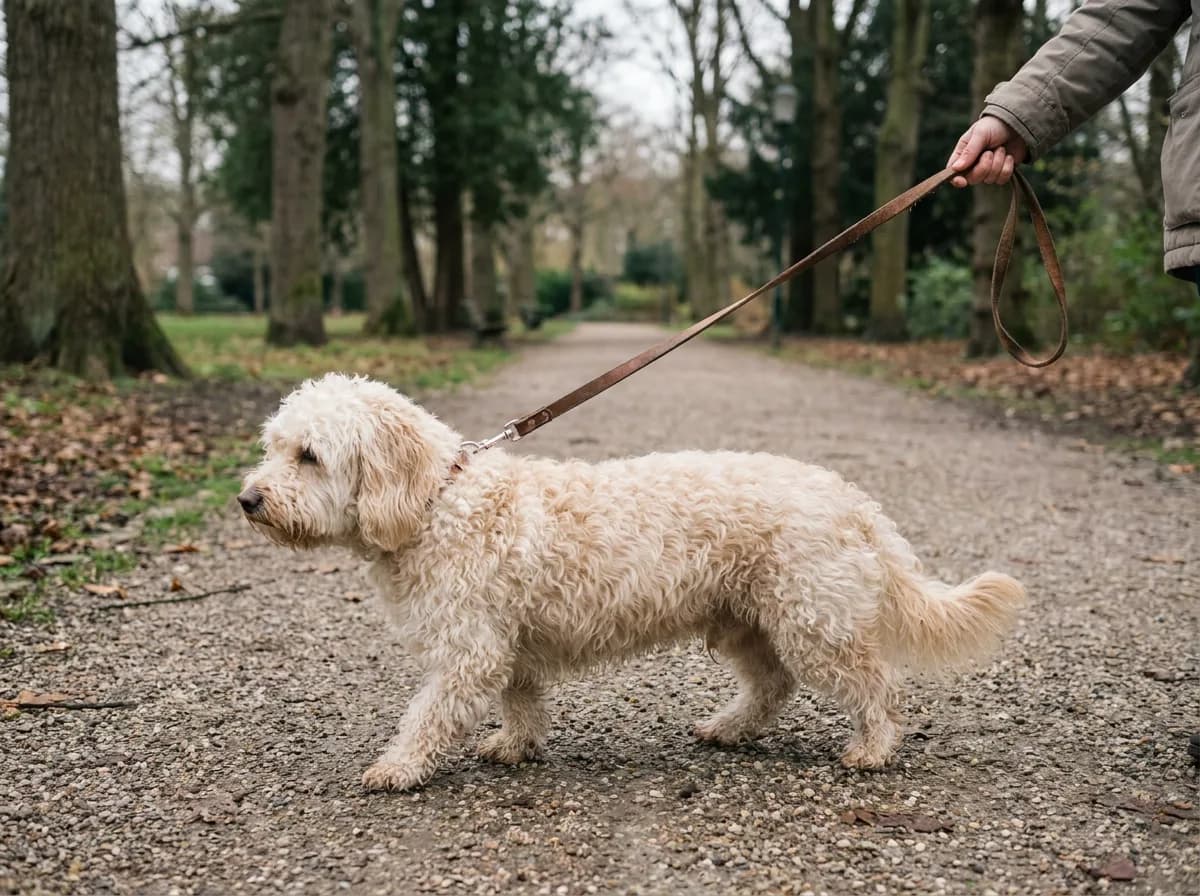
Alert barking may be triggered by visitors, movement outside, excitement, or frustration. Identify the pattern before choosing a response. Reduce avoidable triggers and teach an alternative behavior rather than relying on repeated shouting. If the dog is fearful, work at a distance where it can remain comfortable and get qualified support when needed.
Build time alone gradually. A dog that panics during absences needs a different approach from a dog that is simply learning a new routine. WebVet's guide to separation anxiety in dogs explains signs that deserve professional help. Do not assume a more complicated toy will solve distress or punish a dog for damage caused while frightened.
Petful may earn a commission when you click through to Chewy, at no extra cost to you.
Coat care, shedding, and daily routines
Doxiepoo coat care depends on the coat the dog actually has. Poodle curls, Dachshund coat types, and individual inheritance can produce different textures and maintenance needs. Some coats need regular clipping and careful detangling; others need a different brushing approach. Have a groomer assess the dog before copying a haircut or tool list intended for another Doodle.
- An individual assessment and parent history are useful starting points. A curly coat does not prove that a Doxiepoo is hypoallergenic, and a shorter coat does not prove that grooming will be effortless.
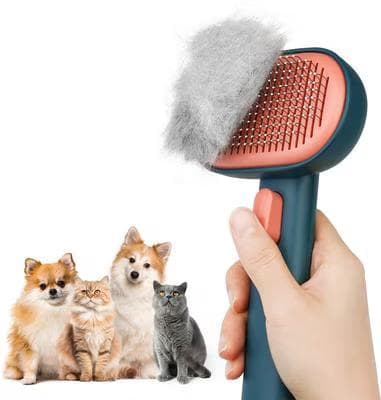
A slicker brush may be appropriate for some longer or curlier coats, while a short coat may need a gentler tool. Ask for a demonstration. A dog shampoo such as Burt's Bees oatmeal formula should be chosen according to skin needs and label instructions; persistent itching or irritation is a veterinary question, not a reason to cycle through products blindly.
Check the coat gently for tangles, moisture, and debris. Do not force a comb through mats or use scissors underneath them. A professional may recommend a shorter trim when preserving length would be uncomfortable. Grooming should support comfort and observation, not become a repeated struggle to maintain a particular appearance.
Food and teeth
Feed an appropriate diet and use your veterinarian's guidance for amount and body condition. WebVet explains what makes dog food complete and balanced. A small dog can still receive too much energy from treats and extras. Include training food within the overall plan rather than adding it without considering the daily total.
Introduce dental handling calmly and use dog-appropriate products. Virbac C.E.T. enzymatic toothpaste and a suitably sized dual-ended toothbrush can support home care when appropriate for the dog. They are not treatments for an unexplained painful mouth. Ask the veterinary team to assess discomfort, bad breath, or changes in eating.
Walking equipment
Measure chest girth and follow the maker's fitting instructions before buying a harness. A long body and short legs can affect where straps sit. The Frisco padded harness in Small is an example only if the measurements match; the breed name is not a sizing instruction. WebVet's harness versus collar guide explains the practical choice.
Health questions to take to your veterinarian
Doxiepoos can inherit health risks from both parent breeds, and crossbreeding does not eliminate that possibility. Ask about parent history and screening, then have your own veterinarian assess the individual dog. Keep the distinction between a possible inherited risk and a diagnosis clear. A list of conditions associated with Dachshunds or Poodles does not mean every Doxiepoo will develop them.
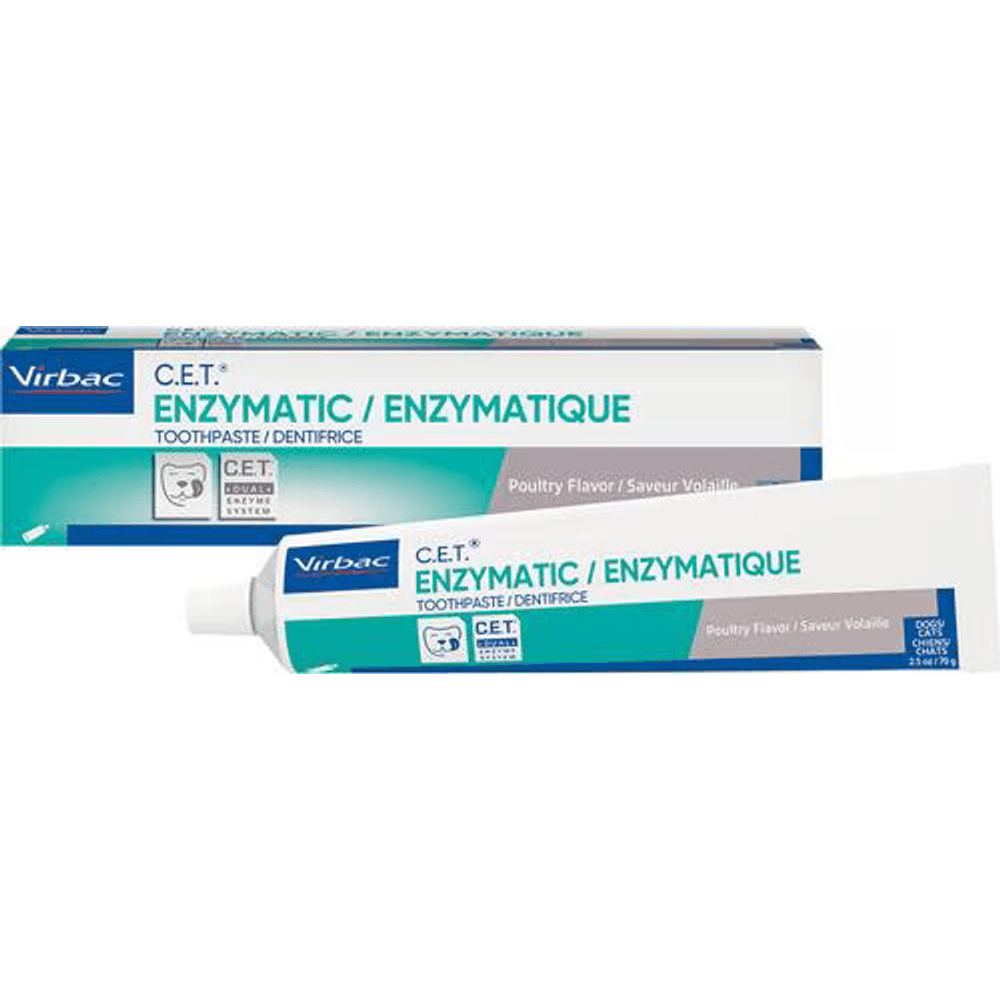
The vet-favorite enzymatic toothpaste. Its dual-enzyme system keeps working between brushings to control plaque and freshen breath, and the poultry flavor makes daily brushing easy.
Petful may earn a commission when you click through to Chewy, at no extra cost to you.
Dachshund ancestry makes spinal health an appropriate subject to discuss. The American College of Veterinary Surgeons explains intervertebral disc disease and the importance of prompt assessment when neurological signs occur. Sudden weakness, an inability to walk normally, marked pain, or loss of bladder control warrants urgent veterinary contact. Do not attempt to diagnose or treat those signs with a home exercise plan.
For routine planning, ask about body condition, comfortable activity, dental care, eyes, knees, and screening appropriate to the known parents. The exact priorities depend on history and examination. A commercial DNA panel only addresses the variants it includes and should not be presented as a guarantee against every health problem.
- Request dated records rather than a general claim that the dog is healthy.
- Ask which parent tests were performed and how results can be verified.
- Bring the current diet, medication, and supplement list to appointments.
- Record changes in movement, appetite, thirst, and behavior.
- Know which signs require a routine call and which require urgent care.
Lifespan and long-term responsibility
Adopt a Pet's Doxiepoo guide gives a general life-expectancy estimate of 12–15 years; the individual dog’s veterinary history remains more useful for care decisions. Do not treat a range as a guarantee, a deadline, or proof that a younger dog cannot become ill.
Plan for veterinary care throughout life and adjust the home as needs change. Nonslip surfaces, comfortable resting areas, and manageable activity may become helpful, depending on the dog. Keep those choices tied to actual needs and professional guidance. No accessory or supplement should be sold as a way to guarantee a longer life or prevent every spinal problem.
Doxiepoo size and growth
- An adult Doxiepoo's size reflects its parents and individual development. Mini and toy labels do not establish a standard measurement. Use current measurements to choose equipment; treat estimates for a puppy as predictions.
Doxiepoo full-grown size, mini and toy labels, adult weight, height, coat colors, and proportions vary. A black, cream, brown, merle, or dapple dog does not reveal its exact ancestry or future measurements by appearance alone. The Doxiepoo adult-size guide explains parent combinations, growth records, and equipment fitting without treating photographs or teacup descriptions as size guarantees.
Haircuts and grooming options
Doxiepoo haircuts should follow the actual coat rather than a generic Doodle template. Curly, wavy, shaggy, short, and wirier coats need different decisions about brushing, clipping, bathing, and maintenance. Our Doxiepoo haircut guide also explains shedding and hypoallergenic claims, with practical questions for a groomer before choosing a style.
Puppy price and adoption costs
Doxiepoo price includes more than the puppy purchase or rescue fee. Compare a breeder's written quote, records, and inclusions, then budget for grooming, food, equipment, and veterinary care. The Doxiepoo price guide helps distinguish acquisition cost from ongoing responsibilities before you respond to puppies for sale or commit to adoption.
Choosing an individual Doxiepoo
Choose a Doxiepoo by combining parent history, health records, observed behavior, and an honest assessment of your household. For a puppy, ask about early care and social experiences as well as parent screening. For an adult rescue, ask what the foster or shelter team has actually observed and which parts of the history are unknown. Clear uncertainty is better than an unsupported promise.
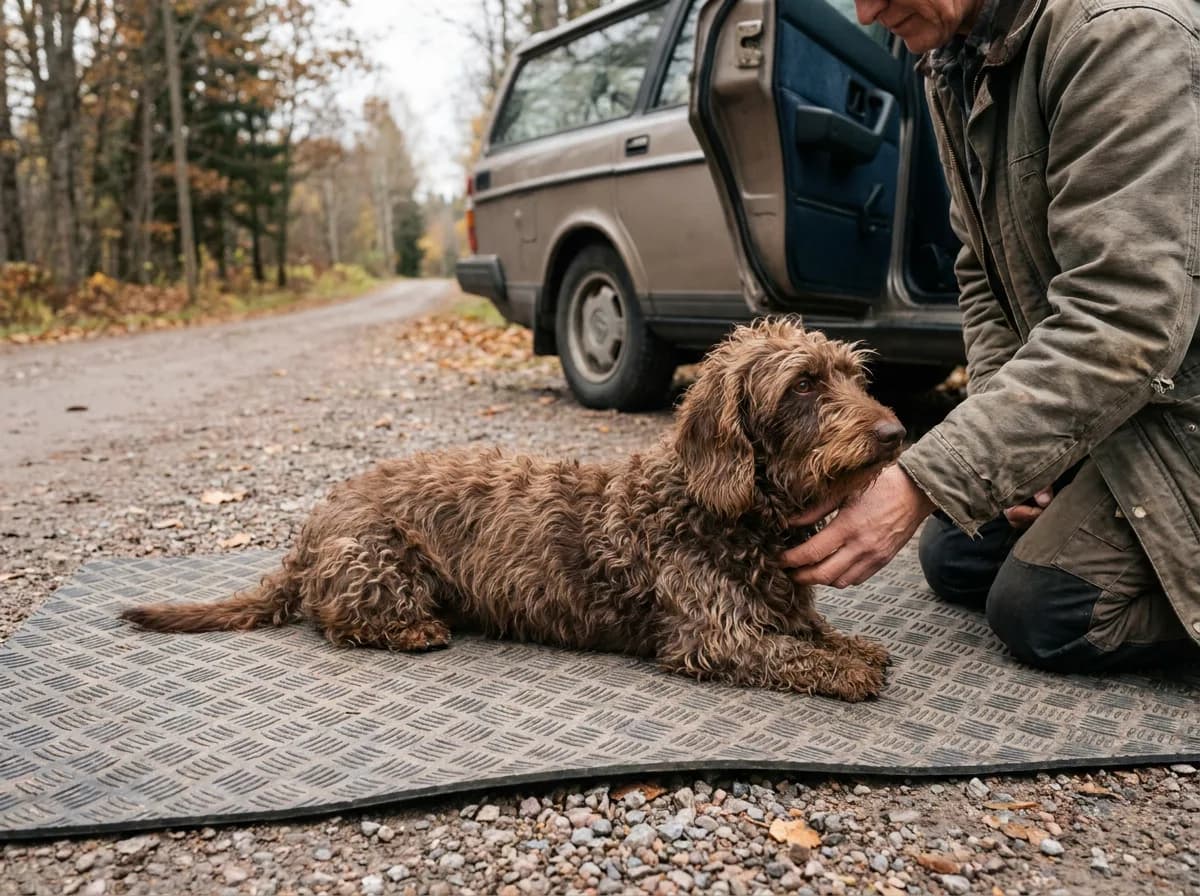
A useful individual assessment includes how the dog responds to ordinary handling, whether its activity needs fit your routine, how the coat will be maintained, and what veterinary care is already planned. Consider work schedules, children, other animals, stairs, transport, and access to help. The best match is the one whose needs your household can meet consistently.
Ask to see written acquisition terms and avoid pressure to pay before basic questions are answered. Verify who is responsible for the dog, what the fee includes, and what support is available after arrival. A seller's attractive photographs and enthusiastic testimonials do not replace direct evidence about the individual puppy or adult.
Prepare the first week
Keep the first days predictable. Provide a quiet resting space, follow the known feeding routine while discussing any changes with your veterinarian, and introduce household members gradually. Avoid scheduling a crowded series of visits simply because everyone wants to meet the dog. Give yourself time to observe sleep, appetite, toileting, and comfort in the new setting.
Book the appropriate veterinary appointment and identify a groomer if the coat needs professional help. Make a short list of questions rather than relying on memory. Save records together and note the dog's normal habits as they become clearer. Those details will help you recognize meaningful changes later and make the care plan more specific than a breed description.
Frequently asked questions
A Doxiepoo lifespan estimate describes a broad range, not an individual prediction. Adopt a Pet lists a general estimate of 12–15 years for Doxiepoos, but that is not a guarantee for an individual dog. Parent history, health, and care needs vary. Plan for a long commitment and discuss changes with your veterinarian throughout life. A range should not be used to dismiss illness in a young dog or predict an exact final age.
Some Doxiepoos can live with cats, especially when there is a reliable history of calm behavior and introductions are managed carefully. Others may chase cats. Provide escape routes and separate resting areas, supervise meetings, and prevent repeated chasing. A general claim that Doxiepoos are friendly does not establish safety with your particular cat. Seek qualified help when the dog's response is uncertain or concerning.
Doxiepoos can be high maintenance when coat care or behavior needs are demanding; the individual coat, health, and household routine determine the workload. A curly or easily tangled coat may need substantial grooming, while an energetic or anxious dog may need more training and support. Ask for a groomer's assessment and specific behavior history before deciding. Small size and Poodle ancestry do not automatically make the dog easy or inexpensive to care for.
No. Dachshund and Poodle ancestry can produce different proportions, and the label does not guarantee a long body or very short legs. Littermates may differ, and coat length can change the visual outline. Use actual measurements for equipment and known family records for context.
Doodle is a broad informal name for Poodle mixes; a Doxiepoo specifically has Dachshund and Poodle ancestry, although naming practices vary. Ask which parents and generations are involved rather than assuming all Doodles share a coat or temperament. The more useful information is the individual dog’s records, body, behavior, and care needs.
A Doxiepoo can be a good companion when your household can meet its individual needs for company, training, grooming, activity, and veterinary care. Meet the dog, ask for specific history, and consider your actual routine. Broad rankings are less useful than deciding whether this particular dog can thrive in your household.
Health problems in Doxiepoos may include risks inherited from Dachshunds or Poodles, but a breed-level list cannot diagnose an individual dog. Discuss parent screening, spinal health, dental care, eyes, knees, and any observed symptoms with your veterinarian. Seek urgent help for sudden weakness, inability to walk normally, or marked pain. A DNA panel or designer label does not guarantee freedom from illness.

Coreen Saito is a pet writer and longtime shelter volunteer with more than a decade in animal rescue. She covers cat behavior, breed care, and the small, ordinary science of sharing a life with companion animals, with a particular focus on honest takes about the products and decisions that actually matter. At home in Arizona, she's outranked by Mac (a dog with the loudest opinion in the house), Rebel (a cat who governs by quiet authority), and Meri (an orange tabby who runs the late shift and the laundry basket). She writes about all three, plus the rescues that keep coming through her life, at LifeWithMinty.com.
Sign up for expert-backed reviews and safety alerts all in one place.