Doxiepoo Full Grown: Size, Mini Labels, and Growth
Doxiepoo adult size varies with Dachshund and Poodle ancestry. Learn what mini and teacup labels mean, how growth records help, and why equipment needs individual measurements.
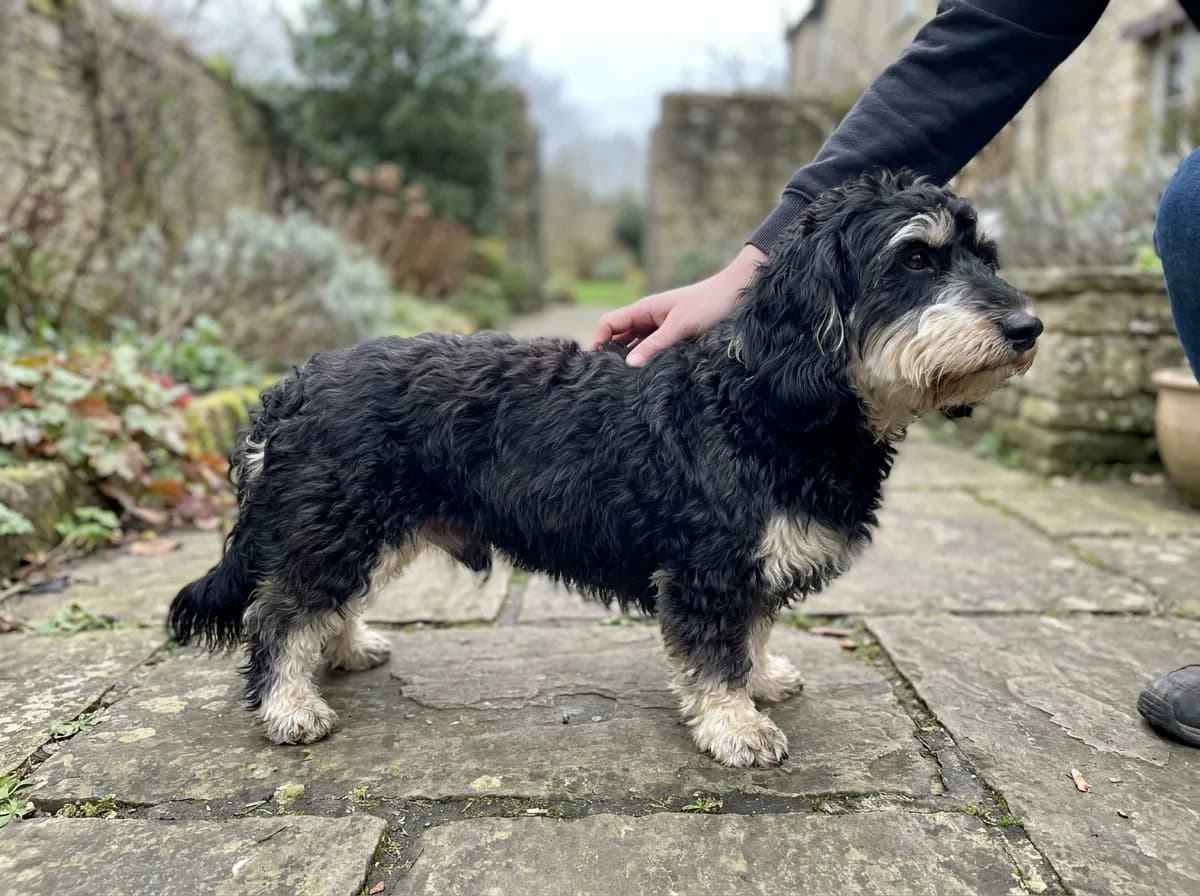
Appearance alone does not establish ancestry or predict adult size.
Petful is reader supported. As an affiliate of platforms like Amazon and Chewy, we may earn a commission when you buy through links on this page. There is no extra cost to you.
A Doxiepoo full grown can vary substantially because both Dachshunds and Poodles come in different sizes and the cross has no official size standard. Vetstreet lists a general 10–30-pound range, while individual dogs may fall outside it. Ask about the actual parents and follow the puppy's growth with your veterinarian instead of treating mini, toy, or teacup as a guarantee.
Adult weight is only part of the picture. Body length, chest shape, leg proportions, and coat can change how a dog looks and how equipment fits. This guide helps you interpret the available evidence and build a useful growth record without promising an exact future size.

Sign up for expert-backed reviews and safety alerts all in one place.
How big is a Doxiepoo full grown?
- 1Doxiepoo size depends on the particular Dachshund and Poodle ancestry, not a standardized mix category.
- 2Mini and teacup labels need an explanation supported by records.
- 3Use actual measurements for equipment and veterinary advice for healthy growth.
An adult Doxiepoo is often described as a small dog, but published ranges are not fixed boundaries. Vetstreet's Doxiepoo profile lists 10–30 pounds and variable height. Adopt a Pet describes different expectations depending on the Poodle parent. Neither reference can predict a particular puppy without its family history and individual development.
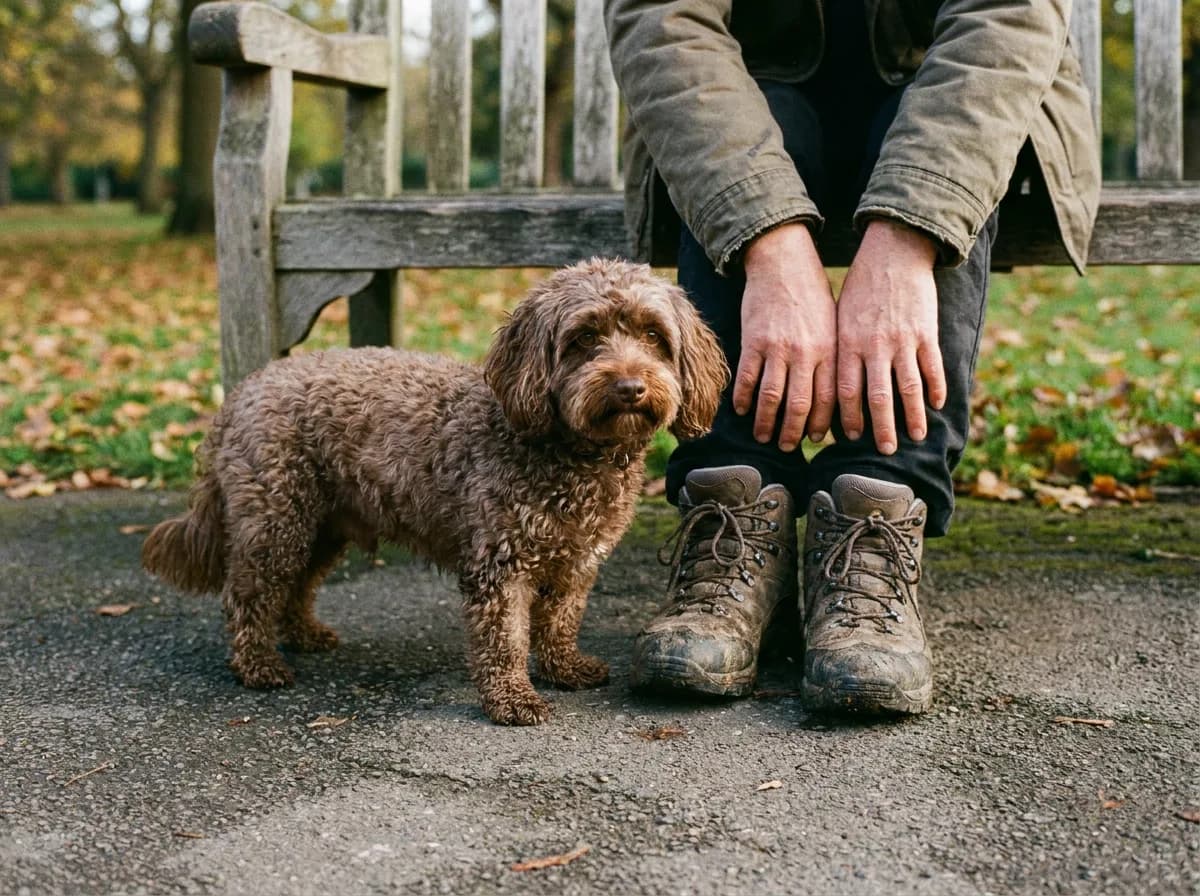
Think of a range as a starting question: does the available parent information make this expectation plausible? If the seller cannot identify the Poodle size, does not have mature parent measurements, or uses the same estimate for every litter, confidence should be lower. A precise number is not automatically a better prediction than an honestly explained range.
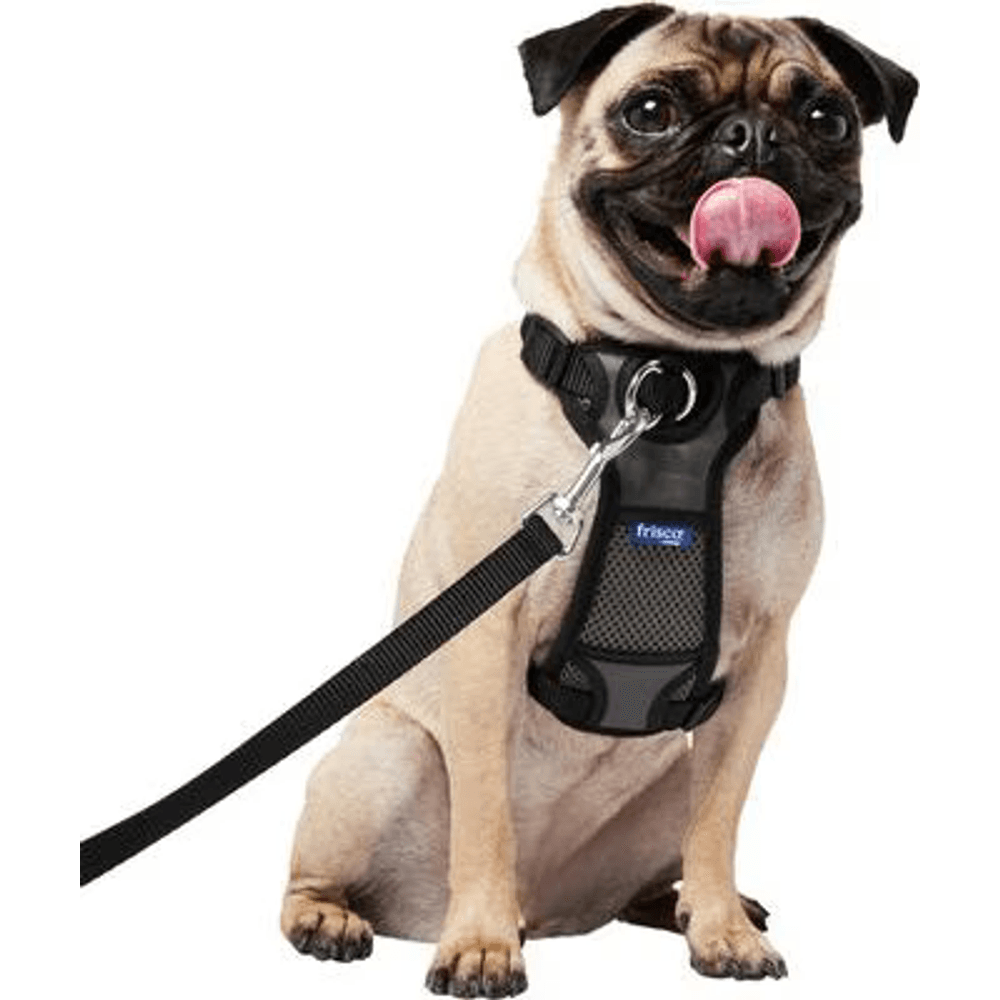
A budget-friendly padded no-pull harness that keeps leash pressure off a coughing dog's neck and windpipe by distributing it across the chest. A simple, affordable way to protect an irritated airway or a collapsing trachea on every walk.
Petful may earn a commission when you click through to Chewy, at no extra cost to you.
| Evidence | Best use | Limit |
|---|---|---|
| Actual adult measurements | Choose equipment and assess present size | Weight still needs body-condition context |
| Parent measurements | Understand the family's range | Puppies are not simple averages |
| Dated puppy growth record | Follow a trend with the veterinary team | A trend is not a guaranteed final weight |
| Mini or toy listing label | Ask what the seller means | No official Doxiepoo category is established |
A long torso can make a Doxiepoo need a different carrier or coat than another dog of the same weight. A deep chest can alter harness fit, and short legs may change where straps sit. Measure the features relevant to the equipment rather than choosing by the general small-dog label. Recheck comfort while the dog stands, walks, and turns.
For example, the Frisco padded harness in Small is suitable only if its current size guide and fit instructions match the dog. Do not force a long-bodied dog into a harness because the listed weight range appears right. WebVet's harness versus collar guide explains the equipment choice; fitting still requires individual measurements.
Miniature, toy, and standard parent combinations
A mini Doxiepoo full grown has no guaranteed size based on that label alone. Ask for actual parent measurements and assess the individual dog.
Dachshund and Poodle size descriptions refer to the parent breeds, not standardized Doxiepoo offspring. The AKC Dachshund profile describes two Dachshund sizes, while Poodles have established size varieties. Ask which parents were actually involved and whether their identities and measurements are documented. A mix's marketing name does not supply that information.
A small Dachshund crossed with a Toy Poodle may lead someone to expect a smaller adult than a cross involving larger parents. That is a reasonable question to investigate, not a precise formula. Genetics and family variation mean an estimate should remain a range. Littermates can differ, and later-generation crosses add more uncertainty if the family records are incomplete.
What mini Doxiepoo should mean in a conversation
Ask the seller to translate “mini” into evidence: which parent is miniature, what are the mature measurements, and what have related adult dogs weighed? Record the answer without treating it as a warranty. If the response is only that the puppy is currently tiny, you still do not have an adult-size estimate supported by family information.
- Confirm the parents' breeds or known mix histories.
- Ask for adult weights, not weights from when the parents were puppies.
- Ask whether the dogs were at a healthy body condition when measured.
- Request reliable information from mature relatives when available.
- Keep uncertainty visible if age or ancestry is estimated.
Toy and teacup labels
Toy may refer to a Poodle parent, but a “toy Doxiepoo” listing does not automatically prove that parentage. Teacup is not an official Doxiepoo size standard. Ask the same questions about records and welfare regardless of the label. Do not accept advice to underfeed a puppy to maintain a tiny appearance, or assume a very small puppy is healthier because it commands a premium.
Petful may earn a commission when you click through to Chewy, at no extra cost to you.
If a predictable adult size is essential for housing, transport, or your handling abilities, consider a mature dog whose dimensions are already known. That approach replaces prediction with direct measurement. A rescue may still be uncertain about ancestry, but it can often provide practical information about the adult dog's size, behavior, and care needs.
When is a Doxiepoo finished growing?
There is no validated growth chart covering every Doxiepoo parent combination. Many smaller dogs approach adult height within their first year, but body shape and muscle can continue developing, and larger ancestry can alter the timetable. Your veterinarian can interpret the individual puppy's age, growth trend, diet, and body condition more usefully than a fixed online multiplier.
Use consistent records. Note the date, weight, unit, and any relevant health or feeding change. A home estimate and a veterinary scale measurement may differ, so record where the figure came from. Ask the practice how often measurement is useful for your puppy. More frequent weighing is not automatically better if it creates concern over ordinary short-term variation.
Growth is not the same as body fat
An adult dog can gain weight without growing taller or longer. That is why a breed-weight range alone cannot establish healthy condition. A dog above a published range may have a larger frame, excess body fat, or another issue requiring assessment. A dog within the range can still be underweight or overweight for its individual build.
Feed for appropriate development, not a target from a seller's advertisement. WebVet explains complete and balanced dog food and the importance of life-stage suitability. Your veterinarian can help with portions and body condition. Count training rewards and other extras within the feeding plan rather than assuming a small dog can absorb unlimited treats.
Growth calculators and puppy photographs
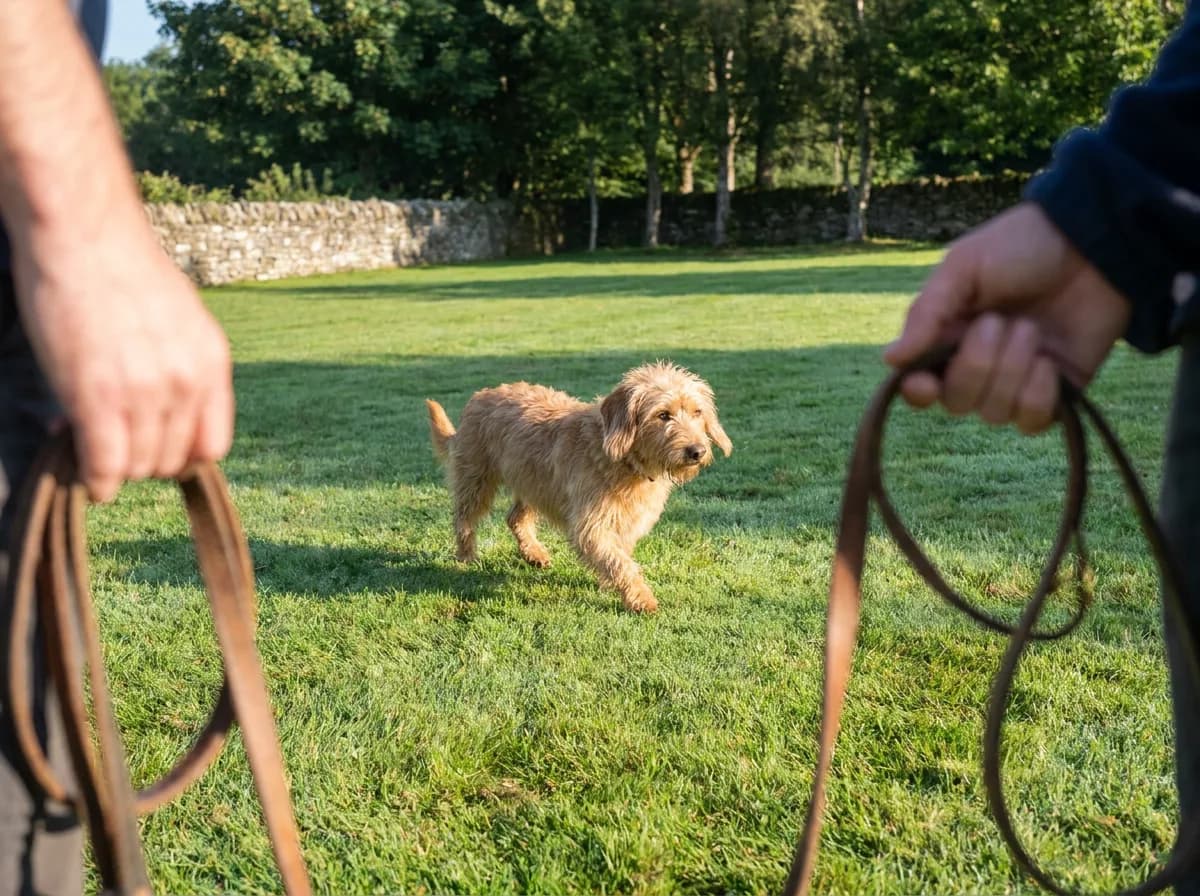
A calculator may use an age and weight to estimate an adult figure, but it cannot resolve uncertain ancestry, an incorrect age, illness, or differences in development. Treat the result as an approximation with limits. Do not use it as the only basis for an expensive purchase, a travel booking, or a housing commitment that depends on exact size.
Puppy photographs are even less precise. Camera position, fur, surroundings, and posture change perceived proportions. A tiny puppy photographed beside an object may look smaller or larger depending on perspective. Ask for actual measurements and records instead of trying to calculate adult weight from paw size, ear length, or an appealing image.
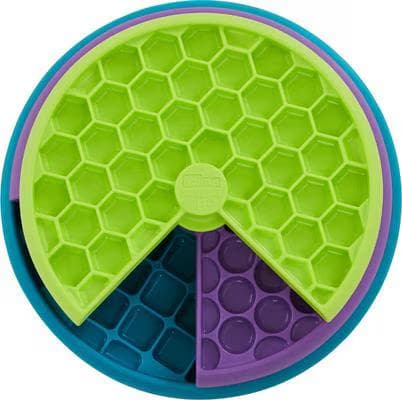
For enrichment during growth, a Nina Ottosson Lickin' Layers puzzle can use part of a measured meal when the size and difficulty suit the puppy. Supervise use and remove damaged toys. This is an optional activity; it should not become an extra feeding allowance that distorts the growth plan.
Petful may earn a commission when you click through to Chewy, at no extra cost to you.
What adult coats and proportions can look like
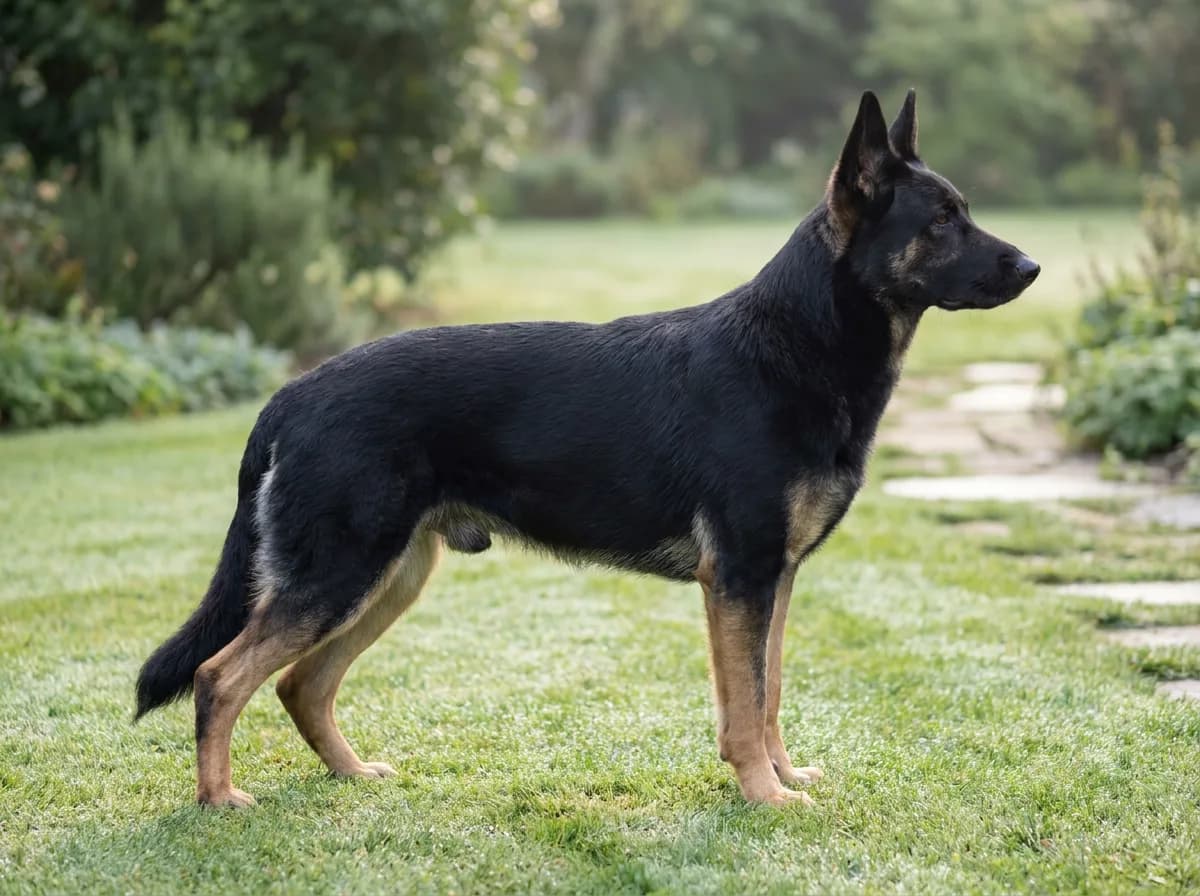
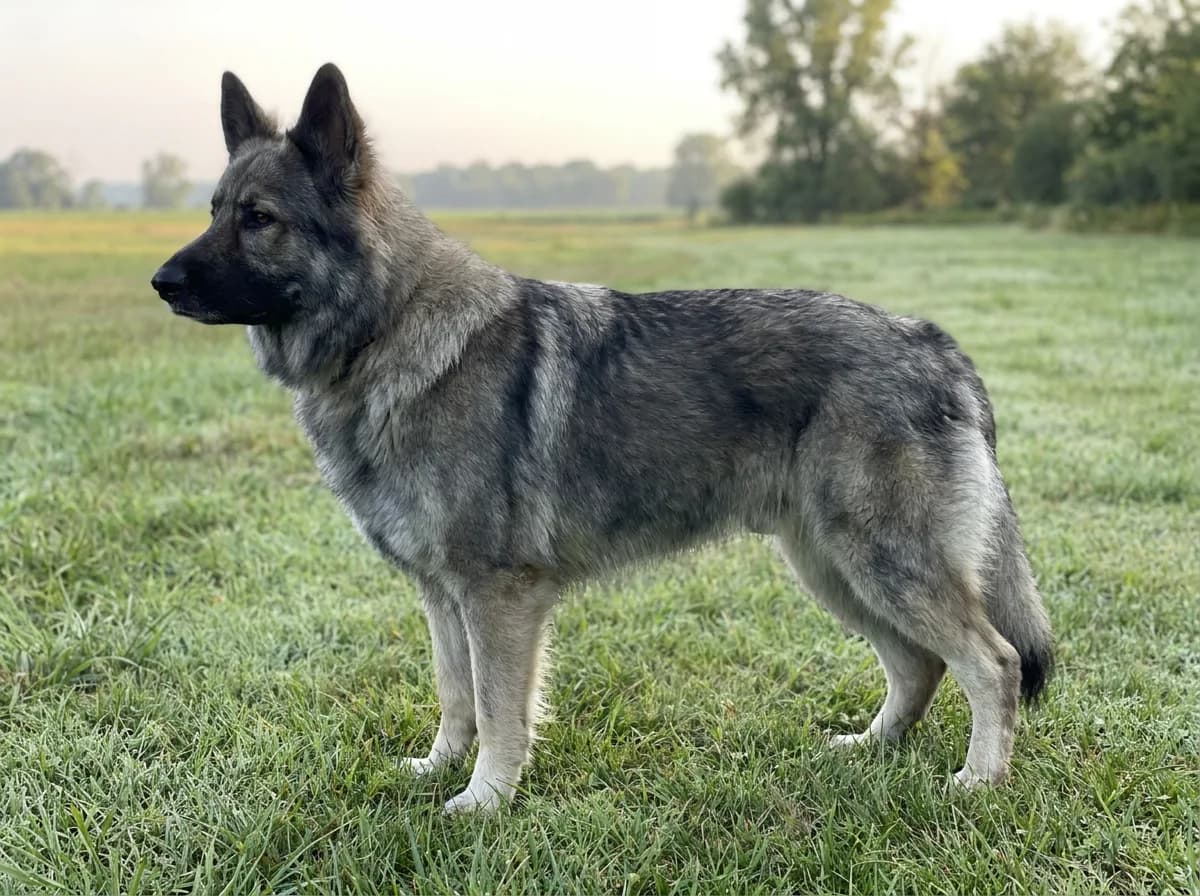
An adult Doxiepoo can have different leg lengths, torso shape, ears, and coat from its littermates or parents. Curls, waves, shaggy hair, and shorter coats can all change the visible outline. A long-haired or curly dog may look heavier than a short-coated dog with similar measurements. These differences are useful to observe, but they do not authenticate ancestry or establish health by appearance alone.
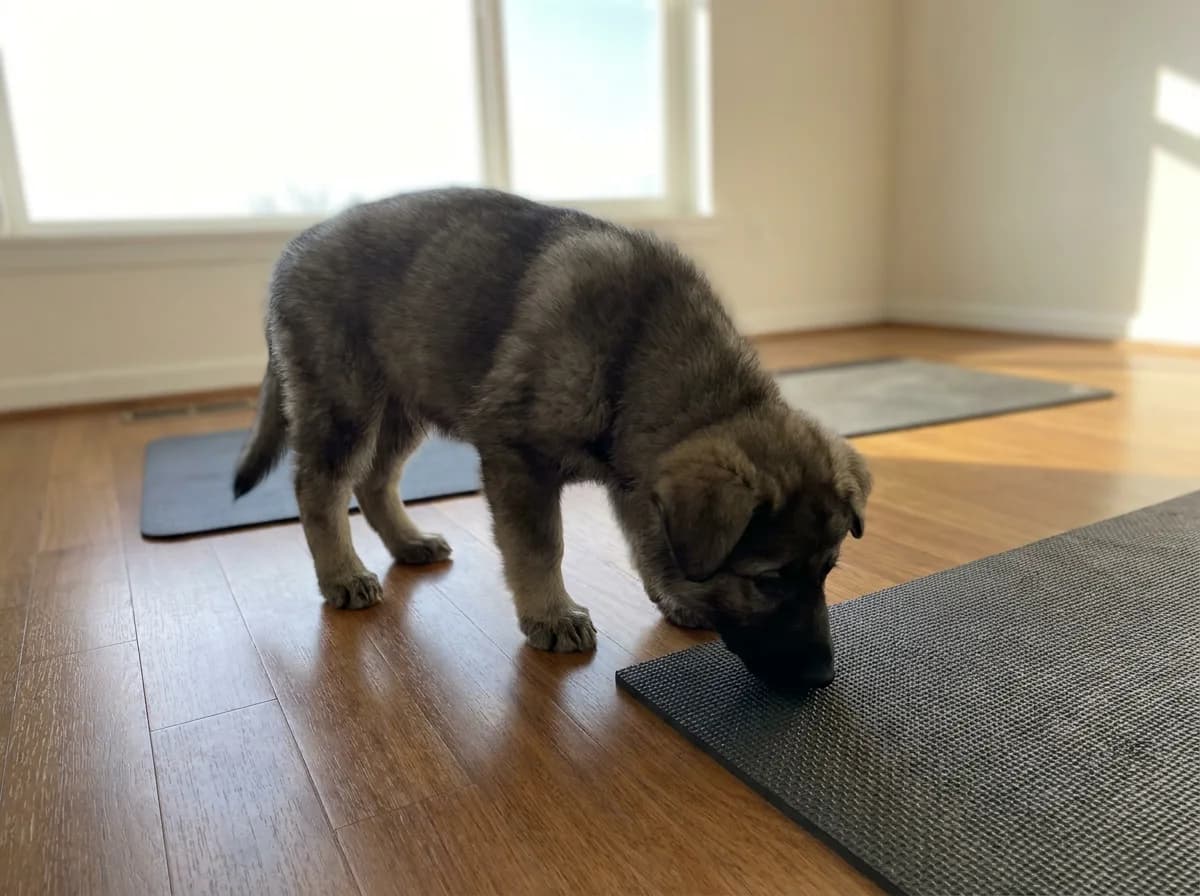
- Use a growth record and parent measurements when assessing size. The generated illustrations in this guide show possible visual variation; they are not documented before-and-after photographs or proof of any dog's weight.
Black, brown, cream, white, apricot, tan, and mixed markings may appear in dogs described as Doxiepoos. Dapple is the Dachshund term for merle: a pattern of irregular lighter areas against a darker base, as described in the breed standard. Ask the seller for appropriate family information rather than inferring ancestry from the pattern. Do not choose primarily for a rare-color claim or assume color predicts size. A dog described as golden is not necessarily a Golden Retriever mix, and the label alone should not be used to infer extra ancestry.
Coat length can hide the body
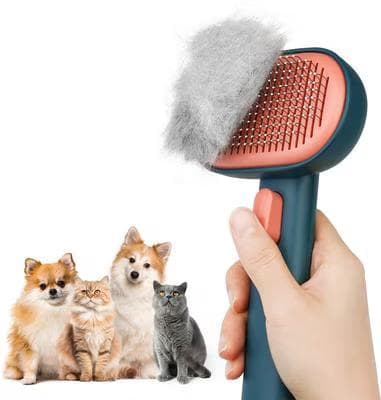
Use hands-on assessment, with appropriate professional guidance, rather than photographs to judge body condition under a thick coat. A slicker brush may help maintain some longer coats when the technique suits the dog, but brushing is not a diagnostic method. Do not pull through mats to reveal the outline. Ask a groomer for a comfortable plan if the coat is difficult to manage.
A haircut can make legs, chest, or waist more visible without changing skeletal size. Compare measurements taken at the same body landmarks if you want to track growth. Avoid treating a tidy post-grooming silhouette as a weight-loss result. It is also misleading to call two different dogs a puppy-and-adult comparison simply because their colors resemble one another.
Measure the individual dog before buying equipment
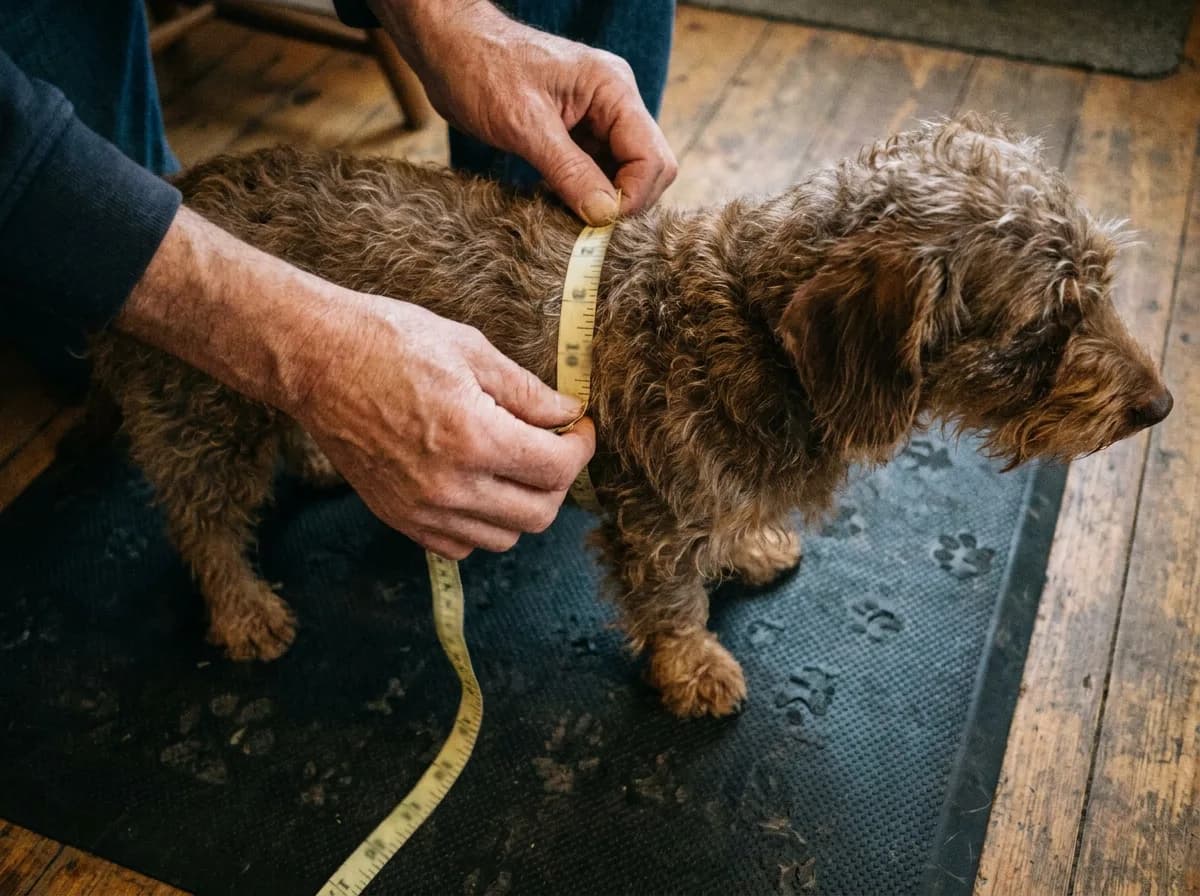
For a Doxiepoo, measure the individual dog's chest, length, and other dimensions required by the item you are choosing. Then follow the manufacturer's fit instructions and test comfort during normal movement. Weight limits and dimensions answer different questions; meeting one does not guarantee meeting the other. A long body can make that distinction especially important for carriers and clothing.
Petful may earn a commission when you click through to Chewy, at no extra cost to you.
Keep the dog relaxed on a nonslip surface. Introduce the tape without restraining tightly, reward cooperation, and stop if the dog becomes uncomfortable. A groomer or veterinary team can help if you cannot obtain a calm measurement. Record the landmarks you used so later measurements are comparable rather than a new method each time.
- Read the product's measuring instructions before taking measurements.
- Measure with a soft tape without compressing skin or fur.
- Record chest girth, body length, or neck size exactly as required.
- Compare with the current size chart, including weight limits where applicable.
- Check movement, strap position, rubbing, and escape risk after fitting.
The EliteField padded reflective harness in Small is another product to assess against actual measurements. It is not a universal Doxiepoo recommendation. During growth, reassess the fit frequently and replace equipment when adjustment no longer works. Leaving a puppy in an oversized adult item to save a later purchase can create an escape or rubbing problem now.
Beds, barriers, and household space
Observe how the dog rests before choosing a bed: curled tightly, stretched out, or with the body supported along an edge. Make sure access is comfortable for the individual's proportions and health. Do not assume a long-bodied dog needs a particular accessory without observing how it moves and asking for veterinary advice when relevant.
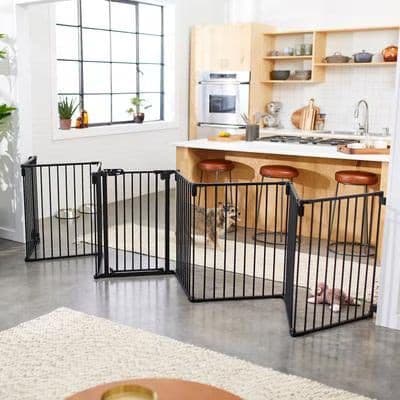
A configurable gate and playpen may help manage a room, but check openings and stability for the dog's current size. Keep the setup free from climbing aids and supervise introduction. Body length or short legs do not make escape impossible. Equipment selection should respond to the dog, not a cartoon version of the breed mix.
Temperament and daily care
- A Doxiepoo puppy is a Dachshund–Poodle mix whose individual behavior and care needs are still developing. Knowing what the mix is provides context, but does not guarantee a particular personality. Use the main breed guide to assess the family routine, training, handling, and health questions alongside the specific choice covered here.
Adult size does not settle temperament, exercise, training, or family compatibility. Our complete Doxiepoo guide explains Dachshund Poodle mix personality, health and lifespan questions, barking, children, cats, and daily routines. Use those practical considerations with actual observations when deciding whether a puppy or adult is right for your household.
Grooming different coat types
A curly, wavy, long, or shorter coat changes both appearance and grooming needs. Doxiepoo haircuts, shedding, brushing, bathing, and hypoallergenic claims deserve a coat-specific assessment. The Doxiepoo grooming guide explains how to choose a practical trim and communicate with a groomer instead of using one style as a template for every dog.
Buying or adopting a Doxiepoo
Mini and teacup price premiums do not establish a guaranteed adult size. Before responding to Doxiepoo puppies for sale, compare breeder records and written terms, or ask a rescue about the individual adult's needs. The Doxiepoo price guide separates puppy cost and adoption fees from equipment, grooming, veterinary care, and other ongoing expenses.
A growth record that is useful to your vet
A useful growth record contains dates, consistent measurements, feeding information, and relevant changes in health or behavior. Add parent measurements when they are known, clearly marking estimates and unknowns. This gives your veterinarian a practical history rather than a collection of predictions. The record should help answer whether development is appropriate, not prove that the puppy matched a marketing claim.
Keep observations factual. “Weight unchanged at two scheduled checks” or “appetite reduced since Tuesday” is more useful than deciding the puppy has stopped growing because it appears smaller than a littermate. Bring medication and supplement information as well. If the puppy is unwell, losing weight, or showing other concerning signs, seek advice rather than waiting to complete a longer record.
| Record field | Example of useful detail |
|---|---|
| Date and age | Date measured; confirmed or estimated birth date |
| Weight and source | Number, unit, and scale used |
| Feeding | Food, measured amount, treats, and recent changes |
| Health observations | Appetite, stool changes, energy, movement |
| Family context | Known parent measurements and uncertainty |
Once your Doxiepoo is adult, continue checking weight and body condition at the interval your veterinarian recommends. Unexpected gain or loss should not be dismissed because the dog still falls inside a published breed range. The most useful comparison is with the individual's own healthy baseline, interpreted alongside examination and daily function.
Frequently asked questions
How big a mini Doxiepoo gets depends on the actual family and individual, not the mini label. Mini Doxiepoo is not a standardized size category, so ask which Dachshund and Poodle parents were involved and what they measure as adults. Published estimates are only context. The individual puppy's growth record and veterinary assessment provide more useful guidance than the label alone. If size must be predictable, consider an adult dog that can be measured directly.
No official Doxiepoo size standard defines teacup as a category. The term is generally a seller's description and should prompt questions about actual parent measurements, the puppy's age, and health records. It does not prove superior quality or guarantee a maximum adult weight. Do not compromise appropriate feeding or welfare to pursue an unusually tiny appearance.
Yes. Littermates can inherit different combinations of traits and develop different adult proportions and weights. An early size ranking does not guarantee the same ranking at maturity. Ask about the individual puppy's records and known adult relatives, and fit equipment to each dog rather than assuming siblings will be identical.
No. A calculator cannot account for every combination of ancestry, age accuracy, health, and individual development. Its result is an estimate based on a simplified method. Discuss the actual growth trend with your veterinarian, and avoid making an exact-size commitment solely from a predicted adult number.
No. Curly hair does not identify whether the Poodle parent was Toy, Miniature, or Standard. Coat texture and adult dimensions are different traits, so a very curly puppy can still have an uncertain size outcome. Ask for family records and measurements.
An adult Doxiepoo should gain weight only when that is appropriate for its health and body condition, as assessed with veterinary guidance. A published breed range is not a feeding target. Unplanned gain can reflect excess energy intake or another concern, while loss may also need assessment. Use the individual dog's healthy baseline and examination rather than trying to reach a generic number.
A Doxiepoo dog may get to around 10–30 pounds according to Vetstreet's general range, but individuals can fall outside that estimate. Parent sizes, family history, and the puppy's development matter. Height and body length can differ even at the same weight. Measure an adult directly and treat puppy predictions as ranges rather than guarantees tied to mini or teacup labels.

Coreen Saito is a pet writer and longtime shelter volunteer with more than a decade in animal rescue. She covers cat behavior, breed care, and the small, ordinary science of sharing a life with companion animals, with a particular focus on honest takes about the products and decisions that actually matter. At home in Arizona, she's outranked by Mac (a dog with the loudest opinion in the house), Rebel (a cat who governs by quiet authority), and Meri (an orange tabby who runs the late shift and the laundry basket). She writes about all three, plus the rescues that keep coming through her life, at LifeWithMinty.com.
Sign up for expert-backed reviews and safety alerts all in one place.