Doxiepoo Haircuts: Grooming Different Coats Safely
Doxiepoo coats need individual grooming plans. Compare practical haircut options, understand shedding and matting, and prepare clear instructions for a coat-appropriate salon visit.
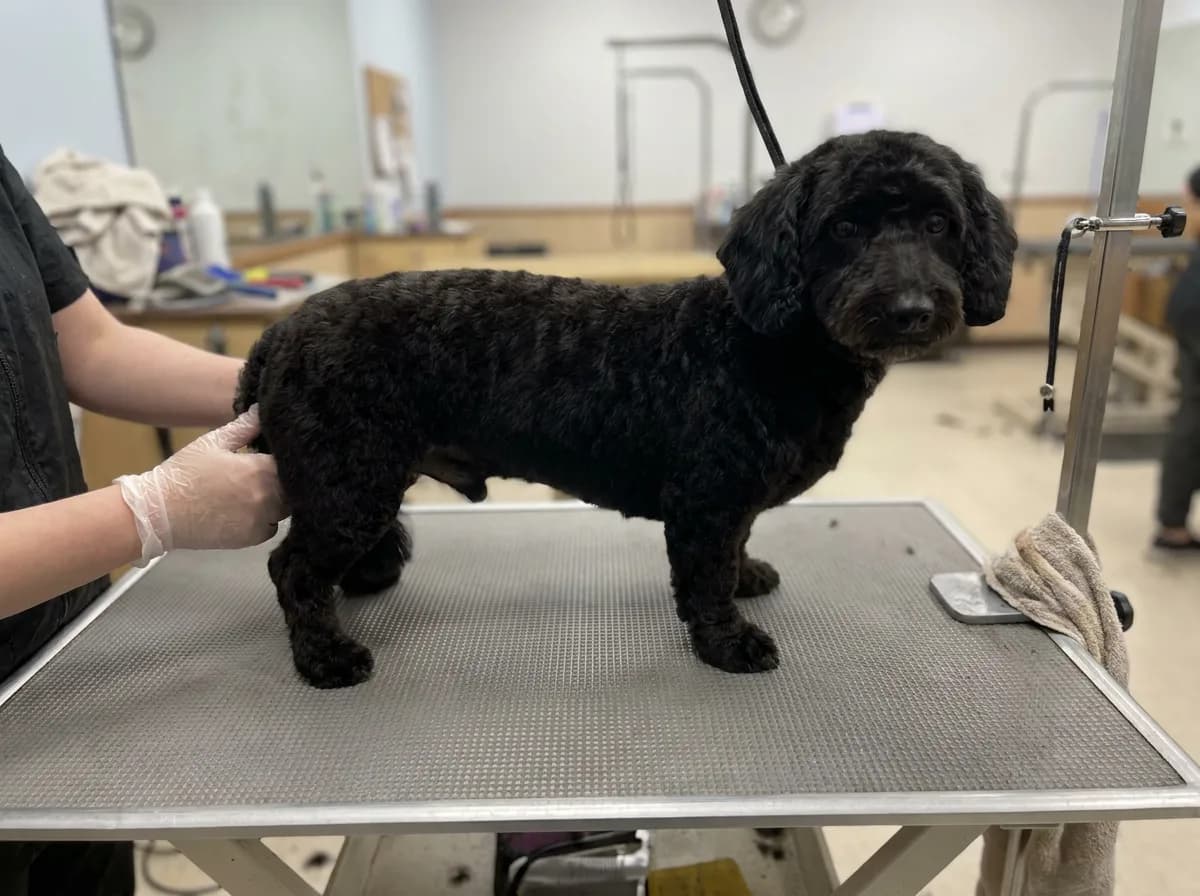
Appearance alone does not establish ancestry or predict adult size.
Petful is reader supported. As an affiliate of platforms like Amazon and Chewy, we may earn a commission when you buy through links on this page. There is no extra cost to you.
Doxiepoo haircuts should follow the coat the dog actually has. A curly Dachshund–Poodle mix may suit a manageable short clip, a wavy dog may need careful shaping, and a short or wirier coat may require a different approach. Poodle ancestry alone does not tell a groomer which technique to use. Start with a coat and skin assessment, then agree on a practical style.
The aim is comfortable maintenance between appointments. A look that photographs well but mats quickly or requires handling the dog cannot tolerate is not a good plan. Use this guide to describe what you want, understand the tradeoffs, and prepare a coat-specific groomer brief.

Sign up for expert-backed reviews and safety alerts all in one place.
Choose Doxiepoo haircuts by coat type
- 1Curly, wavy, shaggy, short, and wirier Doxiepoo coats do not share one haircut rule.
- 2Choose a style that you can maintain comfortably and ask a groomer to assess the coat first.
- 3Low shedding and a short haircut do not make a dog reliably hypoallergenic.
A long-haired Doxiepoo may need a different style from a short-coated individual. Choose Doxiepoo haircuts for this Dachshund–Poodle mix after looking at texture, density, tangling, skin condition, and the dog's response to grooming. The AKC Dachshund profile describes three parent-breed coat types, while Poodles contribute another set of possibilities. A mixed-breed name cannot replace an assessment of the actual hair. Two littermates may need different routines.
Vetstreet's Doxiepoo guide describes the uncertainty in this cross, including grooming needs. Treat a generic Doodle haircut photograph as a starting conversation rather than an instruction to reproduce the same shape. The dog in the reference may have a different coat, head, leg length, or body proportions from yours.
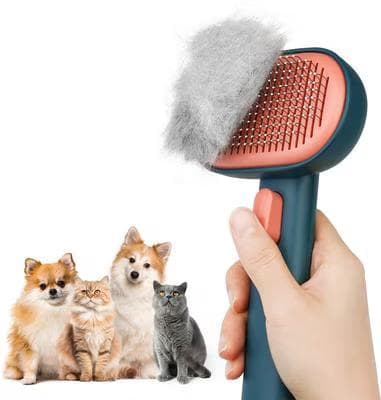
Petful may earn a commission when you click through to Chewy, at no extra cost to you.
| Coat you observe | Starting conversation | Avoid assuming |
|---|---|---|
| Dense curls | A manageable clip and thorough tangle checks | Curls mean no shedding or no brushing |
| Loose waves or shaggy hair | Shape, length, and care at friction points | Every section needs the same finish |
| Shorter close-lying coat | Appropriate brushing and limited tidy-up needs | A full clip is automatically necessary |
| Wirier texture | A groomer's assessment of coat-appropriate technique | Copying a curly-coat routine will work |
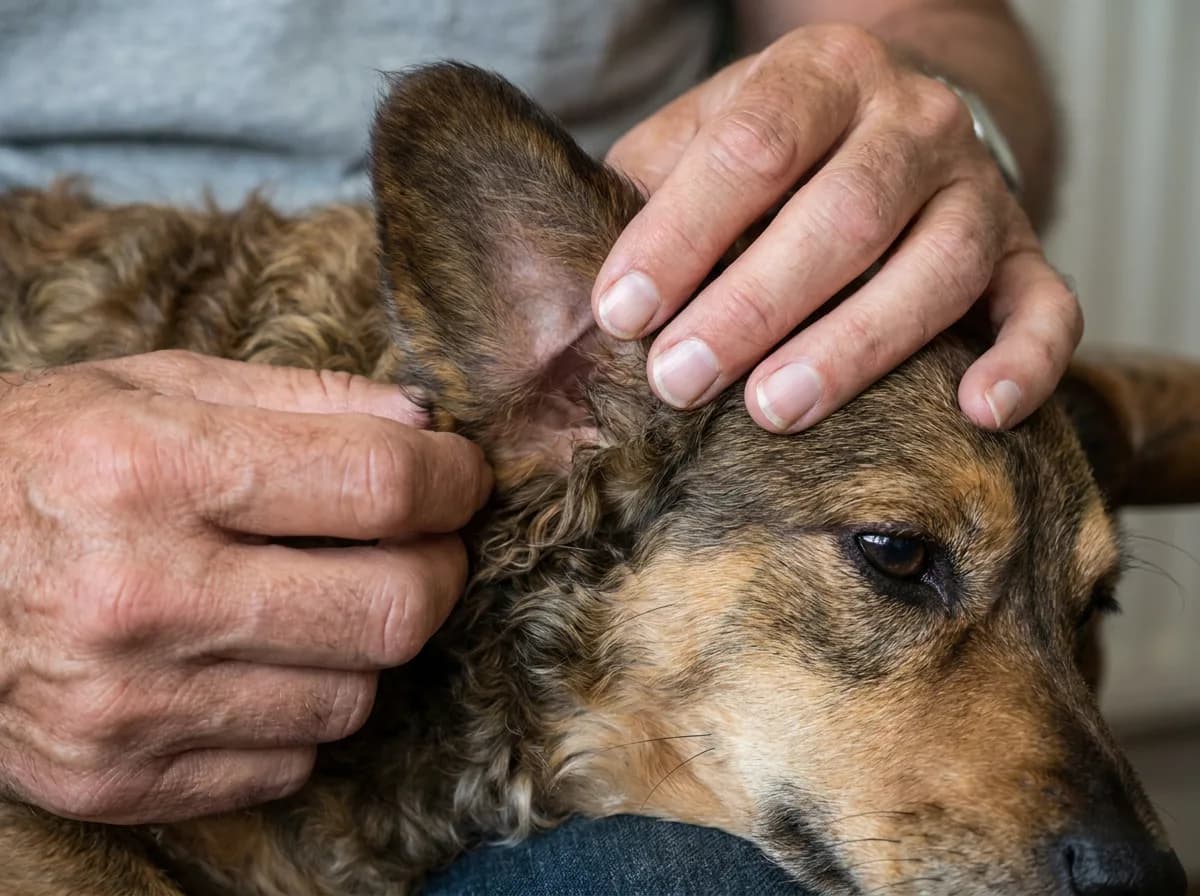
Make the first coat-specific groomer brief factual: the dog tangles behind the ears, dislikes paw handling, collects debris on the legs, or stays wet around the mouth. Add a skin check before discussing style. Redness, sores, a strong odor, or persistent discomfort should be addressed by a veterinarian where appropriate, not hidden under a cosmetic trim.
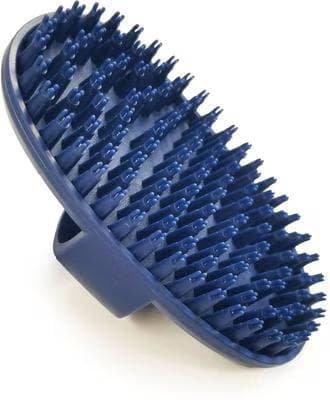
A self-cleaning slicker brush may be useful for some longer coats when used gently, but it is not a universal Doxiepoo tool. Ask a groomer to show you pressure and technique. A short coat or sensitive skin may need a different approach, and a brush that repeatedly catches is telling you to stop and reassess rather than pull harder.
Ask what the style name means
Puppy cut and teddy bear cut are informal descriptions, not precise measurements. Agree separately on body length, legs, face, ears, feet, and tail. A rounded face can be paired with different body lengths, and a practical short body can still leave ear hair that needs careful upkeep. Explain the maintenance you can provide between visits before choosing a fuller look.
- Bring a clear reference with a similar coat when possible.
- Say which features you like rather than demanding an exact copy.
- Ask what the current coat condition allows safely.
- Discuss handling sensitivities and any relevant medical advice.
- Leave with a clear home-care routine and follow-up plan.
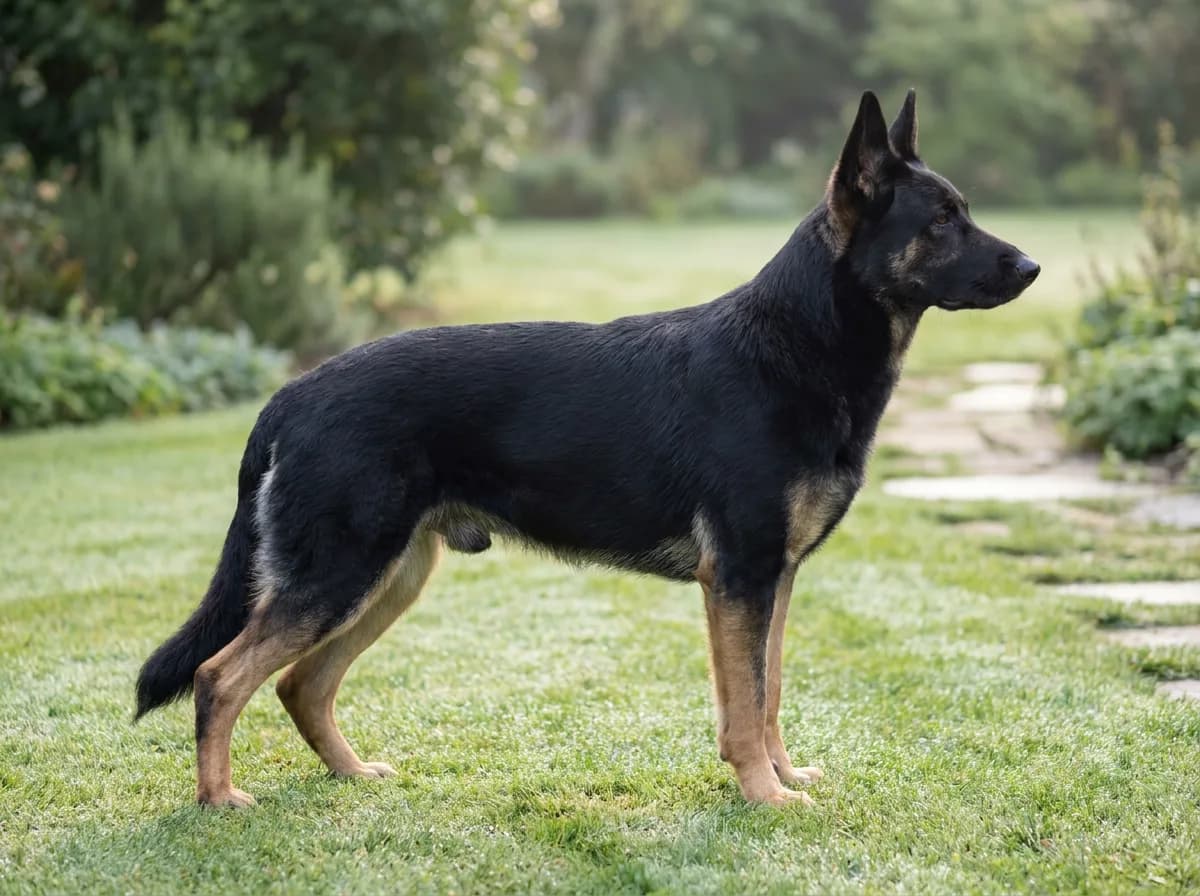
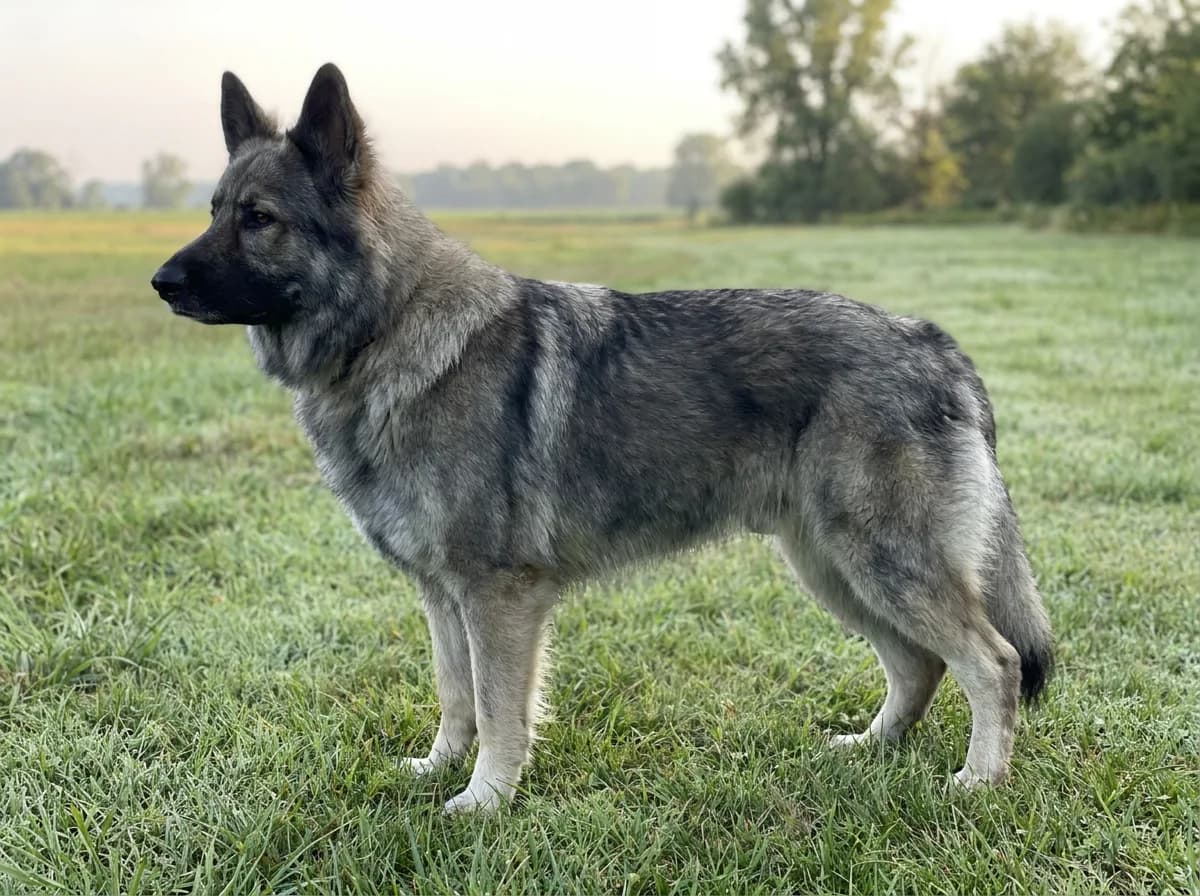
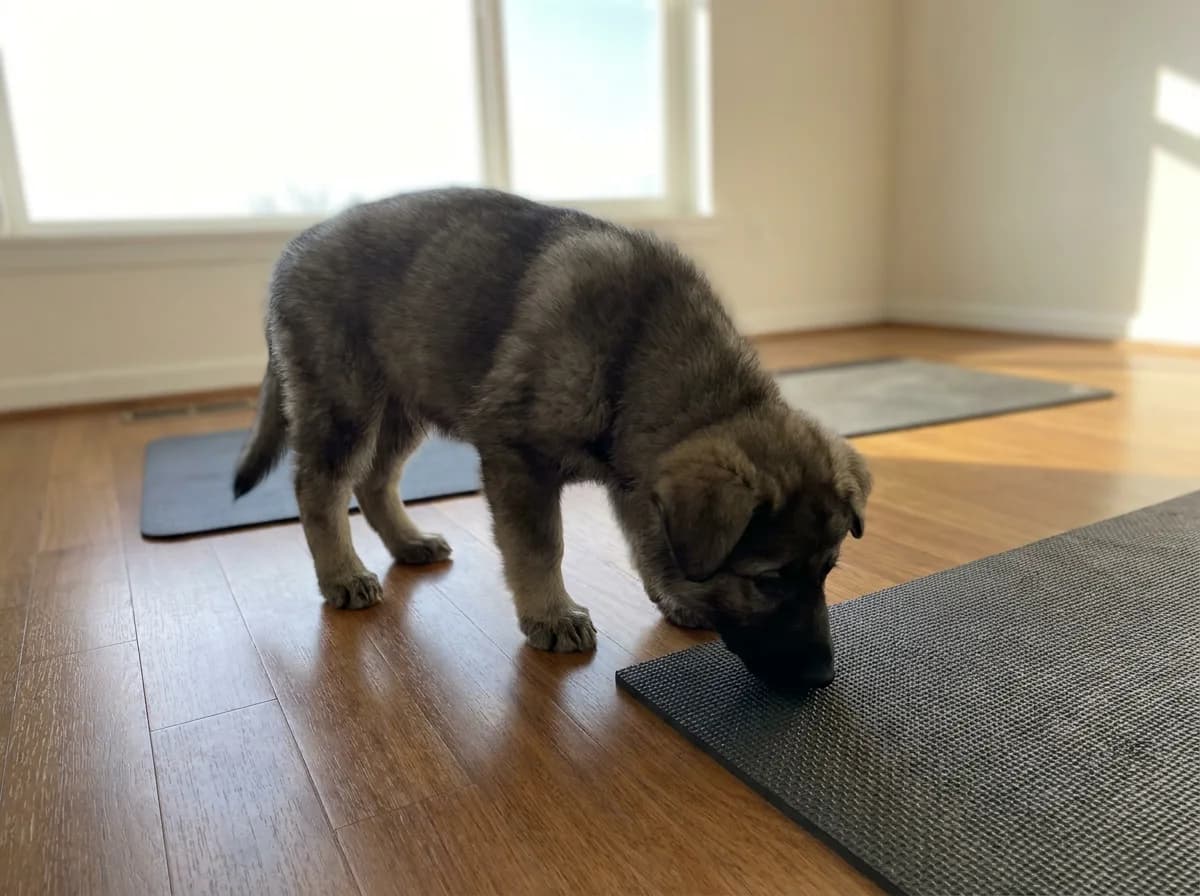
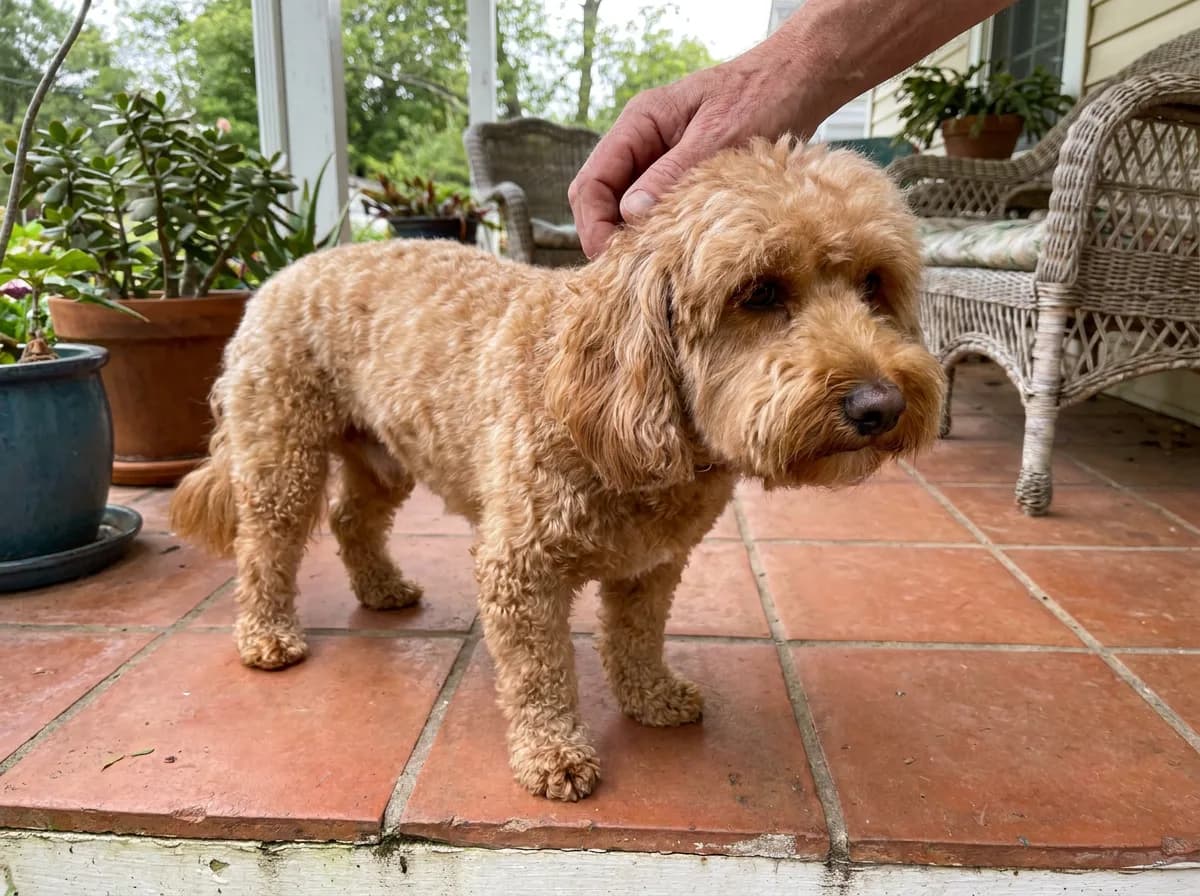
The generated illustrations here show possible grooming directions. They are not documented salon before-and-after photographs, proof of ancestry, or evidence that every Doxiepoo can achieve the same result. Use them to describe shape and practicality, then let the professional adapt the plan to your individual dog.
Curly coats: a short manageable clip
A curly Doxiepoo coat may be easier to maintain at a practical shorter length, but the finished length should be agreed with the groomer. A clip does not remove the need for brushing, checking hidden tangles, and monitoring skin. The right compromise depends on how quickly the coat knots, how the dog responds to handling, and how much maintenance you can provide.
A short puppy-style clip can create a tidy outline without trying to mimic a show Poodle. Decide whether the legs stay slightly fuller and whether the face needs extra tidying for visibility and eating. If a reference uses a dog with dense hair, ask how the same length will look on a finer coat. Texture can change the result even when the grooming instructions sound identical.
Petful may earn a commission when you click through to Chewy, at no extra cost to you.
Check beyond the surface
Curls can hide tangles close to the skin. A coat that feels soft on top is not necessarily clear underneath. Ask your groomer to demonstrate how to work through small sections and check with an appropriate comb without pulling. Pay particular attention to areas affected by movement and friction, including behind the ears and where equipment touches the coat.
Do not force a comb through a tight knot or keep brushing until the dog gives up resisting. Discomfort is a reason to change the plan. A professional may recommend clipping a matted section or shortening the overall style. Preserving a fluffy outline should not take priority over the dog's skin and tolerance.
Plan the face and feet
A soft rounded face may suit some curly coats, but keep the eyes clear and discuss moisture around the mouth. Hair shape should not conceal discharge or skin irritation. Likewise, tidy feet can be practical for outdoor activity, but trimming between pads and around nails requires appropriate skill and a dog that can remain comfortable during handling.
A small-dog nail clipper may fit a cooperative home routine after a professional demonstration. The safety of the task depends on technique and the individual nail, not only the product size. If the dog pulls away repeatedly or you cannot judge the cut, use a groomer or veterinary team instead of trying to finish through restraint.
Wavy and shaggy coats: shape without guesswork
A wavy or shaggy Doxiepoo may need a different balance of trimming and brushing from a densely curly dog. Some owners prefer a natural outline with tidier feet and face; others need a shorter overall coat to reduce tangling. Ask the groomer to explain how the hair behaves and which areas will require more maintenance, rather than choosing only from a style name.
Longer ear hair, chest feathering, and leg hair can collect water or outdoor debris. A shorter body does not make those sections maintenance-free. Discuss the practical problem you want to solve: drying after wet walks, removing plant material, keeping the eyes clear, or making daily checks easier. An outcome-based conversation can produce a better style than trying to copy another dog's silhouette.
A tidy natural finish
A natural-looking trim still involves choices. Agree on how much length to preserve, which areas need shortening, and how the dog should look after normal movement rather than a posed salon photograph. Ask whether the chosen outline will be realistic between appointments. If the coat becomes difficult to maintain after a week or two, bring that information back to the groomer.
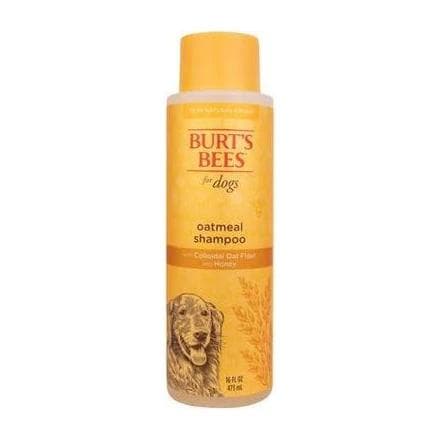
The tools and bathing routine should match the coat and skin. Burt's Bees oatmeal dog shampoo is one dog-grooming option. Follow the label and choose according to the individual dog; do not treat a grooming shampoo as a prescription for unexplained itching, odor, or skin disease.
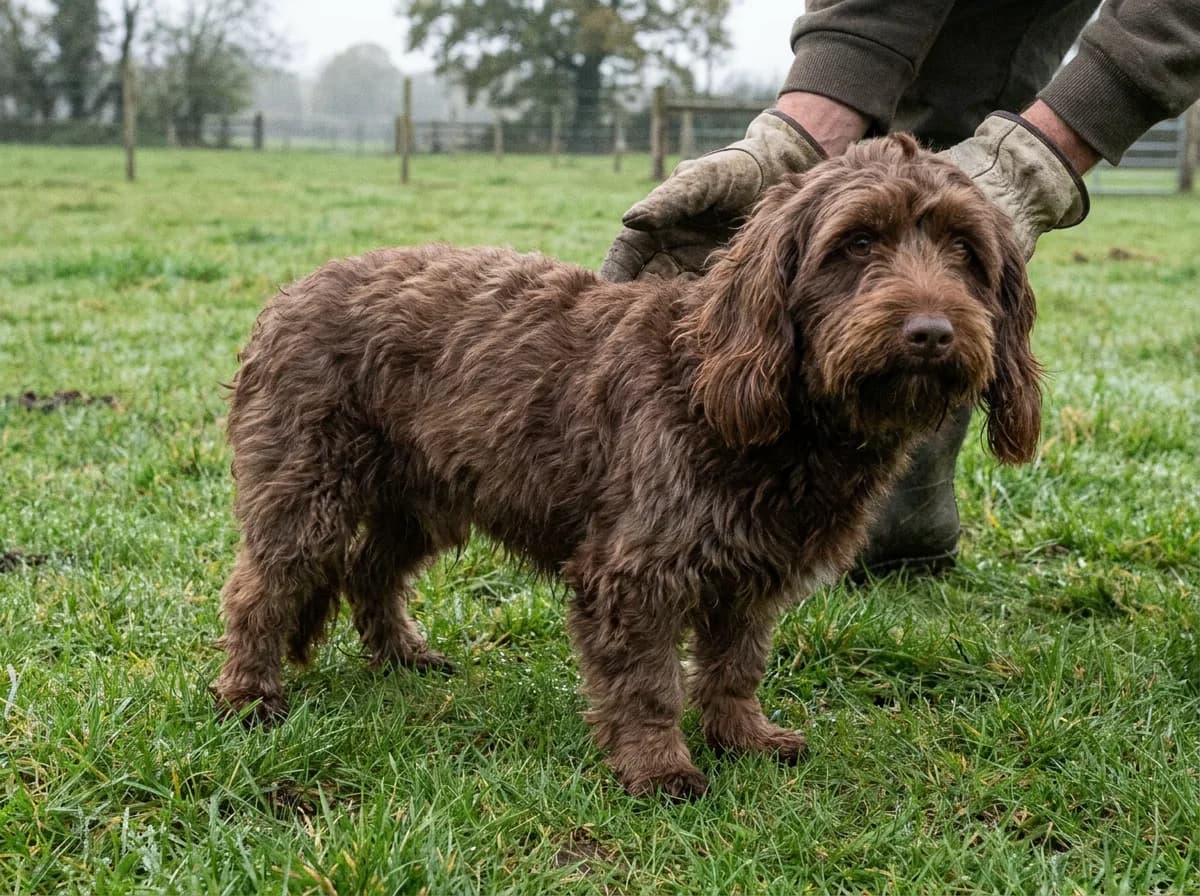
Longer ears and tail
Keeping ears and tail longer can preserve a shaggy look while the body is easier to care for. It also concentrates work in those longer sections. Check gently for knots and debris, and ask how to dry the hair after it gets wet. Do not reach into the ear canal or remove ear hair simply because an online grooming routine recommends it for all Doodles.
If the dog repeatedly resists handling in one area, mention it to the groomer and veterinarian as appropriate. Pain, irritation, and fear can look like stubbornness. Adapting the style or handling approach is more useful than assuming the dog must learn to tolerate any procedure. Short, successful care sessions help build a routine the dog can manage.
Petful may earn a commission when you click through to Chewy, at no extra cost to you.
Short or wiry coats need a different plan
A shorter or wirier Doxiepoo coat should be assessed on its own terms. It may not need the same all-over clip used for a dense curly coat, and a particular technique should not be chosen merely because one parent was a Poodle. Ask a groomer familiar with different textures what maintenance is appropriate and what effect a proposed trim may have on the finish.
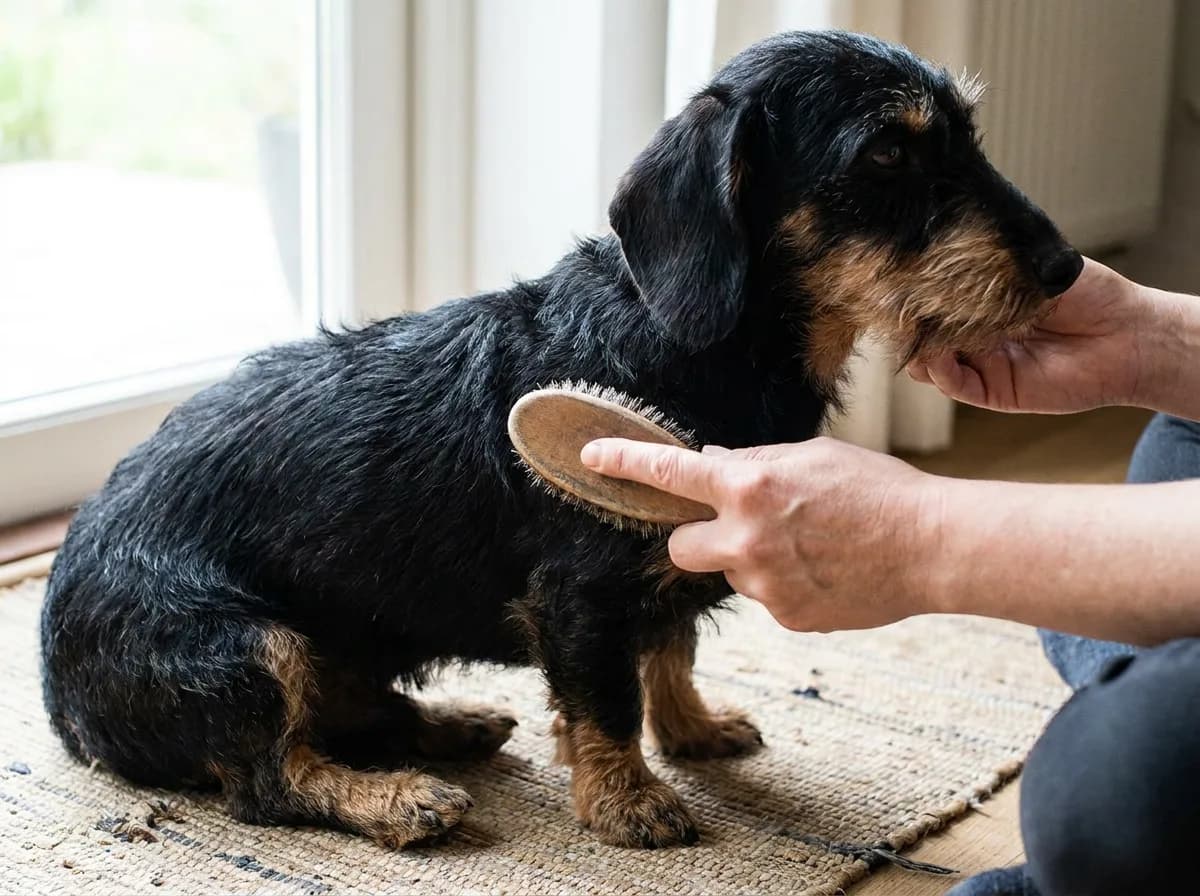
- A coat-specific groomer brief starts with texture, tangling, and a skin check. Do not copy a curly-coat haircut onto a short or wiry coat without asking why that technique is suitable for this dog.
For a close-lying coat, brushing may focus more on loose hair and comfortable skin contact than on detangling long curls. A Four Paws grooming glove and curry brush is an option to discuss for an appropriate coat, used gently according to its instructions. It is not a way to scrub irritated skin or force out hair that does not release comfortably.
Wiry textures can prompt questions about specialist grooming methods. Have the professional assess the actual mix and explain the options instead of assuming that every wiry-looking dog should receive the same treatment as a purebred wirehaired Dachshund. The intended pet trim, coat condition, comfort, and owner maintenance all matter. Avoid attempting an unfamiliar technique at home based on a short video.
What not to infer from coat type
Coat texture does not tell you the exact percentage of each parent breed, the Poodle parent's size, or whether the dog will trigger allergies. It also does not establish temperament. Use the visible coat to plan grooming and ask for records when ancestry matters. A dog with a shorter coat can still need routine care for nails, teeth, ears, and skin.
Do not confuse a change in visible coat after trimming with a change in ancestry or health. Hair length and shape alter the outline. If hair loss, patchiness, irritation, or an unexpected texture change appears without a clear grooming explanation, ask your veterinarian rather than diagnosing it from breed photographs.
Safe brushing, bathing, and mat prevention
A safe routine starts with observation and comfortable handling. Check the skin and coat before choosing tools, then work gently in manageable sections. Stop for pain, redness, or a knot that cannot be handled without pulling. Ask the groomer to demonstrate the routine for your Doxiepoo rather than assembling a generic checklist from several unrelated coat types.
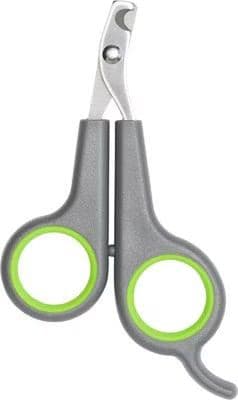
Compact spring-loaded scissor clippers sized for cats and small dogs, with rounded, easy-grip handles.
Petful may earn a commission when you click through to Chewy, at no extra cost to you.
For bathing, use a dog-appropriate product, protect sensitive areas, rinse thoroughly, and dry as advised for the coat. Ask about timing if the dog has mats or a skin problem before attempting a bath. A medicated shampoo should be chosen for a diagnosed need under appropriate advice, not because the word “medicated” sounds more effective than an ordinary grooming product.
- Inspect the coat, skin, and common friction points.
- Brush with the recommended tool and gentle technique.
- Check selected areas with a suitable comb where advised.
- Stop if the coat cannot be managed comfortably.
- Record problem spots for the next grooming discussion.
Mat prevention is a routine, not one product
No brush or conditioner can compensate for a coat length that is consistently too difficult to maintain. If tangles return quickly, ask whether the style should be shorter or the home routine adjusted. Be realistic about the time available. A comfortable manageable clip is better than a longer look that repeatedly leads to prolonged dematting.
Never slip scissors under a mat. Skin can be pulled into the tangle, making the boundary difficult to judge. Contact a groomer, and involve a veterinarian if the skin is injured or the dog is painful. Do not postpone help merely because you hope to preserve a particular haircut for photographs or a future appointment.
Shedding and allergies
Doxiepoos can shed, and the amount varies with the individual coat and other factors. Poodle ancestry does not guarantee a non-shedding dog, while less visible loose hair does not prove an allergy-safe pet. Adopt a Pet's Doxiepoo guide specifically cautions against assuming this mix is hypoallergenic. A haircut cannot resolve the medical question for a person with allergies.
If allergies are central to an adoption decision, discuss exposure with your healthcare professional and assess the specific dog where appropriate. Do not treat a breeder's promise or a short style as a guarantee. Routine cleaning and grooming are care tasks; they should not be described as removing every possible allergen or making every household safe.
Care beyond the coat
Nails, teeth, and comfortable equipment fit remain separate responsibilities. A Safari diamond nail file may help smooth an edge when the dog accepts it and the technique is appropriate. It is not treatment for an injured nail. Ask a professional about discomfort, bleeding, or a dog that cannot tolerate the task.
For dental questions, WebVet's dog toothpaste guide can help distinguish routine products from medical care. A suitably sized Virbac C.E.T. toothbrush may support a gentle routine, but a painful mouth needs veterinary assessment. Tidying facial hair does not replace dental care.
Make a coat-specific groomer brief
Make a coat-specific groomer brief that records the actual texture, desired finish, maintenance time, and handling needs. Include a skin check and describe any areas that become wet, tangled, or uncomfortable. This gives the groomer a practical problem to solve. It also makes it easier to explain what worked or failed when you return for the next appointment.
| Brief item | Detail to provide |
|---|---|
| Coat | Curly, wavy, shaggy, short, mixed, or uncertain texture |
| Desired result | Practical body length and the parts of a reference you like |
| Home maintenance | Time available, tools used, and difficult areas |
| Handling | Feet, face, ears, or other areas needing extra care |
| Health | Relevant advice and changes requiring assessment |
A useful request might be: “The body coat is wavy, the ears tangle, and I can manage regular brushing but not long feathering. I want the eyes clear, feet easy to clean, and a comfortable short body without forcing a rounded face the coat cannot support.” That is more actionable than asking for a perfect teddy bear transformation.
After the appointment, ask for a demonstration of the most important home-care step. Record the recommended follow-up and contact the groomer sooner if the coat becomes difficult. Save a photograph of a result you like, but describe the practical experience too. The goal is a routine that works during ordinary life, not just a good image on collection day.
Care beyond grooming
Grooming is one part of Doxiepoo care. Temperament, training, exercise, time alone, health, and lifespan questions need an individual assessment too. The main Doxiepoo guide explains the Dachshund Poodle mix and how to evaluate family fit without assuming every dog with the label has the same personality or maintenance needs.
Adult size and appearance
A full-grown Doxiepoo's size, proportions, and coat affect the appearance of a haircut. Mini, toy, teacup, black, brown, cream, merle, and dapple descriptions do not guarantee a particular adult weight or shape. The Doxiepoo adult-size guide explains growth records and parent measurements, with illustrations clearly separated from real measurement evidence.
Budgeting for a Doxiepoo
Grooming appointments and home supplies belong in the ongoing budget, separate from a breeder's puppy price or a rescue adoption fee. Ask for a quote based on the actual coat and condition. Our Doxiepoo price guide helps compare acquisition terms and recurring costs before you buy, adopt, or respond to puppies for sale.
Frequently asked questions
Doxiepoos can shed fur, and the amount varies with the individual coat. Poodle ancestry does not guarantee a non-shedding dog, and loose hair around the home is only one part of coat care. Ask a groomer how to maintain the actual texture. Unexpected hair loss, patchiness, or irritated skin deserves veterinary advice rather than being assumed to be ordinary shedding.
Doxiepoos cannot be guaranteed hypoallergenic or safe for every person with allergies, and a Doxiepoo's ancestry or haircut does not settle the question. Less visible shedding is not the same as an absence of allergens. Discuss relevant concerns with your healthcare professional and assess the individual dog where appropriate. Do not rely on a seller's hypoallergenic promise when making a household decision.
Some low-maintenance Poodle cuts, such as a practical shorter puppy clip, may suit a curly Doxiepoo when adapted to the dog's actual coat and proportions. Agree on body length, face, ears, legs, and the brushing required between visits. Low maintenance does not mean no maintenance. Short or wirier coats may need a different approach altogether.
Do not assume every Doxiepoo needs a very short summer shave. Ask the groomer to assess coat type, condition, skin, and the practical goal of the trim. A comfortable manageable length can differ between dogs. Heat safety still depends on the environment, activity, shade, water, and individual health; a haircut should not be treated as protection against overheating.
A mat can feel like a dense knot close to the skin that does not separate comfortably with gentle checking. Check friction areas even when the surface looks smooth, and ask a groomer to demonstrate what to look for. Do not force a comb through a knot or slip scissors underneath it. Seek veterinary advice for pain or injured skin.
A haircut does not change an adult Doxiepoo's inherited coat type. It changes length and outline, so texture may look or feel different afterward. Ask a groomer what effect the chosen technique may have on the particular coat's finish. Unexpected hair loss, irritation, or other changes should be assessed rather than blamed automatically on a style or interpreted from photographs alone.

Coreen Saito is a pet writer and longtime shelter volunteer with more than a decade in animal rescue. She covers cat behavior, breed care, and the small, ordinary science of sharing a life with companion animals, with a particular focus on honest takes about the products and decisions that actually matter. At home in Arizona, she's outranked by Mac (a dog with the loudest opinion in the house), Rebel (a cat who governs by quiet authority), and Meri (an orange tabby who runs the late shift and the laundry basket). She writes about all three, plus the rescues that keep coming through her life, at LifeWithMinty.com.
Sign up for expert-backed reviews and safety alerts all in one place.