Doxiepoo Price: Puppy Costs and First-Year Budget
Doxiepoo price is only the starting cost. Learn how to compare acquisition terms and build a first-year budget around the individual dog's coat, equipment, veterinary, and care needs.
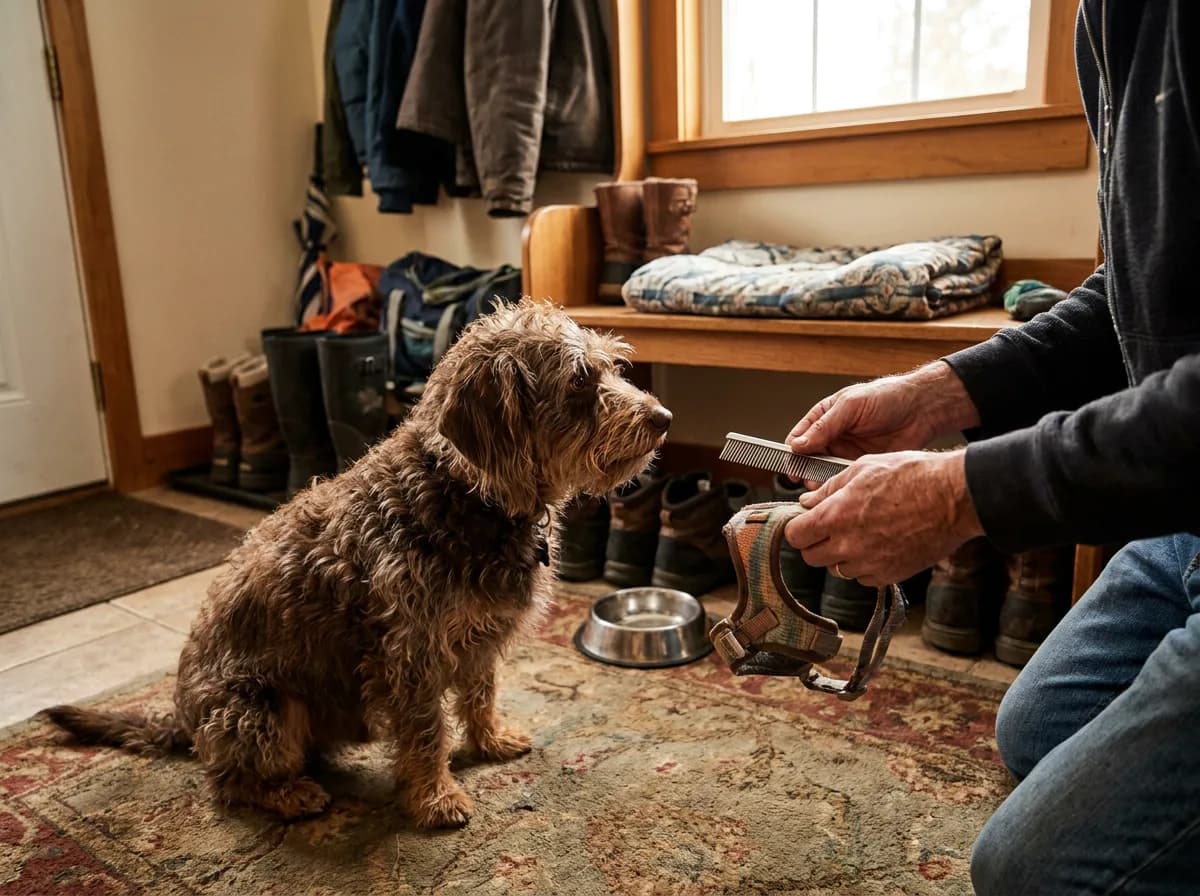
Appearance alone does not establish ancestry or predict adult size.
Petful is reader supported. As an affiliate of platforms like Amazon and Chewy, we may earn a commission when you buy through links on this page. There is no extra cost to you.
Doxiepoo price is not one fixed national figure. Adopt a Pet publishes a breeder estimate of $500–$2,500, while actual sellers can quote differently depending on the dog and what is included. That estimate is not a representative market survey or a quality score. Ask for a current written quote, then add the costs of caring for a Dachshund–Poodle mix after it comes home.
The first-year budget depends on more than the purchase or adoption fee. Coat maintenance, equipment fit, veterinary needs, food, training, and your work schedule can all change the total. This guide helps you compare those responsibilities and avoid treating a mini label or attractive photograph as proof of value.

Sign up for expert-backed reviews and safety alerts all in one place.
How much does a Doxiepoo cost?
- 1Compare the actual written fee and inclusions rather than relying on a single online Doxiepoo price.
- 2Separate acquisition, initial setup, recurring care, and unexpected expenses.
- 3Coat type and individual needs can change costs more than a designer label suggests.
Doxiepoo puppy prices vary among breeders, private rehoming arrangements, and rescues. Adopt a Pet's Doxiepoo guide gives a broad breeder estimate of $500–$2,500 and an adoption estimate of $100–$300. Those are published reference figures, not proof of the current price or inclusions for a particular dog. Obtain the actual organization's written terms before deciding.

A budget-friendly padded no-pull harness that keeps leash pressure off a coughing dog's neck and windpipe by distributing it across the chest. A simple, affordable way to protect an irritated airway or a collapsing trachea on every walk.
Petful may earn a commission when you click through to Chewy, at no extra cost to you.
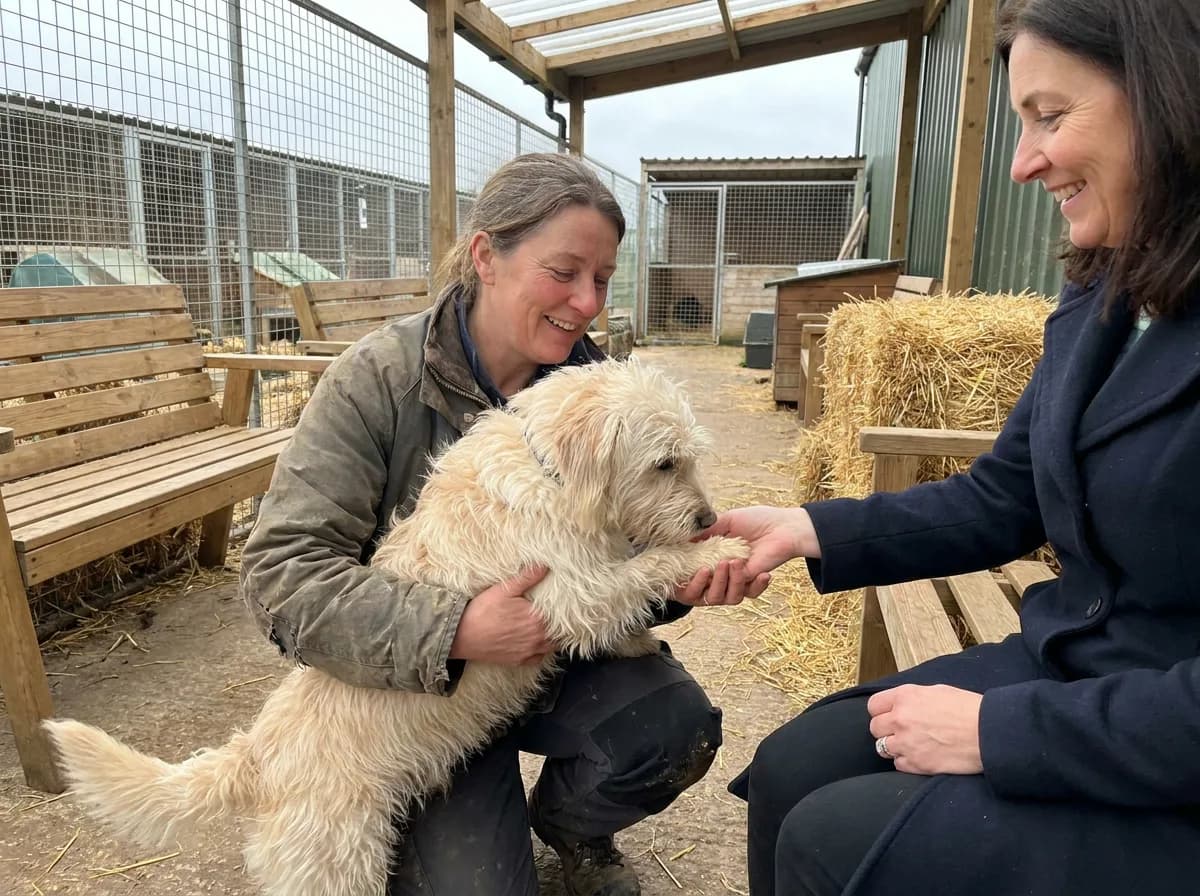
As one dated example, Shannon's Shamrock Kennels advertised a Doxiepoo litter at $1,900 plus 8% sales tax when checked on September 16, 2026. That single seller quote is not an endorsement, availability guarantee, or national average. It illustrates why the advertised fee, tax, transport, and other terms must be read together rather than collapsed into one general number.
| Number you see | What to establish | What it does not prove |
|---|---|---|
| Puppy asking price | Exact dog, inclusions, and payment terms | Welfare or lifelong health |
| Adoption fee | Medical work and support included | No future care expenses |
| Deposit | Written conditions and remaining balance | Guaranteed adult size or temperament |
| Mini or rare-color premium | What the seller claims and the evidence | A standardized or superior category |
Use a total-cost checklist to prevent the acquisition figure from dominating the decision. A written quote should identify the dog, responsible organization, included care, exclusions, and collection or transport arrangements. Ask how medical concerns identified after arrival are handled under the actual agreement. Do not assume a document called a health guarantee covers every possible future bill.
Choose initial equipment for the individual body shape. A Frisco padded harness in Small may suit some Doxiepoos, but a long torso or different chest shape can change fit. Compare measurements with the current size chart. Buying a small-dog bundle without checking can create replacement costs before the first week is over.
Separate the puppy fee from the care budget
The acquisition fee buys or supports the placement arrangement; it does not fund the rest of the dog's life. Separate it from initial setup, planned veterinary care, recurring expenses, and a reserve for unexpected needs. This makes different options easier to compare without assuming that a cheaper puppy or lower adoption fee means a lower total commitment.
Ask what veterinary care has already been performed and request the records. Then ask your own practice what appointments or procedures may remain. A phrase such as “up to date” is not as useful as dates, products, identification, and examination notes. Avoid counting a service twice when it is already included, but do not assume an included service removes every future expense in that category.
- Acquisition: the written breeder, rescue, or rehoming fee.
- Setup: safe equipment, resting space, and practical care tools.
- Planned care: veterinary visits, grooming, food, and support services.
- Unexpected needs: illness, injury, behavior support, or equipment replacement.
Compare a puppy with an adult honestly
A puppy may need more supervision, early training, and equipment replacements during growth. An adult may have a more visible temperament and coat, but could also have specific medical or behavioral needs. Ask about the individual rather than assuming one age group always costs less. A known care history can make planning more accurate even when the acquisition fee is not the lowest.
For a rescue dog, ask what the organization has observed in foster care or the shelter. Can it describe grooming tolerance, time alone, and behavior around other pets? Which parts of the medical history are known? A candid answer about uncertainty is valuable information, not a defect to hide behind a confident designer-breed description.

Petful may earn a commission when you click through to Chewy, at no extra cost to you.
Buy for a purpose
A Frisco configurable gate and playpen can help manage a safe area when its spacing and layout suit the dog. It is useful only if your home and care plan need it. Check stability and escape risks, and supervise introduction. An expensive starter package is not automatically more practical than a smaller set of correctly fitted essentials.
Build a Doxiepoo first-year budget
Build a Doxiepoo first-year budget from current local quotes and the individual dog's needs. Start with acquisition and setup, then estimate recurring care over the year. Keep an emergency reserve distinct from expected spending. The goal is a plan you can update as information improves, not a precise-looking national total assembled from unrelated averages.
Use this structure: acquisition fee + one-time setup + planned veterinary costs + annual food and grooming + expected training, walking, sitting, or boarding. Note the source of each input. A groomer's quote for the actual coat and a veterinary estimate based on records are more useful than an anonymous online statement that all Doodles cost the same to maintain.
| Budget line | Information to collect | Review when |
|---|---|---|
| Acquisition | Current written fee and inclusions | Before a deposit |
| Equipment | Actual measurements and safe setup | During growth or fit changes |
| Veterinary care | Records and local practice estimate | After examination or a diagnosis |
| Food | Appropriate feeding plan and package yield | With life-stage or health changes |
| Grooming | Coat assessment, style, and visit schedule | When the adult coat becomes clearer |
| Support services | Your schedule and provider quotes | Before work or travel changes |
A transparent grooming calculation
Suppose a groomer recommends six appointments in a year and quotes $80 per visit. Those hypothetical inputs produce $480 for that year's appointments. This is an arithmetic example, not a claim that six visits or $80 is normal for every Doxiepoo. Replace the figures with your own assessment, including any extra work the actual coat or handling needs require.
That calculation is useful because it exposes assumptions. A coat that mats quickly, a longer style, or a dog needing slower handling can change the plan. A short or wirier coat may need different services. Ask what the appointment includes and which extras require a separate quote, rather than multiplying a promotional starting price as if it covered everything.
Food and enrichment
Ask your veterinarian about appropriate food, amount, and body condition. WebVet explains what makes dog food complete and balanced. Use the actual feeding plan to estimate package use. A small dog still needs a nutritionally appropriate diet, and feeding less to keep a puppy “mini” is not an acceptable budgeting strategy.
A Pet Parents Forager snuffle mat or Nina Ottosson Lickin' Layers puzzle can use part of a measured meal for supervised enrichment. They are optional formats, not required additions to every household. Choose one that fits the dog's behavior and your routine rather than buying several products because they appear on a generic new-puppy list.
Coat and body shape change ongoing costs
Doxiepoo coat and body shape can affect grooming, equipment, and daily management. A curly coat may need regular clipping and careful tangle checks; a wavy, short, or wirier coat may need a different routine. Long body proportions can make harness or carrier fitting less straightforward than choosing by weight alone. Budget from the actual dog rather than the expectation that every Poodle mix has the same needs.

Petful may earn a commission when you click through to Chewy, at no extra cost to you.
- Use the total-cost checklist again after a veterinary examination and groomer's coat assessment. Replace estimates with a written quote and a practical care plan as more about the individual dog becomes known.
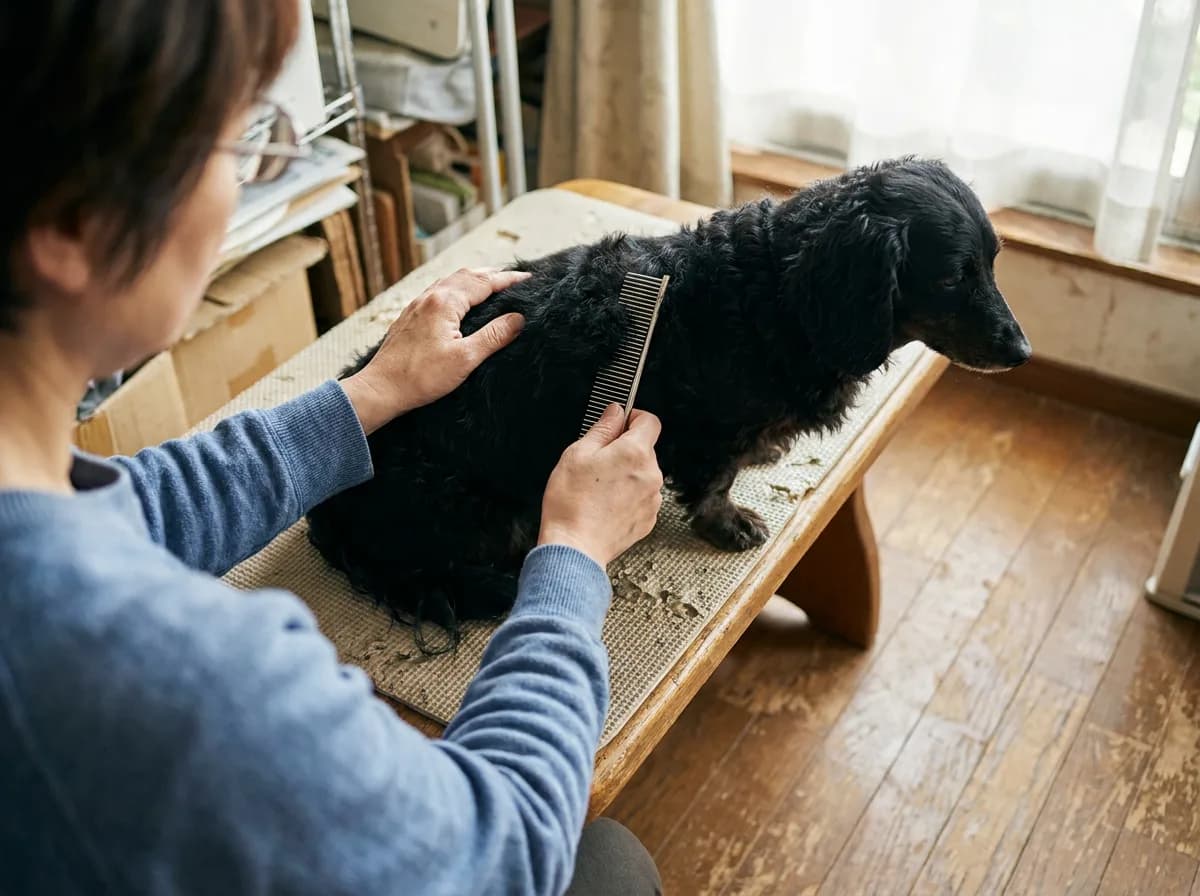
For some coats, a slicker brush and an appropriate dog shampoo may be useful home supplies. They do not eliminate professional care or make a difficult coat maintenance-free. Ask a groomer to demonstrate technique before buying multiple tools, and leave painful matting or sensitive trimming to a professional.
Nails and teeth need their own planning. Small-dog nail clippers may suit a cooperative dog when you know the technique, while Virbac C.E.T. dog toothpaste can support appropriate dental home care. Neither purchase guarantees that grooming or veterinary dental services will be unnecessary. A painful mouth or nail requires assessment, not a more elaborate home kit.
Veterinary expenses are individual
Ask the veterinary practice for an estimate based on the dog's records and current needs. WebVet's overview of vet visit costs can help you identify useful questions, but it cannot price a specific examination, test, or treatment in your area. Clarify whether follow-up visits, medication, or additional procedures are included in a quote.
Mixed-breed status does not guarantee freedom from inherited conditions. Review parent screening where available and discuss the individual history. Avoid budgeting on the assumption that a designer cross will never need substantial care. Equally, a known manageable condition in an adult dog may be compatible with your household when the requirements and costs are clear.
Your time is part of the plan
Work and travel arrangements can influence spending more than many supplies. If the dog will need daytime visits, walking, sitting, or boarding, obtain realistic provider quotes before committing. Check their requirements and availability. Do not assume a family member will always provide free care without discussing the responsibility explicitly.
Training support may also be useful, especially if the dog struggles with handling, settling, or absences. A puzzle toy does not replace individualized help for distress. WebVet's guide to separation anxiety in dogs explains when the problem is more than ordinary boredom. Budgeting for the right support is more useful than repeatedly buying products that do not address the cause.
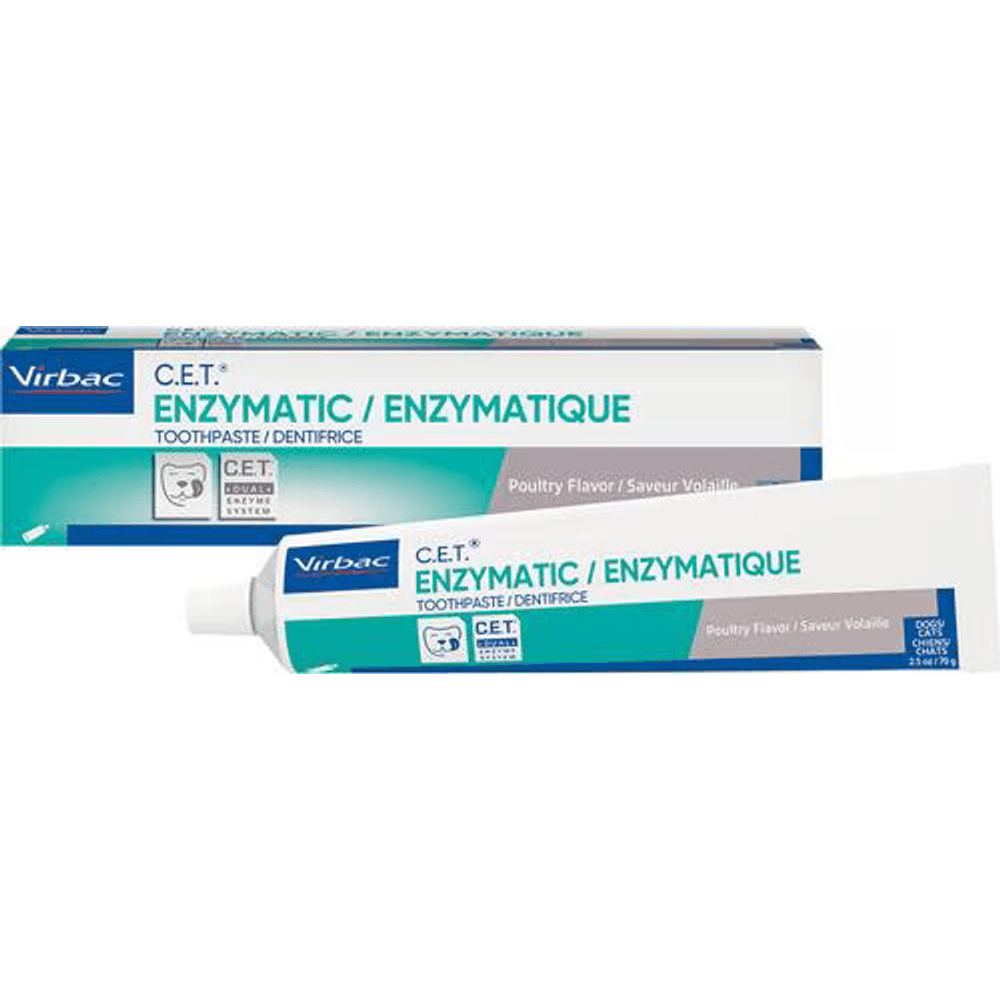
The vet-favorite enzymatic toothpaste. Its dual-enzyme system keeps working between brushings to control plaque and freshen breath, and the poultry flavor makes daily brushing easy.
Petful may earn a commission when you click through to Chewy, at no extra cost to you.
Compare breeder and rescue paperwork
When comparing Doxiepoo puppies for sale or adoption, review what the paperwork establishes about the dog and your responsibilities. Ask breeders or rescues for identification, medical records, known parent information, the exact fee, and written terms. An impressive folder or private registry certificate does not by itself establish health, welfare, or suitability. Read the details and clarify anything that affects your decision.
Check the evidence behind a quote
For a breeder, ask which health tests were performed on the Dachshund and Poodle parents and how the results can be verified. For a rescue, ask which parts of the history are known and what has been observed since intake. An adult dog's documented behavior can be valuable even when ancestry is uncertain. Keep confirmed facts, estimates, and marketing claims separate.
Deposits and transport
Before a deposit, confirm who receives payment, which dog or litter it relates to, when the balance is due, and what the written cancellation terms say. Ask about collection and transport arrangements, including all associated costs. Do not let a countdown or claim of high demand pressure you into paying before basic welfare and identity questions are answered.
Check whether the proposed transport is appropriate for the dog and discuss concerns with the relevant professionals. A low advertised puppy fee can become a different total after transport and other charges are added. Avoid interpreting a single charge as a scam or proof of legitimacy in isolation; verify the full arrangement and the responsible people independently.
Mini, merle, and dapple premiums
Mini and teacup do not define official Doxiepoo size categories. Merle, dapple, and rare-color descriptions also need clarification about the actual parents and records. A premium attached to a label is a pricing decision, not proof of superior quality. Ask what evidence supports the claim and whether it has any practical relevance to the dog you want to care for.
Do not make coat color the main reason to overlook missing health information or poor living conditions. If you want a predictable adult size, a mature dog with known measurements may provide better evidence than an expensive puppy promise. The goal is a suitable companion whose needs you understand, not winning a competition for the rarest label.
A practical total-cost checklist
A practical total-cost checklist combines the written quote, verified inclusions, setup needs, recurring care, and the uncertainty that remains. Put it beside your household schedule. A budget that works only if the dog never needs extra help is fragile, while an expensive bundle of optional products can obscure the services that actually matter.
Before committing, answer these questions:
- Do I understand the exact acquisition fee and written terms?
- Which veterinary tasks are completed, and which remain?
- Have I assessed the likely coat routine with a groomer?
- Does the equipment plan use actual measurements?
- Who provides care during work, illness, and travel?
- What is the plan for an unexpected expense?
Update the plan when the dog arrives and professionals can assess it directly. Keep receipts, records, and estimates together so the next decision is easier. If the costs or daily responsibilities exceed what the household can support, reconsider the timing before making a commitment. A lower puppy price cannot make the dog's ongoing needs disappear.
Temperament and daily care
Doxiepoo temperament, activity, training, health, and lifespan all shape the long-term commitment. Our complete Doxiepoo guide explains the Dachshund Poodle mix and how to assess family fit, children, cats, barking, and time alone. Those practical questions should sit beside the budget when choosing a puppy or adult companion.
Adult size and equipment fit
Adult size affects fitting and planning, while mini, toy, and teacup labels do not guarantee an exact weight or height. Color descriptions such as black, brown, cream, merle, or dapple do not settle ancestry or quality. The Doxiepoo full-grown guide explains parent measurements, growth records, and equipment decisions based on the individual dog.
Planning for grooming
Haircut choices and coat texture influence recurring grooming costs. A curly, wavy, shaggy, short, or wirier Doxiepoo needs its own brushing, bathing, and maintenance plan. The Doxiepoo haircut guide helps you prepare a groomer brief and understand shedding, matting, and hypoallergenic claims before deciding what home care and salon work to budget for.
Frequently asked questions
Doxiepoos can be expensive once acquisition and ongoing care are counted; costs vary with the individual dog and household. A published breeder range is only context. Compare a current written fee, medical records, grooming needs, equipment, food, and support services. A lower purchase price does not necessarily mean a lower first-year total, while a premium does not prove better health or suitability.
No. Mini is not a quality grade or standardized Doxiepoo size category. Ask which parents were involved and what their mature measurements are. Evaluate welfare, records, behavior, and care needs separately from the label. A premium for expected small size does not establish better health or an easier care routine.
A rescue does not always cost less in the first year. The adoption fee may be lower than a breeder's asking price, but the individual dog may have medical, grooming, or training needs that affect the total. Ask what care is included and what remains. A transparent adult history can make planning more accurate, even when the first-year budget is not the lowest option.
Color alone is not a sound measure of health, welfare, temperament, or fit for your home. Ask what the seller means by merle or dapple, and review parent and health information before considering a premium. A rare-color claim should not replace those checks.
A puppy deposit agreement should clearly identify the responsible seller, the dog or litter involved, the amount paid, the remaining balance, and the stated payment, cancellation, and collection terms. Ask for clarification before paying if something is unclear. Keep a copy and verify the seller independently. For legal questions about a specific agreement, seek appropriate local advice rather than assuming all deposits follow one rule.
Grooming costs can be estimated before a puppy grows up, but the adult coat and the dog's handling needs may change the plan. Ask a groomer to assess the current coat and explain likely options, then revisit the estimate as the dog matures. A curly-coat promise or a parent photograph cannot guarantee the exact routine. Use a flexible budget based on actual condition and manageable style choices.

Coreen Saito is a pet writer and longtime shelter volunteer with more than a decade in animal rescue. She covers cat behavior, breed care, and the small, ordinary science of sharing a life with companion animals, with a particular focus on honest takes about the products and decisions that actually matter. At home in Arizona, she's outranked by Mac (a dog with the loudest opinion in the house), Rebel (a cat who governs by quiet authority), and Meri (an orange tabby who runs the late shift and the laundry basket). She writes about all three, plus the rescues that keep coming through her life, at LifeWithMinty.com.
Sign up for expert-backed reviews and safety alerts all in one place.