Cane Corso Colors and Coat Patterns: Complete Guide
Learn to describe Cane Corso coat colors and brindle patterns accurately, and why color alone cannot prove breed, health or temperament when evaluating an individual dog.

Petful is reader supported. As an affiliate of platforms like Amazon and Chewy, we may earn a commission when you buy through links on this page. There is no extra cost to you.
Cane Corso colors include black, gray, fawn, red, and brindled versions of these base colors within the breed-standard vocabulary. Photos can help you recognize visible coat differences, but color cannot prove that a dog is purebred, registered, healthy, well bred, or suited to your household.
This guide uses realistic visual references and the terminology found in the AKC Cane Corso profile and Cane Corso Association of America materials. Standards and registry wording can change, so verify the current document when formal registration or showing matters. Individual dogs can also look different under changing light, camera settings, age, and coat condition.
Petful's Cane Corso breed profile covers the complete breed overview. This spoke stays with color, pattern, masks, markings, documentation, and the limits of visual evidence.

Sign up for expert-backed reviews and safety alerts all in one place.
Cane Corso Colors and Coat Patterns at a glance
A practical evaluation starts with what the eye can responsibly describe: base color, brindle pattern, mask, and limited white marking. It then separates that observation from documentary breed evidence. A black Cane Corso photo may illustrate a black coat, but the photo cannot establish pedigree, identity, health, temperament, or a registry result.
- 1Describe the base color first, then brindle pattern, mask and white markings
- 2Use neutral daylight and more than one photograph when comparing coats
- 3Confirm formal wording against current registry and parent-club standards
- 4Color is an appearance trait, not proof of ancestry, health, rarity, temperament or value, and individual dogs can vary
- 5Breed tendencies describe populations, not every individual dog. Records, direct observation and professional findings answer different questions, and the household routine determines what will be practical.
Use these four questions in order:
- What is the overall base color in neutral daylight?
- Is brindle striping visible, and what is the base beneath it?
- Is there a black or gray facial mask?
- Where are any white markings, and how much area do they cover?

Petful may earn a commission when you click through to Chewy, at no extra cost to you.
Cane Corso colors at a glance
A Cane Corso color chart is most useful when it uses clear comparison labels and source-limited values. The table below summarizes visible categories in plain language. It is not a registration decision, genetic test, rarity ranking, or substitute for the current breed standard.
Separate categories and careful distinctions keep three things separate: the coat you can see, the term a standard uses, and the records tied to the individual dog.
| Visible category | What to look for | Evidence boundary |
|---|---|---|
| Black | Overall black coat, sometimes with permitted markings described by the standard | Lighting can hide texture and markings; color cannot prove ancestry |
| Gray | Diluted-looking gray shades that may be marketed as blue | Use registry wording rather than assuming a sales label is formal |
| Fawn | Tan to lighter warm coat, commonly discussed with a mask | Shade changes with light and age; one photo is not a final classification |
| Red | Deeper warm red-toned coat, commonly discussed with a mask | Marketing names can overlap or exaggerate shade differences |
| Brindle | Darker striping over a compatible base color | Describe the base and stripe impression rather than calling every dark coat brindle |
| White markings | Limited white visible on specific areas | Verify current standard boundaries; amount does not prove breed identity |
Use a repeatable photo method
Compare coats in open shade or indirect daylight, without colored bulbs, filters, heavy contrast, or wet fur. Take a full-body side view, a front view that includes the mask and chest, and a closer coat view. Keep the camera's white balance consistent when comparing two dogs.
Record the date and the dog's age. A puppy coat may change in depth or contrast as the adult coat develops. Dirt, sun exposure, shedding, and health can also change the photograph without changing the underlying registered description.
Build a visual record that another person can interpret
A useful color record should not depend on the photographer remembering the conditions. Save the original files, note whether the phone applied portrait mode or a filter, and include one neutral object in the scene when possible. Photograph the same side of the dog from a similar distance as the coat develops.
Keep these details with the images:
- Date, age, and whether the coat was dry, clean, shedding, clipped, or sun-faded.
- Outdoor shade, indirect window light, or the type of indoor lighting.
- Camera or phone model and whether automatic enhancement was active.
- Registered description, seller description, and your plain visible description as separate fields.
- Areas that cannot be classified confidently from the available image.
This method does not make a photograph documentary ancestry. It makes the visible evidence easier to compare and reduces the chance that lighting, editing, or memory turns a subtle shade difference into a certainty.
Food scheduling is unrelated to coat classification, but a predictable care routine can help households notice changes in appetite and coat condition. If it fits the dog's feeding plan, compare the Petlibro Granary WiFi feeder by capacity, cleaning, camera features, and veterinary feeding guidance rather than by coat color.
Black and gray Cane Corsos
A black Cane Corso has an overall black coat. In flat indoor light, the coat may appear nearly featureless, while neutral daylight reveals hair texture, contours, and small markings more accurately. Reflected sky or cool camera processing can also make a black coat look bluish without changing the dog's recorded color.
A gray Cane Corso may be marketed as a blue Cane Corso. Blue is common sales language, while gray is the breed-standard term to verify in current official materials. Do not assume that every bluish photograph represents the same shade, registry description, or genetic background.

The planned photograph shows black and gray adult Cane Corsos side by side in neutral daylight. Use it to compare visible tone, not to decide which dog is better bred or healthier.
Why cameras confuse black and gray
Phone cameras adjust exposure and white balance automatically. A black coat photographed against a bright background may be lifted toward charcoal. A gray coat under warm indoor light may look brown. Screens also display color differently.
Before accepting a color claim in a listing, ask for unedited images in consistent daylight and a real-time view of the dog. Then connect the visible dog to the pedigree, registration, microchip, veterinary record, and contract. Appearance is one observation, not the identity chain.
Keep gray terminology separate from genetic and health claims
A visible gray coat and a seller's use of blue are color descriptions. They do not, by themselves, establish the exact genetic mechanism, predict skin or coat disease, or show whether the dog meets a registry standard. A responsible article can describe the visible shade while leaving genetic and medical questions to appropriate records and professionals.
If a listing links gray or blue color to guaranteed rarity, longevity, calm behavior, or a higher-quality pedigree, ask for the specific source. Verify the registered dog and documentary history before deciding whether any claim extends beyond marketing. Color terminology should narrow what you are describing, not expand what you assume.
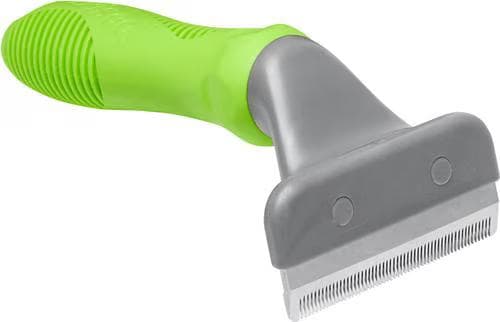
Short coats still shed and collect loose hair. The Frisco medium-to-long-hair deshedding brush is a product to compare cautiously against the Cane Corso's short coat, the tool's current instructions, and the individual dog's skin and tolerance. A tool labeled for another coat profile may be a no-fit choice.
Fawn and red Cane Corsos
A fawn Cane Corso can range through lighter warm shades, while a red Cane Corso is described with a deeper red-toned coat. Exact shade perception changes with sun, shadow, camera processing, and nearby colors. Use the full coat rather than one highlighted patch.
Official descriptions discuss facial masks with fawn and red coats. Verify the current standard for permitted mask color and extent rather than relying on a seller's phrase. A dramatic dark face does not prove registration, and a lighter-looking photo does not establish that a dog falls outside a standard.

The visual reference places fawn and red adult Cane Corsos side by side with their masks visible. Compare the overall base coat and mask in even light. Do not infer health, temperament, sex, or value from the warmer or darker shade.
Describe shade without inventing rarity
Words such as honey, mahogany, champagne, or platinum can sound precise while functioning mainly as marketing. Ask which term appears in the registration or pedigree record and which term is only a seller description. If the wording differs, preserve both with labels rather than silently converting one into the other.
A supportive resting surface is selected by body size, mobility, sleeping posture, cleaning, and chewing behavior, not color. The FurHaven NAP Ultra Plush Orthopedic Deluxe bed in Jumbo is one large-bed example to compare for fit and cover care.
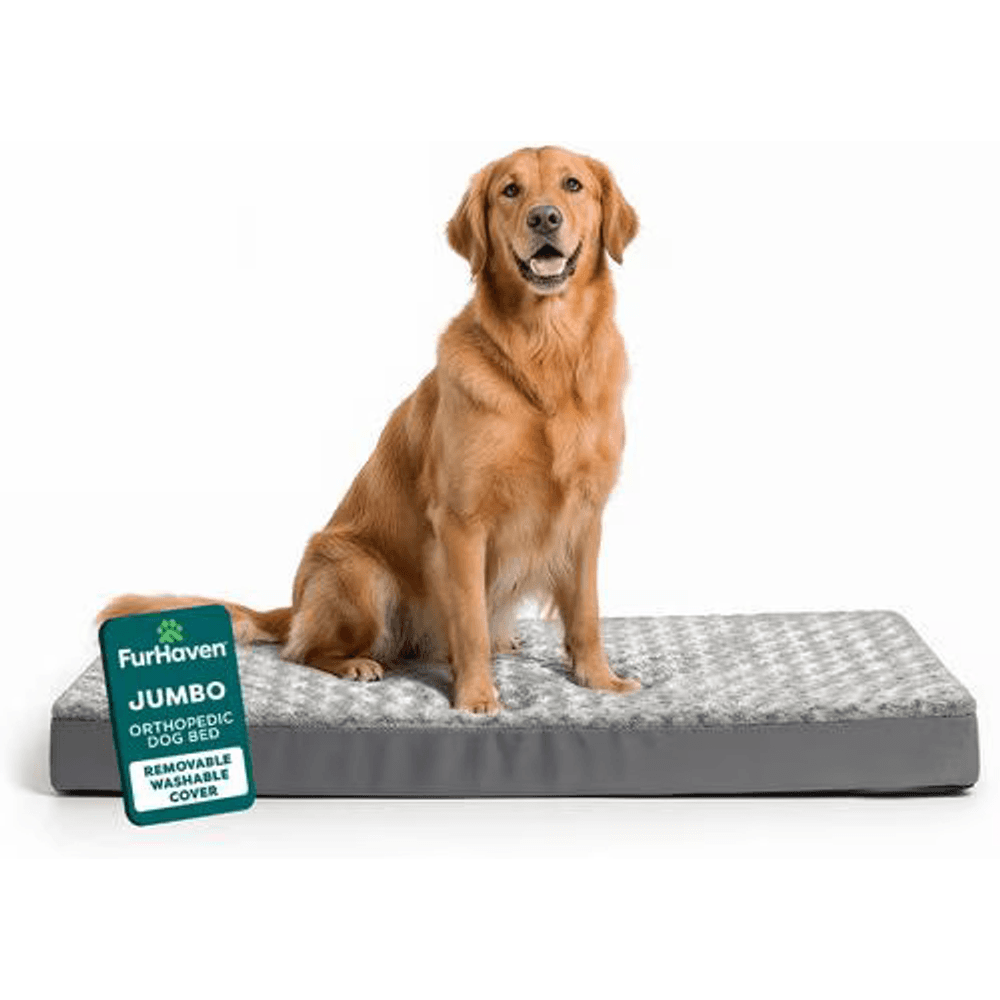
A plush orthopedic foam mattress that cushions aging joints and pressure points, giving a stiff or trembling senior dog warm, supportive rest.
Petful may earn a commission when you click through to Chewy, at no extra cost to you.
Black brindle, gray brindle and chestnut brindle
A brindle Cane Corso has striping over a base color. The stripe width, contrast, and distribution can make two brindled dogs look very different. A black brindle Cane Corso usually presents darker striping over a warmer base, while gray brindle uses a gray-toned stripe impression. Chestnut brindle is another standard term to verify against current official wording.
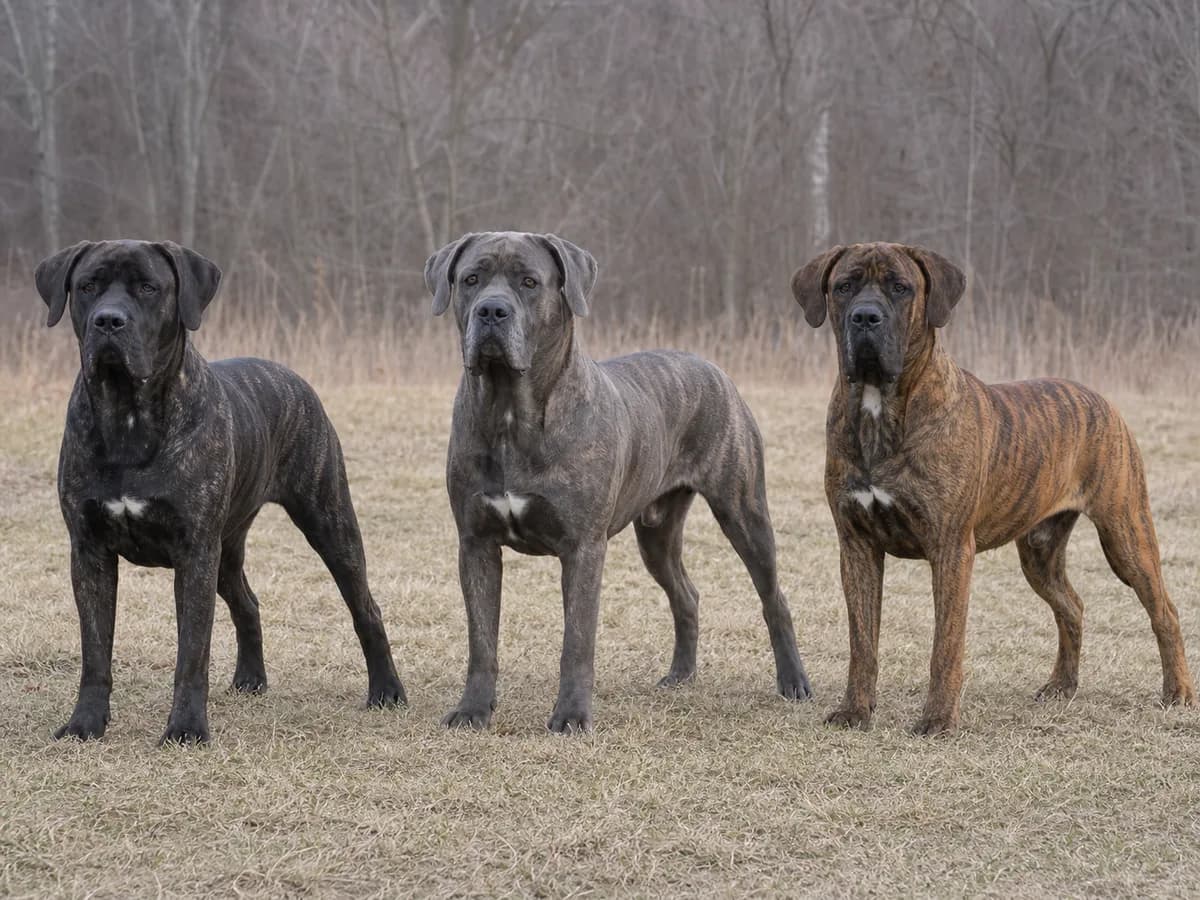
The planned image shows three Cane Corsos with distinct black, gray, and chestnut brindle striping. It is designed as a visible comparison, not a complete genetic explanation. Look for repeated stripe direction across the body rather than one shadow or a few dark hairs.
Brindle can disappear in a photograph
Dense dark striping may make a brindle dog look nearly solid from a distance. Direct sun can create glare that hides the pattern, while heavy image sharpening can invent false edges. Review multiple body areas in even light, especially the shoulders, ribs, and hindquarters.
Use these descriptive steps:
- Name the visible base color.
- Note the stripe color impression.
- Describe contrast as low, moderate, or high without turning that label into a formal registry category.
- Record whether the pattern is consistent across the body or hidden by light and angle.
- Check the current standard or registration record for formal terminology.
A slicker brush can remove loose hair for some dogs, but pressure and pin length matter on a short coat. If the dog's skin and handling tolerance make it appropriate, compare the aumuca self-cleaning slicker brush with gentler grooming options and current product instructions.
Masks and white markings
Cane Corso markings can include a facial mask and limited white. Breed standards describe the areas and extent accepted for formal evaluation, so use the current AKC or parent-club document when that decision matters. Everyday description should remain plain: say where the white appears and how large it looks rather than declaring show eligibility from a photograph.

The planned photograph shows a Cane Corso chest and face with a natural mask and a small white marking. This close context makes the visible boundary easier to understand, but it still cannot replace an in-person assessment or registry decision.
Separate mask, shadow, and muzzle color
A mask is a coat feature, while a shadow is lighting. Wetness, dust, sun fade, gray hair, and camera contrast can alter how the muzzle looks. Compare the face in more than one image and include the head and neck so the boundary has context.
White hairs can also appear after injury or with age. Ask whether a patch has been present since puppyhood and check records when a formal color description is important. Do not assume every white hair is a registered marking or every large pale area is ordinary white spotting.
Markings need scale and location
Photograph a white marking with enough of the chest, throat, chin, feet, or body visible to show location and proportion. Extreme close-ups remove the boundary that a breed-standard comparison needs. A hand, ruler, or edited outline can distort scale, so a natural full-area image is usually more useful.
When the purpose is registration or show evaluation, ask the relevant registry or qualified evaluator rather than declaring eligibility from an online image. When the purpose is an everyday pet description, plain wording is enough: note the visible location, approximate size, and any uncertainty. The dog's welfare and identity do not depend on making the label sound formal.

Petful may earn a commission when you click through to Chewy, at no extra cost to you.
How to describe a Cane Corso coat
The Cane Corso has a short coat. A useful description combines base color, pattern, mask, white markings, coat condition, date, light, and source. It avoids turning a seller's rarity label into a fact.

The planned close natural view shows a short Cane Corso coat with color and brindle pattern visible without extreme macro distortion. A coat should still look like it belongs to the whole dog, not an abstract texture.
Petful may earn a commission when you click through to Chewy, at no extra cost to you.
Write a description in this order:
- Base: Black, gray, fawn, red, or another term you are checking against records.
- Pattern: Solid-looking or brindled, with a plain description of stripe contrast.
- Face: Visible black or gray mask, uncertain mask, or no claim from the available image.
- White: Exact visible location and approximate extent.
- Context: Dog's age, date, daylight or indoor light, edited or unedited image, and documentary wording.
Groom for skin and coat, not a color effect
Routine brushing can remove loose hair and give an owner a chance to notice skin changes. It should not be used to polish a coat into a marketing photograph or conceal irritation. Stop if the dog shows pain, redness, or distress, and ask a veterinarian about abnormal hair loss, odor, sores, itching, or sudden coat change.
The aumuca self-cleaning slicker brush and Frisco deshedding brush represent different tool styles. Compare pin length, pressure, instructions, coat fit, and the individual dog's response. Do not assume either is appropriate simply because the coat is black, gray, fawn, red, or brindle.
Rare color marketing and breed evidence
Rare Cane Corso colors are often presented as a reason to pay more quickly. Rarity is a population claim that needs a defined registry, geography, time period, and dataset. A seller's low litter count or a dramatic sales name does not establish population rarity.
What is the rarest color of a Cane Corso? There is no single dependable answer from a listing or photo. Standards define accepted terms, not a current census of every registered or living dog. Ask for the source behind the claim and whether it measures registrations, litters, a kennel's own dogs, or social-media attention.
Treat scarcity as a prompt to slow down
The FTC pet-scam guidance warns buyers to research sellers, inspect reused photos or text, and resist urgent payment demands. A rare-color pitch can create exactly that urgency. Verify the live dog, seller identity, records, payment terms, and contract before sending money.
Petful's Cane Corso puppy guide covers the full breeder, adoption, contract, and scam process. The Cane Corso price guide explains why a color premium remains a seller's pricing choice rather than proof of value, health, or ancestry.
Questions to ask about a color premium
Do not debate whether a color is beautiful. Ask what the extra price is supposed to represent and whether the seller can document that claim. A premium can be a transparent preference-based price, but it should not displace ordinary health, identity, welfare, and contract checks.
Ask:
- Which exact color term appears on the registration or pedigree record?
- Which current standard or registry document supports that wording?
- Is rare being used for the seller's own litters, a regional registration count, or the whole breed?
- Can the population source, date range, and denominator be reviewed?
- Are parent health screening and puppy veterinary records identical in quality to those provided for other colors?
- Does the contract make any color-linked health, temperament, value, or breeding promise?
- Would you still choose this dog if the premium and rarity label disappeared?
If the only evidence is a filtered photograph, social-media attention, or an assurance that another buyer is waiting, the rarity claim remains unresolved. Preserve that uncertainty rather than paying to make it feel certain.
Color and health: what evidence can show
Color alone cannot tell you which Cane Corso health issues an individual dog has or will develop. Health screening, family history, veterinary examinations, diagnostic testing when clinically appropriate, body condition, and observed function supply different types of evidence. Do not replace those records with assumptions about black, gray, blue, fawn, red, or brindle coats.
Petful's Cane Corso health issues and lifespan guide covers screening and veterinary questions in detail. If a seller claims one color lives longer, has better joints, avoids disease, or guarantees temperament, ask for a credible source and keep health evaluation separate from the coat decision.
A Petlibro Granary WiFi feeder may help schedule measured meals in some homes, while a FurHaven Jumbo orthopedic bed may suit some large dogs' resting needs. Neither product has a color-specific benefit, and neither diagnoses or prevents a condition.
What to verify before you decide
Records and professional guidance should outweigh color marketing. Verify the dog's identity, pedigree or ancestry records, registration wording, microchip, health records, seller or rescue, contract, and the current official standard. Appearance is not documentary proof.
- Pause when a seller uses a rare-color label to demand immediate payment, discourage health questions or replace normal records. A striking coat can be real while the ancestry, health, rarity and value claims remain unverified.
Is this the right dog for your household?
Color preference is reasonable only after household fit factors are addressed. A prepared home can support training, secure management, veterinary care, exercise, grooming, and the adult dog's size. Individual behavior can vary, and no coat predicts family suitability.
- Color can be described after identity, health records, welfare and household fit are evaluated
- Realistic photographs help distinguish base color, brindle pattern, mask and markings
- Current standard terminology gives the description a consistent reference
- A seller makes health, temperament, rarity or value claims from color alone
- The household chooses a photograph before confirming the dog and records
- The care plan and adult management needs remain unresolved
Cane Corso Colors and Coat Patterns FAQs
The rarest color of a Cane Corso cannot be ranked universally because rarity depends on the population and how sellers label coats. Rare should never be treated as proof of quality or a reason to skip records. Choose for health, temperament and responsible breeding practices first, then confirm that the coat description is consistent with the applicable breed standard.
Purebred Cane Corsos may have the colors and brindle patterns recognized by the applicable breed standard, but coat color alone cannot prove ancestry. Registration records and a documented pedigree address that question, while the individual dog's health and temperament matter more to ownership. Be cautious when a seller uses an unusual color label as the main evidence for pedigree or quality.
There is no reliable basis for promising that one standard Cane Corso color lives longer than another. Lifespan is influenced by genetics, health, body condition, veterinary care and environment, not a simple color ranking. Ask for verifiable health-screening and family-history information instead of accepting longevity claims attached to a rare or premium-priced coat.
Many sellers use blue as a marketing label for the dilute gray coat, while formal breed language commonly uses gray. Ask which standard or registry terminology is being used and look at the dog rather than relying on a sales label. The wording does not prove ancestry, health or value, and it should not replace verifiable records.
Brindle describes darker striping over a lighter base color. Cane Corsos may be described with black, gray or chestnut brindle patterns depending on the base and stripe appearance. Lighting and photography can change how the pattern looks, so evaluate the coat in ordinary light and use standard terminology instead of assuming every seller label represents a separate rare color.

Coreen Saito is a pet writer and longtime shelter volunteer with more than a decade in animal rescue. She covers cat behavior, breed care, and the small, ordinary science of sharing a life with companion animals, with a particular focus on honest takes about the products and decisions that actually matter. At home in Arizona, she's outranked by Mac (a dog with the loudest opinion in the house), Rebel (a cat who governs by quiet authority), and Meri (an orange tabby who runs the late shift and the laundry basket). She writes about all three, plus the rescues that keep coming through her life, at LifeWithMinty.com.
Sign up for expert-backed reviews and safety alerts all in one place.