Alaskan Klee Kai Colors: Coats, Masks, and Markings
Identify Alaskan Klee Kai coat varieties, facial masks and eye colors, with registry-attributed distinctions for solid-white coats and practical ways to compare puppy and adult photographs.

BVMS, MRCVS
Petful is reader supported. As an affiliate of platforms like Amazon and Chewy, we may earn a commission when you buy through links on this page. There is no extra cost to you.
Alaskan Klee Kai colors are easiest to understand as separate features: the main coat variety, the lighter body markings, the facial mask and the eyes. A striking face may draw your attention first, but it cannot tell you the dog’s ancestry, personality or what a seller’s price includes.
The breed club describes black-and-white, gray-and-white and red-and-white varieties. Use those names alongside a careful description of the individual dog, then check the relevant registry standard if showing or registration is part of your decision.

Sign up for expert-backed reviews and safety alerts all in one place.
Black-and-white, gray-and-white, and red-and-white Klee Kai
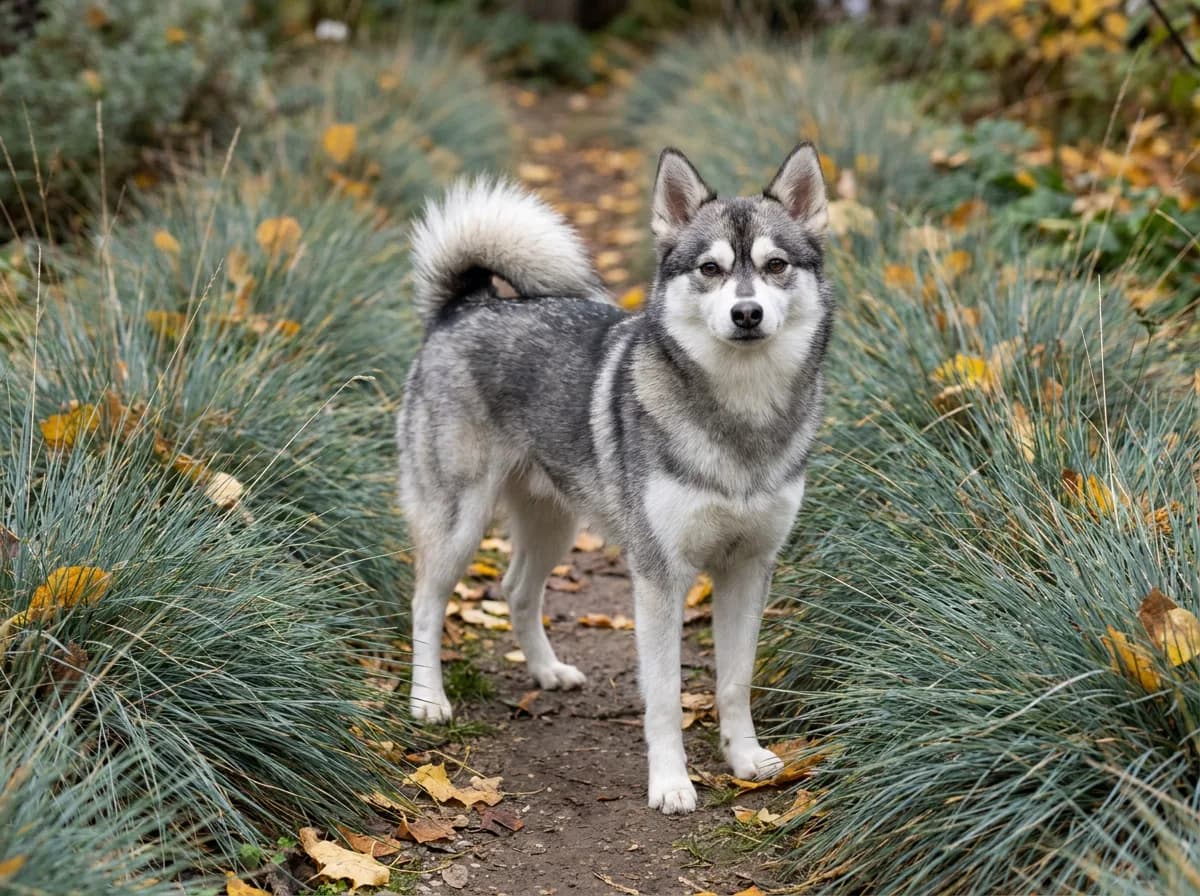
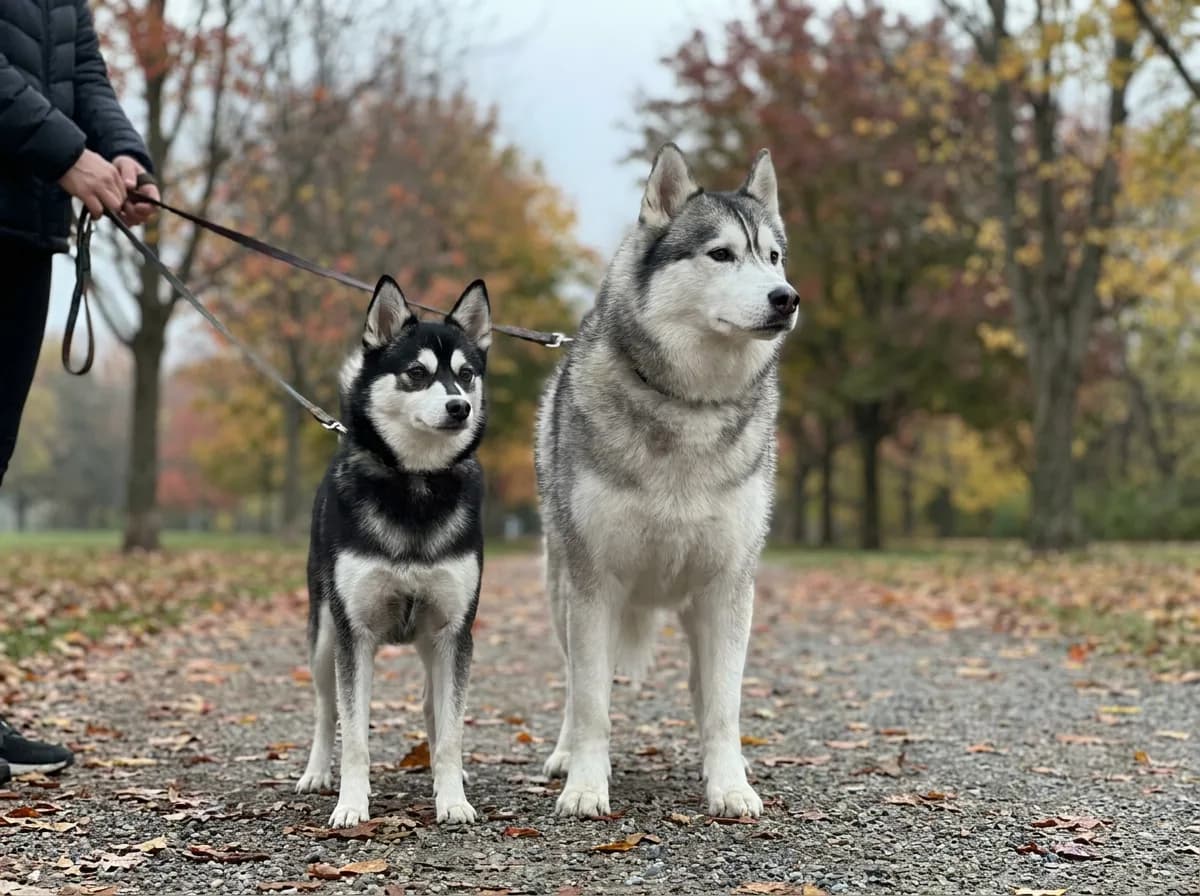
The Alaskan Klee Kai Club of America identifies three main color varieties. The United Kennel Club standard describes shades of black, gray or red with contrasting lighter areas. These are descriptions of appearance, not a ranking of rarity, quality or suitability for a particular home.
| Feature | What to observe | What it does not establish |
|---|---|---|
| Coat variety | Black-and-white, gray-and-white or red-and-white appearance | A frequency ranking or justified price premium |
| Symmetrical facial mask | Contrasting markings across both sides of the face | Parentage from a photograph alone |
| Lighter markings | Face, underside and other areas described by the standard | A separate breed identity |
| Eye color | The visible color of each iris | The dog's coat variety or recent Husky ancestry |
| Solid-white appearance | Whether the expected contrast is absent | A health diagnosis or documented pedigree |
If you are preparing for a dog while comparing colors, spend according to everyday needs. A FurHaven Velvet Waves sofa bed in Large is one general home option when its usable sleeping area suits the individual. Choose for dimensions and cover care, not a promise that a color variety needs special bedding.
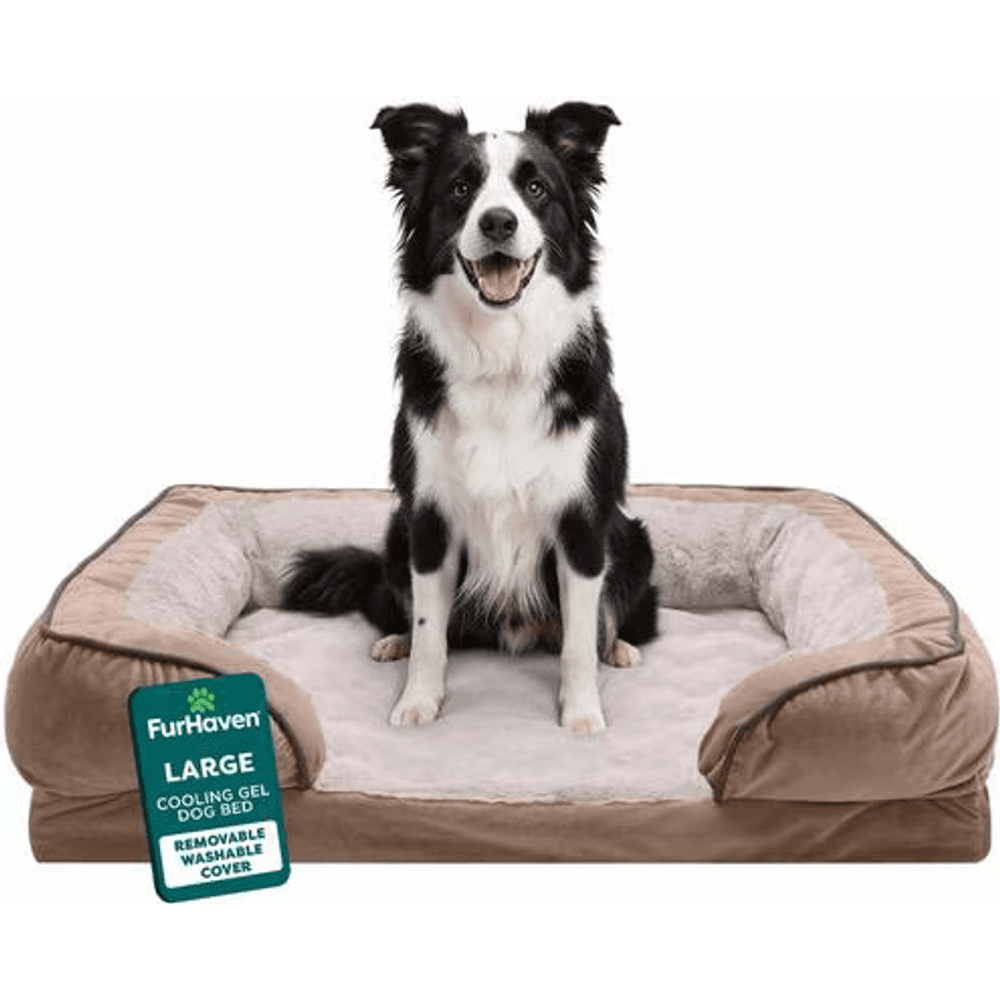
Removable-cover sofa bed. Check usable sleeping space and entry height against your dog’s posture and mobility; no medical or calming outcome promised.
Petful may earn a commission when you click through to Chewy, at no extra cost to you.
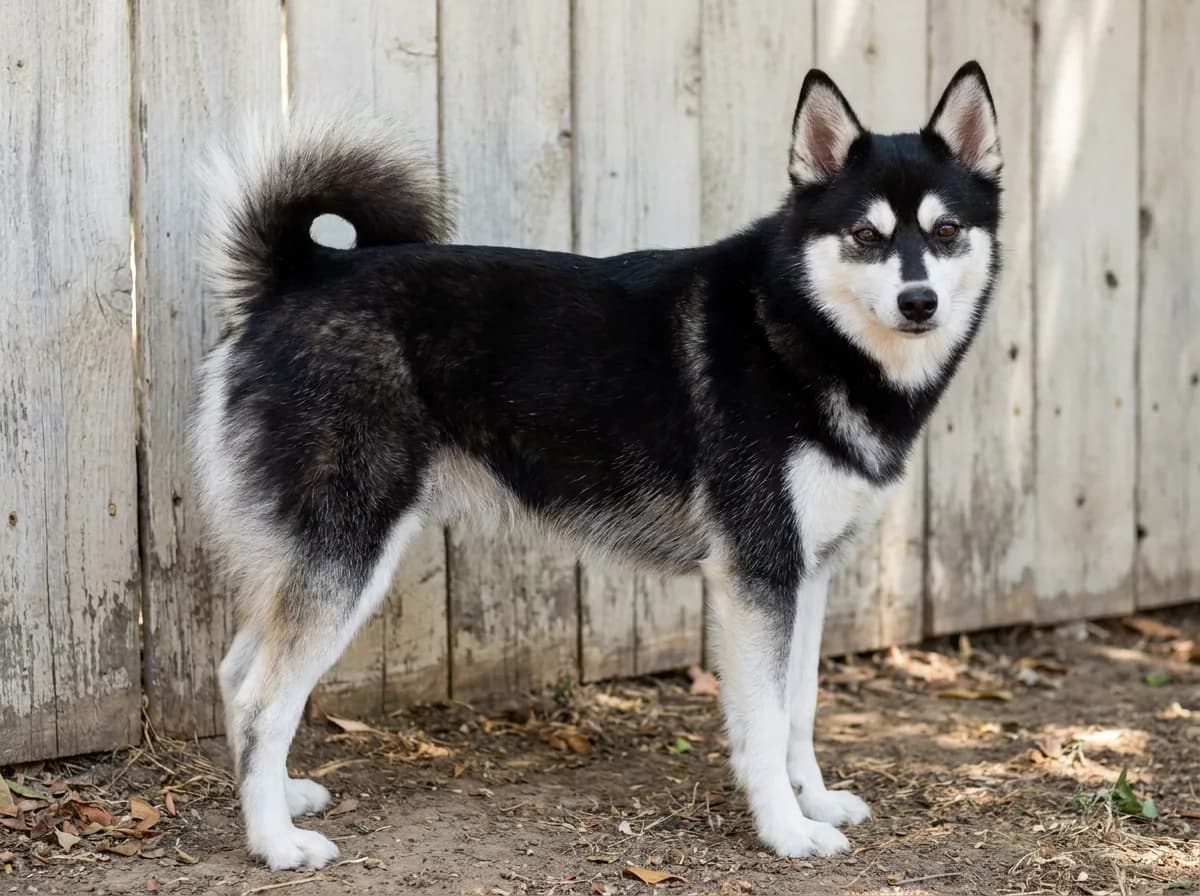
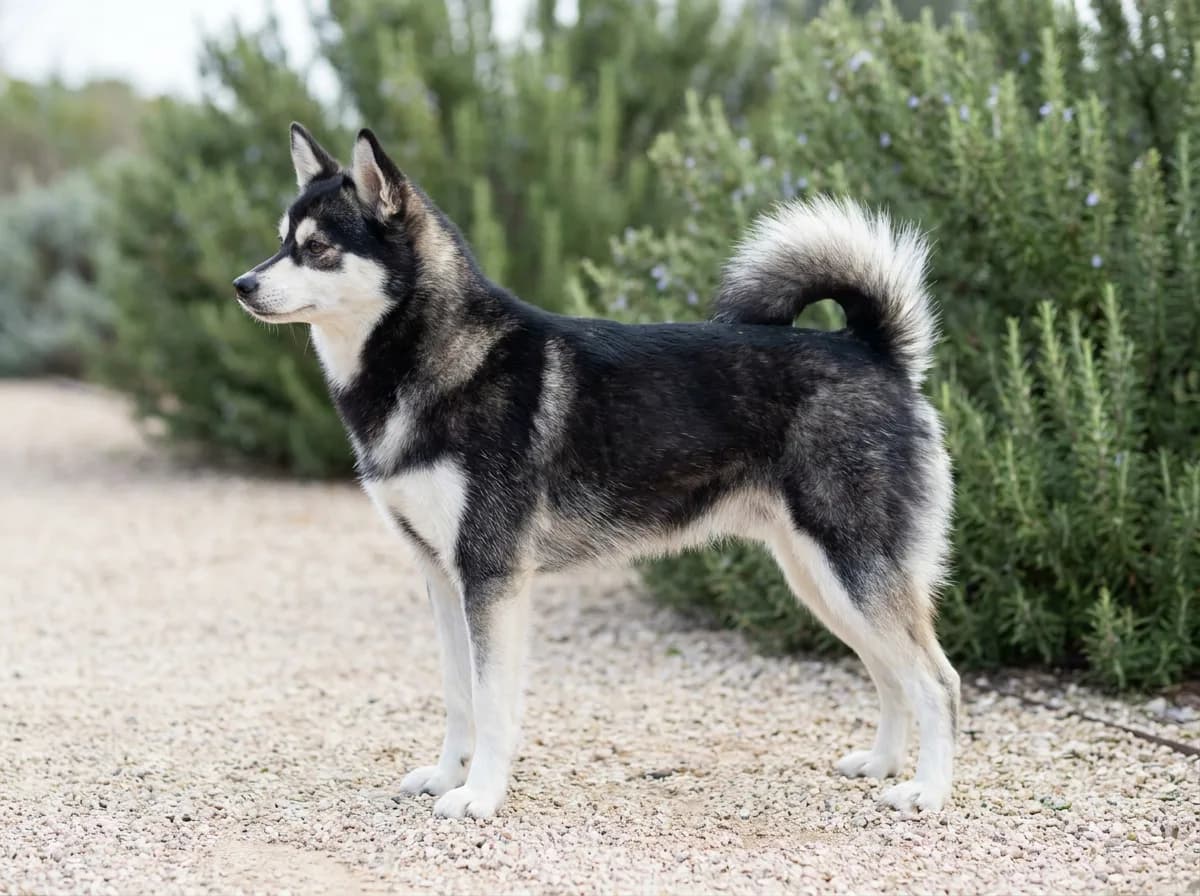
A black-and-white Klee Kai presents dark areas against a noticeably lighter face and underside. Look at the whole dog before describing it simply as black. A close crop of a dark shoulder may exclude the white chest or legs, while a front-facing portrait may make the lighter areas look more extensive than they appear from the side.
Photographs taken in shade can also obscure detail in the darkest hair. To compare two dogs, ask for a clear side view and a relaxed face view in ordinary daylight. Those views are more useful than a heavily edited portrait with deep shadows and brightened eyes. They also let you distinguish the coat’s visible pattern from the effect of the lighting.
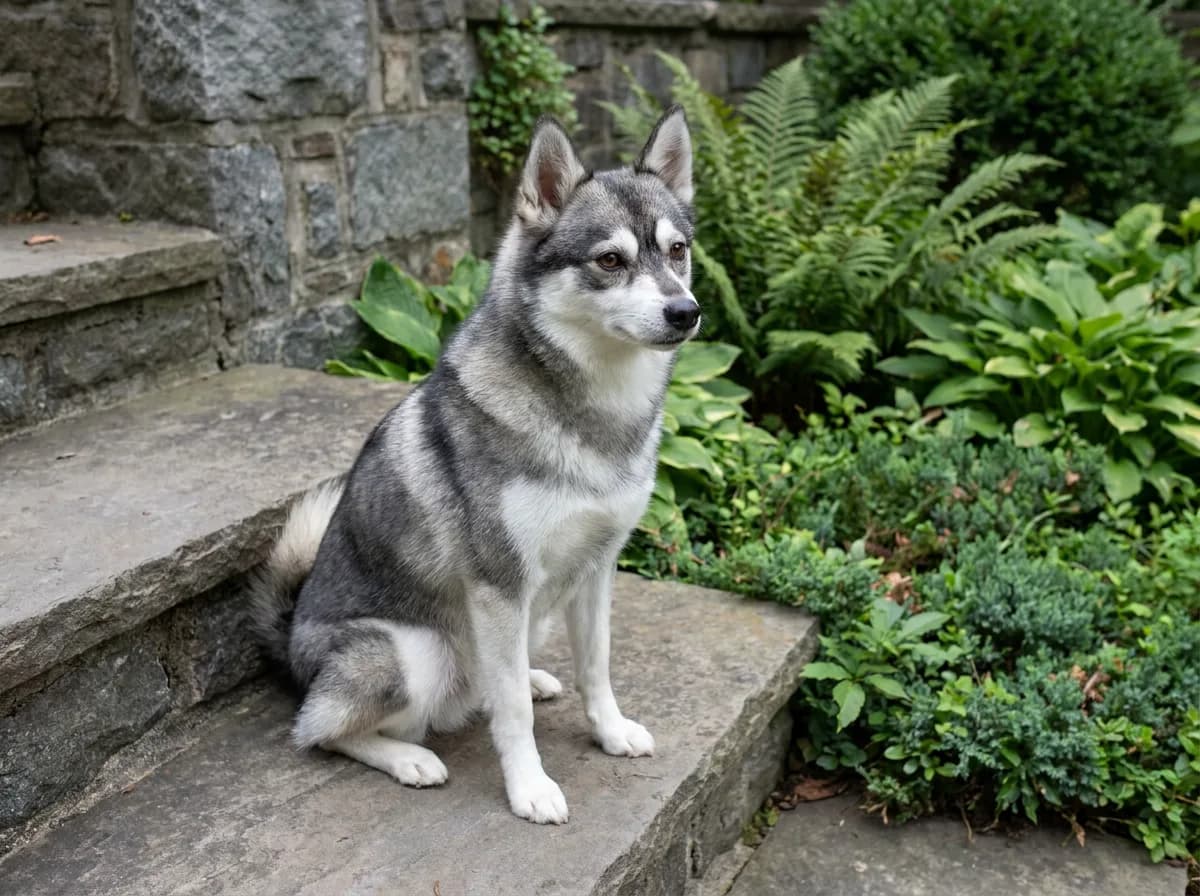
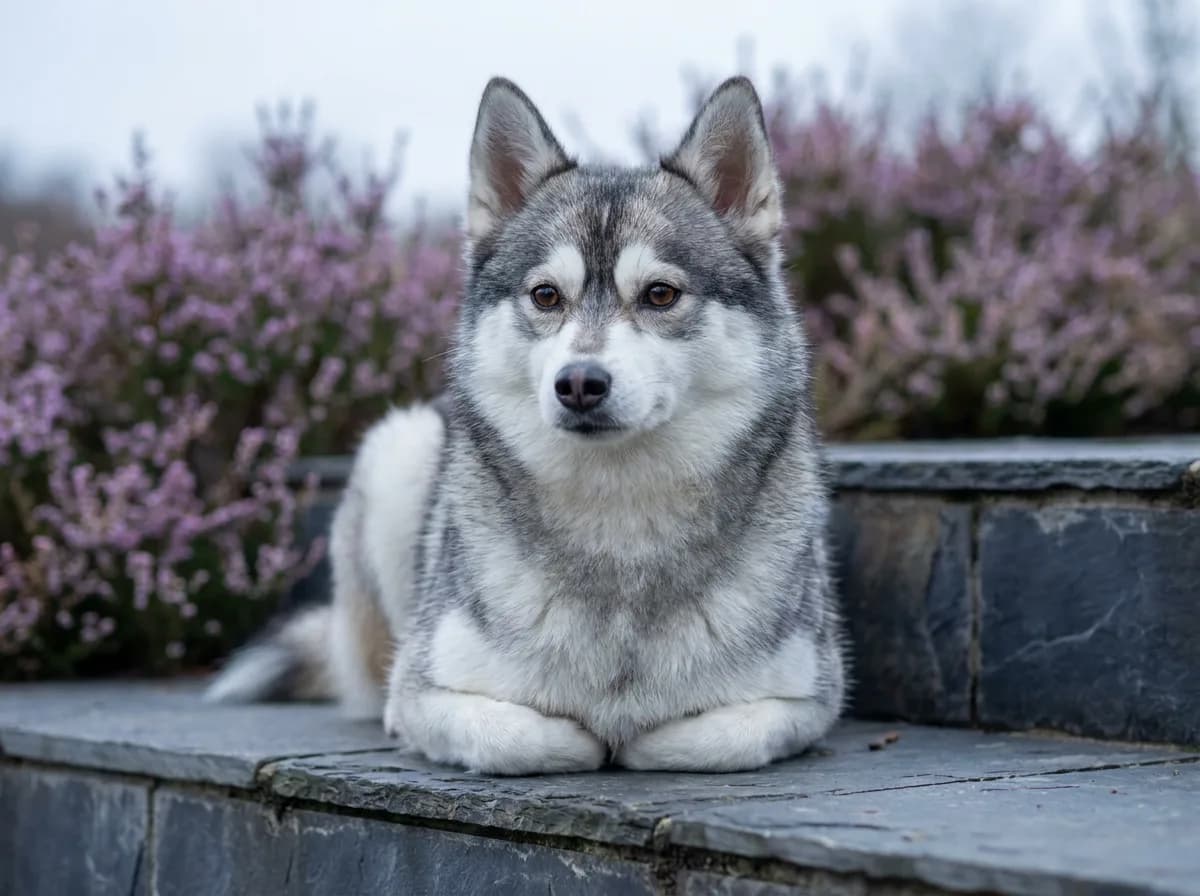
Gray-and-white, also spelled grey-and-white, describes another standard variety rather than a different size or type of Klee Kai. The shade visible in a photograph can vary across the body. Describe the actual upper coat, mask and lighter areas rather than assuming every gray dog will match one reference photograph exactly.
When a picture looks unusually silver or warm, consider the light before treating that appearance as a special named color. Compare the dog in neutral daylight and check how the owner or breeder records the variety. A photograph is useful for recognizing visible features, but it is not a substitute for the records relevant to a registration question.
For an outdoor photo session, a Frisco padded harness in Small is an option only if the dog’s measurements match its current chart. Check fit and movement before leaving a secure area. Color, mask and eye shade do not select an equipment size.
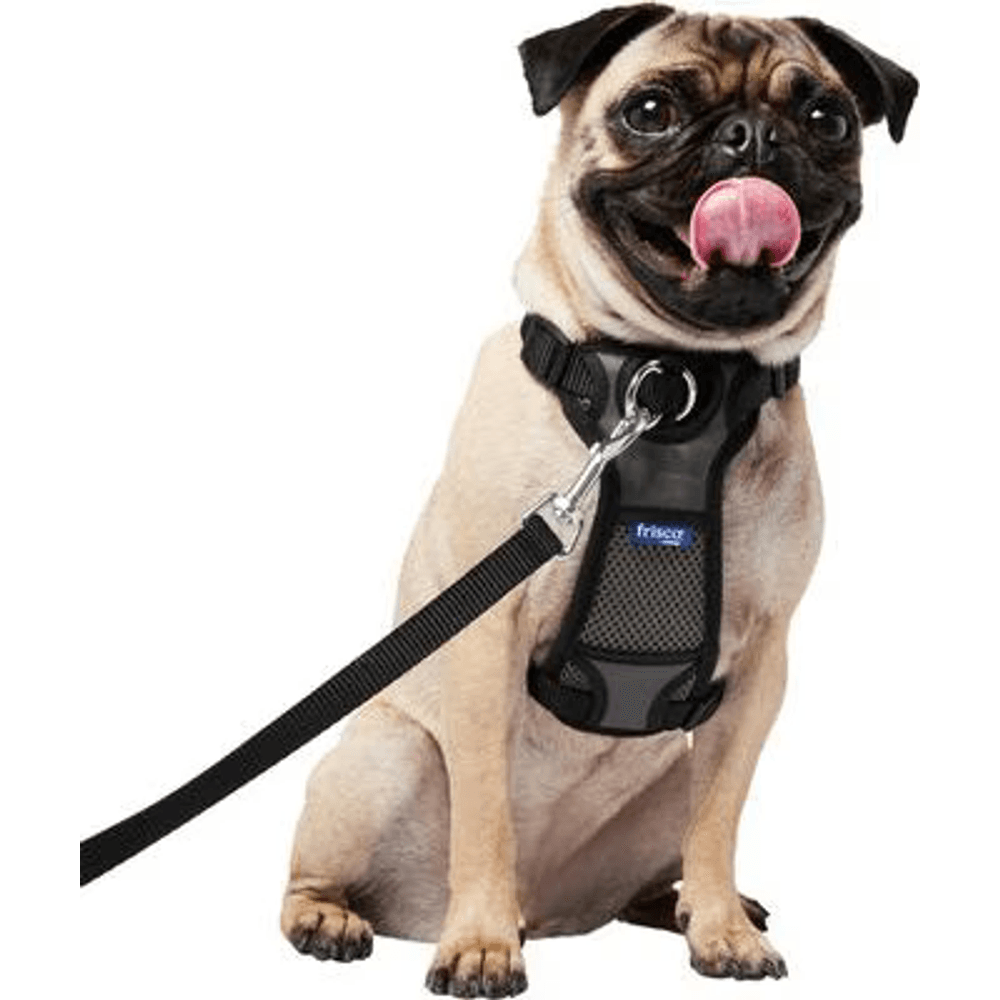
Check this Small harness against actual measurements and the current size chart. Adjust and test indoors; no-pull wording is not an escape-prevention guarantee.
Petful may earn a commission when you click through to Chewy, at no extra cost to you.
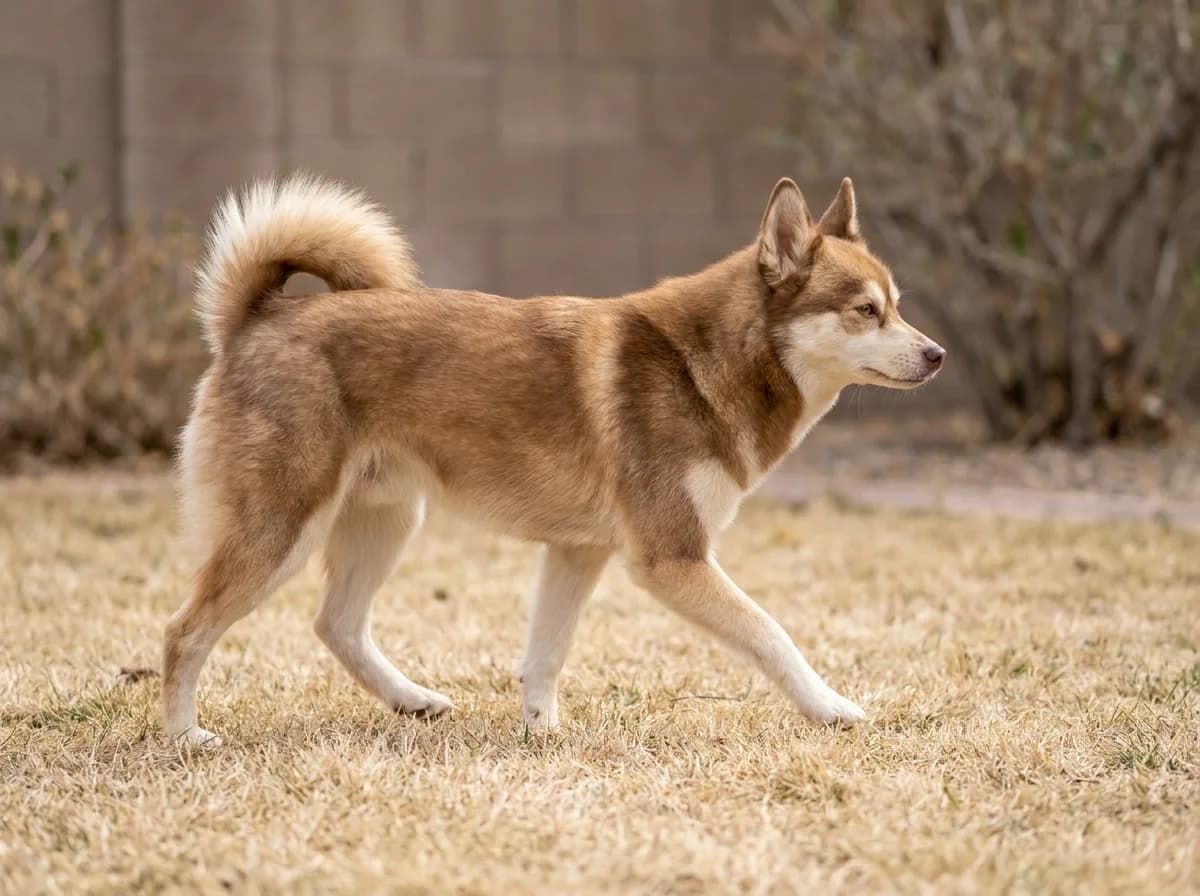
Red-and-white dogs can be described casually as brown or copper, depending on the shade and the person describing it. The UKC standard associates red coats with liver-colored nose and eye-rim pigment, while black pigment is described for black and gray dogs. That is a registry appearance distinction, not a reason to assign a separate personality to a red dog.
Ask for the breeder’s or registry’s actual color description if you need precise terminology. A seller’s creative label may emphasize a warm tone without identifying a different accepted variety. Keep the visible shade and the formal description separate so a marketing phrase does not become an unsupported claim about rarity or value.
The symmetrical facial mask and body markings
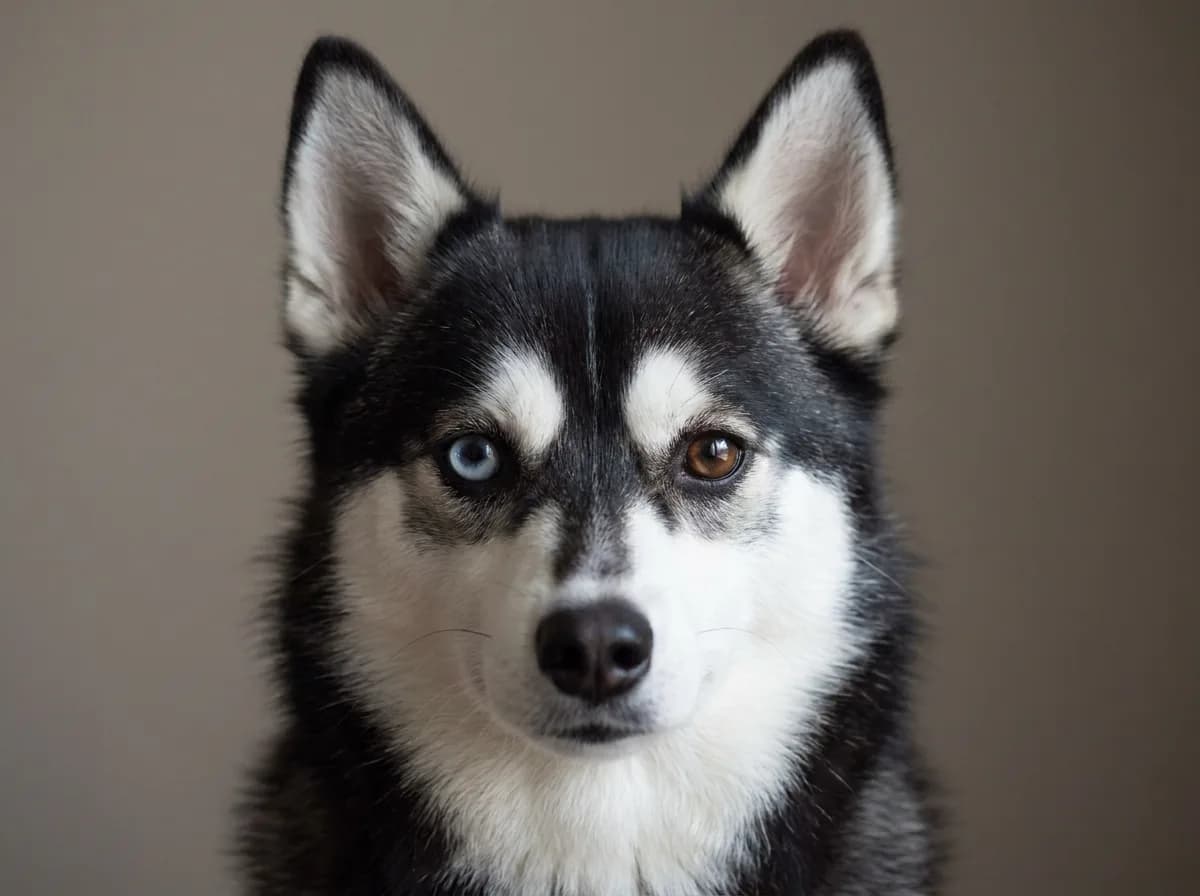
The contrasting mask is a distinctive part of Klee Kai appearance. UKC describes symmetrical facial markings, including darker areas around the eyes and a dark bar along the nose, with lighter areas elsewhere on the face. Read the full standard when evaluating conformation rather than reducing the requirement to one dark patch or a particular eye color.
A useful face photograph shows both sides at a similar angle and in similar light. A shadow on one cheek can make a balanced mask appear uneven, while a turned head can hide part of a marking. Look at more than one image before drawing conclusions about the actual pattern. A dog does not need to be restrained into an uncomfortable pose to obtain that view.
- 1Identify coat variety separately from eye color.
- 2Use a clear front view to observe the symmetrical facial mask.
- 3Neither blue eyes nor a familiar northern face proves recent Husky ancestry.
Describe eyes separately from the coat
The UKC standard allows different eye colors and combinations. Describe the eyes and coat as separate observations: for example, a gray-and-white dog with differently colored eyes. The color of an iris does not rename the coat or establish a particular cross. A white dog with blue eyes also needs background records if its breed identity is uncertain.
Avoid using eye color as a shortcut for temperament or buying suitability. If you like a particular eye color, keep that preference alongside the practical questions about the dog’s behavior, care and source. It should not replace them. The selected FAQ below addresses the blue-eye question directly.
Observe the body markings in context
- Compare a side view with a front view of the same dog.
- Note the contrast between the upper body and lighter underside.
- Check whether lighting or cropping hides the chest, feet or lower legs.
- Use the actual registry wording for a showing question.
- Keep visual observations separate from ancestry claims.
If two photographs seem to show different markings, first confirm that they show the same dog and were taken at known ages. A reversed image, a changed camera angle or a cropped chest can make the comparison confusing. Ask for clarification instead of building a detailed interpretation around a single ambiguous photograph.

Slicker for gentle coat care if its pins and size suit your dog. Use light pressure; stop if it pulls or causes discomfort.
Petful may earn a commission when you click through to Chewy, at no extra cost to you.
Read a standard differently from a pet description
A registry standard may describe a marking as acceptable but less desirable, list another as a fault and treat a third as a disqualification. Those terms are not interchangeable. For example, UKC describes a light central blaze and a white tail tip as acceptable but less desirable markings. Their presence should not be casually rewritten as proof that a dog cannot be a Klee Kai.
The standard also addresses where lighter contrast belongs and how the nose bar is defined. These detailed criteria serve conformation judging. If you are choosing a companion, you can understand that purpose without trying to turn every photograph into a judging exercise. If you intend to show, use the complete current standard and seek an experienced assessment of the individual dog.
Keep the question specific when contacting a registry or breeder. Asking whether a particular marking affects eligibility in a named event is clearer than asking whether a dog is “real.” That distinction makes room for an accurate answer about paperwork, appearance or competition without confusing those separate matters.
Grooming the double coat
The main color varieties share the breed’s double-coat care needs. Choose a routine and tools for the actual coat, rather than assuming a red dog needs a different basic approach from a black-and-white dog. The breed club recommends regular brushing and combing and advises against bladed tools that damage the coat. A Safari fine comb is one option to assess for manageable areas; use it gently and stop at resistance.
An aumuca slicker brush is one option to assess for gentle maintenance. Work carefully through manageable areas and let the dog become comfortable with handling. Tool choice should serve the coat’s condition and the task, not a promise to preserve a fashionable color label or eliminate normal shedding.
The guide to Alaskan Klee Kai shedding and coat care explains that separate routine. For color comparison, keep the coat clean enough to see its normal appearance and use good light. Do not mistake a grooming product’s promotional photograph for evidence that the product changes the breed’s natural variety. Save a useful reference photograph before comparing products or seller descriptions. Having the dog's ordinary appearance in view helps keep the conversation focused on maintenance rather than unnecessary attempts to alter a natural coat color. For ordinary surface dirt, Earth Rated unscented grooming wipes may help according to the label; avoid eyes and irritated skin and let the coat dry before comparing photographs.
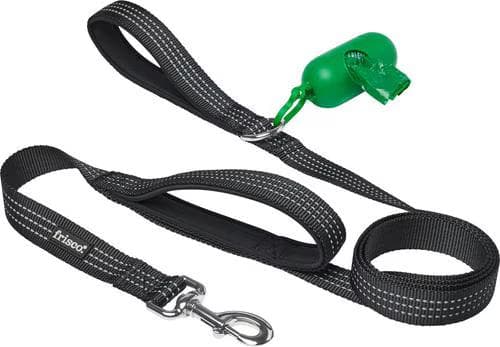
Six-foot leash for supervised everyday walks when the clip and weight suit your dog. Not a long line for distance recall.
Petful may earn a commission when you click through to Chewy, at no extra cost to you.
White coats, puppy changes, and registry distinctions
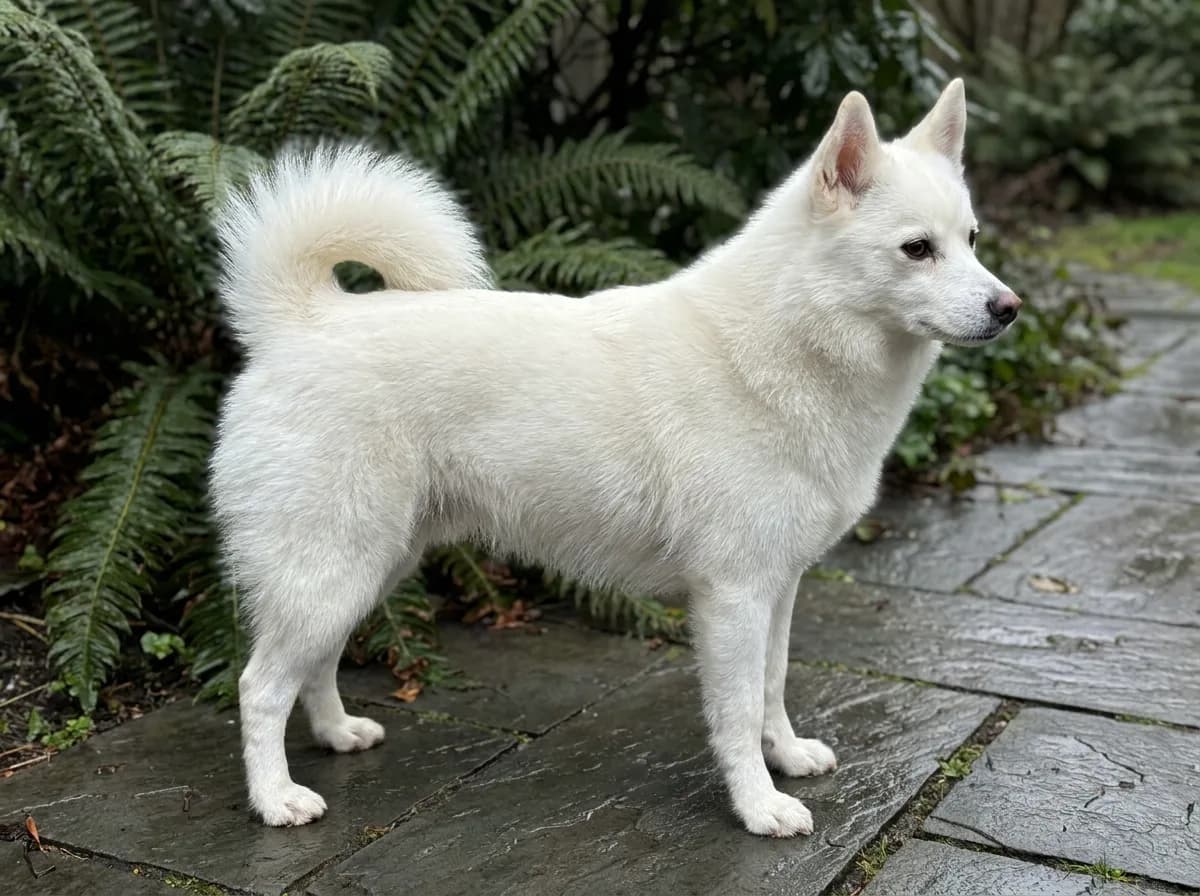
An all-white appearance needs a different explanation from ordinary white markings on a black, gray or red Klee Kai. In the UKC standard, a solid coat color without the required contrasting mask is a disqualification from conformation consideration. That is a specific show-standard statement. It does not mean that a photograph establishes the dog’s ancestry or diagnoses a health condition.
Registration, eligibility to compete in a particular event and meeting every detail of a breed standard are separate questions. For an individual white Alaskan Klee Kai, obtain the dog’s records and ask the relevant registry what they establish. Do not assume that a show disqualification automatically describes all registration options, or that a seller’s registration claim answers every show-eligibility question.
An unfamiliar solid-white northern-looking dog cannot be identified as a Klee Kai by color alone. If a listing calls a white puppy an Alaskan Klee Kai, ask what documentation supports that identity. This is particularly useful when several small northern breeds or mixes could produce a similar visual impression.
Compare puppy photographs without promising an adult shade
A photograph records how the puppy looks at that moment, in that light. It cannot guarantee the precise shade or contrast you will see as an adult. Ask for dated photographs of the puppy, its parents and relevant mature relatives, but treat those as context rather than a promise that every red-and-white or gray-and-white puppy will develop identically.
Keep a simple photo record if you want to compare appearance over time. Use similar daylight, a similar camera distance and the same views. That makes a comparison more informative than placing a filtered puppy portrait beside an indoor adult snapshot. Record the date rather than relying on memory about the puppy’s age.
Keep outdoor photography controlled. A Frisco six-foot traffic leash may suit a short supervised session when its fittings match the dog and handler. Leave it attached and have another adult manage the camera if needed; a clear coat photograph does not require releasing the dog.
- Take one relaxed face view showing both sides of the mask.
- Take one side view showing the coat and lighter underside.
- Avoid filters that alter warmth, saturation or eye brightness.
- Keep the original photographs when sharing a comparison.
If a breeder describes an expected adult color, ask which parts are observed now and which are predictions. A broad variety description and an exact shade promise are different claims. The first may be useful terminology; the second should not become a condition you assume will be fulfilled just because the puppy is expensive.
When comparing littermates, keep each puppy's identity attached to its photographs. Similar masks and changing camera angles can make an unlabeled gallery difficult to follow. Ask the source to confirm which dog is shown and when the picture was taken. This simple check is more useful than guessing that the lightest-looking image must show the same puppy at a younger age, or that two different photographs establish a predictable color change.
Breed identity and temperament beyond appearance
Color does not decide whether an Alaskan Klee Kai will be comfortable with visitors, other dogs or your household routine. The breed’s companion background and the individual’s experiences matter more than choosing black, gray or red. Ask for concrete examples of behavior instead of accepting a color-based personality description.
The Alaskan Klee Kai breed guide covers temperament, training, lifespan and history. It also explains the difference between reserve and aggression and the practical demands of a vocal, active companion. Use that broader context before selecting a puppy or adult primarily for its mask or eyes.
Choosing a dog beyond color premiums
A color preference can help you describe the dog you like, but it does not establish a fair purchase price. Ask what the quoted fee includes and how the source documents the dog’s background. “Rare” is an advertising claim unless a clear, relevant population measure supports it; even a genuinely uncommon appearance would not prove responsible breeding or a suitable match.
Our Alaskan Klee Kai price guide separates acquisition from transport, setup and continuing costs. It helps you compare the whole commitment rather than a premium attached to one feature. A clear agreement and a dog whose needs fit your home are more useful decision points than an unsupported color ranking.
Questions about alaskan klee kai colors
The sources used here provide no reliable color frequency census that establishes a ranking. The standard varieties described by the breed club are black-and-white, gray-and-white and red-and-white. A breeder's current litter or an online photo gallery is not a representative population sample, so it should not be used to declare one color the most common or most valuable.
Yes. Eye color varies, and the UKC standard allows different colors and combinations. Eye color is separate from coat variety, so blue eyes do not rename a black-and-white, gray-and-white or red-and-white coat. They also do not prove recent Siberian Husky ancestry or tell you how the individual dog will behave.
Under the UKC conformation standard, a solid coat without the required contrasting mask is a disqualification. Registration and eligibility for a particular event are separate questions, so ask the relevant registry about the individual dog’s records. A show-standard distinction does not diagnose health or prove ancestry, and ordinary white markings on a masked dog are a different case.
BVMS, MRCVS
Dr. Pippa Elliott, BVMS, MRCVS, is a veterinarian with nearly 30 years of experience in companion animal practice. Dr. Elliott earned her Bachelor of Veterinary Medicine and Surgery from the University of Glasgow. She was also designated a Member of the Royal College of Veterinary Surgeons. Married with 2 grown-up kids, Dr. Elliott has a naughty Puggle named Poggle, 3 cats and a bearded dragon.
Sign up for expert-backed reviews and safety alerts all in one place.