Pixie-Bob Kitten: What to Expect From This Mini Bobcat
A pixie-bob kitten looks like a small bobcat, with a bobbed tail and sometimes extra toes from birth. Here is what to expect: slow big-cat growth, dog-like temperament, kitten care, socialization, cost, and finding a healthy registered kitten.
Petful is reader supported. As an affiliate of platforms like Amazon and Chewy, we may earn a commission when you buy through links on this page. There is no extra cost to you.
A pixie-bob kitten arrives looking like a tiny bobcat, and according to The International Cat Association (TICA), it is one of only 2 breeds allowed to show polydactyly, with up to 7 toes per foot permitted in the standard. That wild face sits on a fully domestic cat. DNA testing has found no recent wild bobcat ancestry in the breed, despite the founding legend. Expect a heavily boned, slow-maturing kitten that bonds like a dog, keeps a naturally short tail from birth, and can take 2 to 3 years to reach its final adult size.
- 1Pixie-bobs are fully domestic cats with no proven wild bobcat DNA, despite the bobcat look
- 2Kittens are born with the short bobbed tail and any extra toes already present, not acquired with age
- 3The breed matures slowly, often taking 2 to 3 years to fill out into a large, heavy-boned adult
- 4Buy only from a TICA-registered breeder who health-tests and socializes litters in the home

Sign up for expert-backed reviews and safety alerts all in one place.
What Is a Pixie-Bob Kitten?
The pixie-bob is a North American breed developed in Washington state in the mid 1980s by Carol Ann Brewer, who bred barn cats near Mount Baker that carried a strikingly wild, bobcat-like look. The founding story claimed a natural bobcat cross, and that legend gave the breed its name and mystique. Modern genetic testing tells a different story: the pixie-bob carries no recent wild bobcat DNA and is recognized by registries as an entirely domestic cat. The wild appearance is the product of selective breeding, not wild blood.
That distinction matters when you bring a kitten home. A pixie-bob is not a hybrid or an exotic that needs special permits or a wild-animal diet. It is a house cat that happens to look like a small lynx, with the temperament and care needs of a domestic breed. Your kitten will use a litter box, learn its name, and curl up on the couch like any well-raised cat.
Where the breed comes from
Brewer registered the foundation cats and worked with other early breeders to stabilize the type. TICA granted the pixie-bob exhibition status in 1994 and full championship recognition by the late 1990s. Because the gene pool was assembled from a wide range of barn and free-roaming cats across the region, the breed avoided the narrow inbreeding that troubles some pedigreed lines, which is a big reason the pixie-bob is so robust today. It remains relatively uncommon, which is part of why a well-bred kitten commands a high price and why finding a reputable breeder takes patience.
Two coat lengths
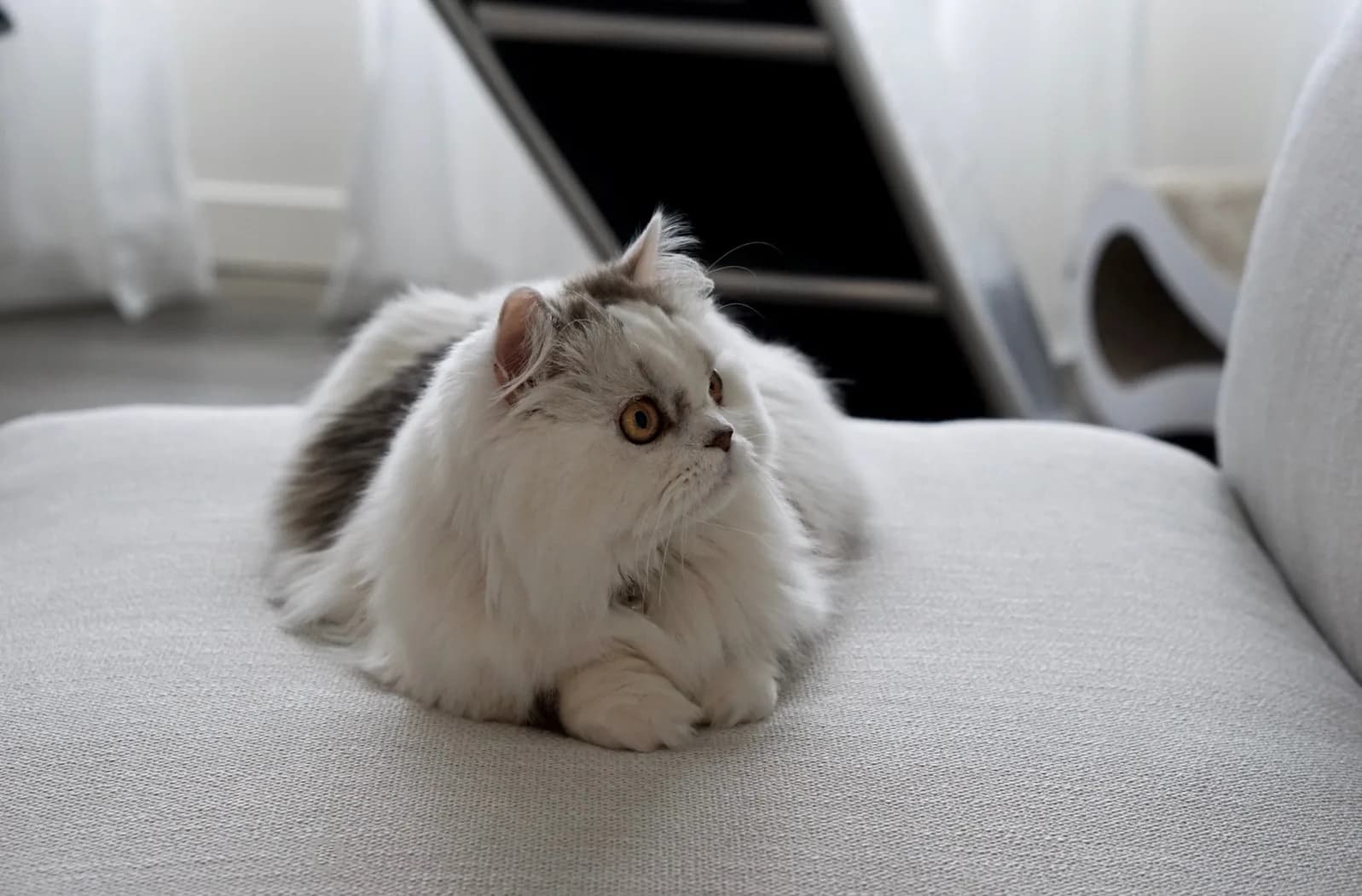
Pixie-bobs come in shorthair and longhair. The shorthair has a dense, woolly double coat that stands slightly off the body. The longhair carries a medium-length coat with a softer texture, up to about 2 inches long. Both show the same brown spotted or ticked tabby pattern. Coat length is one of the factors that moves a kitten's price.
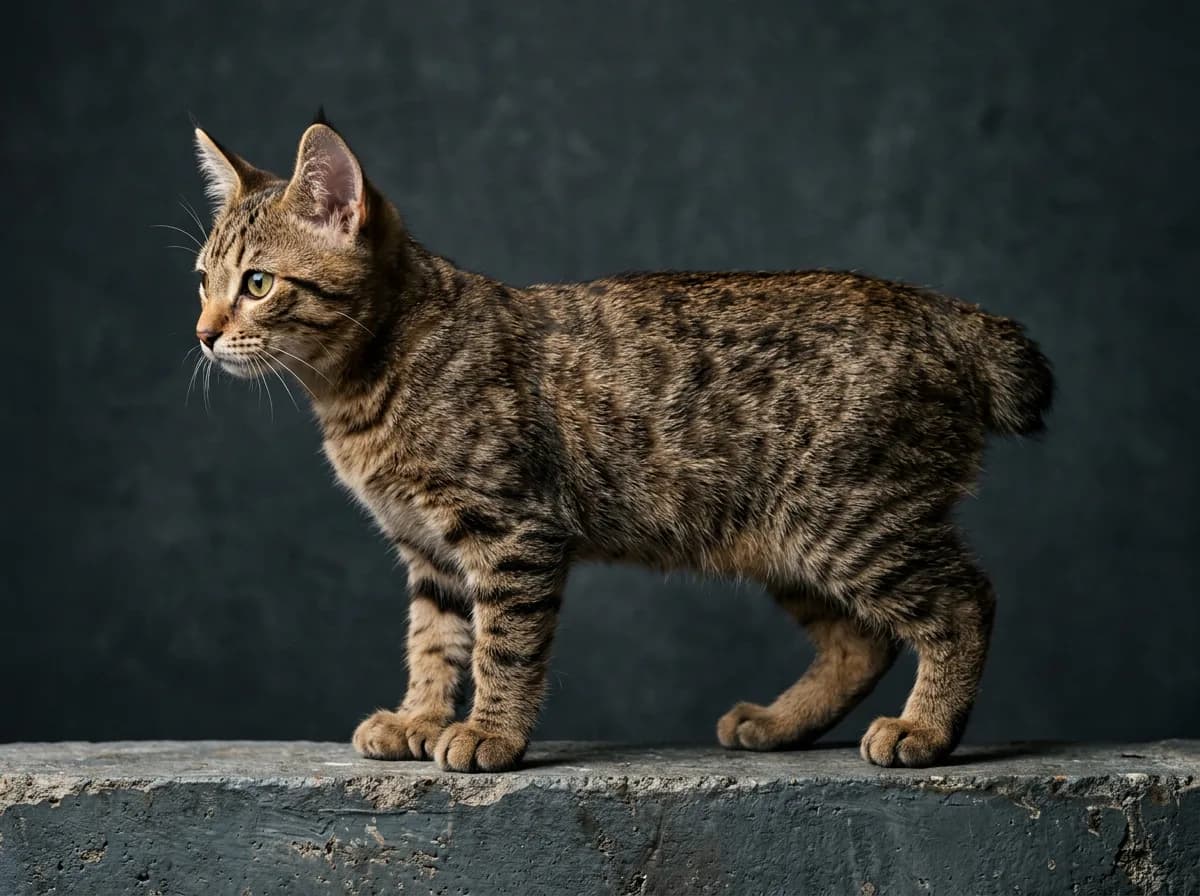
How to Spot a Real Pixie-Bob Kitten
The look is specific, and it shows up early. A genuine pixie-bob kitten carries breed traits from birth rather than growing into them, so a knowledgeable buyer can identify the type in the litter.
- A pixie-bob is born with its short bobbed tail already formed, usually 2 to 4 inches long. It is never docked, which is one reason documentation from a registered breeder matters.
- Bobbed tail. TICA sets a minimum tail length of 2 inches, and the tail may extend as long as the hock. Tails are often kinked or knotted. A rare long-tail variant exists but falls outside the standard.
- Polydactyl paws. The pixie-bob standard uniquely permits extra toes, up to a maximum of 7 per foot. Not every kitten is polydactyl, but it is common and fully accepted in the breed.
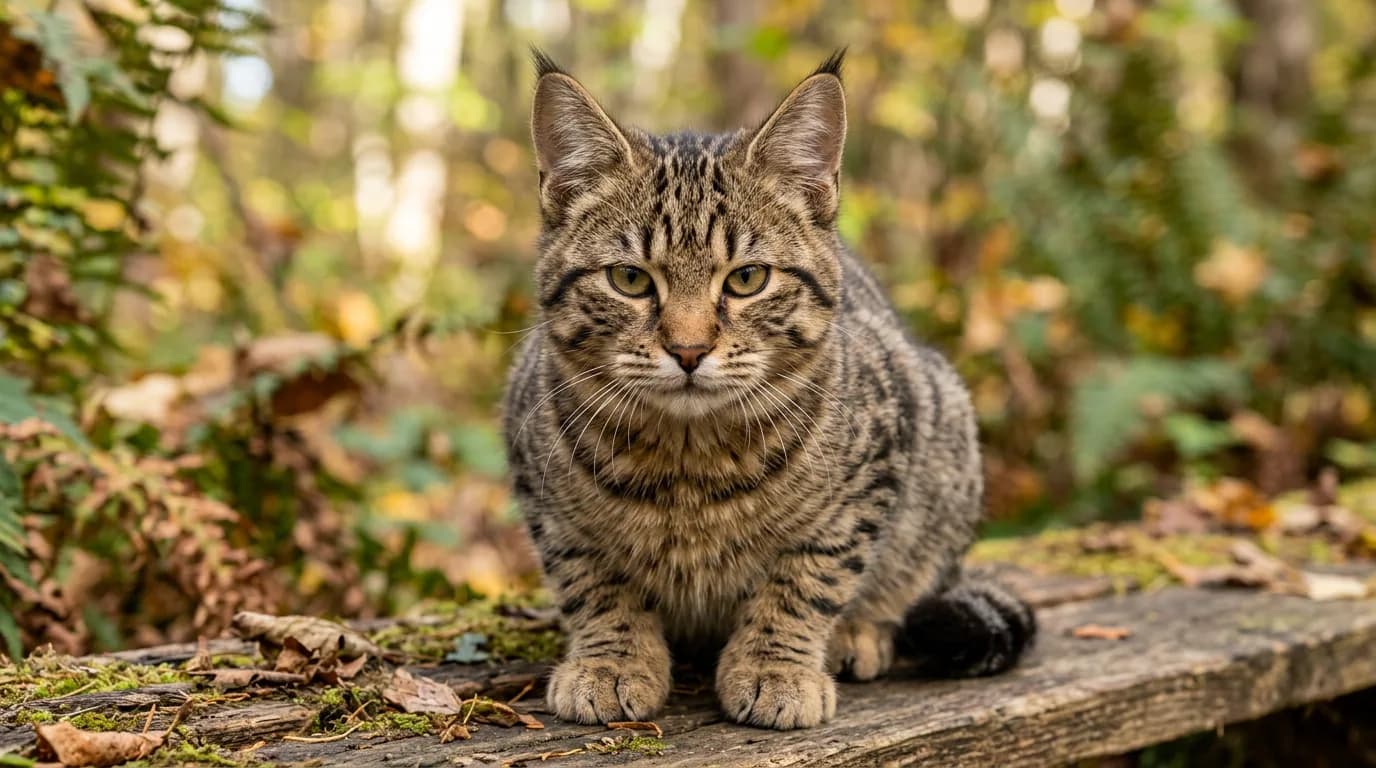
- Spotted or ticked brown tabby coat. The pattern is a muted brown spotted tabby, ranging from tawny to reddish brown, with heavy ticking that softens the spots.
- Lynx-tipped, tufted ears. Ears carry small tufts at the tips, echoing the bobcat look.
- Heavy boning and a hooded brow. The body is muscular and substantial, with deep-set, heavily hooded eyes and an inverted pear-shaped head.
- Mutton-chop cheeks. Pronounced facial hair on the cheeks adds to the wild expression.
A reputable breeder will show you the dam and often the sire so you can judge adult type, boning, and temperament before you commit. If you are evaluating an adult cat of unknown background, those same markers apply, though only a pedigree from a registered breeder confirms the breed with certainty. The pixie-bob look can appear in mixed-breed cats by chance, so appearance alone is not proof.

63-inch multi-level cat tree with scratch posts, hammock, plush perches, and dangling toys. Vertical territory is non-negotiable for high-energy climbing breeds like the Bengal.
Petful may earn a commission when you click through to Chewy, at no extra cost to you.
Pixie-Bob Kitten Temperament and Socialization
Pixie-bobs are often described as dog-like. They are loyal, people-oriented, and they bond hard with their family. Many learn to walk on a leash, play fetch, and come when called. They are intelligent and active, and they want to be involved in what you are doing rather than watching from across the room.
Vocally they tend to be quiet. Pixie-bobs are known for chirps, chitters, and trills more than constant meowing, though individuals vary. They generally get along well with children and other pets when introduced properly, which makes them a strong fit for a busy household.
Early socialization is what turns a wild-looking kitten into the steady, affectionate companion the breed is famous for. A good breeder raises litters underfoot in the home, exposing kittens to handling, household noise, and other animals before they leave. At home, keep that momentum going with daily handling, positive introductions to new people, and supervised play.
Because pixie-bobs are so people-focused, they do not do well left alone for long stretches every day. A second pet or an enriched environment helps prevent boredom. Their intelligence also means they need outlets: puzzle feeders, climbing space, and interactive play keep a young pixie-bob out of trouble. Pixie-bobs also take to harnesses and car travel better than most cats, so introduce both early while the socialization window is open.
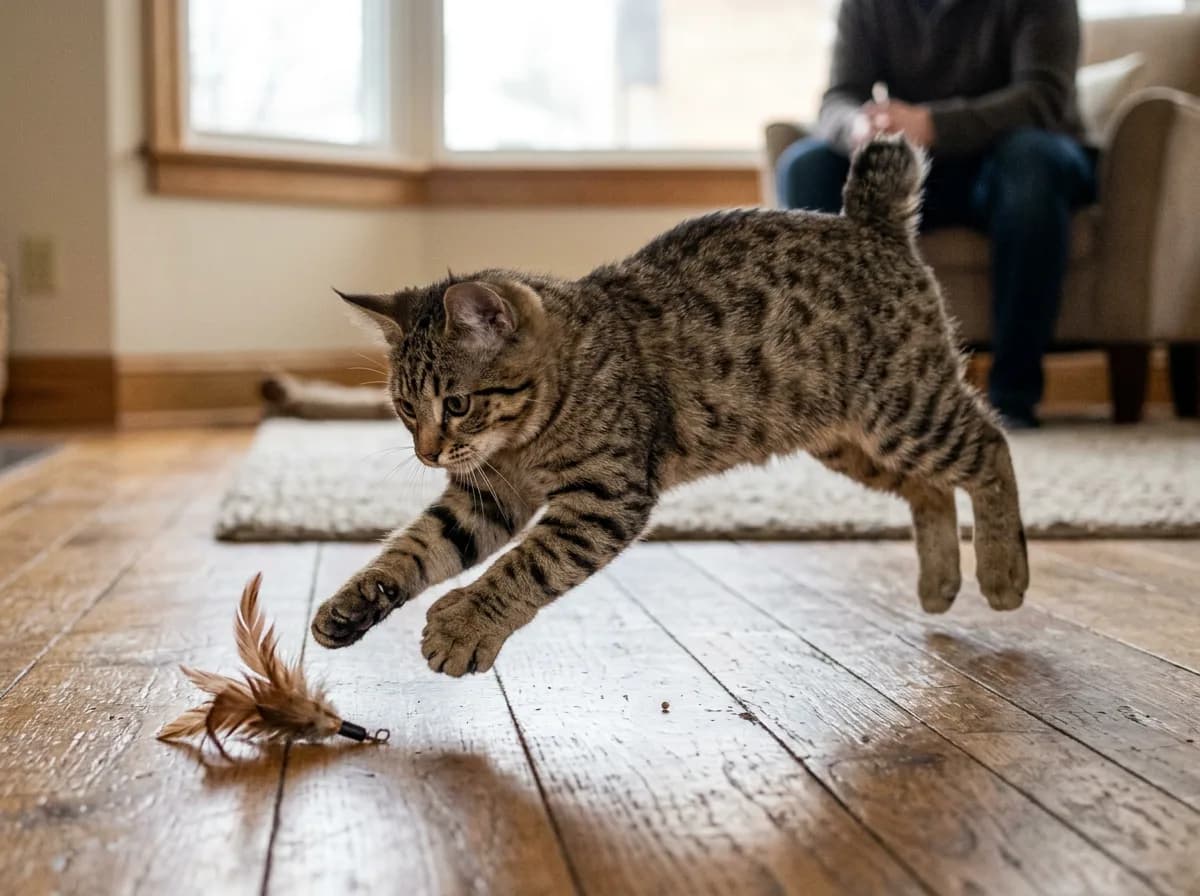
If you are deciding between wild-looking breeds, it helps to compare temperaments and energy levels. The high-drive Bengal cat and the athletic Savannah cat run hotter and more demanding than the steadier, dog-like pixie-bob, while the chatty Abyssinian cat shares the active streak in a smaller package.
The Slow-Maturing Big Cat
One of the biggest surprises for new owners is how slowly a pixie-bob grows up. Where many cats reach adult size by 12 months, a pixie-bob often keeps filling out until 2 to 3 years of age, and some lines take even longer. The kitten you bring home is not close to finished. Expect the frame to broaden, the boning to thicken, and the muscle to develop well into the second and third year.
Adults are large. Per TICA, males commonly weigh 12 to 17 pounds, and some big males push past 20 pounds, while females typically range from 8 to 12 pounds. The overall impression is a substantial, rangy cat with long legs (the hind legs slightly longer than the front) and big paws, built for strength rather than a delicate lap pet, though pixie-bobs are happy to be both.
| Stage | Typical Age | What to Expect |
|---|---|---|
| Newborn | 0 to 8 weeks | Bobbed tail and any extra toes already present; stays with mother and littermates |
| Kitten | 2 to 12 months | Fast early growth, leggy and lean, high play drive, key socialization window |
| Adolescent | 1 to 2 years | Still lean and rangy; muscle and bone keep developing |
| Young adult | 2 to 3 years | Chest and frame fill out; reaches full 8 to 17 pound adult size |
| Mature adult | 3 years and up | Solid, muscular, bobcat-like build fully expressed |
- Because pixie-bobs grow over years, overfeeding a kitten to bulk it up fast can stress developing joints. Feed a complete kitten diet to the bag's guidelines and let the cat grow on its own clock.
That slow maturation means kitten behavior, the zoomies, the relentless play, and the testing of boundaries, can stretch longer than you might expect with another breed. Patience and consistent routines pay off.
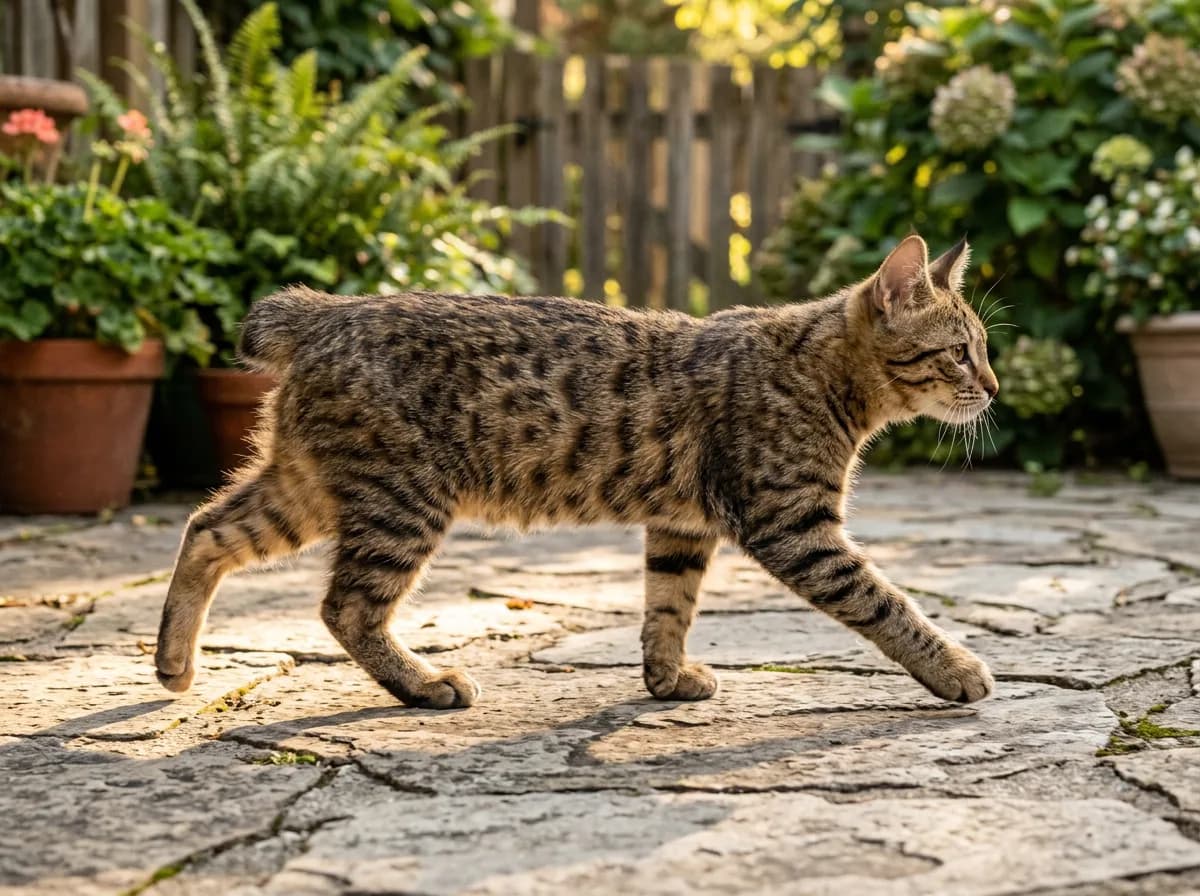
Pixie-Bob Kitten Care Basics
A pixie-bob kitten needs the same foundation as any well-raised cat, with a few breed-specific notes.
Nutrition
Feed a complete and balanced kitten food, protein forward, until about 12 months. Young pixie-bobs may eat up to 4 small meals a day, tapering to twice daily as they grow. Because the breed grows slowly and can be prone to obesity, measure portions and avoid free-feeding once growth slows. Fresh water should always be available, and many pixie-bobs enjoy playing with water, so a fountain can encourage drinking and support long-term urinary health.
Grooming
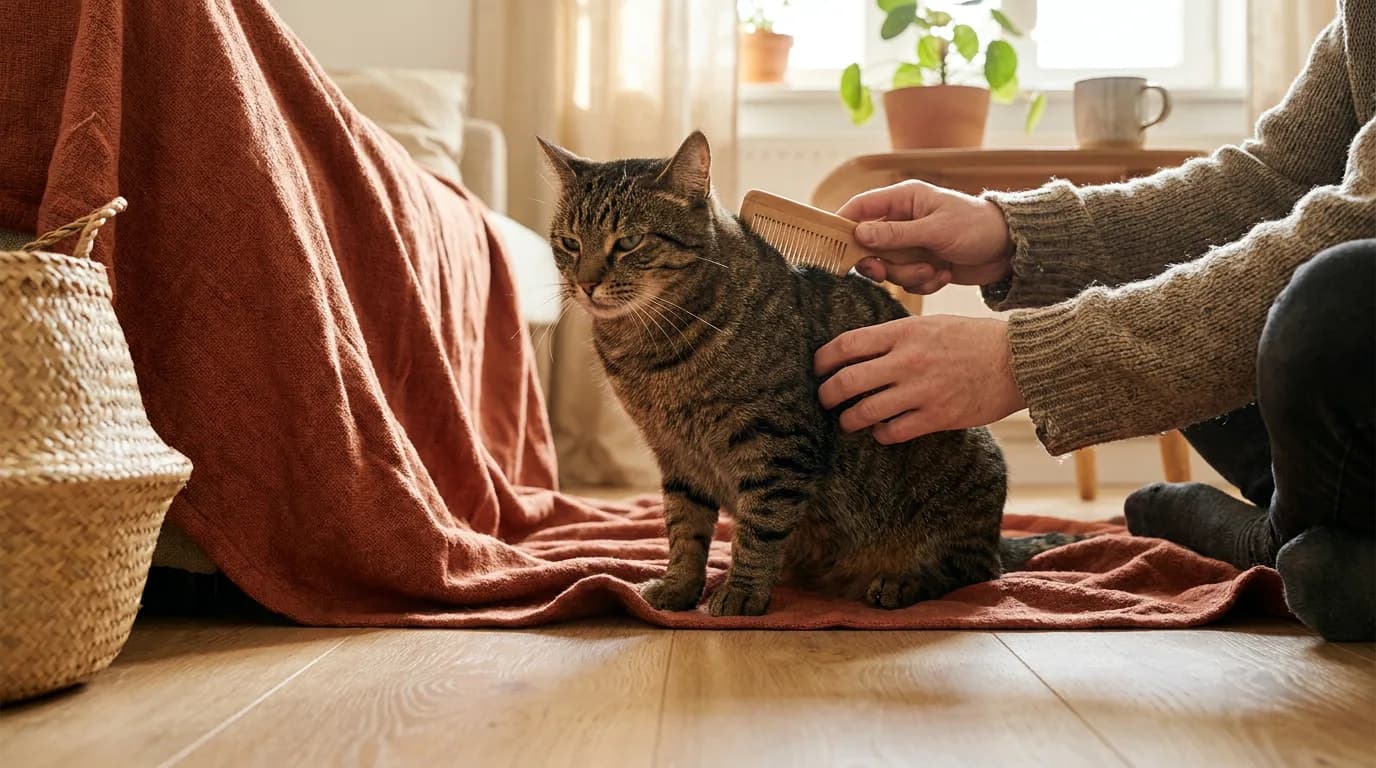
Shorthairs need weekly brushing to manage the dense double coat. Longhairs benefit from brushing two or three times a week to prevent mats. Both shed seasonally. Routine nail trims matter even more for polydactyl cats, because extra toes can mean extra claws that can curl into the pad if neglected. Add weekly ear checks and a dental-care routine started young.
- Before a kitten leaves the breeder it should have age-appropriate vaccinations and deworming documented. Get the written record and bring it to your first vet visit.
Veterinary care and health
Pixie-bobs are generally healthy, with a typical lifespan of 13 to 16 years, helped by the breed's diverse foundation gene pool. Like all cats, they should be kept current on core vaccinations and parasite prevention, and they benefit from annual wellness exams. As a heavily boned, larger breed they can be predisposed to hip dysplasia, so ask your breeder whether the parents have been screened. Polydactyl kittens deserve a careful first vet exam to confirm the extra toes are well formed and the nail beds are healthy.
Setting up your home
Give a young pixie-bob vertical space to climb, sturdy scratching posts, and safe, engaging toys. Kitten-proof aggressively: this is an athletic, curious breed that climbs, opens cabinets, and investigates everything. Secure loose cords, remove toxic houseplants, and anchor tall furniture and cat trees so nothing tips. Their athleticism means they will find the high shelf whether or not you planned for it, so provide acceptable climbing options from day one.
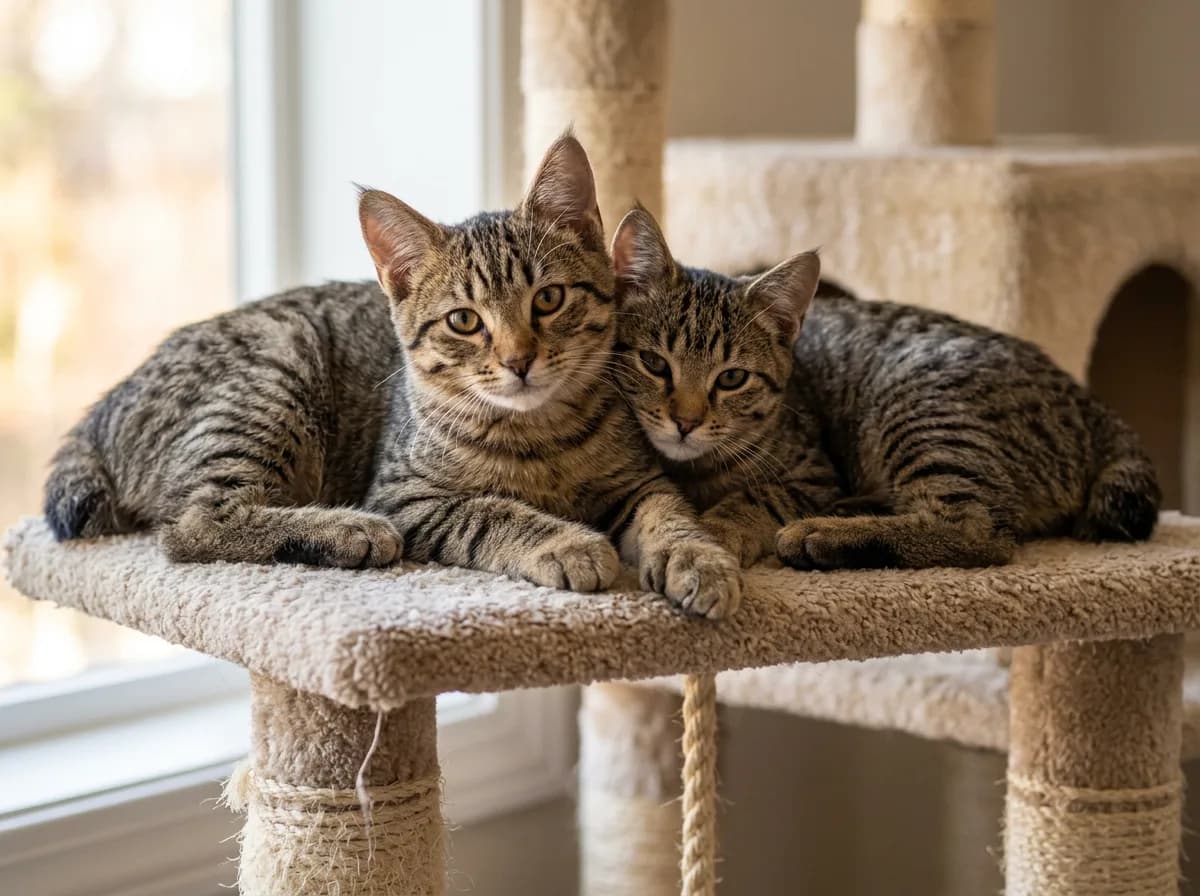
Finding a Healthy, Registered Pixie-Bob Kitten
Because the breed is uncommon and prices are high, the buying process is where new owners are most exposed to risk. A wild-looking kitten photo is easy to fake, and demand outstrips supply, which attracts careless or dishonest sellers.
Work with a TICA-registered breeder. Registration is your baseline proof that the cattery is breeding to the standard and keeping pedigrees. Beyond registration, look for a breeder who:
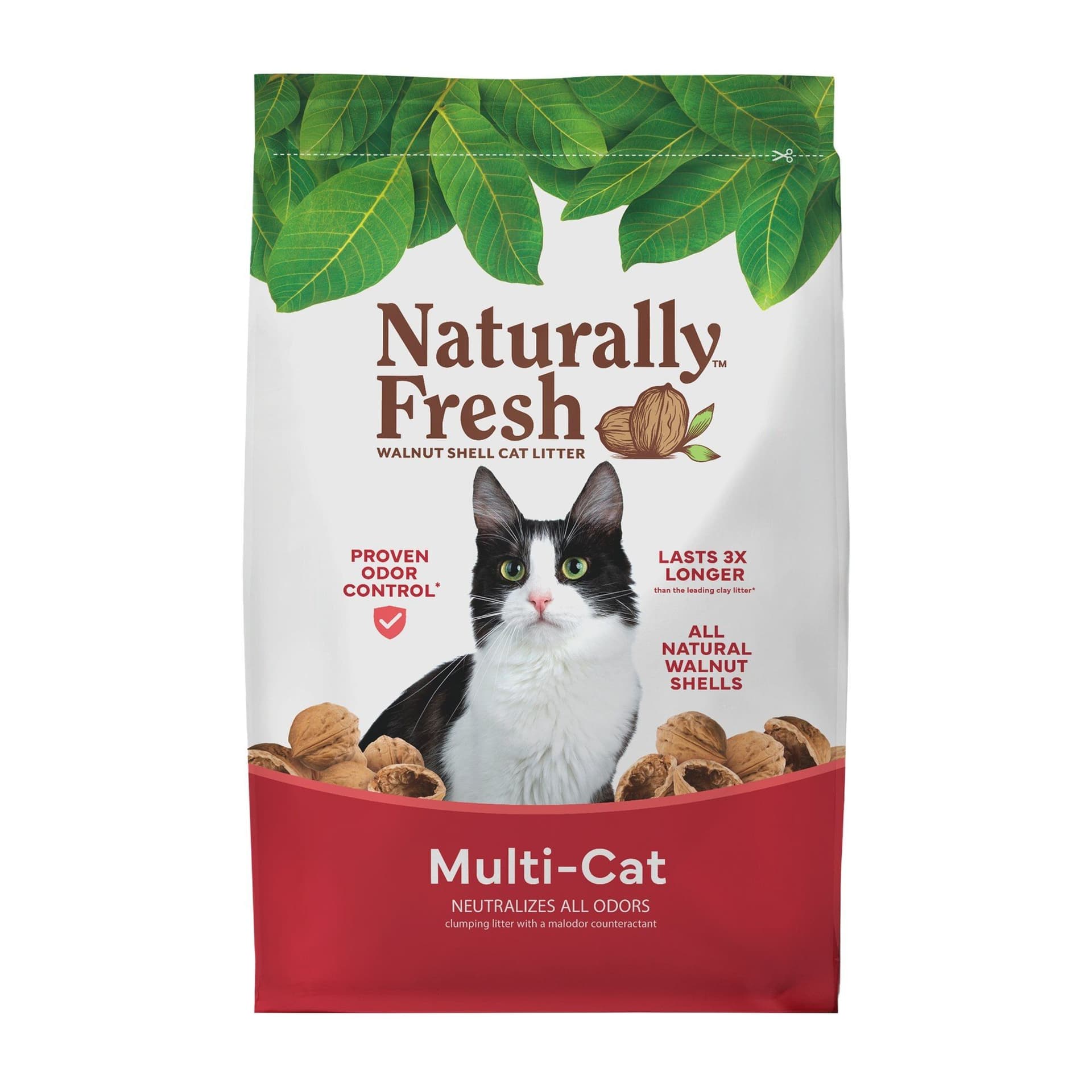
Walnut shell clumping cat litter that excels at odor control, lasts up to 3x longer than clay, and is a top pick for multi-cat households.
Petful may earn a commission when you click through to Chewy, at no extra cost to you.
- Raises kittens in the home and socializes them with people and other animals
- Health-tests breeding cats and shares the results
- Provides written vaccination and deworming records
- Lets kittens stay with the mother until at least 12 to 14 weeks
- Offers a written health guarantee and a contract
- Will answer questions about the line, temperament, and what to expect as the kitten matures
Be cautious of any seller who pushes a quick sale, will not show the parents or the home, ships kittens very young, pressures you to wire money, or advertises prices far below the market. Reputable pixie-bob breeders almost always have a waitlist, so a kitten available immediately at a bargain price is a red flag, not a deal. Adoption is also an option through breed-aware rescues and Petfinder, though purebred pixie-bobs rarely appear in shelters.
- TICA registration confirms pedigree and breed type. It does not by itself certify health, so still ask for parent health testing and a written health guarantee.
What a pixie-bob kitten costs
Pixie-bob kittens are a premium purchase. The table below shows the typical ranges and what drives them.
| Kitten Type | Typical Price Range | What Drives the Price |
|---|---|---|
| Pet-quality kitten | $800 to $1,500 | Companion pet, may have minor cosmetic faults, often spay or neuter included |
| Standard show or breeding line | $1,500 to $2,500 | Strong breed type, good boning and pattern, full pedigree |
| Top show-quality or rare coat | $2,500 to $4,000 | Excellent conformation, longhair or rare color, proven lines |
| Polydactyl or standout markings | $1,200 to $3,500 | Extra toes and distinctive pattern can raise demand and price |
Prices vary by region, lineage, coat length, and whether the kitten is sold as pet or show quality. Always confirm what is included: vaccinations, microchip, spay or neuter, registration papers, and a health guarantee all add real value beyond the sticker number. Factor in first-year vet visits, food, litter, and supplies on top of the kitten price.
For a fuller breakdown of the breed beyond kittenhood, see our guide to the pixie-bob cat and a deeper look at pixie-bob cat price factors. If you want to know how big the cat will get, read our breakdown of pixie-bob cat size.
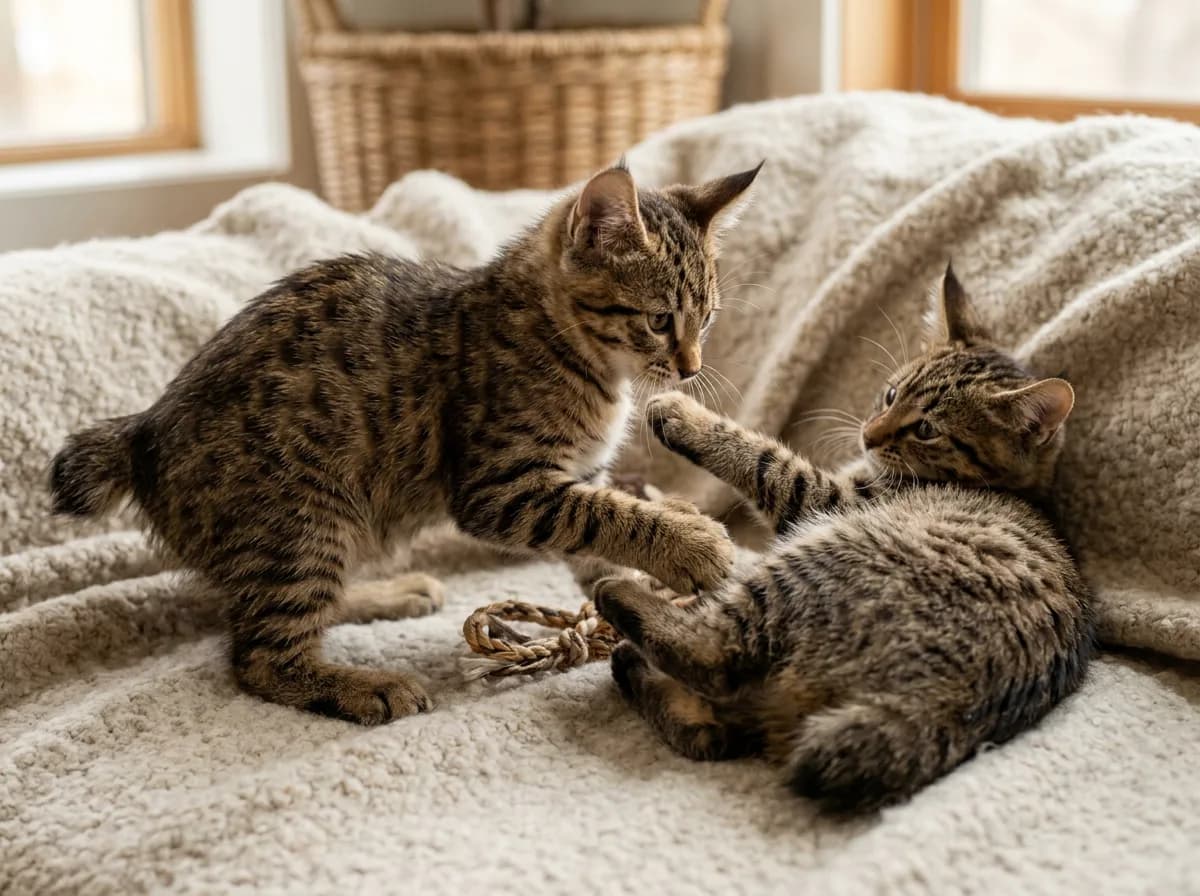
Your Pixie-Bob Kitten's First Weeks Home
A reputable breeder will not release a pixie-bob kitten before 12 to 14 weeks, and that extra time with the mother and littermates is what produces the breed's confident, well-adjusted adults. When yours comes home, set it up to succeed rather than overwhelming it on day one.
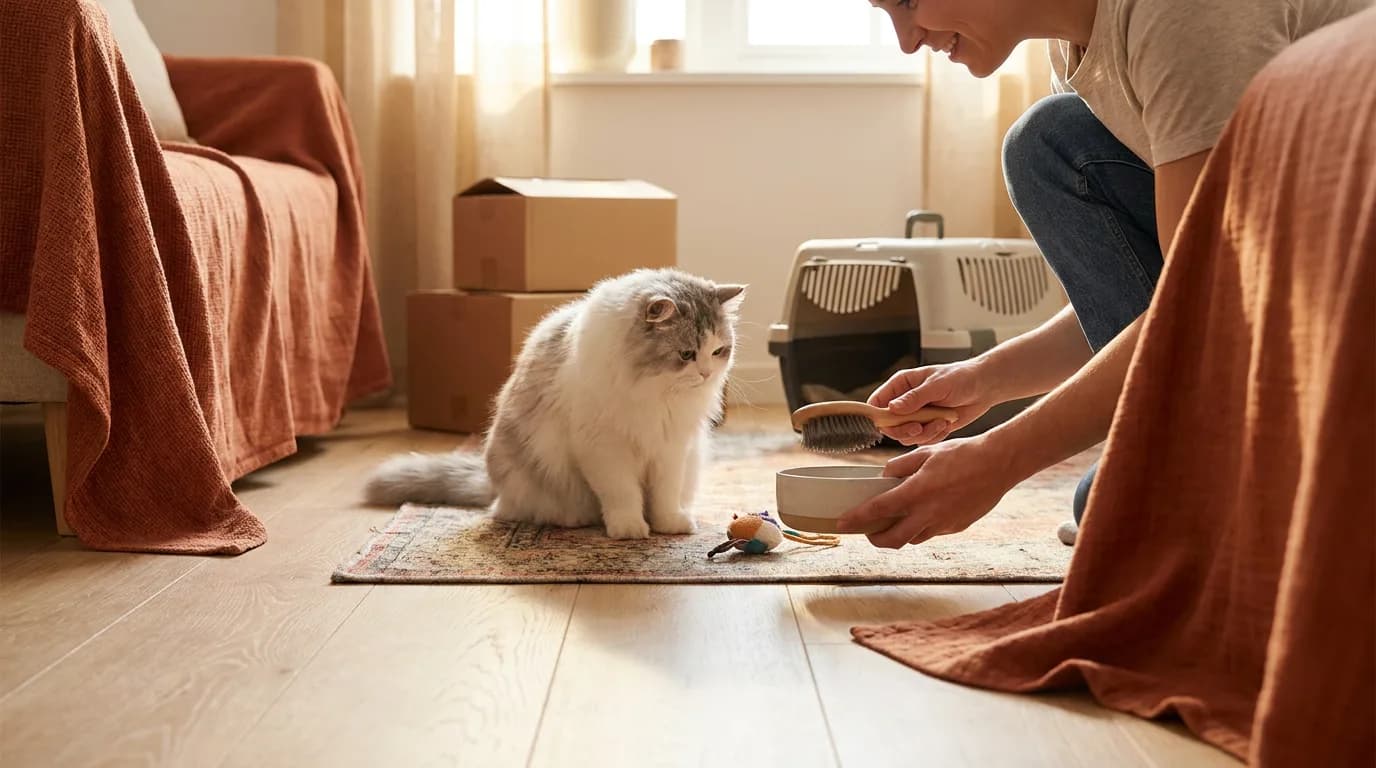
Start small. Give the kitten one quiet room with food, water, a litter box, a scratching post, and a hiding spot, then expand its territory over a few days as confidence grows. A single covered cubby or a cardboard box on its side gives a nervous kitten somewhere to feel safe while it learns the new smells and sounds of the home.
Introduce existing pets slowly. Swap scents by exchanging bedding, feed both animals on opposite sides of a closed door, and only allow a supervised face-to-face meeting once both are calm. Pixie-bobs generally get along beautifully with dogs and other cats, but a gradual introduction prevents early friction that can be hard to undo. Keep the first meetings short and positive, and let the resident pet set the pace.
Establish routines fast. Feed at the same times, keep the litter box scrupulously clean and easy to reach, and build in two or three short play sessions a day. A predictable rhythm settles a young pixie-bob quickly and channels that dog-like energy into healthy habits instead of furniture-shredding boredom.
- Daily gentle handling in the first weeks home reinforces the breeder's socialization and cements the loyal, dog-like bond pixie-bobs are known for.
A Pixie-Bob Kitten Development Timeline
The age-band size chart above tells you how big a pixie-bob kitten gets and when. This timeline is about what is happening week to week and month to month, so you can tell whether your kitten is developing on a normal curve. Because the breed matures so slowly, the early milestones happen on roughly the same schedule as any kitten, then the pace stretches out for years afterward.

108-oz stainless steel pet fountain with quiet pump and water-level window. Bengals are notoriously water-obsessed; a flowing fountain encourages hydration and pulls them away from sinks and toilets.
Petful may earn a commission when you click through to Chewy, at no extra cost to you.
Birth to 8 weeks (with the breeder)
In the first 2 weeks a newborn is blind, deaf, and entirely dependent on the queen, nursing and sleeping almost around the clock. The bobbed tail and any extra toes are already there, fully formed, from the day the kitten is born. Eyes open around 7 to 14 days and ears unfold soon after. By weeks 3 to 4 the kitten starts to wobble around, the first teeth come in, and litter-box instinct begins. Weeks 4 to 8 are the social explosion: littermate play, the first solid food, and the very start of the handling that builds the breed's famous temperament. A responsible breeder keeps the litter through all of this rather than rehoming early.
8 to 16 weeks (homecoming window)
This is when a pixie-bob legitimately joins your home, usually at 12 to 14 weeks. Growth is fast and leggy, the kitten looks all ears and limbs, and play drive is at a peak. This stage carries the tail end of the socialization window, so every gentle new experience now pays off for life. Most core vaccinations are completed during this stretch.
4 to 12 months
The kitten keeps growing but starts to look less like a baby and more like a rangy teenager. Adult coat texture settles in, the spotted or ticked pattern sharpens, and energy stays high. Around the back half of this year, switch the feeding plan toward adult maintenance as growth begins to slow.
1 to 3 years
This is the part that surprises new owners. The frame keeps broadening, the chest fills, and the heavy boning the breed is known for thickens well into the second and third year. A 14-month-old pixie-bob that looks lean and unfinished is completely normal, not underdeveloped. Final muscular, bobcat-like build is usually fully expressed by age 3.
- A healthy pixie-bob kitten hits the early milestones (eyes open, first teeth, weaning, vaccinations) on a normal schedule, then matures slowly afterward. If early milestones are badly delayed, ask your vet; if your young adult simply looks lean for its age, that is usually just the breed taking its time.
The Genetics Behind the Bobbed Tail and Extra Toes
Two of the pixie-bob's signature traits, the short tail and the extra toes, are present from birth because they are written into the kitten's genes, not created by any procedure. Understanding the basics helps you ask a breeder the right questions and set realistic expectations for a litter.
The short tail is a dominant trait, which means a kitten only needs to inherit it from one parent to show a bob. That is why two bobbed parents can still produce a kitten with a longer tail, and why tail length varies within a litter from a 2 inch stub up to a tail that reaches the hock. The tail is never docked, so a breeder who suggests the bob was trimmed is describing something that has no place in the breed.
Polydactyly, the extra-toes trait, is also inherited as a dominant gene. The pixie-bob is one of the very few breeds whose written standard welcomes it rather than penalizing it, allowing up to 7 toes per foot. Polydactyl paws look mitten-like or wider than usual, and the cat uses them normally. The trait does not appear in every kitten, even within the same litter, so a non-polydactyl pixie-bob is just as much a pixie-bob as its many-toed sibling.
- A polydactyl kitten should have each foot checked by a vet so every toe is well formed, every nail bed is healthy, and no extra claw sits at an angle that will dig into the pad as the cat grows. Good structure matters more than the toe count.
Neither trait is something a kitten grows into or out of. What you see in a young kitten is what the adult will carry, which is exactly why an honest breeder is happy to let you examine the tail and paws of both the kitten and its parents before you commit.
A Week-by-Week Socialization Plan
Because pixie-bobs are bred to be dog-like companions, the payoff from deliberate socialization is huge, and the window is short. The breeder owns the earliest weeks; your job is to carry the momentum through roughly 16 weeks of age and keep reinforcing it afterward. Think of socialization as banking calm, positive experiences before the kitten learns to be wary.
Color-changing crystal litter that flags pH shifts in your cat's urine, an early warning sign of UTIs, kidney issues, and more.
Petful may earn a commission when you click through to Chewy, at no extra cost to you.
Keep every new experience short, positive, and paired with a reward. The goal is exposure without fear: a kitten that meets the vacuum, the doorbell, and a visitor while feeling safe grows into the steady adult the breed is known for. Never flood a kitten or force an interaction. If it retreats, let it, and try again later at a gentler intensity.
| Focus Area | What to Introduce | How to Do It Well |
|---|---|---|
| People | New faces, ages, voices, gentle handling of paws and ears | One calm visitor at a time, treats and praise, let the kitten approach |
| Handling | Being held, nail trims, grooming, mouth and ear checks | A few seconds daily, build duration slowly, always end on a good note |
| Sounds | Vacuum, doorbell, TV, kitchen noise, car engine | Start at low volume or a distance, reward calm, increase gradually |
| Other pets | Resident dog or cat | Scent swap first, feed across a closed door, supervise short meetings |
| Equipment | Harness, carrier, car rides | Leave gear out to explore, reward stepping in, take short trips early |
| Surfaces and places | Different floors, the vet bag, a cat tree, a quiet car ride | Let the kitten explore at its own pace, never trap it in a new space |
Two habits in particular are worth starting young because pixie-bobs take to them better than most cats: harness walking and travel. Leave the harness on the floor to sniff, then drape it on for a treat, then clip it for a minute indoors before you ever step outside. For travel, feed a few meals inside an open carrier so it becomes a familiar den rather than a once-a-year trap. A pixie-bob socialized to both grows into the leash-walking, car-riding companion the breed is famous for.
Kitten-Proofing and Your Supply Checklist
A pixie-bob is athletic, curious, and a determined climber, so kitten-proofing this breed means thinking vertically as well as at floor level. Walk each room before the kitten arrives and look at it the way a small, agile cat would.
Secure or hide electrical and blind cords, which invite chewing and tangling. Remove or relocate toxic houseplants such as lilies, which are especially dangerous to cats. Anchor bookcases, shelves, and tall cat trees to the wall so an enthusiastic climber cannot tip them. Close off washers, dryers, and dishwashers, and get in the habit of checking before you run them. Keep small swallowable objects, hair ties, rubber bands, and string-like items off the floor, since a playful kitten will treat them as toys. Latch low cabinets, especially any holding cleaning products or medications.
- Lilies are highly toxic to cats even in small amounts, and dangling cords are a chewing and strangulation risk. Remove both before your pixie-bob kitten comes home, not after you catch it investigating.
Having the right supplies ready before homecoming keeps that stressful first day calm. The essentials below cover the basics; you can refine brands and styles once you know your kitten.
| Category | What to Have Ready | Why It Matters |
|---|---|---|
| Food and water | Complete kitten food, bowls or a fountain | Pixie-bobs often love water, and a fountain encourages drinking |
| Litter | A low-sided box and unscented litter | Easy entry for a small kitten; many cats prefer unscented |
| Rest and refuge | A bed plus a covered cubby or box | A hiding spot helps a new kitten settle safely |
| Scratching and climbing | A sturdy post and a tall, anchored cat tree | Channels the breed's climbing drive away from furniture |
| Enrichment | Puzzle feeders and interactive wand toys | Burns the energy of an intelligent, active breed |
| Travel and ID | A carrier, harness, and microchip records | Supports early travel training and safe identification |
| Health | Vet records, a nail trimmer, a soft brush | Polydactyl paws and the dense coat both need routine care |
Vetting the Paperwork on a Registered Kitten
Earlier we covered the red flags that mark a careless or dishonest seller. This is the flip side: the documents a responsible breeder hands over, and how to read them, so you can confirm you are getting a healthy, genuinely registered pixie-bob.
Ask to see the registration paperwork that ties the kitten to a recognized pedigree, along with the registered names of the sire and dam. A breeder keeping proper pedigrees can produce this without hesitation. Request the written health records: dates of vaccinations, deworming treatments, any vet exams, and the results of any health screening done on the parents. Because the pixie-bob is a heavily boned, larger breed, it is reasonable to ask whether the parents have been screened for hip dysplasia.
- A reputable pixie-bob breeder provides a written sales contract and health guarantee, spells out what is included (vaccinations, microchip, spay or neuter, registration), and states the return policy if a serious health issue appears. A verbal promise is not a guarantee.
Confirm exactly what is included in the price before you pay, since the value behind the sticker number varies a lot from one cattery to another. Vaccinations, a microchip, spay or neuter, registration papers, and a health guarantee all represent real costs the breeder has absorbed. Finally, take the paperwork to your own vet at the first visit and have them confirm the records match the kitten in front of you, including a careful check of any polydactyl paws. A breeder confident in their kittens welcomes that independent look rather than discouraging it.
Pixie-Bob Kitten vs. a Real Bobcat
It is worth being clear, because the resemblance fools people: a pixie-bob kitten is not a bobcat and is not part bobcat. A wild bobcat is a protected native predator, weighs 15 to 35 pounds as an adult, cannot be reliably litter-trained or kept safely as a pet, and is illegal to own without special permits in most states. A pixie-bob shares only the look, a brown spotted coat, tufted ears, and a short tail, while behaving like the affectionate house cat it is.
This distinction protects you twice. First, you avoid the legal and ethical pitfalls of exotic ownership. Second, you set realistic expectations: your kitten will use a litter box, snuggle on the couch, and bond with the family, none of which a true bobcat would do. Anyone marketing a pixie-bob as a tamed wildcat is selling a fantasy, and possibly an unhealthy mixed-breed kitten.
Is a Pixie-Bob Kitten Right for You?
A pixie-bob suits an owner who wants an interactive, dog-like cat and is ready for a slow-maturing, large breed. They thrive on attention, learn quickly, and reward training. They are less ideal if you are out of the house long hours with no companion for the cat, or if you want a small, low-engagement lap cat that ignores you.
Owners drawn to large, people-oriented breeds in general should also look at the Maine Coon profile, another gentle giant with a similar devotion to its family. Whatever you choose, the same rule holds: buy from a breeder who proves health, pedigree, and socialization.
Frequently Asked Questions
Pixie-bob kittens typically cost between $800 and $4,000. Pet-quality kittens usually run $800 to $1,500, while top show-quality, longhair, or rare-color kittens from proven lines can reach $2,500 to $4,000, depending on lineage, coat, and breeder.
Yes. The pixie-bob is considered a relatively rare and specialized breed with only a limited number of dedicated breeders, which is one reason kitten prices are high and waitlists are common.
Pixie-bobs are loyal, people-oriented, and often described as dog-like. They are intelligent and active, many learn to walk on a leash and play fetch, and they generally get along well with children and other pets.
A pixie-bob typically lives 13 to 16 years. The breed's diverse foundation gene pool helps make it generally healthy when given good veterinary care, nutrition, and a safe home.
No, pixie-bobs are generally quiet. They tend to communicate with chirps, chitters, and trills rather than frequent loud meowing, though individual cats vary.
A pixie-bob's price reflects lineage, coat length, pattern, and pet versus show quality, ranging from roughly $800 for a pet-quality kitten to $4,000 for a top show-quality cat. Adult cats from proven lines hold similar value.
Look for the signature traits present from birth: a short bobbed tail (2 inches or longer, often kinked), a brown spotted or ticked tabby coat, lynx-tipped tufted ears, heavy boning, a hooded brow, mutton-chop cheeks, and sometimes polydactyl paws. Only a pedigree from a registered breeder confirms the breed for certain.

Coreen Saito is a pet writer and longtime shelter volunteer with more than a decade in animal rescue. She covers cat behavior, breed care, and the small, ordinary science of sharing a life with companion animals, with a particular focus on honest takes about the products and decisions that actually matter. At home in Arizona, she's outranked by Mac (a dog with the loudest opinion in the house), Rebel (a cat who governs by quiet authority), and Meri (an orange tabby who runs the late shift and the laundry basket). She writes about all three, plus the rescues that keep coming through her life, at LifeWithMinty.com.
Sign up for expert-backed reviews and safety alerts all in one place.