Pixie-Bob Cat Price: Full 2026 Cost Guide
A full 2026 breakdown of the pixie-bob cat price, from the $1,000 to $3,000 kitten range to first-year and ongoing costs. Learn why polydactyl paws and short tails cost more, and how to find a reputable breeder.
Petful is reader supported. As an affiliate of platforms like Amazon and Chewy, we may earn a commission when you buy through links on this page. There is no extra cost to you.
The pixie-bob cat price runs from about $1,000 to $3,000 for a pet kitten from a registered breeder, and The International Cat Association (TICA) recognizes this as one of the rarer pedigreed cats in North America, which is exactly why the number climbs. Show or breeding kittens regularly pass $5,000, while an older retired cat rehomed by a cattery can land closer to $300. The breed was developed by Carol Ann Brewer in Washington State starting in 1985, and the traits she selected for, the bobbed tail and the polydactyl paws, are the same traits that move a kitten up or down the price scale today. This guide breaks down what you actually pay up front, what the first year costs once the cat is home, and how to read a breeder before you send a deposit.
- 1A pet-quality Pixie-Bob kitten typically costs $1,000 to $3,000 from a registered breeder
- 2Polydactyl paws and a short natural bobtail push the price higher because long-tailed, straight-toed kittens are more common
- 3Plan for roughly $1,500 to $2,500 in first-year costs on top of the purchase price
- 4Adoption through breed rescue or a retired-cat program runs far less, often $50 to $300

Sign up for expert-backed reviews and safety alerts all in one place.
How Much Does a Pixie-Bob Cat Cost?
Across reputable U.S. catteries and breed references, a pet-quality Pixie-Bob kitten lands between $1,000 and $3,000. PetMD puts the range at $800 to $4,000 once show-quality kittens are included, and cats.com cites a tighter $1,800 to $3,000 band. The spread is wide because no two kittens carry the same combination of the traits buyers pay for.
Two prices matter when you shop. The first is the sticker price the breeder quotes for the kitten. The second is the total first-year cost, which folds in the deposit, travel or shipping, the initial vet visits, and the gear you need before the cat walks in the door. Buyers who budget only for the sticker price are the ones who feel the sticker shock later.
It also helps to understand why a pedigreed Pixie-Bob is not priced like a typical house cat. The breed was created in the late 1980s from a very small founding population, and even today the registry counts only a modest number of active catteries. Each litter is small, queens are bred conservatively to protect their health, and the kittens that best match the bobcat-like standard are a minority of any given litter. When demand outpaces a deliberately limited supply, prices rise and stay there. That economics, not breeder greed, is the core reason a Pixie-Bob commands four-figure prices while a shelter mixed-breed kitten can be adopted for a token fee.
A second reason the number runs high is the upfront veterinary investment a responsible breeder absorbs before a kitten ever leaves. Genetic and wellness screening of the parent cats, two rounds of kitten vaccinations, deworming, microchipping, and early spay or neuter all cost money, and that cost is baked into the quote. You are paying for a cat that has already cleared its first health hurdles, which is why a registered kitten and a cheap classified kitten are simply not the same purchase.
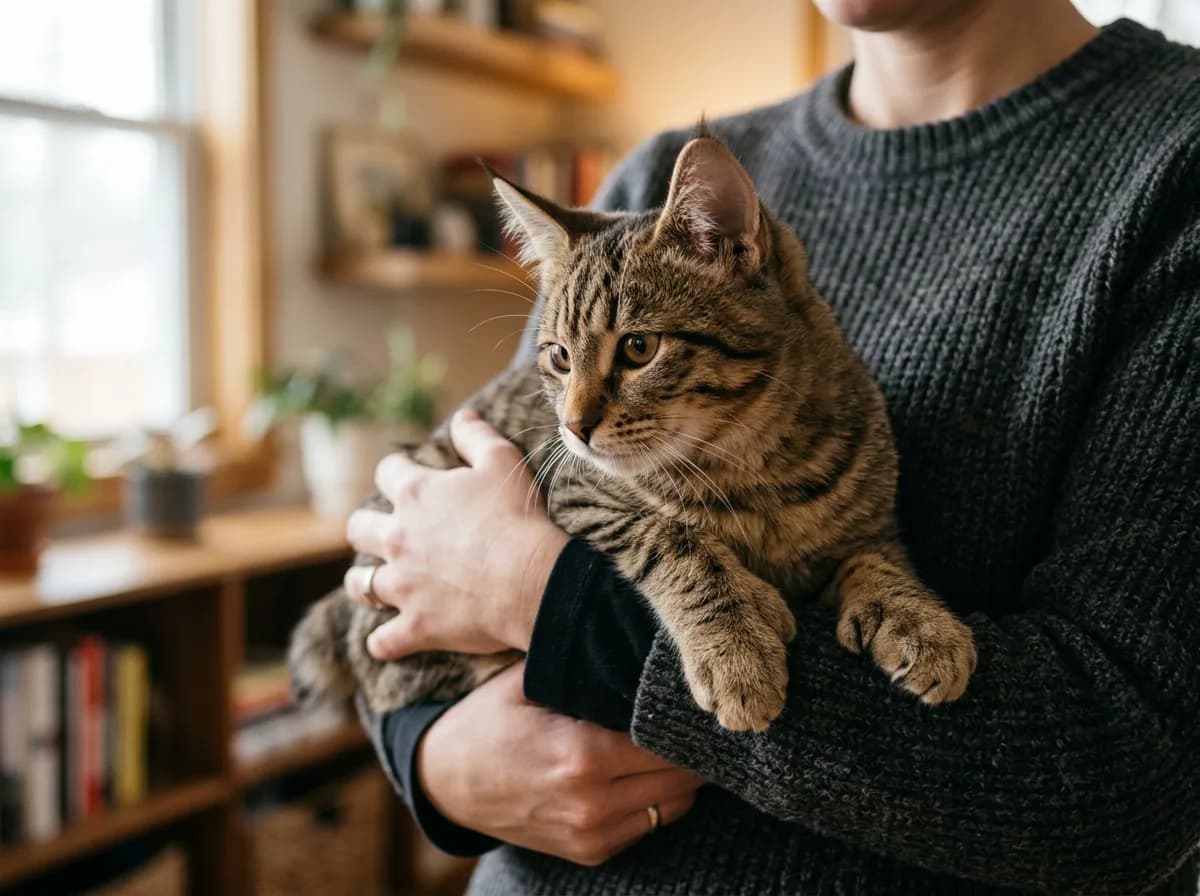
What a typical breeder quote includes
Ethical catteries fold a real list of services into the quote, and that is part of why a registered Pixie-Bob costs more than a random bobtailed cat from a classified ad. Cascade Pixiebobs, for example, sends kittens home spayed or neutered, dewormed, microchipped where applicable, and with wellness checks plus vaccinations at 8 and 11 weeks. When you compare a $2,500 registered kitten to a $400 backyard kitten, you are not comparing the same product. The cheaper cat usually has none of that veterinary work done, and you pay for it later.
- Pet-quality kittens are the most affordable tier, while show or breeding kittens command $5,000 and up because they match the written breed standard closely.
Why the Pixie-Bob Cat Price Varies So Much
The pixie-bob cat price is set almost entirely by how closely a kitten matches the look TICA selected the breed for. Two physical traits do most of the work: the tail and the toes.
The short-tail premium
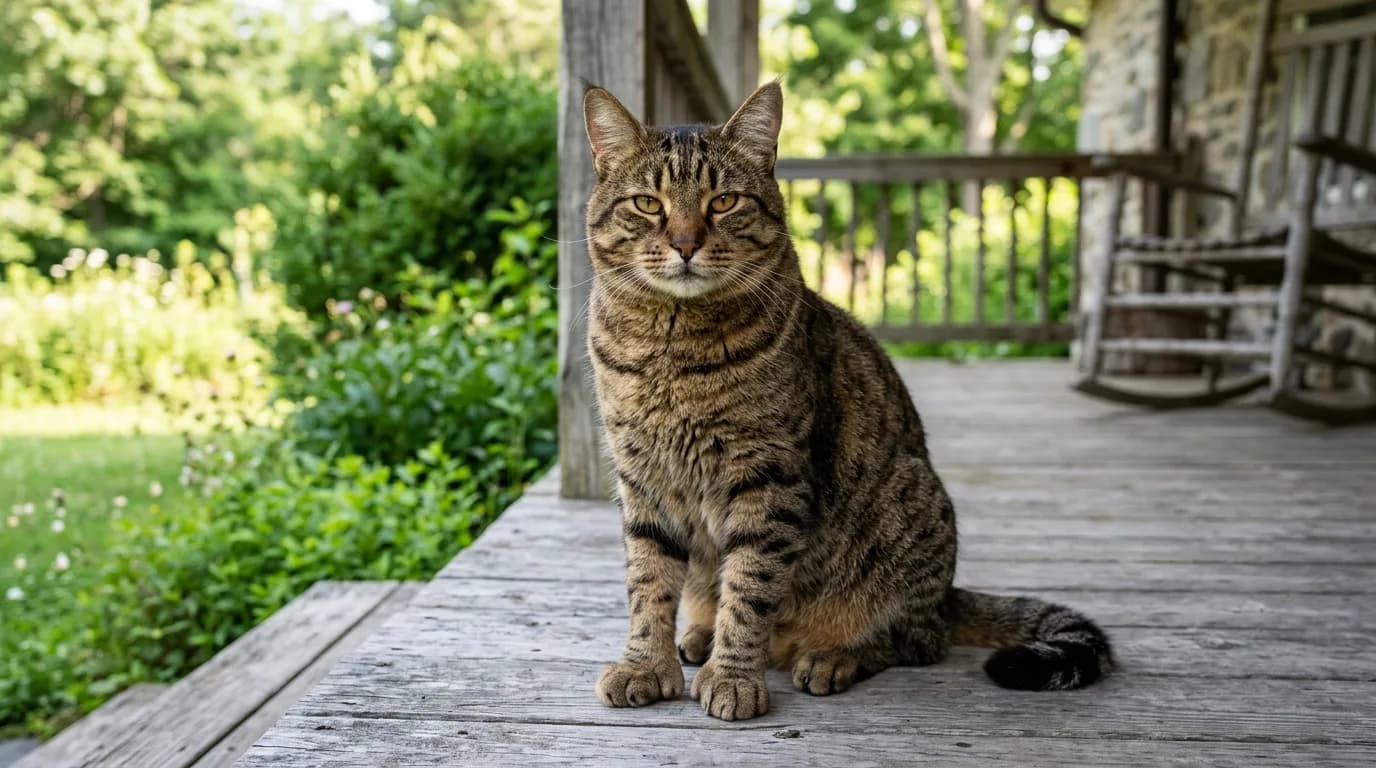
The defining Pixie-Bob trait is the short, bobcat-style tail. TICA's standard sets a minimum tail length of 2 inches and allows it to run as long as the hock, but the prized look is the short natural bobtail. Long-tailed kittens occur in nearly every litter, and because they read as less bobcat-like, breeders price them lower. The pattern is consistent across catteries:

63-inch multi-level cat tree with scratch posts, hammock, plush perches, and dangling toys. Vertical territory is non-negotiable for high-energy climbing breeds like the Bengal.
Petful may earn a commission when you click through to Chewy, at no extra cost to you.
- Forest Hunter Pixie Bobs lists natural short-tail kittens at $2,800 to $3,500 and longer-tailed kittens at $1,800 to $2,500.
- Cascade Pixiebobs lists polydactyl bobtailed kittens at $2,300 to $4,000 and straight-toed long-tailed kittens at $1,200 to $2,300.
The polydactyl premium
The Pixie-Bob is the only pedigreed cat breed whose standard openly permits polydactyly, the trait of having extra toes. TICA allows a maximum of seven toes on a foot. Because extra-toed paws are part of the breed's signature and are less common than standard feet, polydactyl kittens sit at the top of the price range. A polydactyl, short-tailed kitten is the most expensive combination a pet buyer will see.
Polydactyly is worth understanding before you pay extra for it. The Pixie-Bob's big, mitten-like paws are part of the breed's wild charm, and most polydactyl cats live perfectly normal lives. The extra toes do mean a few more nails to trim, so factor a slightly longer grooming routine into ownership. Not every buyer wants or needs polydactyl paws, and there is nothing inferior about a straight-toed Pixie-Bob. If the extra toes are not a priority for you, choosing a straight-toed kitten is an easy way to bring the price down without giving up the breed's looks or personality.
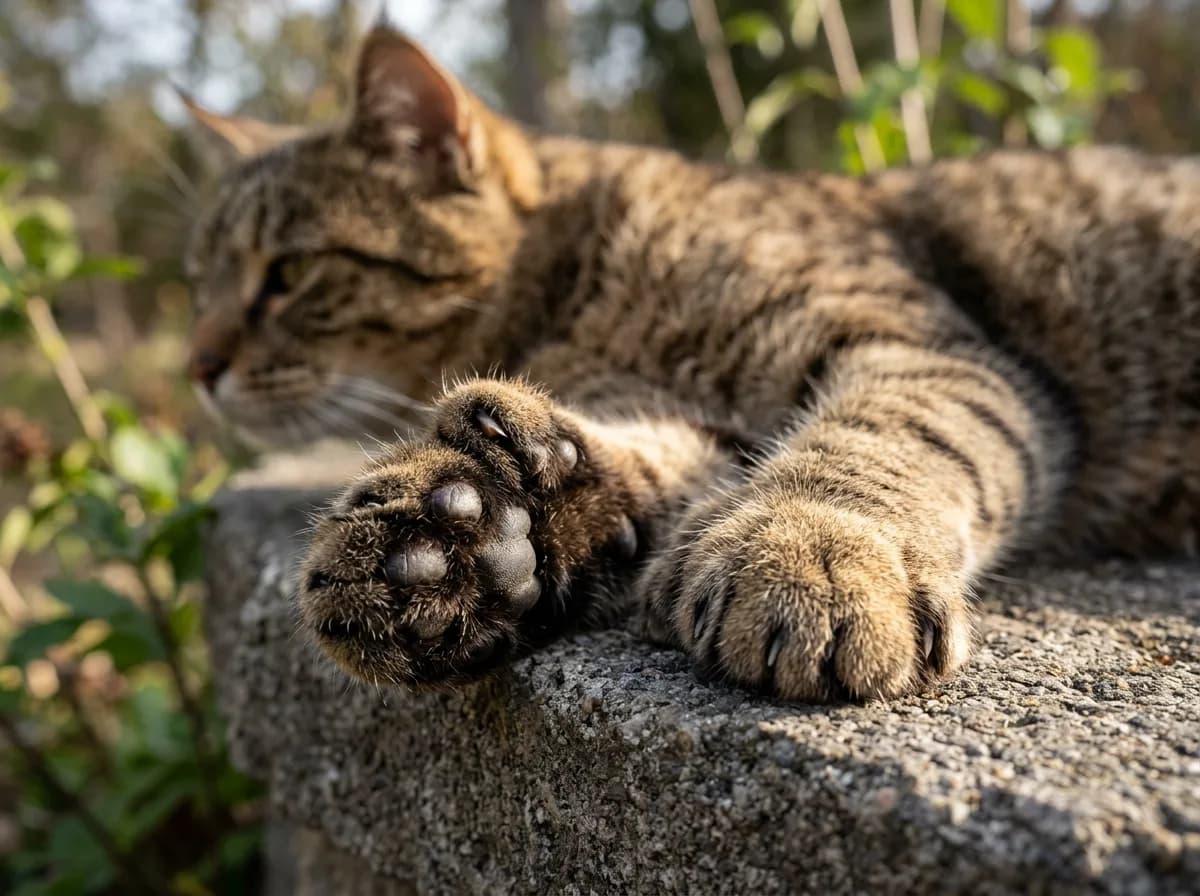
- If polydactyl paws matter to you, confirm the exact toe count in writing before paying, since the trait varies kitten to kitten even within one litter.
Lineage, coat, and sex
Beyond tail and toes, three smaller factors nudge the price. Pedigree and lineage raise it when a kitten descends from titled show cats. Coat length plays a minor role, since the breed comes in both shorthair and longhair. Sex can shift the number slightly at some catteries, though it is the least important factor of the group.
- A $300 kitten advertised as a Pixie-Bob is almost never a registered Pixie-Bob. It is usually an unpapered domestic shorthair with a naturally short or docked tail, with no health screening behind it.
Pixie-Bob Cat Price by Trait
The table below pulls real published price ranges from established U.S. catteries so you can see how trait combinations move the number. These are pet-kitten figures, not show or breeding prices.
| Trait Combination | Typical Price Range | Source Cattery |
|---|---|---|
| Polydactyl, short bobtail | $2,300 to $4,000 | Cascade Pixiebobs |
| Short natural bobtail (any feet) | $2,800 to $3,500 | Forest Hunter Pixie Bobs |
| Straight-toed, longer tail | $1,200 to $2,300 | Cascade Pixiebobs |
| Longer tail (any feet) | $1,800 to $2,500 | Forest Hunter Pixie Bobs |
| Show or breeding quality | $5,000 and up | Forest Hunter Pixie Bobs |
A reasonable planning number for most first-time buyers is $2,000 to $3,000 for a healthy pet kitten with a short tail. If you are flexible on tail length and toes, you can land closer to $1,200 to $1,800 from the same breeders.
Notice how much overlap there is between catteries. Two reputable breeders can quote prices that differ by more than a thousand dollars for what looks like the same kitten, and both can be fair. The difference usually comes down to lineage, the breeder's location and cost of living, how close the kitten sits to the show standard, and current demand on the waitlist. Rather than chasing the lowest sticker price, compare what each quote includes, such as spay or neuter, vaccinations, microchip, registration papers, and any health guarantee. A slightly higher price that bundles in completed veterinary work is often the better value once you add up what you would otherwise pay your own vet in the first few months.
A Closer Look at the Four Price Drivers
It is worth separating the four levers that actually set a quote, because understanding them is how you tell a fair price from an inflated one. Tail length and toe count carry the most weight, and coat and lineage fill in the rest.
The short tail is the single largest swing in the pet-kitten range. A litter almost always produces a mix of tail lengths, and the kittens whose tails sit at the short, stubby end of the TICA-allowed range read most like a wild bobcat. Because that look is what most buyers are chasing, breeders can ask several hundred dollars more for it, and the longer-tailed siblings effectively subsidize the bobtailed ones. A tail that runs closer to the hock is not a defect, it is simply more common, which is exactly why it costs less.
Polydactyly stacks on top of the tail premium rather than replacing it. Extra toes are heritable but unpredictable, so even a polydactyl queen does not throw an all-polydactyl litter. The scarcer the trait inside a given litter, the more a breeder can charge for the kittens that have it. That is why the priciest pet kitten you will be quoted is almost always the one that is both short-tailed and polydactyl, while the most affordable is straight-toed with a longer tail.
Coat length, color, and pattern
Coat is a quieter driver than tail or toes, but it still moves the number. The Pixie-Bob comes in both a shorthair and a longhair variety, and the longhair, with its woolly, semi-long coat, is less common, so it can carry a small premium at catteries that produce it. Pattern matters too. The breed standard prizes a heavily spotted, muted brown-spotted tabby coat with a wild, mackerel-broken look, and kittens whose markings are crisp and bobcat-like tend to sit higher in a breeder's range than those with a washed-out or overly busy pattern. None of this rivals the tail-and-toes premium, but two same-aged littermates can still differ by a few hundred dollars on coat alone.
Lineage and breeding rights
Lineage is the last lever, and it splits cleanly into pet versus breeding intent. A pet-quality kitten is sold on a spay or neuter contract with no right to breed, and that is what the $1,000 to $3,000 figures describe. A kitten sold with full breeding rights, or one descending from a line of titled show cats, is priced in an entirely different bracket and is where the $5,000-and-up numbers come from. If a quote seems far above the pet range, the usual reason is that you are being offered breeding rights or show lineage you may not actually need. Confirm in writing whether a price is for a pet contract or a breeder contract before you compare two catteries, because comparing a pet price to a breeding price is not a fair comparison.
- Most buyers want a companion, not a breeding cat, so ask for the pet-contract price specifically. Paying for breeding rights you will never use is the most common way buyers overspend on this breed.
Regional Price Variation Across the U.S.
Where you buy matters almost as much as what you buy. Because only a handful of serious Pixie-Bob catteries operate in the United States, your nearest breeder may be several states away, and geography quietly shapes the final cost in two ways: the breeder's local cost of living and the distance the kitten has to travel to reach you.
Catteries in high-cost regions such as the West Coast and the Northeast generally quote at the upper end of the published ranges, since their veterinary bills, facility costs, and time are simply more expensive. Breeders in the Midwest, the Mountain West, and parts of the South often sit a little lower for an equivalent kitten. The trade-off is that a lower sticker price out of state can be erased the moment you add transport, so the cheapest cattery on paper is not always the cheapest cat once it is home.
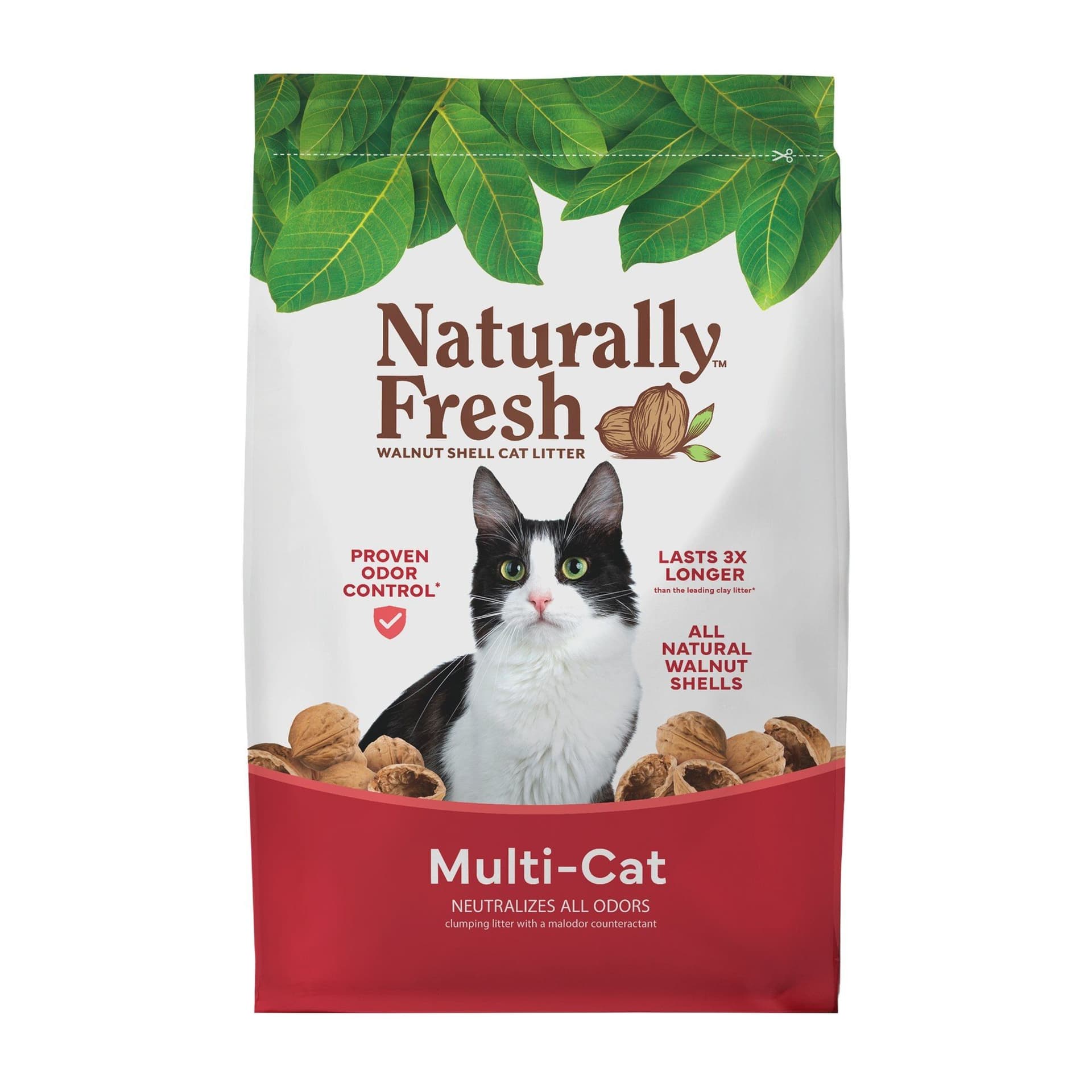
Walnut shell clumping cat litter that excels at odor control, lasts up to 3x longer than clay, and is a top pick for multi-cat households.
Petful may earn a commission when you click through to Chewy, at no extra cost to you.
Distance also drives the choice between driving, flying to pick the kitten up in cabin, or arranging a ground or air nanny service. A short drive costs only fuel and a day, while cross-country air transport with a health certificate can add the $400 to $700 already noted. For buyers who are flexible on timing, the practical move is to widen the search to the two or three nearest reputable catteries, get a quote from each that spells out the kitten price and the transport cost separately, and compare the all-in totals rather than the headline numbers.
- A $1,800 kitten three states away can cost more than a $2,300 local kitten once flights, a travel carrier, and a health certificate are added. Always total the kitten price plus transport before deciding.
First-Year Costs of Owning a Pixie-Bob
The purchase price is the start, not the finish. The first 12 months carry the heaviest spending because you are buying gear and front-loading veterinary care. Expect roughly $1,500 to $2,500 in year-one costs on top of the kitten itself, with the exact figure depending on your region and whether the breeder already spayed or neutered.
One-time setup costs
New owners buy most of their gear once. A solid starter kit covers a litter box and litter, food and water bowls, a scratching post or cat tree, a carrier, a collar with an ID tag, toys, and a microchip if the breeder did not already place one. Pixie-Bobs are large and active, so size the cat tree and carrier up; a tree built for an average cat may be too small and too flimsy for a 15-pound, athletic Pixie-Bob that loves to climb.
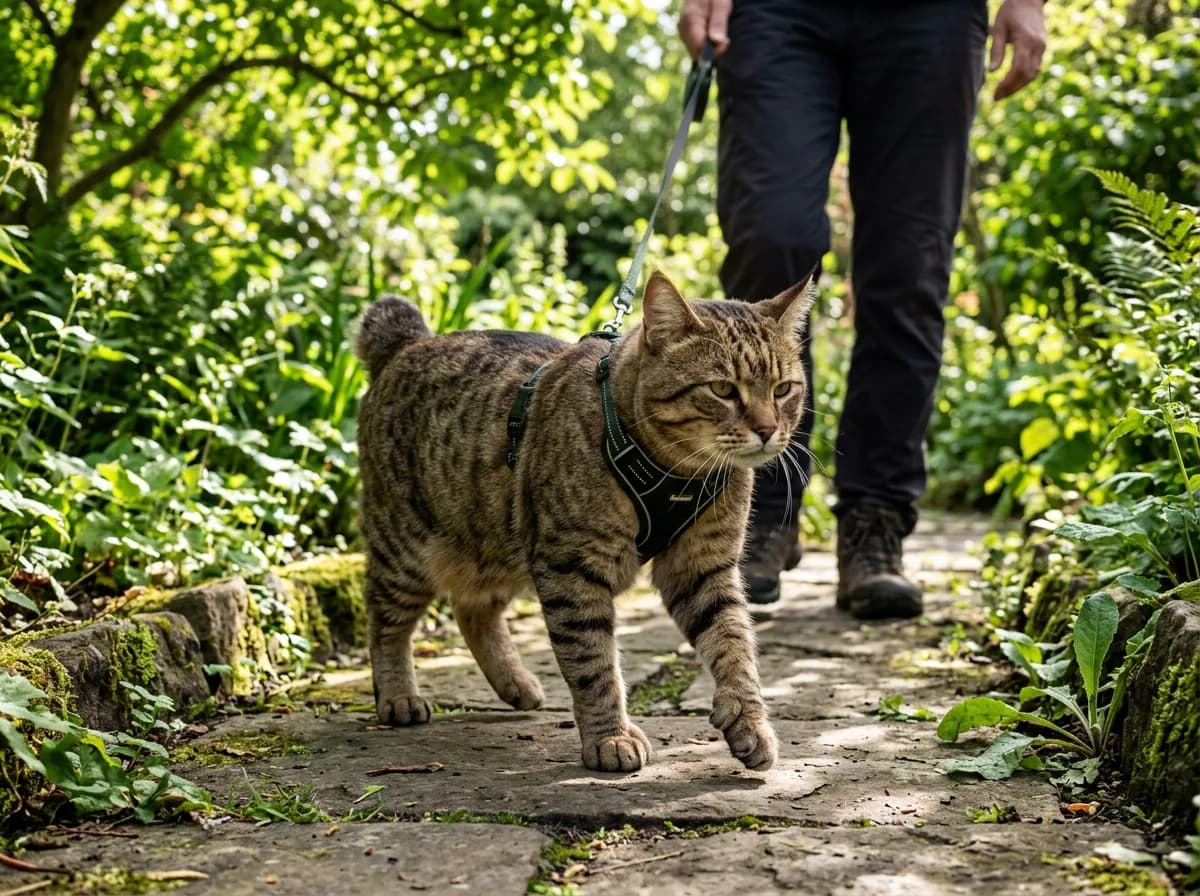
It is easy to underestimate this category. A sturdy cat tree, a large litter box, an enclosure-style carrier rated for travel, and a few durable toys add up faster for a big, energetic breed than for a small, sedentary one. Because the Pixie-Bob is intelligent and enjoys interactive play and leash walks, many owners also buy a harness and a puzzle feeder, both modest costs that pay off in a happier, better-exercised cat. Buying quality gear once is cheaper than replacing flimsy gear a large cat destroys in a few months.
| Cost Category | Low Estimate | High Estimate |
|---|---|---|
| Initial gear and setup | $200 | $500 |
| Initial vet exam and vaccines | $150 | $400 |
| Spay or neuter (if not done) | $150 | $500 |
| Microchip | $25 | $60 |
| Food (year one) | $300 | $600 |
| Litter (year one) | $150 | $350 |
| Pet insurance (year one) | $200 | $600 |
Ongoing annual costs
After year one, the recurring spend settles into food, litter, routine vet care, and optional pet insurance. Premium cat food and a steady litter supply make up the bulk of it. Because the Pixie-Bob is generally a healthy breed, routine wellness visits rather than chronic-condition treatment usually dominate the vet line.
A realistic ongoing budget for a single adult Pixie-Bob runs about $700 to $1,500 a year once the first-year setup costs are behind you. Food is the largest line item for most owners. These are large, muscular, active cats, often 12 to 17 pounds for males and 8 to 12 pounds for females, so they eat more than a petite house cat and do best on a quality, protein-forward diet. Litter is the next steady expense, and a bigger cat means a bigger box and more litter used. Annual or twice-yearly wellness exams, vaccinations, and parasite prevention round out the routine veterinary spend.
Pet insurance is optional but increasingly common, typically $200 to $600 a year depending on the plan and your cat's age. Because the Pixie-Bob is not prone to a long list of breed-specific genetic diseases, many owners self-insure by setting aside a small monthly amount instead. Either way, the smart move is to plan for the occasional unexpected vet bill rather than be surprised by it. Dental care also deserves a line in the budget, since dental disease is one of the more common issues veterinarians flag in middle-aged and senior cats of any breed.
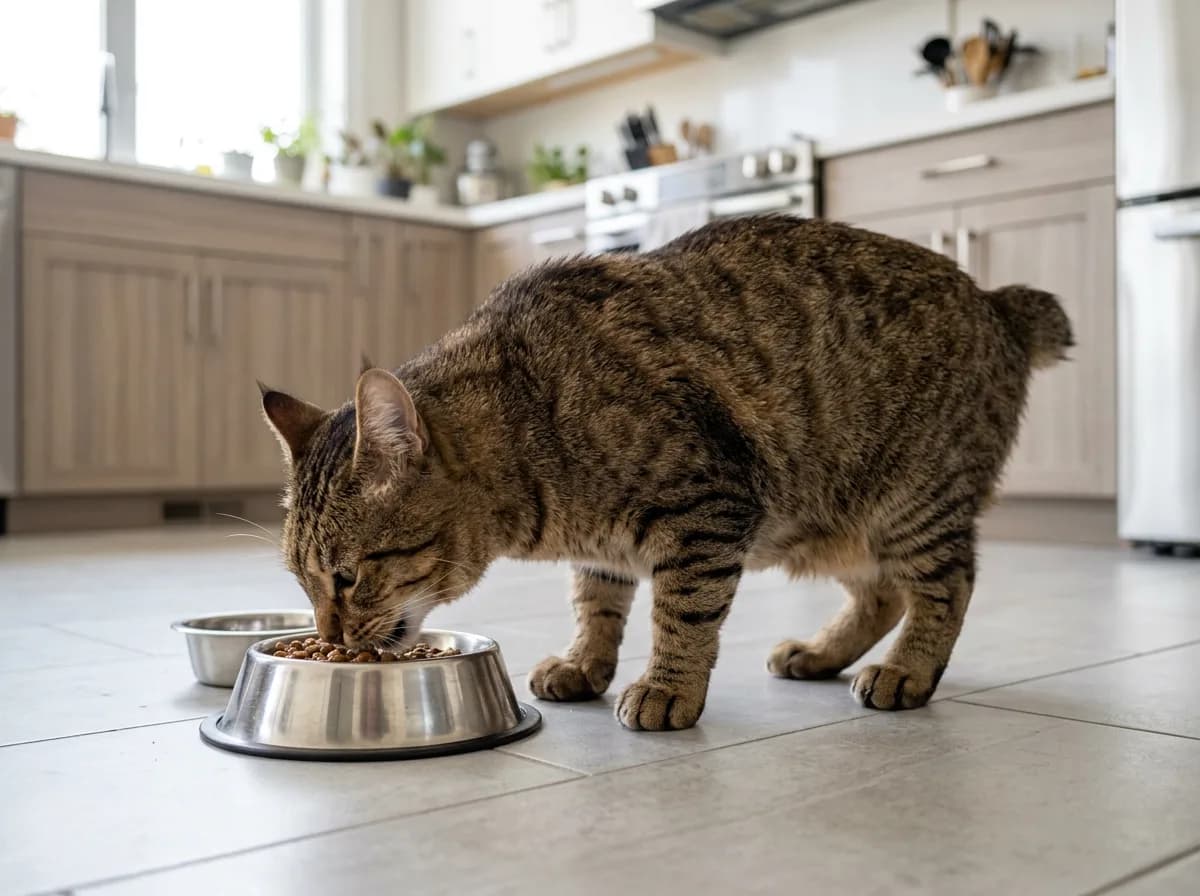
- Pixie-Bobs commonly live 13 to 16 years, so a kitten is a 15-year financial commitment, not a one-time purchase. Spread across that lifespan, food and care dwarf the original sticker price.
Adoption vs Buying From a Breeder
There are two honest ways to bring home a Pixie-Bob, and they sit at opposite ends of the price scale.
Buying from a breeder
A registered breeder is the most reliable path to a true-to-standard Pixie-Bob with documented health screening. You pay the most this way, $1,000 to $4,000-plus, but you know the lineage, the vaccination history, and usually get a health guarantee. This is the right route if traits like the polydactyl paws or a specific coat matter to you.
Adoption and rescue
Because the Pixie-Bob is rare, you will not often find one in a general municipal shelter. When they do appear, it is usually through breed-specific rescue, a cattery rehoming a retired adult, or a specialized listing platform. Adoption fees are far lower, frequently $50 to $300, and that fee typically covers spay or neuter, vaccinations, and a vet check. The trade-off is that you rarely get a young kitten and you may not have full pedigree paperwork.

108-oz stainless steel pet fountain with quiet pump and water-level window. Bengals are notoriously water-obsessed; a flowing fountain encourages hydration and pulls them away from sinks and toilets.
Petful may earn a commission when you click through to Chewy, at no extra cost to you.
For many buyers, that trade-off is worth it. An adult Pixie-Bob is already past the chaotic kitten stage, is usually litter-trained, and arrives with a known temperament. Because the breed is famously social and dog-like in its attachment, a rehomed adult typically bonds quickly with a new family rather than pining for its old one. If your goal is companionship and the bobcat look rather than a show pedigree, adoption can deliver everything you want for a fraction of the breeder price. The main catch is patience: with so few Pixie-Bobs entering rescue each year, you may wait months for the right cat to become available, and you should be ready to act when one does.
- Many catteries rehome adult cats that have finished their breeding careers at a steep discount. These cats are usually litter-trained, socialized, and fully vetted, making them a smart-money option for buyers who do not need a kitten.
How to Find a Reputable Pixie-Bob Breeder
The single biggest protection against overpaying or buying an unhealthy cat is choosing the right breeder. The breed's rarity means there are only a handful of serious Pixie-Bob catteries across the United States, so expect a waitlist and a deposit.
Green flags to look for
A trustworthy cattery is registered with TICA, screens its breeding cats for health, and is transparent about pricing and what the price includes. Reputable breeders send kittens home no earlier than 8 to 12 weeks, fully vaccinated for their age, dewormed, and often already spayed or neutered. They will happily answer questions about tail length, toe count, and lineage in writing.
Red flags to walk away from
Walk away from anyone selling kittens at a price far below the market range, refusing to show health records, allowing kittens to leave before 8 weeks, or pressuring you to pay in full sight-unseen with no contract. A genuine Pixie-Bob at a $300 kitten price is almost always a misrepresented mixed cat.
Understanding deposits and waitlists
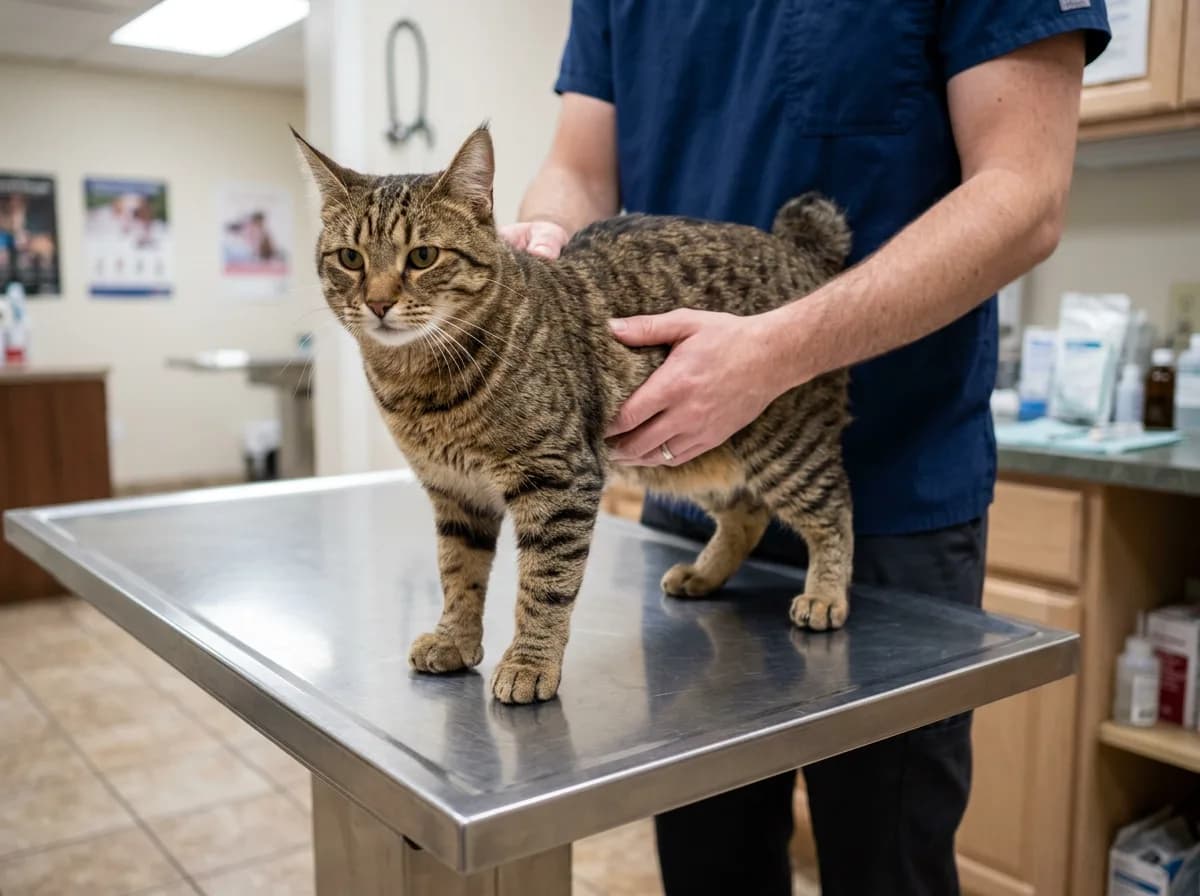
Expect a non-refundable deposit to hold a spot. Cascade Pixiebobs takes a $400 deposit and then invoices half the kitten cost before final selection; Forest Hunter takes a $300 waitlist deposit. Deposits are standard practice with a rare breed and are a sign the breeder plans litters responsibly rather than overproducing.
A typical payment timeline runs in three stages: a deposit to join the waitlist, a second payment of roughly half the kitten price once a litter is born and you are matched, and the balance due at or just before pickup. Knowing that schedule in advance keeps the four-figure total from arriving as one surprise invoice, and it lets you spread the cost over the weeks between deposit and homecoming.
Questions to ask before you pay
The questions you ask up front do more to protect you than any price comparison. Before sending money, get clear written answers on the following:
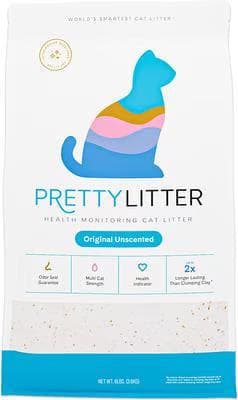
Color-changing crystal litter that flags pH shifts in your cat's urine, an early warning sign of UTIs, kidney issues, and more.
Petful may earn a commission when you click through to Chewy, at no extra cost to you.
- Is the cattery registered with TICA, and will the kitten come with registration paperwork or only a pet contract?
- What health screening have the parent cats had, and can you see the results?
- Is this a pet price or a price that includes breeding rights, and what does the contract require regarding spay or neuter?
- Exactly what is bundled into the quote: vaccinations, deworming, microchip, the first vet exam, and any health guarantee?
- What is the confirmed tail length and toe count for the specific kitten, not the litter average?
- What is the deposit, is it refundable, and what is the full payment schedule through pickup?
- What support does the breeder offer after the kitten goes home, and will they take the cat back if your situation changes?
A reputable breeder welcomes these questions and answers them in writing without hesitation. Vagueness, pressure to decide immediately, or reluctance to put anything in a contract are the clearest signs to keep looking, regardless of how attractive the price sounds.
- If the breeder is out of state, air transport adds roughly $400 to $700 once you include the health certificate, carrier, and flight. Always price this in before you commit to a distant cattery.
Is the Pixie-Bob Worth the Price?
For the right owner, yes. The Pixie-Bob delivers a wild, bobcat-like appearance in a fully domestic cat with no actual wild bobcat ancestry, despite the breed's origin legend. The breed's founding story holds that the original cats came from matings with wild bobcats, but DNA testing has since confirmed the Pixie-Bob is entirely domestic, with no bobcat genetic markers. What you get is the look of a small wildcat with the safety and predictability of a house cat. What you are paying for is rarity, the distinctive short tail and extra toes, and a famously dog-like, loyal temperament. Pixie-Bobs learn to fetch and walk on a leash, bond hard with their families, and stay playful for years thanks to a slow maturation that can take up to three years to complete.
Temperament is a big part of the value. Owners and breeders consistently describe the Pixie-Bob as a cat that follows you room to room, greets you at the door, and tolerates handling and travel better than most cats. That dog-like devotion, combined with the striking spotted coat, hooded brow, lynx-tipped ears, and heavy boning, is what keeps demand high enough to support the price. If you want a quiet, independent lap cat, this is not the most cost-effective match. If you want an interactive, trainable companion that looks like a miniature bobcat, the price starts to make sense.
If you want the look without the breeder price, an adopted adult or a long-tailed, straight-toed kitten gives you the same affectionate personality for considerably less.
Pixie-Bobs in the Cat-Breed Pricing Picture
A pet Pixie-Bob is a premium cat, but it is not in the ultra-luxury tier. For context, a Bengal cat and a Savannah cat often start in the same range and climb far higher for early-generation Savannahs. A more budget-friendly active breed like the Abyssinian typically costs less than a Pixie-Bob. If you want the full breed picture before deciding, read our complete Pixie-Bob cat breed guide and our look at Pixie-Bob size and growth to understand how big these cats really get.
Buyers focused on a young cat should also see our guide to choosing a healthy Pixie-Bob kitten, which covers what to inspect before you pay a deposit.
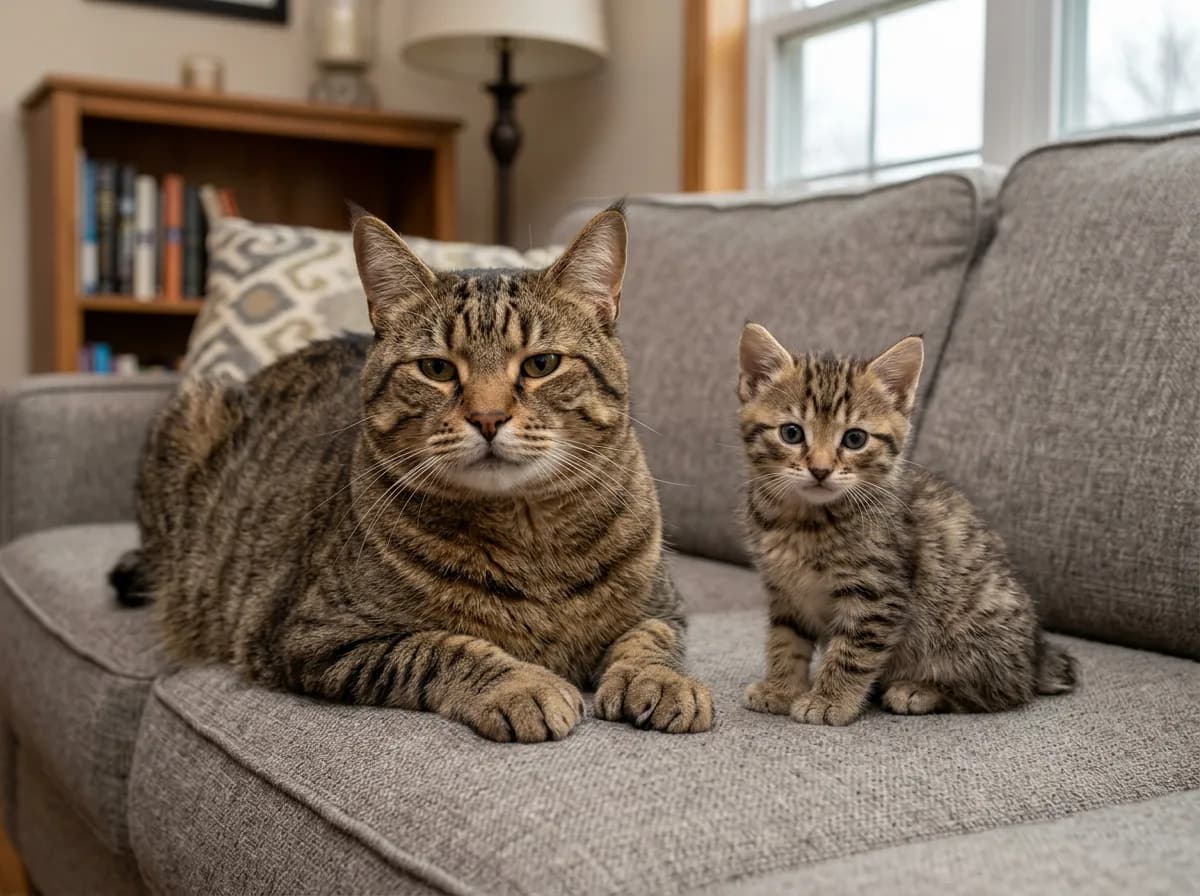
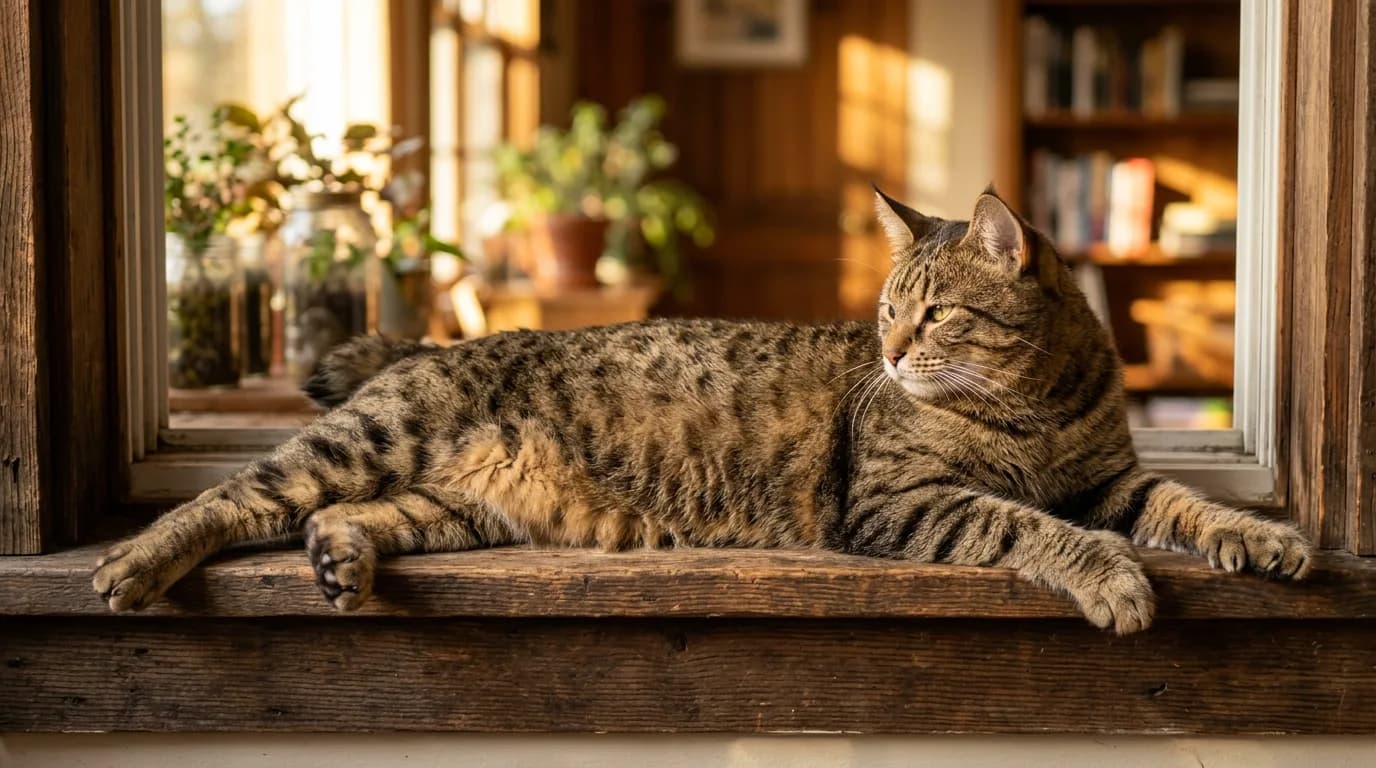
A pet-quality Pixie-Bob kitten from a registered breeder typically costs $1,000 to $3,000, with most short-tailed kittens landing in the $2,000 to $3,000 band. Show or breeding-quality kittens run $5,000 and up, while an adopted or retired adult can cost as little as $50 to $300.
Yes. The Pixiebob is considered a rare breed, with only a handful of dedicated catteries across the United States. That limited supply, combined with steady demand, is a major reason the price stays high and waitlists are common.
Among the most expensive cat breeds, the Ashera and Savannah top the list at $10,000 or more for early-generation cats, followed by the Bengal and other exotics that can reach the low thousands. The Pixie-Bob, at roughly $1,000 to $4,000 for a pet kitten, is a premium breed but sits well below those ultra-luxury cats.
A Pixiebob cat generally lives 13 to 16 years. Thanks to a diverse founding gene pool, the breed is considered robust, so most veterinary spending goes to routine wellness care rather than chronic conditions.
A cat worth around $20,000 is typically a top-tier Savannah or an Ashera, the breeds repeatedly cited as the most expensive in the world. No standard Pixie-Bob approaches that figure; even a show-quality Pixie-Bob tops out in the single-digit thousands.

Coreen Saito is a pet writer and longtime shelter volunteer with more than a decade in animal rescue. She covers cat behavior, breed care, and the small, ordinary science of sharing a life with companion animals, with a particular focus on honest takes about the products and decisions that actually matter. At home in Arizona, she's outranked by Mac (a dog with the loudest opinion in the house), Rebel (a cat who governs by quiet authority), and Meri (an orange tabby who runs the late shift and the laundry basket). She writes about all three, plus the rescues that keep coming through her life, at LifeWithMinty.com.
Sign up for expert-backed reviews and safety alerts all in one place.