Peterbald Cat Health: A Vet's Honest Breed Guide
Is the Peterbald a healthy breed? A vet walks through Peterbald cat health: 12 to 15 year lifespan, hairless skin and dental care, sun and warmth needs, the real hypoallergenic answer, and an honest debunk of the down syndrome cat myth.

BVMS, MRCVS
Petful is reader supported. As an affiliate of platforms like Amazon and Chewy, we may earn a commission when you buy through links on this page. There is no extra cost to you.
The Peterbald cat health picture is reassuringly solid for a hairless breed, and The International Cat Association (TICA), which accepted the breed into championship competition in 2005, states on its own breed page that to date no health issues have been reported and no screening suggestions have been made. As a veterinary surgeon with more than 30 years in small animal practice, I want to give you the honest version rather than the marketing version: this is a generally healthy cat that still needs hands-on skin, dental, and temperature care, plus a clear-eyed answer to the myths that follow this elegant Russian breed around the internet. Get the husbandry right and a Peterbald can share 12 to 15 good years with you.
- 1Peterbalds are generally healthy and typically live 12 to 15 years.
- 2Bald and near-bald coats need weekly skin care, sun protection, and warmth, not brushing.
- 3No cat is truly hypoallergenic, including the Peterbald, because the Fel d1 allergen comes from saliva and skin glands, not fur.
- 4The "down syndrome cat" label is a myth: cats do not have the chromosome involved, and the breed is not a feline version of the condition.

Sign up for expert-backed reviews and safety alerts all in one place.
Is the Peterbald a Healthy Breed?
Yes, broadly speaking. The Peterbald was created in St. Petersburg, Russia, in 1994 by crossing a Donskoy (a Russian hairless cat) with an Oriental Shorthair, and that Oriental side gives the breed a slim, athletic, generally hardy constitution. TICA's breed profile states plainly that no health issues have been reported in the breed to date, so no formal screening protocol has been mandated. The breed entered TICA championship competition in 2005, which means it has had two decades of registered breeding under observation without a defining hereditary disease being attached to it.
That is not the same as "no risks ever." A registry statement reflects what has been formally documented for the standard, not every condition a vet sees in the exam room. Responsible breeders still screen for two conditions seen across many pedigreed cats, and the hairless coat creates its own short list of daily care needs. I would call the Peterbald a low-maintenance cat medically and a moderate-maintenance cat practically, because the skin work is real and ongoing. The good news is that almost everything on the practical list is within your direct control as an owner.
Where the hairless trait comes from
One genetic detail matters for health because it separates the Peterbald from the better-known Sphynx. The Peterbald's hair-losing trait is carried on a DOMINANT gene. The Sphynx's hairlessness comes from a RECESSIVE gene. In plain terms, a Peterbald needs only one copy of the gene to show the trait, which is why a Peterbald can be bred to a fully coated Oriental Shorthair and still produce hairless kittens. This is not a disease gene, and there is no evidence it causes systemic illness. It simply governs the coat. Interestingly, many Peterbald kittens are actually born with some hair and lose it as they mature, a process that can take up to two years.
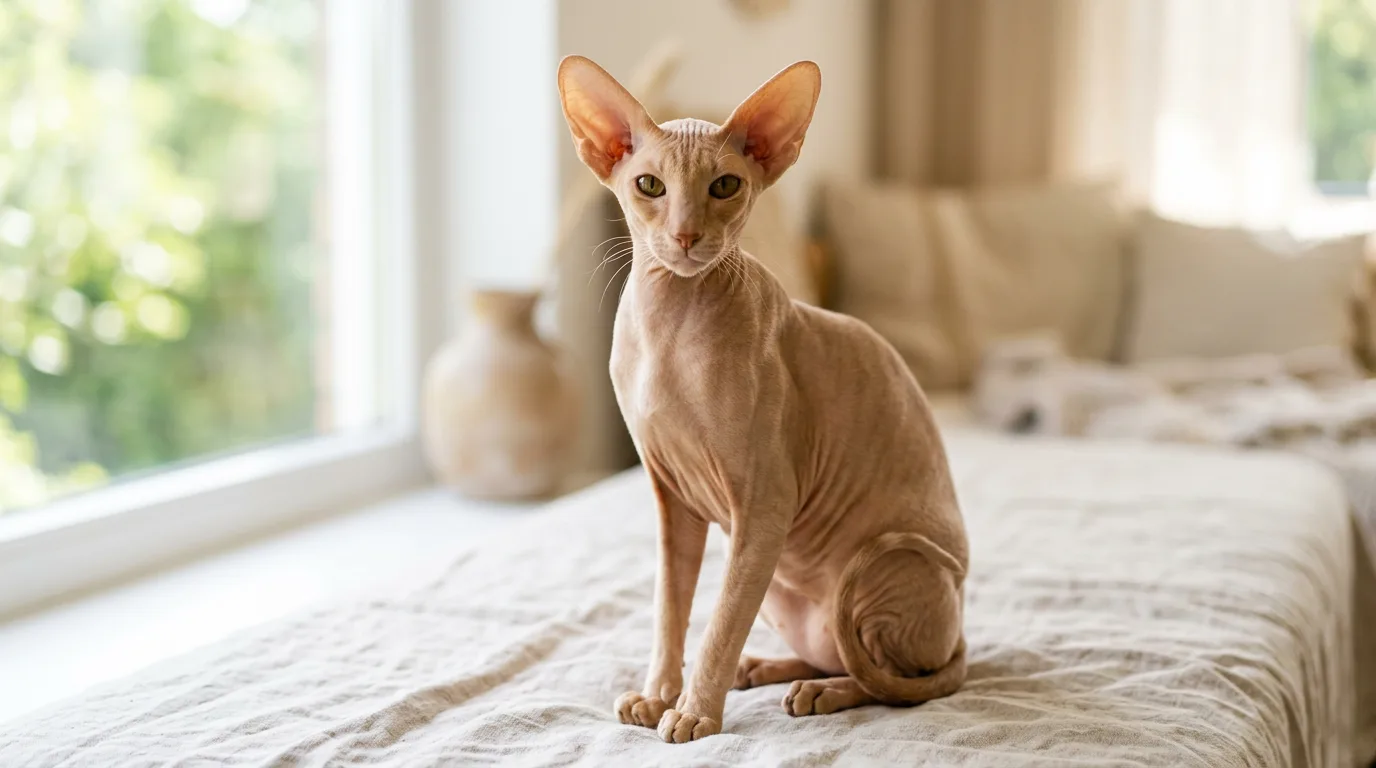
That coat is not all-or-nothing either. The breed standard recognizes a full spectrum of five types: bald (no hair, sometimes called ultra-bald), flock (a fine peach-fuzz so soft the cat feels like warm chamois), velour (a slightly longer downy coat), brush (a wiry, kinky coat), and straight (a normal Oriental-type coat carried by cats that did not inherit the hairlessness trait but are still valuable in breeding). The balder the cat, the more skin care and warmth it needs. A flock or velour cat has marginally more natural protection than a fully bald one, but every point on the spectrum still needs the routines below.
 Sponsored
Have a health question about your cat?
Talk to a licensed vet at Dutch over video or message, including nights and weekends.
Use code Pets30
Plans start at $11/month · covers up to 5 pets
- Licensed vets in most states
- Rx for 150+ conditions
- 4.7 on Trustpilot
Peterbald Cat Health Starts With the Skin
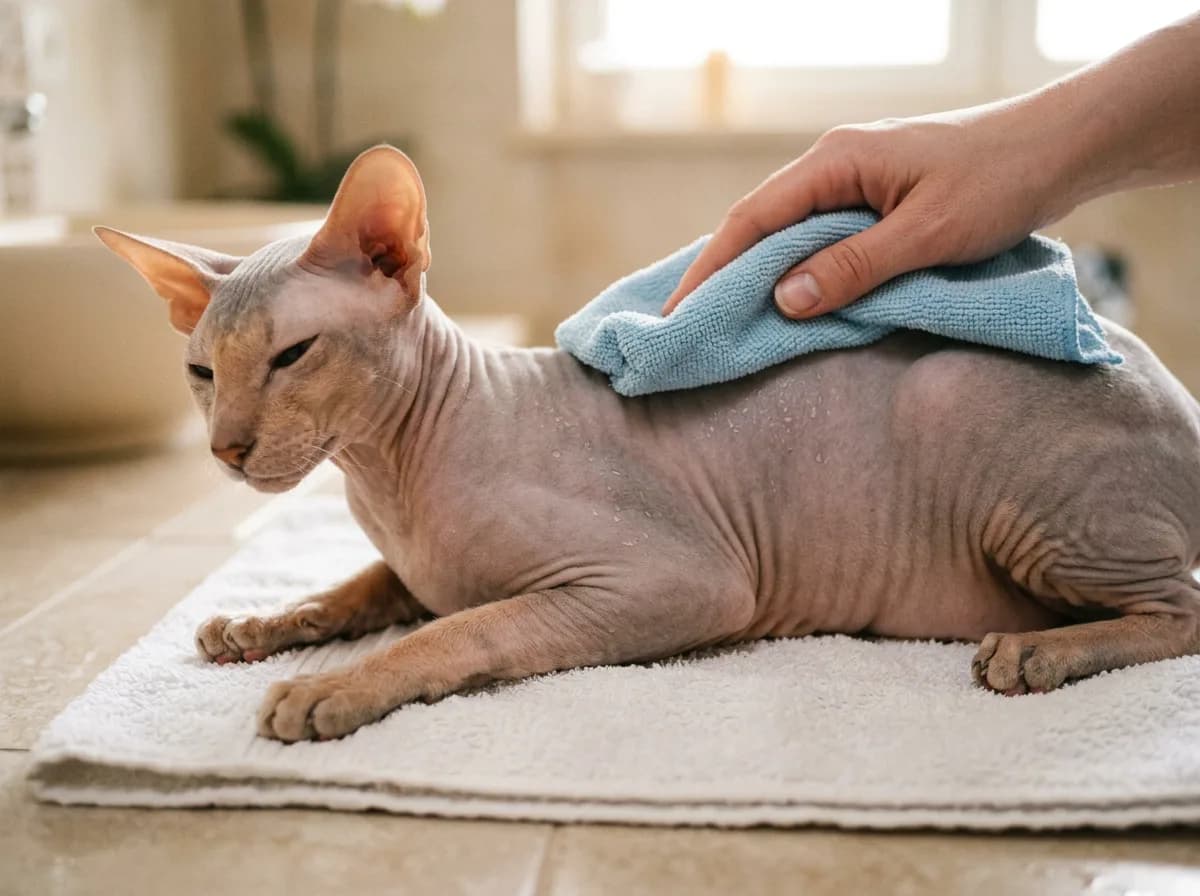
This is where a hairless cat is genuinely different from a furry one, and it is the single biggest day-to-day job an owner takes on. With no coat to wick away the natural oils that all cats produce, a bald or flock Peterbald has those oils sitting on the surface of the skin instead of being absorbed and distributed along hair shafts. Left alone, the oils build up into a slightly waxy film, can stain bedding a reddish tea-brown color, and can feed yeast and bacteria in skin folds, around the nail beds, and inside the ears.

63-inch multi-level cat tree with scratch posts, hammock, plush perches, and dangling toys. Vertical territory is non-negotiable for high-energy climbing breeds like the Bengal.
Petful may earn a commission when you click through to Chewy, at no extra cost to you.
The fix is simple and low effort once it becomes a habit. Most Peterbalds do well with a gentle wipe-down once or twice a week using a soft damp cloth or a fragrance-free pet wipe, plus a full bath every two to four weeks with a mild, soap-free, cat-safe shampoo. The most common mistake I see is over-bathing: washing too often strips the skin and signals the body to produce even more oil, which makes the problem worse, not better. Pay particular attention to the ears, which produce noticeably more wax in this breed, and the nail beds, where a brown waxy residue tends to collect. Dry the cat fully and keep it out of drafts afterward, because a wet hairless cat chills very quickly.
- A quick weekly wipe-down removes most oil buildup. Reserve full baths for every two to four weeks so you do not strip and irritate the skin.
- A hairless cat shows you its skin directly, so any persistent crusty patch, ulcer, or firm lump (especially on the ears, nose, or eyelids) deserves an exam, because sun-exposed skin is exactly where squamous cell carcinoma tends to appear.
Sun exposure and skin cancer
Because there is no fur to block ultraviolet light, Peterbald skin behaves like unprotected human skin. A brief, indirect sunbeam through a window is fine, and most cats adore a warm spot, but prolonged direct exposure can cause sunburn and, over years, raise the risk of squamous cell carcinoma. This is a skin cancer that most often appears on the thinly covered tips of the ears, the nose, and the eyelids. Note that ordinary window glass blocks much but not all of the burning UV spectrum, so a cat that spends hours sunbathing at a closed window is not fully protected. This is one of the strongest reasons most breeders and vets recommend keeping a Peterbald as an indoor cat, with any outdoor time limited to a shaded, supervised, leashed walk. If your cat does love a sunny window, a dab of pet-safe sunscreen on the ear tips and nose is a reasonable extra precaution.
Dental Care: The Hidden Priority
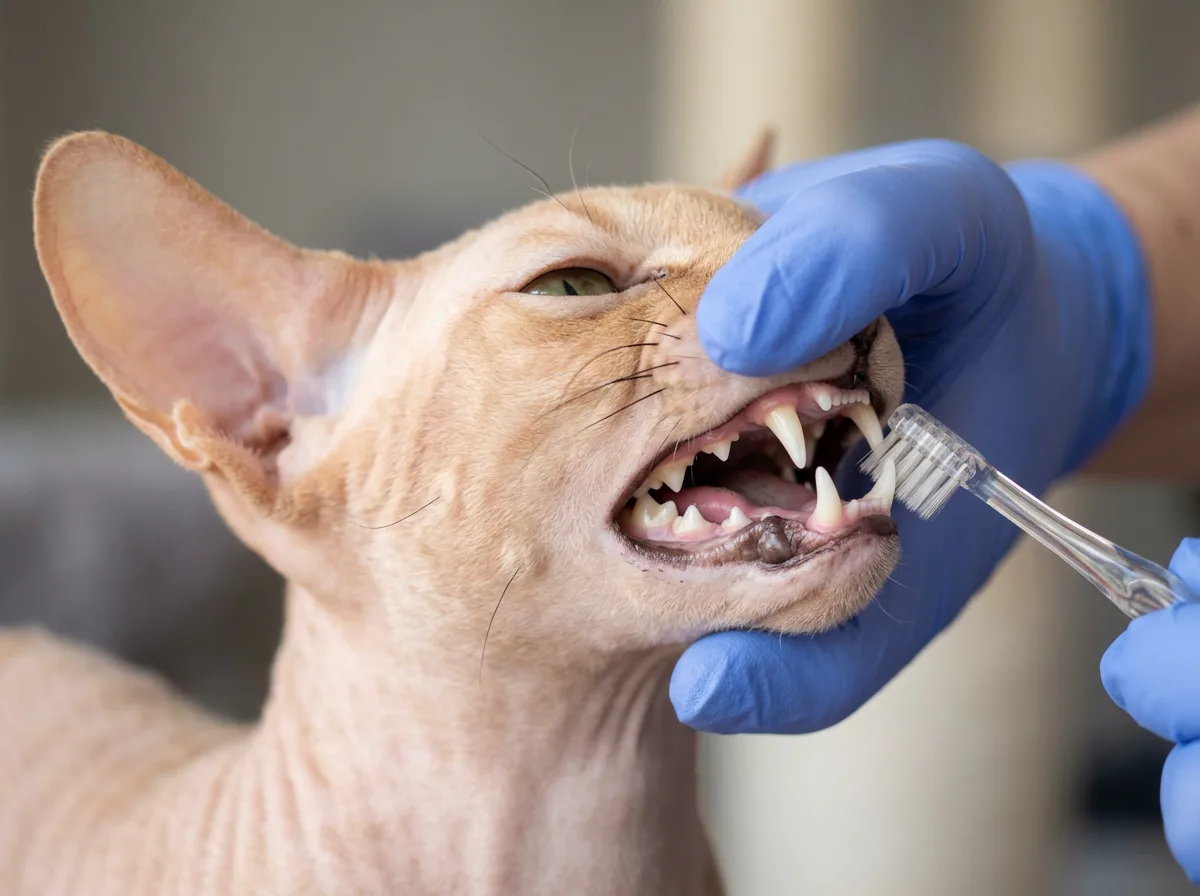
Dental disease is one of the most common and most overlooked health problems across all cats, and Oriental-type cats, including the Peterbald, can be especially prone to periodontal disease. This is the part of Peterbald cat health that owners most often neglect until it becomes painful. Plaque hardens into tartar, the gums inflame (gingivitis), and untreated disease becomes a source of chronic pain, bad breath, and inflammation that can affect the heart and kidneys over time.
Start a dental routine early and keep it boring and consistent. Daily or several-times-weekly brushing with a cat-specific enzymatic toothpaste is the gold standard, using a small soft toothbrush or a finger brush. Pair home care with annual veterinary oral exams and professional cleanings under anesthesia when your vet recommends them. Never use human toothpaste, which often contains fluoride and sometimes xylitol that are not safe for cats. Introduced patiently and rewarded, most cats tolerate tooth-brushing far better than owners expect.
- Drooling, dropping food, bad breath, or pawing at the face are signs of dental pain. Book a veterinary oral exam rather than waiting for the next annual visit.
Temperature: A Cat That Feels the Cold
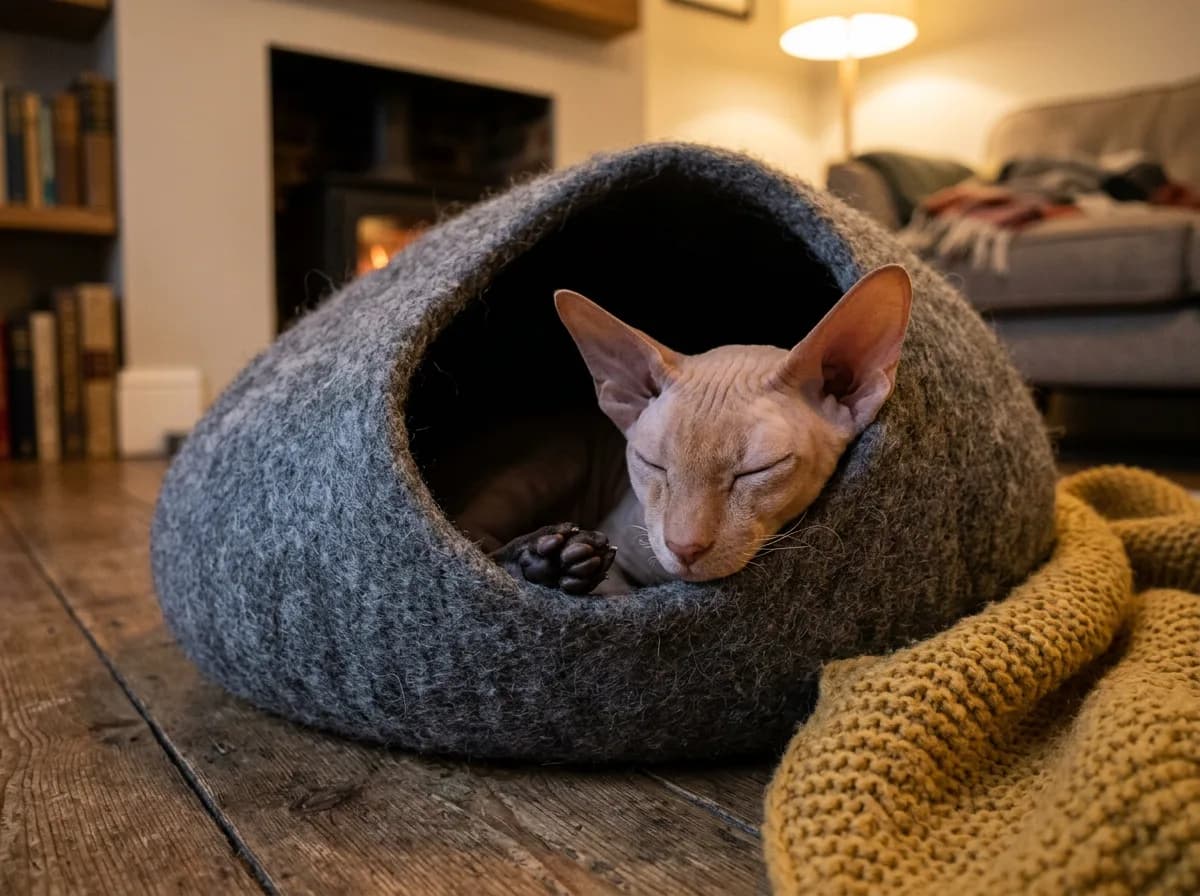
A furred cat carries its own insulation. A Peterbald does not, so it loses body heat fast and actively seeks warmth. You will notice this immediately, because these cats burrow under blankets, pile onto laps and warm laptops, sit on radiators, and gravitate to the warmest safe spot in the house. None of that is a sign of illness; it is normal thermoregulation for a coatless body. That same heat loss is also why Peterbalds tend to have brisk metabolisms and hearty appetites: staying warm burns calories.
Practical steps keep them comfortable. Keep the home reasonably warm, provide soft covered or cave-style beds and heated cat pads set to a safe low temperature (never hot), and offer a lightweight sweater for the balder coat types in cold weather if your cat tolerates one. Combine warmth with sun caution: you want gentle heat without burning UV, so position cozy beds away from a hot, sun-blasted window. The flip side matters too. Because a Peterbald cannot rely on fur to buffer extremes, never leave one in a hot car or a baking sunroom, where it has less ability to shed heat safely as well.
- A Peterbald often feels hotter than a furred cat because your hand meets bare, well-circulated skin, not because the cat has a fever. Learn your individual cat's normal warmth so you can spot a true change.
Inherited Conditions Worth Screening For
While the registry lists no required screening, two inherited conditions appear in the Peterbald's close relatives and are worth a direct conversation with any breeder. Neither is a reason to avoid the breed. Both are reasons to buy from someone who tests their breeding cats.
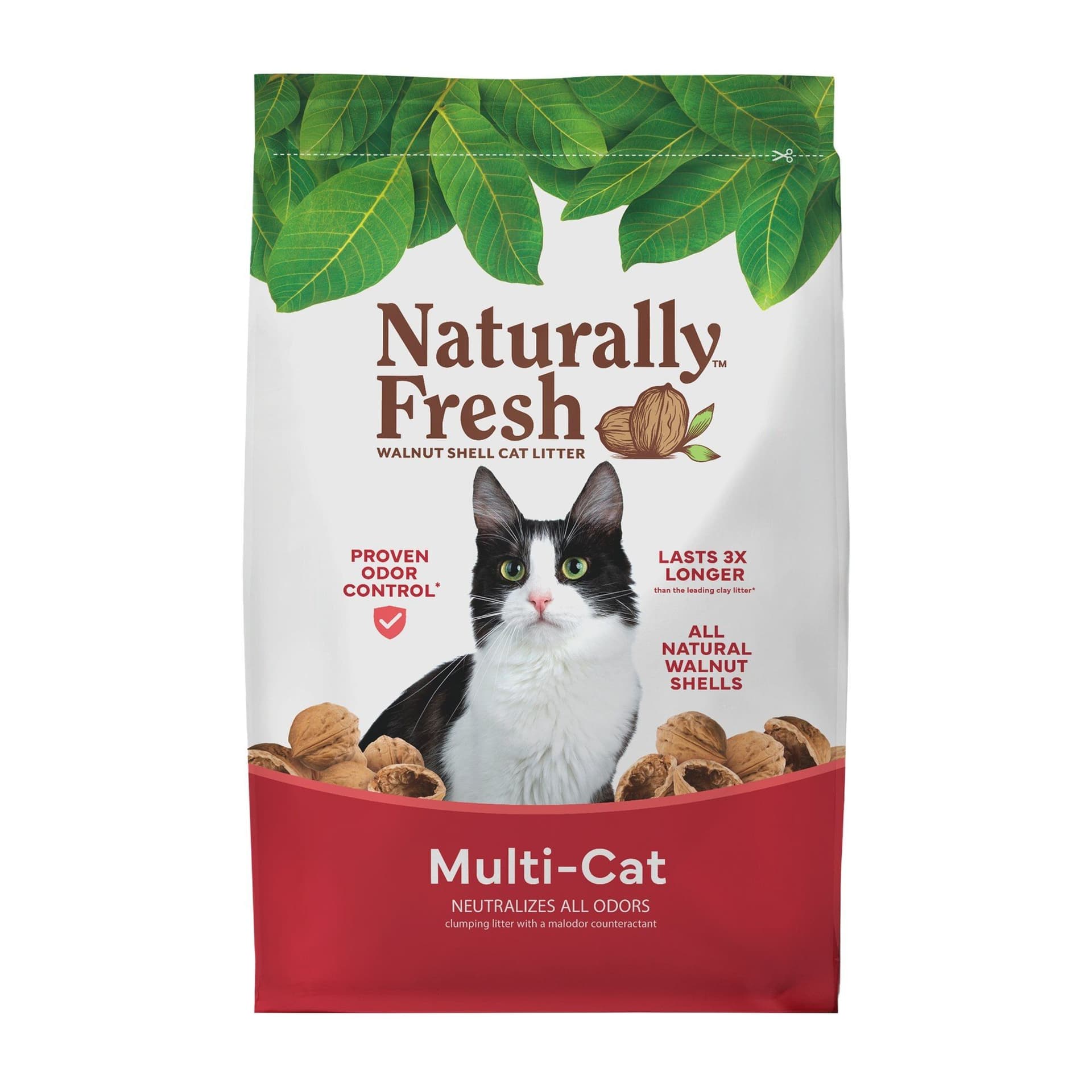
Walnut shell clumping cat litter that excels at odor control, lasts up to 3x longer than clay, and is a top pick for multi-cat households.
Petful may earn a commission when you click through to Chewy, at no extra cost to you.
Hypertrophic cardiomyopathy (HCM)
HCM is the most common heart disease in cats of every breed. It thickens the walls of the heart muscle, which over time can reduce the heart's efficiency and, in serious cases, lead to blood clots or heart failure. It is documented in Oriental-derived lines, which is why screening matters for the Peterbald specifically. There is no single gene test that covers every family line, so the practical safeguard is a cardiac ultrasound (echocardiogram) of breeding cats performed by a veterinary cardiologist, sometimes paired with genetic testing for known mutations. For a pet owner, the takeaway is to ask your breeder whether the parents have been heart-screened, and to keep annual vet visits so a new murmur or rhythm change is caught early.
Progressive retinal atrophy (PRA)
PRA is an inherited eye disease in which the light-sensing cells of the retina gradually degenerate, leading to declining night vision first and, in some cats, eventual blindness. It has been linked to the Peterbald and to related Oriental-type cats. It is painless and develops slowly, and affected cats often cope remarkably well because they navigate by whisker, scent, and a strong memory of their territory. A DNA test exists for several feline PRA variants, so a responsible breeder can show you parental test results where a relevant test is available for their line.
- Difficulty breathing, a fast breathing rate at rest, or sudden paralysis of the back legs can signal a clot linked to advanced heart disease. These are emergencies. Go to a vet immediately, do not wait.
| Health Factor | What to Expect | What You Do |
|---|---|---|
| Typical lifespan | 12 to 15 years | Annual to twice-yearly vet exams |
| Heart (HCM) | Screenable, breed-relevant | Buy from echocardiogram-screened lines |
| Eyes (PRA) | Inherited, can cause vision loss | Choose DNA-tested lines where available |
| Skin and oils | Builds up without a coat | Weekly wipe-down, bath every 2 to 4 weeks |
| Sun exposure | Burn and skin-cancer risk | Keep indoors, avoid direct or through-glass sun |
| Dental | Prone to periodontal disease | Regular brushing plus vet cleanings |
| Temperature | Feels cold easily | Warm beds, sweaters for bald types |
| Allergies | Not hypoallergenic | Trial time, HEPA filter, hand-washing |
SponsoredVet care that's always there
Unlimited video calls and messaging with licensed vets for less than a typical vet visit. One membership covers up to five pets.
Use code Pets30
Plans start at $11/month · covers up to 5 pets
- Licensed vets in most states
- Rx for 150+ conditions
- 4.7 on Trustpilot
The Hypoallergenic Question, Answered Honestly
Here is the myth I most want to correct, because it drives a lot of disappointed adoptions: no cat breed is truly hypoallergenic, and that includes the hairless Peterbald. People assume that no hair means no allergy, but the main cat allergen is a protein called Fel d1, and it is produced mainly in a cat's saliva and skin (sebaceous) glands, not in the fur itself.
When a cat grooms, it spreads Fel d1-laden saliva over its body. The protein dries, flakes off with microscopic skin cells (dander), and becomes airborne. A hairless cat still has saliva, still has skin glands, and still licks itself, so it still produces and distributes Fel d1. What changes with less hair is the dispersal of fur-bound dander, so some allergy sufferers do report milder reactions around a Peterbald, and regular bathing physically removes some allergen from the skin. But that is reduced exposure, not an allergen-free cat. Individual cats also vary widely in how much Fel d1 they produce, regardless of breed or coat.
If allergies are a real concern, the honest advice is to spend extended time with the specific cat before committing, keep bedrooms cat-free, wash your hands after handling, and run HEPA air filtration. Do not buy a Peterbald on the promise that it cannot trigger allergies, because that promise is not true of any cat. If you want to compare the breed to its closest hairless cousins on this and other points, our Sphynx cat breed profile and our overview of hairless cat breeds walk through the differences in detail.
- Allergy is a reaction to the Fel d1 protein in saliva and skin glands. A coatless cat still makes it, which is why no breed, hairless or not, is genuinely hypoallergenic.
Debunking the "Down Syndrome Cat" Myth
You have probably seen the Peterbald, or other unusual-looking cats, called a "down syndrome cat." As a vet, I want to be direct because this is a topic where accuracy genuinely matters: there is no such thing as a "down syndrome cat," and the label deserves to be retired.

108-oz stainless steel pet fountain with quiet pump and water-level window. Bengals are notoriously water-obsessed; a flowing fountain encourages hydration and pulls them away from sinks and toilets.
Petful may earn a commission when you click through to Chewy, at no extra cost to you.
Down syndrome in humans is caused by a third copy of chromosome 21, a condition called trisomy 21. Cats do not have a chromosome 21 to triplicate. The domestic cat has only 19 pairs of chromosomes, an entirely different genome, and the human chromosome 21 simply has no feline equivalent. So the specific genetic event that defines human Down syndrome cannot occur in a cat, and "feline Down syndrome" is not a recognized diagnosis anywhere in veterinary medicine.
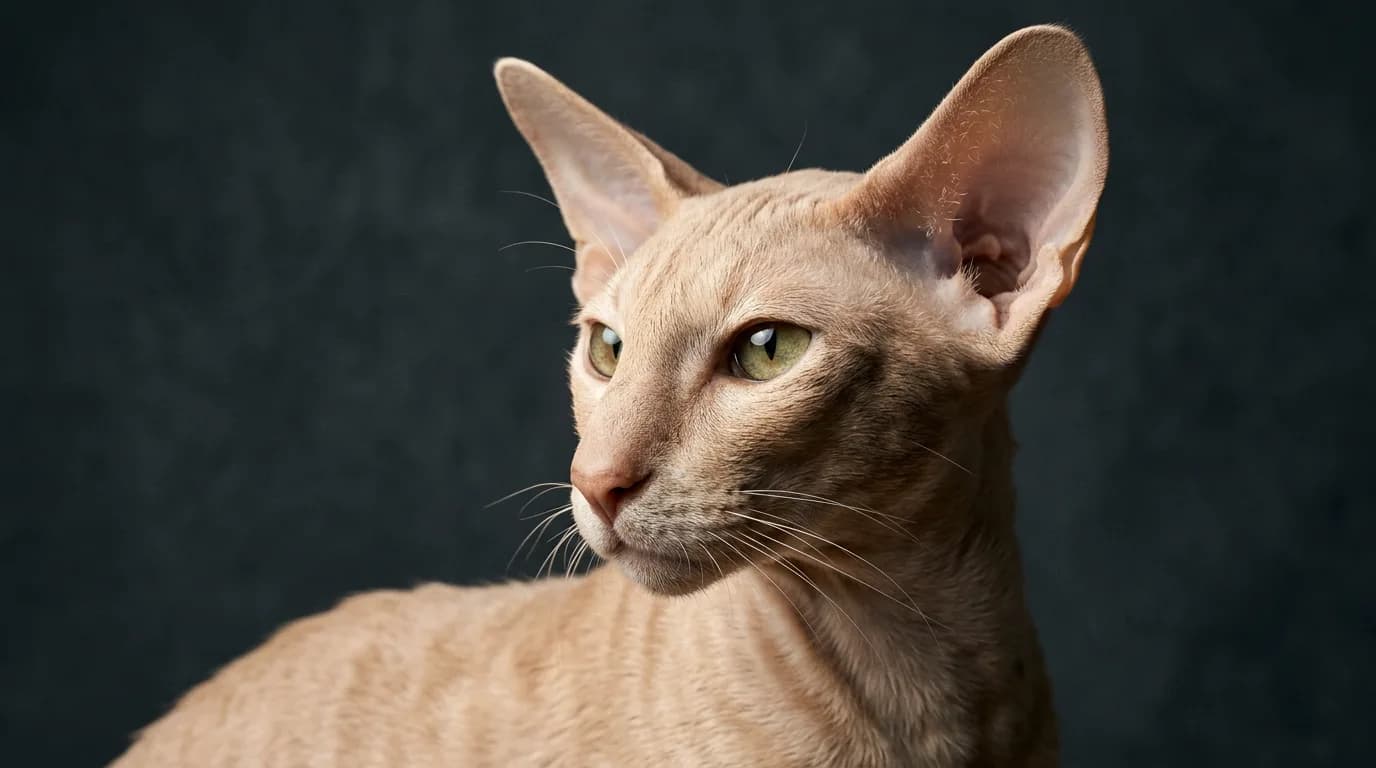
What people are actually seeing is usually one of a few real, explainable things: normal breed features (the Peterbald's huge ears, almond eyes, and slim wedge-shaped head look unusual to someone used to round-faced cats), a separate neurological condition such as feline cerebellar hypoplasia (which affects coordination, not chromosome count), or the lingering effects of an old injury, infection, or toxin exposure. None of those is Down syndrome. If a cat shows genuine problems with coordination, vision, or behavior, that warrants a proper veterinary work-up to find the actual underlying cause, not a viral nickname. Calling a healthy Peterbald a "down syndrome cat" is both factually wrong and unfair to a perfectly normal animal.
- Cats cannot have human Down syndrome (trisomy 21); their genome is different. Unusual looks or behavior deserve a real diagnosis, not a nickname.
Lifespan and How to Maximize It
A well-cared-for Peterbald typically lives 12 to 15 years, and many reach the upper end or beyond with good preventive care. Published breed profiles often cite a slightly wider 10 to 15 year range, and the difference between the low and high end of that range comes down almost entirely to care quality and breeding. The Oriental genetics behind the breed are generally long-lived, so the ceiling is high if you do the basics well.
The levers that actually extend a Peterbald's healthy years are unglamorous and effective. A complete, balanced, protein-forward diet, fed in measured portions, prevents the obesity that strains joints and heart. The skin and dental routines above prevent the two most common quality-of-life problems. Indoor living removes sun, trauma, and infectious risks. Parasite prevention still matters, because a hairless cat is not immune to fleas, ticks, or heartworm-carrying mosquitoes. And annual to twice-yearly veterinary exams catch heart murmurs, dental disease, and eye changes early, when they are cheapest and kindest to treat.
Color-changing crystal litter that flags pH shifts in your cat's urine, an early warning sign of UTIs, kidney issues, and more.
Petful may earn a commission when you click through to Chewy, at no extra cost to you.
Diet and weight
Peterbalds are athletic, high-energy cats, and a coatless body burns extra calories simply staying warm, so they often have a healthy appetite. Feed a complete and balanced, protein-forward diet, and measure portions, because despite their slim build they can still gain weight if free-fed. Excess weight is not cosmetic; it strains the joints and the heart and shortens lives. Keep fresh water available at all times, and talk to your vet about the right calorie target for your individual cat's age and activity level.
How the Peterbald Differs From the Sphynx
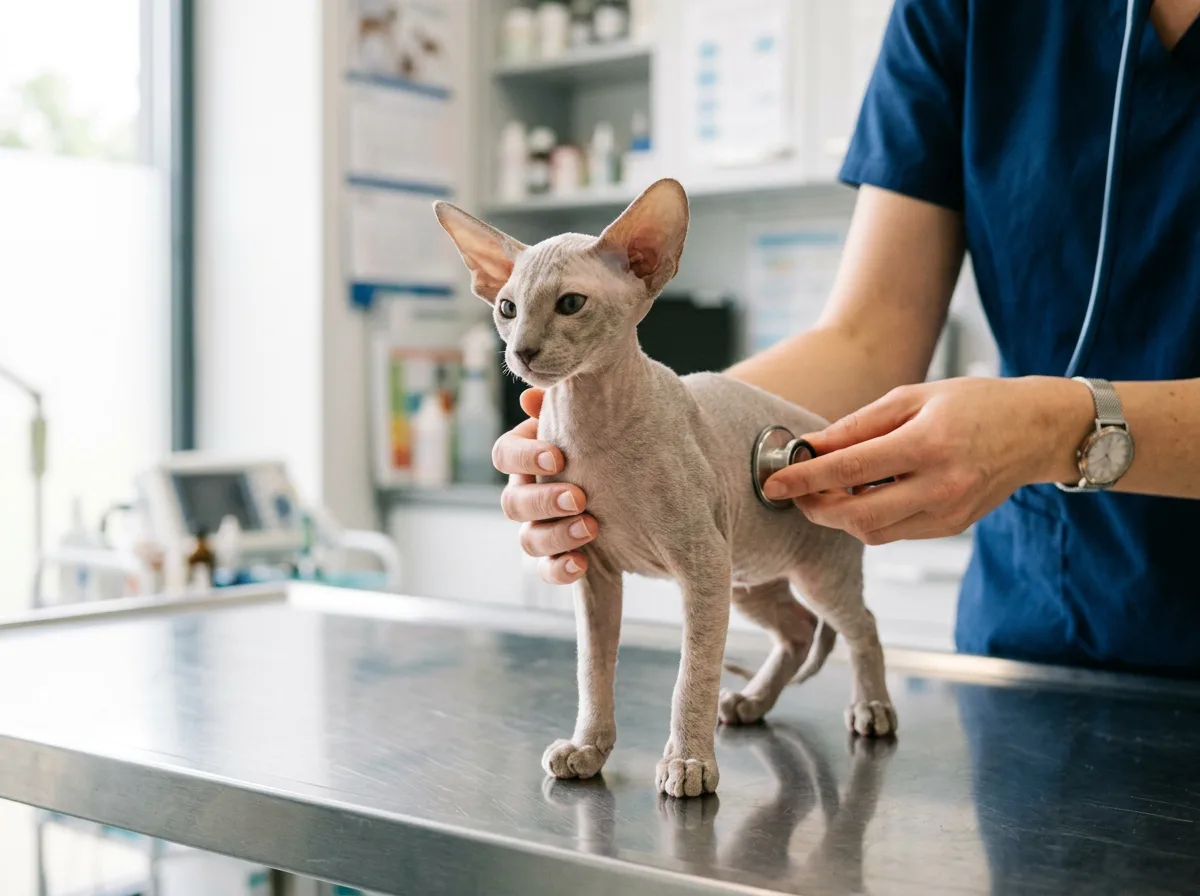
Owners often lump all hairless cats together, but the Peterbald and the Sphynx are genetically and physically distinct, which matters for both health expectations and simple identification. The hairlessness gene in the Peterbald is dominant and descends from the Donskoy line, whereas the Sphynx's hairlessness comes from a recessive gene. The Peterbald also keeps the slim, fine-boned, large-eared Oriental silhouette with a long wedge-shaped head, while the Sphynx is a stockier, more cobby cat. Those body-type differences are the easiest way to tell them apart at a glance. If you are weighing the two breeds, our Peterbald vs Sphynx comparison breaks down the differences in body type, coat, gene, and care.
Why Peterbalds Cost What They Do
Owners often ask why these cats carry such a high price, and the answer ties directly back to health. Peterbalds are rare, especially outside Russia and Eastern Europe, and they are bred by a small number of catteries, so demand outstrips the limited supply of kittens. Add the genuine cost of responsible breeding, including cardiac ultrasound and eye testing, careful pairing to manage the dominant coat gene, and intensive kitten care, and prices in the United States commonly run into four figures. You are not just paying for a hairless novelty; you are paying for the screening that keeps the line sound. A suspiciously cheap Peterbald usually means corners were cut on exactly the health testing that protects your cat. For the full breakdown, see our guide to the Peterbald cat price, and for temperament and history, the broader Peterbald cat breed profile.
Bringing a Peterbald Home
If you are still in the research stage, it is worth understanding the breed's closest relatives, because the health themes rhyme across the low-coat cat world: skin care, warmth, dental work, and a good breeder. The Peterbald belongs to a small club of hairless and low-coat cats. Its direct ancestor is the Donskoy, another Russian hairless breed, while the partially coated Lykoi cat and the curly, fine-coated Cornish Rex show how differently a reduced coat can look and behave. Whichever direction you lean, the bottom line for the Peterbald is simple and encouraging: it is a generally healthy, deeply affectionate cat that asks for skin care, dental care, warmth, and a screened pedigree, and gives you 12 to 15 good years in return.
Frequently Asked Questions
Peterbalds are generally healthy, but the conditions worth screening for are hypertrophic cardiomyopathy (a heart-muscle disease) and progressive retinal atrophy (an inherited eye condition). The hairless coat also brings skin concerns: oil buildup, sunburn, a raised long-term risk of squamous cell carcinoma with chronic sun exposure, and a tendency toward periodontal dental disease.
A well-cared-for Peterbald typically lives 12 to 15 years, with published breed profiles citing a 10 to 15 year range. Indoor living, a portion-controlled diet, dental and skin care, parasite prevention, and regular vet exams push cats toward the upper end.
The Peterbald is rare and bred by a small number of catteries, so demand outstrips the limited supply of kittens. Add the cost of responsible health screening (cardiac ultrasound and eye testing) and the breed's unusual looks, and prices in the United States commonly run into four figures.
They can. Hypertrophic cardiomyopathy (HCM) is the most common feline heart disease and is relevant to the Oriental-derived Peterbald, which is why reputable breeders screen breeding cats with a cardiac ultrasound. It is not a guarantee any individual cat will develop it, but buying from heart-screened lines lowers the odds.
The Peterbald's lifespan is generally 12 to 15 years, and many reach the upper end or beyond with good preventive care. Their Oriental Shorthair ancestry contributes to a typically long-lived, hardy constitution.
The floppiest cat breed is the Ragdoll, named for its tendency to go limp and relaxed when picked up. The Peterbald is not a floppy breed: it is a slim, athletic, high-energy Oriental-type cat, though it is famously affectionate and loves close contact and warmth.
The 3-3-3 rule describes a new cat's adjustment in three phases: the first 3 days to decompress, 3 weeks to settle into a routine, and 3 months to feel fully at home. It applies to a Peterbald like any cat, and a calm, warm, predictable space suits this heat-seeking, people-oriented breed especially well.
The Bottom Line
The Peterbald is a healthy, long-lived breed that rewards an owner who manages a few specific needs well. Protect the skin, keep the cat warm and out of direct sun, brush the teeth, feed for a lean and active body, and buy from a breeder who screens for HCM and PRA. Do that and you are giving this elegant, people-loving Russian cat its best shot at a full and comfortable life. Ignore the hypoallergenic myth and retire the "down syndrome cat" nickname for good, because a Peterbald is exactly what it looks like: a striking, normal, healthy cat.
BVMS, MRCVS
Dr. Pippa Elliott, BVMS, MRCVS, is a veterinarian with nearly 30 years of experience in companion animal practice. Dr. Elliott earned her Bachelor of Veterinary Medicine and Surgery from the University of Glasgow. She was also designated a Member of the Royal College of Veterinary Surgeons. Married with 2 grown-up kids, Dr. Elliott has a naughty Puggle named Poggle, 3 cats and a bearded dragon.
Sign up for expert-backed reviews and safety alerts all in one place.