Manx Cat Price: How Much a Manx Cat Costs in 2026
A complete Manx cat price guide: adoption at $75 to $200, pet-quality kittens at $600 to $1,500, and show quality at $1,500 to $2,000-plus, with what drives the price, first-year setup, and monthly costs.
Petful is reader supported. As an affiliate of platforms like Amazon and Chewy, we may earn a commission when you buy through links on this page. There is no extra cost to you.
The Manx cat price runs from about $75 to $200 to adopt from a rescue and roughly $600 to $1,500 for a pet-quality kitten from a reputable breeder, with well-bred, health-screened show lines climbing to $1,500 to $2,000 or more, according to breed-club price ranges and breeder listings tracked by the Cat Fanciers' Association (CFA) and TICA. Because the Manx is one of the older natural breeds and far less common than mainstream cats, reputable breeders usually keep waitlists, and completely tailless ("rumpy") show kittens sit at the very top of the range. This guide breaks down every tier, what drives the number up or down, and what you will actually spend in year one and every month after.
- 1Adoption from a shelter or Manx rescue runs $75 to $200 and is the cheapest, most ethical route.
- 2A pet-quality kitten from a responsible breeder typically costs $600 to $1,500; show or breeding quality runs $1,500 to $2,000 or more.
- 3Tail type drives price: fully tailless rumpy show cats cost the most, while tailed "longy" kittens are usually the most affordable from a breeder.
- 4Budget about $1,200 to $1,900 for first-year setup and roughly $70 to $160 a month ongoing, plus an emergency fund for Manx-syndrome care.

Sign up for expert-backed reviews and safety alerts all in one place.
How Much Does a Manx Cat Cost? The Short Answer
The price of a Manx depends almost entirely on where you get it and what "grade" the cat is. There are three realistic routes, and the gap between them is large.
A shelter or breed-rescue adoption is the budget path at roughly $75 to $200, and that fee usually already covers spay/neuter, core vaccines, a microchip, and a vet exam, so the sticker price is closer to the true all-in cost than it looks. A pet-quality kitten from a registered, responsible breeder is the most common way people buy a Manx and runs about $600 to $1,500. Show-quality or breeding-quality kittens from proven, health-screened lines start around $1,500 and climb to $2,000 or more for a top rumpy from a respected cattery.
- A $150 shelter adoption that includes spay/neuter, shots, and a microchip can save you $300 or more versus paying for those services separately on a "free" rehomed cat. Compare the all-in cost, not just the upfront number.
Manx Cat Price by Source and Grade
The table below lays out the three tiers, what each costs, and what you are actually paying for. Use it as your planning baseline before you contact a single breeder or browse a single listing.
| Source / Tier | Price Range | What You Get |
|---|---|---|
| Shelter or Manx rescue (adoption) | $75 to $200 | An adult or mixed Manx, already spayed/neutered, vaccinated, microchipped, and vet-checked. Most budget-friendly and most ethical. |
| Pet-quality kitten (reputable breeder) | $600 to $1,500 | A registered purebred Manx kitten as a companion, placed at 4-plus months, health-screened, with a written guarantee. Tail type and color shift the price within this band. |
| Show or breeding quality (reputable breeder) | $1,500 to $2,000-plus | A rumpy or rumpy-riser kitten from proven, screened lines with show potential and breeding rights. Top tailless show kittens command the highest prices. |
What Drives the Manx Cat Price Up or Down
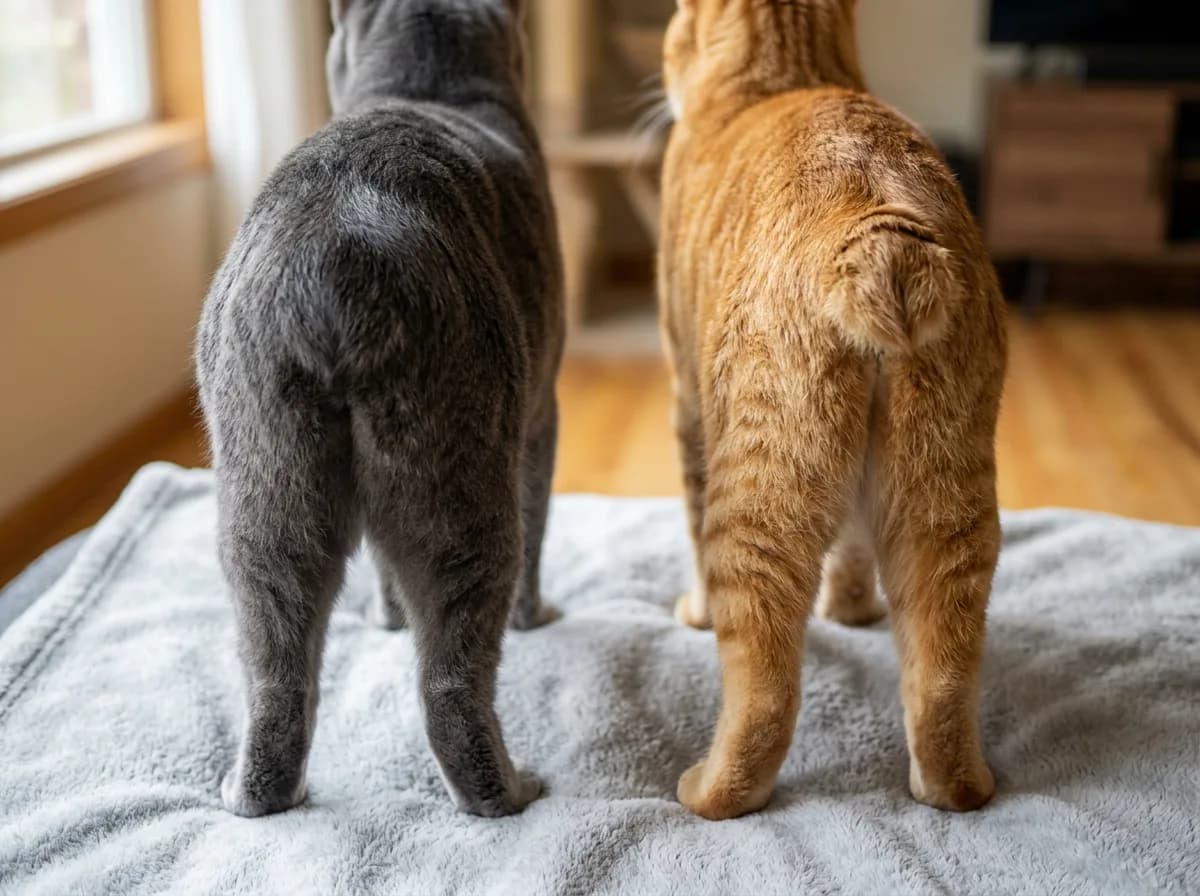
Two Manx kittens from the same region can be hundreds of dollars apart. Six factors explain almost all of that spread, and understanding them helps you spot both a fair deal and a red flag.
Tail Type: Rumpy vs Longy
This is the biggest single price lever within breeder pricing. A Manx can be a rumpy (completely tailless, often just a dimple), a rumpy riser (a small knob of fused vertebrae), a stumpy (a short, often kinked partial tail), or a longy (a near-normal or full-length tail). Show rings recognize rumpy and rumpy-riser cats, so those command a premium. Tailed longy and stumpy kittens are just as healthy and loving but are usually the most affordable purebred Manx a breeder offers, since they cannot compete at the top show level.

Never Scoop Again® with the Whisker Litter-Robot, the smart self-cleaning automatic litter box. Monitor visits and track weights for better overall care in the Whisker® app. Multi-cat friendly.
Petful may earn a commission when you click through to Whisker, at no extra cost to you.
- If you want a registered Manx as a pet and price matters, ask the breeder about longy or stumpy kittens. They carry the full Manx personality and look, often cost less than a rumpy, and a tail base actually reduces some health risks.
Show Lines and Pedigree
Kittens from a cattery with champions and a long, documented pedigree cost more than kittens from a hobby breeder with no show record. You are paying for predictable type, temperament, and a breeder who stands behind the cat. A strong pedigree is not vanity; it usually signals a breeder who screens, socializes, and supports buyers.
Health Screening and Responsible Breeding
Ethical Manx breeding is expensive to do right. Responsible breeders never pair two fully tailless (rumpy-to-rumpy) cats because the gene is lethal when doubled, they screen their lines, and they hold kittens until at least 4 months so they can confirm no signs of Manx syndrome before placement. All of that raises the breeder's cost, and it is reflected in the price. A bargain kitten sold at 8 weeks from rumpy-to-rumpy parents is a warning sign, not a deal.
Rarity and Waitlists
The Manx is far less common than breeds like the Maine Coon or Persian, and litters can be smaller because of the breed's genetics. Lower supply plus steady demand means reputable breeders often have waitlists and may take a deposit to hold a spot. Rarity is a real and legitimate reason the breeder price sits where it does.
Coat Length: Manx vs Cymric
The long-haired version of the Manx is called the Cymric. It is genetically a Manx carrying a long-hair gene, with the same body, tail types, temperament, and health profile. Cymric kittens are sometimes priced similarly to or slightly differently from short-haired Manx depending on the breeder and demand, and they cost a little more over time in grooming (brushing two to three times a week).
Location, Color, and Age
Prices run higher in metro areas with higher costs of living and shipping, and lower where breeders are closer to you. Color can nudge the price (popular black, orange, calico, and tortoiseshell coats can move faster), though color does not affect health. Adults and retired breeding cats are almost always cheaper than kittens, which is a smart way to bring home a purebred Manx for less.
- If a "breeder" advertises both parents as fully tailless, or pushes kittens out at 6 to 8 weeks, that is a welfare red flag. Doubling the Manx gene is lethal in the womb, and early placement skips the window when Manx syndrome would show. A responsible breeder will not do either.
Manx Kitten Cost vs Adult Cost
Kittens carry the highest price tag. From a reputable breeder, a Manx kitten lands in that $600 to $1,500 pet-quality band (and higher for show rumpies) because the breeder has invested in screening, vaccines, and months of care before the kitten goes home at 4-plus months.
Adults cost noticeably less. Breeders sometimes rehome retired breeding cats or older kittens that did not place, often for a few hundred dollars, and shelters and rescues are almost entirely adult and young-adult cats in that $75 to $200 range. If your priority is the Manx temperament and look rather than raising a kitten, an adult is the value play, and an adult Manx is also old enough that any Manx syndrome would already have shown, which removes a major unknown.
- Many breeds go home at 8 to 12 weeks. Responsible Manx breeders wait until 4 months or older specifically so they can confirm a kitten is free of Manx syndrome signs before it joins your family. That extra holding time is built into the kitten price.
First-Year Setup Costs
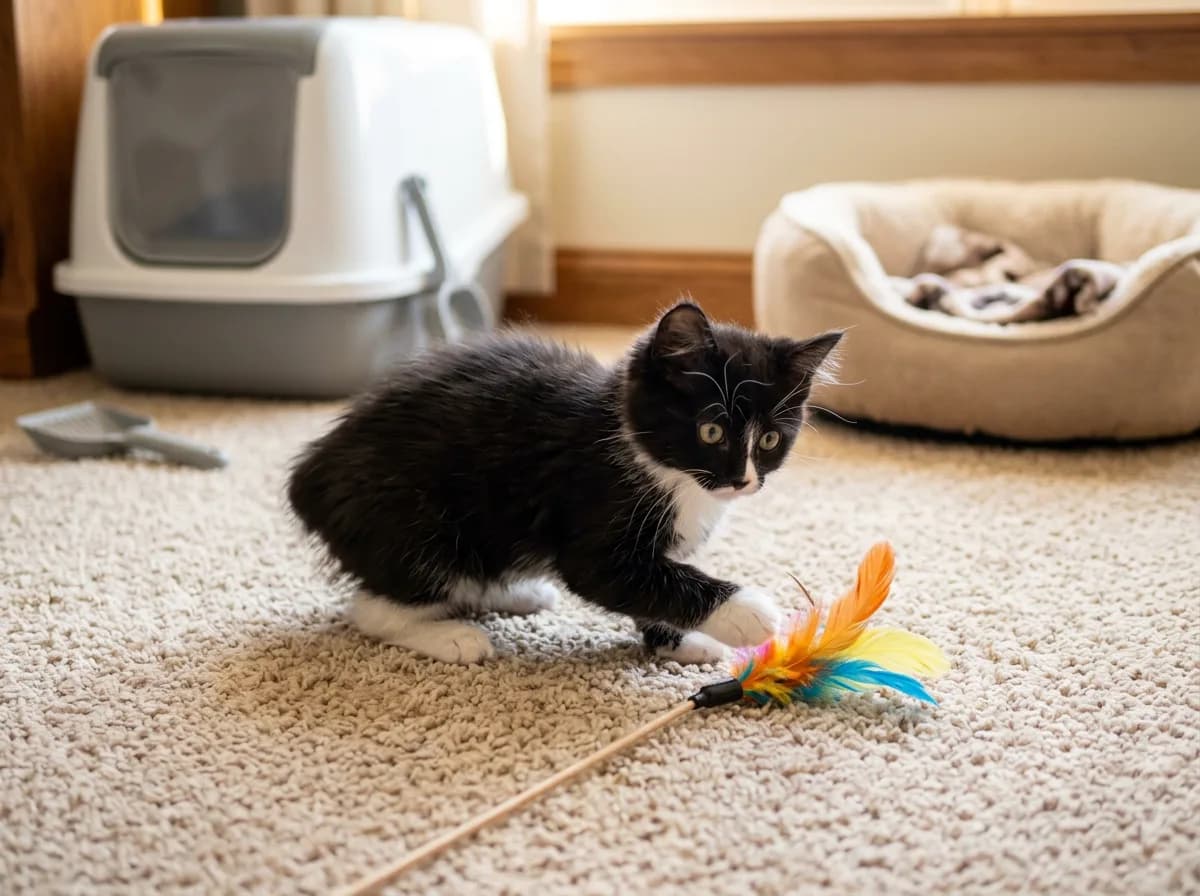
The purchase price is only the start. Year one carries one-time setup on top of the cat itself. None of this is Manx-specific, but tailless cats still need the full new-cat kit, and a Manx that develops any spinal issue can add vet costs fast.
A realistic first-year setup, on top of the cat, looks like this:

63-inch multi-level cat tree with scratch posts, hammock, plush perches, and dangling toys. Vertical territory is non-negotiable for high-energy climbing breeds like the Bengal.
Petful may earn a commission when you click through to Chewy, at no extra cost to you.
- Spay/neuter (if not already done): $50 to $200
- Initial vet exam, vaccines, and microchip (if not included): $100 to $300
- Litter box (or two) and a scoop: $15 to $65
- Litter starter supply: $20 to $40
- Food and water bowls: $10 to $50
- Cat bed and a scratching post or tree: $30 to $200
- Carrier: $20 to $75
- Toys and enrichment: $20 to $60
- Grooming tools (brush, nail clippers): $10 to $50
- First few months of quality food: $120 to $300
That puts typical first-year setup at roughly $400 to $1,300 in supplies and starter vet care, on top of the adoption or purchase price. Combine the two and most new Manx owners spend somewhere around $1,200 to $1,900 all-in in year one for an adopted or pet-quality cat, more for a show-quality kitten. A sturdy cat tree, a quality carrier, and a good litter setup are one-time buys you keep for the cat's whole life, so spending a bit more on durable gear usually beats replacing cheap versions every year.
Ongoing Monthly Costs of Owning a Manx
After setup, a Manx costs about the same to run as any medium-sized house cat. Plan for roughly $70 to $160 a month depending on food quality, where you live, and whether you carry pet insurance. The table-free breakdown below shows where the money goes.

108-oz stainless steel pet fountain with quiet pump and water-level window. Bengals are notoriously water-obsessed; a flowing fountain encourages hydration and pulls them away from sinks and toilets.
Petful may earn a commission when you click through to Chewy, at no extra cost to you.
- Food: $30 to $90 a month for quality cat food
- Litter: $15 to $35 a month
- Routine and preventive vet care (averaged monthly): $15 to $40
- Flea/tick and parasite prevention: $10 to $30
- Pet insurance (optional but smart for this breed): $10 to $40
- Toys, treats, and replacements: $5 to $25
Over a year that is roughly $850 to $1,900 in ongoing costs, and a Manx commonly lives 9 to 14 years, so the lifetime cost dwarfs the purchase price. That math is why the upfront Manx cat price matters far less than being ready for a decade-plus of care.
- A minority of Manx (most often fully tailless rumpies) develop Manx syndrome, a spinal malformation that can cause incontinence, recurring urinary infections, and mobility problems. Affected cats need ongoing veterinary management, so an emergency fund or pet insurance is strongly recommended for this breed specifically.
Where to Buy or Adopt a Manx Safely
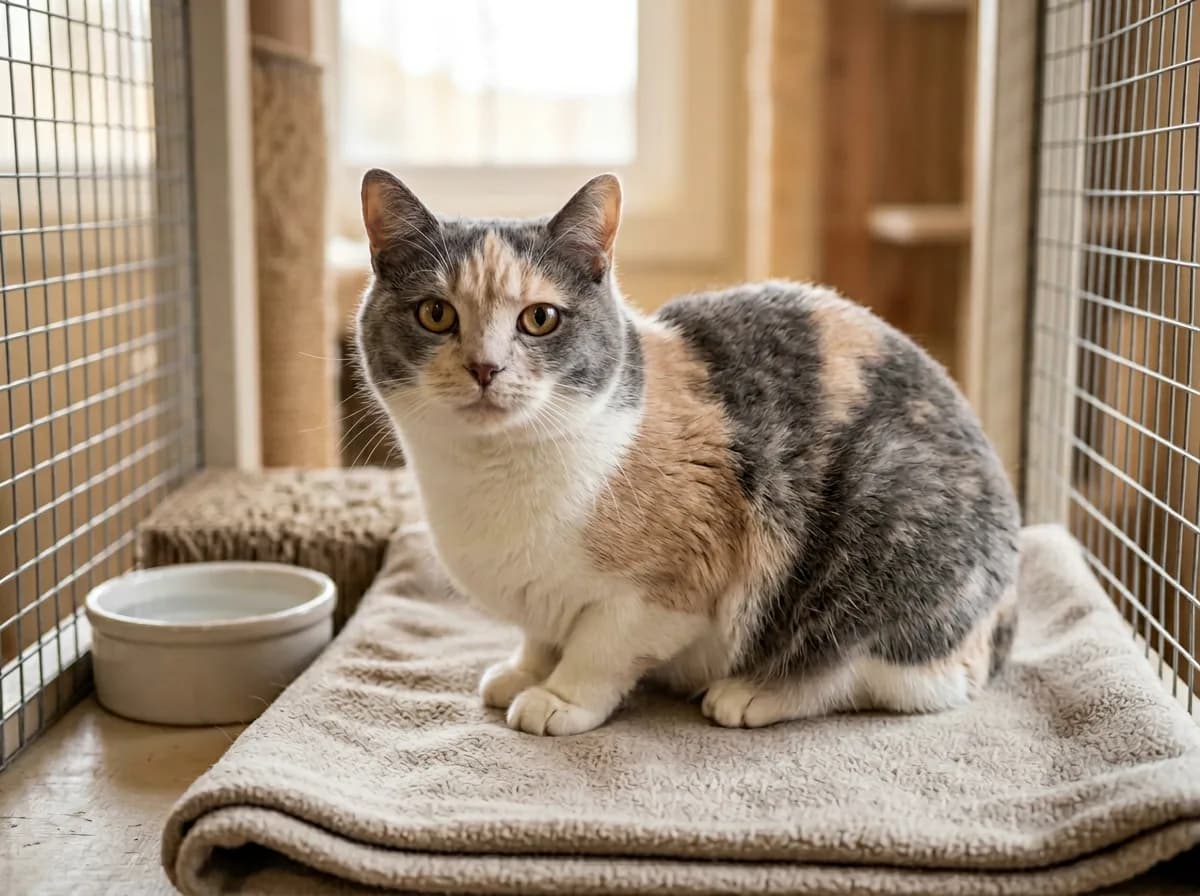
How you get a Manx matters as much as what you pay. The cheapest and most ethical route is adoption; if you go to a breeder, vetting them protects both your wallet and the cat.
Adopt From a Shelter or Manx Rescue
Start with national databases (the kind that let you filter by breed) and search for "Manx" in your area, then widen the radius. Breed-specific and tailless-cat rescues also place Manx and Manx mixes, and rescue staff can match you with an adult whose temperament and health are already known. Adoption at $75 to $200 is the value answer to "what is the cheapest way to get a Manx," and it gives a cat in need a home.
Choose a Reputable Breeder Carefully
If you want a kitten or a specific look, buy from a registered breeder, not a classified ad or a social-media seller. A responsible Manx breeder will do all of the following.
- Registers with CFA, TICA, or GCCF and will show you the paperwork
- Never breeds rumpy-to-rumpy and can explain why (the gene is lethal when doubled)
- Places kittens at 4-plus months after confirming no Manx syndrome signs
- Screens their lines and shares health history of the parents
- Lets you see where the cats live and meet at least one parent
- Provides a written health guarantee and a contract
- Takes the cat back at any point in its life if you cannot keep it
- A purebred Manx kitten advertised for $150 to $300, sold at 8 weeks, "all rumpy" litters, no registration, no health guarantee, or a seller who will only meet in a parking lot are classic signs of a backyard breeder or scam. A fair price from a vetted breeder protects you from far larger vet bills later.
For a different pedigreed bobtail budget, compare the Japanese Bobtail cat price, including acquisition, travel, setup, recurring care, and emergency planning.
Is a Manx Cat Worth the Price?
For the right owner, yes. The Manx is famously dog-like, devoted, playful, and social, and many follow their people room to room, learn to fetch, and even take an interest in water. You are paying for a rare natural breed with a big personality and a distinctive, rounded, tailless look. The honest caveat is the breed's health risk: factor a possible emergency fund into the decision, lean toward adoption or a tailed longy from a screened line if budget is tight, and you get a companion that pays you back in loyalty for well over a decade.
If you want to compare the Manx against other premium breeds before you commit, it helps to see how its pricing stacks up. The Manx sits below the priciest breeds but above many random-bred cats, much like the parallel you see in a Persian cat price and cost breakdown. For another naturally tailless or bobtailed option, read the American Bobtail breed profile, and if you are weighing a larger, more common breed instead, the Maine Coon profile is a useful contrast. Owners who like the Manx personality often also consider the calm, cobby British Shorthair or the affectionate, dog-like Ragdoll.
Manx Cat Price FAQ
Adoption from a shelter or rescue runs about $75 to $200, a pet-quality kitten from a reputable breeder costs roughly $600 to $1,500, and show or breeding-quality kittens from screened lines run $1,500 to $2,000 or more. Completely tailless rumpy show kittens sit at the top of the range.
Manx are a rare natural breed, litters can be smaller because of the breed's genetics, and responsible breeders invest in health screening, never pair two tailless cats, and hold kittens until at least 4 months to confirm no Manx syndrome. All of that, plus steady demand and waitlists, raises the breeder price.
From a reputable breeder, a pet-quality Manx kitten typically costs $600 to $1,500, with show-quality rumpy kittens running $1,500 to $2,000 or more. Kittens cost more than adults because the breeder has invested months of screening, vaccines, and care before placement at 4-plus months.
Yes. The Manx is much less common than breeds like the Maine Coon or Persian, and the genetics behind taillessness can mean smaller litters. Lower supply and steady demand mean reputable breeders often keep waitlists, and that rarity is a legitimate reason the breeder price is high.
Adoption from a shelter or a Manx rescue is by far the cheapest route at about $75 to $200, and that fee usually already covers spay/neuter, vaccines, and a microchip. Adopting an adult, or choosing a tailed longy kitten from a breeder, are the most budget-friendly options.
After first-year setup, expect roughly $70 to $160 a month, or about $850 to $1,900 a year, covering food, litter, routine vet care, parasite prevention, and optional pet insurance. Budget an extra emergency fund for possible Manx syndrome care.
Tail type matters most: fully tailless rumpy show cats cost the most, while tailed longy and stumpy kittens are usually the most affordable purebred Manx. Color can nudge the price (popular black, orange, calico, and tortoiseshell coats move faster) but does not affect health.
The main breed-specific concern is Manx syndrome, a spinal malformation seen mostly in fully tailless cats that can cause incontinence, urinary infections, and mobility issues. A minority of Manx are affected, but because care can be ongoing, pet insurance or an emergency vet fund is strongly recommended for this breed.
For many owners, yes. The Manx is devoted, playful, and dog-like, often following its people, fetching, and bonding closely with the family. You are paying for a rare natural breed with a big personality, with the honest caveat that you should budget for the breed's health risk over a 9 to 14 year lifespan.

Coreen Saito is a pet writer and longtime shelter volunteer with more than a decade in animal rescue. She covers cat behavior, breed care, and the small, ordinary science of sharing a life with companion animals, with a particular focus on honest takes about the products and decisions that actually matter. At home in Arizona, she's outranked by Mac (a dog with the loudest opinion in the house), Rebel (a cat who governs by quiet authority), and Meri (an orange tabby who runs the late shift and the laundry basket). She writes about all three, plus the rescues that keep coming through her life, at LifeWithMinty.com.
Sign up for expert-backed reviews and safety alerts all in one place.