Balinese Cat Price: Full Cost Breakdown for 2026
The Balinese cat price from a reputable breeder runs $1,000 to $2,500 for a pet-quality kitten in 2026, with show-line cats reaching $3,500+. Rescue adoption costs $75 to $300. Full breakdown of monthly, annual, and lifetime costs inside.
Petful is reader supported. As an affiliate of platforms like Amazon and Chewy, we may earn a commission when you buy through links on this page. There is no extra cost to you.
The balinese cat price from a reputable, health-testing breeder typically lands between $1,000 and $2,500 for a pet-quality kitten in 2026, with show-quality or champion-line cats reaching $3,500 or more. Adoption through a Siamese or Balinese rescue organization is the most affordable path, with fees of $75 to $300 that include spaying or neutering, core vaccines, and a microchip. Wherever you source your cat, the first year of ownership costs between $2,000 and $5,000 all-in when you account for the purchase price, supplies, and veterinary care, and annual costs settle to roughly $1,400 to $2,800 from year two onward.
- 1Balinese kittens from CFA or TICA registered breeders cost $1,000 to $2,500
- 2Show quality or champion-line cats run $2,500 to $3,500+
- 3Rescue adoption costs $75 to $300 and typically includes vet services
- 4Annual ownership (food, litter, vet, insurance) runs $1,400 to $2,800
- 5Lifetime cost over a 15-year lifespan totals roughly $22,000 to $44,000
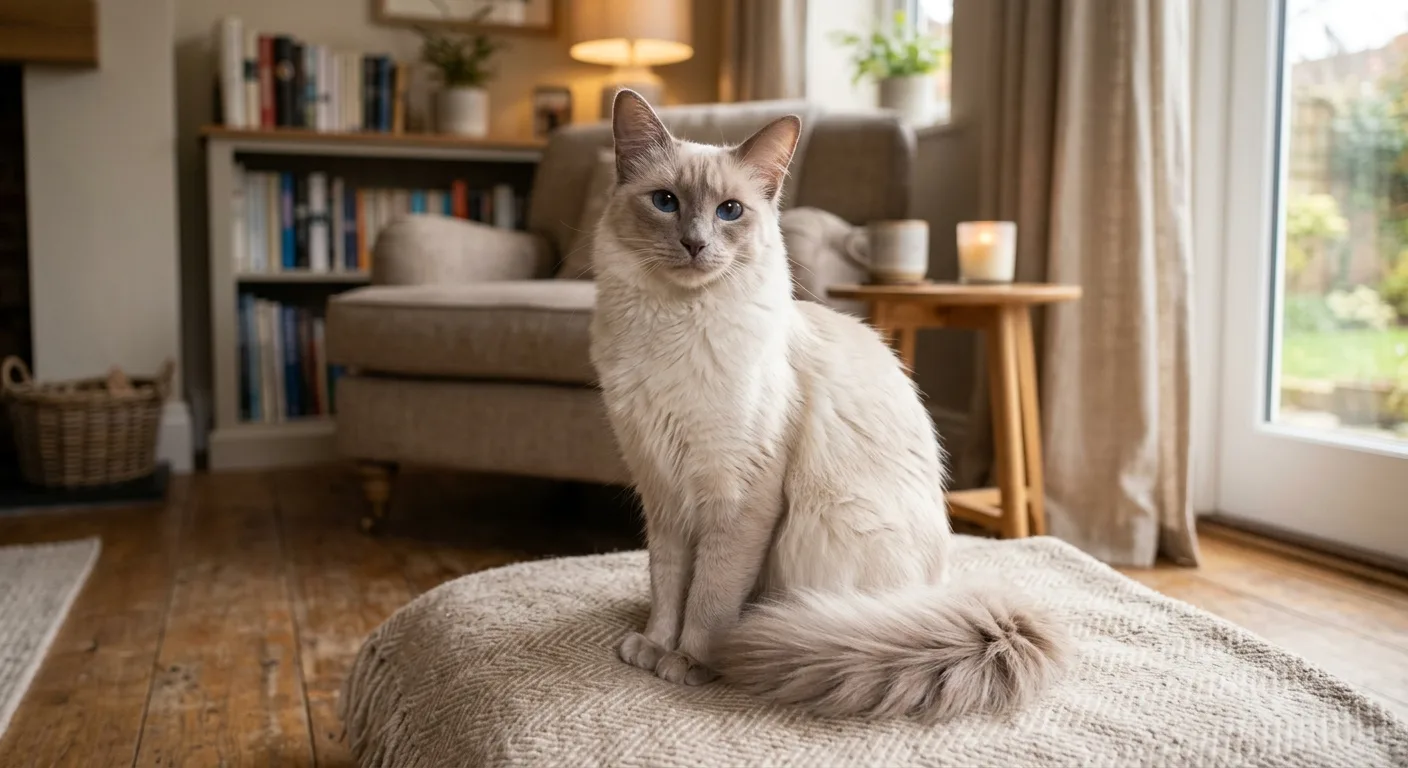
The Balinese cat breed is best understood as the long-haired Siamese. It carries the same color-pointed pattern, piercing sapphire eyes, and extroverted personality as the Siamese but adds a silky, semi-long coat created by a spontaneous genetic mutation. The Cat Fanciers' Association (CFA) and The International Cat Association (TICA) both recognize the Balinese as a distinct breed. Because fewer breeders specialize in Balinese compared to Siamese or Maine Coon programs, supply is limited and prices reflect that scarcity.

Sign up for expert-backed reviews and safety alerts all in one place.
How Much Does a Balinese Cat Cost?
Most breeders classify their litters into pet, show, and occasionally breeding tiers. These tiers reflect how closely a kitten conforms to the official breed standard, not whether the cat is healthy or affectionate.
| Category | Typical US Price | What's Usually Included |
|---|---|---|
| Rescue or shelter adoption | $75 to $300 | Spay/neuter, core vaccines, microchip, health check |
| Pet quality (registered breeder) | $1,000 to $1,800 | CFA/TICA registration papers, spay/neuter contract, vaccine records, health guarantee |
| Show quality | $1,800 to $2,500 | All of the above + closely conforms to breed standard |
| Champion or grand champion lineage | $2,500 to $3,500+ | Parents with title wins, top-tier health testing, limited availability |
| Retired show or breeding adult | $200 to $600 | Already spayed/neutered, fully vaccinated, proven temperament |
Pet-quality kittens are perfectly healthy. The designation simply means the cat has a minor structural or color variation (a slightly off-center blaze, a faint ghost tabby pattern in a kitten coat) that a judge would penalize in the show ring. For a companion, these distinctions are cosmetic. A $200 deposit is standard at most catteries and applies toward the final price.
Never Scoop Again® with the Whisker Litter-Robot, the smart self-cleaning automatic litter box. Monitor visits and track weights for better overall care in the Whisker® app. Multi-cat friendly.
Petful may earn a commission when you click through to Whisker, at no extra cost to you.
- CFA and TICA membership, health testing for HCM and PRA, and the cost of maintaining a breeding program all add to a responsible breeder's overhead. A $1,000 kitten from a health-testing cattery is often a better financial risk than a $500 kitten from an untested program that could develop expensive heritable conditions.
What Drives the Balinese Cat Price?
Pedigree and Registry Status
Kittens registered with TICA or CFA come with a paper trail documenting lineage across multiple generations. Full registration (allowing the buyer to breed) costs more than limited registration (companion-pet, no breeding). CFA and TICA breeder directories are the safest starting points when vetting a source.
Point Color and Pattern Rarity
Traditional Balinese come in four CFA-recognized point colors: seal, blue, chocolate, and lilac. Chocolate and lilac point kittens are rarer in most litters and sometimes carry a small premium of $100 to $300. Red, cream, and tortoiseshell points (historically called Javanese in some registries) require additional lines to produce and may cost slightly more depending on the cattery.
Health Testing and Breeder Investment
Responsible Balinese breeders screen their breeding cats for hypertrophic cardiomyopathy (HCM) via annual echocardiogram, progressive retinal atrophy (PRA), and amyloidosis, conditions that run in the Siamese family. Each echocardiogram costs $200 to $400 per cat per year. Breeders who test and disclose results invest meaningfully more per litter, and those costs are reflected in kitten prices.
- A Balinese kitten advertised for $300 to $600 with no CFA or TICA papers, no health testing records, and no contract is almost certainly from an unregistered backyard breeding situation. These kittens may be healthy, but there is no accountability if heritable conditions appear later. Budget-friendly adoption through a rescue is far safer than a bargain-priced kitten from an unverifiable source.
Breeder Location and Shipping
Breeders in high cost-of-living regions (coastal metros, certain Midwest cities) tend to charge more than rural breeders for comparable kittens. If no quality breeder is local, most responsible catteries offer airline shipping. Cargo or cabin shipping for a kitten adds $250 to $450 depending on route and airline, plus a health certificate from your veterinarian ($50 to $100) and an airline-approved carrier ($40 to $120).
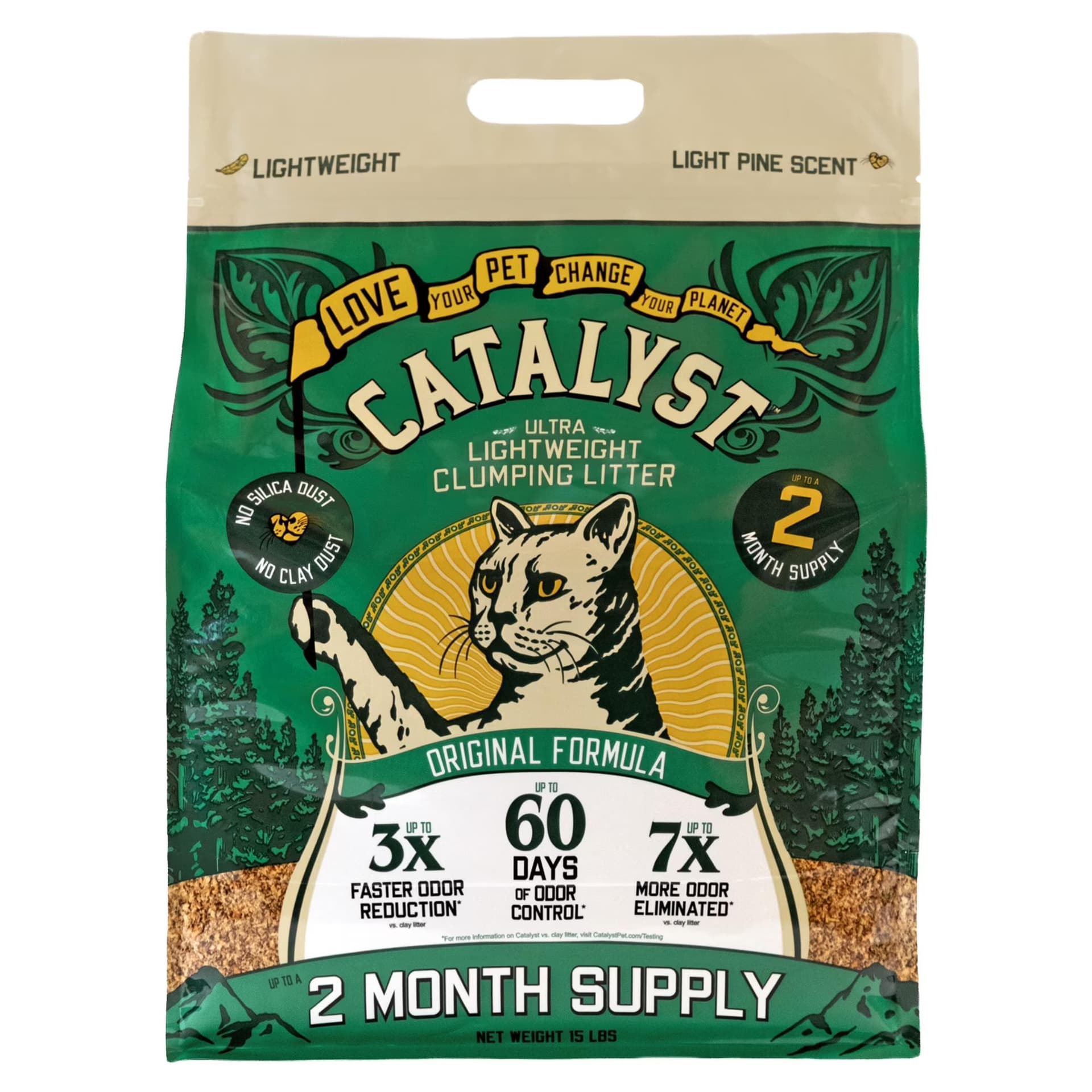
Lightweight softwood clumping cat litter that delivers up to a 2-month supply per 15-lb bag. Up to 7x more odor reduction and 3x faster odor elimination than clay, with up to 95% less airborne dust. No clay, no silica, light pine scent.
Petful may earn a commission when you click through to Walmart, at no extra cost to you.
Age at Purchase
Kittens (10 to 16 weeks) are the most in-demand and carry the highest prices. Retired show or breeding adults available directly from breeders typically sell for $200 to $600 and come fully vaccinated, spayed or neutered, and with a known health history. Older cats tend to settle into new homes slightly more easily than kittens, and the lower price point leaves more budget for ongoing care.
Scarcity of the Breed
As the Balinese vs. Siamese comparison explains, the Balinese is considerably rarer than the Siamese. A search of the CFA breeder directory in 2026 returns far fewer active Balinese catteries than Maine Coon or Ragdoll programs, which means waitlists of 6 to 18 months are not unusual for top breeders. Waitlists and limited supply keep prices stable even when demand softens.
Adoption vs. Buying From a Breeder
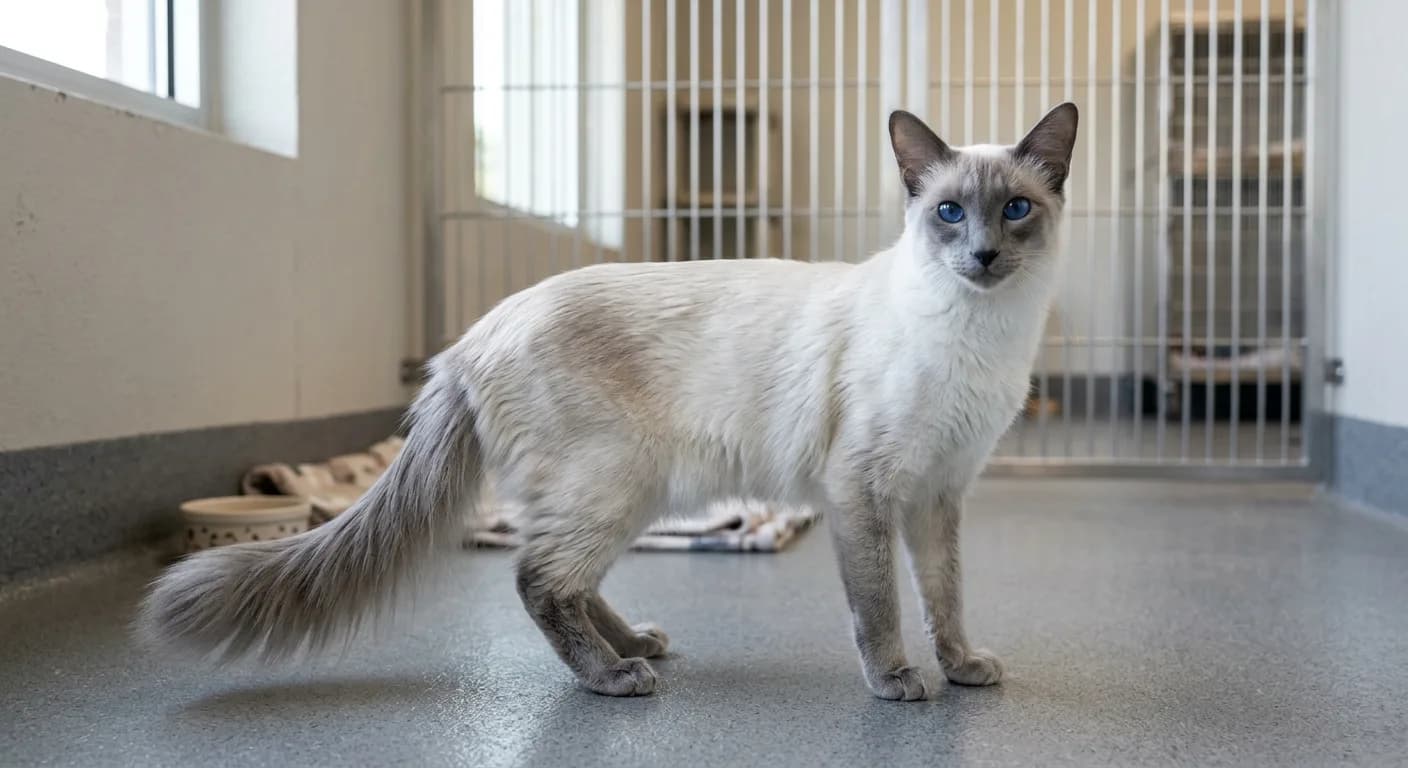
Adoption is the most affordable route and the fastest path to bringing a Balinese home without a waitlist. Rescue fees of $75 to $300 typically include spay or neuter surgery (worth $200 to $400 alone at retail), core vaccines, a microchip, and often a feline leukemia or FIV test. The total vet-services bundle wrapped into a $200 adoption fee represents genuine value.
Finding a purebred Balinese in rescue requires patience. Breed-specific resources include the Balinese Breed Rescue network and the Siamese Cat Rescue Center, which regularly takes in Balinese and Balinese mixes because the breeds share temperament and care needs. General listing sites such as Petfinder and Adopt-a-Pet can surface pointed longhairs as "Siamese mix," which may well be Balinese or Balinese crosses.
The practical trade-off: most rescue cats are adults rather than kittens, and full genetic background is rarely documented. For families who want the breed's personality (affectionate, vocal, active, loyal) more than a kitten experience, an adult rescue cat is often the wiser choice financially and practically.
Ongoing Monthly Cost of Owning a Balinese
The purchase price is a one-time event. The ongoing cost of food, litter, veterinary care, and incidentals runs every month for the life of the cat. Balinese cats live 12 to 20 years, with a typical lifespan of 15 years, which makes lifetime cost a number worth calculating before you commit.

63-inch multi-level cat tree with scratch posts, hammock, plush perches, and dangling toys. Vertical territory is non-negotiable for high-energy climbing breeds like the Bengal.
Petful may earn a commission when you click through to Chewy, at no extra cost to you.
Food
Balinese are lean, medium-sized cats (typically 6 to 11 pounds). A high-quality diet that leads with wet food and supplements with dry runs $40 to $80 per month depending on brand, portion size, and whether you choose grain-free or prescription food. Budget closer to the upper end if you use a premium brand or feed raw.
Litter
Standard clumping clay litter runs $15 to $30 per month. Premium clay, silica crystal, or pine pellet options trend toward $30 to $50 monthly. Self-cleaning litter box systems cost $200 to $700 upfront but can reduce the frequency of litter replacement.
Grooming
One of the financial advantages of the Balinese over most longhaired breeds is a minimal undercoat. The Balinese does not develop the dense undercoat that mats into pelts on Persian or Maine Coon cats, so weekly brushing with a slicker or wide-tooth comb at home is almost always sufficient. Professional grooming is rarely required, meaning the $50 to $100 per-session cost most longhair owners face monthly is largely avoidable. A good quality brush ($20 to $40) is a one-time investment.
- Balinese cats are tactile and social. A weekly 10-minute grooming session is an easy way to check the coat for mats, monitor weight and body condition, and reinforce the trust-based relationship the breed thrives on. Start handling paws and ears during kittenhood to make vet visits easier throughout the cat's life.
Veterinary Care
Routine annual wellness visits run $150 to $300 depending on region and whether annual vaccines are due. Core vaccines (FVRCP and rabies) are typically given every one to three years after the initial kitten series. Dental cleanings under anesthesia run $400 to $800 and become relevant from age three to four onward; budgeting $150 to $250 per year prorated is realistic. Balinese carry inherited risk for HCM (hypertrophic cardiomyopathy). Owners of cats from untested lines or whose parents were not recently cleared may want a cardiac screening every two to three years ($150 to $400 per echocardiogram).
- Hypertrophic cardiomyopathy is the most common heritable condition in the Siamese family, including Balinese. Cats with HCM can live for years with medication (atenolol or diltiazem run $20 to $60 per month), but the echocardiogram to diagnose and monitor it costs $200 to $500 per visit. Purchasing from a breeder with annual HCM testing on both parents meaningfully lowers (but does not eliminate) this risk.
Pet Insurance
Insurance for a Balinese kitten typically runs $25 to $60 per month for an accident-and-illness policy with a $250 to $500 deductible. Locking in a policy before any heritable condition is diagnosed is important because insurers exclude pre-existing conditions. A single HCM diagnosis without insurance could mean $3,000 to $8,000 over the cat's remaining years in cardiology visits and medication; insurance converts that to predictable monthly premiums.

108-oz stainless steel pet fountain with quiet pump and water-level window. Bengals are notoriously water-obsessed; a flowing fountain encourages hydration and pulls them away from sinks and toilets.
Petful may earn a commission when you click through to Chewy, at no extra cost to you.
Supplies and Incidentals
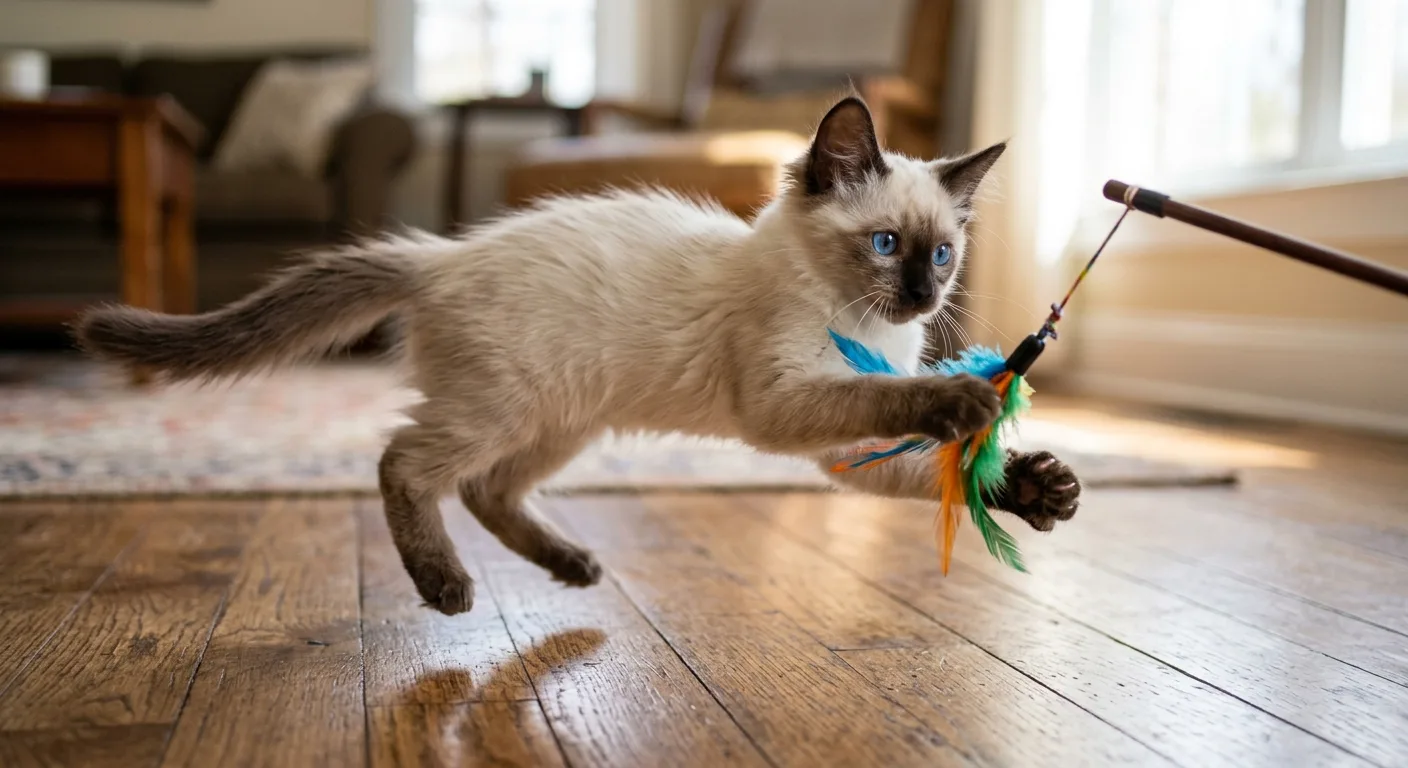
A well-stocked home for a new Balinese cat needs: a carrier ($40 to $120), litter box ($20 to $700 depending on type), food and water bowls ($15 to $40), a cat tree or climbing structure ($50 to $300), a scratching post ($25 to $80), and interactive toys ($30 to $80 to start). Total one-time startup costs typically land between $300 and $700. Annual toy and supply replacement is $100 to $250.
Full Cost Tables
| Expense | Monthly Low | Monthly High |
|---|---|---|
| Premium wet food diet | $40 | $80 |
| Litter (clumping) | $15 | $30 |
| Routine vet (prorated) | $13 | $25 |
| Dental cleaning (prorated) | $13 | $22 |
| Pet insurance | $25 | $60 |
| Grooming supplies (prorated) | $5 | $10 |
| Toys and enrichment (prorated) | $8 | $21 |
| Total Monthly | $119 | $248 |
Lifetime Cost Estimate
Balinese cats live 12 to 20 years. At a 15-year median lifespan, lifetime ongoing costs (after the purchase price) land between roughly $21,000 and $44,000 using the monthly estimates above. Add the initial purchase price ($1,000 to $2,500 breeder, or $75 to $300 rescue) and first-year setup ($300 to $700 in supplies plus higher first-year vet costs of $400 to $800 for the kitten series), and total lifetime ownership runs approximately $22,000 to $46,000 from a breeder, or $21,000 to $45,000 from rescue.
Those numbers sound large until you break them into a per-day figure: roughly $4 to $8 per day for a lifelong companion.
What the Balinese Gets You for the Money
For the price, owners get an exceptionally interactive and intelligent cat. Balinese follow their people from room to room, learn their names, initiate conversations in that distinctive Siamese-descended chirp, and can be taught to fetch or respond to basic commands. The single silky coat sheds far less than a double-coated breed and is manageable with weekly brushing at home, keeping grooming costs lower than competing longhaired breeds.
For owners exploring whether the breed fits an allergy-sensitive household, the article on Balinese cats and hypoallergenic properties covers the Fel d 1 protein data in detail. For the broader personality and care picture, the Siamese cat breed profile offers useful context since the two breeds share genetics and temperament. And for a head-to-head on grooming and cost differences between Balinese and other medium-energy longhairs, the Persian cat guide makes a useful comparison since Persians carry significantly higher grooming overhead.
- Search the CFA breeder directory (cfa.org) or TICA's registry for Balinese catteries. A responsible breeder will ask you questions about your home and experience, provide references from previous buyers, share health-testing results for both parents, offer a written health guarantee (typically 1 to 2 years for genetic conditions), and maintain contact after the sale. Avoid any seller who refuses to show health records or pushes for a fast sale without a contract.
Is a Balinese Cat Worth the Cost?
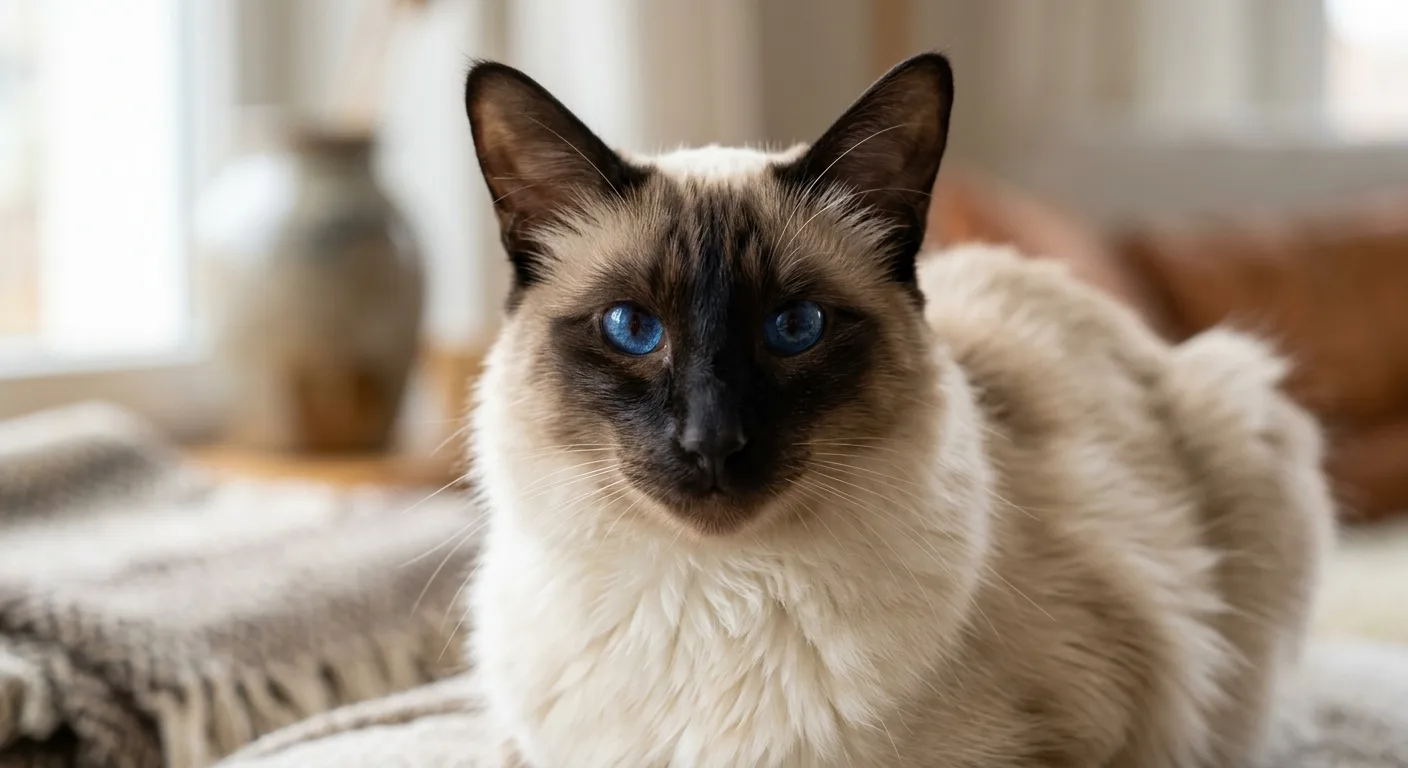
The honest answer depends on lifestyle fit. Balinese cats are sociable, talkative, and bonded closely to their people. They are not an independent "leave them home alone for 12 hours" breed. Owners who work from home, live with multiple family members, or can pair a Balinese with a companion cat tend to report the highest satisfaction. For those households, the annual cost of $1,400 to $2,800 for a cat that actively seeks companionship, matches the household's energy, and lives 15-plus years is hard to beat.
For a full breed overview of the Balinese including temperament, history, and care needs, see the dedicated profile page.
From a reputable CFA or TICA registered breeder, a Balinese kitten costs $1,000 to $2,500 for pet quality and $2,500 to $3,500 or more for show or champion-line cats. Rescue adoption costs $75 to $300.
Yes, for active households that want a highly interactive, affectionate, and vocal companion. Balinese cats follow their people, learn commands, and thrive on attention. They are not ideal for owners who want a low-maintenance or independent cat.
The Balinese typically lives 12 to 20 years, with a median of around 15 years. Long-lived Siamese family cats occasionally reach their late teens or early 20s with consistent veterinary care.
They are mid-to-upper range. Balinese cost more than Siamese (which run $600 to $1,200 from breeders) but typically less than Ragdolls, Maine Coons, or Bengals at the top tier. Annual ownership costs are comparable.
Ultra-rare or genetically engineered hybrid cats such as the Ashera (a domestic-wild cross) and certain high-pedigree Savannahs have sold for $50,000 to $125,000. The Balinese is nowhere near this tier. A typical Balinese kitten from a quality breeder costs $1,000 to $2,500.
Balinese require specific genetics (the longhair gene in Siamese lines), and fewer breeders specialize in the breed compared to Siamese, Maine Coon, or Ragdoll programs. This keeps supply limited and contributes to the relatively high breeder prices.
Adopting through a breed-specific rescue such as the Siamese Cat Rescue Center or the Balinese Breed Rescue network is the lowest-cost route, typically $75 to $300, with vet services bundled in.
Budget $119 to $248 per month for food, litter, prorated vet and dental, pet insurance, and supplies. Cats with HCM on ongoing medication will sit at the higher end.
No cat is truly hypoallergenic, but Balinese produce lower levels of the Fel d 1 allergen than many other breeds. Some allergy-sensitive owners tolerate Balinese better than average, but individual reactions vary.
Among Balinese, chocolate and lilac points are rarer than seal and blue, which can make them slightly more expensive. In shelter populations generally, black cats are statistically adopted less frequently than other colors.
The Ashera, Savannah (F1), Chausie, and Bengal rank among the priciest pedigreed breeds. The Balinese is moderately priced by comparison at $1,000 to $2,500 from a reputable source.

Coreen Saito is a pet writer and longtime shelter volunteer with more than a decade in animal rescue. She covers cat behavior, breed care, and the small, ordinary science of sharing a life with companion animals, with a particular focus on honest takes about the products and decisions that actually matter. At home in Arizona, she's outranked by Mac (a dog with the loudest opinion in the house), Rebel (a cat who governs by quiet authority), and Meri (an orange tabby who runs the late shift and the laundry basket). She writes about all three, plus the rescues that keep coming through her life, at LifeWithMinty.com.
Sign up for expert-backed reviews and safety alerts all in one place.