Why Dog Carries Food Away: 6 Common Reasons
Wondering why your dog carries food away from the bowl before eating? From ancient instinct to stress and bowl dislike, here are the 6 most common reasons dogs take food out of the bowl, plus simple ways to make mealtime calmer.

Petful is reader supported. As an affiliate of platforms like Amazon and Chewy, we may earn a commission when you buy through links on this page. There is no extra cost to you.
This article was originally published in 2016 and is regularly updated. It was last reviewed for accuracy and updated on February 20, 2025
Petful may earn a commission if you click on our links and make a purchase. This comes at no extra cost to you and helps us continue providing trusted pet care content.
- 1Resource guarding and natural instincts: Dogs, especially in multi-dog homes, may carry food away to protect it from others, a behavior rooted in ancestral pack survival strategies.
- 2Seeking companionship: Some dogs carry food to where their humans are because they prefer eating with company rather than alone.
- 3Dislike of food bowls: Noise or discomfort from certain bowl materials (metal, glass) can cause dogs to move food away from the bowl to a quieter spot.
- 4Stress and discomfort: Dogs may carry food away to escape noisy or busy areas, or due to physical discomfort like joint pain or whisker fatigue.

Sign up for expert-backed reviews and safety alerts all in one place.
Why Your Dog Carries Food Away Before Eating
Feeding time is usually the happiest part of a dog's day. So when your pup grabs a mouthful of kibble and carries it off to another room, it can leave you scratching your head. Many pet parents search for why dog carries food away from the bowl, and the answer usually comes down to instinct, comfort, or a bowl they would rather avoid.
Most dogs dive straight into the bowl and eat where you put it. Others pick up a few pieces at a time, drop their food on the floor, or haul each bite to the carpet or their bed before settling in.
Whatever the pattern, you usually end up with kibble scattered across the house and a real question on your hands: what is going on?
One thing is certain: your dog is not doing it to annoy you. There is real logic behind the behavior, and most of the time it is completely harmless.
Below are the six most common reasons dogs carry their food away from the bowl, plus what you can do about each one.
What This Behavior Looks Like
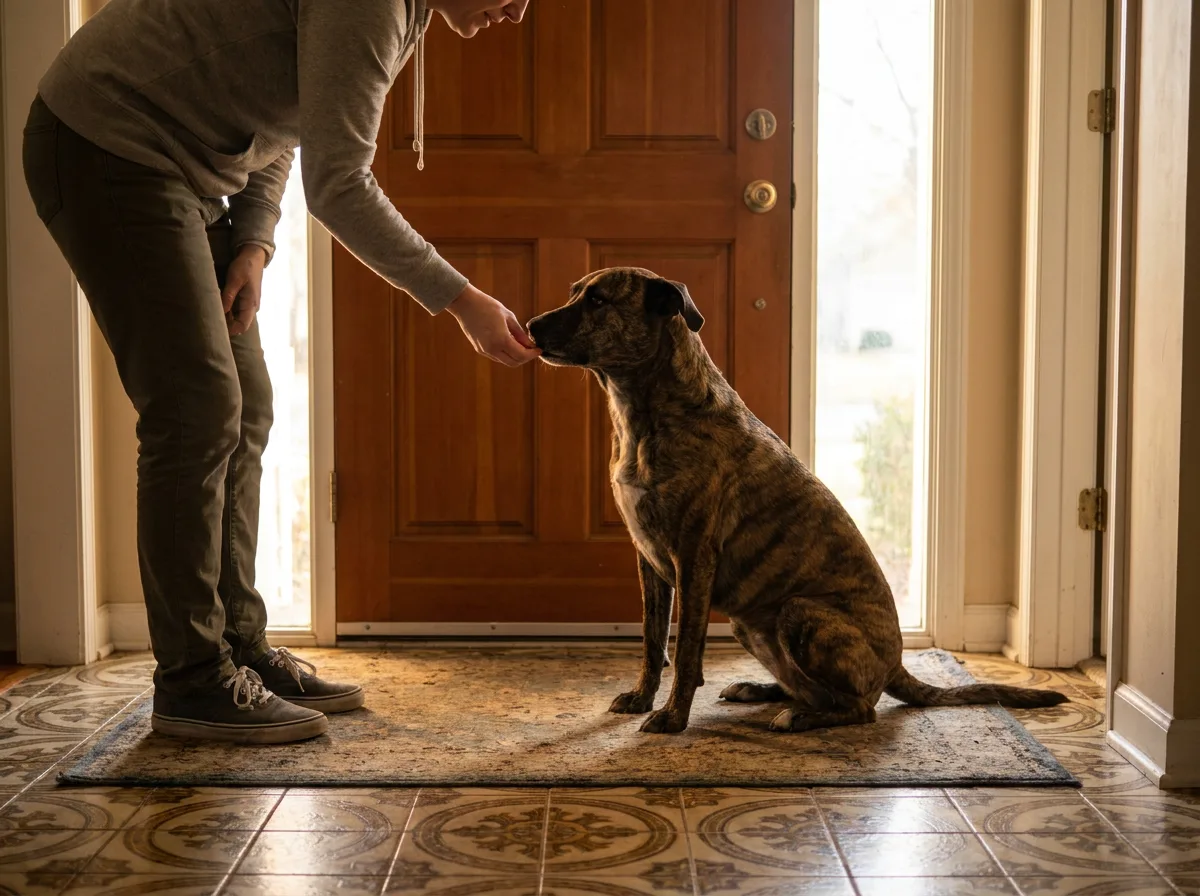
Pet parents who notice dogs removing food from their bowl might see it manifest in a variety of ways. These typically include: Taking their food to another room in the house. Dumping their food bowl on the floor.
- Taking mouthfuls of food out of the bowl and setting it somewhere else before eating.
- Removing food and scattering it in different places.
- Bringing food to a carpet, blanket, or bed to eat.
Even if this behavior is usually harmless, it can make feeding time a challenge for pet parents. Dogs carrying food to another room tend to make a mess that is time consuming to clean up. This behavior can also prolong feeding time or make it difficult for pet parents to track their dog’s food intake.
Getting to the root of why your dog is taking food out of their bowl is the first step in stopping this behavior.
You might notice your dog favoring one particular spot: the living room rug, a hallway runner, or their own bed. Soft, carpeted surfaces are quieter and offer better footing than a hard kitchen floor, which is often why food ends up there.
If the mess is your main frustration, the right bowl can make a real difference. A slow feeder keeps kibble in one place and slows fast eaters, so there is less to carry off and less to clean up.

Multiple ridges and valleys slow eating, reduce gas and bloating, and turn mealtime into a fun puzzle. Non-skid base, dishwasher safe, 4-cup capacity.
Petful may earn a commission when you click through to Chewy, at no extra cost to you.

6 Reasons Why Dogs Take Their Food Out of the Bowl
1. Resource Guarding & Natural Instincts
Some dogs, particularly those in multi-dog households, may take food out of their bowl and carry it away as a way to keep it all to themselves.
Before dogs were domesticated, they often ran in packs. The more subordinate pack members would carry food away to hide it from other members of the pack. This is called resource guarding.
“When dogs in the wild make a kill, the outranked animals drag pieces of food away so they don’t have to fight the leader or a more dominant canine for it,” says Dr. Julie Albright-Keck, DVM, DACVB, assistant professor of veterinary behavior at the University of Tennessee College of Veterinary Medicine.
Dogs aren’t looking to start a fight, that would be dangerous. So trying to put the food out of sight is a compromise between giving up their food and fighting for it.
“Rather than stay in the pack and fight for what is theirs, they will snag a piece or two and run away with it,” explains writer Langley Cornwell.“This means they get to eat without the risk of a fight. It also ensures they get some of it without another dog trying to take it away.”
If you have multiple dogs, try feeding them separately to see if that helps.In single-dog households, it may be easier to use a crate or block the exits to the room so your dog can’t carry food elsewhere.

2. Your Dog Doesn't Want to Eat Alone
Dogs feel loneliness just like people do.
If you're in another room and your dog is alone in the kitchen, they may carry their food to where you are to eat it.
“Dogs naturally long for companionship, so he may just want to see you or be near you while he eats,” says Cornwell.
Dogs are family members but often don’t eat with the family. Carrying the food to where you are could be a sign that your pet simply wants to be part of the family dynamic.
As a pet sitter, I’ve seen this behavior firsthand. One of my clients simply will not eat if she’s all alone in the room. When I sit for her, I usually set up my laptop nearby or even bring her food bowl outside so we can enjoy the sunshine together.
I’ll sit or stand nearby while she eats. This makes her happy, and she eats right from the bowl

3. Your Dog Doesn't Like the Bowls
Just like us, dogs have preferences. If your dog is taking their food to another room or removing food from the bowl, they simply might not like the material, size, or shape of the bowl.
If you have metal or glass dog dishes, your dog may be annoyed or frightened by the noise the dishes make when they clang together.Even the sound of their tag hitting the bowl can startle a dog, so they may take the food and carry it away from the source of the noise.
The easy answer to this? Try swapping the bowls for a different material like ceramic, wood, or silicone. A simple change to the material, shape, or size of the bowl might be enough to allow your pup to eat in peace.
Keep in mind that plastic bowls are pretty terrible, so look for a dog bowl that is easy to clean and safe for your pup You could also try putting your dog’s food on paper plates, though, depending on the type of food you feed your dog, this could get messy.

4. Stress or Anxiety
If your dog’s bowl is located in a busy or high-traffic area of the house, your dog may be taking food to another room because they feel stressed or anxious. This could be their way of escaping a busy kitchen or hallway area and trying to eat in a quiet location away from noise and commotion.
Observe your dog for signs of stress around feeding time. This could include shaking, tucking their tail, yawning, or licking their lips repeatedly.
If you feel like stress may be the reason for your dog taking food out of their bow, try moving your dog’s feeding area to a quieter location in the house that they enjoy and frequently visit.
When stress is behind the food carrying, a calming supplement can help take the edge off busy mealtimes and make your dog feel more secure at the bowl.
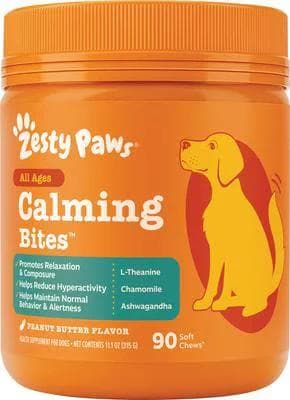
Peanut butter soft chews with L-theanine, chamomile, and ashwagandha to ease hyperactivity and support calm, relaxed behavior.
Petful may earn a commission when you click through to Chewy, at no extra cost to you.
5. Discomfort While Eating
If you notice your dog dumping their food on the ground, moving it to a carpeted area, or bringing it to a different room, it may be due to discomfort. There are a variety of things that could be making your dog uncomfortable with their current food setup.
First, if your dog’s bowls are located on a hard surface, like a tile or hardwood floor, your dog may not like it. Hard floors may cause aging dogs or pets with joint issues to slip or slide, putting more strain on their bodies. That’s why some dogs may move food over to a carpeted area or their beds to eat.
Depending on your dog’s height, age, and health condition, bending down to eat food out of the bowl may also cause strain. You can try raising your dog’s food bowl to help them access the food more easily.
While rare, it is also possible for dogs to experience whisker fatigue while eating. This is when a dog’s whiskers repeatedly brush against objects (like the side of a food bowl) and it causes discomfort or stress. If you believe this is the reason your dog dumps their bowl or moves food to a different area, try feeding from a larger bowl or a flat plate to prevent their whiskers from rubbing.
6. Your Dog Is Creating a Personal Stash of Food
When in the wild, dogs or wolves would often drag the remaining prey away and hide it somewhere. Your dog could be doing the same thing.
In their book How Dogs Work, Raymond Coppinger and Mark Feinstein explain that dogs "sometimes store food that they have foraged by digging a 'cache' and hiding it away for future consumption.”
If you stumble across dog food in random places, your dog may be “caching” some of the food. The solution, again, is simple: Make sure you’re not overfeeding your dog, and then block off the exits to the room they normally eat in.
If your dog is carrying food away, it may be because of one of the above reasons, or something else could be at play. As always, check with your veterinarian if you're concerned.
If your dog loves carrying off a prize, give them one worth guarding. A vet-recommended dental chew doubles as a high-value treat and helps keep their teeth clean between brushings.
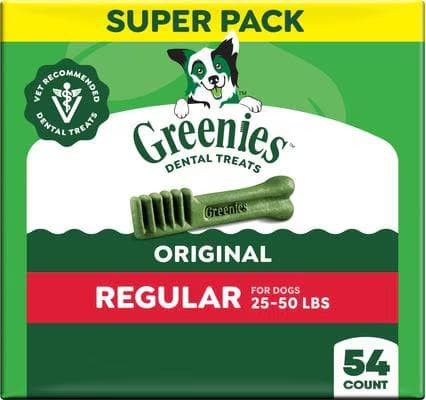
Daily dental chew that cleans teeth, freshens breath, and is accepted by the Veterinary Oral Health Council. Sized for dogs 25 to 50 lbs.
Petful may earn a commission when you click through to Chewy, at no extra cost to you.
Should You Be Worried About A Dog Moving Their Food?
Most of the time, a dog taking food or treats to another room or area of the house is harmless. You can chalk it up to another weird dog behavior that we don’t fully understand. Like humans, some dogs simply have preferences. Where and how they eat might be one of them.
However, this habit can be messy and make cleaning more difficult. This is especially challenging if you have other pets around the house that might eat the food or if you have human babies or children that see dog food as a special snack. If you want to prevent food-carrying behavior to make cleanup easier, try gating your dog in a specific area or room during mealtimes. You can also try feeding your dog in their crate, since most pups view their crate as a safe space.
If your dog is showing any other signs of aggression (like growling, teeth baring, or snapping) or stress along with food-carrying behavior, it’s important to consult a veterinarian or a certified animal behaviorist or dog trainer. They can help you and your family work through any problematic resource guarding or help identify stress triggers that could be impacting your dog.
And when mealtime is really about wanting something special, a few tasty training treats can make feeding routines easier, and a lot more fun for both of you.
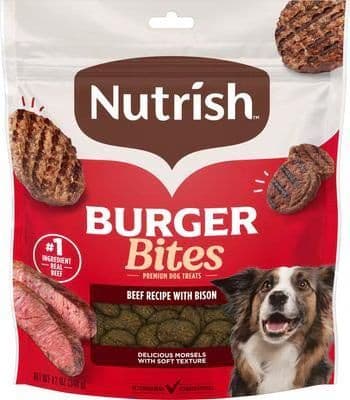
Soft, real-beef burger bites with bison, grain-free and sized for occasional training-treat sharing.
Petful may earn a commission when you click through to Chewy, at no extra cost to you.
Tips to Manage Your Dog’s Food-Carrying Behavior
- Feed in a Quiet Space: Provide a calm, quiet environment for your dog to eat without distractions or competition.
- Separate Feeding Areas for Multiple Dogs: Feed dogs in separate areas to prevent competition and protectiveness over food.
- Use Different Bowls: Try using non-metal bowls if noise is an issue; consider plastic or ceramic alternatives.
- Stay Nearby During Meals: Stay close to your dog while they eat to provide companionship and reduce loneliness.
- Monitor and Adjust Portions: Ensure you are not overfeeding your dog to reduce the need for storing food.
Looking for the Best Food Options for Your Dog?
If you’ve ever wondered why your dog carries food away or worried about whether their eating habits signal something more, you’re not alone. Many pet parents use quirks like this as a reminder to take a closer look at what’s actually in the food bowl.
To make that easier, we’ve created two comprehensive guides to help you choose the healthiest options:
- Best Fresh Dog Food Brands: If you want gently cooked, human-grade meals delivered to your door, these are our top picks for nutrition and safety.
- Best Dry Dog Food Brands: A carefully researched roundup of the healthiest kibbles, with honest pros and cons for each.
Whether you prefer fresh meals or premium dry kibble, these guides can help you feel confident about what you’re feeding your dog, no guesswork just trusted insights.
Frequently Asked Questions (FAQ)
Dogs may take food from their bowl and eat elsewhere to protect it from perceived threats or to be closer to their owner.
Dogs might drop their food on the floor before eating it due to discomfort with their bowl or to examine it more closely.
Dogs take their food to another room to eat in a quieter or more comfortable location or to be near their human companions.
Carpet and rugs give dogs better traction and a softer, quieter surface than a hard floor. Many dogs move their food there simply because it feels more comfortable and secure than eating next to a clattering bowl on tile.
Feed in a quiet, low-traffic spot, give each dog in a multi-dog home its own space, and try a different bowl or a slow feeder. Gating the room or feeding in a crate also keeps the food, and the mess, in one place.
Yes. For most dogs it is a harmless quirk rooted in instinct, comfort, or preference. It is only worth a vet visit if it comes with appetite loss, weight loss, or signs of pain or difficulty while eating.
The 15-minute rule means putting food down for about 15 minutes, then picking up the bowl whether or not your dog has finished. It encourages dogs to eat at the bowl on a set schedule instead of grazing or carrying food off throughout the day.
Taking one piece at a time is classic caching and pack behavior. In the wild, lower-ranking dogs would grab a mouthful and slip away to eat in peace, and your dog may be running that same ancient program at the food bowl.
References
- Dr. Julie Albright-Keck, University of Tennessee College of Veterinary Medicine
- Canidae. “Why Does My Dog Eat His Food Away From the Bowl?” Oct. 2025. https://canidae.com/blog/why-does-my-dog-eat-his-food-away-from-the-bowl
- PetMD. “Why Is My Dog Not Eating? Causes and What To Do.” Nov. 2024. https://www.petmd.com/dog/symptoms/why-my-dog-not-eating
- American Kennel Club. “Why Do Dogs Bring Food to the Carpet?” Nov. 2018. https://www.akc.org/expert-advice/training/ask-akc-dog-brings-food-to-owners/

Melissa Smith has been researching and writing about pet behaviors for several years. Her work has been recognized with Certificates of Excellence from both the Dog Writers Association of America and the Cat Writers’ Association. A longtime animal lover, Melissa is a professional pet sitter on Cape Cod through her company, Fresh Start Services.
Sign up for expert-backed reviews and safety alerts all in one place.