10 Best Dog Breeds for Someone Who Works All Day
Yes, it's possible to make a living and keep your dog happy and healthy. Here are the best dog breeds for someone who works.

Petful is reader supported. As an affiliate of platforms like Amazon and Chewy, we may earn a commission when you buy through links on this page. There is no extra cost to you.
Petful may earn a commission if you click on our links and make a purchase. This comes at no extra cost to you and helps us continue providing trusted pet product reviews.
- 1Some dog breeds are naturally more independent and cope better with being alone during long work hours, such as Basset Hounds, Akitas, Chow Chows, and Lhasa Apsos.
- 2These breeds typically have low energy levels and low separation anxiety, which makes them well suited for busy or full-time workers.
- 3Even independent breeds need proper training, exercise, and mental stimulation to stay happy and healthy.
- 4Choosing a dog whose personality matches your lifestyle is essential for their well-being when you can’t be home.

Sign up for expert-backed reviews and safety alerts all in one place.
10 Best Dog Breeds for Someone Who Works Long Hours
If you work long hours but still want a dog, choosing the right breed makes all the difference. Some dogs are more independent, have lower separation anxiety, and cope better with spending daytime hours alone.
Below are the 10 best dog breeds for someone who works all day. You will also find practical tips to help your dog stay comfortable while you are away.
If you are preparing in advance, learn how to keep your dog entertained while at work. You can also explore our guides to the best fresh dog food and the best dry dog food to support your future companion’s health.
How We Chose the Best Dog Breeds for Someone Who Works All Day
The breeds in this list were selected based on traits that make some dogs better suited to spending several hours alone during the workday. We considered the following factors: Lower tendency toward separation anxiety Moderate to low daily exercise requirements Independent or self-sufficient temperament
- Ability to adapt to apartment or smaller home living
- General trainability and behavioral stability
No dog breed is completely maintenance-free. Even independent breeds require daily exercise, mental stimulation, and regular bathroom breaks. This list highlights breeds that typically cope better with alone time compared to high-energy or highly social working breeds.

Clinically tested vet-formulated chews with a colostrum calming complex, L-theanine, and thiamine to quickly ease everyday stress, thunderstorms, and anxiety.
Petful may earn a commission when you click through to Chewy, at no extra cost to you.
Quick Comparison: Best Dog Breeds for Busy Owners
| Breed | Energy Level | Separation Anxiety Risk | Size | Apartment Friendly |
|---|---|---|---|---|
| Basset Hound | Low | Low | Medium | Yes |
| Akita | Moderate | Moderate | Large | Not ideal |
| Chow Chow | Low | Low | Large | Yes |
| Lhasa Apso | Low | Low | Small | Yes |
| Boston Terrier | Moderate | Moderate | Small | Yes |
| Greyhound | Low | Moderate | Large | Yes |
| Shar-Pei | Low | Low | Medium | Yes |
| Bullmastiff | Low | Low | Large | Sometimes |
| Chihuahua | Moderate | Moderate | Small | Yes |
| French Bulldog | Low | Low | Small | Yes |
These breeds are generally considered more independent and adaptable to alone time. However, every dog is an individual. Temperament, training, daily exercise, and your specific work schedule all play a major role in how well a dog adjusts to being home alone.

1. Basset Hound
The Basset Hound is often considered one of the best dog breeds for someone who works all day because of its calm and low-energy nature. These dogs are independent and spend much of the day resting, which makes them more tolerant of alone time than high-energy breeds.
While they enjoy companionship, Basset Hounds are typically content relaxing at home while you are away. Their affectionate and easygoing personality makes them a good fit for full-time workers who want a loyal but laid-back companion. Learn more about the Basset Hound breed profile. Why Basset Hounds work for busy owners:
- Low energy level and happy to lounge for long periods
- Generally independent and less prone to separation anxiety
- Patient and gentle temperament
- Things to consider:
- Prone to weight gain, which can contribute to back problems
- Regular exercise is still necessary to maintain joint health

2. Akita
The Akita is a loyal and independent breed that can adapt well to households where owners work full-time. Originally bred as hunters and guard dogs in Japan, Akitas are confident and self-assured, which can translate into a higher tolerance for alone time when properly trained.
They are not as low-energy as some breeds on this list, but with consistent exercise and early training, many Akitas can remain calm and composed while home during the day. Learn more about the Akita breed profile. Why Akitas work for busy owners: Naturally independent and confident
- Strong bond with their family but not overly clingy
- Protective instincts can make them good watchdogs
- Things to consider:
- Require early socialization and consistent training
- Large size means they need adequate space
- Can be reserved or cautious around strangers and other dogs

3. Chow Chow
The Chow Chow is known for its independent and reserved personality. Often described as cat-like, this breed tends to be self-sufficient and less emotionally demanding than highly social breeds, which can make it a reasonable choice for someone who works all day.
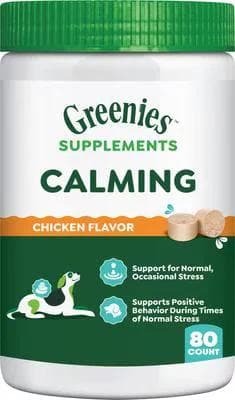
Chicken flavored soft chews that support calm, positive behavior during times of occasional stress like fireworks and storms.
Petful may earn a commission when you click through to Chewy, at no extra cost to you.
Chow Chows are loyal to their family but typically do not require constant attention. Their calm and low-key nature allows many of them to tolerate alone time better than high-energy companion breeds. Learn more about the Chow Chow breed profile. Why Chow Chows work for busy owners: Independent and not overly clingy Generally low energy indoors Typically quiet and not excessive barkers
- Can adapt well to apartment living when properly exercised
- Things to consider:
- Can be aloof with strangers and may not be ideal for homes with very young children
- Prone to weight gain without regular exercise
- Require consistent grooming due to their thick coat
Even low-energy breeds still need daily movement and mental stimulation. Regular exercises for dogs help prevent weight gain and boredom, especially in smaller living spaces. If you live in a condo or city setting, review our apartment dog guide to make sure your home environment suits this breed.

4. Lhasa Apso
The Lhasa Apso is a small but confident breed known for its independent personality. Originally bred as watchdogs in Tibetan monasteries, these dogs are alert and self-assured, which can make them more comfortable spending time alone during the workday.
While affectionate with their families, Lhasa Apsos are not overly dependent. Their adaptable nature allows them to adjust well to different living environments, including apartments and smaller homes. Learn more about the Lhasa Apso breed profile. Why Lhasa Apsos work for busy owners: Independent temperament and moderate energy level Small size makes them suitable for apartments Generally adaptable to different households Things to consider: Require regular grooming to maintain their coat
- Benefit from early socialization and consistent training
- Still need daily exercise and mental stimulation

5. Boston Terrier
The Boston Terrier is a friendly and adaptable small breed that can do well in homes where owners work full-time. While they are moderately energetic, they tend to settle down comfortably after receiving adequate daily exercise.
Their compact size makes them well suited for apartments and smaller homes. Boston Terriers are typically sociable with children, strangers, and other pets, but they are also capable of relaxing independently during the day. Learn more about the Boston Terrier breed profile. Why Boston Terriers work for busy owners: Small size and adaptable to apartment living Generally easy to train and groom Friendly but not excessively demanding Things to consider: Require daily exercise to prevent boredom

Single 6.2-oz pouch at $4.99 SRP. Mix-and-match any 3 flavors for $12 (about $4 each). Available in-store and online.
Petful may earn a commission when you click through to PetSmart, at no extra cost to you.
- Can develop separation anxiety if under-stimulated
- Flat faces may make them sensitive to heat
Often nicknamed "The American Gentleman" for their well-mannered personality, Boston Terriers can be affectionate companions while still tolerating reasonable alone time.

6. Greyhound
Although Greyhounds are widely known as racing dogs, they are surprisingly calm and relaxed at home. Many retired Greyhounds are content spending much of the day sleeping, which can make them suitable for owners who work full-time.
Despite their laid-back indoor behavior, Greyhounds still require daily exercise. A long walk before and after work is usually sufficient. Some Greyhounds may benefit from midday visits from a dog walker, especially if left alone for extended periods. Learn more about the Greyhound breed profile. Why Greyhounds work for busy owners: Low energy indoors and enjoy lounging Generally quiet and gentle temperament
- Adapt well to apartment living with proper exercise
- Things to consider:
- Require consistent daily walks to maintain muscle tone
- May benefit from help from a dog walker if alone for long hours
- Sensitive to extreme temperatures and may need protection in cold or hot weather
Because of their thin coats and lean build, Greyhounds can be sensitive to heat and cold. Review guidance on keeping dogs safe in hot weather if you live in a warmer climate.

7. Chinese Shar-Pei
The Chinese Shar-Pei is a calm and loyal breed known for its distinctive wrinkles and reserved personality. While not overly affectionate with strangers, Shar-Peis tend to form strong bonds with their owners and can tolerate reasonable periods alone when properly trained.
Their moderate to low energy levels mean they do not require constant activity throughout the day. With consistent exercise and early socialization, many Shar-Peis adapt well to homes where owners work full-time. Learn more about the Chinese Shar-Pei breed profile. Why Shar-Peis work for busy owners: Generally calm and independent temperament Lower indoor energy compared to high-drive breeds

A grain-free kibble built around named whole-protein sources. Best for active adult dogs; the high fat content is more than many sedentary pets need.
Petful may earn a commission when you click through to Chewy, at no extra cost to you.
- Strong bond with their family without being overly clingy
- Things to consider:
- Require early training and consistent boundaries
- Need regular skin care due to their wrinkles
- Can be cautious around strangers and other dogs
Although they may be comfortable resting during the day, Shar-Peis still need structured exercise and mental stimulation to stay balanced and healthy.

8. Bullmastiff
The Bullmastiff is a large but calm breed known for its loyal and steady temperament. Despite weighing up to 130 pounds, many Bullmastiffs are relatively low energy indoors and content to lounge for much of the day.
Their independent nature and moderate exercise needs can make them suitable for owners who work full-time, provided they receive consistent training and daily walks. Learn more about the Bullmastiff breed profile. Why Bullmastiffs work for busy owners: Low to moderate energy indoors Generally calm and patient temperament Strong protective instinct toward their family Things to consider:
- Large size requires proper leash training and early socialization
- Still need daily exercise and structured activity
- May not be ideal for very small living spaces despite their calm nature
Bullmastiffs can be affectionate and devoted companions, but their size and strength mean training and responsible ownership are essential.

9. Chihuahua
The Chihuahua is a small and alert breed that can adapt well to apartment living and smaller households. Despite their size, they are confident and intelligent dogs that often form strong bonds with their owners.
When properly trained and socialized, Chihuahuas can tolerate reasonable alone time during the workday. Negative stereotypes about aggressive behavior are often linked to lack of training or socialization rather than the breed itself. Learn more about the Chihuahua breed profile. Why Chihuahuas work for busy owners: Small size makes them suitable for apartments Generally easy to groom and maintain Intelligent and responsive to training Things to consider:
- Early socialization is important to prevent defensive or aggressive behavior
- Can become overly attached if not gradually trained to be alone
- Require daily walks to prevent weight gain
With consistent structure and training, many Chihuahuas can adjust well to homes where owners work full-time.

10. French Bulldog
The French Bulldog is a compact and adaptable breed that is well suited to apartment living and busy households. Known for their affectionate but relatively calm temperament, many French Bulldogs can tolerate moderate alone time during the workday.
While playful and social, they do not require intense daily exercise. Their adaptable personality makes them a popular choice for people who work full-time and live in smaller spaces. Learn more about the French Bulldog breed profile. Why French Bulldogs work for busy owners: Small size and apartment friendly Moderate energy level and enjoy relaxing indoors Affectionate without being overly demanding Things to consider:
- Sensitive to heat and strenuous activity due to their short noses
- May develop breathing issues related to brachycephalic syndrome, a condition that affects flat-faced dogs and can make breathing more difficult
- Still require daily walks and mental stimulation
Because of their facial structure, French Bulldogs can struggle with overheating and breathing difficulties, especially in warm climates. Owners should monitor exercise carefully and avoid excessive heat exposure.
In the video below, this guy uses a GoPro camera to record what Gohan the Husky does while home alone during the day:
If you work long hours, it’s smart to plan ahead for unexpected vet bills too, MetLife Pet Insurance can help cover emergencies or illnesses so you can focus on loving your dog, not worrying about costs. Learn more in our MetLife Pet Insurance Editorial Spotlight
Final Thoughts: Choosing the Right Dog for Your Work Schedule
Working long hours does not mean you cannot be a responsible dog owner. The key is choosing a breed whose temperament, energy level, and independence match your daily routine.
Even the best dog breeds for someone who works all day still need exercise, mental stimulation, and companionship. Plan for midday breaks, enrichment toys, or help from a trusted dog walker if needed.
Before bringing a dog home, consider not just your schedule, but your space, lifestyle, and long-term commitment. The right match benefits both you and your dog.

Frequently Asked Questions (FAQ)
For most adult dogs, 12 hours is too long. Even independent breeds need regular bathroom breaks, exercise, and interaction.Many veterinarians recommend that adult dogs go no more than about 6 hours without a bathroom break. If your workday is longer than that, consider hiring a trusted dog walker to stop by during the day.
If overnight means more than 6 to 8 hours without a bathroom break, arrangements should be made. Either bring your dog with you or hire a sitter or boarder to ensure their needs are met.
Crates are helpful for training puppies, but they are not meant for full-day confinement.Adult dogs should not be crated all day. Extended crating may signal underlying issues such as inadequate exercise or anxiety. Dogs need space to move, stretch, and access water throughout the day.
Yes, dogs can become lonely, especially if left alone for long periods without stimulation. Signs of separation anxiety may include peeing or pooping indoors despite proper house training, excessive barking, whining, or crying, and destructive behavior such as chewing or digging. Learn more about separation anxiety in dogs. If you notice persistent behavior changes, consult your veterinarian or a qualified trainer.
References
- AKC Staff. "Separation Anxiety in Dogs." American Kennel Club. June 16, 2015. https://www.akc.org/expert-advice/training/separation-anxiety-in-dogs/.
- Pierce, Jessica, PhD. "When Leaving a Dog Alone, How Long Is Too Long?" Psychology Today. Feb. 21, 2018. https://www.psychologytoday.com/us/blog/all-dogs-go-heaven/201802/when-leaving-dog-home-alone-how-long-is-too-long.
- "Common Dog Behavior Issues: Separation Anxiety." ASPCA. https://www.aspca.org/pet-care/dog-care/common-dog-behavior-issues/separation-anxiety.
- American Kennel Club. “Separation Anxiety in Dogs.” https://www.akc.org/expert-advice/training/separation-anxiety-in-dogs/
- ASPCA. “Common Dog Behavior Issues: Separation Anxiety.” https://www.aspca.org/pet-care/dog-care/common-dog-behavior-issues/separation-anxiety
- ReBarkable. “18 Ideal Dog Breeds For Full-Time Working Guardians.” https://rebarkable.com/dog-breeds-full-time-working/

Carol Bryant is the founder FidoseofReality.com and SmartDogCopy.com. A pet product expert, Carol is the Past President of the Dog Writers Association of America (DWAA) and winner of Best Dog Blog. A dog lover of the highest order is how Gayle King introduced Carol when she appeared with her Cocker Spaniel on Oprah Radio’s Gayle King Show to dish dogs. She helps pet, animal, and lifestyle brands achieve copywriting and content marketing success using well-trained words that work and is well-known in the pet industry.
Sign up for expert-backed reviews and safety alerts all in one place.