Best GPS Dog Fences of 2026: Accuracy-Ranked Picks for Every Yard
The best GPS dog fences of 2026, ranked. We compare SpotOn, Halo, and PetSafe Guardian on accuracy, subscription costs, and tree-cover reliability, and explain how to choose the right system for your property and your dog.
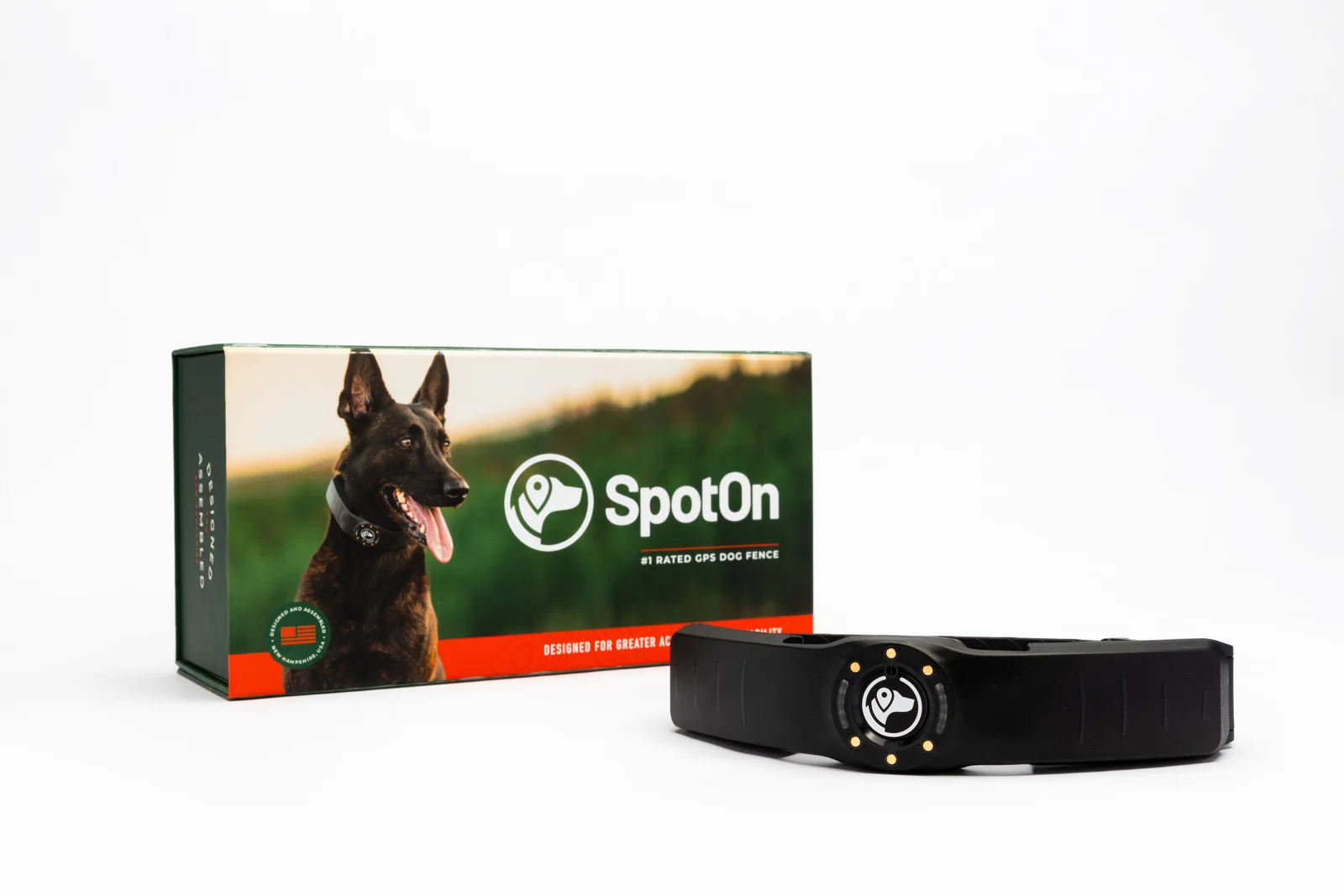
Choosing the best GPS dog fence in 2026 comes down to three things that matter once the collar is actually on your dog: real-world accuracy, whether containment costs a monthly subscription, and how well the boundary holds under tree cover and across large acreage. Also sold as wireless dog fences, invisible fences, or GPS dog collars, these systems have become one of the fastest-growing containment options for owners with big properties, difficult terrain, HOA rules that ban traditional fencing, or a dog that treats the backyard as a starting line.
This guide ranks the top systems by use case, breaks down what they cost, explains how the technology works, and walks through the real-world testing approach that separates a dependable virtual fence from one with gaps. Whether you have a tiny escape artist or 40 acres of woods, there is a right pick here.
- 1SpotOn GPS Fence is our top overall pick for accuracy and reliability, and it contains your dog with no required subscription, the single biggest cost advantage in the category.
- 2Halo Collar is the best training-focused option for suburban yards, but containment requires a monthly plan.
- 3PetSafe Guardian is the budget entry point and works best on open lots without heavy tree cover.
- 4GPS accuracy is the most important spec: a fence that drifts under trees is a fence with holes.
- 5Expect to spend roughly $300 to $1,000 upfront depending on hardware quality, plus optional subscriptions for tracking on some systems.
Petful may earn a commission if you click on our links and make a purchase. This comes at no extra cost to you and helps us continue providing trusted pet product reviews.

Sign up for expert-backed reviews and safety alerts all in one place.
The Best GPS Dog Fences of 2026 at a Glance
Best Overall and Most Reliable: SpotOn GPS Fence
Best for Large Properties and Acreage: SpotOn GPS Fence
Best With No Subscription: SpotOn GPS Fence
Best for Escape Artists: SpotOn GPS Fence
Best for Accuracy and Tree Cover: SpotOn GPS Fence
Best for Simple, Open Yards on a Budget: PetSafe Guardian
Best for Travel and Camping: SpotOn GPS Fence
SpotOn earns the top spots because it leads where it counts most: GPS hardware, boundary accuracy, and the flexibility to run without a monthly fee. Here is where to start.
Check Price on SpotOn Exclusive - $75 OffGPS Dog Fence Comparison: SpotOn vs. Halo vs. PetSafe Guardian
Here is how the three top wireless dog fences stack up on the specifications that actually change day-to-day reliability and cost.
| Feature | SpotOn GPS Fence | Halo Collar 5 | PetSafe Guardian |
|---|---|---|---|
| Subscription for containment | Not required | Required (Pack plan from ~$9.99/mo) | Not required (base model) |
| GPS hardware | Dual-band, dual-feed active antenna and receiver, 151 satellites | Dual-frequency (dual-band) GPS, 151 satellites | Entry-level GPS |
| Stated accuracy | Under 5 ft (SpotOn official) | 0.6 m / about 2 ft (Halo's claim, via its Swift Navigation corrections; needs a live connection) | Lower-end, varies more |
| Max property size | Very large acreage (any shape or size) | Large properties | Large properties |
| Minimum property size | 1/3 acre (Nova) | About 900 sq ft (30 x 30 ft) | About 3/4 acre |
| Custom and unlimited fences | Unlimited, with or without subscription | Limited by plan tier | Limited (20-fence storage requires the separate Tracking model + subscription) |
| Overlapping fences and Keep Out Zones | Yes | Limited | No |
| Battery life | 33+ hrs tracking, 40+ hrs extended | Up to 48 hrs | 24 to 72 hrs |
| Waterproof rating | IP67 Waterproof | IP67 Waterproof | Waterproof |
| Training support | In-App training Tone, vibration, 30 levels of static, custom voice commands + free trainer consult | Cesar Millan app program | None included |
| Return policy | 90 days | 90 days with a fee | 45 days |
| Approx. price | About $924 to $999, no required subscription | About $524 to $599 + monthly plan | $399.99 (no-sub base model) |
| Best fit | Rural, large acreage, escape artists, no-fee containment | Suburban, training-focused homes | Budget buyers, simpler lots |
- All three are capable GPS systems, and both SpotOn and Halo now use 151-satellite, dual-band hardware with strong published accuracy. Where SpotOn stands apart for many owners is containment without a required subscription, support for very large and overlapping fences with Keep Out Zones, and a low 1/3-acre minimum. Halo's edge is a lower upfront price, and PetSafe's base model is the budget entry point.
Want the two leaders side by side? Our SpotOn vs. Halo comparison breaks down accuracy, cost, and training in detail.
Best Overall GPS Dog Fence: SpotOn GPS Fence
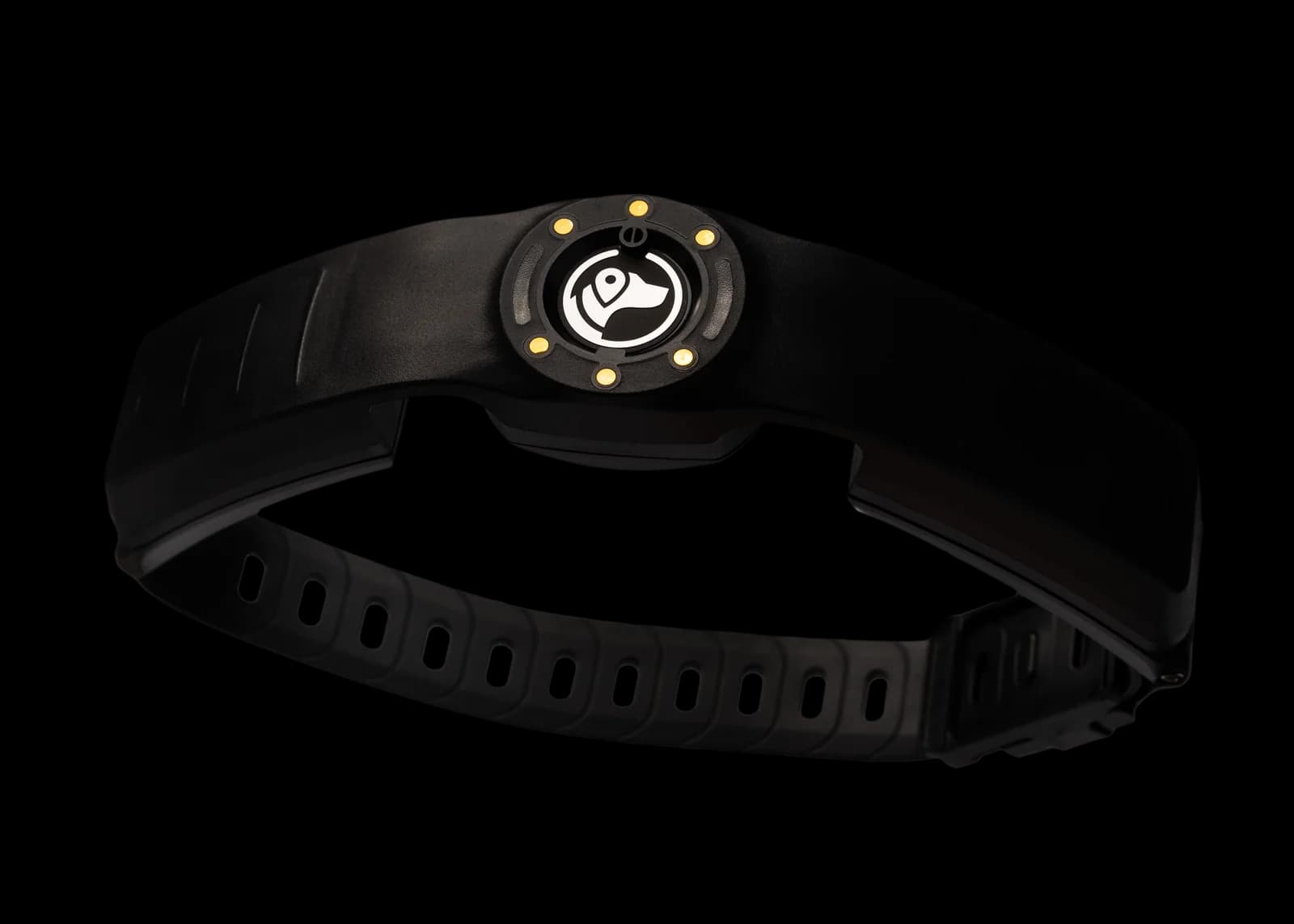
SpotOn stands out as the most advanced GPS dog fence system available right now, especially for owners who prioritize accuracy, customization, and flexibility. It sits at the premium end of the category, but it also delivers one of the deepest feature sets in the category, with a 151-satellite dual-band antenna, no required containment subscription, overlapping fences and Keep Out Zones, and large-acreage flexibility.
For the full hands-on breakdown, see our SpotOn GPS Fence Nova Edition review.
The newest Nova Edition is where SpotOn pulls ahead. It introduces a dual-band, dual-feed active GPS antenna and a dual-band receiver, with access to expanded satellite networks and visibility to as many as 151 satellites. In practice that means tighter accuracy, under roughly 5 feet in most conditions, and far less fence drift around trees, structures, and difficult terrain than lower-end systems.
That matters because GPS reliability is what determines how dependable a virtual fence feels in the real world. Cheaper systems cut costs on antennas, receivers, and signal processing, and the result is a boundary with gaps, dead spots, or inconsistent warning tones. SpotOn also places the antenna up and away from the dog's neck, so the signal does not have to fight through fur, muscle, and interference to reach the satellites.
Where SpotOn wins:
- Custom fence building with overlapping fences, saved properties, and Keep Out Zones around gardens, pools, driveways, and chicken coops
- Property support from a 1/3-acre minimum up to very large acreage
- No subscription required to run the containment fence itself
- Roughly 33 hours of battery life with tracking, 40-plus hours in extended mode, and about a 1-hour recharge
- IP67 waterproof build, US-based support, and a free one-on-one training consultation
Best for Large Properties and Acreage
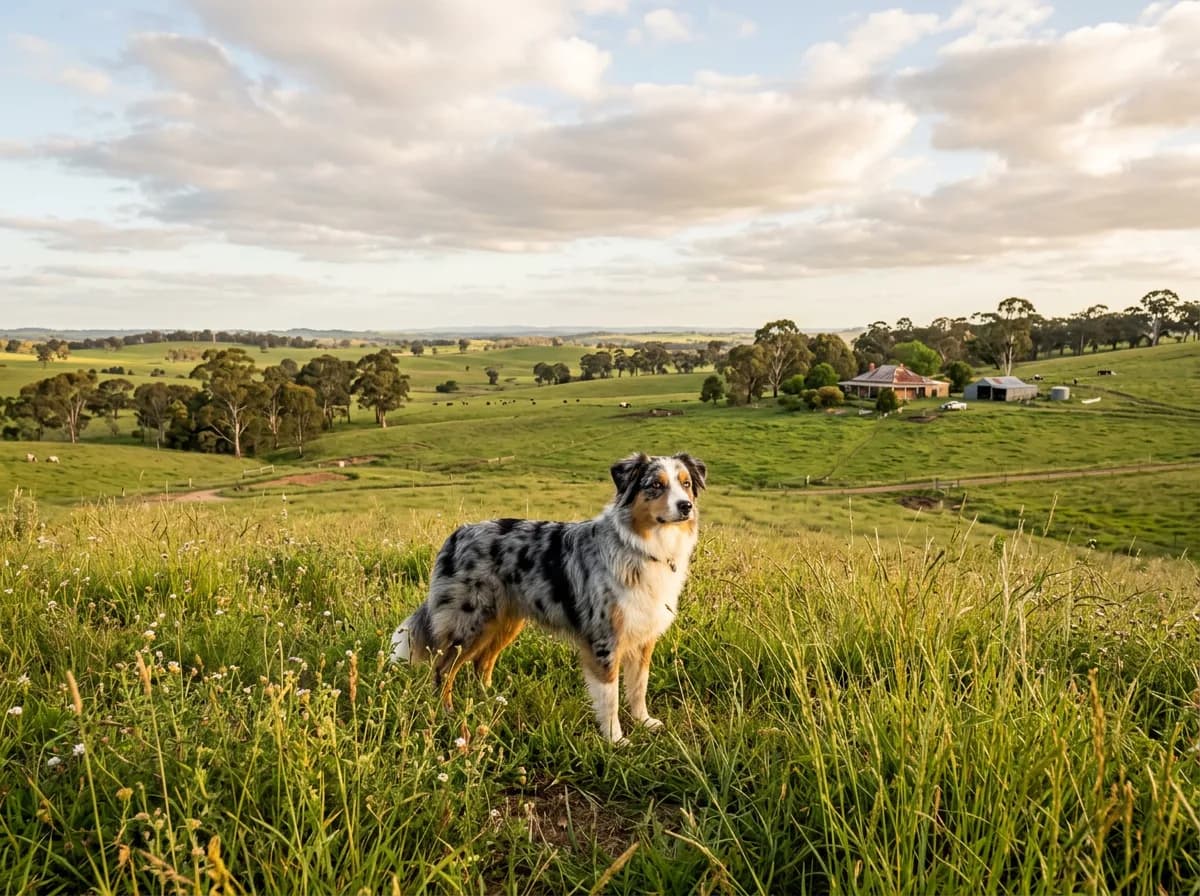
If your land runs to several acres or more, most of the category simply cannot keep up. SpotOn describes its fences as working on land as vast as you need, in any shape or size and lets you build custom, overlapping fences with up to 1,200 fence posts, so even oddly shaped rural lots, farms, and ranches map cleanly. Its dual-band antenna and receiver system is also the most reliable choice under the tree cover that large rural properties tend to have.
Best GPS Dog Fence With No Subscription
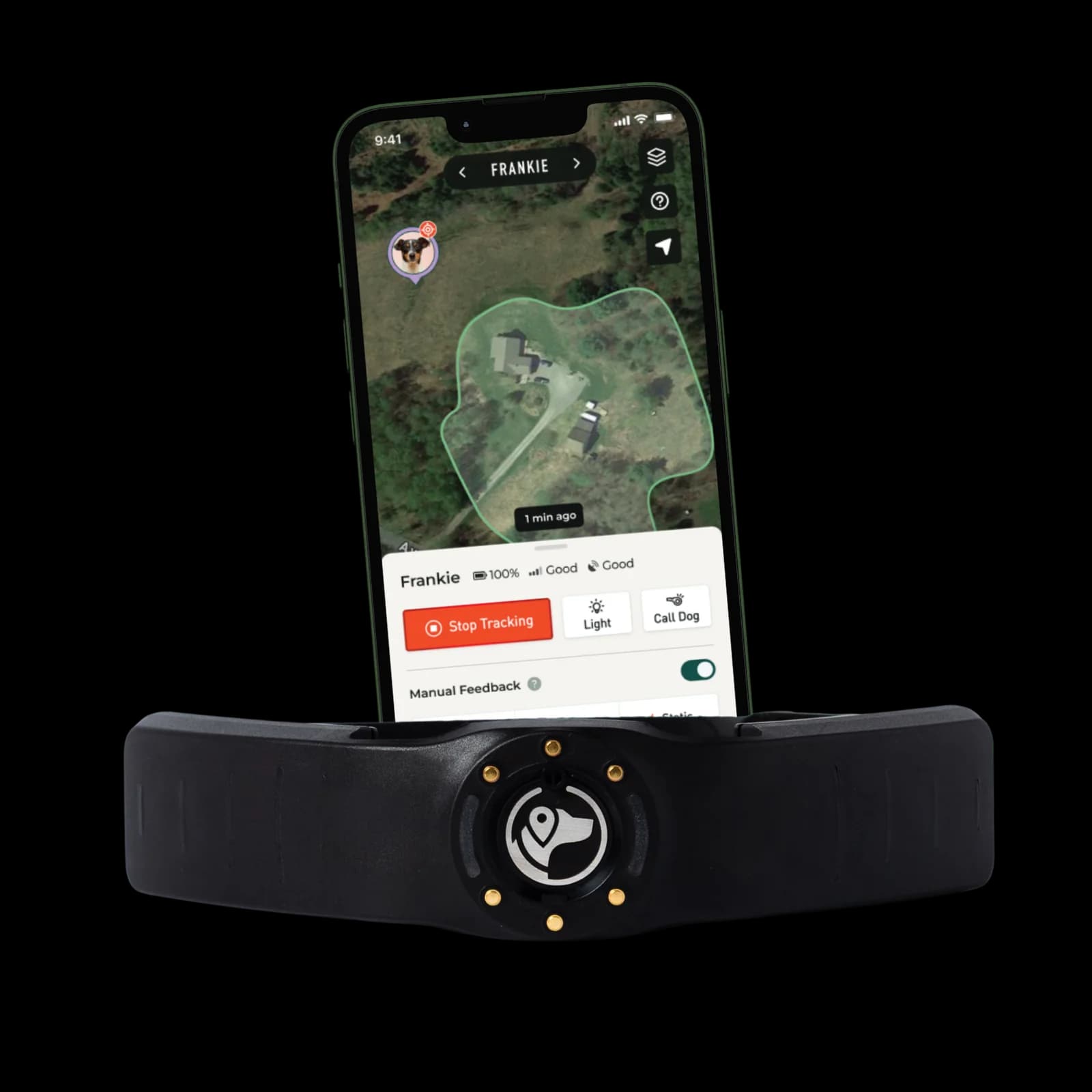
This is the differentiator more buyers should weigh, and searches for a no-subscription wireless dog fence have climbed sharply over the past year. SpotOn runs its containment fence with no required monthly fee. You can build and use the fence indefinitely without paying a subscription, while optional plans add live GPS tracking, escape notifications, and activity monitoring only if you want them. Over a few years of ownership, skipping a mandatory monthly plan can save hundreds of dollars compared with systems that lock containment behind a subscription. Your needs can change, and your plan can too. Add or remove coverage at any time without reactivation fees.
- A lower upfront price can be misleading if containment requires a monthly plan. SpotOn costs more to buy, but because the fence itself carries no required fee, the long-term cost often lands close to, or below, cheaper systems that bill every month just to keep the boundary on.
Best for Escape Artists
For a dog that digs, climbs, or bolts the moment a squirrel appears, accuracy and a fast, consistent boundary warning are everything. SpotOn's tight GPS precision and customizable correction levels make it the most dependable pick for a committed wanderer, and because the boundary is virtual, there is no fence to jump or dig under.
If your dog is a proven escape artist, pair this system with the training tactics in our guide to keeping a dog from jumping the fence.
How Do GPS Dog Fences Work?
GPS dog fences use GNSS satellite technology, the same family of signals that power car navigation and smartphone mapping, to create a virtual boundary around your property. Instead of burying wire or installing physical fencing, you draw the boundary directly in a smartphone app. As your dog approaches the edge, the collar communicates through tones, vibration, voice prompts, or static correction, depending on the system and your settings.
Many modern GPS fences now go beyond containment to add real-time tracking, recall commands, activity monitoring, escape notifications, and portable fences you can set up at a campsite or vacation home.
- GPS satellites power the fence boundary itself. Cellular connectivity is what powers live tracking, notifications, and app communication. Some systems require a subscription for those cellular features, while others, like SpotOn, let you run the containment fence with no monthly fee.
Wireless vs. Invisible vs. GPS Dog Fence: What's the Difference?
These terms get used interchangeably, but they describe different technology, and the difference affects accuracy, install effort, and where each one works best.
| Type | How the boundary is made | Best for | Install |
|---|---|---|---|
| GPS dog fence | Satellite-drawn virtual boundary via app | Large, rural, or wooded lots; travel | No wires, app setup |
| Wireless (radio) fence | Circular signal from a central transmitter | Small to mid open yards | Plug-in transmitter, no digging |
| Invisible / in-ground fence | Buried boundary wire with a signal | Defined suburban yards | Trench and bury wire |
In short: an invisible fence buries a wire, a traditional wireless fence broadcasts a fixed circle from a base station, and a GPS fence draws any shape you want by satellite with nothing to bury. For large or irregular properties, GPS is the most flexible of the three, which is why it has become the fastest-growing option.
You will see these systems sold under several names, and the labels overlap. An invisible dog fence and an underground dog fence both usually mean a buried-wire electric dog fence, while a wireless fence for dogs and a GPS dog fence collar create the boundary without any digging. When shoppers search for the best wireless dog fence or the best invisible dog fence, a GPS system like SpotOn is increasingly the answer, because it delivers the same no-dig containment with far better accuracy and flexibility.
Put simply, a GPS fence for dogs is the most flexible way to contain a dog without a physical barrier.
Prefer the wired approach? Our guide to the best electric fences for dogs covers in-ground systems, and our
portable dog fence roundup covers physical playpens for travel.
Across independent GPS dog fence reviews and best gps dog collar roundups, the same names rise to the top: SpotOn for accuracy and reliability, Halo for training, and PetSafe for budget. Our ranking aligns with that consensus and adds the hands-on testing framework below.
How Much Does a GPS Dog Fence Cost?
GPS dog fence pricing spans a wide range, and the cheapest option is not always the cheapest over time. Here is what to budget.
- Budget (PetSafe Guardian base model): $399.99 upfront, no subscription, but no location tracking
- Mid-range (Halo Collar): roughly $524 to $599 upfront, plus a required monthly subscription for containment
- Premium (SpotOn): about $999 upfront, with no required subscription for the fence
The number that surprises people is the subscription. A system that costs less to buy but bills every month for containment can cost more across two or three years than a premium system you pay for once. When you compare prices, compare the lifetime cost, not just the sticker.
Check Price on SpotOn Exclusive - $75 OffWhat to Know Before You Buy a GPS Dog Fence
A GPS fence is not an instant invisible wall, and setting expectations up front saves a lot of frustration. These systems require training. Your dog has to learn the boundary cues and recall expectations, so they suit engaged owners willing to spend time on the introduction.
They also perform best on certain properties:
- Suburban and rural lots with enough buffer room
- Larger properties where a few feet of GPS variance does not matter
- Dogs big enough to comfortably wear the collar
- Owners comfortable using a smartphone app
Best Budget Option: PetSafe Guardian
PetSafe's Guardian line is the most accessible entry point, but note there are two versions. The Guardian GPS Dog Fence (about $399.99) delivers virtual containment with no subscription, but it does not track your dog's location. The separate Guardian GPS + Tracking collar adds real-time tracking and saves up to 20 fences, but it requires an ongoing subscription. For a simple, open yard where you only need containment, the no-subscription base model covers the basics.
The compromises track with the price. The GPS hardware is entry-level, tree-cover performance is weak, there are no Keep Out Zones, and no training is included. It is the right call for budget-conscious buyers with simple, open lots, and the wrong call for rural properties or escape artists.
How We Evaluate GPS Dog Fences
Nearly every GPS fence performs well in open-sky conditions with a clear view of satellites. The real separation happens in challenging environments, so our evaluation framework focuses on both.
Open-sky baseline
We establish each collar's best-case performance in an open field with an unobstructed view of the sky. This sets the baseline every system should be able to hit.
Challenging GPS conditions
This is where the differences surface: dense tree cover, wooded trails, areas near buildings and metal roofs, hills and elevation changes, and heavily landscaped lots. These are the environments where lower-end systems show fence drift, delayed alerts, inconsistent warning tones, false corrections, and gaps in the boundary.
For each system we mark the intended fence line with flags, walk the collar toward the boundary in the same spots multiple times, and record where the warning tone, alert, and correction zone actually activate. Then we measure three things:
- Accuracy: how closely the collar's response matches the line drawn in the app
- Consistency: whether the boundary triggers in the same place on every pass, with no dead spots or drift over the day
- Difficult-condition performance: how each system holds up under canopy and near structures, where premium hardware earns its price
- Our team is currently running this protocol on the SpotOn Nova Edition. The accuracy and consistency figures above reflect manufacturer specifications and published third-party testing; we will update this guide with our own measured drift results once field testing wraps.
GPS Dog Fence FAQs
For the right property, yes. If you have large, rural, or wooded land, an HOA that bans physical fencing, or a dog that escapes traditional fences, a GPS fence offers flexible containment that no other option matches. They are less worth it on tiny, simple lots where a cheaper wireless fence or a physical fence would do the job.
SpotOn consistently rates at or near the top of the category for accuracy and reliability, particularly on large or wooded properties, and it carries strong third-party testing results. Halo rates highly for training integration, and PetSafe Guardian is well regarded as a budget pick.
SpotOn is our pick for no-subscription containment: the fence runs without any required monthly fee, with optional plans only for extras like live tracking. PetSafe Guardian also offers subscription-free containment at a lower price point but with weaker hardware.
They can, but tree cover is where cheaper systems struggle most. Dense canopy can block or weaken satellite signals, causing the boundary to drift. Premium systems with dual-band antennas and access to more satellites, like the SpotOn Nova, are built specifically to hold accuracy under trees, while entry-level hardware tends to lose consistency.
Yes, when introduced properly. The collar uses escalating cues, typically a tone or vibration first, then optional static correction, to teach the boundary. Safe use depends on correct fit, appropriate correction levels, and proper training so the dog understands the boundary rather than being startled by it.
The containment fence itself runs on GPS satellites, not the internet. Cellular service powers extra features like live tracking and app notifications. Some systems require a subscription for those features, while others let you run the fence with no monthly fee.
Yes, and portability is one of the biggest advantages of GPS over buried-wire systems. You can create a new boundary anywhere you have a clear view of the sky, which makes GPS fences a strong fit for campsites, vacation homes, and multi-property households.
It depends on the property. GPS fences are more flexible, portable, and far easier to install since there is no trenching, and they handle large or oddly shaped lots well. Buried-wire invisible fences can be more precise on small, tree-heavy suburban lots. For large or rural properties, GPS is usually the better fit.
The Bottom Line on the Best GPS Dog Fence for 2026
For most owners weighing a GPS dog fence in 2026, SpotOn is our top pick, less because of any single spec and more because of how it fits real properties. It contains your dog with no required subscription, scales from a 1/3-acre yard to tens of thousands of acres, and supports overlapping fences and Keep Out Zones that competitors limit or lack. Halo is highly capable too, with strong accuracy and a lower upfront price, and it is the better value if budget is the deciding factor. PetSafe's base Guardian covers the essentials on a simple, open lot.
If your property has tree cover, sits on real acreage, or your dog has a track record of finding the one gap in any fence, accuracy is worth paying for, and that is where SpotOn earns its place at the top.
Check Price on SpotOn Exclusive - $75 Off
Coreen Saito is a pet writer and longtime shelter volunteer with more than a decade in animal rescue. She covers cat behavior, breed care, and the small, ordinary science of sharing a life with companion animals, with a particular focus on honest takes about the products and decisions that actually matter. At home in Arizona, she's outranked by Mac (a dog with the loudest opinion in the house), Rebel (a cat who governs by quiet authority), and Meri (an orange tabby who runs the late shift and the laundry basket). She writes about all three, plus the rescues that keep coming through her life, at LifeWithMinty.com.
Sign up for expert-backed reviews and safety alerts all in one place.
A Final Word (Disclaimer)
At Petful, our review integrity is paramount; we never exchange special treatment in our reviews for monetary or material rewards.
Nonetheless, when our readers click through to online merchants (including Chewy or Amazon), we receive a referral commission. This supports the running of our free blog, and we appreciate your backing.