Invisible Fence Cost: What You'll Really Pay in 2026 (and the GPS Alternative)
Invisible fence cost runs from $150 for a DIY wireless kit to $3,400 for a professionally trenched underground system. Here is the real math per acre and per foot, plus the three-year cost of ownership.
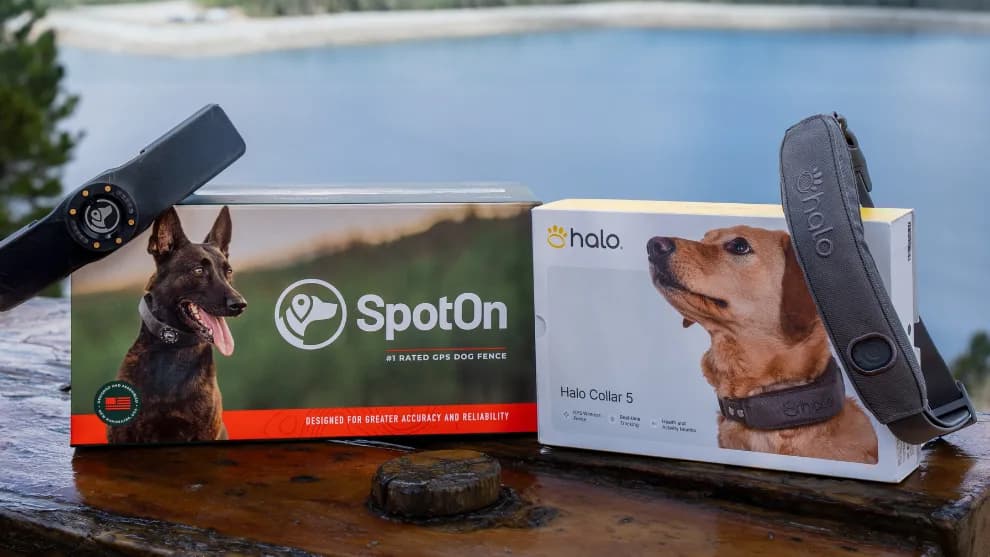
Invisible fence cost is the one number almost nobody in this category prints in full. The biggest name in dog containment runs a page titled What It Costs that publishes exactly one figure, GPS DIY starting at $300, and no pricing at all for its professionally installed In-Ground or GPS PRO systems, routing those buyers to a free quote from a local dealer or to financing of up to $25,000 across 3 to 120 month terms at 0 to 35.9 percent APR.
One entry price plus a payment plan is not a price list. So here is the direct answer before anything else: on a typical suburban lot you will pay somewhere between about $150 and about $3,400 to contain one dog, and where you land inside that spread is decided almost entirely by whether a crew has to dig a trench across your property.
That is a 22x range, which is why generic answers are useless. A weekend DIY kit and a two-day professional trenching job are both sold as the same product category, but they are not the same purchase. This guide:
- prices all four containment types with real numbers
- gives you the arithmetic to compute your own yard instead of guessing
- shows what the whole thing actually costs after three years of batteries, repairs, and replacement collars
A quick note on the name before the numbers: shoppers say "invisible fence" for the entire category, and this guide uses it the same way, covering in-ground wired fences, wireless systems, and GPS virtual fences alike; Invisible Fence® Brand, the company that made the name famous, is priced below alongside everyone else.
- 1Standard professional underground installs run about $800 to $2,800, while premium turnkey underground jobs run $1,500 to $3,400.
- 2DIY in-ground kits run $150 to $600 and take one long weekend. Wireless systems run $100 to $600 with no install at all.
- 3GPS collar systems run about $450 to $1,300 with zero trenching, and SpotOn sits at about $999 with no required subscription for containment.
- 4Boundary wire follows your perimeter, not your acreage, so two acres needs roughly 1.4x the wire of one acre and not double.
- 5Over three years the cheapest sticker price is rarely the cheapest system once batteries, wire repairs, and replacement collars land.

Sign up for expert-backed reviews and safety alerts all in one place.
Invisible Fence Cost in 2026: What Every System Type Really Runs
How expensive is an invisible fence? For a single dog on a typical suburban lot, expect:
- $800 to $2,800 for a standard professional underground install
- $150 to $600 for a DIY in-ground kit you bury yourself
- $100 to $600 for a plug-in wireless system
- $450 to $1,300 for a GPS collar system
Premium turnkey underground work, meaning a full-service dealer install on a larger or more complicated property, is its own band at $1,500 to $3,400. Those two labels are used consistently throughout this guide, because they answer two different questions.
Every one of those figures is an installed cost rather than a hardware sticker, which is the distinction that makes the four numbers comparable: a wireless system arrives ready to plug in, while an underground system only becomes usable once someone has buried the wire.
Search "how much is invisible fence for dogs" and the results will not agree with each other, because three genuinely different products share that one label. Anyone asking how much an invisible fence for dogs costs is really asking two questions at once. The reason the invisible fence cost for dogs swings so hard is that you are buying two separate things: hardware and labor.
- Hardware barely moves. A transmitter, a receiver collar, and a spool of boundary wire cost roughly the same whether you buy them from a national dealer or a big-box store. Labor is what explodes.
Trenching is billed against the length of your boundary rather than the size of your house, so the only unit that makes it comparable between two bids is dollars per linear foot, and it climbs every time your perimeter does.
On a small lot you can still pay more for the digging than for every piece of equipment combined. That is why the honest way to budget is by system type rather than by brand name: a professional underground install carries a labor bill that a DIY kit, a plug-in wireless system, or a GPS collar simply does not.
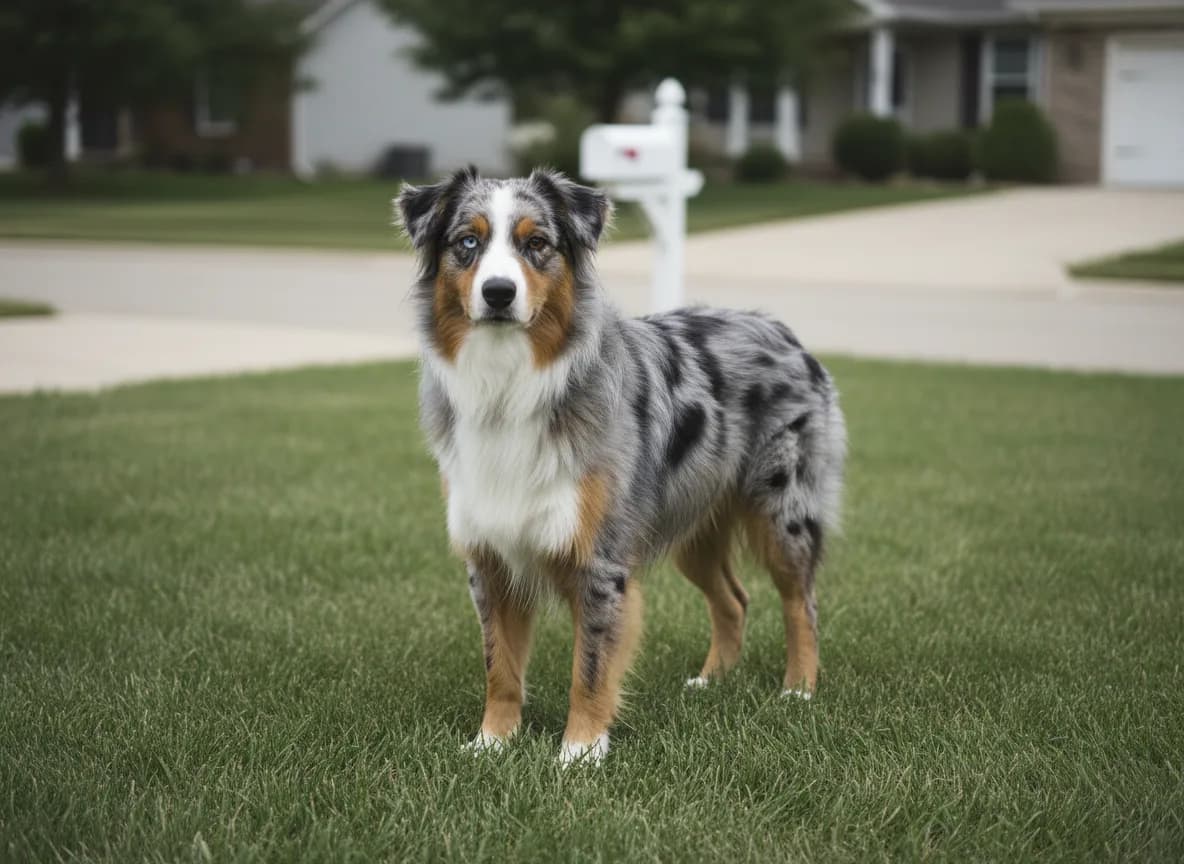
| System Type | Hardware Cost | Installation Cost | Typical All-In |
|---|---|---|---|
| Standard professional underground | Bundled into quote | Labor quoted per linear foot | $800 to $2,800 |
| Premium turnkey underground | Bundled into quote | 1 to 3 days on site | $1,500 to $3,400 |
| DIY in-ground kit | $150 to $600 | Your own 4 to 8 hours | $150 to $600 |
| Wireless transmitter system | $100 to $600 | None, it plugs in | $100 to $600 |
| GPS collar system | $450 to $1,300 | None, set in an app | $450 to $1,300 |
What the sticker price does and does not include
The all-in figures above are the starting point, not the finish line. The true cost of an invisible fence for dogs includes add-ons that are easy to miss when you are comparing headline numbers, and those add-ons are where a $1,400 job quietly becomes a $1,900 job.
- Extra receiver collar for a second dog: $50 to $150 each
- Extra boundary wire beyond the base run: $30 to $50 per 500 feet
- Perimeter flag-and-test technician visit: $150 to $250
- Professional training sessions: $50 to $100 per hour
- Replacement collar after a loss or failure: $100 to $300
Notice how many of those are per-dog rather than per-property. Containment pricing punishes multi-pet households in a way that physical fencing does not, because a fence contains any number of dogs for one price while every wired or wireless system charges you again for each collar.
- Invisible Fence® Brand is the most recognized name in the space (a registered trademark so widely known that shoppers use "invisible fence" for the whole category), and its own What It Costs page publishes a single price: GPS DIY starting at $300. For its professionally installed In-Ground and GPS PRO systems it publishes no price at all, pointing those buyers to a free quote from the local dealer or to financing of up to $25,000. That is a dealer-quote model, so your number depends on which franchise covers your zip code. Always get a written figure before a technician walks your property.
If none of that appeals and you would rather skip the install conversation entirely, the GPS category exists specifically to remove the labor line item. With the SpotOn GPS fence you create the boundary by drawing it in the app or walking the perimeter, so there is no digging, no wires, and no technician appointment to schedule.
Check Price on SpotOn Exclusive - $75 OffCost Per Acre and Per Foot: Run the Math for Your Own Yard
Here is the single most useful correction in this guide: buried containment is not priced by area, it is priced by boundary. The wire runs around the edge of your property, so what you are actually buying is linear feet of boundary wire. The pages ranking for "invisible fence cost 1 acre" almost all hand back a single flat number, and that is an arithmetic mistake, because perimeter does not scale with acreage the way people assume.
The perimeter formula for a square lot is four times the square root of the area in square feet. One acre is 43,560 square feet, and the square root of the area is about 209 feet, so the perimeter is roughly 835 feet. Two acres is 87,120 square feet, which works out to about 1,181 feet of boundary.
That is 1.41 times the one-acre number. Put plainly: two acres is not double the wire, the labor, or the bill, even though most quotes and most articles treat it as if it were. That is why the perimeter math matters more than the acreage: your lot size feeds the calculation, but it is the boundary length that the wire, the trencher, and the final invoice all actually follow.

| Lot Size | Square Feet | Perimeter (Linear Feet) | DIY Wire Cost | Professionally Installed at $2 to $4 per ft |
|---|---|---|---|---|
| 1/4 acre | 10,890 | About 417 ft | $30 to $50 | $835 to $1,670 |
| 1/2 acre | 21,780 | About 590 ft | $60 to $100 | $1,180 to $2,360 |
| 1 acre | 43,560 | About 835 ft | $60 to $100 | $1,670 to $3,340 |
| 2 acres | 87,120 | About 1,181 ft | $90 to $150 | $2,360 to $4,725 |
| 5 acres | 217,800 | About 1,867 ft | $120 to $200 | $3,735 to $7,470 |
Working out your own invisible fence cost per foot
Search for an invisible fence cost calculator and you will mostly find tools that ask for acreage and return a flat number, which is exactly the error described above. You can do better in about thirty seconds with a phone calculator, and the result will survive contact with an actual quote.
- Take your lot size in square feet. Multiply acres by 43,560 if you only know the acreage.
- Take the square root of that number, then multiply by four. That is your approximate perimeter in feet for a square lot.
- Adjust for shape. Long, narrow, or L-shaped lots have more perimeter than a square of the same area, sometimes 15 to 30 percent more.
- Add any interior runs. Exclusion zones around a pool, a vegetable bed, a koi pond, or a driveway apron each need their own wire loop.
- Multiply the total by your rate per linear foot to get an installed estimate.
Step four is where most estimates fall apart. An exclusion zone is any area inside your property you want the dog kept out of: a pool, a raised garden bed, a driveway apron, a koi pond. The wire has to loop all the way around it and back, so each exclusion zone adds its own closed run of boundary footage on top of the outside perimeter. Two or three of them can push your linear-foot total well beyond the simple perimeter figure the acreage tables hand you.
The rate to multiply by is published, so there is no need to derive one. Industry pricing guides put invisible fence installation at $2 to $7 per linear foot installed across system types, with underground systems specifically commonly cited at $2 to $4 per linear foot. The installed column in the table above uses that $2 to $4 underground band, which is why the figures climb with perimeter rather than sitting flat.
Treat the result as a sanity check rather than a quote: a number inside the range is normal, and if a contractor lands well above $7 per linear foot, ask what is driving it before you compare that bid against anything else. Note also that a large or awkward property can price above the $800 to $2,800 standard band and the $1,500 to $3,400 premium turnkey band, because those two describe typical suburban jobs, not five-acre boundaries.
- Rocky soil, tree roots, mature landscaping, concrete or asphalt crossings, and steep grade all slow trenching down, and slower ground pushes the per-foot rate toward the top of the range rather than the bottom. Exclusion zones inside the yard also add wire that never shows up in an acreage-based estimate. Ask which of these apply to your lot before you compare two bids.
Shape matters more than most buyers expect. A 1/2 acre lot that is square has about 590 feet of boundary, but the same 1/2 acre stretched into a long rear-lot rectangle can carry 700 feet or more.
So when you search "invisible fence cost 1/2 acre" and one number comes back, measure your actual property lines instead of trusting any per-acre table, including the one above. And if your property is large, irregular, or wooded enough that the perimeter math is getting ugly, that is precisely the situation where a SpotOn boundary you draw on a map stops costing more as the yard gets bigger.
Underground and DIY Installation: Where the Gap Comes From
Underground dog fence cost splits into two completely different purchases that share a name. Buying the same category of product professionally versus doing it yourself is a 5x to 10x price difference, and understanding exactly what that gap buys is the difference between a smart save and an expensive regret.
The DIY versus professional installation question comes down to one honest test: trenching is worth paying for when your soil is rocky, when your perimeter has to cross a driveway or a sidewalk, or when you want a labor warranty on the buried run.
- On a flat, open, soft-soil lot with no hard crossings, paying a crew to dig is mostly buying you a free weekend.
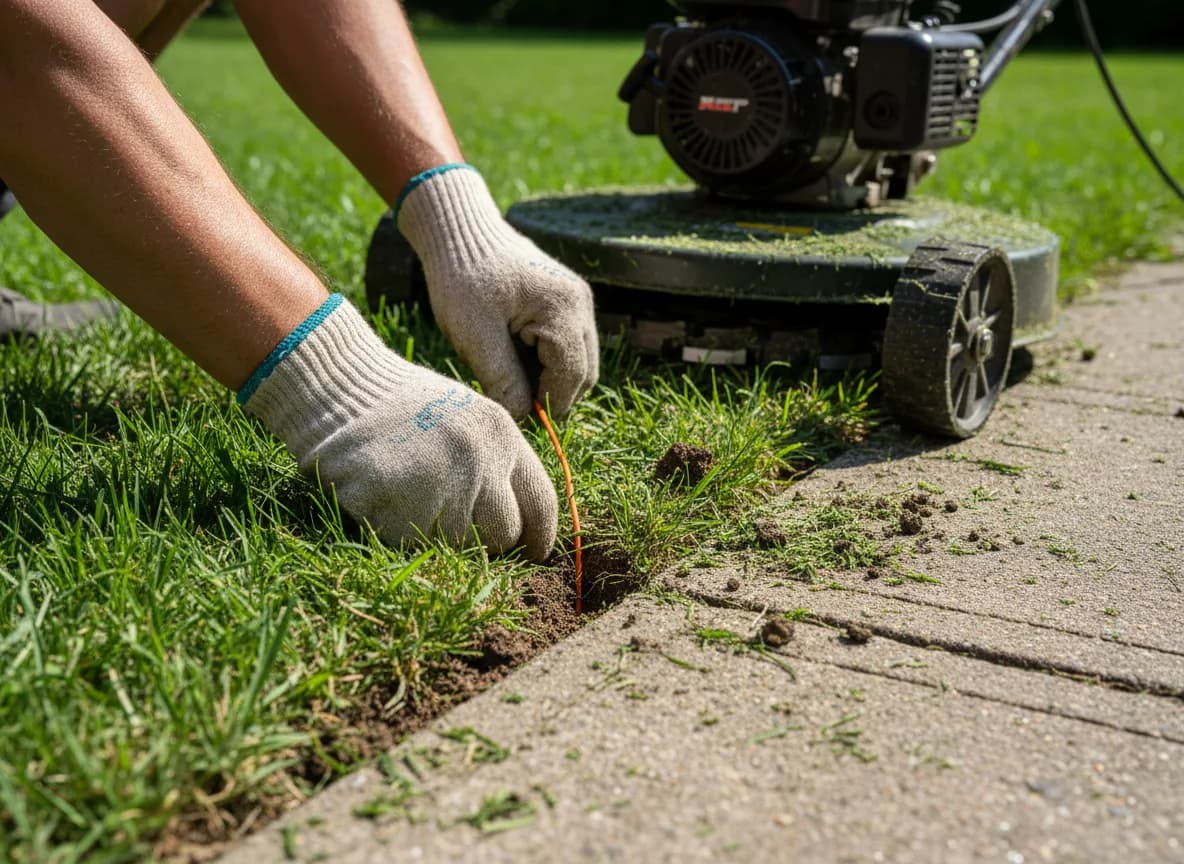
A DIY invisible fence for dogs means a boxed kit at $150 to $600 containing a transmitter, one receiver collar, boundary flags, and a spool of wire. You spend 4 to 8 hours laying it out, and the physical work is real: you are cutting a shallow slot along your entire perimeter, laying wire, backfilling, and splicing at every corner and interior loop.
A premium turnkey install of the same idea runs $1,500 to $3,400 and takes a crew 1 to 3 days, while a standard professional install on a straightforward lot sits in the $800 to $2,800 band.
What the trenching fee actually buys
- Machine depth and consistency. A crew uses a powered trencher and puts wire 3 to 6 inches down uniformly. Hand-cut DIY slots vary, and shallow wire is what an aerator or an edger eventually finds.
- Splice quality. Professionals use waterproof gel-filled splice caps at every junction. A bad splice is the single most common cause of a wire break, and it usually shows up months later.
- Hard crossings. Driveways, sidewalks, and patios need a saw cut or a bore. This is the part most DIYers underestimate and the part most often botched.
- Warranty coverage. A paid install typically carries a labor warranty on the buried run. A DIY kit warranties the box, not your digging.
- Flag and test. The installer walks the full perimeter with a test collar, sets flags at the correction line, and tunes field width per zone.
That last item is worth pricing separately, because you can buy it on its own. A perimeter flag-and-test technician visit runs $150 to $250, which means a competent DIYer can bury their own wire for $200 in materials and still pay a professional $200 to verify and tune the boundary. That hybrid is the best value in the wired category and almost nobody offers it as a package, so you have to ask.
The trenching fee is where the money is, and it is the line item worth interrogating hardest. Ask for it per linear foot of boundary rather than as a lump sum, because linear feet is the unit the work actually scales with, and a per-foot number can be checked against the $2 to $4 installed benchmark for underground systems the moment you get it.
If your quote bundles everything into one number, ask the dealer to break out trenching, hardware, collars, and training separately. A line-item quote is much harder to pad than a lump sum, and it lets you decline the pieces you do not need.
Check Price on SpotOn Exclusive - $75 OffOne more consideration that rarely makes the comparison charts: buried wire is a permanent improvement to one specific property. If you rent, if you are likely to move within a few years, or if you split time between two addresses, a premium turnkey install means spending $1,500 to $3,400 on infrastructure you cannot take with you.
That is the structural reason so many buyers on the fence between DIY and professional end up choosing SpotOn, a system with no buried infrastructure at all, which travels to the next house or to a relative's property without a second install bill.
Wireless Invisible Fence Cost: The Cheapest Tier and What You Give Up
A wireless dog fence is the cheapest way into containment, full stop. A wireless system runs $100 to $600 all in, and installation is genuinely zero: you plug a base transmitter into an outlet, set a radius dial, fit the receiver collar, and flag the boundary. There is no wire, no trench, no permit question, and no technician. For a buyer whose whole search was how much is invisible fence for dogs, this tier is the answer that makes the category look affordable.
The tradeoff is geometry. A wireless transmitter broadcasts a circular signal outward from wherever the base sits, so your containment area is a circle centered on your house. If your property is a rectangle, and almost every property is, you are either leaving big corners of your own yard unusable or letting the circle spill past your property line into the street or a neighbor's grass.
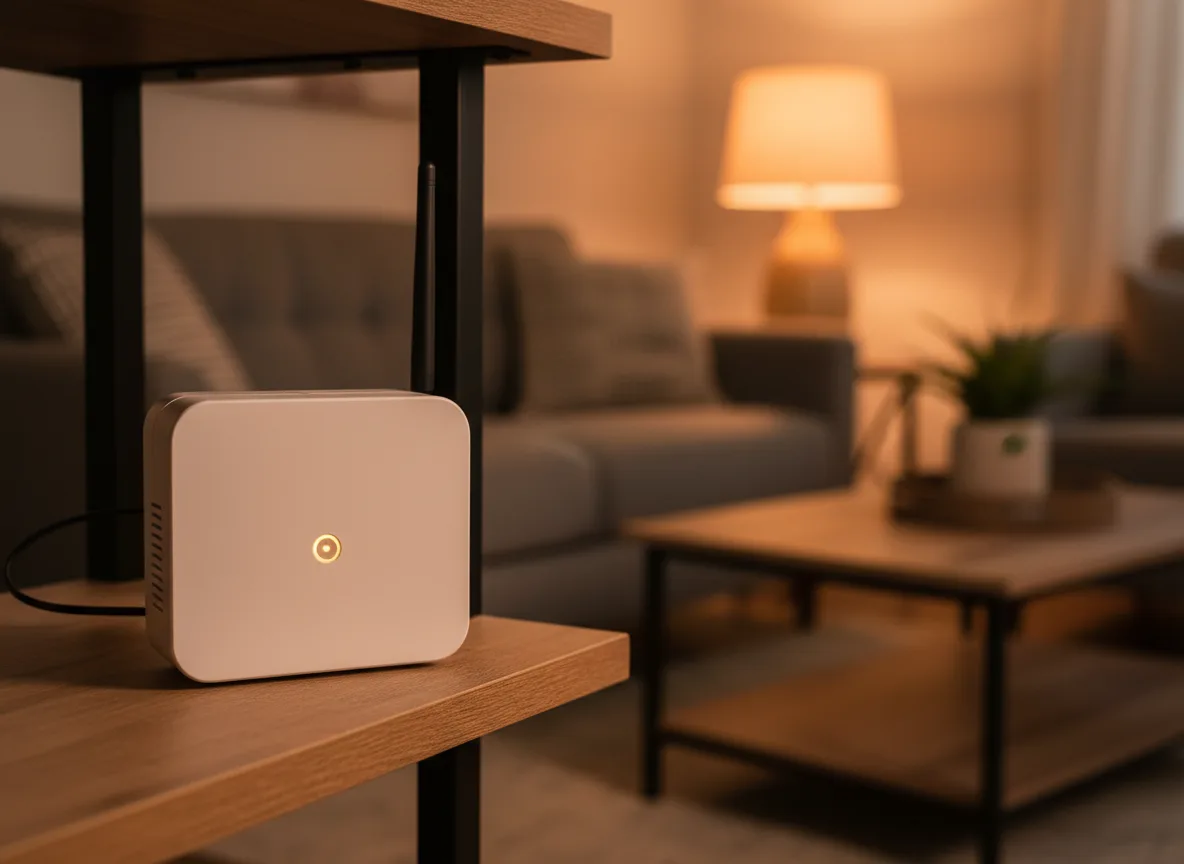
- A circle equal in area to 1/2 acre has a radius of about 83 feet. But a square 1/2 acre lot measures 148 feet a side, so reaching its corners takes a 104 foot radius, and that circle now spills about 30 feet past each side property line. Cover your whole yard and you cover part of the street. That is the structural limit of a wireless invisible fence for dogs, and no amount of tuning fixes it.
Where wireless genuinely wins
- Small, roughly square, level yards where a circle and the lot line nearly agree
- Renters who cannot dig and need containment now
- Temporary needs: a summer at a lake house, a foster placement, a recovery period
- Buyers testing whether their dog responds to boundary training before spending more
- Secondary containment inside an already fenced yard, to keep a digger off the fence line
Where wireless costs you later
- Signal drift from metal siding, slopes, dense trees, and large appliances, which moves the boundary day to day
- Wasted yard: the unusable corners on a rectangular lot can be 20 percent of your property
- No exclusion zones. You cannot carve a circle out of a circle to protect a pool or garden
- Collar batteries on the cheaper models, which is a recurring line most buyers do not price
That last one deserves a number. Proprietary collar batteries run $15 to $25 and get replaced every 3 to 4 months, which is $60 to $100 a year per collar. On a two-dog household that is $120 to $200 annually, so a $199 wireless system can reach $439 to $599 by the end of year two and pass an entry-level GPS collar outright.
Rechargeable systems avoid this entirely, and it is worth confirming which kind you are buying before you compare sticker prices. If your yard is not a circle and you want an accurate boundary without a trench, SpotOn draws the shape you actually own instead of approximating it with a radius dial.
The GPS Alternative: No Trenching, No Install Line Item
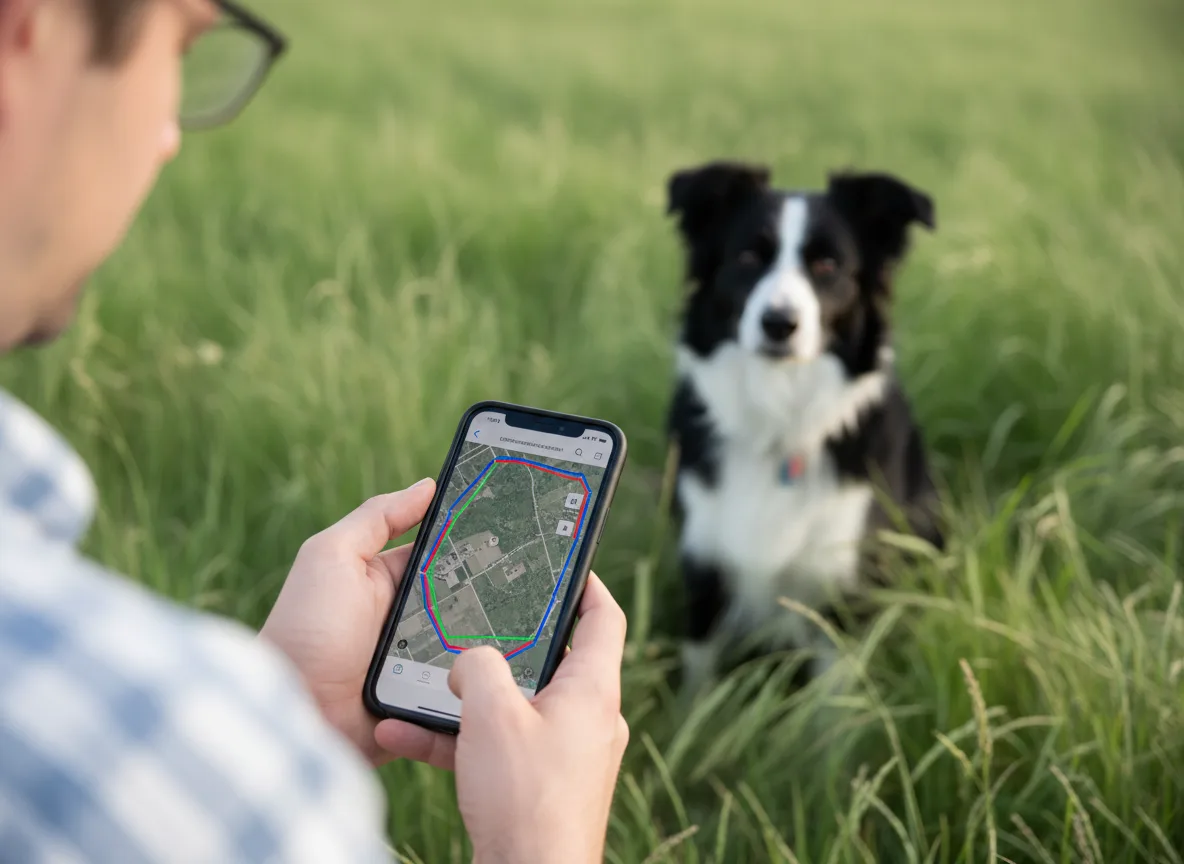
GPS is the newest of the four containment types and the only one that deletes the installation line item without accepting the circle problem. A GPS dog fence uses satellite positioning in the collar itself, so the boundary is a shape you walk or draw on a map rather than a wire you bury or a radius you dial.
Treating the GPS alternative as its own containment cost category is the cleanest way to compare it, because the number on the price tag is the whole number and there is no separate installation line waiting behind it. Systems in this category run about $450 to $1,300, and SpotOn is the standout pick at about $999, with no subscription required for containment and a boundary you draw in the app or walk yourself.
That last detail matters more than the sticker price. A subscription fee is standard in parts of this category, and a recurring charge quietly changes the math on any multi-year comparison. Containment on SpotOn does not require one, which is why it lands where it does in the three-year table further down this page.
How the GPS price compares on a per-acre basis
This is the crossover argument, and it is pure arithmetic. Wired containment scales with perimeter, so every additional acre adds wire, adds labor hours, and adds cost. GPS containment does not scale at all, because drawing a bigger shape on a map costs nothing.
- On a 1/4 acre lot, professional wired installation lands around $835 to $1,670, which already overlaps the GPS band rather than clearly undercutting it
- On a 1 acre lot, wired lands around $1,670 to $3,340, and GPS is competitive across most of that band
- On 2 acres, wired runs roughly $2,360 to $4,725 while GPS holds flat
- On 5 acres, wired runs roughly $3,735 to $7,470 and GPS is dramatically cheaper
- On land too large, wooded, or irregular to trench economically, GPS is often the only realistic option
So the honest framing is that GPS is not the cheapest containment on a small square lot. Wireless is. What GPS buys is an accurate custom boundary with no digging, nothing buried that has to stay behind when you move, and a cost that stops climbing the moment your property does. For a buyer at a half acre or more, that crossover usually arrives faster than expected.
Check Price on SpotOn Exclusive - $75 OffWe keep model-by-model selection out of this cost guide on purpose, because picking a specific unit is a different decision from budgeting for one. Once the budget is settled, most shoppers change their search and start hunting for the best invisible fence for dogs, which is a model-selection question rather than a pricing one.
If you have settled on the GPS category and now want to see what the money buys in practice, start with our hands-on SpotOn GPS fence review, which covers how the system performed in real use over time. From there, our SpotOn vs Halo comparison puts the two premium options side by side for readers weighing price and features together, and our best GPS dog fences roundup covers the wider field brand by brand on range, collar fit, and features.
Cost by Dog Size and Multi-Pet Households
Dog size affects containment cost less than most buyers expect, and the number of dogs affects it far more. Size mostly changes which collar you can use rather than what the system costs, because the transmitter, the wire, and the labor are all identical regardless of whether you are containing a Chihuahua or a Great Dane.
Where size does show up is in the collar spec. Very small dogs need a lighter receiver collar with lower correction settings and a strap that actually fits a narrow neck, and some budget kits simply do not offer one, which pushes you up a tier. Very large or thick-coated dogs need longer contact points and, on wired systems, sometimes a wider field setting to give an adequate warning zone at the speed they cover ground. Both situations can move you $50 to $150 up the product ladder, but neither changes the install bill.
The real multiplier is the second dog
- Extra receiver collar: $50 to $150 per additional dog on most wired and wireless systems
- Extra collar batteries: another $60 to $100 per year per collar on non-rechargeable models
- Extra replacement risk: collars get lost, chewed, and drowned, and each replacement is $100 to $300
- Extra training: remedial training runs $200 to $500 and is priced per dog, not per household
- Nothing extra for the boundary itself, since the wire or the GPS shape is shared
Run that out and a three-dog household on a wired system pays the same install bill as a one-dog household, then adds two more receiver collars at $50 to $150 each, so $100 to $300 up front, and $180 to $300 a year in batteries thereafter across all three collars. That per-dog stack is the single biggest reason large households end up comparing containment against a physical fence, which charges once for the boundary and nothing per animal.
- If you are containing dogs of very different sizes, confirm before purchase that the system offers collars appropriate for both ends of your range and that they pair to one transmitter or one account. Buying two separate systems to accommodate a 9 pound dog and a 90 pound dog is the most expensive mistake in this category.
Because collar fit and size range vary so much brand to brand, we keep those specifics on the page built for it. Our roundup of the best GPS dog fences lists weight ranges, neck sizes, and collar dimensions model by model, including which units suit small breeds and which are built for large dogs, so you can match hardware to your actual pack before committing to a budget.
If you are running multiple dogs, price the per-collar stack across three years rather than day one, and weigh it against SpotOn at about $999 per collar with no subscription required for containment.
Invisible Fence vs. Physical Fence: The Real Cost Comparison
Is invisible fence cheaper than chain link? Yes, and it is not close. Physical fencing runs $15 to $60 per linear foot installed depending on material, with chain link at the low end of that band. Buried containment, at the published $2 to $4 per linear foot installed for underground systems, comes in somewhere between a quarter and a tenth of that cost on the same boundary.
Apply that to a real lot. One acre has about 835 feet of perimeter. A chain link fence at $15 to $30 per foot on that boundary is $12,525 to $25,050. The same boundary in buried wire, professionally installed at $2 to $4 per foot, is roughly $1,670 to $3,340. Even the most expensive containment quote in this guide is a fraction of the cheapest real fence.
| Boundary Type | Cost Per Linear Foot | Total for 835 ft | Contains Extra Dogs Free | Keeps Other Animals Out |
|---|---|---|---|---|
| Chain link fence | $15 to $30 | $12,525 to $25,050 | Yes | Yes |
| Wood privacy fence | $25 to $60 | $20,875 to $50,100 | Yes | Yes |
| Professional underground wire | $2 to $4 | $1,670 to $3,340 | No, $50 to $150 per collar | No |
| DIY underground wire | About $0.10 in wire | $60 to $100 in materials | No, $50 to $150 per collar | No |
| GPS collar system | Not perimeter priced | About $450 to $1,300 | No, one collar per dog | No |
What the price gap actually buys
That price gap is not a discount, it is a different product. A physical fence is a barrier, so it works on a dog who is asleep, distracted, terrified of a thunderclap, or wearing a dead collar, and it works in both directions. Containment systems are a trained behavioral boundary, so they depend on the dog understanding the rule and on the equipment being powered and correctly fitted.
- A fence stops a delivery driver, a loose neighborhood dog, a coyote, or a curious child from entering your yard. Containment does nothing inbound.
- A fence needs no training. Containment needs weeks of consistent boundary training, and remedial training is $200 to $500 if the first round does not take.
- A fence has no failure mode tied to batteries or signal. Containment does.
- A fence is a visible property improvement that can add resale value. Buried wire is invisible to a buyer.
- A fence may be blocked by HOA rules, historic districts, or setback ordinances. Containment usually is not, which is the number one reason buyers choose it.
That last point is the honest reason most people in this category are shopping at all. Plenty of buyers would prefer a fence and simply cannot have one, whether because of an HOA covenant, a $20,000 quote they cannot justify, a wooded lot where a fence would be absurd, or a rental agreement. If a fence is off the table, the question is not fence versus containment, it is which containment.
Invisible Fence Alternatives: What You Get for the Same Money
What is better than an invisible fence? It depends entirely on what is failing you.
- If the problem is accuracy on an odd-shaped lot, a GPS collar is the better fit.
- If the problem is that your dog needs protection from what comes in rather than restriction on going out, a physical fence or a smaller fenced run is the better fit.
- And if you have a dog with a strong drive to leave who has already worked through a correction and kept going, that is a physical-barrier dog by temperament, so a fenced enclosure or a secure run is the honest match.
No containment system suits every dog, and knowing which category yours falls into before you spend is worth more than any price comparison.
Money is the useful way to compare these, so here is what a single $1,500 budget buys across every option available to you, which is a comparison none of the pages ranking for this query bother to run.
- $1,500 on professional underground wire: roughly 375 to 750 linear feet of installed boundary at $2 to $4 per foot, so a quarter to a half acre, including collars and a flag-and-test pass
- $1,500 on a physical fence: only 25 to 100 linear feet of fencing, which will not even close one side of a quarter acre lot
- $1,500 on GPS: a premium collar around $999 plus roughly $500 left for professional training sessions at $50 to $100 per hour
- $1,500 on a fenced dog run: a solidly built 20 by 20 kennel enclosure with a gate and a shade structure
- $1,500 on wireless plus training: a $400 system, spare collars, and a full private training package
- $1,500 on long-line and supervision gear: a lifetime supply of leads and harnesses, and the honest answer that some dogs need direct supervision
Ranking the alternatives by what problem they solve
- Odd-shaped or large property: GPS wins, because the boundary matches the property and the price does not climb with acreage.
- Small square yard, tight budget: wireless wins on pure cost, provided you accept the circle.
- Escape-driven or reactive dog: a physical barrier is the right fit, and containment should support it rather than serve as the primary system.
- Renting or moving soon: GPS or wireless win, because neither leaves anything buried behind.
- Multiple dogs on a modest lot: a fence or a fenced run wins, because it charges once instead of per collar.
- HOA prohibits fencing: containment of some kind is the only option, so the choice is wired versus wireless versus GPS.
Most buyers land in category 1 or 4 without realizing it, because they start by pricing what their neighbor has rather than what their property and their plans require. If you expect to move, or your lot has any shape more complicated than a rectangle, the SpotOn boundary that travels with the dog rather than the address is worth pricing before you commit to anything buried.
Check Price on SpotOn Exclusive - $75 OffIs an Invisible Fence Worth It? Your Three-Year Cost of Ownership
Is an invisible fence worth it? For most dogs on most properties, yes, provided you budget past the install and train the boundary properly. It costs a small fraction of a real fence on the same boundary, it works where fencing is prohibited, and a well-trained dog on a correctly tuned boundary stays home. It is the wrong fit for an escape-driven dog, and it is a poor buy if you shop on sticker price and then skip the training that makes it function.
The number that should drive the decision is not the quote on the table, it is the three-year cost of ownership, and it has to be measured across professional, DIY, wireless and GPS containment side by side. No competitor page we measured prices containment past the day of purchase, which is a real gap, because the recurring cost varies enormously by system and it reorders the rankings completely.

| Containment Type | Upfront | Year-One Extras | Annual Recurring | Three-Year Total |
|---|---|---|---|---|
| Standard professional underground | $800 to $2,800 | $150 to $250 flag and test | $60 to $100 batteries | $1,130 to $3,350 |
| DIY underground kit | $150 to $600 | $0 to $150 tools and flags | $60 to $100 batteries | $330 to $1,050 |
| Wireless system | $100 to $600 | None | $60 to $100 batteries | $280 to $900 |
| GPS collar (SpotOn) | About $999 | None required for containment | No wire to repair, no required subscription | About $999 |
Every total in that table is reproducible from the row itself: upfront, plus year-one extras, plus three years of the annual recurring line. Wire break repair is deliberately left out of the recurring column because it is episodic rather than annual, and adding a guessed frequency would make the totals look precise when they are not. Price it separately at $200 to $300 per incident on any buried system, and assume at least one over a long ownership period.
Where the recurring money goes
- Collar batteries: $15 to $25 each, replaced every 3 to 4 months, which is $60 to $100 a year per collar on non-rechargeable systems
- Wire break repair: $200 to $300 per incident on buried systems, and aerators, edgers, frost heave, and tree roots all cause them
- Replacement collars: $100 to $300 when one is lost, chewed, or drowned
- Remedial training: $200 to $500 if the boundary stops holding and the dog needs a reset
- Add-on collars: $50 to $150 each time you add a dog
The question underneath all of that is whether a monthly subscription fee applies, and the answer depends on system type. Wired in-ground systems carry no monthly fee, because you own the transmitter and the buried wire outright. Wireless systems carry no monthly fee either, for the same reason.
GPS collars are the category where this genuinely varies by brand. On SpotOn, no subscription is required for containment, and an optional paid subscription unlocks tracking extras such as seeing your dog's location anytime and alerts if your dog leaves the fence. Decide whether you want those extras before you compare monthly costs across brands, because containment and tracking are priced as separate questions here.
Read the table with those line items in mind and the ranking inverts.
- A professional underground install has the highest year-one total and keeps spending afterward, because it carries both battery replacement and wire break repair exposure.
- A wireless system is cheapest on paper but its recurring cost is pure battery.
- A GPS system has the highest single-dog entry price in the middle of the field and then largely stops: no buried wire to break, no trenching bill, and on SpotOn no required subscription for containment.
That is why pricing a GPS collar against a three-year wired estimate rather than against a one-day install quote changes so many buying decisions.
- Insist on a line-item quote and check each figure against these measured benchmarks. Ask for the trenching charge per linear foot of boundary rather than as a flat fee, and expect a straightforward underground job to land near $2 to $4 per linear foot all in, against a published $2 to $7 per linear foot range across installed systems generally. Per-collar cost should be $50 to $150, not $300. A flag and test visit is $150 to $250 and can often be bought separately. Confirm the warranty term covers the buried run and not just the transmitter box, and get the price of a future wire break repair in writing.
The five questions to ask before you sign
- What is the trenching charge per linear foot on its own, separate from hardware and collars?
- What is the per-collar cost if I add a second dog next year?
- What is the warranty term, and does it cover buried wire or only the equipment?
- Is the flag and test pass included, or is it a $150 to $250 add-on?
- What does a wire break repair cost after the warranty expires?
Any dealer who will not answer those five in writing is telling you something useful. A reputable installer answers all of them without hesitation, because their numbers hold up. Knowing exactly what an installed quote includes, and which line items are negotiable before you sign, is the piece of quote literacy the whole category leaves out, and it is worth more than any coupon: training, the flag-and-test pass, and spare collars are the three lines that move most often, and five questions asked in advance routinely move a total by several hundred dollars.
And if the answer to all five is that you would rather not have the conversation at all, that is a legitimate budget decision rather than a cop-out. SpotOn sits at about $999 with no subscription required for containment, no digging and no wires, and a boundary you set by drawing it in the app or walking the perimeter yourself.
It suits properties of a third of an acre or more with at least 80 feet across at the narrowest point, so if your lot clears that, the per-foot math in this guide stops applying to you entirely and the price you see is the price you pay.
Wired and wireless systems have no monthly fee, since you own the hardware outright. Some GPS systems do charge a subscription, so confirm before buying. SpotOn requires no subscription for containment at about $999.
Most residential jobs run 1 to 3 days on site for a professional crew. A DIY in-ground kit takes an average homeowner 4 to 8 hours for a typical suburban perimeter.
Yes. A perimeter flag-and-test technician visit runs $150 to $250 on its own, so you can bury your own wire and still have a professional verify and tune the boundary.
Budget $50 to $150 for the extra receiver collar, plus $60 to $100 a year in batteries if the system is not rechargeable, plus training time. The boundary itself costs nothing extra.
The whole loop stops working until it is repaired, and repairs run $200 to $300 per incident. Wireless and GPS systems have no buried wire and therefore no wire break failure mode.

Coreen Saito is a pet writer and longtime shelter volunteer with more than a decade in animal rescue. She covers cat behavior, breed care, and the small, ordinary science of sharing a life with companion animals, with a particular focus on honest takes about the products and decisions that actually matter. At home in Arizona, she's outranked by Mac (a dog with the loudest opinion in the house), Rebel (a cat who governs by quiet authority), and Meri (an orange tabby who runs the late shift and the laundry basket). She writes about all three, plus the rescues that keep coming through her life, at LifeWithMinty.com.
Sign up for expert-backed reviews and safety alerts all in one place.


A Final Word (Disclaimer)
At Petful, our review integrity is paramount; we never exchange special treatment in our reviews for monetary or material rewards.
Nonetheless, when our readers click through to online merchants (including Chewy or Amazon), we receive a referral commission. This supports the running of our free blog, and we appreciate your backing.