How to Help Your Dog Get Through a Seizure
Keeping noise to a minimum is a great way to help your dog if they are seizing.

BVMS, MRCVS

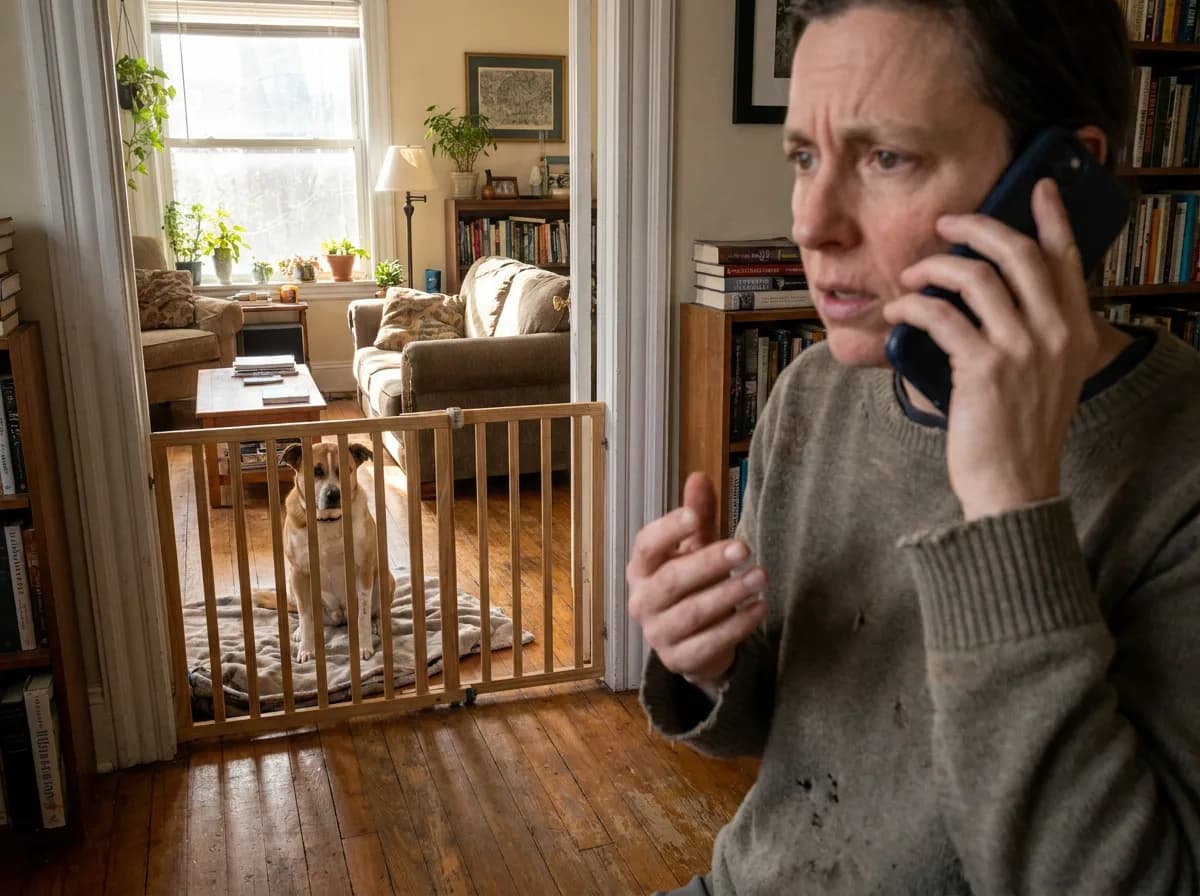
Witnessing a seizure, especially for first time, is a heart-stopping, panic-inducing event.
Your beloved pet is seizing uncontrollably, and you feel powerless to comfort them.
While you may not be able to stop it, what you do can either ensure the dog recovers more swiftly or (on the other side of the coin) make the seizure last longer. It’s all a matter of knowing what to do.
Neighbors in Need
Seizures were brought home (literally) to me a couple of weeks ago: Hubs, Pogs and I took a long weekend break in a dog-friendly cottage. We got on well with the neighbors, also there for a short break, and their 9-year-old Border Collie, Sully.
The 2 dogs shared garden area, with the older Sully patiently enduring the futile attempts of Pogs to get her to play. There was something lovely about being in a home-away-from-home with a built-in play pal for Pogs next door.
However, that bubble was soon burst with a frantic knock on the door early Sunday morning. Hubs answered the door -- it was our neighbors. Their dog was in the grip of a seizure and, knowing I was a vet, had called for help.
Superman Without His Superpowers
The dog had already regained consciousness, looking slightly dazed, but was asking for an early breakfast. Just as well -- being on vacation, I felt like Superman without his superpowers, with no drugs or equipment with me. I was only armed with knowledge.
Sully’s guardians, after being woken by the sound of their beloved dog thrashing around, were quite shaken. In a state of semi-shock, they had not known what to do and inadvertently did more harm than good by switching on the lights and trying to hold Sully still.
The problem was that their actions stimulated Sully. Bright lights, sounds and even touch all send signals to the highly sensitized brain, which responds to all this in an exaggerated way.

3 Basic Rules for Canine Seizures
So what should you do when the unexpected happens?
Rule 1: Keep the Dog Safe
Where is the dog? Are they liable to injure themselves during the seizure? Look for sharp or hard objects, such as table legs, or burn hazards, such as an electric fire. The dog won’t be aware of their surroundings, so you need to protect them from such harm.
Where possible, move the hazard away from the dog (as long as you can do this without making lots of noise). If this isn’t possible, then improvise: Place a cushion against a table leg, or fence the dog in with a duvet.
Only in the most extreme situations should you pick the dog up and move them -- for example, if they were seizing beside a sheer drop or near an open fire.
Rule 2: Keep Things Low-Key
Sounds, sights, smells and touch can all prolong a seizure.
Your priority is now to make the room as peaceful as possible by: Ushering everyone out of the room Turning off the TV or radio Dimming the lights Closing the curtains
- Avoiding stroking or soothing the dog; instead, standing back to monitor
- Staying calm
Rule 3: Time the Event
OK, this may sound strange, but it’s actually very helpful. Most seizures last a few minutes, but this can seem a lot longer when you’re witnessing it.
Timing the event gives the vet valuable information afterward, and it’s also helpful to film the fit on your phone for the vet to see later.
When to Phone the Vet
Most seizures last only a few minutes, so the vet is unlikely to get to you while the dog is seizing. Either have a friend in another room call the vet for helpor wait until the seizure is over to phone.
Status epilepticus is when the dog seizures continuously without coming out of the fit, and you should be suspicious of this if the seizure lasts longer than 5 minutes. The vet needs to know about this, so don’t hesitate to call if you haven’t already.
I'm happy to report that Sully recovered uneventfully and her guardians followed my advice to get her checked out. Now they give Sully medication to help her recover more quickly after seizures and are more confident about how to take care of her if it happens again.
This pet health content was written by a veterinarian, Dr. Pippa Elliott, BVMS, MRCVS. It was last reviewed Jan. 13, 2017.

Sign up for expert-backed reviews and safety alerts all in one place.
BVMS, MRCVS
Dr. Pippa Elliott, BVMS, MRCVS, is a veterinarian with nearly 30 years of experience in companion animal practice. Dr. Elliott earned her Bachelor of Veterinary Medicine and Surgery from the University of Glasgow. She was also designated a Member of the Royal College of Veterinary Surgeons. Married with 2 grown-up kids, Dr. Elliott has a naughty Puggle named Poggle, 3 cats and a bearded dragon.
Sign up for expert-backed reviews and safety alerts all in one place.