Safest Flea Treatment for Dogs: Vet Guide to Choosing
The safest flea treatment for dogs depends on your dog's age, weight, health history, lifestyle, and parasite risk. This vet-written guide compares oral chews, topicals, collars, and safer home cleanup steps.

BVMS, MRCVS

Petful is reader supported. As an affiliate of platforms like Amazon and Chewy, we may earn a commission when you buy through links on this page. There is no extra cost to you.
The safest flea treatment for dogs is the one matched to your dog's age, weight, health history, household, and local parasite risk, not simply the product with the strongest marketing claim. A healthy adult dog who hikes in tick country may be safest on a vet-prescribed oral chew, while a seizure-prone dog, a tiny puppy, or a dog living with cats may need a different plan.
This guide is built for the safety-choice searcher: you already know your dog needs flea and tick protection, and you want to avoid the wrong product. We will compare oral chews, topical spot-ons, collars, shampoos, and home-control products, then show when each option is safer, riskier, or worth a vet call first.
- 1There is no single safest flea treatment for every dog. Safety depends on age, weight, breed, health history, medications, pregnancy or nursing status, and exposure to fleas, ticks, heartworm, and intestinal parasites.
- 2Dose by the exact label weight band. Do not split, double, or guess doses, and never use a dog flea product on a cat.
- 3Isoxazoline chewables such as NexGard, Simparica, Bravecto, Credelio, and combo products are considered safe and effective for most dogs, but the FDA warns about possible neurologic adverse events in some pets.
- 4Topical spot-ons and collars can be good choices for many dogs, but label use matters: apply to skin, keep cats away from dog-only topicals, watch for skin reactions, and follow bathing instructions.
- 5Shampoos, flea combs, and home sprays are cleanup tools, not complete monthly prevention. The safest plan usually treats the dog, every pet in the home, and the environment on the same schedule.
- For most healthy adult dogs, the safest starting point is a veterinarian-guided flea and tick preventive matched to the dog's weight, lifestyle, and medical history. If tick, heartworm, or intestinal parasite coverage matters, your vet may recommend a prescription chew. If you need an OTC option, a correctly dosed topical spot-on or collar can be appropriate. For puppies, pregnant or nursing dogs, seizure history, sick dogs, dogs on other medications, or homes with cats, call your vet before buying.

Sign up for expert-backed reviews and safety alerts all in one place.
What Is the Safest Flea Treatment for Dogs?
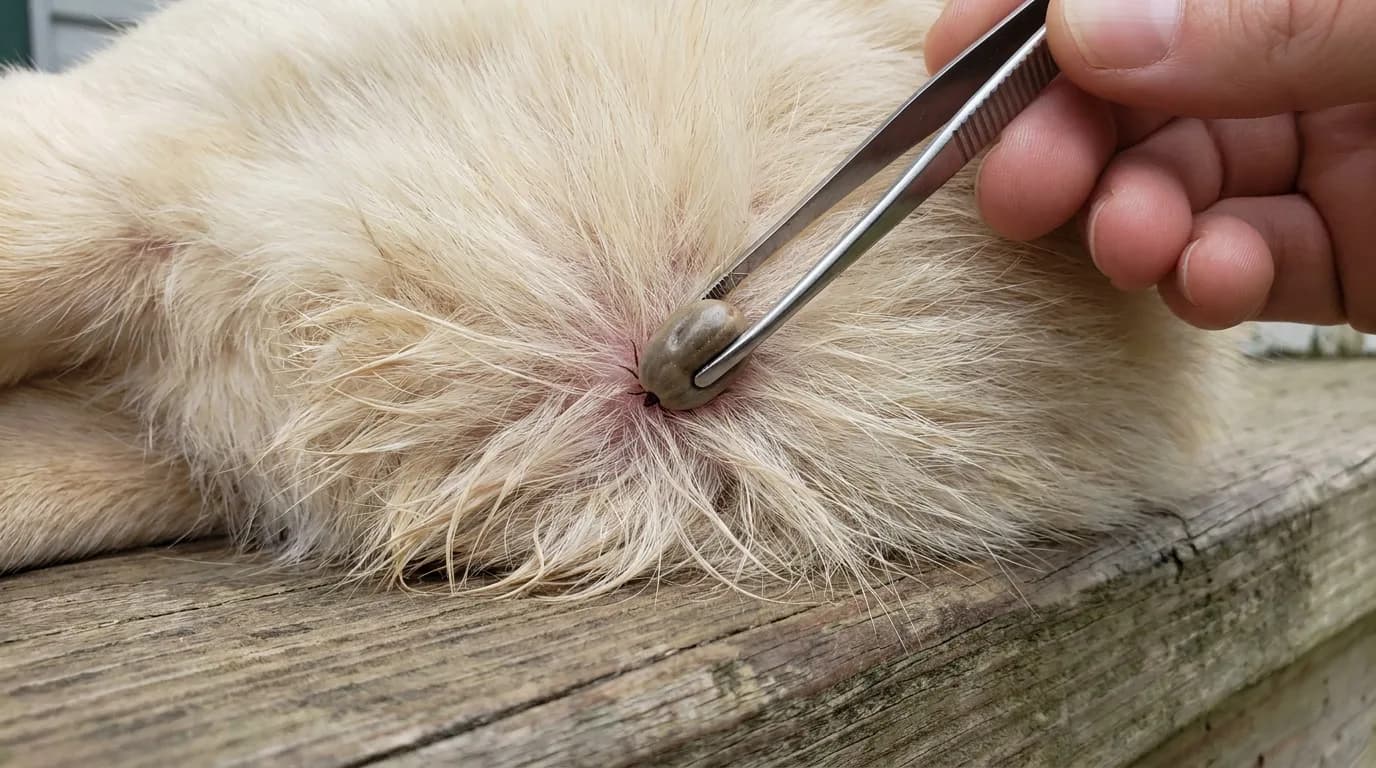
A safer flea plan starts by defining risk. Fleas are not just an itch problem: they can cause flea allergy dermatitis, anemia in heavy infestations, and tapeworm exposure when a dog swallows infected fleas. Ticks add another layer because dogs can bring ticks into the home and can develop tickborne disease days to weeks after a bite.
That is why the safest flea treatment for dogs is usually preventive, not reactive. If you wait until you see fleas, you may already have eggs, larvae, and pupae in carpets, bedding, cracks, and furniture. Prevention keeps the flea life cycle from taking over your home.
At the same time, stronger is not always safer. The safest product for a dog with frequent tick exposure may be different from the safest product for a couch-loving senior with a seizure history. The safest product in a cat-free home may be wrong in a house where a cat sleeps beside the dog.
Use the sections below as a decision guide, then confirm the plan with your veterinarian if your dog has any medical complexity.
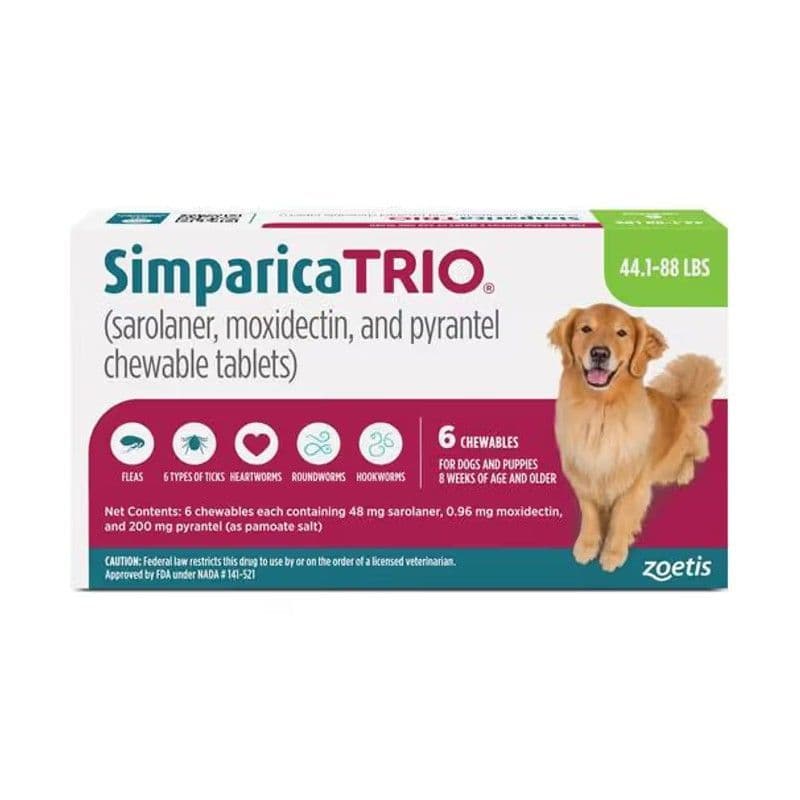
Prescription broad-spectrum chew for dogs who need flea, tick, heartworm, and intestinal parasite coverage in one vet-guided monthly dose.
Petful may earn a commission when you click through to Chewy, at no extra cost to you.
Start With Your Dog, Not the Product
PetMD's top-ranking guide is right that age, breed, lifestyle, health, and risk factors matter. The opportunity for Petful is to make that advice more useful at the decision point. Before choosing a box, walk through your dog's profile in this order.
| Dog or household factor | Safer starting point | Use extra caution |
|---|---|---|
| Healthy adult dog, average risk | Vet-recommended monthly preventive, OTC topical, or collar matched to weight | Do not mix products unless a vet or label says to |
| High tick exposure from woods, tall grass, hiking, hunting, or travel | Flea and tick product rather than flea-only product | Ask about regional tick diseases and Lyme vaccination |
| Seizure or neurologic history | Vet-guided choice after reviewing medical history | Discuss isoxazoline risks before NexGard, Simparica, Bravecto, or Credelio |
| Cat household | Cat-safe separation plan, or avoid dog-only permethrin products | Never apply dog products to cats and keep cats away from treated dogs until dry |
| Puppy or very small dog | Product labeled for exact age and minimum weight | Never estimate adult dosing or split a larger dose |
| Pregnant, nursing, sick, senior, or medicated dog | Veterinarian-selected product | Do not self-treat with stacked OTC products |
| Frequent swimming or bathing | Oral product or label-confirmed water-resistant option | Bathing too soon can reduce some topical products |
| Active home infestation | Treat every pet plus the home environment | Shampoo alone will not prevent reinfestation |
This matrix also protects against a common SEO trap: readers ask for the least toxic product, but toxicity is not just about a natural label. It is about the right ingredient, dose, species, route, age, and medical fit.
The practical question is not, 'Which product is strongest?' It is, 'Which product solves the real parasite risk with the fewest avoidable problems for this dog?' A dog with no tick exposure may not need the same coverage as a dog who hikes every weekend. A dog who swims daily may do better with an oral product than a topical that can be affected by bathing. A dog who sleeps beside cats may need a plan that avoids wet topical residue or uses strict separation.
That profile-first approach also helps avoid undertreatment. Fleas and ticks carry their own medical risks, so doing nothing is not the neutral option. The safest plan prevents parasites effectively while respecting the dog in front of you.

 Sponsored
Need flea, tick, or parasite care for your pet?
A licensed vet at Dutch can recommend the right preventive and prescribe it when it's appropriate. Annual members get 20% off their first flea and tick order.
Use code Pets60
Plans start at $12/month · covers up to 5 pets
- Licensed vets in most states
- Rx for 150+ conditions
- 4.7 on Trustpilot
Flea and Tick Product Types Compared
Most dog flea products fall into five practical categories: oral chewables, topical spot-ons, collars, shampoos, and environmental products. Each can be safe when used correctly, but each fails in different ways.
| Type | Best for | Safety notes | Common limits |
|---|---|---|---|
| Oral prescription chew | Dogs needing reliable flea and tick control, sometimes heartworm or intestinal parasite coverage too | Vet prescription helps match the product to health history and weight | Isoxazoline class needs seizure and neurologic history discussion |
| Topical spot-on | Dogs who cannot take pills or need OTC monthly protection | Apply to skin, not fur; choose exact weight band; keep cats away from dog-only products | Bathing, swimming, or misapplication can reduce results |
| Flea and tick collar | Long-lasting, hands-off prevention for dogs who tolerate collars | Fit matters; remove and call a vet if skin irritation or illness appears | Wrong size, counterfeit products, chewing, or close child contact can be problems |
| Flea shampoo or bath | Short-term adult flea knockdown during an active infestation | Follow age and repeat-use directions; avoid stacking pesticides casually | Not a complete monthly preventive |
| Home spray or environmental control | Breaking the flea life cycle in bedding, carpets, and furniture | Keep pets and children away until label directions allow return | Does not replace treating every pet |
If you want the broadest safety margin, avoid improvising combinations. More products at the same time can mean more exposure, not better protection. A vet can tell you whether a same-day bath, fast adulticide, monthly preventive, and home treatment can be safely combined for your dog.
Nitenpyram is the active ingredient in Capstar, an oral tablet used for quick adult-flea knockdown during an active infestation. It does not provide lasting prevention, so it belongs beside a longer-term preventive and home-cleanup plan your veterinarian says is safe.
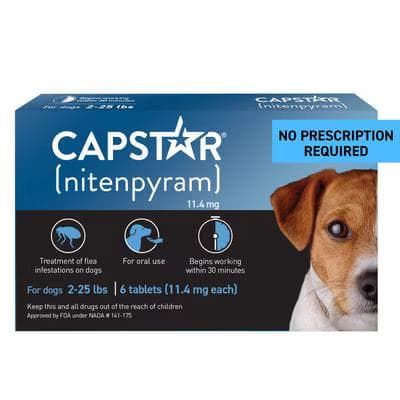
Fast OTC adult-flea knockdown for active infestations, useful while you build a longer-term prevention and home-cleanup plan.
Petful may earn a commission when you click through to Chewy, at no extra cost to you.
Ingredients and Product Classes to Know
You do not need to memorize chemistry to choose safely, but recognizing the major classes helps you compare labels and avoid accidental stacking.
| Product | Active ingredient(s) | Type | Rx needed? | Key safety notes |
|---|---|---|---|---|
| NexGard | Afoxolaner | Monthly chew | Yes | Isoxazoline class; FDA neurologic-event caution; labeled for dogs 8 weeks and older, 4 lb and up. |
| Bravecto | Fluralaner | 12-week chew | Yes | Isoxazoline class; FDA neurologic-event caution; standard chew is for dogs 6 months and older. |
| Simparica Trio | Sarolaner + moxidectin + pyrantel | Monthly chew | Yes | Isoxazoline class; FDA neurologic-event caution; Trio adds heartworm and intestinal parasite coverage. |
| Credelio | Lotilaner | Monthly chew | Yes | Isoxazoline class; FDA neurologic-event caution; combination versions add broader parasite coverage. |
| Comfortis / Trifexis | Spinosad; Trifexis adds milbemycin oxime | Monthly chew | Yes | Non-isoxazoline; vomiting is common with Trifexis; ask before combining with high-dose ivermectin. |
| Frontline Plus | Fipronil + (S)-methoprene | Monthly topical | No | Long-used OTC topical; labeled from 8 weeks; mild skin irritation can occur. |
| Advantage II | Imidacloprid + pyriproxyfen | Monthly topical | No | Flea-only, no tick coverage; labeled for dogs 7 weeks and older. |
| Revolution | Selamectin | Monthly topical | Yes | Adds heartworm prevention; label-dose macrocyclic lactones are generally the MDR1-safe zone, but confirm with your vet. |
| K9 Advantix II | Imidacloprid + permethrin + pyriproxyfen | Monthly topical | No | Repels ticks; never use on cats and keep cats away from treated dogs until dry. |
| Seresto | Imidacloprid + flumethrin | 8-month collar | No | EPA-reviewed with updated labeling; check fit, skin, and chewers regularly. |
| Capstar | Nitenpyram | Oral tablet | No | Fast adult-flea knockdown; lasts about a day; labeled from 4 weeks and 2 lb. |
- Two products in the same broad category may have different age limits, weight ranges, species warnings, tick coverage, bathing rules, and drug interactions. The exact label is the safety document.
When an Oral Prescription Chew May Be the Safest Choice
An oral prescription chew can be the safest flea and tick treatment for dogs when the dog needs reliable whole-body protection, the owner needs an easy monthly routine, or the household cannot safely manage topical residue. Because the drug is prescribed, your vet can check age, weight, heartworm status, medications, neurologic history, and regional parasite risk before choosing it.
This is also where safety language needs balance. The FDA isoxazoline fact sheet says products in this class are safe and effective for most dogs and cats, but it also alerts owners and veterinarians to possible neurologic adverse events, including tremors, ataxia, and seizures. Seizures can occur even in animals without a prior history, so your dog's full medical history matters.
Common prescription chewables include NexGard (afoxolaner), Simparica Trio (sarolaner, moxidectin, and pyrantel), Bravecto (fluralaner), and Credelio (lotilaner). Some kill only fleas and ticks. Others combine flea and tick prevention with heartworm and intestinal parasite protection. That broader coverage can be a safety advantage for the right dog, but only if the dog is a proper candidate.
- Call your veterinarian first if your dog has ever had seizures, tremors, ataxia, unexplained neurologic signs, severe illness, drug reactions, or if your dog is pregnant, nursing, very young, very small, or taking other medications.
When a Topical Spot-On May Be Safer
A topical spot-on may be safer when a dog cannot take oral medications, when an owner wants an OTC monthly option, or when a vet prefers to avoid a systemic chew for that specific dog. Topicals can be effective, but most safety problems come from using the wrong product for the wrong animal.
The EPA's pet flea and tick guidance emphasizes label directions: use the product only on the species and weight range named on the package, apply only the listed amount, and do not use on puppies unless the label allows it. That is not fine print. It is the dose-control system.
Cat households deserve special attention. Permethrin combinations such as K9 Advantix II can be useful dog-only topicals for some tick and mosquito risks, but permethrin and related pyrethroids can be highly dangerous to cats. If you have cats, choose products with your vet's help, keep treated dogs separated until the product is dry, and never apply any dog product to a cat.
Fipronil topicals such as Frontline Plus and PetArmor Plus are OTC spot-on examples for dogs who do better without oral chews. Match the exact weight band, apply them to skin, and follow bathing and cat-separation directions.
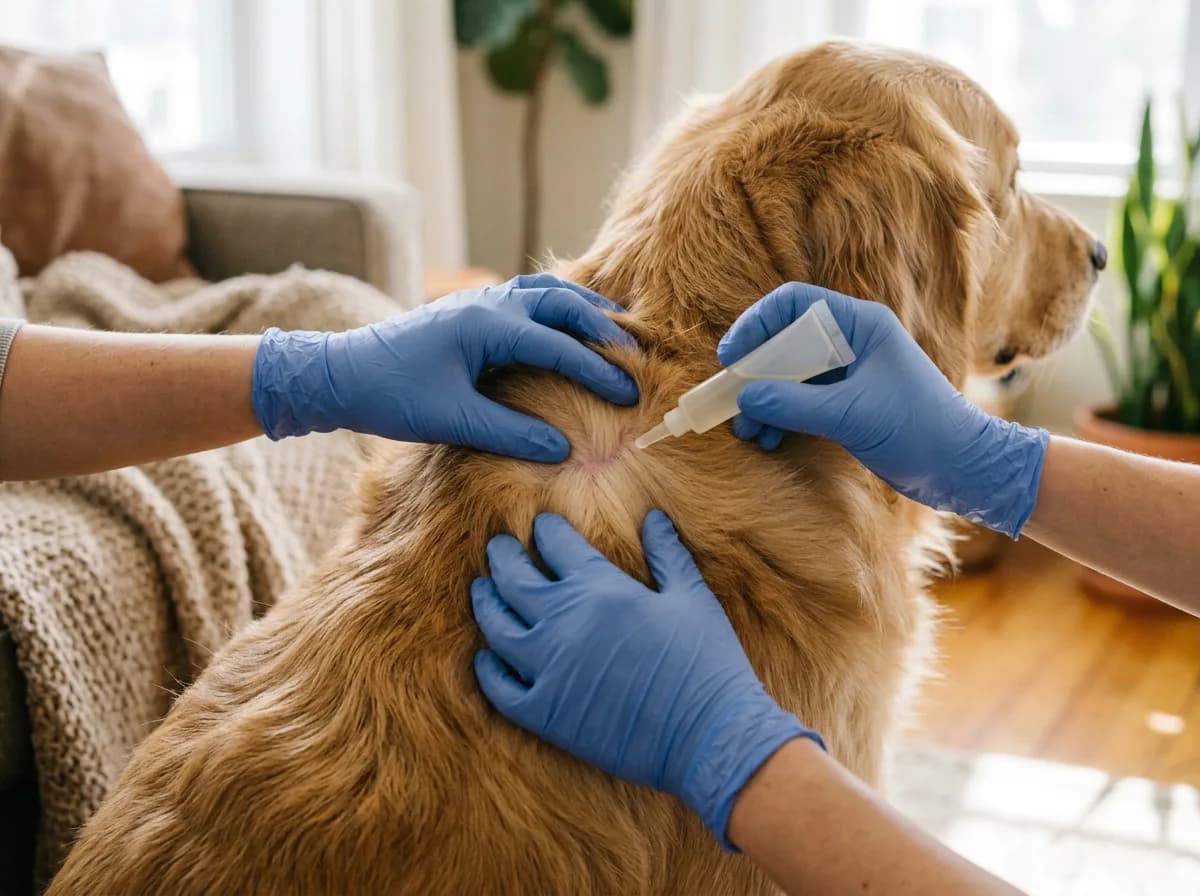
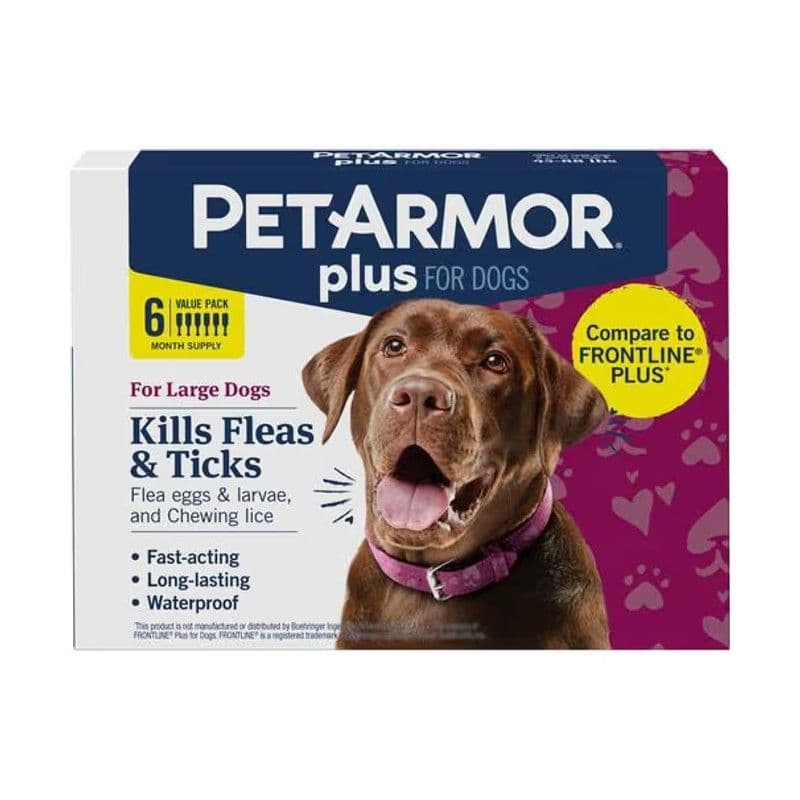
Budget OTC topical option for large dogs when a no-prescription monthly spot-on fits the dog's weight band and household safety needs.
Petful may earn a commission when you click through to Chewy, at no extra cost to you.
When a Flea and Tick Collar Makes Sense
A flea and tick collar can be a safer practical choice for owners who forget monthly dosing, dogs who resist pills or topicals, or households that need longer-duration protection. The big advantage is adherence: a collar that stays on and is tolerated may protect better than a monthly product that gets missed.
Collar safety depends on fit, authenticity, and monitoring. Use the correct size and weight version. Leave the fit loose enough that it is comfortable but not so loose that the dog can chew it. Check the neck regularly for redness, hair loss, sores, odor, or itchiness, and remove the collar if your dog appears sick or irritated after starting it.
Seresto is an 8-month flea and tick collar option for dogs when a long-duration format fits the household. Buy collars from a reputable retailer because counterfeit flea collars can look convincing while the active ingredients, dose, or release system are not genuine.
Collars also need household common sense. If young children handle the dog constantly, if another pet chews collars, or if your dog has sensitive neck skin, discuss whether a collar is the right format. For some families, a monthly chew or carefully applied topical is easier to control.

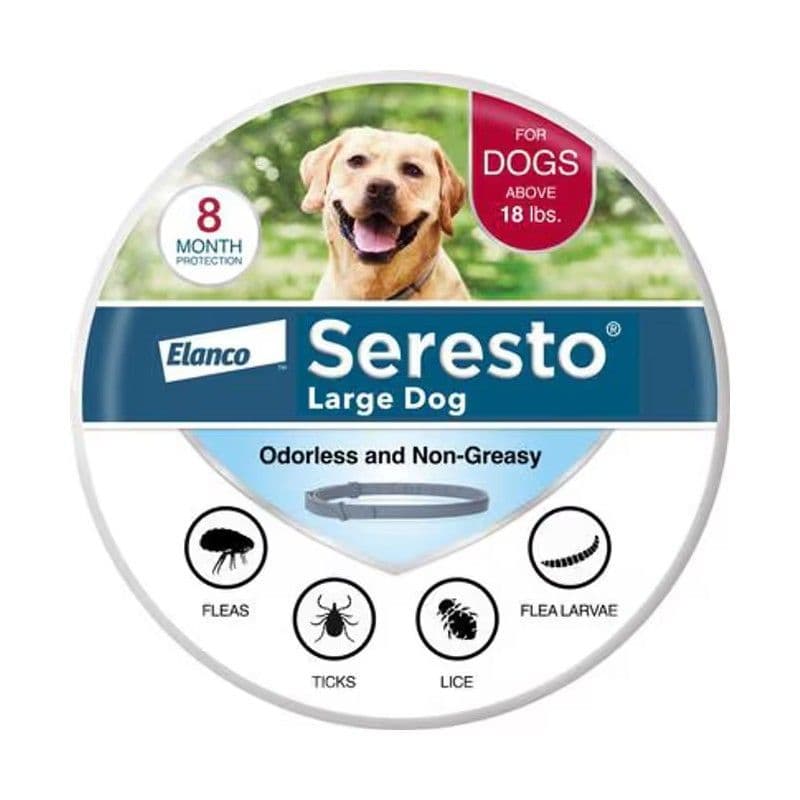
Long-lasting OTC collar option for dogs over 18 pounds when an 8-month flea and tick format fits the dog's lifestyle.
Petful may earn a commission when you click through to Chewy, at no extra cost to you.
Natural, Non-Toxic, and Home Remedy Claims
Search results for this topic often swing between two extremes: prescription products are treated as automatically safest, or natural products are treated as automatically non-toxic. Neither shortcut is reliable.
The least toxic flea treatment for dogs is the lowest-risk effective plan for that dog. Sometimes that is a prescription chew because it prevents ticks and heartworm exposure without topical residue. Sometimes it is an OTC topical because a systemic chew is not the best fit. Sometimes the safest immediate step is a flea comb and a gentle bath while you wait for a vet appointment.
Flea combs and baths can remove or kill adult fleas on contact, but they do not protect your dog next week. Essential-oil sprays, powders, garlic, and internet home remedies can irritate skin, cause stomach upset, or create risks for cats in the same home. Natural does not mean harmless.
If your dog already has fleas and needs a bath, choose a labeled pet product, follow the age and repeat-use instructions, and do not layer shampoo, topical, collar, and spray on the same day unless the label or your veterinarian says the combination is safe.
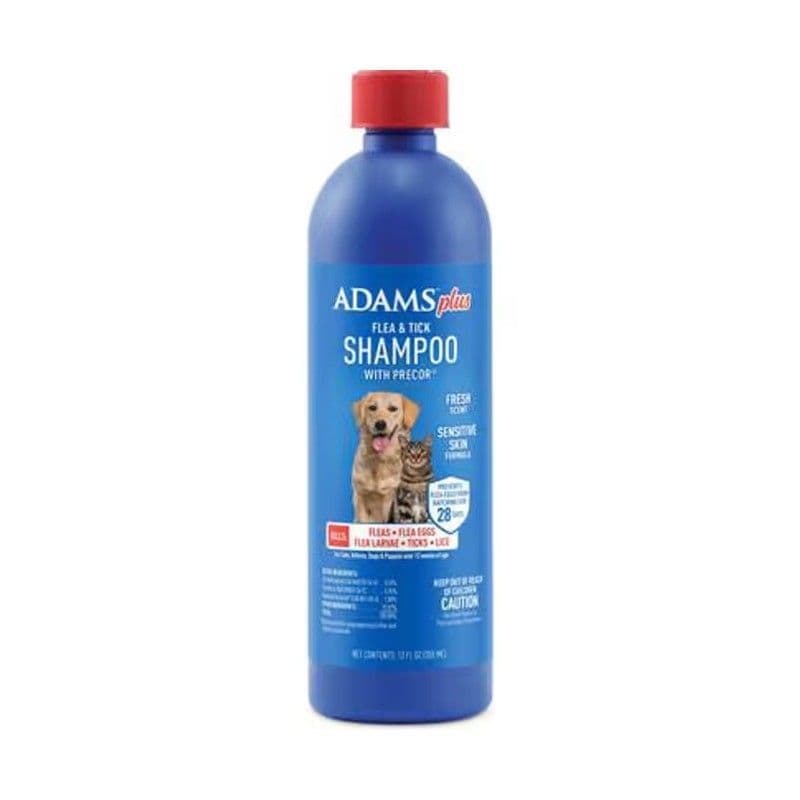
Sensitive-skin shampoo support for active flea cleanup, best used as short-term relief rather than a complete prevention plan.
Petful may earn a commission when you click through to Chewy, at no extra cost to you.
On-pet treatment only solves part of the problem. See best flea spray for the house and best flea treatment for the yard for the environmental half.
Cat Households, Puppies, and High-Risk Dogs
The highest-risk safety mistakes happen in households that are more complicated than the front of the box assumes. A dog product in a cat household, an adult dose used on a puppy, or a pesticide product layered onto an already medicated senior can turn a routine purchase into an emergency.
For puppies, follow the exact minimum age and weight on the label. Product labels vary. One product may be allowed at 8 weeks and a specific minimum weight, while another in a similar category may require an older or heavier puppy. Do not split a large-dog dose to make a puppy dose.
For pregnant or nursing dogs, sick dogs, seniors, dogs with liver or kidney disease, dogs with a history of reactions, and dogs taking multiple medications, the safest route is veterinary selection. The product may still be simple, but the decision should not be guesswork.
- Never put a dog flea or tick product on a cat. If a dog product label warns against cat exposure, keep cats away from the treated dog until the product is fully dry and follow the label's separation instructions.
 Sponsored
Vet care that's always there
Unlimited video calls and messaging with licensed vets for less than a typical vet visit. One membership covers up to five pets.
Use code Pets60
Plans start at $12/month · covers up to 5 pets
- Licensed vets in most states
- Rx for 150+ conditions
- 4.7 on Trustpilot
Build a Safer Year-Round Prevention Plan
The Companion Animal Parasite Council recommends year-round broad-spectrum parasite control guided by veterinarians, including protection against heartworm, intestinal parasites, fleas, and ticks. That matters because parasite risk is not limited to the day you notice scratching.
The CDC's tick guidance for pets notes that dogs can get tickborne diseases and bring ticks into the home, and signs may not appear for 7 to 21 days or longer after a tick bite. In tick regions, a flea-only product may leave a major safety gap.
After walks in tick habitat, a TickCheck tick removal kit can help remove attached ticks cleanly, but it does not replace a preventive matched to your dog's risk.
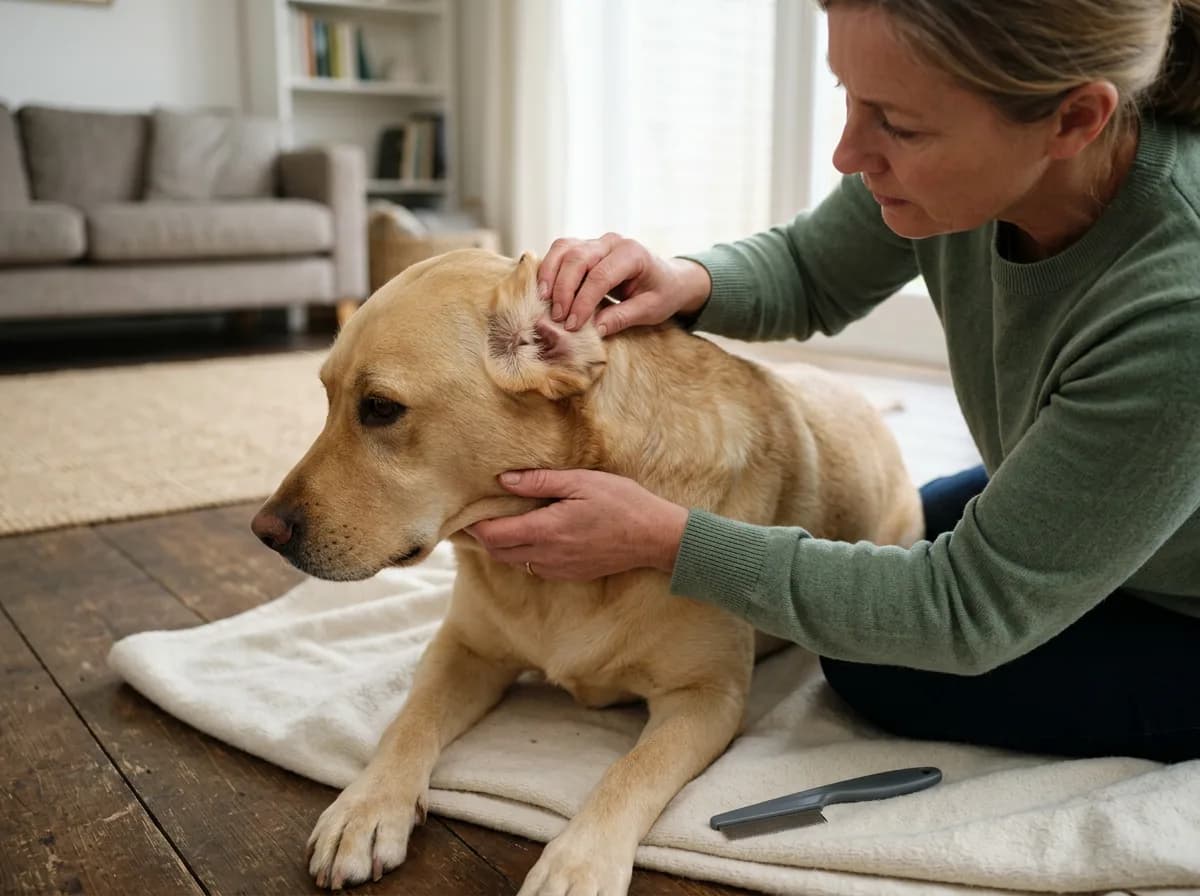
A safer prevention plan has four parts. First, choose the dog product. Second, treat every pet in the home with species-appropriate products. Third, clean the environment by washing bedding, vacuuming, and treating problem areas when needed. Fourth, repeat on schedule so the flea life cycle cannot restart.

If you are already seeing fleas, pair this article with Petful's step-by-step guides to getting rid of fleas on dogs, fast adult flea knockdown, and clearing fleas from the house. If your question is specifically OTC shopping, see our guide to flea medicine for dogs without a vet prescription.
Buying Checklist: How to Choose More Safely
Before you put any flea product in your cart, run this checklist. It catches the common mistakes that create most avoidable reactions.
- Match the product to dogs, not cats, and to your dog's exact weight band.
- Check the minimum age and minimum weight, especially for puppies and toy breeds.
- Decide whether you need ticks covered. Flea-only products are not enough for every region.
- If you are considering a budget OTC topical such as PetArmor Plus, confirm the exact dog weight band and keep cats away from treated dogs until the product is dry.
- If you use Adams Plus Sensitive Skin shampoo for short-term cleanup, treat it as bath support rather than your dog's full monthly prevention plan.
- Tell your vet about seizure history, neurologic signs, pregnancy, nursing, illness, allergies, and current medications.
- Avoid stacking products unless the label or veterinarian confirms the combination is safe.
- Buy from reputable retailers and avoid suspiciously cheap imported or unregistered products.
- Keep the package until the next dose, so you can show your veterinarian the active ingredients if a reaction occurs.
For a deeper comparison of the main product families, Petful's complete flea treatment for dogs guide covers prescription and OTC choices in more detail.
Safer Choices by Common Dog Scenario
Because safety changes with context, the same product can be a smart fit for one dog and a poor fit for another. These scenarios are not prescriptions, but they show how to think through the decision before you buy.
| Scenario | Usually worth discussing | Why it may be safer |
|---|---|---|
| Dog hikes, camps, hunts, or visits tall grass | A true flea-and-tick preventive, often a prescription chew or proven topical/collar | Tick exposure is a core risk, so flea-only coverage may leave the dog underprotected |
| Dog has a seizure history or unexplained tremors | Veterinarian-selected non-isoxazoline or carefully risk-reviewed product | Medical history matters more than convenience when neurologic side effects are a concern |
| Dog lives with cats | Vet-guided product selection and strict separation plan for any topical | Dog-only ingredients and wet topical residue can create serious cat safety risk |
| Dog swims or gets frequent baths | Oral prevention or a label-confirmed water-resistant option | Bathing can interfere with some topical products if timing rules are not followed |
| Owner forgets monthly doses | Long-duration collar or reminder-supported monthly chew | A slightly imperfect product used consistently can be safer than a stronger product missed repeatedly |
| Dog has sensitive skin | Oral product or a topical/collar selected after skin history review | Spot-ons and collars can irritate some dogs, so the route matters |
The safest choice is often the one that removes the biggest real-world failure point. If your dog will not swallow pills, a chew is not safe in practice because it will not be used. If your dog sleeps curled up with a cat, an easy topical may create more household risk than it solves. If you forget monthly doses, an 8-month collar or calendar-backed prescription may prevent more parasites than an ideal product left in a drawer.
This is also why year-round prevention can be safer than seasonal guessing. Fleas can live indoors, warm weather can start earlier than expected, and travel can move a dog into a new parasite zone. A vet-guided baseline plan, reviewed at annual visits or before travel, reduces last-minute emergency treatment and accidental product stacking.
How to Monitor After the First Dose
After starting any new flea or tick product, watch your dog closely for the first day and then check skin and behavior over the next week. Mild temporary scratching can happen when fleas start dying, but worsening itch, redness, vomiting, lethargy, drooling, tremors, wobbliness, or seizures should be treated as a reason to call your veterinarian.
For topicals, check the application site the next day and again several days later. The skin should not become raw, swollen, painful, or foul-smelling. For collars, check the neck every few days at first, especially under thick coats. For oral products, keep a note of the date, brand, dose range, and any symptoms so your vet can decide whether the timing fits a possible adverse reaction.
If you suspect a reaction, do not immediately add a second flea product to 'fix' the first one. Call your vet, save the packaging, and ask whether bathing, removal, observation, or urgent care is appropriate. Reporting suspected adverse events also helps regulators and manufacturers track safety signals over time.
If the first dose goes smoothly, set the next reminder before you throw the box away. Many flea failures are missed-dose failures, not product failures. Keep the label photo, your dog's current weight, and the next due date in the same place so the safety check repeats every month.
When to Call Your Vet Before Buying
Call your veterinarian before choosing a flea product if your dog is under the label minimum age or weight, pregnant, nursing, sick, senior, taking other medications, or has a history of seizures, tremors, neurologic signs, skin reactions, severe flea allergy, anemia, or heavy infestation.
Also call if your dog vomits repeatedly, collapses, develops tremors or seizures, seems disoriented, drools heavily, has severe skin irritation, or worsens after a flea product. Bring the package or send your vet a photo of the label, active ingredients, lot number, and dose range.
If the problem is not just one dog but the entire house, ask your vet or a licensed pest professional how to coordinate pet treatment with home treatment. Treating the home while leaving one pet unprotected, or treating the dog while ignoring bedding and carpets, is how infestations keep returning.
Finally, call before changing products if the last one seemed to fail. Apparent resistance can be a true product problem, but it can also be missed doses, wrong weight band, bathing too soon after a topical, untreated cats or dogs in the home, or flea pupae continuing to hatch from carpets and bedding. A quick history can prevent you from adding unnecessary pesticide exposure when the real fix is schedule, environment, or product fit.
Sources Used for Safety Guidance
This article relies on current guidance from regulators and veterinary parasite organizations rather than brand claims alone.
Frequently Asked Questions
The safest flea treatment for dogs is the product matched to your dog's age, weight, health history, lifestyle, and household. For many healthy adult dogs, that is a vet-recommended monthly preventive. For dogs with seizure history, puppies, pregnant or nursing dogs, sick dogs, or cat households, ask a veterinarian before choosing.
The safest flea and tick treatment is one that covers the parasites your dog is likely to meet without adding unnecessary risk. Dogs exposed to ticks often need a true flea-and-tick product, not a flea-only product. Your vet can help choose between an oral chew, topical spot-on, or collar.
Avoid any product that is not labeled for dogs, not labeled for your dog's weight, expired, counterfeit, imported without U.S. labeling, or meant for a different species. Avoid stacking products unless the label or your veterinarian says it is safe. In cat households, be especially careful with dog-only permethrin products.
The least toxic choice is the lowest-risk effective product for your specific dog. That may be a prescription oral product, an OTC topical, a collar, or a temporary comb-and-bath plan while your vet advises. Natural labels do not guarantee safety, and under-treating fleas or ticks also carries health risk.
No flea treatment is completely non-toxic in every context. The safest non-drug steps are a flea comb, washing bedding, and vacuuming, but those do not replace prevention. If you want fewer pesticide exposures, ask your vet which proven product gives your dog the right coverage with the least unnecessary overlap.
Veterinarians often recommend year-round flea and tick prevention matched to local parasite risk. For many dogs, that means a prescription oral chew or a proven topical or collar. CAPC recommends year-round broad-spectrum parasite control guided by veterinarians.
NexGard is a prescription oral isoxazoline chew, while Frontline Plus is an OTC topical. Neither is automatically safer for every dog. NexGard may be more convenient and avoids topical residue, but dogs with seizure history need a vet discussion. Frontline may fit some dogs better, but it must be applied correctly and matched to weight.
Flea collars can be safe for many dogs when the genuine product is used at the correct size and fitted properly. Check the neck often, stop use if irritation or illness appears, and keep dogs from chewing collars. Ask your vet before using one on puppies, sick dogs, or dogs with past reactions.
For healthy adult dogs, effective OTC choices include fipronil-based topical products, other labeled spot-ons, the Seresto collar, and fast nitenpyram tablets for short-term adult flea knockdown. The best no-prescription choice depends on weight, tick exposure, cat exposure, and whether you need monthly prevention or fast relief.
You can treat a dog in a cat household, but you must choose carefully. Never use a dog product on a cat. If the dog product warns about cats, keep cats away from the treated dog until the product is dry and follow all label separation instructions. Ask your vet for the safest household plan.
No product kills every flea stage instantly, but nitenpyram tablets can start killing adult fleas quickly, and flea baths or combing can kill adult fleas on contact. These are short-term knockdown tools, not full prevention, so follow with a labeled preventive and home cleanup plan.
Many dogs should use year-round prevention because fleas can survive indoors and tick risk varies by region and season. CAPC recommends year-round broad-spectrum parasite control guided by veterinarians. Your vet can adjust the plan for your climate, travel, and dog lifestyle.
BVMS, MRCVS
Dr. Pippa Elliott, BVMS, MRCVS, is a veterinarian with nearly 30 years of experience in companion animal practice. Dr. Elliott earned her Bachelor of Veterinary Medicine and Surgery from the University of Glasgow. She was also designated a Member of the Royal College of Veterinary Surgeons. Married with 2 grown-up kids, Dr. Elliott has a naughty Puggle named Poggle, 3 cats and a bearded dragon.
Sign up for expert-backed reviews and safety alerts all in one place.