Anaplasmosis in Cats and Dogs
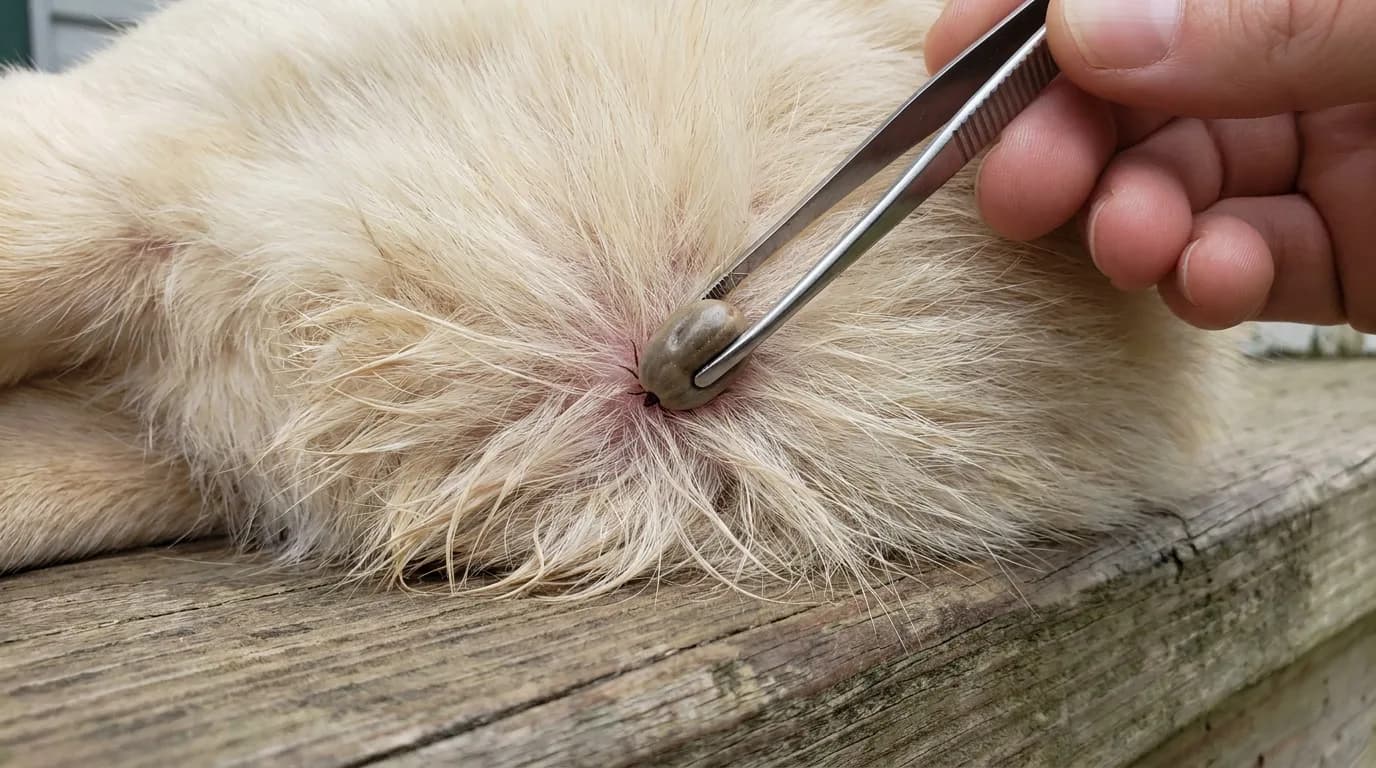
In anaplasmosis, a tick feeds off the blood of an infected cat or dog, and then feeds on another animal to transfer the infection.

BVMS, MRCVS


Anaplasmosis is a mild infection that is easily treated with an oxytetracycline antibiotic.
The organism causing it, Anaplasma phagocytophilum
, cannot be passed directly between animals. Instead, it requires a tick to bite an infected mammal and then off of the blood of another animal for the latter to become infected.
Anaplasmosis can potentially spread to people, but the incidence of dogs or cats acting as reservoirs of infection for humans is not known.

 Sponsored
Have a health question about your pet?
Talk to a licensed vet at Dutch over video or message, including nights and weekends.
Use code Pets60
Plans start at $12/month · covers up to 5 pets
- Licensed vets in most states
- Rx for 150+ conditions
- 4.7 on Trustpilot
Symptoms
The good news is that anaplasmosis is a fairly mild disease and no deaths have been reported because of this condition. Some animals test positive for it while not actually being ill, so it does not necessarily cause illness in all animals.
After a bite from an infected tick, the incubation period is about 1 to 2 weeks. If the pet becomes ill, the symptoms are usually fever and swollen sore joints, the latter of which causes the animal to limp. The signs are usually related to stiffness and soreness and may include general lethargy and reduced appetite.
Causes
Anaplasmosis can infect most mammalian species, including cats, dogs and humans, but it requires a tick intermediate host to transfer it between animals.
This means a tick has to feed off the blood of an infected dog, and then feed on another animal to transfer infection. The go-between is a tick from the Ixodes
family, and these are widespread throughout Europe and in the northwest and southern U.S. states.
Diagnosis
During the active infection phase, the morulae (balls of dividing cells that are part of the life cycle) can be seen inside some of the white blood cells. The best time to catch this part of the cycle is during the fever phase of the infection.
Various blood tests can detect the body’s immune response to Anaplasma
and hence prove the animal has had contact with the parasite. However, a positive blood test does not mean the animal is sick or if the pet is sick that this is because of Anaplasma
. All that a single positive blood test can do is show exposure.
Also, a single negative sample does not mean the animal is not sick from anaplasmosis because the sample could have just been taken so early in the infection that the immune system had yet to register its presence.
To confirm that an active infection is taking place, 2 blood samples need to be tested 2 to 4 weeks apart. A 4-fold rise in antibody levels in the blood stream indicates an active infection.
 Sponsored
Vet care that's always there
Unlimited video calls and messaging with licensed vets for less than a typical vet visit. One membership covers up to five pets.
Use code Pets60
Plans start at $12/month · covers up to 5 pets
- Licensed vets in most states
- Rx for 150+ conditions
- 4.7 on Trustpilot
Treatment
Many animals test positive for anaplasmosis and yet are not ill. It is debatable whether these pets should be treated or not.
For those who are ill, an antibiotic from the oxytetracycline family is highly effective and cases usually start improving within 24–48 hours. It is advisable, however, to treat a confirmed case with a 4-week course of antibiotics to be 100% sure the infection doesn’t flare up once treatment stops.
Prevention
This is a tick-transmitted disease, so control of ticks helps vastly reduce the risk of infection.
Also, even if using regular and effective tick control, ticks may still bite. With this in mind, check your pet for ticks every day and remove any you find (it takes 24–48 hours for anaplasmosis to be transferred from tick to pet, so prompt removal is an effective preventative measure).
References
- “Canine granulocytic anaplasmosis: a review.” Carrade, Foley, Borjesson & Sykes. JVIM, 23: 1129–1141.
- “Anaplasma phagocytophilum -- the most widespread tick-borne infection in animals in Europe.” Stuen. Vet Res Commun, 31: 79–84.

This pet health content was written by a veterinarian, Dr. Pippa Elliott, BVMS, MRCVS. It was last reviewed Dec. 17, 2018.

Sign up for expert-backed reviews and safety alerts all in one place.
BVMS, MRCVS
Dr. Pippa Elliott, BVMS, MRCVS, is a veterinarian with nearly 30 years of experience in companion animal practice. Dr. Elliott earned her Bachelor of Veterinary Medicine and Surgery from the University of Glasgow. She was also designated a Member of the Royal College of Veterinary Surgeons. Married with 2 grown-up kids, Dr. Elliott has a naughty Puggle named Poggle, 3 cats and a bearded dragon.
Sign up for expert-backed reviews and safety alerts all in one place.