Anal Sac Glands in Dogs: A Big Pain in the Butt
Scooting, licking, or a fishy smell can mean the anal sac glands in dogs are full, impacted, or infected. A veterinarian explains what the sacs do, the signs, the four conditions, treatment, and how diet helps.
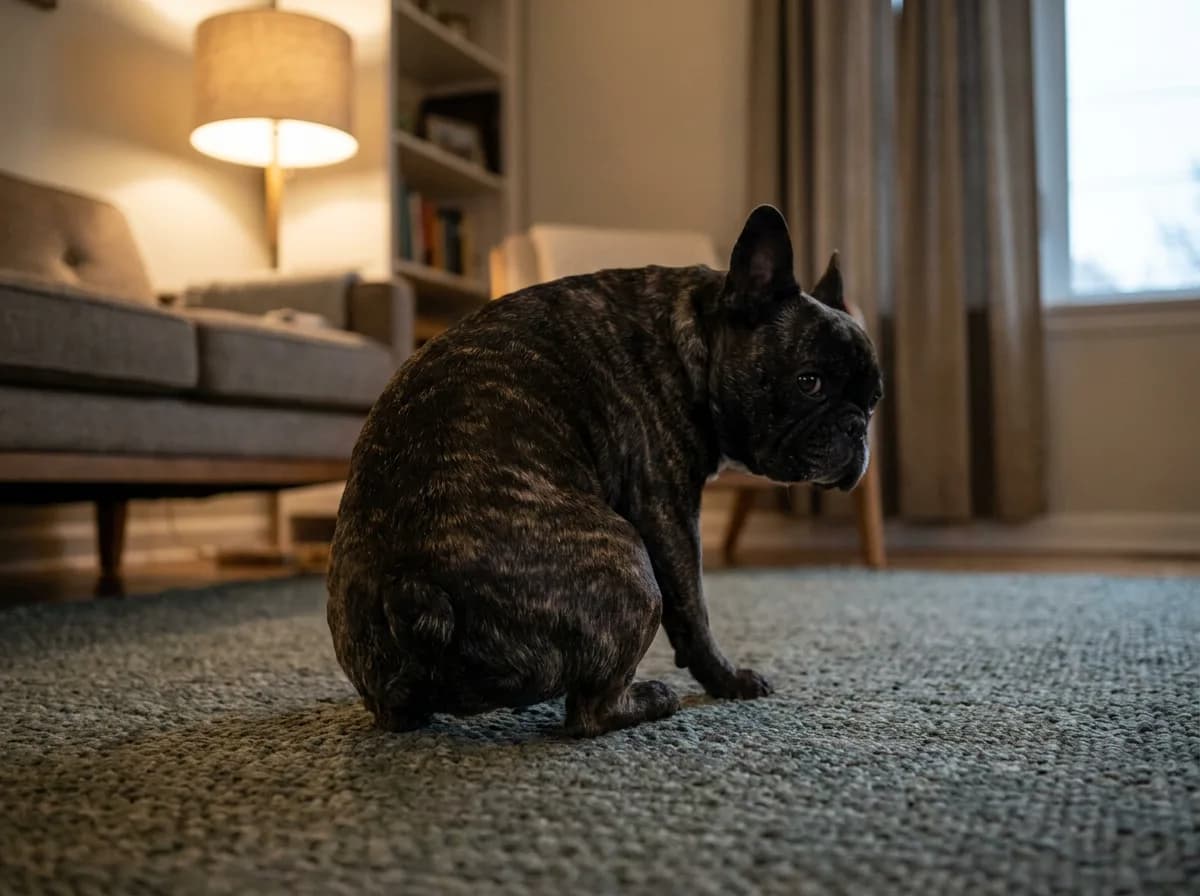
A brindle French bulldog sits on a gray-green woven rug in a lamp-lit living room and looks back over its shoulder toward its rear.
Petful is reader supported. As an affiliate of platforms like Amazon and Chewy, we may earn a commission when you buy through links on this page. There is no extra cost to you.
Anal sac glands in dogs are two small scent pouches tucked just inside the anus, and in most dogs they fill and empty quietly for a lifetime. When they stop emptying, dog anal glands become one of the most common reasons I see a dog scooting, licking, or trailing a fishy smell through the house. This guide explains what the sacs do, what goes wrong, and what your veterinarian can do about it.
Anal glands in dogs get impacted, inflamed, infected, and occasionally cancerous, and each looks a little different from the outside. Cat owners, the cat anal glands guide covers your species.
- 1The anal sacs are two pea-sized scent pouches at the 4 and 8 o'clock positions inside the anus that empty a little with every firm stool
- 2Most dogs never need them expressed, and healthy sacs are best left alone
- 3Persistent scooting, licking, or a fishy smell means the sacs are full or inflamed and deserve a vet check
- 4See the vet for swelling or blood beside the anus the same day, because that usually means an abscess

Sign up for expert-backed reviews and safety alerts all in one place.
What Are Anal Sac Glands in Dogs?
Dog anal glands are two pea-sized sacs that sit just inside the anus at the 4 and 8 o'clock positions, one on each side. Their lining is made of apocrine glands that produce a foul, oily fluid, and the sacs store it until the pressure of a firm stool squeezes a little out during defecation. VCA Animal Hospitals describes them as two small pouches on either side of the anus. Owners call them rectal glands or butt glands, vets say canine anal sacs, and both sexes have them: female dog anal glands and male dog anal glands are built the same way and cause the same trouble.
So what are anal glands for? Scent. The fluid is your dog's calling card, marking territory and telling other dogs who was here. Imagine tiny balloons filled with dead-fish perfume emptying onto an already smelly poop, and you have the picture.
Do dogs express their glands when they poop? Normally, yes, and that is the whole system. A healthy dog anus needs no help from you, your groomer, or, in my view, your veterinarian. Trouble starts when the stool is too soft to press the sacs, the duct narrows, or the fluid thickens.
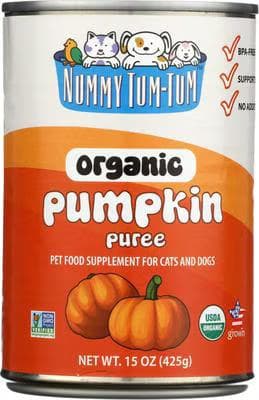
Pure USDA-organic pumpkin puree, no fillers or additives. Adds gentle soluble fiber to firm up loose stool and settle a mildly upset stomach. A simple vet-favorite topper.
Petful may earn a commission when you click through to Chewy, at no extra cost to you.
What Comes Out When Dog Glands Are Expressed?
Normal dog anal sac fluid is thin, watery, and brown, sometimes a yellowish tan, with a fishy smell owners describe as rotten fish or old metal. Normal secretion is thin, watery, and brown; if a vet expressed the sacs and that is what appeared, the sacs were full, not diseased. What worries me is a change. Thick, gritty paste means impaction. Cloudy, green, or yellow discharge with a sour smell means infection. Blood or pus in the fluid means a same-day vet visit, because the sac is abscessed or, rarely, hiding a mass. The secretion comparison below lines up the color, consistency, and smell of each result with the next action it calls for, so you can match what the vet expressed to what should happen next.
| What came out | Color and consistency | Smell | Meaning and next action |
|---|---|---|---|
| Normal fluid | Thin brown fluid, watery, tan to brown | Fishy, strong but familiar | Normal full sacs; leave them alone and do not schedule routine expression |
| Impaction | Thick, gritty paste, dark brown to gray, hard to express | Fishy and stale | Impacted sacs; vet expression and a look at stool quality and weight |
| Infection (sacculitis) | Cloudy, yellow, or green fluid, sometimes streaked pink | Sour or foul beyond the usual fish | Infected sacs; vet visit this week for flushing and medication |
| Blood or pus | Red, bloody, or creamy pus, often with a swelling or open sore beside the anus | Rotten | Abscess or possible tumor; same-day vet visit |
 Sponsored
Want a vet's take on your dog's upset stomach?
Talk to a licensed vet at Dutch over video, often the same day. They can recommend treatment and prescribe it when it's appropriate.
Use code Pets60
Plans start at $12/month · covers up to 5 pets
- Licensed vets in most states
- Rx for 150+ conditions
- 4.7 on Trustpilot
Signs of Anal Gland Problems in Dogs
How do dogs act when their glands are full? They scoot. The butt-rub shuffle across your carpet looks funny until you realize the dog is trying to relieve pressure on a sore spot. Dog butt glands that are full or inflamed also make a dog lick or chew under the tail, sit down suddenly and spin to look at the rear, or clamp the tail low.
The smell is the other giveaway: a dog leaking anal glands leaves small brown smears on bedding and carries a fishy odor no bath removes for long. Stinky dog glands are the most common reason an owner tells me the dog smells bad and they cannot find where.
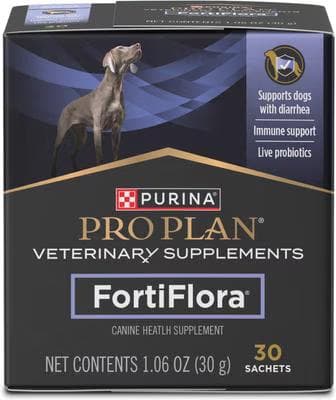
The #1 vet-recommended probiotic for dogs. Daily powder sachets with live probiotics support healthy digestion and firmer stools, and can help dogs coping with diarrhea or GI upset.
Petful may earn a commission when you click through to Chewy, at no extra cost to you.
Here is how to tell if a dog's anal glands are full versus already diseased:
- Full but healthy: occasional scooting, a fishy smell after a startle, and a dog who otherwise eats, poops, and plays normally.
- Impacted: scooting and licking that continue for days, and a dog with a sore butt who dislikes being touched near the tail.
- Infected or abscessed: the dog's glands feel swollen or hot on one side, the skin beside the anus is red or purple, the dog strains or cries when pooping, and you may see blood or pus on the fur. Fever and a lost appetite mean the infection is no longer local.
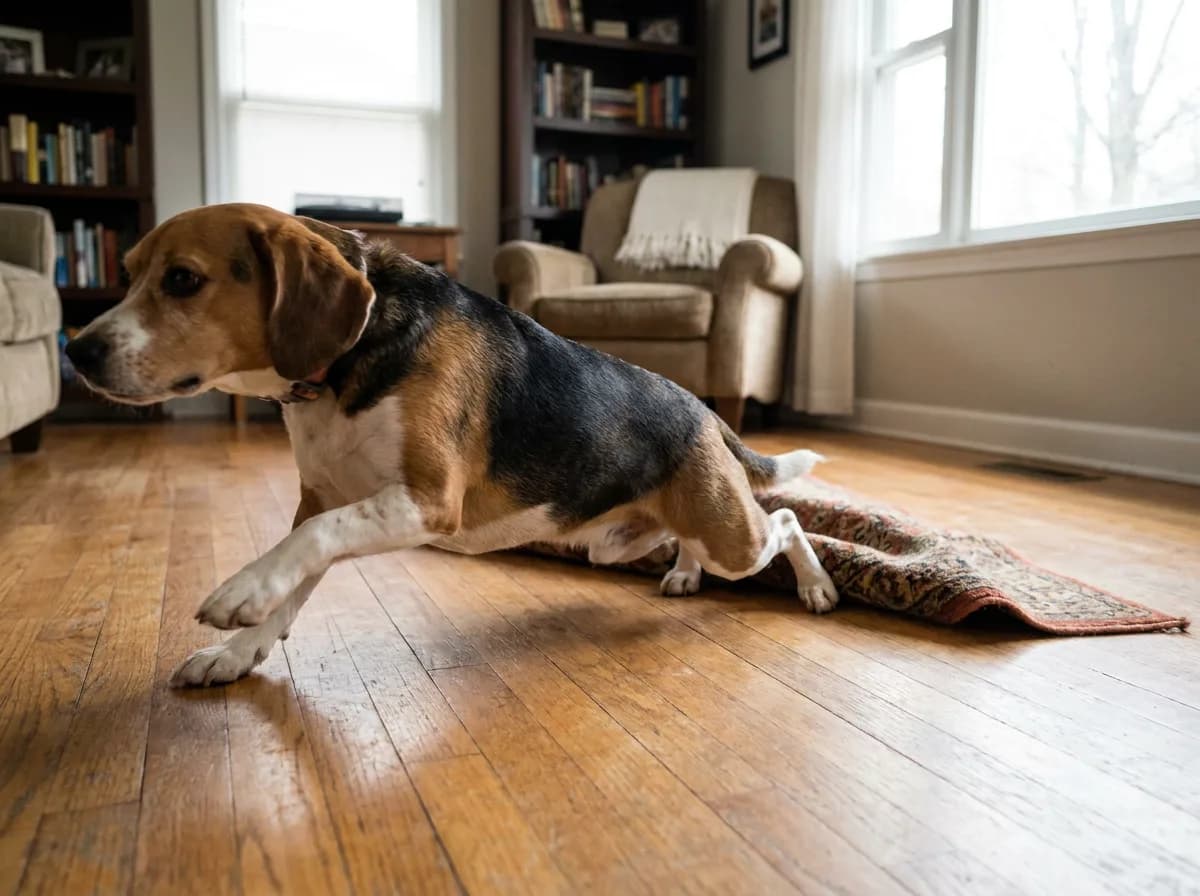
Anal sac disease in dogs is a spectrum. A dog with dog butt pain who scoots once and stops probably just emptied a full sac on the rug; a dog who scoots daily, licks raw skin, or develops a lump has anal sac problems that need a rectal exam. Cornell's Riney Canine Health Center adds reluctance to defecate and hind-end sensitivity to the list.
One caution: scooting is a sign, not a diagnosis. A dog still scooting after the glands were expressed is more often an itchy dog (flea, food, or environmental allergy) than a gland dog, and tapeworms or dried diarrhea in the fur cause it too. The full rundown of why dogs scoot their butts separates those causes. For quick scoot triage, weigh anal sacs versus worms, allergies, and diarrhea: a fishy smell and licking under the tail point to the sacs, worm segments in the stool or fur point to parasites, itching elsewhere on the body points to allergies, and a soiled rear points to diarrhea.
Why Does My Dog Keep Releasing His Anal Glands?
A dog can express his own glands without any help, and the trigger is almost always a sudden clench of the muscles around the anus. Fear, excitement, or a startle does it: a dog releasing glands when scared at the vet, a dog expressing glands in the car when the brakes squeal, or the dog who greets a visitor with a burst of fish smell. One-off release when frightened or thrilled is normal.
The relaxed version happens too. The dog who expressed glands on the bed or on the couch while sleeping did not do it from stress; the sphincter relaxes in deep sleep, and a very full sac drains. The difference between normal and not is frequency. A dog randomly expressing glands once a month is fine; a dog expressing glands daily, or often enough to leave odor on the bedding most days, has sacs that are not emptying with stool and is on the road to impaction. Can dogs express their own glands by scooting? Sometimes, but that sac usually fills again within days.
- A one-off release when frightened, excited, or sound asleep is normal and means the sacs were full at the wrong moment. Repeated leaking, several times a week, with a lasting fishy odor, licking under the tail, or scooting, means the sacs are not emptying on their own. Book a vet check rather than starting to express them at home.
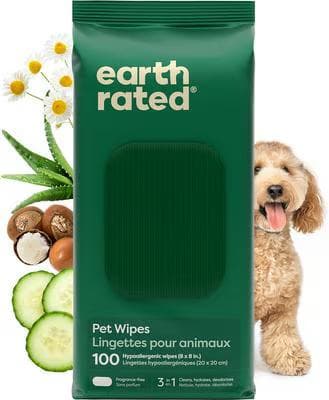
For the cleanup after a release, an unscented hypoallergenic wipe such as Earth Rated's thick 3-in-1 dog grooming wipes handles the fur under the tail without stinging irritated skin.
What Can Go Wrong: Impaction, Infection, Abscess, and Tumors
The Merck Veterinary Manual groups anal sac disease into four entities: impaction, anal sacculitis, abscess, and neoplasia (tumors). The first three usually run in that order, so catching impaction early prevents most of what follows.
Impacted Anal Glands in Dogs
Impacted anal glands in dogs are sacs that stopped emptying, so the fluid sat, lost water, and thickened into a paste that cannot pass the narrow duct; Merck describes it as a thick, pasty, brown secretion, and a vet feels firm, distended sacs on a rectal exam. The symptoms of blocked anal glands in dogs are the scooting, licking, and tail-chasing from the signs list, plus a dog who is uncomfortable sitting. Canine impacted glands are the mild end of the spectrum and the most common; the fix is a vet expression, then attention to whatever let the sacs stall.
Infected Anal Glands in Dogs (Anal Sacculitis)
A dog anal gland infection, called anal sacculitis, is what happens when bacteria multiply inside an impacted sac. The sac wall inflames, the fluid turns cloudy or bloody, and the symptoms of a dog anus gland infection add heat, redness, and a dog who yelps at a touch under the tail. Merck's marker is microscopy of the fluid showing large numbers of white blood cells and bacteria, which is how your vet separates infected dog glands from plain impaction.
Anal Sac Abscess and Rupture
When infection walls itself off, the result is an anal sac abscess: a hot, painful, dog swollen anus gland that shows as a firm lump beside the anus with purple skin over it; Merck notes severe pain and often discoloration. Left alone it bursts, and VCA notes a ruptured abscess drains blood or pus; the dog suddenly seems relieved, but relief is not recovery. A ruptured abscess is an open, infected wound that needs same-day flushing, antibiotics, pain medication, and a cone.
Anal Sac Tumors
Older dogs can develop anal sac adenocarcinoma, a malignant tumor of the apocrine glands lining the sac, and the American College of Veterinary Surgeons notes that even a large tumor often produces limited symptoms. The ACVS outlook is specific: about half of dogs have enlarged abdominal lymph nodes at diagnosis, roughly a quarter develop hypercalcemia (high blood calcium) that can damage the kidneys, the average age is around ten, spaniel breeds are overrepresented, and surgery is the mainstay of treatment and the only proven way to influence survival.
Not every lump near the anus is an anal sac tumor. The circumanal glands in dogs, in the skin around the anus, produce perianal adenomas, usually benign and common in intact older males; the guide to checking your dog's rear for an anal adenoma covers how those differ.
Which Dogs Are Most Prone to Anal Gland Problems?
What breeds of dogs need their glands expressed? Small ones, mostly. Merck states that small-breed dogs are predisposed to anal sac impaction and sacculitis while large- and giant-breed dogs are less commonly affected, and Cornell singles out Chihuahuas as having the highest prevalence among small dogs. Small dog anal glands have narrower ducts, so slightly thick fluid blocks them more easily; Pugs' anal glands, French bulldog bum glands, Boston terriers, and Cocker spaniels fill my appointment book.
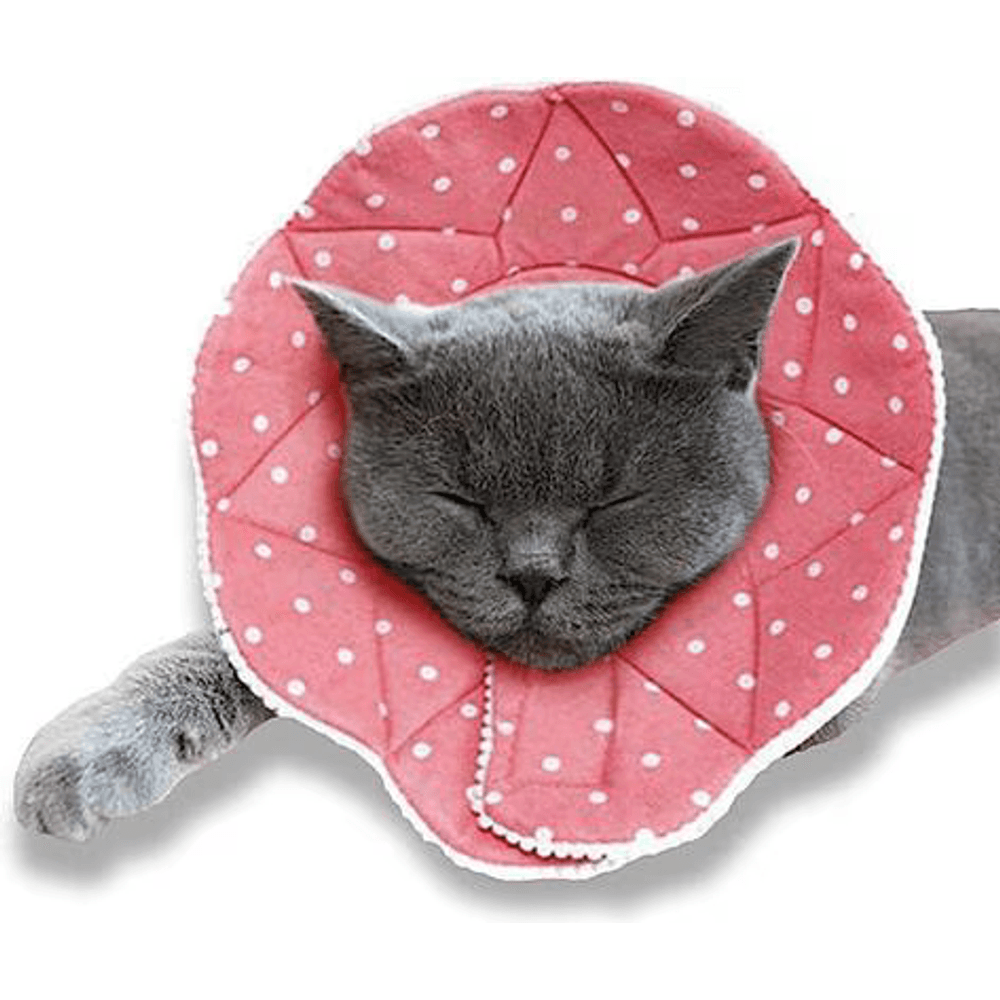
A lightweight, padded fabric cone that gently blocks a pet from pawing, scratching, or rubbing a healing eye, wound, or hot spot, and it is far softer and less stressful than a hard plastic cone.
Petful may earn a commission when you click through to Chewy, at no extra cost to you.
Breed is only half of it. The dogs who keep coming back share a few traits regardless of size:
- Overweight dogs. VCA notes that overweight dogs tend to have chronic anal sac problems because their sacs do not empty well; Merck attributes it to poor muscle tone in obese dogs.
- Dogs with chronic soft stool. Diarrhea, or alternating diarrhea and constipation, means no firm stool presses the sacs empty. This is behind most large-breed cases I see.
- Dogs with allergies or seborrhea. Cornell lists food allergy dermatitis and atopic dermatitis as contributors; Merck adds generalized seborrhea, which thickens the secretion.
- Adult dogs over a year. Cornell notes affected dogs are typically older than 1 year, so puppy anal glands rarely cause trouble unless the puppy has persistent soft stool.
So do Golden retrievers, Beagles, or Labradoodles need their glands expressed? Not as a breed; a Beagle with chronic loose stool might, and a lean Golden with firm stool likely never will.
How Vets Diagnose and Treat Anal Sac Disease
How do you know if your dog needs glands expressed? You do not, and neither do I, until I do a rectal exam. Scooting and licking say the dog is uncomfortable, but only a gloved finger tells me whether the sacs are firm and distended (they need expression), soft and easily emptied (they do not), or hiding a mass. Merck's diagnostic list is short: rectal exam with expression, cytology of the fluid for white blood cells and bacteria, culture if infections recur, and ultrasound and biopsy when a sac feels thickened. If a mass is found, ACVS adds bloodwork for calcium and kidney values, chest X-rays, and abdominal ultrasound. WebVet's veterinarians cover the same ground, including cost, in impacted anal glands in dogs.
Do vets express dogs' glands? Yes, when there is a reason. The treatment ladder runs from mildest to most involved:
- Impaction: manual expression by the vet, sometimes after a softening solution, paired with fixing stool quality and weight.
- Sacculitis: expression, flushing with saline or antiseptic, then, as Cornell describes, infusing an antibiotic and a corticosteroid into the sac, with oral antibiotics and an anti-inflammatory to follow; VCA notes this can require sedation.
- Abscess: drainage under sedation, flushing, oral antibiotics, pain medication, warm compresses on Merck's schedule of every 8 to 12 hours for 15 to 20 minutes, and a cone.
- Tumor: surgical removal, sometimes with enlarged abdominal lymph nodes, and possibly chemotherapy or radiation afterward.
There is no such thing as infected dog glands treatment at home: an infected or abscessed sac needs flushing and prescription medication, and squeezing it yourself can rupture it inward.
 Sponsored
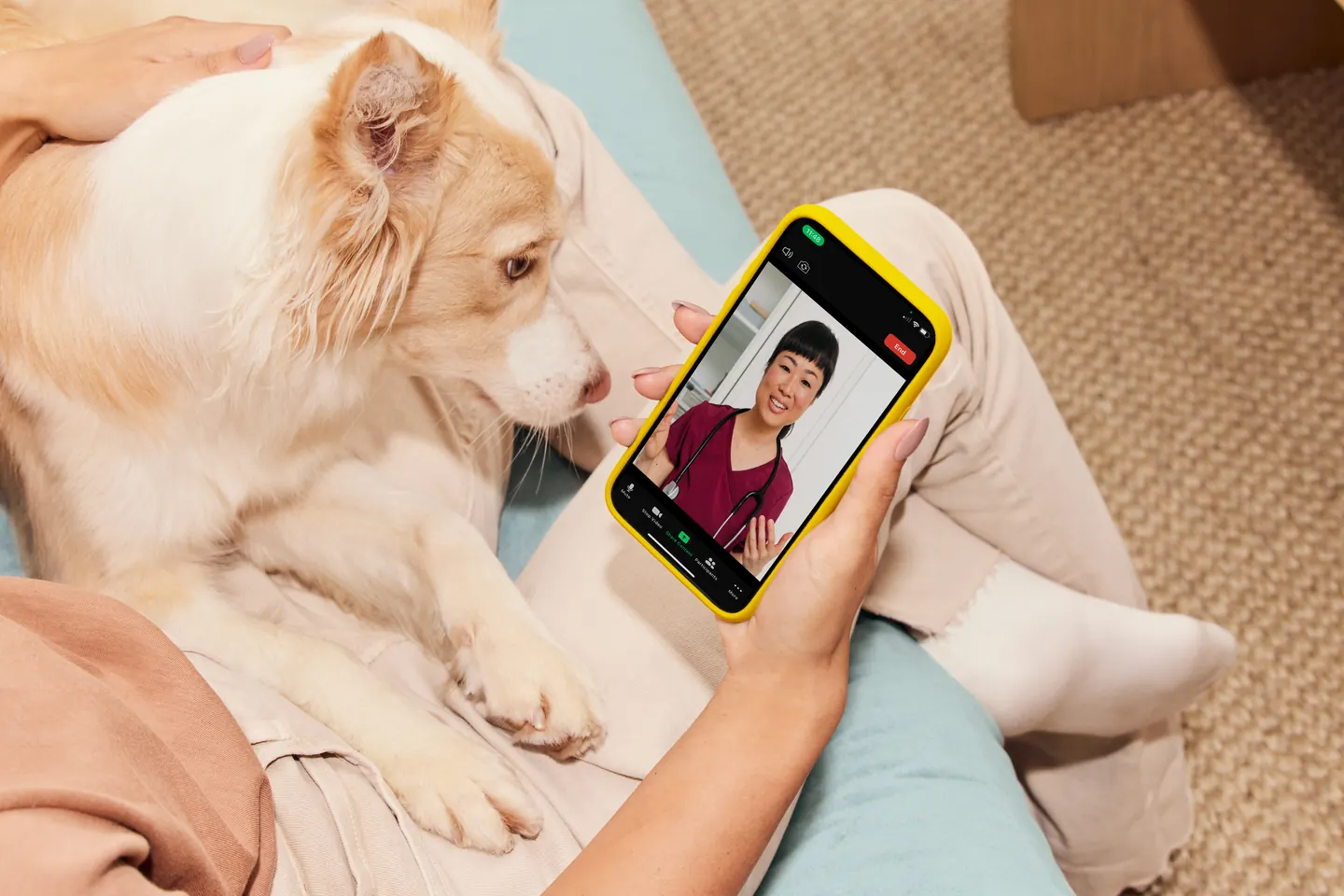
Vet care that's always there
Unlimited video calls and messaging with licensed vets for less than a typical vet visit. One membership covers up to five pets.
Use code Pets60
Plans start at $12/month · covers up to 5 pets
- Licensed vets in most states
- Rx for 150+ conditions
- 4.7 on Trustpilot
Why I Leave Normal Anal Sacs Alone
I am in the leave normal anal sacs alone camp. Veterinarians do rectal exams to check that everything is healthy, not to express anal glands for the fun of it, and if the sacs feel soft and normal, I do not empty them. Expressing healthy sacs too often causes inflammation: repeated squeezing irritates the duct, irritation thickens the secretion, and you have manufactured the impaction you were trying to prevent. Two situations justify expression: sacs that are impacted or infected on exam, and a dog with a documented history of recurrence whose sacs I empty on a schedule to keep an abscess from forming, the routine professional expression VCA reserves for recurrent dogs. That is why not to express normal anal sacs at all: healthy sacs already empty with every firm stool, so squeezing them adds irritation and risk without giving the dog any benefit.
Petful may earn a commission when you click through to Chewy, at no extra cost to you.
Aftercare: Licking, Leaking, and Rechecks
A dog still licking after the glands were expressed is normal for a day, because the area is sore and smelly; licking past two days, or aimed at a red or swollen spot, means the sac is inflamed and needs a recheck. A dog leaking after the glands were expressed can seep a little fluid for a day or two; leaking that continues with odor and licking means the sac refilled or was infected. As for recurrence and the long-term outlook after an impaction or abscess, many dogs have a single episode, but some sacs impact again, so a dog with one bout deserves a rectal recheck at the next visit and steady attention to stool quality and weight.
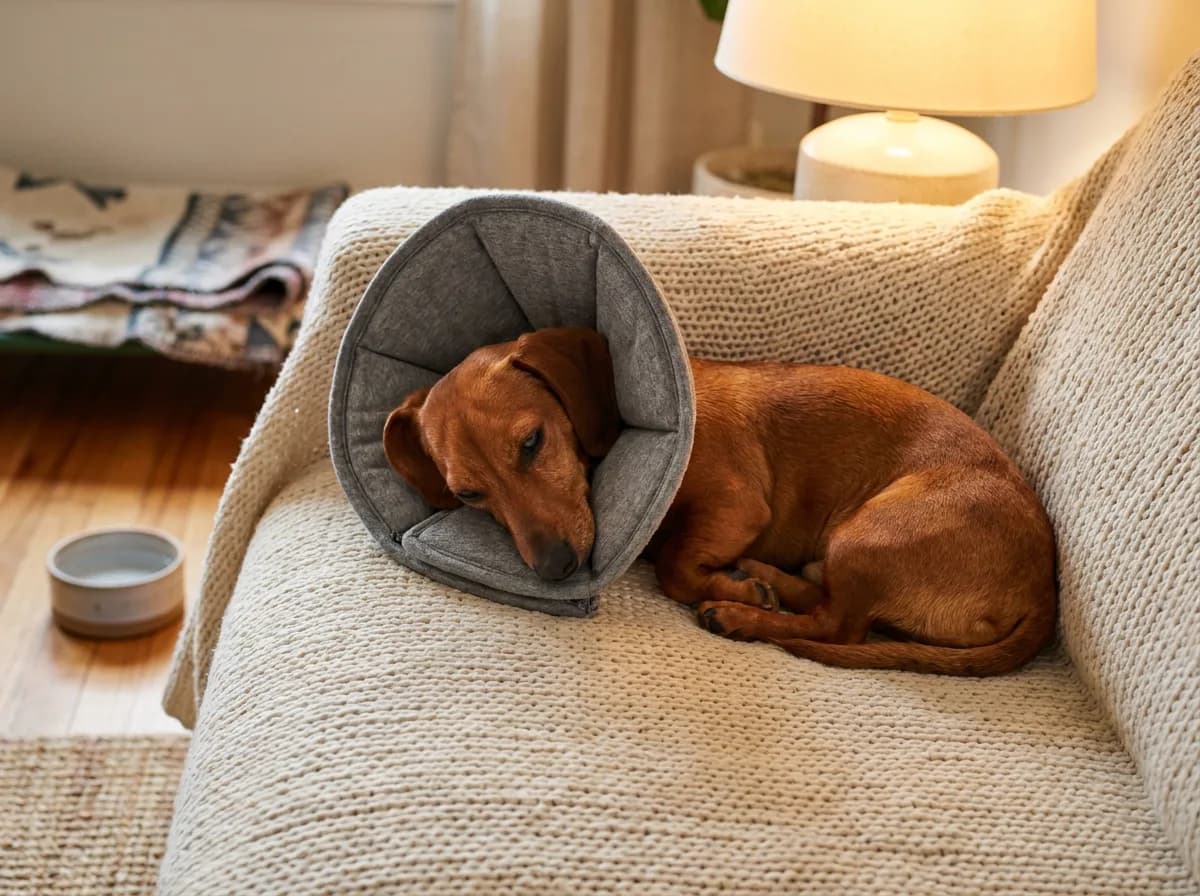
After an abscess is drained or a sac removed, a soft fabric cone the dog will tolerate for two weeks, such as the SunGrow post-surgery soft cone, keeps the tongue off a healing wound while the dog eats and sleeps normally.
When Surgery Is Considered
Anal sacculectomy, surgical removal of both sacs, is reserved for dogs with repeated abscesses or impactions that medical treatment cannot control, and for anal sac tumors; I never recommend it at the first mild problem. VCA calls it a delicate and specialized surgery because of the nerves and sphincter muscle around the sacs. The expected sacculectomy risks start with temporary loose stool for one to three weeks, and the rare but lasting one is fecal incontinence. The serious risk is fecal incontinence from nerve damage, and the sources disagree on how often: VCA describes permanent incontinence as rare, Merck calls it a common complication that can be complete if both sides are damaged, and ACVS reports it in up to a third of dogs after tumor surgery, usually temporary when the tumor was one-sided. Ask who will do the surgery and how many they have done.
When to See the Vet Today
- Book a same-day appointment if you see an open draining wound or wet sore beside the anus, blood or pus on the fur or in the stool, a firm lump or swelling next to the anus, straining or crying when the dog tries to poop, or a dog who is feverish, lethargic, or refusing food along with any of the above. These signs point to a ruptured abscess or a mass, and both need flushing, medication, or a biopsy the same day.
If none of those apply and the dog is simply scooting and smelling, a regular appointment within the week is fine.
Diet and Fiber for Healthy Anal Glands
Why do dogs' anal glands fill up in the first place? Because nothing is pressing them empty, and the most common reason is soft stool. So what food helps dogs express their glands? Any food that produces a firm, bulky stool for that particular dog: a complete diet the dog digests well, enough fiber to add bulk, and no table scraps that loosen things up.
Fiber is the lever most vets reach for, with honest limits. Merck lists dietary fiber supplementation among treatments for impaction, and Cornell names a low-fiber diet as a contributing factor and says weight loss and the addition of fiber to the diet can be beneficial. No controlled trial proves fiber prevents anal sac disease; treat it as a sensible first step, not a guaranteed cure. For prevention, fiber, weight, and stool quality work together: a lean dog passing firm, bulky stool empties the sacs best, and fiber supports that, even though the fiber evidence behind it is limited.
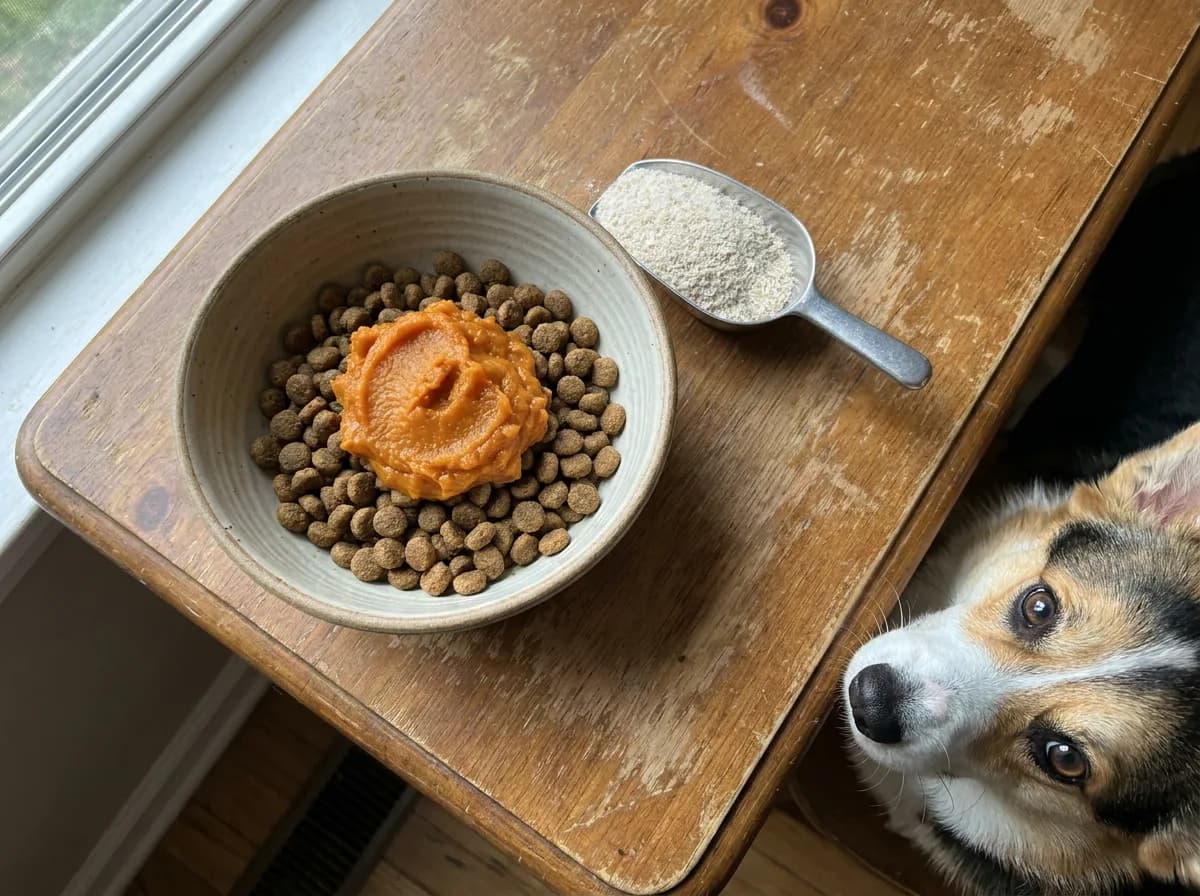
Practical ways to firm up and bulk out stool:
- Plain canned pumpkin. Pumpkin for dogs' anal glands is the classic vet suggestion because its soluble fiber adds bulk. It must be plain pumpkin, never pie filling; portions by dog size are in the pumpkin for dogs guide.
- A higher-fiber complete food or psyllium. Some weight-management and gastrointestinal diets carry more fiber; small amounts of psyllium on food bulk the stool the same way. Start low, because too much causes gas.
- A probiotic for chronic soft stool. If the gut never produces a firm stool, a veterinary probiotic can help normalize it; it does not act on the sacs directly.
For the soft-stool dog, Purina Pro Plan FortiFlora is the probiotic most vets know, a once-a-day powder sprinkled on food. Give any diet change a month before judging it.
How to Prevent Anal Gland Problems
How do I stop my dog's glands from filling up? You cannot; they are supposed to fill. What you can do is make sure they empty, which comes down to four things you control and one you should stop doing:
- Keep the dog lean. Weight loss is the prevention step VCA, Merck, and Cornell all name, because a lean dog's sacs sit where stool presses them.
- Keep stool firm. Fiber, a diet the dog digests well, and treating any chronic diarrhea.
- Treat the skin. A dog with allergies or seborrhea makes thicker secretion; controlling the itch lowers the gland load too.
- Get a rectal exam at the annual visit. It catches full sacs, thickening, and masses before they become emergencies.
- Stop routine expression of healthy sacs. The dog squeezed at every grooming appointment is the dog whose sacs fill faster and inflame more.
If you go the pumpkin route, buy a plain pure pumpkin such as Nummy Tum-Tum's organic canned pumpkin, which contains nothing but pumpkin; freeze the leftover can in an ice-cube tray.
Should You Express Your Dog's Anal Glands at Home?
My short answer is no, unless your vet has shown you how on your own dog because that dog has a real, recurring problem. Expressing a normal sac inflames it, and expressing an infected sac can rupture it. How often do dogs need their glands squeezed? Most dogs never; a recurrent dog needs it on whatever schedule the rectal exam dictates. Is it painful? A normal expression is uncomfortable rather than painful, while an impacted or infected sac hurts. Cost depends on whether it is a tech visit or an exam. The how to express dog anal glands guide covers the technique, the schedule for recurrent dogs, and clinic and groomer costs.
Should your groomer do it? Generally, no. Including anal gland expression with a routine grooming session is like your hairdresser asking if you would like a rectal exam with your highlights, and a groomer cannot tell a full sac from an inflamed one.
A few myths worth clearing up:
- Only small dogs have anal glands. Every dog has them; small dogs just have more problems with them.
- Anal glands must be routinely emptied by a vet or groomer. Healthy sacs empty themselves with every firm stool.
- Anal glands only empty when a dog poops. Fear, excitement, and deep sleep empty them too.
Frequently Asked Questions About Dog Anal Glands
No. The sacs have a scent-marking role only, and VCA states that for domesticated dogs this function is unnecessary and removal will not adversely affect the pet. Dogs do fine without them. We do not remove them casually because the surgery risks fecal incontinence, so removal is reserved for recurrent disease or tumors.
Yes, and recurrence is common in prone dogs: VCA notes that some dogs will have recurrent impactions or abscesses, usually the small, overweight, allergic, or soft-stool dogs described above. A first impaction that responds to expression plus a diet and weight fix often never returns. Repeated abscesses justify removal of the sacs, because each one scars the sac and makes the next likelier.
The abscess bursts through the skin, leaving an open draining hole beside the anus, usually at the 4 or 8 o'clock position, that leaks blood and pus. The dog often seems more comfortable, but the sac is now an open, infected wound that needs same-day care: flushing, antibiotics, pain medication, warm compresses, and a cone.
Rarely. Anal sac disease is uncommon in puppies, and Cornell notes affected dogs are typically older than 1 year. When a puppy scoots, the usual causes are worms, diarrhea from a diet change, or dried stool in the fur. The exception is persistent soft puppy stool, which never presses the sacs empty; sort out the stool with a fecal exam and a digestible diet.
A little residual fluid for a day or two after expression is normal, especially if the sacs were very full, because the ducts stay open for a while. Wipe the area and give it 48 hours. Recheck if odor persists beyond that, if the leaking increases, or if the dog is licking a red or swollen spot, because that means the sac refilled or was infected.
Treat it as a same-day vet visit. A streak of pink can come from a slightly inflamed sac, but frank blood, or blood mixed with pus, means the sac is abscessed or, less often, that there is a mass in the sac wall. Your vet will examine the sac, check the fluid under the microscope, and rule out an abscess or mass; a thickened or lumpy sac means a needle sample and bloodwork next.

VMD
Dr. Debora Lichtenberg, VMD, is a small animal and exotics veterinarian who has been practicing medicine for over 30 years. A graduate of the University of Pennsylvania School of Veterinary Medicine, Dr. Lichtenberg also trained at the Philadelphia Zoo. She now practices in the New York City area and lives in the West Village with her husband and her rescued pets, Cocoa and OG. Dr. Lichtenberg has been writing for Petful for many years, and she has been recognized with Certificates of Excellence from both the Dog Writers Association of America and the Cat Writers Association of America.
Sign up for expert-backed reviews and safety alerts all in one place.