Why Do Dogs Scoot Their Butts? 7 Common Causes Explained
Why do dogs scoot their butts? Compare seven possible causes, recognize painful warning signs, and learn what helps while your veterinarian finds the cause.

BVMS, MRCVS

This pet health content was written by a veterinarian, Dr. Pippa Elliott, BVMS, MRCVS. This article was originally published in 2015. It was last reviewed for accuracy on July 12, 2024.
If you have questions or concerns, call your vet, who is best equipped to ensure the health and well-being of your pet. This article is for informational purposes only and is not a substitute for professional medical advice, diagnosis or treatment. See additional information.

Sign up for expert-backed reviews and safety alerts all in one place.
Why Do Dogs Scoot Their Butts Across the Floor?
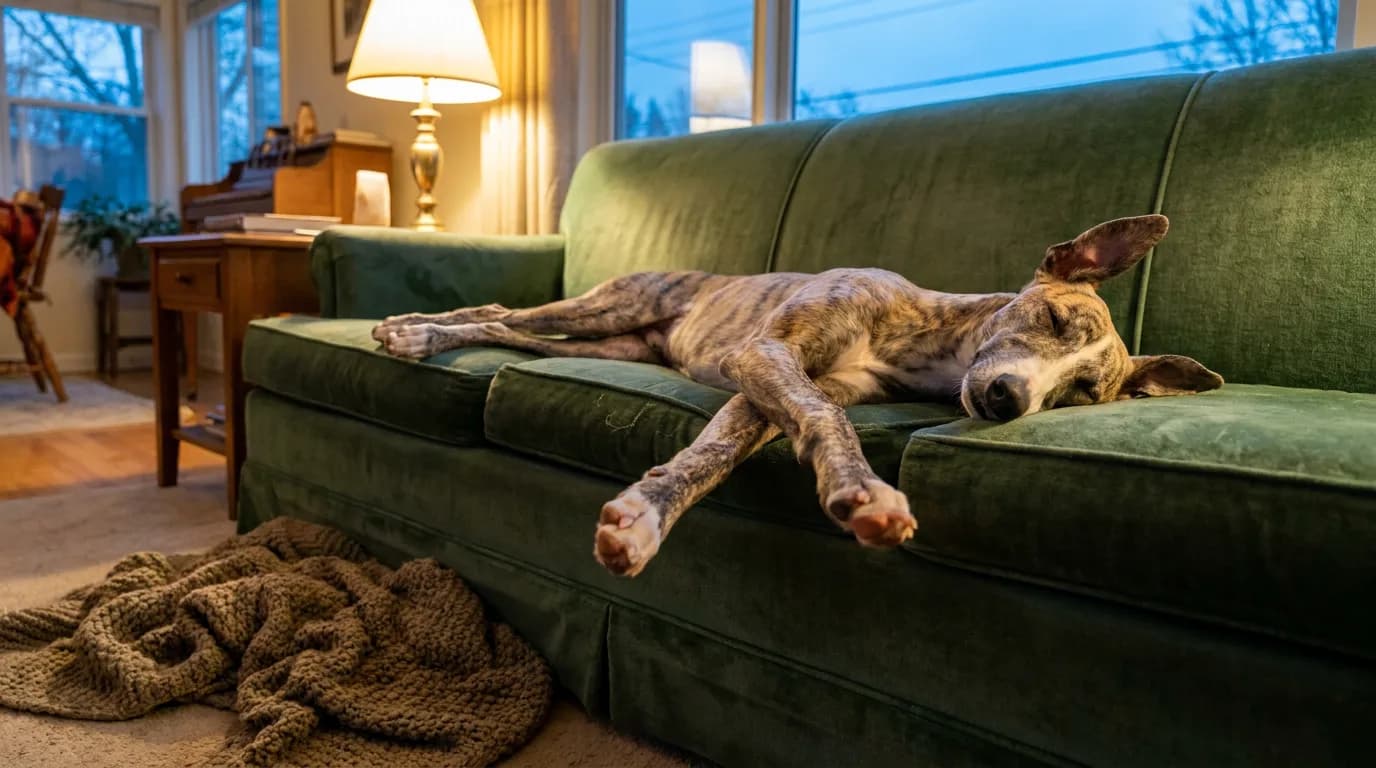
Why do dogs scoot their butts? Usually something around the rear end feels itchy, sore or uncomfortable. Anal sac problems, allergies, diarrhea, soiled fur and parasites are possible causes. Scooting is a symptom, not a diagnosis, so repeated dragging deserves a veterinary examination. A dog rubbing their bum on the floor, dragging their butt across the carpet or shuffling along the ground is scooting. Puppies do it too. If your puppy keeps scooting or biting at the tail area, look for discomfort and arrange a vet check rather than assuming the behavior is play or proof of worms. If your dog drags his butt repeatedly, the useful question is what is irritating him, not how to stop the movement without treating the cause.
The one downside is they think nothing of gluing their butt to the ground, lifting both back paws, and dragging their butt across the floor at the exact moment you’re trying to impress a new partner, boss, or parent-in-law.
People have different tolerance levels for how much dog scooting they’ll put up with. I’ve known clients to worry because their dog scoots once every few weeks, while other people are oblivious to their dog rubbing their backside bald.
| Possible cause | Clues to mention | Next step |
|---|---|---|
| Anal sac issues | Fishy odor, licking, discomfort, swelling or discharge; persists after gland expression | Vet examination; painful or infected glands need treatment, not repeated home expression |
| Allergies | Itchy paws, ears or skin as well as the rear | Discuss allergy assessment and a controlled diet trial if indicated |
| Diarrhea | Loose stool and a sore or dirty bottom | Address the diarrhea and watch for illness or dehydration |
| Dingleberries | Stool stuck in long hair or mats; starts after grooming | Safe cleaning or professional clipping; do not pull on painful mats |
| Parasites | Rice-like segments near the anus or on bedding | Ask about identification, appropriate treatment and flea control |
| Trouble down below | Urinary or genital irritation, wounds, protruding tissue | Prompt examination; protruding tissue or inability to urinate is urgent |
| Behavioral contribution | Scooting continues after medical causes have been addressed | Recheck discomfort first; discuss behavior if the vet finds no medical cause |
Veterinarians call irritation around the anus perianal irritation: in everyday language, an itchy or sore butt. A single brief scoot after a bowel movement may reflect temporary irritation, but frequency, discomfort and accompanying signs matter more than how funny it looks.
Possible Cause #1: Anal Sac Issues
A Cavalier King Charles Spaniel or French Bulldog can have anal-sac problems, but breed, sex and size do not identify the cause of scooting. A female dog needs the same assessment of anal sacs and skin as a male, with urinary or vulval irritation considered when the signs fit.

Dogs love to sniff butts to pick up the other dog’s scent signature: because simply saying, “Hi, I’m Bonzo” isn't exactly possible for a dog to do.
Dogs have two anal sacs, one on either side of the anus. They hold strong-smelling secretions that normally pass through small ducts. The scent is rather like a smelly fingerprint, leaving information for other dogs who sniff it.
 Sponsored
Want a vet's take on your dog's upset stomach?
Talk to a licensed vet at Dutch over video, often the same day. They can recommend treatment and prescribe it when it's appropriate.
Use code Pets60
Plans start at $12/month · covers up to 5 pets
- Licensed vets in most states
- Rx for 150+ conditions
- 4.7 on Trustpilot
Overfull or Impacted Anal Sacs
But anal sacs have some design flaws. Each gland is the size of a small grape, but the secretion drains out through a fine duct. This duct can become clogged or blocked, and secretion builds up inside the gland. This is known as impaction. If your vet has shown you the external method, our guide to how to express dog anal glands safely walks through it step by step.
- Like blowing too much air into a balloon, the glands stretch and stretch … which is very uncomfortable.
The dog may try to relieve that discomfort by dragging their bottom. Anal sac disease is an important cause of scooting, but you cannot tell whether the glands are full just by watching the behavior. A veterinarian feels and examines the sacs, checking for impaction, infection or another problem.
Infection and Abscesses
An infected sac can become very painful or form an abscess. Contact the vet promptly if scooting comes with any of these signs:
- Persistent licking, obvious pain or reluctance to sit.
- Red swelling, blood or pus beside the anus.
- Lethargy, poor appetite or straining to pass stool.
A Lump or Recurrent Problem Needs Investigation
An anal-sac tumor is another possibility when a sac feels abnormal or problems persist. It can interfere with drainage and resemble impaction or infection. This is one reason recurrent scooting needs a veterinary examination rather than assuming the glands simply need emptying again.
What Helps Anal Sac Problems?
The Cornell canine health center describes treatments according to the problem found. Expression, flushing, pain relief or other medication may be needed; an abscess needs veterinary care. Prevention is individualized:
- Stool consistency: ask whether fiber or a diet change would help. More pumpkin or bran is not automatically better, especially if it worsens diarrhea.
- Underlying irritation: recurring diarrhea, skin allergy and excess weight may need attention alongside the sacs.
- Expression: do not squeeze painful glands at home. Persistent scooting after gland expression deserves reassessment for inflammation, infection or another cause. Routine expression is not necessary for every dog.
Surgery to remove the anal sacs is reserved for selected cases after discussion of benefits and risks, including fecal incontinence. Treating an underlying allergy may help some dogs, but there is no single medication or procedure that is right for every recurrent case.
Possible Cause #2: Allergies

If a dog scoots but the anal sacs are normal, skin allergy is one possibility. Food allergy and environmental allergy can cause itching; other skin conditions can look similar. Tell the vet about licking paws, recurring ear trouble, rashes and any seasonal pattern.
A Diet Trial Must Be Controlled
A suspected food allergy is assessed with a veterinarian-guided elimination diet, commonly for eight to twelve weeks, followed by a food challenge if appropriate. The diet may use a suitable novel protein or hydrolyzed protein. Choosing a random “sensitive” food or switching proteins every few days does not provide the same information.
During the trial, treats, table scraps, flavored medicines and supplements can all matter. Ask the vet what is permitted and keep the plan consistent. See VCA’s food-allergy guidance for why improvement followed by a controlled challenge is used to investigate the diagnosis.
For more tips, see our article on conducting a food trial for allergies in a pet.
Sponsored Segment: Digestive Supplements
Digestive support can be one part of a veterinarian-guided skin-care plan. A supplement should fit the dog’s diet and the cause of the itching; it does not replace treating an infected anal sac or investigating persistent scooting. If your dog is on an elimination diet, ask the vet before adding a new supplement.
Native Pet’s GutWell Itchy Skin focuses on the gut-skin connection. According to Native Pet’s current product information, its formula supports the skin barrier and hydration alongside digestive health.
The cold-pressed pellets combine prebiotics, probiotics and postbiotics with nutrients including vitamin E and zinc. Native Pet describes the formula as developed with its board-certified veterinary nutritionist. Follow the current age and weight directions, and discuss how it fits with existing foods, medicines and supplements.
Check Out GutWell Itchy Skin: 20% Off with Code PETFULPrescription Treatment Depends on the Diagnosis
Your veterinarian may prescribe medication to control inflammation and itching while addressing the cause. The right choice depends on your dog’s age, other illnesses and medicines. Prescription options have different benefits and risks; do not use leftover tablets or assume that relief proves a food allergy.
For more information on allergies, check out our article on dogs with allergies.
Possible Cause #3: Diarrhea
Scooting after pooping can reflect stool left on the fur, irritated skin or an anal-sac problem. A dog rubbing their bum after a bowel movement is not necessarily constipated. Straining to poop as well as scooting needs a veterinary assessment, especially when little stool passes or the dog seems painful.
Diarrhea can cause butt scooting for a couple of reasons. Loose stool may contribute to poorer anal-sac emptying, and it can leave the rear irritated or soiled.
Loose stool can also irritate the delicate skin around the anus or leave the coat soiled. A dog who cannot reach the itchy area may scoot instead.
- Feeding: ask the vet about an appropriate short-term diet and whether any supplement is suitable. Keep fresh water available.
- Cleaning: if tolerated, gently rinse soiled external fur with plain lukewarm water and dry it. Avoid scrubbing sore tissue or applying antiseptics and ointments without veterinary advice.
- Veterinary help: seek prompt advice for persistent diarrhea; get help sooner for blood, repeated vomiting, weakness, significant pain or a young or otherwise vulnerable dog.
Home care is limited to keeping a comfortable dog clean and following veterinary feeding advice. Our guide to vomiting and diarrhea in dogs and cats explains why the accompanying signs matter.
 Sponsored
Vet care that's always there
Unlimited video calls and messaging with licensed vets for less than a typical vet visit. One membership covers up to five pets.
Use code Pets60
Plans start at $12/month · covers up to 5 pets
- Licensed vets in most states
- Rx for 150+ conditions
- 4.7 on Trustpilot
Possible Cause #4: Dingleberries

Dogs with long fur sometimes get poop stuck in the coat. It can tug on the hair or rub the skin sore. A dog who scoots after pooping may be trying to dislodge this irritation.
I’ve seen “dingleberries,” as these are called, stuck so tight they work like a cork in a bottle and prevent the dog from pooping altogether. Little wonder the dog scoots to try to free things off.
- Ask a groomer or vet to clip problem hair safely; do not cut tight mats near skin with scissors.
- Check the rear for soiling and gently clean when your dog tolerates it. Stop if there is pain.
- Have recurring soft stools assessed so the fur does not keep becoming soiled.
For much more, see my article "The Delicate Subject of Dingleberries."
Scooting after grooming may reflect irritation, a small injury, remaining mats or an unrelated anal-sac problem. Tell the vet when grooming and any gland expression occurred. Repeated scooting is a reason to check, not a sign that the dog needs more clipping or another squeeze.
Possible Cause #5: Parasites
A puppy scooting after worming needs reassessment if the problem persists. Tell the vet which dewormer was used, the dose and the date. Do not repeat a treatment simply because the puppy is dragging their bottom; medication choice and dosing depend on the actual parasite and the puppy’s weight and health.
Some tapeworms are acquired when a dog swallows infected fleas; other types can come from eating infected prey. Segments passed around the anus may irritate the area. Scooting alone, however, does not prove that a dog has worms.
Look for small white, rice-like segments on the fur or bedding and show a photograph or sample to the vet if possible. Ask which treatment is appropriate: not every dewormer covers tapeworms. Flea control may also be needed to prevent reinfection.
Possible Cause #6: Trouble Down Below
Be aware that general irritation around the genitals may cause a dog to scoot. A female dog dragging her bum on the floor may have vulval or urinary irritation, but anal sacs and skin problems remain possibilities too.
For female dogs, discomfort around the vulva, discharge or irritated skin folds may contribute. Male dogs can also develop urinary or genital irritation. Scooting after neutering or other surgery warrants a call to the clinic rather than assuming it is a harmless habit.
Repeated attempts to urinate with little or no urine, significant swelling, severe pain or bleeding need urgent veterinary care. If pink or red tissue is protruding from the anus, seek emergency advice for possible rectal prolapse in dogs and cats. Do not try to push it back.
Possible Cause #7: Behavioral Issues
Scooting when excited can attract attention, but excitement does not exclude itching or pain. Record the pattern and seek a recheck if it persists. A behavioral explanation becomes more useful only after medical causes have been considered.
Avoid shouting or making a big fuss. Attention may help maintain a behavior in some dogs, but that is a possibility to consider after discomfort has been investigated. It should not be the first explanation for a dog rubbing their bottom raw.
Make a note of when it happens, including during excitement or after toileting, and share the pattern with the vet. If medical causes have been excluded or treated, the veterinarian can advise whether behavioral help is appropriate.
What to Do Before the Veterinary Visit
To stop a dog scooting on the floor, treat the cause rather than suppressing the movement. Home remedies and natural remedies cannot empty an infected sac or diagnose an allergy. Do not apply vinegar to a sore bottom; it may irritate the area. Gentle external cleaning and veterinary feeding advice are the limits of home care for a comfortable dog with mild soiling or diarrhea.
If scooting is left untreated, ongoing rubbing can damage skin and an anal-sac infection can progress to a painful abscess. Seek care sooner when symptoms are persistent, painful or accompanied by diarrhea or discharge, rather than waiting for a home treatment to work.
There is no universal cure for scooting because the cause determines the treatment. Persistent symptoms deserve a diagnosis even if your dog otherwise seems well.
- Record the timing: after pooping, after grooming, after gland expression or after deworming. A short video may help.
- Mention stool changes, odor, discharge, licking, pain and any medicines or supplements. Bring a stool sample if the clinic requests one.
- Clean only superficial soiling if comfortable. Do not express painful glands, give an unapproved dewormer or use human creams.
- Arrange urgent care for protruding tissue, severe pain, bleeding, significant swelling, weakness or inability to urinate.
Finally, with more on dog scooting, here is Dr. Ben Holmes, DVM, in a helpful video:
Frequently Asked Questions (FAQ)
Dogs of any breed can scoot. Anal-sac disease is more frequent in smaller dog breeds, but allergies, parasites and soiled fur can affect many dogs. Breed alone cannot identify the cause.
A diet that produces appropriate stool consistency may help some dogs, and a veterinarian may recommend a tailored fiber plan. There is no single food that reliably empties every dog’s glands. Ask before adding pumpkin or switching diets, particularly during an allergy trial.
Persistent symptoms still need a veterinary examination to establish the cause.
Anal sacs, skin allergies, diarrhea, trapped stool and urinary or genital discomfort are other possibilities. Persistent scooting needs an examination even after a negative parasite test or deworming.
References
- Rubin, Stanley I., DVM, MS, DACVIM. "Anal Sac Disease." Merck Veterinary Manual. https://www.msdvetmanual.com/digestive-system/diseases-of-the-rectum-and-anus/anal-sac-disease.
- VIN Dermatology Consultants. "Atopic Dermatitis in Dogs." Veterinary Information Network. April 26, 2018. https://veterinarypartner.vin.com/default.aspx?pid=19239&id=4951973.
A Final Word (Disclaimer)
At Petful, our review integrity is paramount; we never exchange special treatment in our reviews for monetary or material rewards.
Nonetheless, when our readers click through to online merchants (including Chewy or Amazon), we receive a referral commission. This supports the running of our free blog, and we appreciate your backing.
For additional information, kindly refer to our Disclaimer and Discourse Section.
BVMS, MRCVS
Dr. Pippa Elliott, BVMS, MRCVS, is a veterinarian with nearly 30 years of experience in companion animal practice. Dr. Elliott earned her Bachelor of Veterinary Medicine and Surgery from the University of Glasgow. She was also designated a Member of the Royal College of Veterinary Surgeons. Married with 2 grown-up kids, Dr. Elliott has a naughty Puggle named Poggle, 3 cats and a bearded dragon.
Sign up for expert-backed reviews and safety alerts all in one place.