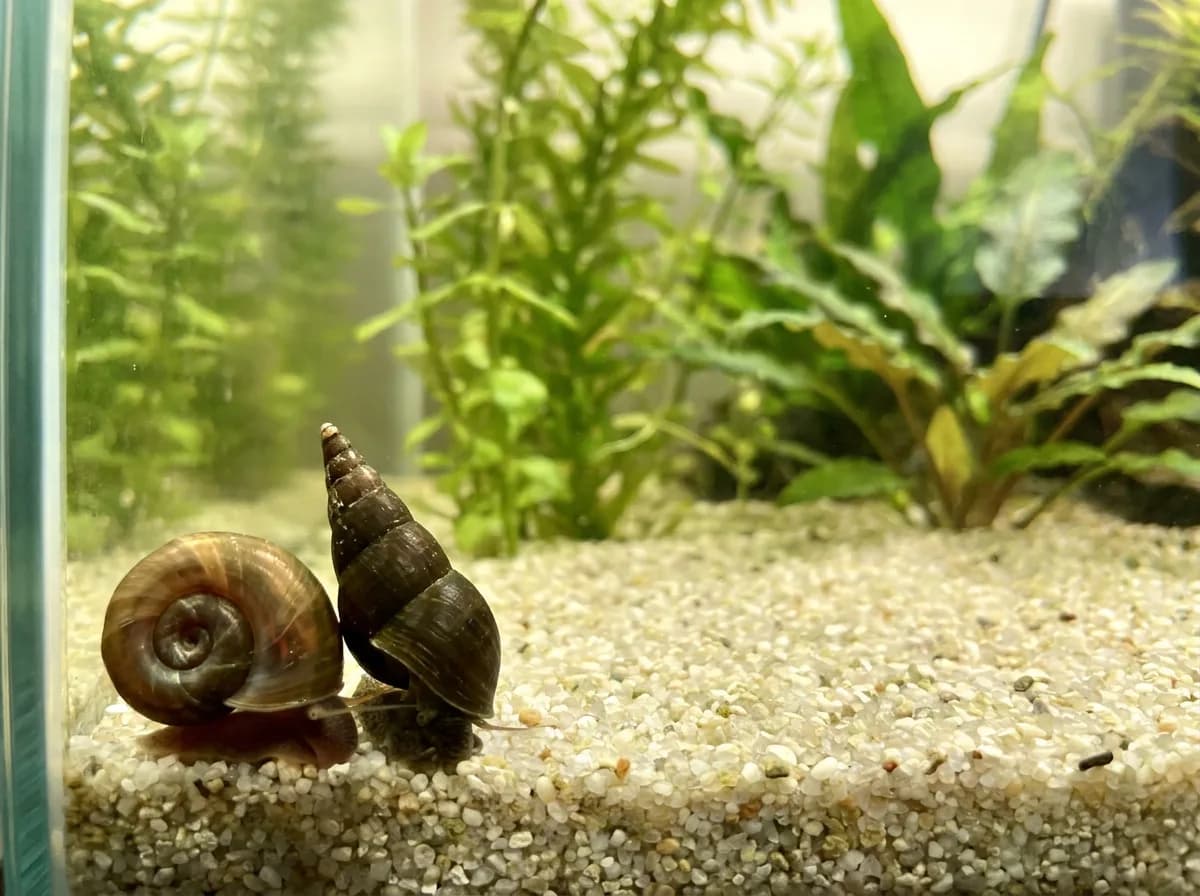
Insects as Pets: 10 Unique Pet Bugs for Beginners
Insects as pets can be fascinating, low-space companions, but the right choice depends on legality, handling, habitat control and your comfort with feeding and escape prevention.

Petful is reader supported. As an affiliate of platforms like Amazon and Chewy, we may earn a commission when you buy through links on this page. There is no extra cost to you.
Insects as pets can be a smart fit for people who want a quiet, compact animal to observe, but they are not impulse buys. The best pet bugs for beginners are legal in your area, captive-bred, secure in their enclosure and matched to the keeper who will feed, mist and clean the habitat. There is more on this in Petful’s guide to stick insects as pets.
This refresh keeps the original spirit of unusual pets while answering the searcher intent more directly: which insects and invertebrates are good pets, which are mostly for looking, and what to check before bringing one home.
- 1Start with calm, captive-bred species such as stick insects, hissing cockroaches or millipedes.
- 2Check local rules before buying nonnative insects, ants, mantids, scorpions or tarantulas.
- 3Plan the enclosure first: ventilation, humidity, food, substrate and escape prevention matter more than the animal price.
- 4Most pet bugs are observation pets, not animals that enjoy frequent handling.

Sign up for expert-backed reviews and safety alerts all in one place.
Why Unique Pets Like Insects Are Worth Considering
Sure, dogs and cats make awesome pets, but they’re not for everyone. Some people prefer more unique pets, like insects. While insects might seem creepy, they are fascinating creatures that play a vital role in our ecosystem.
- Pollination: Author Sally Jean Cunningham highlights in her book Great Garden Companions that without insect pollination, we would face food shortages. About one-third of the food we consume comes from plants pollinated by insects.
- Nutrient Cycle: Insects contribute to the decay cycle, helping to return nutrients to the soil.
- Food Chain Role: They are a crucial food source for birds, fish, frogs, and other animals.
Legal Considerations Before Choosing Unique Pets
Some insects are restricted by law, depending on your location. These restrictions aim to prevent environmental issues, such as ecosystem imbalance if a nonnative species escapes. Tips Before Bringing Home Pet Insects:
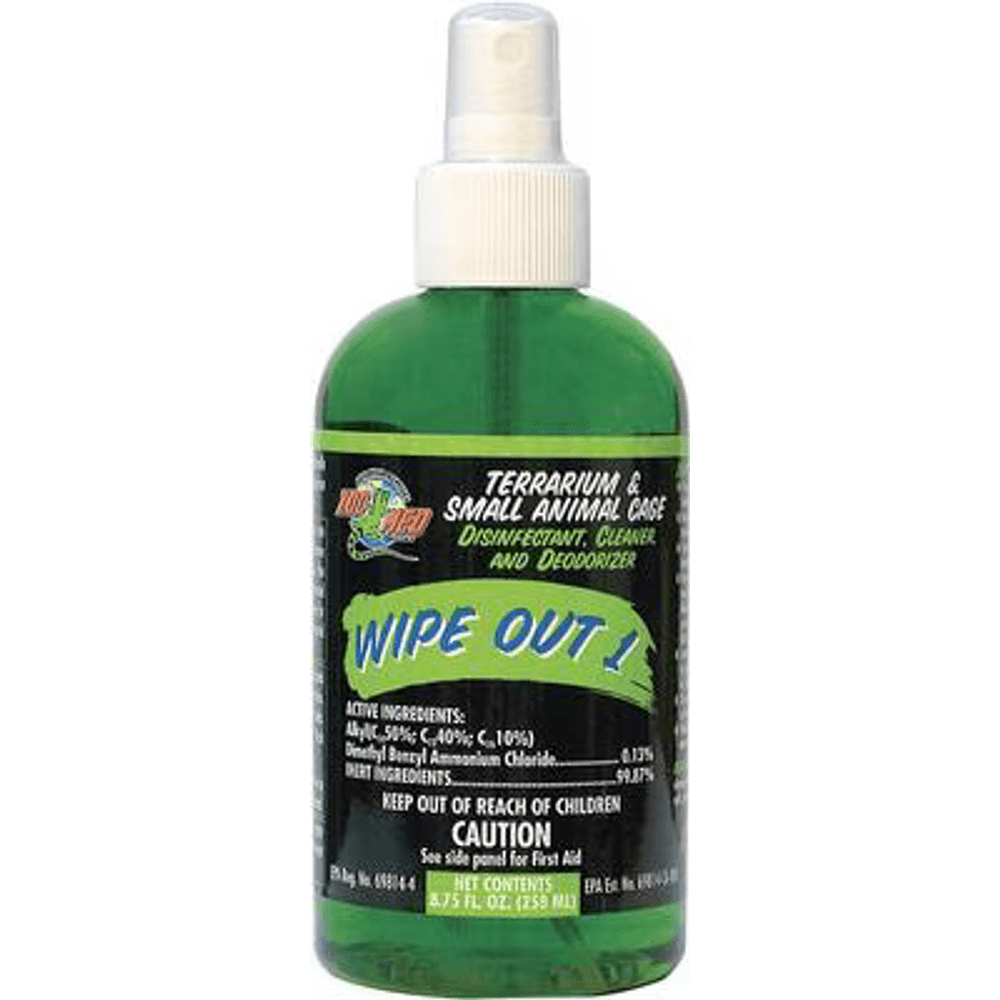
Useful for hard habitat surfaces; always rinse and dry before an invertebrate goes back in.
Petful may earn a commission when you click through to Chewy, at no extra cost to you.
- Check with local authorities about regulations on nonnative insects.
- Research the insect species to understand its habitat, diet, and care needs.
10 Unique Pets: Insects That Make Fascinating Companions

Stick Insects: A Unique Pet That Blends In
Stick insects, named for their stick-like appearance, are masters of camouflage and make for fascinating companions.
- Lifespan and Size: These unique pets can live up to 16 months and grow as long as 1 foot.
- Diet: Stick insects are vegetarians and require fresh leaves. Be sure to create an appropriate habitat for them to prevent them from munching on your houseplants.
- Handling Tips: These fragile insects enjoy being handled if you’re gentle. However, rough handling might cause them to bite or pinch.
Want to know more about these incredible insects? Check out this care guide for pet stick insects.

Millipedes: A Unique Pet for Curious Minds
Although not technically insects, millipedes are fascinating arthropods that make unique pets for those who appreciate their gentle nature and low-maintenance lifestyle.
- Lifespan and Diversity: With over 10,000 species worldwide, these arthropods are named for their many feet and can live up to 10 years.
- Diet and Habitat: Millipedes thrive on fresh fruits, vegetables, and leaf litter. Providing them with a burrowing-friendly environment will keep them healthy and happy.
- Handling Precautions: While generally safe to handle, millipedes can excrete a chemical that may irritate your skin. Handle them gently and wash your hands afterward.
Keep in mind that some millipede species are regulated by law. Before bringing one home, check state and federal guidelines to ensure compliance. Learn more about why millipedes are not actually insects and their classification as arthropods.
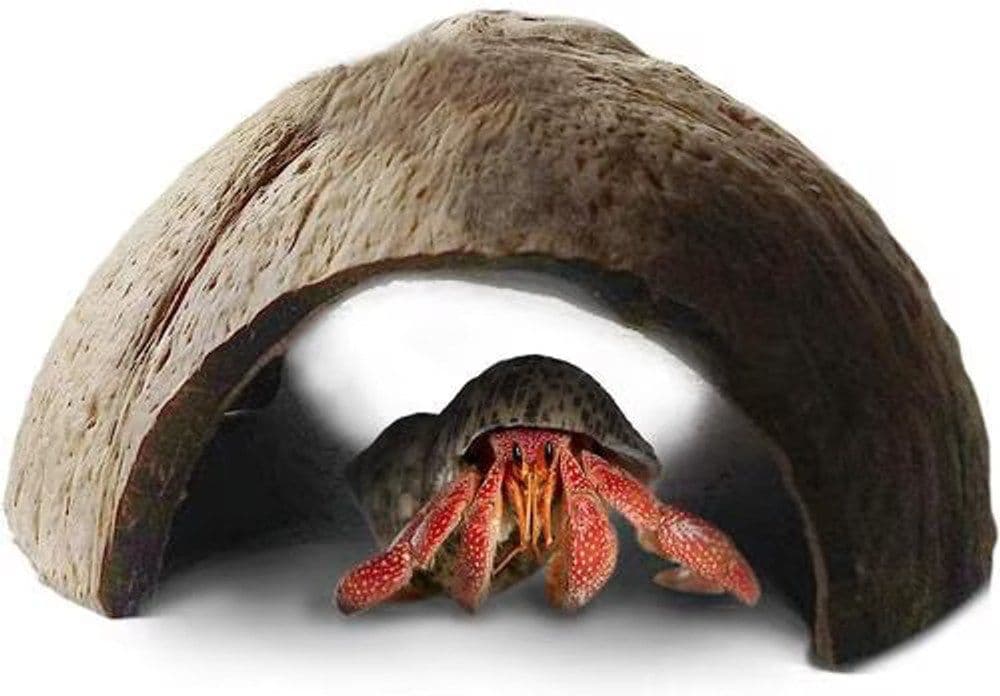
A small hide can enrich some humid terrarium setups, but confirm size and species fit first.
Petful may earn a commission when you click through to Chewy, at no extra cost to you.

Cockroaches: A Surprisingly Unique Pet
While often considered pests, cockroaches - particularly the Madagascar hissing cockroach - make for unique pets that are low-maintenance and fascinating to observe.
- The Hissing Cockroach: These exotic pets are named for the distinctive hissing sound they produce, which often diminishes as they grow accustomed to being handled. Learn more about hissing cockroaches.
- Fun Fact: Cockroaches share the same five senses as humans, but their sense organs are differently placed. For instance, they "hear" through their feet, making them truly extraordinary creatures. Read more about the placement of their sense organs.
With their intriguing behaviors and minimal care needs, cockroaches are a great option for anyone looking for unique pets that are far from ordinary.

Praying Mantis: A Unique Pet with a Fierce Reputation
The praying mantis, sometimes jokingly referred to as the "preying mantis," is a unique pet known for its predatory instincts and fascinating behavior.
- Hunter Extraordinaire: These insects are relentless hunters, even practicing cannibalism. Interestingly, this behavior, particularly in mating, might actually be a good thing for their survival.
- Lifespan and Reproduction: Praying mantises typically live around six months, with females laying 100–400 eggs at a time. Many don’t survive their short lifespan, highlighting nature’s population control.
- Close Relatives: Surprisingly, the mantis is closely related to the cockroach, another fascinating member of the insect world. Learn more about mantises.
With their striking appearance and captivating hunting abilities, praying mantises make intriguing companions for anyone seeking truly unique pets.

Tarantulas: A Unique Pet That Spins Fascination
Tarantulas may not be insects, but they’re still worth considering if you’re looking for unique pets that are low-maintenance and captivating to watch.
- Why Tarantulas Make Great Pets: These large arachnids might give some people the creeps with their hairy bodies and legs, but they are harmless to humans apart from a painful bite. Even their mild venom is weaker than a bee’s sting. As National Geographic puts it, tarantulas are smart, fun to watch, and have distinct personalities.
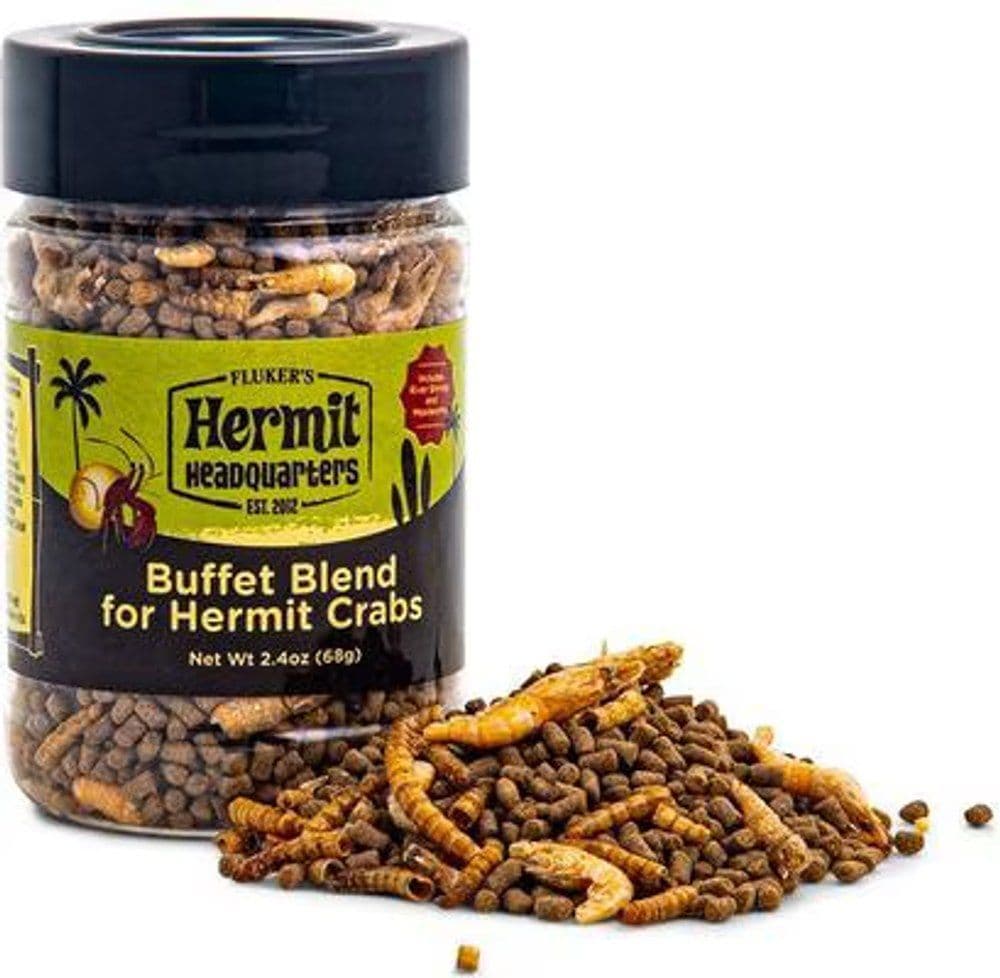
A hermit-crab food option for adjacent invertebrate keepers, not a universal insect diet.
Petful may earn a commission when you click through to Chewy, at no extra cost to you.
- Choosing the Right Tarantula: Start with a captive-bred tarantula instead of one caught in the wild. Captive breeding is more sustainable and avoids harmful environmental practices. Research your chosen species to find one that is docile and easy to handle.
- Important Considerations: Tarantulas are solitary creatures, and some species can be introverted or defensive. Additionally, be sure to check relevant laws and, if you rent, discuss your intent to own one with your landlord.
Learn more about why tarantulas make great pets and discover how these fascinating creatures can be an excellent choice for a unique pet.

Crickets: A Unique Pet with a Soothing Sound
For some, the chirping sound of crickets is a relaxing melody. If you enjoy their soothing song, crickets might be the perfect unique pet for you.
- Why Crickets Make Great Pets: Crickets are inexpensive, easy to care for, and widely available. They’re also low maintenance, happily eating whatever you provide, such as cereal, granola, or birdseed.
- Lifespan Consideration: Unfortunately, crickets only live for a few weeks, which may make them a short-term pet option.
Despite their brief lifespan, crickets are fascinating to observe and require minimal care, making them a delightful choice for those seeking low-maintenance, unique pets.

Mealworms: A Wiggly and Unique Pet for All Ages
If you’re seeking the ultimate low-maintenance pet, mealworms are an excellent choice. These wriggling companions are both fascinating and easy to care for.
- Perfect for Kids: According to blogger Penny Whitehouse, mealworms provide a unique sensory experience for children. She describes holding a heap of wriggling mealworms as something truly unforgettable, noting that "most children love it." Learn more about mealworms as pets.
- Care Needs: Mealworms require minimal effort to thrive. Simply provide them with a bed of oats and a few pieces of fresh vegetables. They’ll get hydration from the veggies and nutrition from the oats.
- Low Maintenance: To keep them happy, replace their oat bedding weekly and ensure they have a fresh supply of vegetables.
Mealworms are ideal for anyone looking for unique pets that are easy to maintain and fascinating to observe.

A small collapsible dish can help with temporary setup chores, but match water access to the species.
Petful may earn a commission when you click through to Chewy, at no extra cost to you.

Scorpions: A Unique Pet for the Bold
Scorpions may not be insects, but they are unique pets that captivate with their mysterious and nocturnal nature. However, they require careful consideration before ownership.
- Why Scorpions Fascinate: These arachnids are inexpensive to feed, thriving on crickets and mealworms, and can live up to three years. Since they’re nocturnal, you’ll see them at their most active after dark.
- Important Precautions: All scorpions have the ability to sting. While some stings cause mild irritation, others can be severe or even deadly. Research your chosen species thoroughly and handle them with care.
Learn more about these incredible arachnids on Wikipedia before deciding if a scorpion is the right unique pet for you.
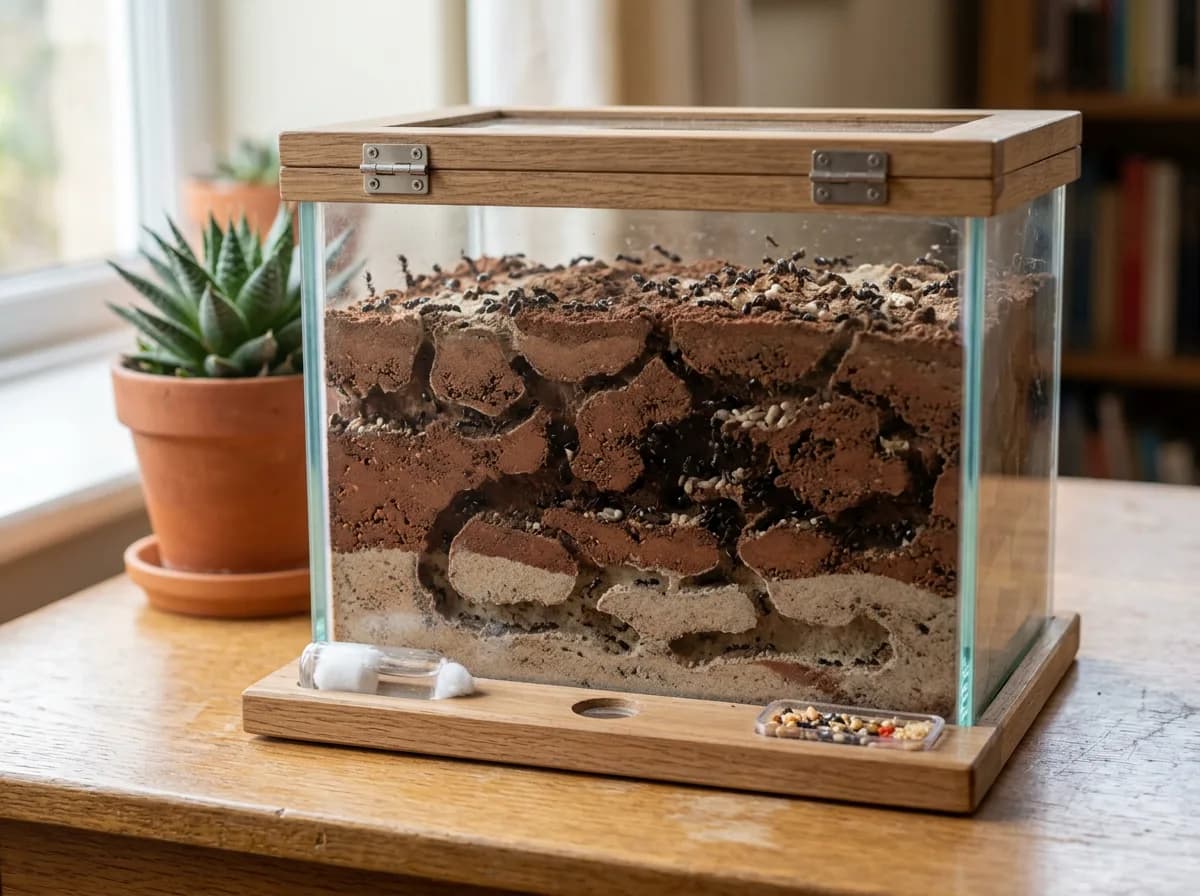
Ants: Industrious and Unique Pets for Curious Minds
Ants are among the most fascinating and industrious insects, making them excellent unique pets for those intrigued by nature’s tiny architects.
- Why Ants Are Captivating: These busy creatures are always on the move, collecting food or defending their colony. Watching their teamwork and dedication can be endlessly entertaining.
- Starting Your Colony: To establish a thriving ant colony, you’ll need a mated queen - either alone or accompanied by a few drones. Without a reproducing queen, the colony won’t survive.
- Diet and Maintenance: Ant diets vary by species, but common foods include seeds, insects, and water mixed with honey. Once you’ve built an enclosure tailored to their needs, ants require minimal upkeep beyond food and water.
For a unique pet experience, consider ants - they’re low maintenance, endlessly fascinating, and a window into the wonders of nature’s smallest engineers.
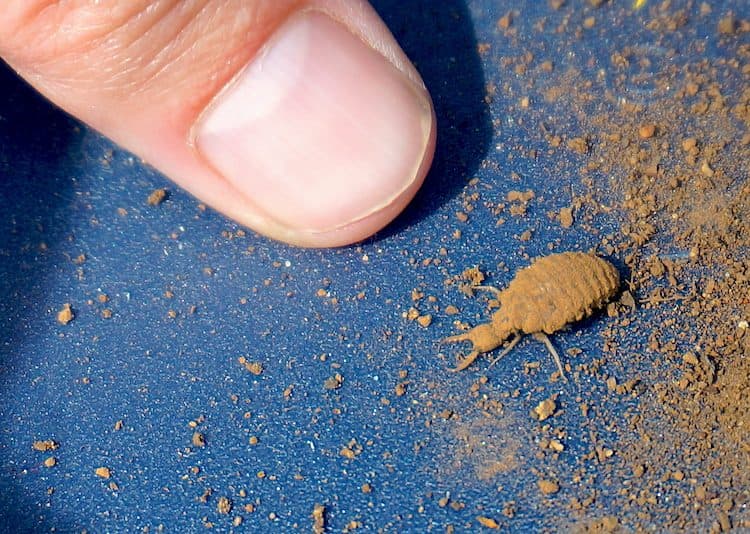
Doodlebugs: A Unique Pet with a Playful Name
Doodlebugs, the larval stage of antlions, make fascinating and unique pets thanks to their quirky behavior and simple care requirements.
- What Are Doodlebugs?: These creatures remain in their larval stage for years, during which they are commonly referred to as doodlebugs. The nickname is also humorously applied to pill bugs and beetles, as noted in Atlas Obscura.
- Care Needs: Doodlebugs are incredibly low maintenance. Provide them with a shallow, sandy box and a supply of insects to prey on, and they’ll be content.
- Unique Behavior: These tiny predators dig cone-shaped pits in the sand, lying in wait for unsuspecting insects to tumble in - creating a natural and entertaining feeding process.
If you’re looking for a unique pet that’s both entertaining and easy to care for, doodlebugs are a perfect choice. Check out these pet insects:
Final Thoughts on Unique Pets
While not everyone may appreciate insects, their role in maintaining nature’s balance is undeniable. These creatures have evolved to fill vital ecological niches, from pollination to nutrient recycling. Without them, the planet would face serious challenges.
Choosing insects as unique pets offers more than just ecological insight - they provide an opportunity to observe fascinating behaviors and learn about diverse species. Plus, they make low-maintenance companions that won’t demand a walk in the rain!
Frequently Asked Questions
Best insects as pets for beginners
The easiest beginner insects as pets are usually the ones that tolerate normal room temperatures, eat simple plant material, and do not require live prey. Stick insects, millipedes and Madagascar hissing cockroaches are common examples. They are quiet, relatively inexpensive to house and interesting to watch without demanding constant interaction.
Before buying, build the habitat and rehearse the care routine. A secure lid, safe substrate, species-specific humidity and a hard-surface habitat cleaner used outside the animal area can prevent many beginner mistakes.
Quick comparison: beginner pet bugs and invertebrates
| Pet | Best for | Handling | Key care note |
|---|---|---|---|
| Stick insects | Calm observation | Brief, gentle handling only | Needs fresh host leaves and an escape-proof mesh enclosure |
| Hissing cockroaches | Hardy beginner keeper | Usually tolerant | Keep the lid secure because they climb smooth surfaces |
| Millipedes | Quiet display pet | Minimal handling | Needs deep moist substrate and decaying leaf matter |
| Praying mantis | Active hunting display | Very limited | Keep alone and feed appropriately sized prey |
| Ant farm | Colony observation | No handling | Use legal species and a proper formicarium |
| Tarantula | Display arachnid keeper | Best not handled | Research species temperament and humidity needs |
Legality, ethics and escape risk
The biggest mistake is assuming that any insect for sale online is legal or safe to release. Nonnative insects can become environmental problems if they escape. Some states restrict mantids, walking sticks, ants and other species, so check local rules and buy from reputable captive-breeding sources. Never release an unwanted pet insect outdoors.
A small coconut-style hideout can work for some humid enclosures, but habitat decor is never one-size-fits-all. Avoid cedar, pesticide-treated branches, unknown soil, scented cleaners and anything sharp enough to damage soft-bodied species.
Feeding and handling reality check
Some insects eat leaves, fruit or prepared diets. Others require live prey. If anyone in the home is uncomfortable feeding crickets, roaches or worms, choose a plant-eating species. Handling should be rare, low and slow. A fall from hand height can injure a small invertebrate, and stress is often invisible until the animal stops eating or molting normally.
For adjacent invertebrate keepers, a product such as Fluker crab food may be relevant only to the animal named on the label. Do not substitute fish, reptile, crab or dog and cat products for insect diets unless a species-specific care source says it is appropriate.
When insects are not the right pet
Choose another pet if you want cuddling, frequent handling, a pet that responds to training, or an animal you can safely leave with a casual sitter. Insects and other invertebrates reward patience and observation. The keeper needs to notice molting trouble, mold, mites, dehydration, stuck sheds and escape points before those small problems become fatal.
Even setup helpers such as a small collapsible dish should be treated as general equipment, not a species recommendation. The care sheet for the exact species always wins.
Common beginner choices include stick insects, Madagascar hissing cockroaches, millipedes, some mantids and ant farms with legal species. Tarantulas and scorpions are popular invertebrates but are arachnids, not insects, and need extra caution.
A good pet insect is captive-bred, legal where you live, easy to feed and safe to house in an escape-proof enclosure. For many beginners, stick insects or hissing cockroaches are easier than mantids because their care is less prey-driven.
No insect is friendly in the dog or cat sense. Some are more tolerant of gentle, brief handling, especially hissing cockroaches and some stick insects, but most pet bugs are happiest when observed rather than handled.
Yes, many insects can be kept as pets when they are legal, captive-bred and housed correctly. The key is to research the exact species before purchase because humidity, food, lifespan and handling tolerance vary widely.

Coreen Saito is a pet writer and longtime shelter volunteer with more than a decade in animal rescue. She covers cat behavior, breed care, and the small, ordinary science of sharing a life with companion animals, with a particular focus on honest takes about the products and decisions that actually matter. At home in Arizona, she's outranked by Mac (a dog with the loudest opinion in the house), Rebel (a cat who governs by quiet authority), and Meri (an orange tabby who runs the late shift and the laundry basket). She writes about all three, plus the rescues that keep coming through her life, at LifeWithMinty.com.
Sign up for expert-backed reviews and safety alerts all in one place.