Weird Dog Breed Names and How to Say Them
A guide to the weirdest, hardest-to-pronounce dog breed names, from ancient purebreds like the Xoloitzcuintli and Komondor to funny crossbreed mashups, with a simple pronunciation method for every one.
Petful is reader supported. As an affiliate of platforms like Amazon and Chewy, we may earn a commission when you buy through links on this page. There is no extra cost to you.
Some of the best conversation-starters at the dog park are not tricks or toys, they are the weird dog breed names that leave people squinting and asking, "Wait, how do you even say that?" A Xoloitzcuintli, an Azawakh, a Kooikerhondje: these tongue-twisters carry centuries of history, foreign languages, and a few genuinely goofy portmanteaus baked right into the spelling.
We pulled together the strangest, hardest-to-pronounce, and most delightfully odd names in the dog world, along with a plain-English pronunciation guide so you can drop "Cirneco dell'Etna" into a sentence without flinching. Some are ancient purebreds most people have never laid eyes on. Others are modern mashups invented by breeders who clearly had fun. All of them earn a double-take.
- 1Many weird dog breed names come from other languages (Nahuatl, Hungarian, French, Japanese) and describe the dog's job, coat, or homeland.
- 2Hard-to-say names like Xoloitzcuintli and Kooikerhondje belong to real, recognized breeds, not made-up ones.
- 3Funny mashup names such as Daniff and Schweenie come from crossbreeding two purebreds and blending their names.

Sign up for expert-backed reviews and safety alerts all in one place.
Why do so many dog breeds have strange names?
Before we get to the list, it helps to know why these names look the way they do. Almost every odd breed name falls into one of a few tidy buckets, and once you spot the pattern, even the scariest spelling starts to make sense.

Petful may earn a commission when you click through to Chewy, at no extra cost to you.
- Foreign-language names. Many breeds are named in the language of their country of origin. Xoloitzcuintli comes from Nahuatl, the Aztec language. Komondor is Hungarian. Kooikerhondje is Dutch. The spelling looks alien only because English is not the source.
- Job-description names. Plenty of breed names literally describe what the dog was bred to do. The Dutch Kooikerhondje's name traces back to the "kooiker" who worked duck-luring traps. The Schipperke's name is often tied to boat and barge work in Belgium.
- Place names. Some breeds carry their hometown or region in the name. Coton de Tulear points to the city of Toliara in Madagascar. Cirneco dell'Etna is named for Sicily's Mount Etna. Bernese Mountain Dogs hail from Bern, Switzerland.
- Portmanteau mashups. Modern designer crossbreeds blend two parent names into one. A Great Dane crossed with a Mastiff becomes a Daniff. A Shih Tzu crossed with a Dachshund becomes a Schweenie. These are the ones that make people laugh out loud.
Understanding the origin also helps you nail the pronunciation, because you are usually just following the rules of another language rather than trying to force English phonetics onto a foreign word.
Ancient purebreds with the weirdest names
These are recognized breeds with real registries and long histories. Their names are strange to English speakers because they came from somewhere else entirely.
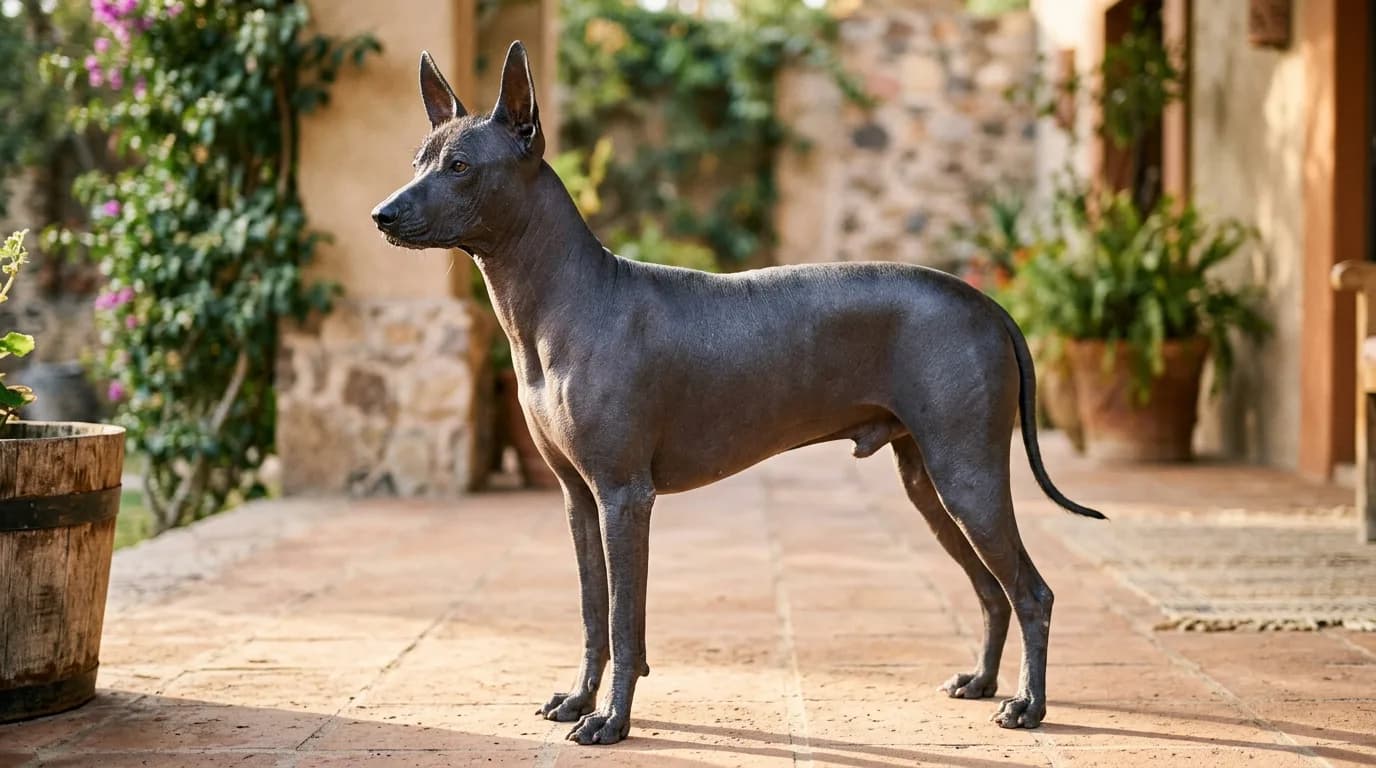
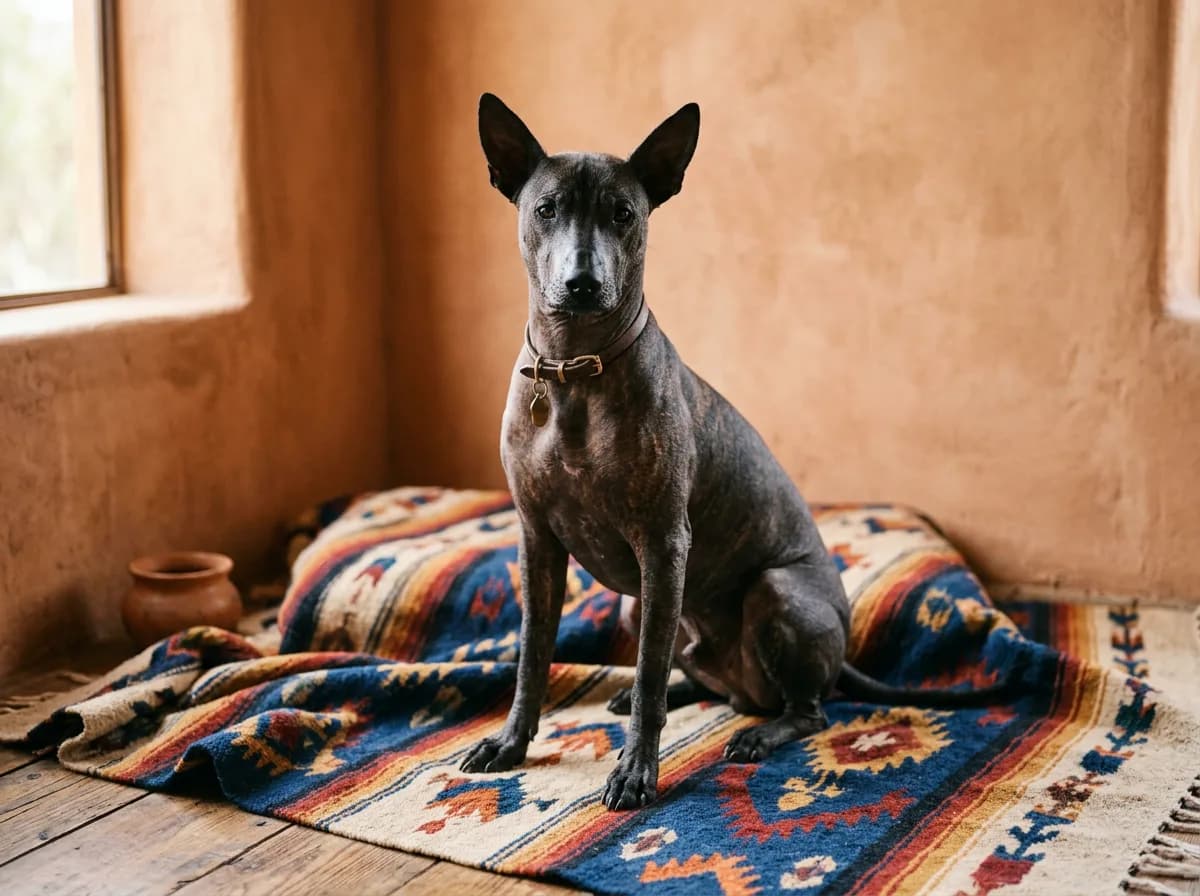
Xoloitzcuintli (show-low-eets-QUEENT-lee)
Often shortened to "Xolo," this is the Mexican Hairless Dog, and it may be the single most famous hard-to-say breed name on the planet. The name comes from the Aztec god Xolotl combined with the Nahuatl word for dog, "itzcuintli." Put together it roughly means "dog of the god Xolotl." The Xolo is one of the oldest dog breeds in the Americas and comes in both hairless and coated varieties, plus three sizes. Once you learn to break it into "show-low-eets-QUEENT-lee," it rolls off the tongue far more easily than it reads.
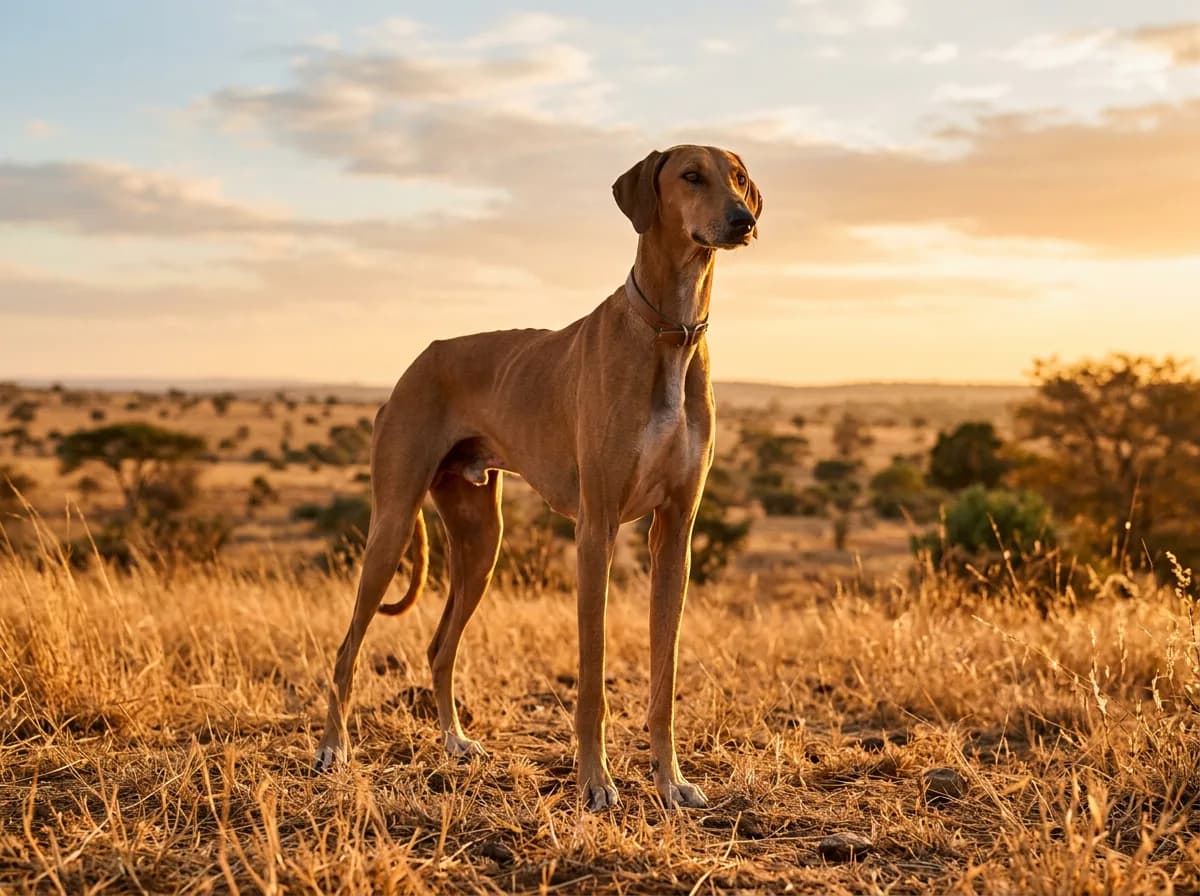
Azawakh (AH-zah-wahk)
This West African sighthound comes from the Sahelian zone around the Azawakh Valley, which spans parts of Mali, Niger, and Burkina Faso. Bred by nomadic peoples as a guardian and hunter, the Azawakh is famous for a lean, elegant build and an almost cat-like gait. The name looks intimidating but breaks down cleanly into three short syllables. It is one of the rarer sighthounds you will ever encounter in North America.

Daily dental chew that cleans teeth, freshens breath, and is accepted by the Veterinary Oral Health Council. Sized for dogs 25 to 50 lbs.
Petful may earn a commission when you click through to Chewy, at no extra cost to you.
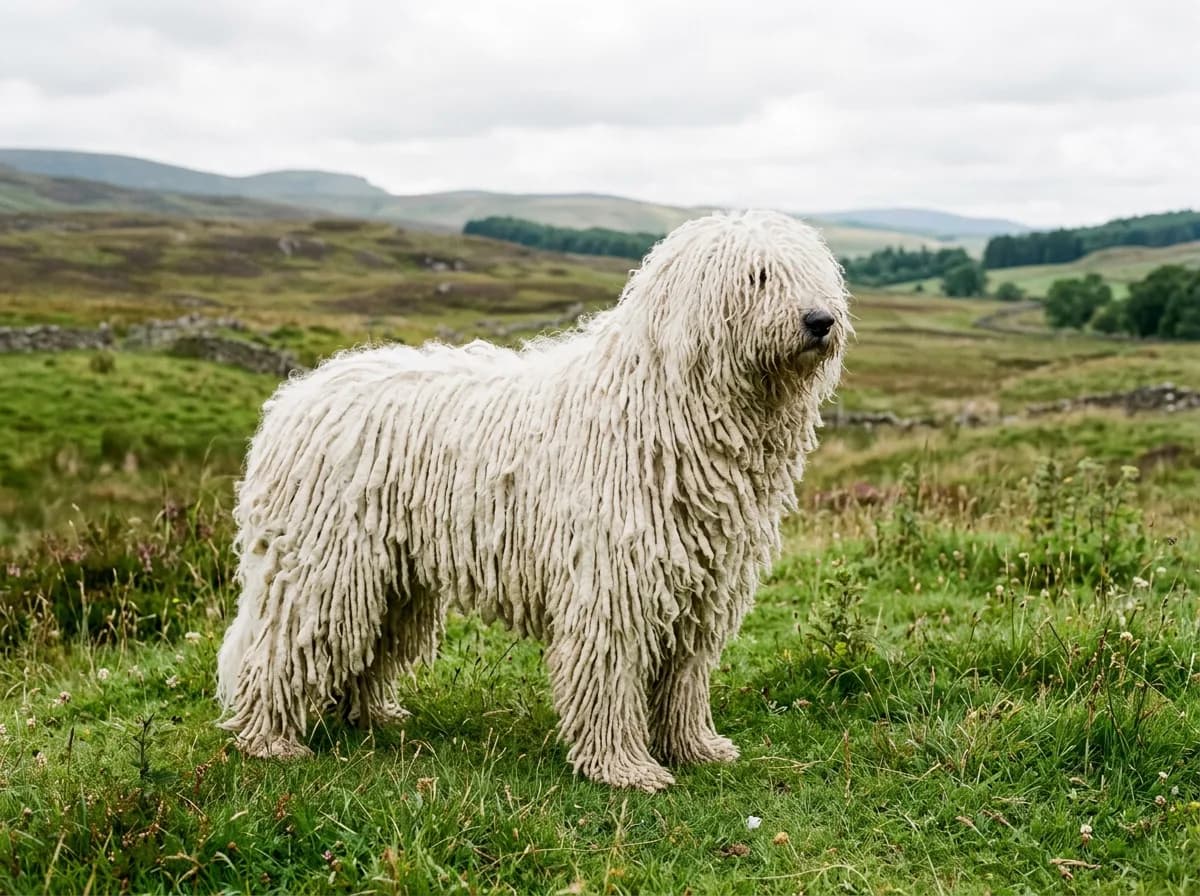
Komondor (KOM-on-dor)
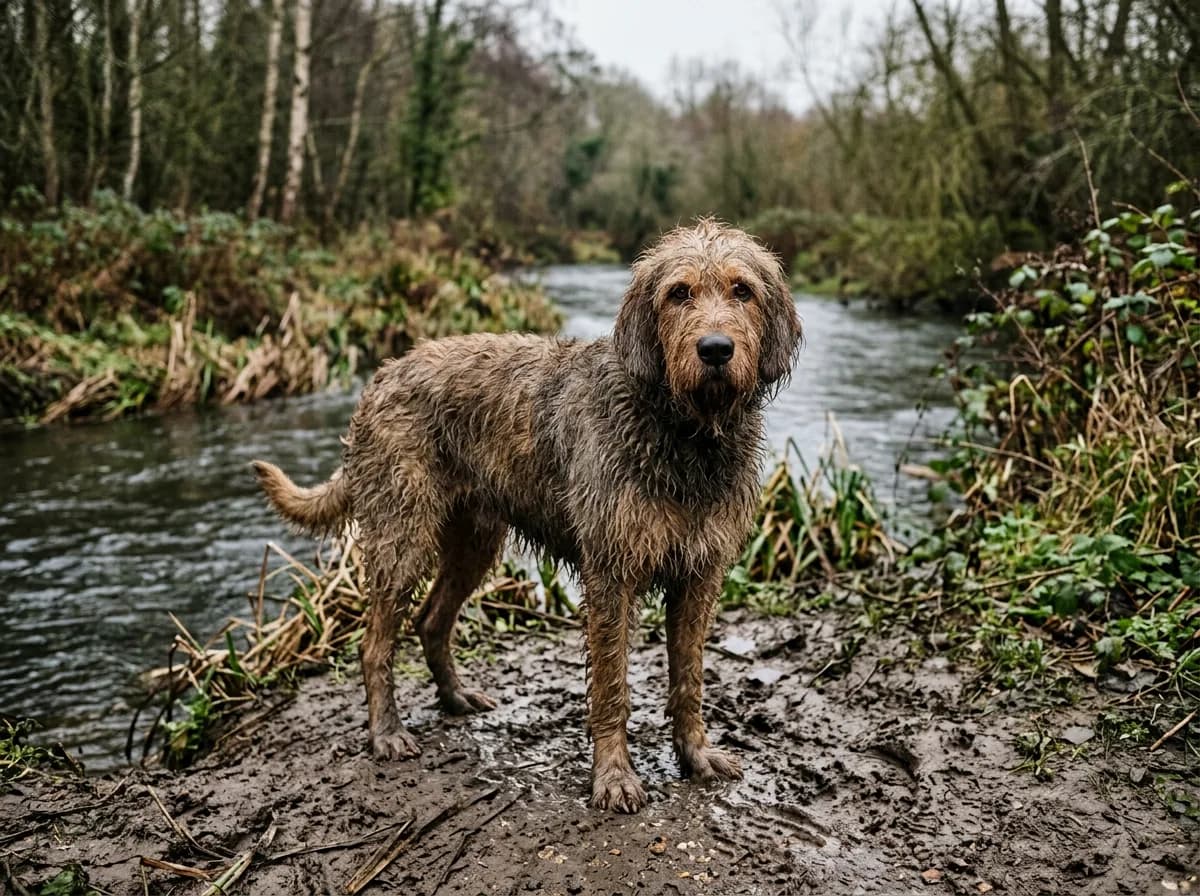
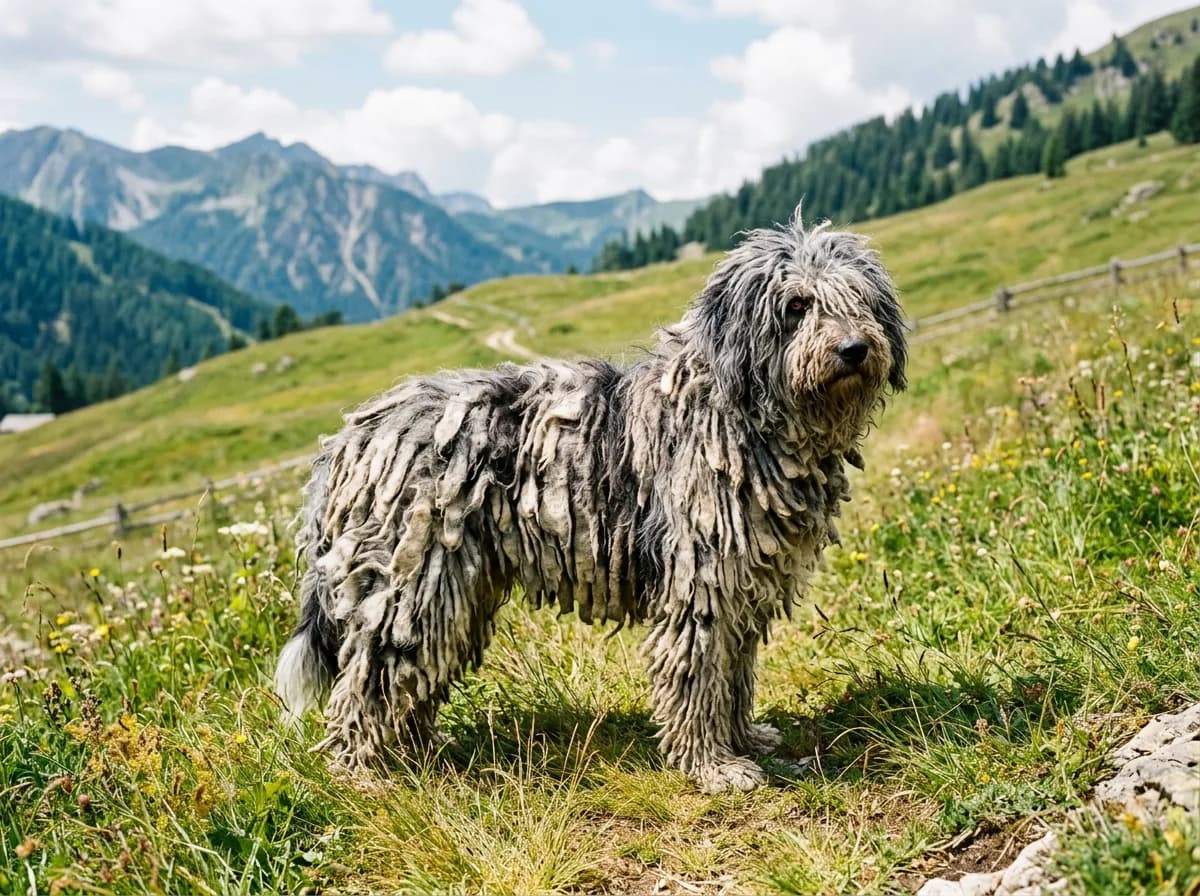
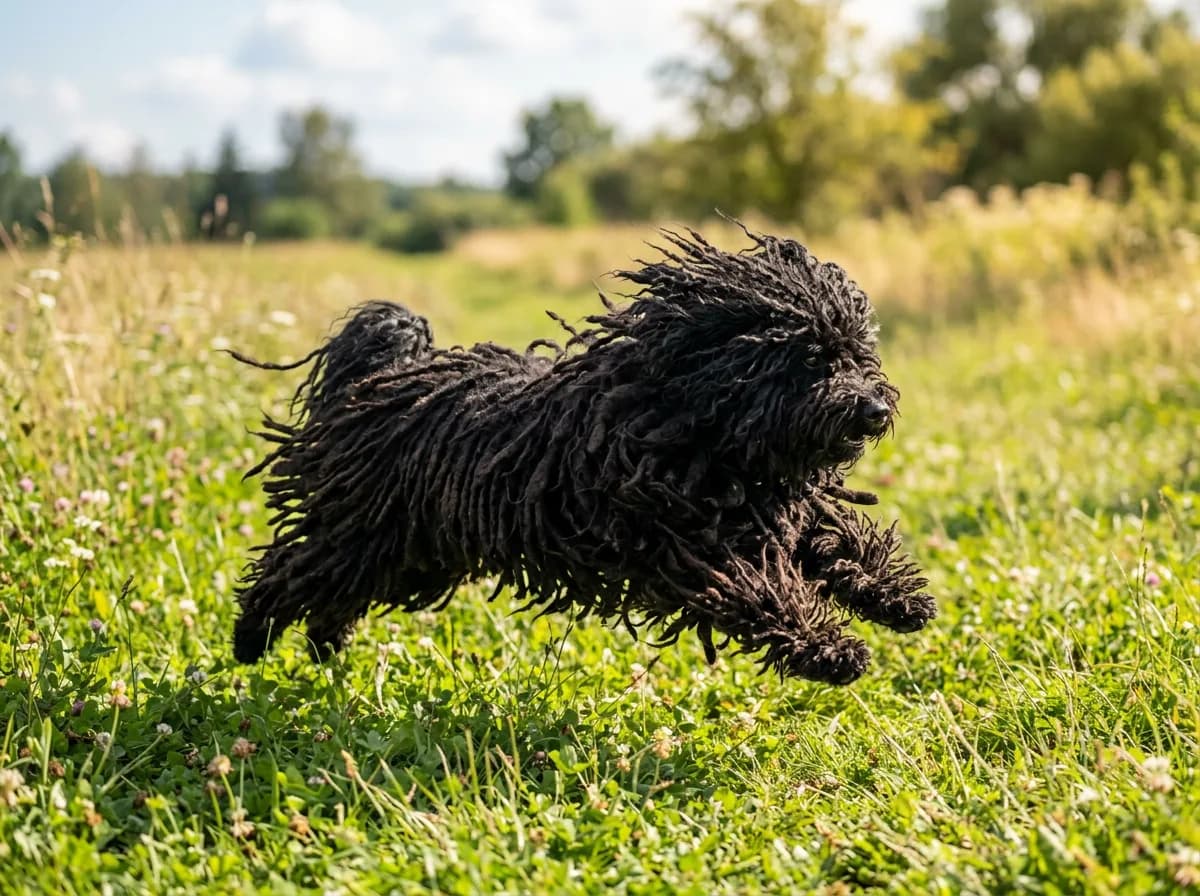
A Komondor looks less like a dog and more like a walking mop, and that is entirely by design. This massive Hungarian livestock guardian is covered head to tail in thick white cords, or "dreadlocks," that historically helped it blend in with the flock and shrug off predator bites. The name is Hungarian and, thankfully, mostly phonetic. The plural, if you ever need it, is "Komondorok."
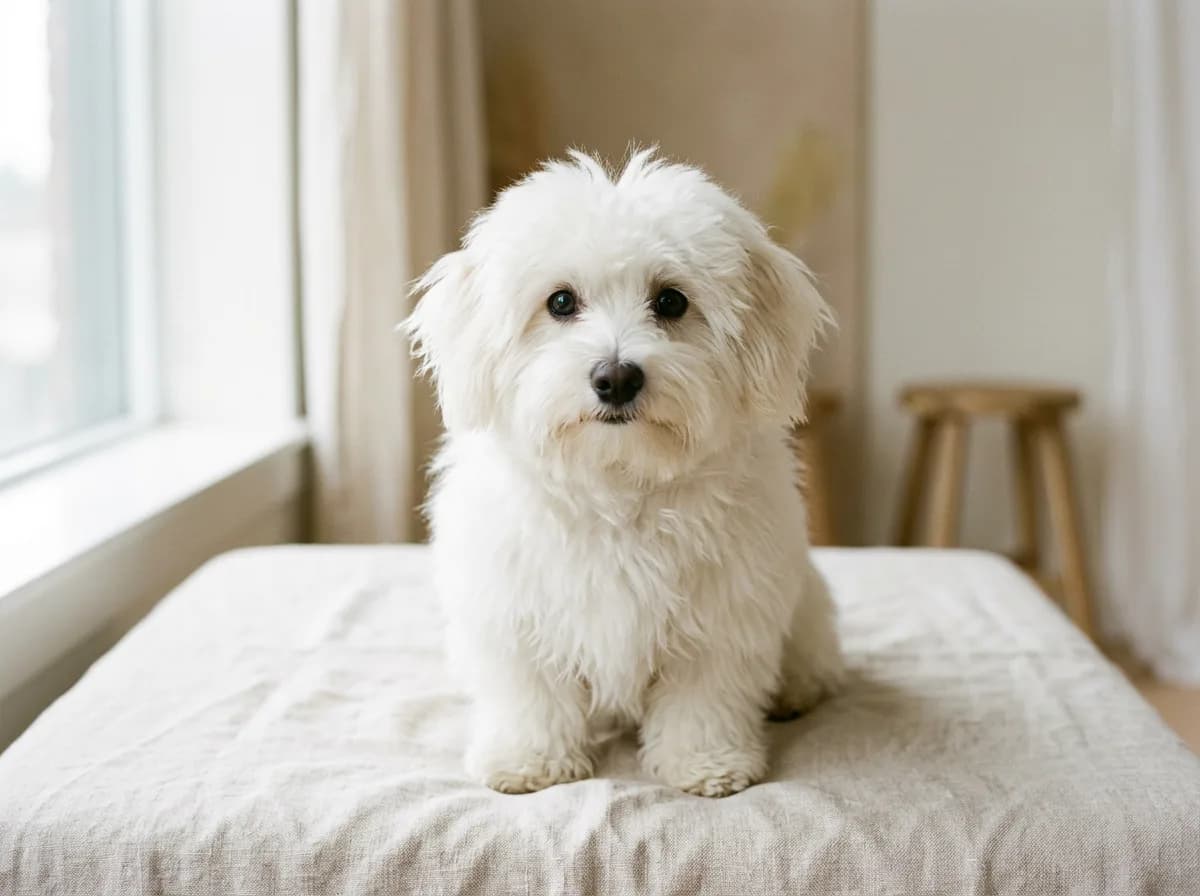
Coton de Tulear (co-TAWN de too-lay-AR)
Nicknamed the "Royal Dog of Madagascar," the Coton de Tulear takes its name from two things: "coton," the French word for cotton (a nod to its soft, cotton-ball coat), and Tulear, the older name for the Madagascan port city of Toliara. It is a small, cheerful companion breed with a fluffy white coat and a devoted personality. The French pronunciation trips people up, but "co-TAWN de too-lay-AR" gets you close.
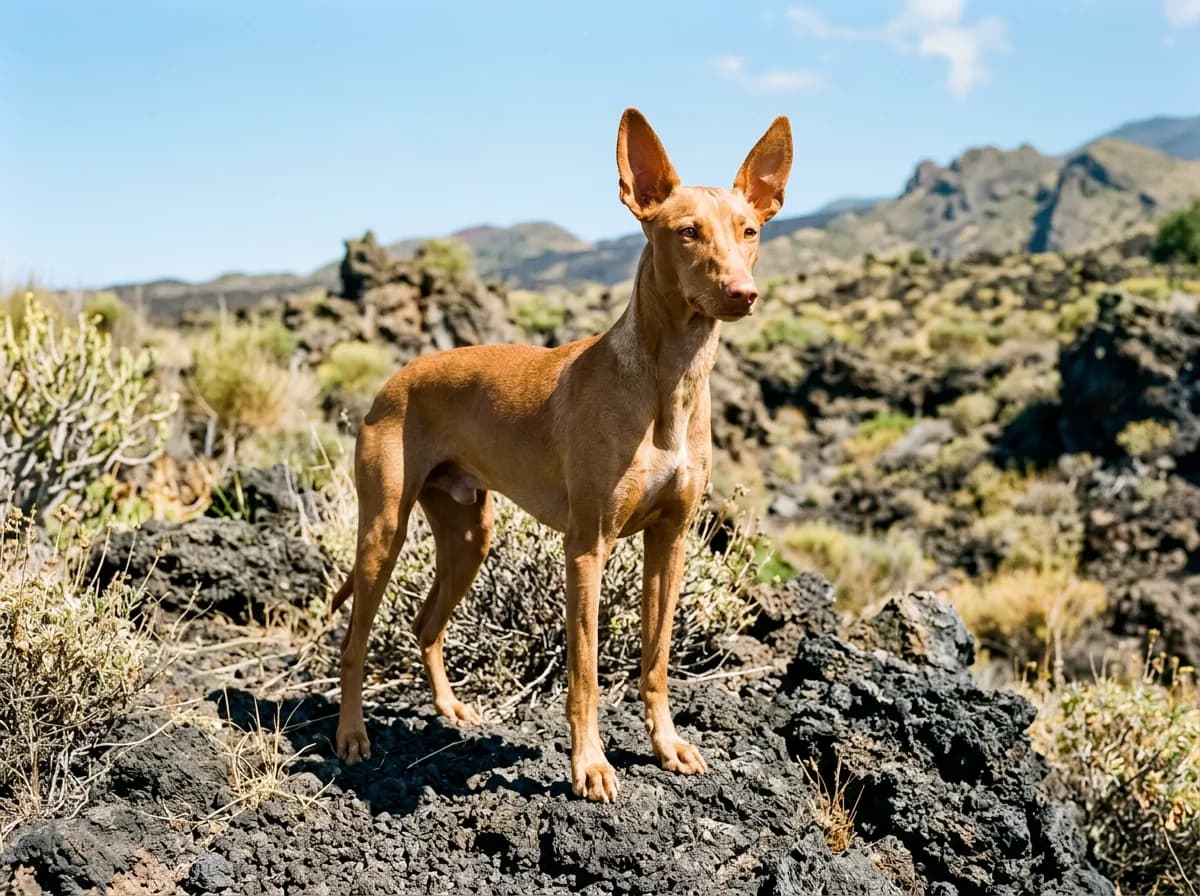
Cirneco dell'Etna (cheer-NEH-ko dell ET-na)
This sleek, rabbit-hunting hound hails from Sicily and is named after Mount Etna, the island's famously active volcano. Small, athletic, and thousands of years old as a type, the Cirneco (its friendly short name) looks a bit like a smaller Pharaoh Hound with enormous upright ears. The "Cirneco" part is the tricky bit; "dell'Etna" simply means "of Etna."
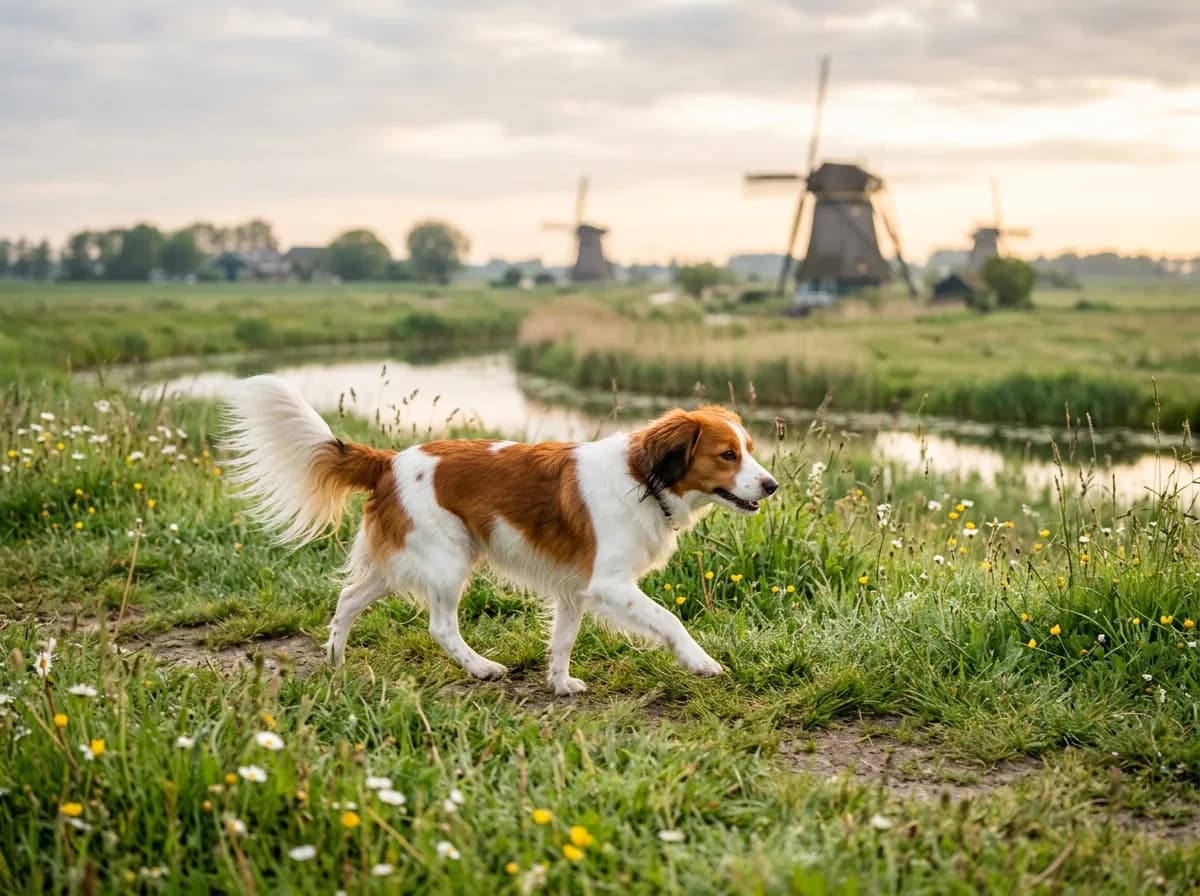
Kooikerhondje (COY-ker-hond-yuh)
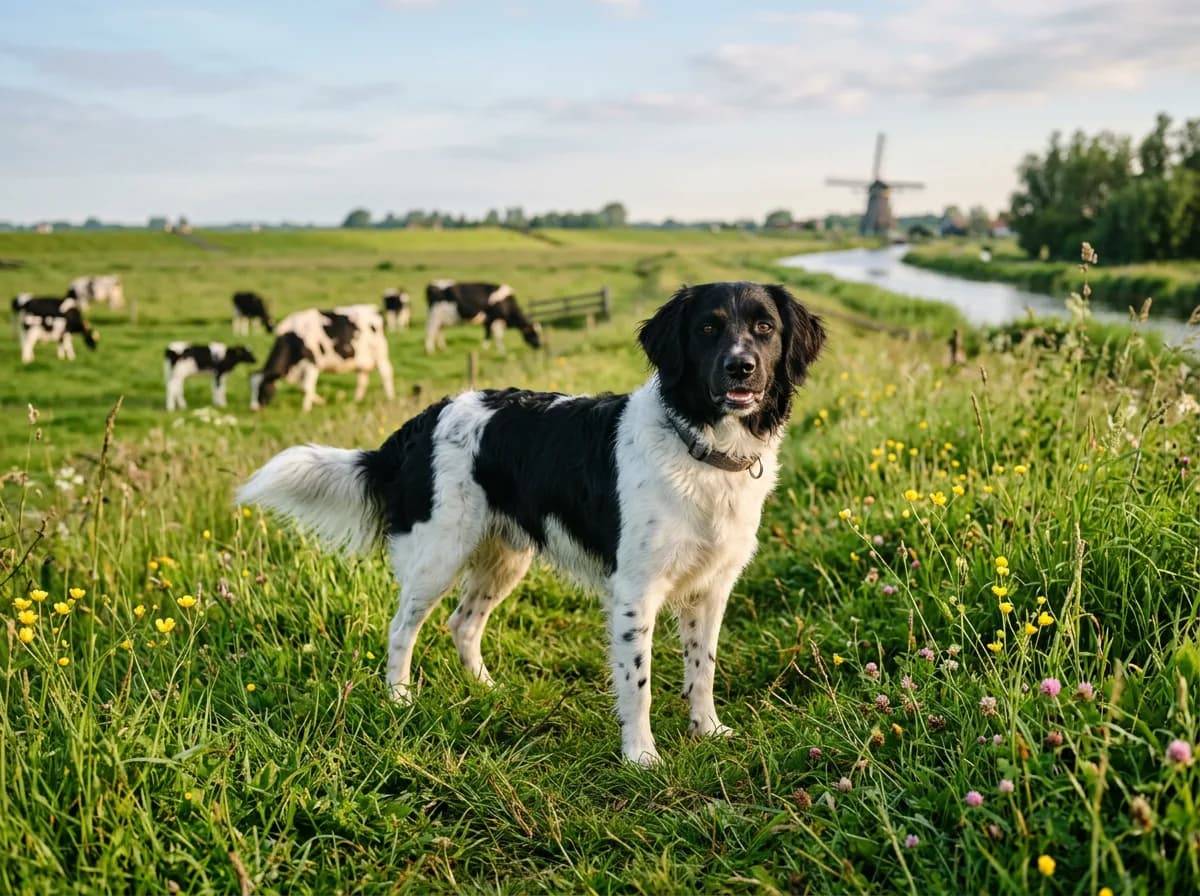
This cheerful orange-and-white Dutch spaniel has one of the most fun names to say once you get the hang of it. "Kooiker" refers to the traditional duck-luring decoy trapper the dog worked alongside, and "hondje" is Dutch for "little dog." So the whole thing means, roughly, "the little dog of the duck trapper." Break it into "COY-ker-hond-yuh" and it becomes surprisingly satisfying to pronounce.
Puli (POO-lee)
Another corded Hungarian herder, the Puli is essentially the Komondor's smaller, faster, usually-black cousin. The name itself is short and easy, which almost feels like a trick after some of the others on this list. Pulik (the plural) are agile, springy sheepdogs whose cords give them a bounce that has to be seen to be believed.
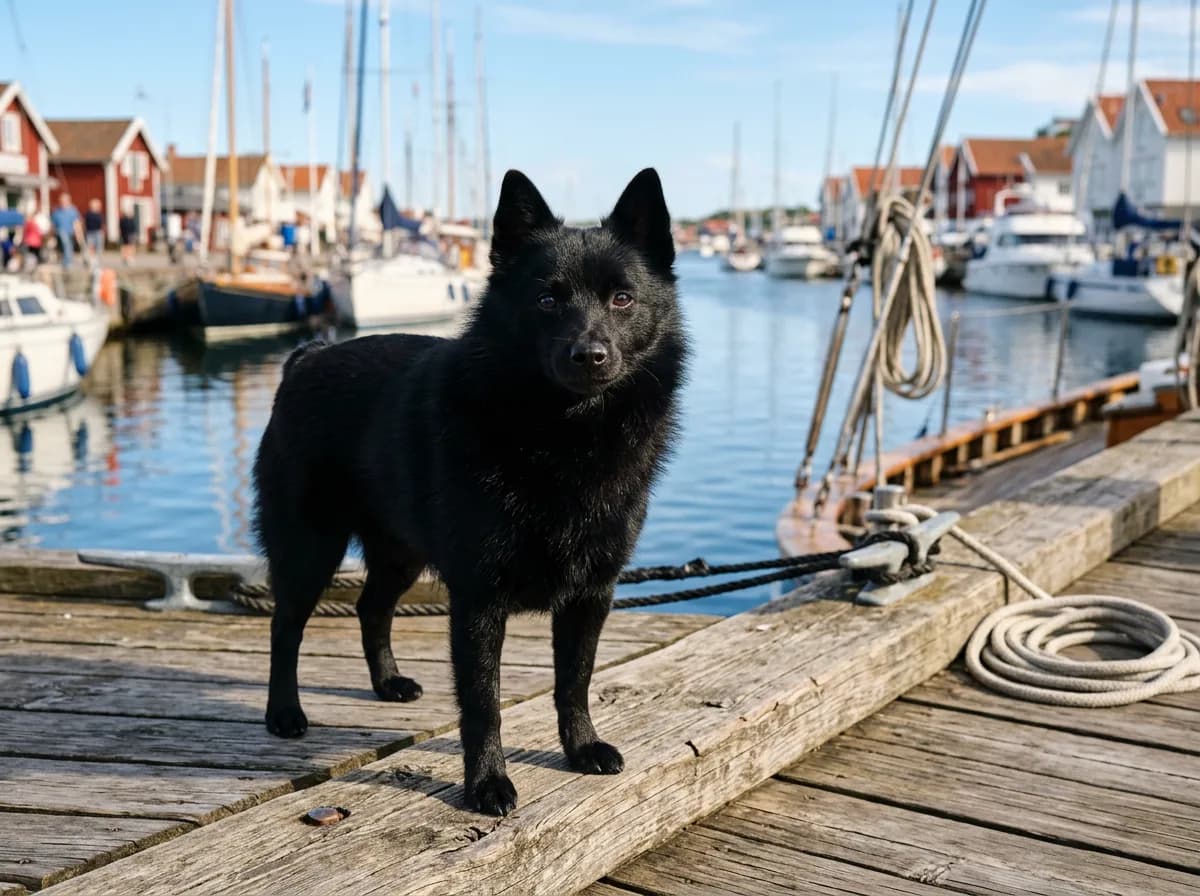
Schipperke (SKIP-er-kee)
This little black Belgian breed is nicknamed the "Little Skipper" or "Little Captain," and the name is often linked to canal and barge life. The pronunciation catches people out because the "sch" is not a soft "sh" sound; it is closer to "sk." So it is "SKIP-er-kee," not "shipper-key." Small, curious, and famously bold, the Schipperke punches well above its weight.

Petful may earn a commission when you click through to Chewy, at no extra cost to you.
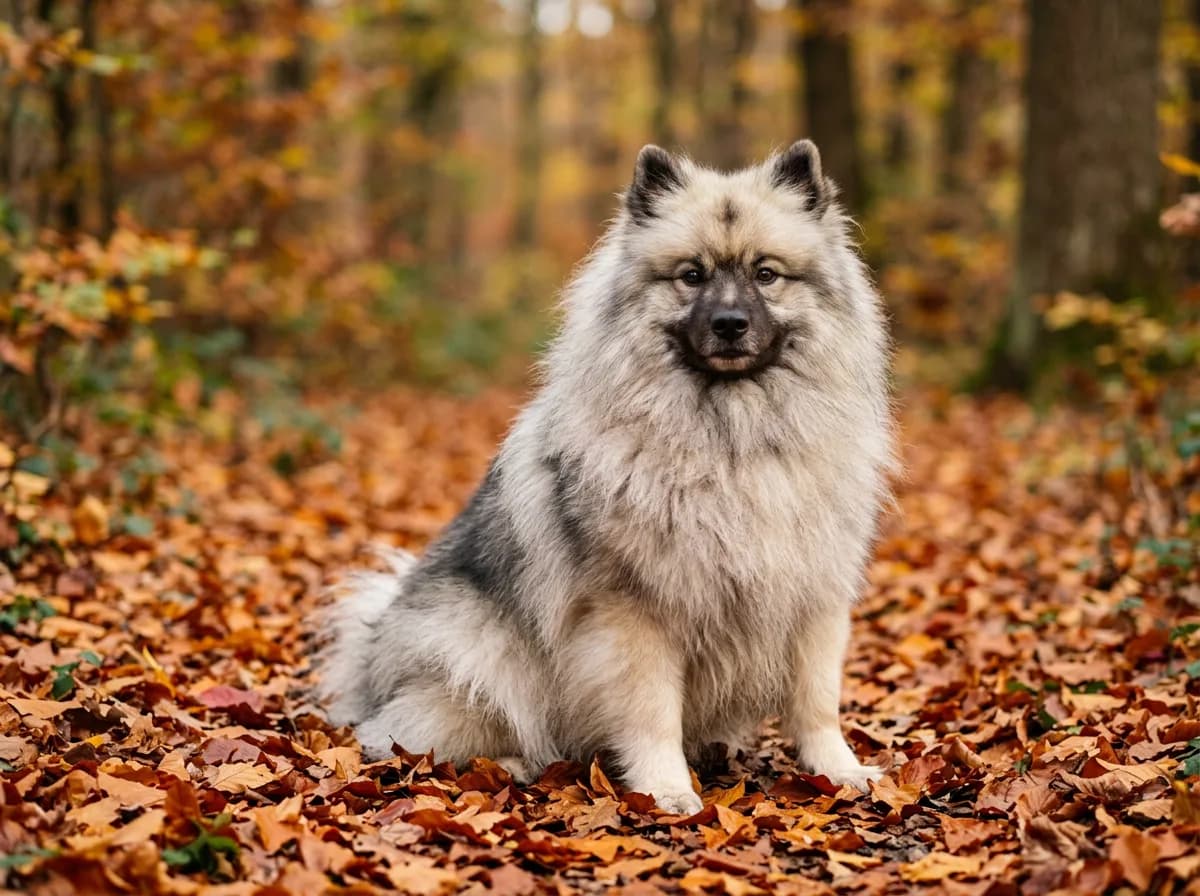
Keeshond (KAYS-hond)
A plush, spitz-type companion with striking "spectacle" markings around the eyes, the Keeshond has Dutch roots and a name to match. The key detail: the "s" and the "h" are pronounced as separate sounds, so it is "KAYS-hond," not "KEE-shond." The plural is "Keeshonden."
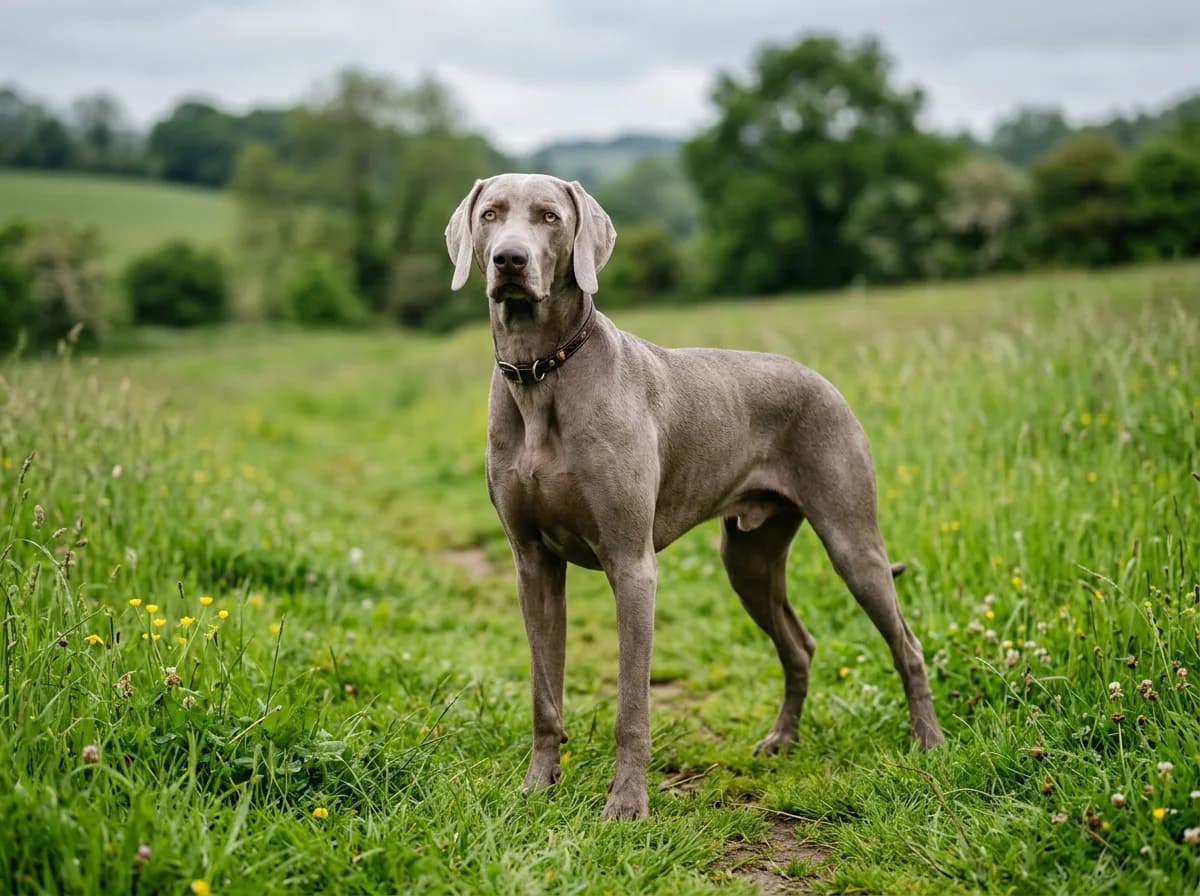
Weimaraner (VY-muh-rah-ner)
Nicknamed the "Gray Ghost" for its distinctive silver coat and pale eyes, the Weimaraner is a German gundog whose name honors the court of Weimar, where it was developed. It is one of those names almost everyone has seen written down and almost no one says the same way twice. "VY-muh-rah-ner" is the most widely accepted version, though a couple of regional variations exist.
Rare breeds you have probably never heard of
Beyond the famous tongue-twisters, the dog world is full of obscure breeds whose names are just as strange, if a little easier to say once you slow down.

A durable rubber dog toy that can be stuffed with treats and selected by the manufacturer's size guide; supervise use and retire it when damaged.
Petful may earn a commission when you click through to Chewy, at no extra cost to you.
- Otterhound (OT-ter-hound): A big, shaggy British scenthound originally bred to hunt otters. Genuinely one of the rarest breeds recognized by major kennel clubs.
- Bergamasco Sheepdog (ber-guh-MAS-ko): An Italian herder with a coat that forms flat, felted "flocks" or mats rather than cords.
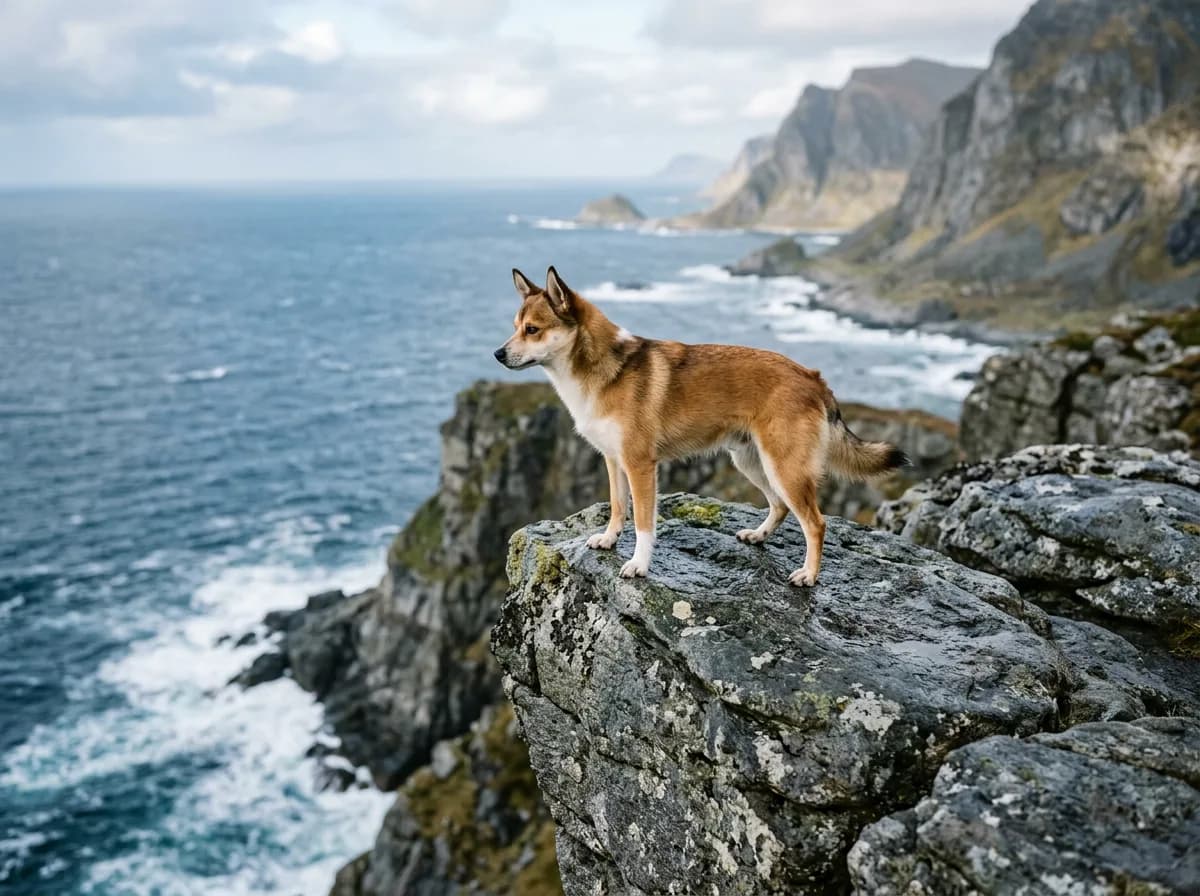
- Norwegian Lundehund (LOON-duh-hoond): A puffin-hunting Norwegian dog with six toes on each foot and freakishly flexible joints.
- Stabyhoun (STAH-bee-hoon): A rare Dutch farm dog and one of the least common breeds in the world, prized as an all-purpose companion.
- Mudi (MOO-dee): A versatile Hungarian herding dog with a wavy coat and boundless energy.
- Sloughi (SLOO-ghee): An ancient North African sighthound, sometimes called the "Arabian Greyhound."
- Grand Basset Griffon Vendeen (grahn bah-SAY gri-FON von-day-AHN): A long, low, scruffy French scenthound with a name as elaborate as its coat.
- Catalburun (CAT-uhl-buh-roon): A rare Turkish pointer famous for a split or "double" nose.
- Xoloitzcuintli's cousins: Peruvian Inca Orchid and other hairless breeds share the same ancient New World roots and equally unusual names.
Each of these is a real, documented breed. If you spot one in person, you are among a small club of people who have.
Funny mashup names from designer crossbreeds
Not every weird name is centuries old. The boom in designer crossbreeds has produced a whole vocabulary of portmanteau names that blend two parent breeds. Some are cute, some are ridiculous, and a few sound like they belong in a comic strip.

Petful may earn a commission when you click through to Chewy, at no extra cost to you.
| Mashup Name | Parent Breeds | Notes |
|---|---|---|
| Daniff | Great Dane + Mastiff | A truly giant gentle-giant cross |
| Schweenie | Shih Tzu + Dachshund | Small, long-bodied, and fluffy |
| Pithuahua | Pit Bull + Chihuahua | A big-personality small-to-medium mix |
| Bospin | Boston Terrier + Miniature Pinscher | Compact, sharp, and lively |
| Chug | Chihuahua + Pug | One of the most popular "smoosh-face" mixes |
The naming logic is simple: take a piece of one parent's name, staple it to a piece of the other's, and see what sticks. It is worth remembering that these crosses are not standardized breeds, so a "Schweenie" from one litter can look quite different from another. If a mashup name sounds too good to be true, it is usually just a marketing spin on a mixed-breed dog.
How to pronounce a weird dog breed name (a quick method)
You do not need to memorize a phonetics chart. Next time you hit a name that looks impossible, try this:
1. Find the origin. Is it French, Hungarian, Dutch, Japanese, or an Indigenous language? The source language sets the rules.
2. Break it into syllables. Almost every intimidating name is just three or four small, sayable chunks pushed together.
3. Lean on the emphasis. Most guides mark the stressed syllable in capitals (as we did above). Hit that syllable a little harder and the rest falls into place.
4. Say it out loud, twice. The name always looks worse than it sounds. "Kooikerhondje" is scary on paper and genuinely fun once you have said "COY-ker-hond-yuh" a couple of times.
If you are choosing a breed with a tricky name, it also pays to learn a bit about the dog behind it. Coat type, energy level, and grooming needs vary wildly across this list, from the cord-covered Komondor to the smooth, near-hairless Xolo. For a sense of how coat and color shape a breed's care, our guide to Rhodesian Ridgeback colors is a good example of how much variety a single breed can hold.
Choosing a dog with an unusual name
A weird name is a fun icebreaker, but it should never be the reason you bring a dog home. Rare and obscure breeds often come with specific needs, longer waitlists, and higher costs, and some of the corded and hairless breeds require grooming or skin care that catches new owners off guard.
Before you fall for a tongue-twister, do the ordinary homework: research the breed's energy and exercise needs, ask about health screening, and be honest about whether your lifestyle fits. A well-matched mixed breed with a goofy mashup name can be every bit as rewarding as a rare purebred, and usually far easier to find.
- Make a short list of the traits you actually need (size, energy, grooming tolerance, kid-friendliness), then see which breeds fit. If a Kooikerhondje or a Coton de Tulear happens to check every box, wonderful. If a shelter mix does, that is a win too.
Frequently asked questions about weird dog breed names
A few more names guaranteed to stump a room
Even a long list barely scratches the surface. A handful of other recognized breeds carry names that stop people mid-sentence, and each one rewards a slow, syllable-by-syllable attempt.
- Lagotto Romagnolo (lah-GOT-toh roh-mahn-YOH-loh): An Italian water dog with a dense curly coat, prized today as a specialist truffle hunter.
- Pumi (POO-mee): A Hungarian herder with corkscrew curls and expressive, half-perked ears that give it a permanently curious look.
- Wetterhoun (VET-er-hoon): A rugged Dutch water dog, sometimes called the Frisian Water Dog, historically used to hunt otters and small game.
- Kai Ken (KYE-ken): A rare Japanese breed nicknamed the "tiger dog" for its brindle coat, one of the country's native spitz-type breeds.
- Broholmer (BROH-hol-mer): A calm, oversized Danish mastiff once kept on large estates as a guard and companion.
The short nickname behind every long name
Here is the reassuring part: almost nobody says these names in full at the dog park. Owners lean on practical short forms, and knowing them saves your breath. A Xoloitzcuintli becomes a "Xolo," a Kooikerhondje becomes a "Kooiker," and a Cirneco dell'Etna is simply a "Cirneco." The Grand Basset Griffon Vendeen is so unwieldy that fans just call it a "GBGV," while a Lagotto Romagnolo answers to "Lagotto" and a Weimaraner to "Weim." Learn the full name once so you can say it correctly, then use the nickname for everyday life.
- Every national breed club and rescue group has a go-to short name its members use. If a name intimidates you, that friendly nickname is usually the first thing they will teach you.
Related on Petful
- The 7 Types of Dogs: Breed Groups Explained
- Schipperke: Full Breed Profile and Owner Guide
- Hound Dog Breeds: The Complete List With Photos
- Terrier Breeds: Every Type With Photos
Among recognized breeds, the Xoloitzcuintli (show-low-eets-QUEENT-lee) is widely considered the most unusual dog breed name, drawn from the Aztec Nahuatl language. Other strong contenders include the Dutch Kooikerhondje and the West African Azawakh. For individual pet names rather than breeds, unusual picks tend to be ones you rarely hear at the park, which is exactly why owners choose them.
This one is less about breed names and more about how dogs see the world. Dogs see best in shades of blue and yellow, so toys and gear in those colors tend to stand out most to them. Reds and greens are harder for dogs to distinguish. When you are shopping for a dog whose breed name you can barely pronounce, a blue or yellow toy is a safe, dog-visible choice.
Dogs hear a much wider range of frequencies than people, and they are especially tuned to higher-pitched sounds, roughly up to around 45,000 to 65,000 Hz depending on the source. That is why high-pitched squeaky toys and whistles grab their attention so easily. It also means your quirky-named dog can hear the treat bag long before you have finished saying its breed name.
The Norwegian Lundehund is a frequent answer: it has six toes on each foot and joints flexible enough to bend its head back to its spine, traits that helped it hunt puffins on cliffs. The Xoloitzcuintli, Azawakh, and Catalburun (a Turkish pointer with a split nose) are also regularly named among the most unusual breeds.
Silly dog names usually come from designer crossbreeds, where two parent breeds are blended into one goofy portmanteau. Daniff (Great Dane and Mastiff), Schweenie (Shih Tzu and Dachshund), and Chug (Chihuahua and Pug) are classic examples. These are mixed-breed nicknames rather than official breeds, but they are undeniably fun to say.
In breed terms, some of the rarest are the Otterhound, Norwegian Lundehund, Stabyhoun, Azawakh, Sloughi, Cirneco dell'Etna, Bergamasco Sheepdog, Mudi, Catalburun, Grand Basset Griffon Vendeen, Skye Terrier, Cesky Terrier, Finnish Spitz, Pyrenean Shepherd, Belgian Laekenois, Kooikerhondje, Komondor, Puli, Coton de Tulear, and Xoloitzcuintli. Most people will go a lifetime without meeting one.
Dogs do not use words, so "I love you" in dog language is really about behavior: soft eye contact and slow blinking, a relaxed wagging tail, leaning into you, and calm body language all signal affection. Learning your dog's signals matters more than perfecting the pronunciation of its fancy breed name.
Dogs do not actively avoid colors, but because they are red-green colorblind, reds and greens can appear muted or grayish and simply blend into the background for them. That is why a red ball on green grass can be hard for a dog to spot, while a blue or yellow toy stands out clearly.
The bottom line on strange breed names
Weird dog breed names are a window into geography, history, and human creativity. Behind every unpronounceable label is a real dog with a real story, whether it is an ancient Aztec companion, a Hungarian flock guardian in dreadlocks, or a modern mashup dreamed up by a breeder with a sense of humor. Learn the origin, break the name into pieces, and say it out loud a couple of times, and even "Xoloitzcuintli" stops being scary and starts being a great party trick.

Allison Gray gained a wealth of knowledge about animal welfare issues and responsible pet care during her nearly 5 years of work for an animal shelter. She is a writer, photographer, artist, runner and tattooed remedial knitter. Allison also has been researching, testing out and perfecting nutritious pet treat recipes in her kitchen for Petful since spring 2017.
Sign up for expert-backed reviews and safety alerts all in one place.