Rat Terrier vs Jack Russell: Size, Energy and Family Fit
Rat Terrier or Jack Russell? Compare their size, coats and daily needs, understand the different Russell standards, and use practical questions to choose a dog that fits your household.

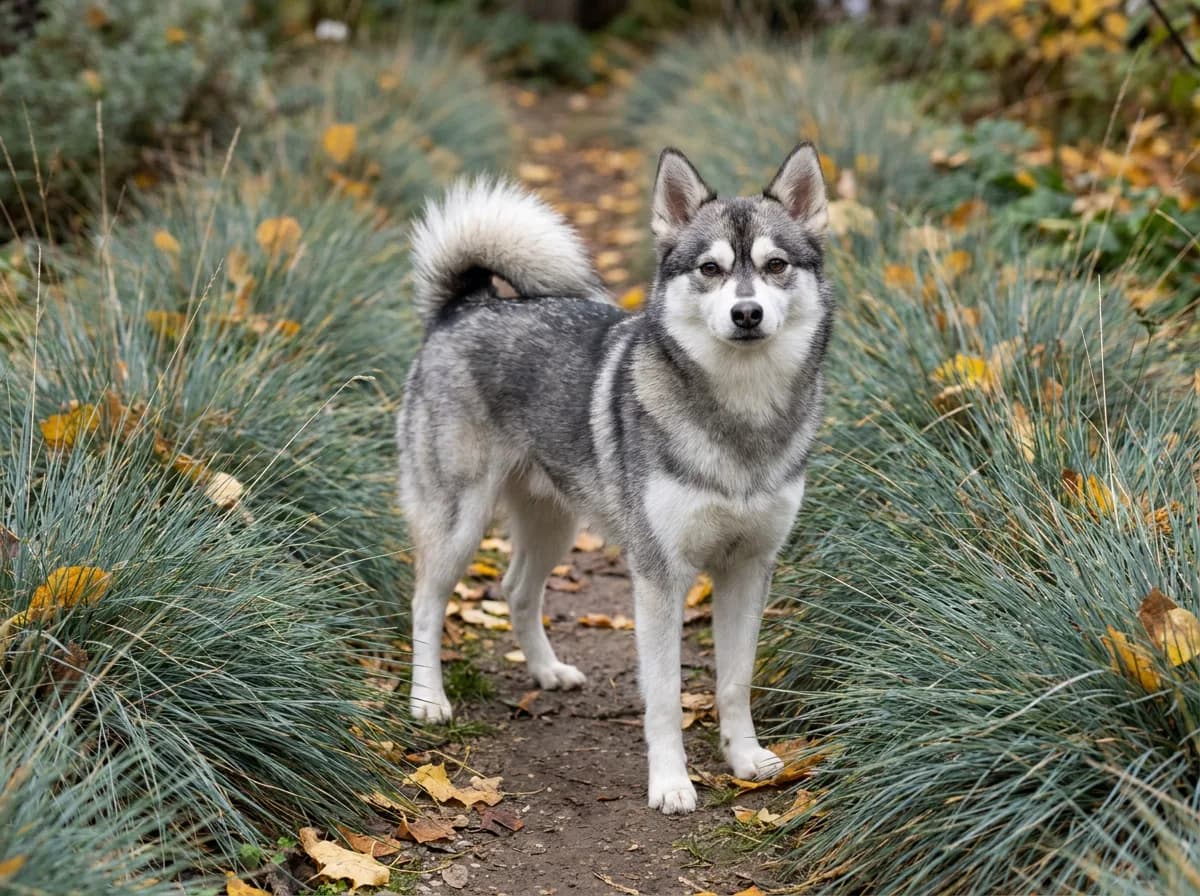
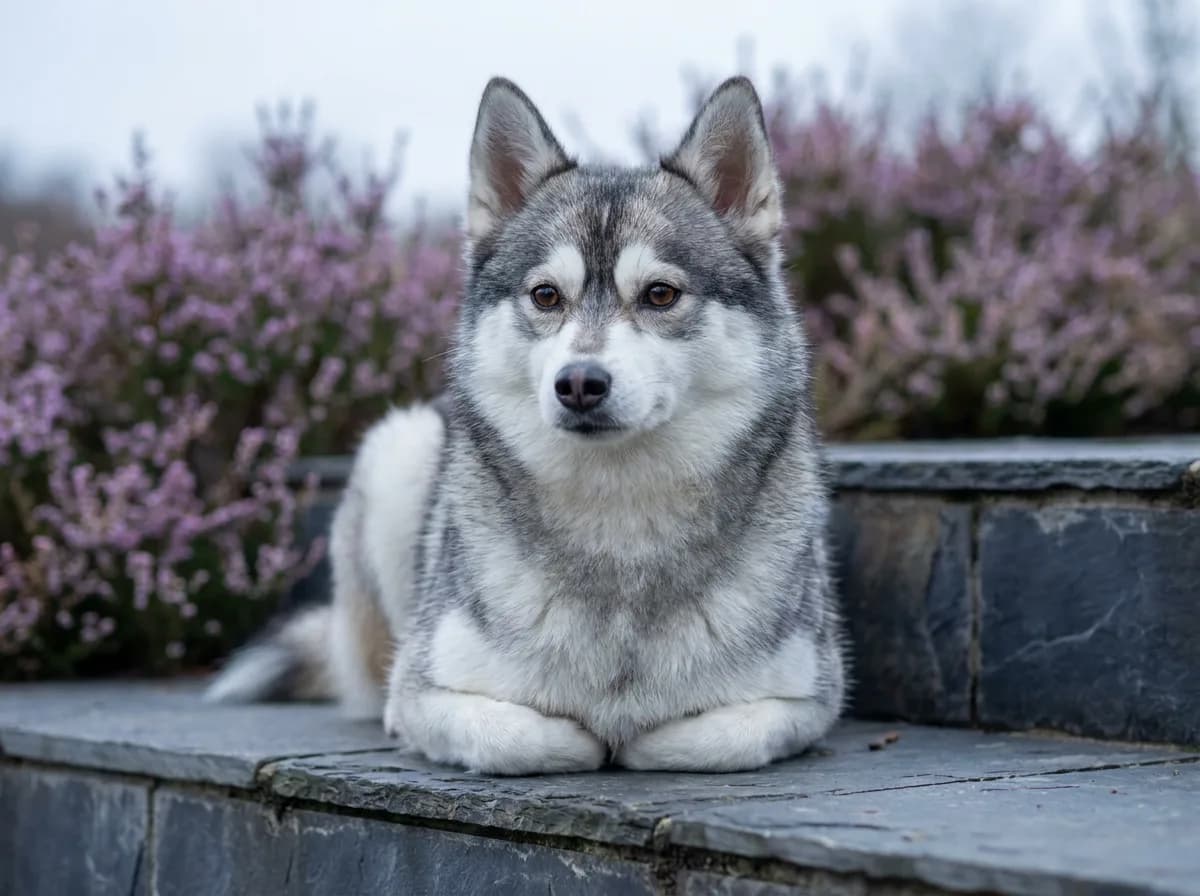
The Rat Terrier at left has upright ears; the Jack Russell example at right has folded ears.
Petful is reader supported. As an affiliate of platforms like Amazon and Chewy, we may earn a commission when you buy through links on this page. There is no extra cost to you.
Rat Terrier vs Jack Russell is a choice between two active terriers, not between an energetic dog and an easy lapdog. Both can enjoy close family life, learn quickly and chase small animals. The useful differences begin with their breed standards, coats and working histories; the best match still depends on the individual dog and the routine you can provide.
A Rat Terrier may be Miniature or Standard, while “Jack Russell” can refer to dogs registered under different standards. Clarify that name before comparing measurements. Then look beyond a seller’s description of “calm,” “smart” or “great with kids” and ask for examples from the dog’s everyday life.

Sign up for expert-backed reviews and safety alerts all in one place.
Rat Terrier vs Jack Russell at a glance
Rat Terriers and Jack Russell Terriers are separate breeds with overlapping sizes and terrier instincts. The Rat Terrier developed as an American farm dog. The Jack Russell’s British working history centers on fox hunting. Neither background tells you exactly how a particular dog will behave around your sofa, children or cat, but both explain why chasing and digging deserve serious planning.
- 1These are separate terrier breeds with overlapping adult sizes.
- 2A short coat does not mean low exercise or training needs.
- 3Choose using observed behavior, health records and a workable daily routine.
| Feature | Rat Terrier | Jack Russell Terrier |
|---|---|---|
| Adult height | Miniature: 10–13 inches; Standard: over 13–18 inches | JRTCA standard: 10–15 inches |
| Adult weight | AKC reference: 10–25 pounds across the breed | Judge proportion and the applicable standard; avoid treating a different Russell breed’s range as universal |
| Coat | Short, smooth coat | Smooth, broken or rough coat |
| Ears | Erect or tipped ears may occur | Small folded button ears in the JRTCA standard |
| Working background | American farm ratting and versatile farm work | British working terrier developed for fox hunting |
| Household planning | Exercise, enrichment, secure boundaries and small-pet management | Exercise, enrichment, secure boundaries and small-pet management |
The AKC Rat Terrier standard distinguishes Miniature and Standard by height, not by two separate weight charts. The JRTCA rulebook supplies the Jack Russell measurements used here. Those distinctions matter when another comparison presents a single “average” assembled from several different Russell standards.
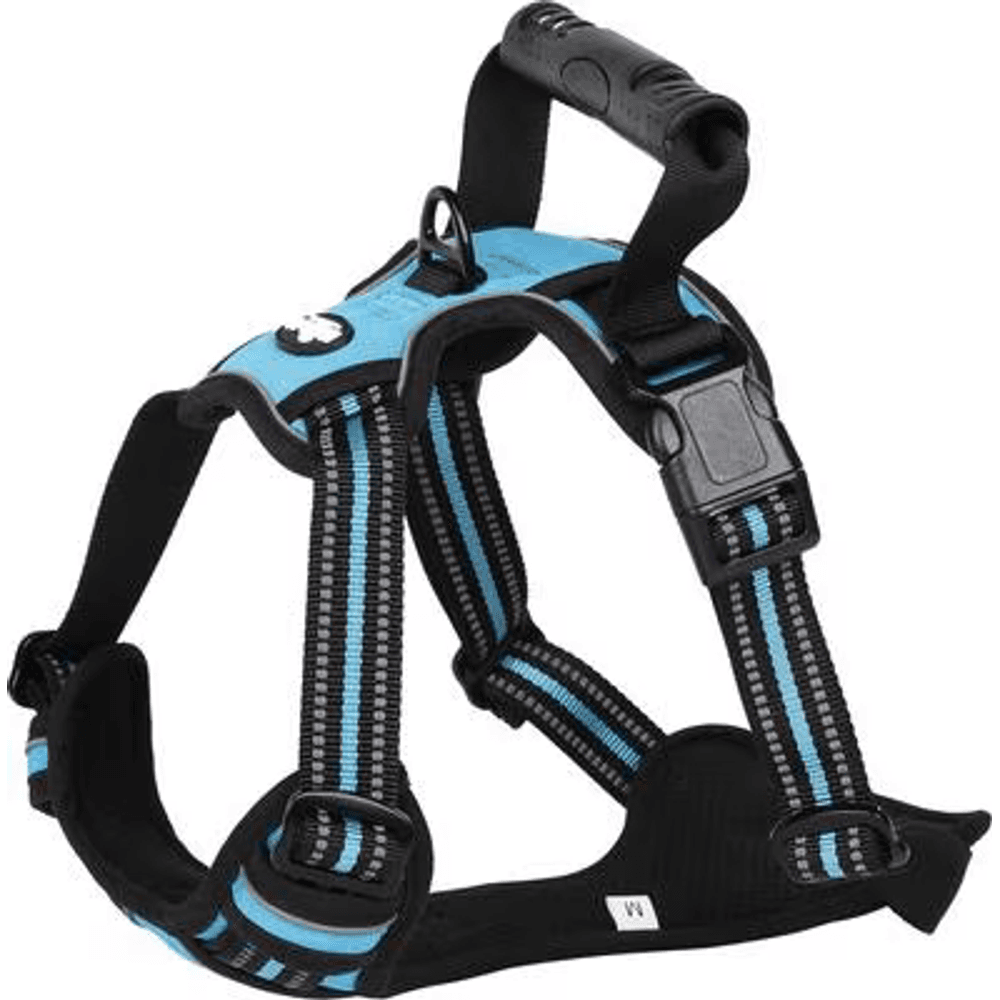
A padded adjustable harness to consider when your dog’s chest measurements match the current size chart. Check movement, fit and whether the dog can back out.
Petful may earn a commission when you click through to Chewy, at no extra cost to you.
Which Jack Russell are you comparing?
Ask the breeder or rescue what they mean by Jack Russell. In the United States, the Jack Russell Terrier Club of America maintains its own working-terrier standard. The American Kennel Club recognizes the Russell Terrier and Parson Russell Terrier as distinct breeds. A casual label on an adoption listing may not identify which standard, if any, applies to that dog.
This is a paperwork and expectations question, not a reason to reject an otherwise suitable companion. For a dog of known parentage, ask which organization issued its registration. For a rescue dog, ask what is documented and what is an appearance-based estimate. Unknown ancestry should stay unknown rather than becoming an increasingly confident guess.
- JRTCA Jack Russell Terrier: use the club’s own standard and information about the dog’s line.
- AKC Russell Terrier: consult the separate Russell Terrier guide for the smaller, rectangular working terrier.
- AKC Parson Russell Terrier: this is another distinct standard; do not swap its measurements into a generic Jack Russell table.
- Unregistered or mixed-ancestry dog: use adult measurements, veterinary records and reliable foster observations to plan care.
The AKC’s Russell Terrier and Parson Russell Terrier descriptions both emphasize working instincts. A different registry name does not turn either into a low-effort pet. If your goal is a quiet companion with modest activity needs, evaluate an adult dog whose home behavior is already known.
Size, ears and coat: how to tell them apart
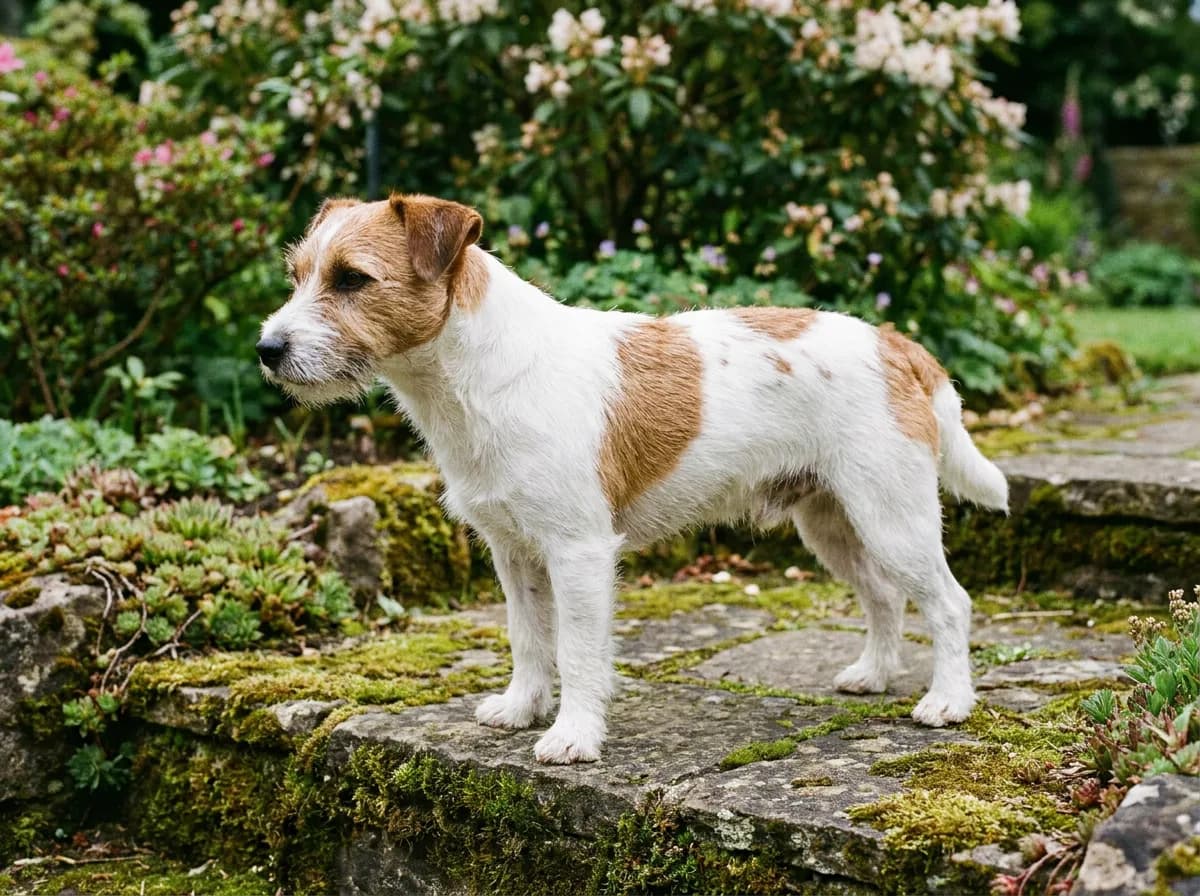
Adult Rat Terriers can be taller than a JRTCA Jack Russell, but the ranges overlap substantially. A small Rat Terrier and a Jack Russell can stand at almost the same height. Leg length, ear carriage and coat texture give useful visual clues; none is a reliable ancestry certificate on its own.
Look at the dog standing naturally on level ground, with the full body visible. A crouched pose, camera perspective, fluffy coat or cropped photograph can distort proportions. Measure height at the shoulders, rather than the head, and weigh the actual adult before buying a carrier or choosing a size-limited service.
Petful may earn a commission when you click through to Chewy, at no extra cost to you.
Coat texture changes the grooming job
A Rat Terrier has a short, smooth coat. Jack Russells may have a smooth coat, a rough coat with more visible wiry hair, or a broken coat between the two. Facial furnishings and longer hairs can make a broken-coated Jack Russell look quite different from a smooth-coated one, even though the dogs share a breed name.
Routine care should follow the coat in front of you. Remove loose hair gently, check for debris after walks and ask a groomer about maintaining a rough or broken coat. Do not shave or aggressively strip a coat simply to make the dog resemble an online photograph. Both short and wiry coats can shed.
For ordinary dirt on paws or the body, Earth Rated unscented grooming wipes are one option to keep by the door. Follow the label and avoid eyes, irritated skin and using a wipe as a substitute for investigating persistent itching or odor. A plain damp cloth may also meet a simple cleanup need.
Fit equipment by measurements
Chest girth, neck size and adjustment range are more useful than “small terrier” on a package. The EliteField padded reflective harness in Small is a candidate only if its current size chart matches your dog. Check that the dog cannot back out and that straps do not rub behind the front legs. A harness does not make an unsecured area safe for off-leash exercise.
Energy, barking and training in everyday life
Neither breed is a dependable answer to “Which is the calmest terrier?” Some Rat Terriers settle readily after activity; some Jack Russells do too. Age, health, early experience, working background and the individual dog matter. There is no useful guarantee that one label will produce a quieter household or a dog that needs fewer walks.
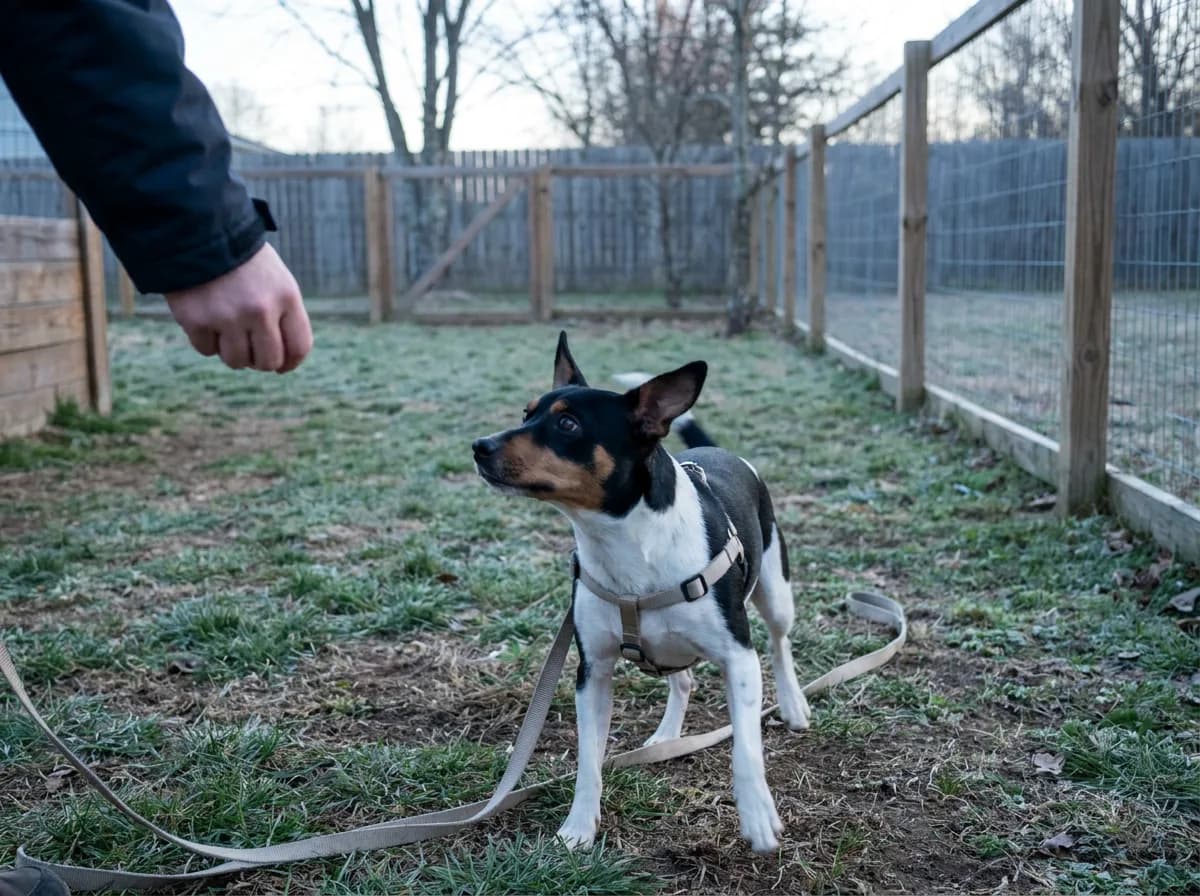
A productive comparison asks what happens after the exciting part of the day. Can the dog disengage from a squirrel? Does it rest after a sniffing walk? What happens when a visitor arrives or the owner leaves? A dog that keeps demanding activity may need help learning to settle, a different routine or an assessment of discomfort or distress; simply adding more running is not always the answer.

Petful may earn a commission when you click through to Chewy, at no extra cost to you.
Build a routine you can repeat
Plan several kinds of activity rather than one exhausting weekend outing. For a healthy adult, a sample day might include a morning sniffing walk, a brief reward-based training session, a midday toilet break and an evening walk or game. The duration should suit that dog’s age, fitness, health and response. Puppies and dogs with medical limitations need an individually appropriate plan.
- Practice attention and recall in a secure area before increasing distractions.
- Reward a brief pause or relaxed behavior, not only high-energy tricks.
- Offer safe sniffing and food-search activities as well as movement.
- Keep a record of barking triggers so you can address the situation instead of punishing the noise.
- Arrange daytime help when work commitments exceed the dog’s comfortable time alone.
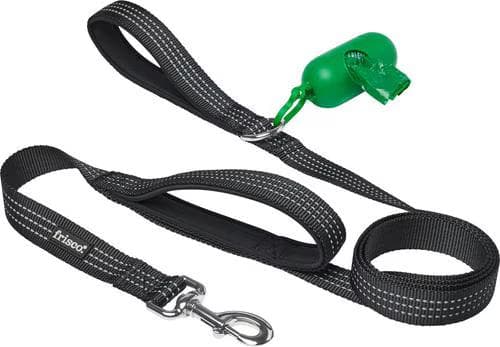
A Frisco six-foot traffic leash with two padded handles gives a handler a standard walking length and a closer handhold when needed. Check its weight and clip against the dog’s size; a heavy lead may be awkward for a very small terrier. Keep the leash loose when possible and use training, not constant pulling, to guide the walk.
Intelligence is not the same as easy management
Both breeds can learn quickly, including learning which behaviors get attention or access to something interesting. Teach one clear response at a time, reward it promptly and practice in quiet places before expecting success near wildlife. Long, repetitive sessions can frustrate dog and handler alike.
If you are comparing trainability, ask a foster carer to demonstrate familiar skills and describe the settings where those skills break down. That is more useful than a numerical intelligence ranking. WebVet’s guide to dog body language can help you notice when a dog needs more space or an easier training setup.
Children, cats and choosing a house dog
Either breed can be a good house dog when its needs and household boundaries are met. A yard is useful only if it is secure and the dog receives attention and activity; an apartment is workable only if daily outings, noise management and toilet breaks are realistic. Floor space alone does not settle the choice.

A dual-ended toothbrush with a large and a small head to fit different mouth sizes and reach the back molars where plaque hides. Soft bristles angled for the gumline.
Petful may earn a commission when you click through to Chewy, at no extra cost to you.
With children, look for a dog whose history and behavior fit the family, then supervise actively. Children should leave a dog alone while it eats, sleeps or retreats. An adult needs to manage interactions, especially when play becomes fast or noisy. The AVMA’s bite-prevention guidance emphasizes that any dog can bite and that adults must protect both children and dogs.
- Do not use a first meeting to test whether either terrier is safe with small pets. Securely separate rodents, rabbits and birds, and manage cat introductions carefully. Familiarity and training do not erase hunting instincts.
A dog described as “good with cats” may have lived with one particular cat under specific conditions. Ask whether the animals shared a room calmly, whether someone supervised and whether chasing occurred outdoors. A brief sniff through a carrier is not evidence of safe coexistence. Provide the cat with dog-free routes and resting places, and seek qualified help if either animal remains distressed.
Health records and lifetime costs
Start health records and cost planning with the dogs you are considering. For a puppy, ask for the parents’ recommended breed health tests and verify the names, dates and results. A routine puppy examination, vaccination record and genetic panel answer different questions; one does not automatically replace the others.
The Orthopedic Foundation for Animals explains the testing information its database collects. Ask your veterinarian which screening results matter for the specific dog and family history. Screening can inform a decision, but it cannot guarantee that a dog will remain free of disease throughout life.
Budget for care beyond the purchase
Budget beyond the acquisition fee. Both dogs need food, preventive veterinary care, equipment, training and a plan for unexpected bills. Boarding, dog walking and help with a demanding routine can exceed small differences in food cost. Compare local quotes using the same services rather than treating a low purchase price as a low lifetime cost.
An everyday care kit should include suitable dental equipment. The smaller head of the Virbac C.E.T. dual-ended toothbrush may suit a small dog’s mouth. Introduce handling gradually and use dog toothpaste if recommended; do not force a painful mouth open or assume brushing replaces a veterinary dental assessment.
Rat Terrier care beyond this comparison
Rat Terrier ownership includes more than choosing a lookalike. The breed’s Miniature and Standard sizes share a need for secure exercise, training and safe management around small animals. Many enjoy affectionate contact, but a particular dog’s willingness to cuddle, confidence with visitors and ability to spend time alone should be learned from its behavior rather than assumed.
Our complete Rat Terrier guide covers size, temperament, feeding, coat care, lifespan, health screening and puppy or rescue decisions in more depth. It also explains why there is no universal birthday when a Rat Terrier becomes calm, no guaranteed workday alone-time allowance and no single cause of death that should be assigned to every member of the breed.
Questions to ask before choosing either terrier
Use the same questions for both dogs. You are looking for a practical match, not trying to award points to a breed. If an answer is unknown, identify how you will manage that uncertainty before making a commitment.
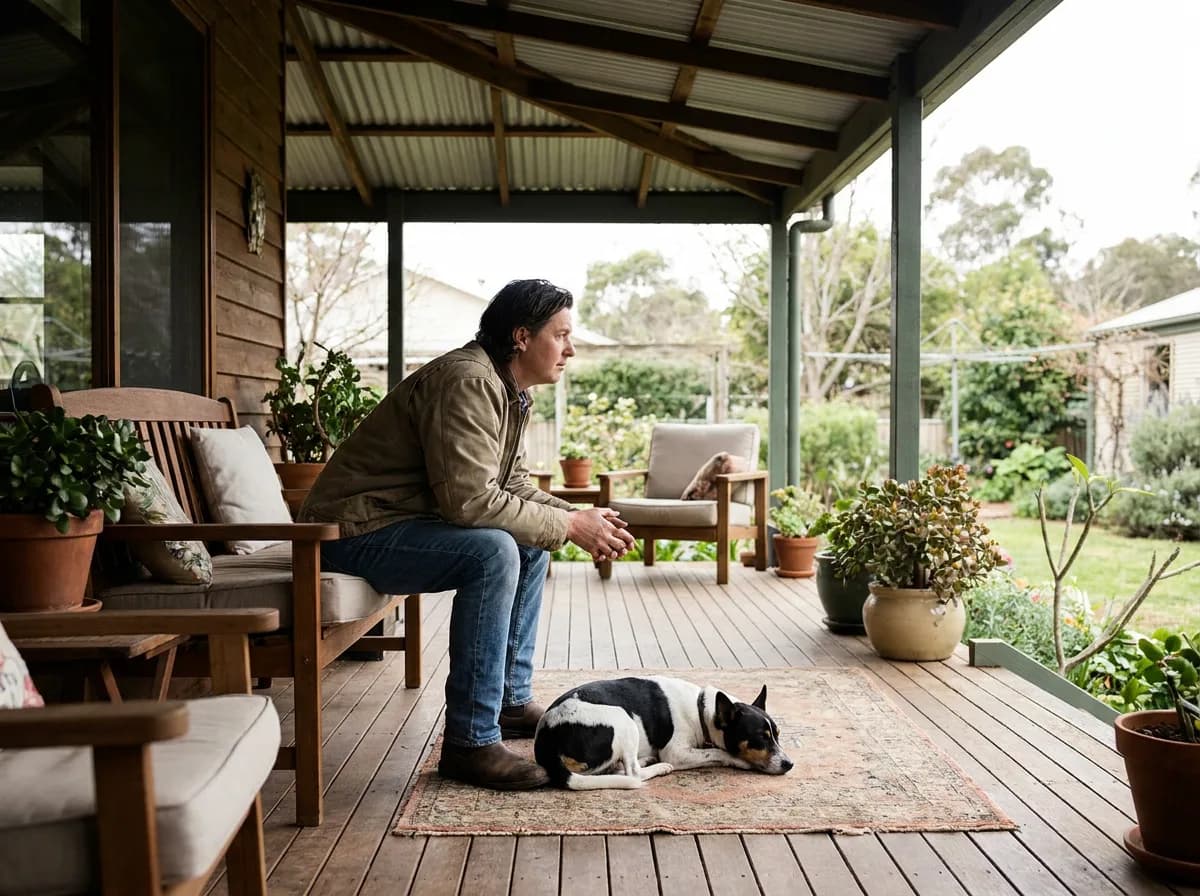
- Recovery after activity: After a normal outing, does the dog rest, keep pacing or demand more engagement? Ask what helps it settle.
- Time alone: What duration has actually been observed in a home, and what did the dog do? Distinguish a quiet kennel stay from comfortable separation at home.
- Small pets: Is there documented experience with cats, and what barriers or supervision were used? Never assume a history with cats establishes safety with rodents.
- Handling: How does the dog respond to harness fitting, paw checks and grooming? Ask about work already underway and any professional support needed.
- Daily logistics: Who provides toilet breaks, activity and training when your routine changes? Confirm that person can comfortably handle the dog.
- Health and follow-up: Which records are available, and who can explain missing information? Understand the adoption or purchase agreement and support offered.
Arrange a calm meeting and, where the organization allows it, more than one opportunity to learn about the dog. Avoid deliberately provoking fear, guarding or chasing to “test” temperament. A thoughtful match combines known behavior, realistic limitations and a home prepared to help the dog succeed.
Rat Terrier and Jack Russell FAQs
A commercial breed-ancestry estimate can add information, but it does not replace verified registration or known parentage. Results depend on the test and reference population. Make care and safety decisions from the dog’s actual size, health and behavior.
Compatible individuals may live together, with gradual introductions, separate feeding areas and supervised play. Neither breed label guarantees compatibility. Ask about each dog’s history with other dogs and provide a way to separate them comfortably.
A mix can show a range of traits rather than a predictable midpoint between the parent breeds. Reliable foster observations and a realistic daily routine are better guides than a promise that mixing two active terriers produces a calmer dog.

Coreen Saito is a pet writer and longtime shelter volunteer with more than a decade in animal rescue. She covers cat behavior, breed care, and the small, ordinary science of sharing a life with companion animals, with a particular focus on honest takes about the products and decisions that actually matter. At home in Arizona, she's outranked by Mac (a dog with the loudest opinion in the house), Rebel (a cat who governs by quiet authority), and Meri (an orange tabby who runs the late shift and the laundry basket). She writes about all three, plus the rescues that keep coming through her life, at LifeWithMinty.com.
Sign up for expert-backed reviews and safety alerts all in one place.