Patterdale Terrier Temperament: Training, Prey Drive, and Family Fit
Build a realistic Patterdale routine with practical guidance on prey drive, recall, other pets, barking, settling, and time alone, while assessing the needs of the individual dog and your family.

BVMS, MRCVS
Petful is reader supported. As an affiliate of platforms like Amazon and Chewy, we may earn a commission when you buy through links on this page. There is no extra cost to you.
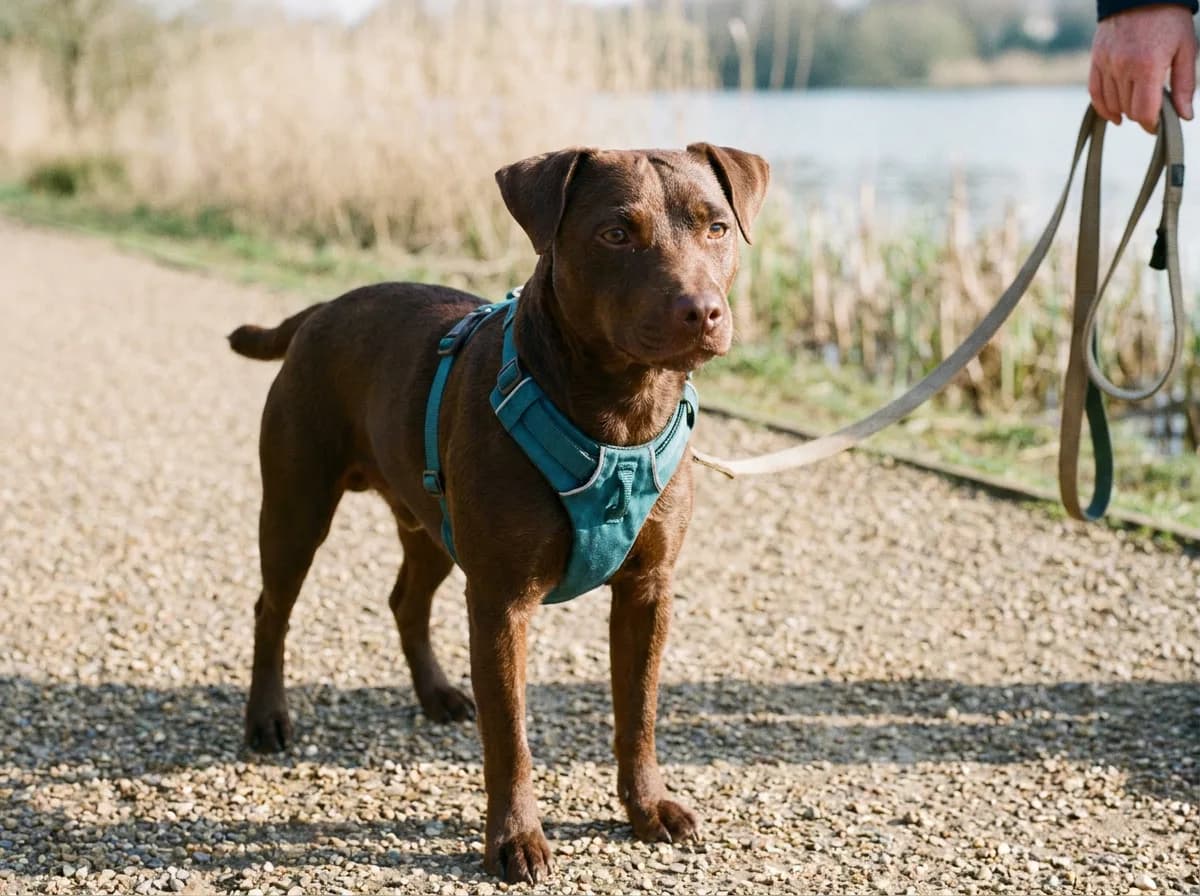
Patterdale Terrier temperament reflects a determined working terrier: active, alert, and strongly interested in investigating its surroundings. The small body does not make those needs small. A successful household plans for secure walks, appropriate activity, rest, and consistent teaching rather than expecting an energetic dog to manage every situation without help.
Breed tendencies are a starting point. Ask what the individual dog actually does around visitors, other animals, distractions, and departures. A useful plan names those situations and the support each one requires.

Sign up for expert-backed reviews and safety alerts all in one place.
Patterdale temperament in a family home
The United Kennel Club standard describes a courageous, very active working terrier with strong prey drive. Boldness and willingness to work can be appealing personality traits, but they are not a guarantee of easy handling. Prey-drive management and gradual alone-time practice should be considered alongside the friendly moments you see when meeting a dog. The practical pros and cons come from the same working-terrier background. Compact size and enthusiasm for active learning may suit an involved household. The downsides include chasing opportunities that need prevention, persistent behavior that needs patient teaching, and daily supervision that a small body does not remove. Judge those tradeoffs against your ordinary workday and the individual dog, rather than assuming enthusiasm makes every placement easy.
| Everyday situation | What to observe | A practical starting arrangement |
|---|---|---|
| A visitor arrives | Excitement, avoidance, barking, or ability to disengage | A controlled entrance and space away from greetings |
| Movement outside | Fixation, chasing interest, or difficulty returning attention | Prey-drive management with secure boundaries and fitted equipment |
| Family members become busy | Whether the dog can rest without repeated interaction | A quiet resting area and achievable settling practice |
| A person leaves | Comfortable independence or signs of distress | Gradual alone-time practice and support for necessary absences |
| Another pet approaches | Each animal's response and ability to move away | Secure separation and carefully planned supervised contact |
Are Patterdale Terriers good house dogs?
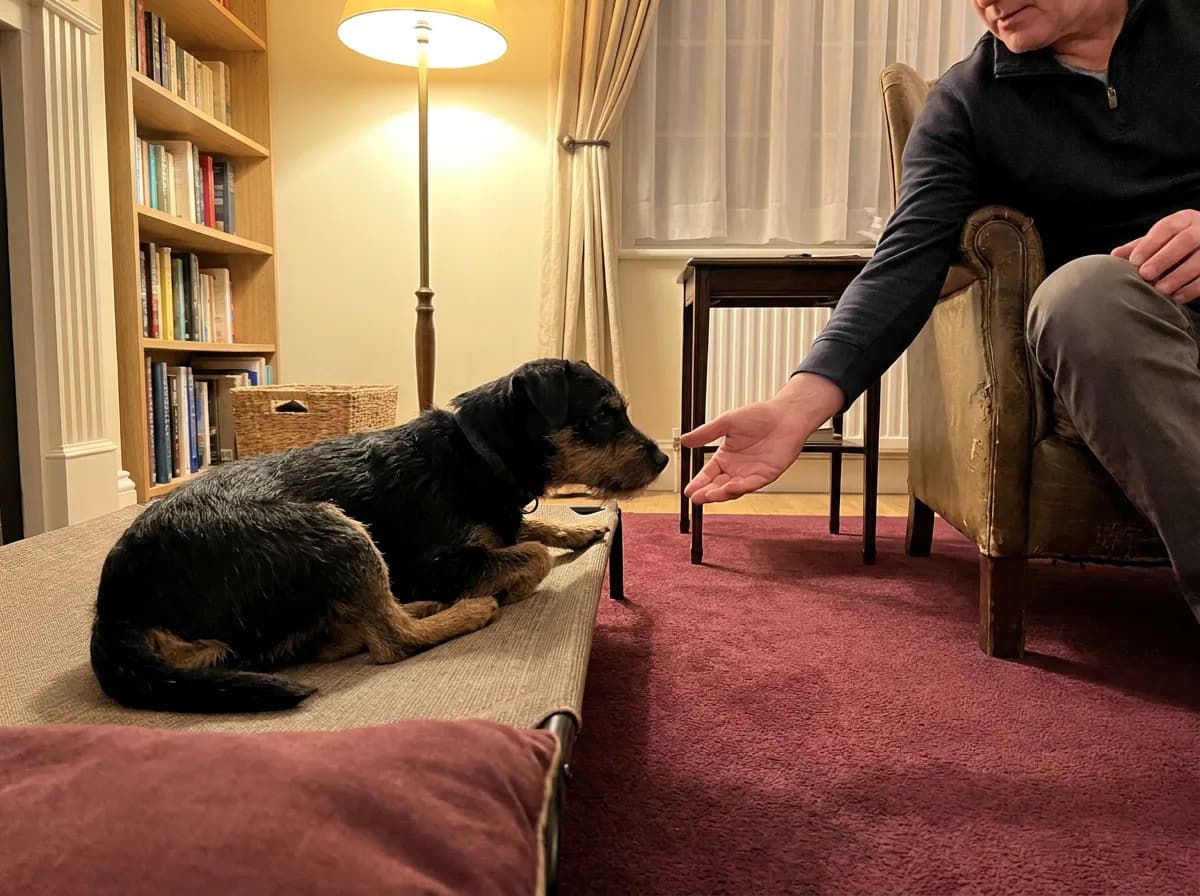
A Patterdale can live comfortably in a house when its activity, learning, companionship, and resting needs are met. Floor area alone does not answer the question. A large garden with weak fencing may be less useful than a smaller home with a realistic walking routine and secure access. Assess noise, shared entrances, time alone, and who will care for the dog on an ordinary weekday.
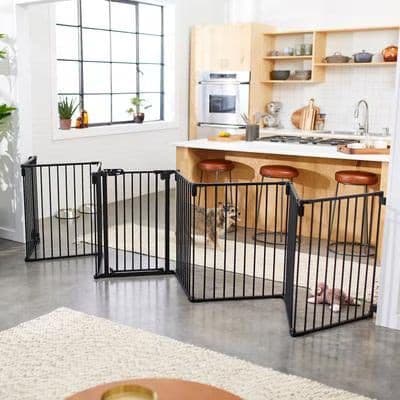
Supervised space management if the gaps, height and stability suit your dog. Climbing or jumping dogs need a different setup.
Petful may earn a commission when you click through to Chewy, at no extra cost to you.
Look at the home from the dog's level. An accessible view of passersby, a frequently opened side gate, or a busy hallway beside the bed may create repeated challenges. You can change some of those arrangements before arrival. Others, such as long unavoidable absences or a household pet that cannot be safely separated, may materially affect whether the placement is suitable.
A configurable gate or pen may help define a supervised resting space for a dog that comfortably respects it. The listed 30-inch height is not a containment guarantee for an athletic terrier. Do not rely on it if the dog climbs, jumps, squeezes through, or panics behind it. A barrier is a management tool, not a replacement for teaching or a cure for distress.
Are Patterdales a good family dog?
Some individuals can be good companions for families that understand terrier behavior and can supervise children and pets. That suitability depends on the dog's history and the family's routine, not simply the breed name. Adults must manage interactions, provide a retreat, and prevent children from disturbing the dog while it eats, sleeps, or withdraws from attention.
Before deciding, discuss the actual family setting with the breeder or rescue:
- The children's ages and how they behave around dogs.
- The busiest times of day and who will supervise then.
- Existing pets and the space available for separation.
- Visitors, childcare arrangements, and unfamiliar children entering the home.
- The dog's known experiences and any situations that have not been assessed.
Do not make a child responsible for controlling a dog that reacts strongly on walks. A terrier's modest weight does not establish that a young handler can manage an unexpected lunge. Let an adult assess equipment and handling first. A measured, properly fitted harness can support that arrangement, but a product name cannot promise escape resistance or replace training.
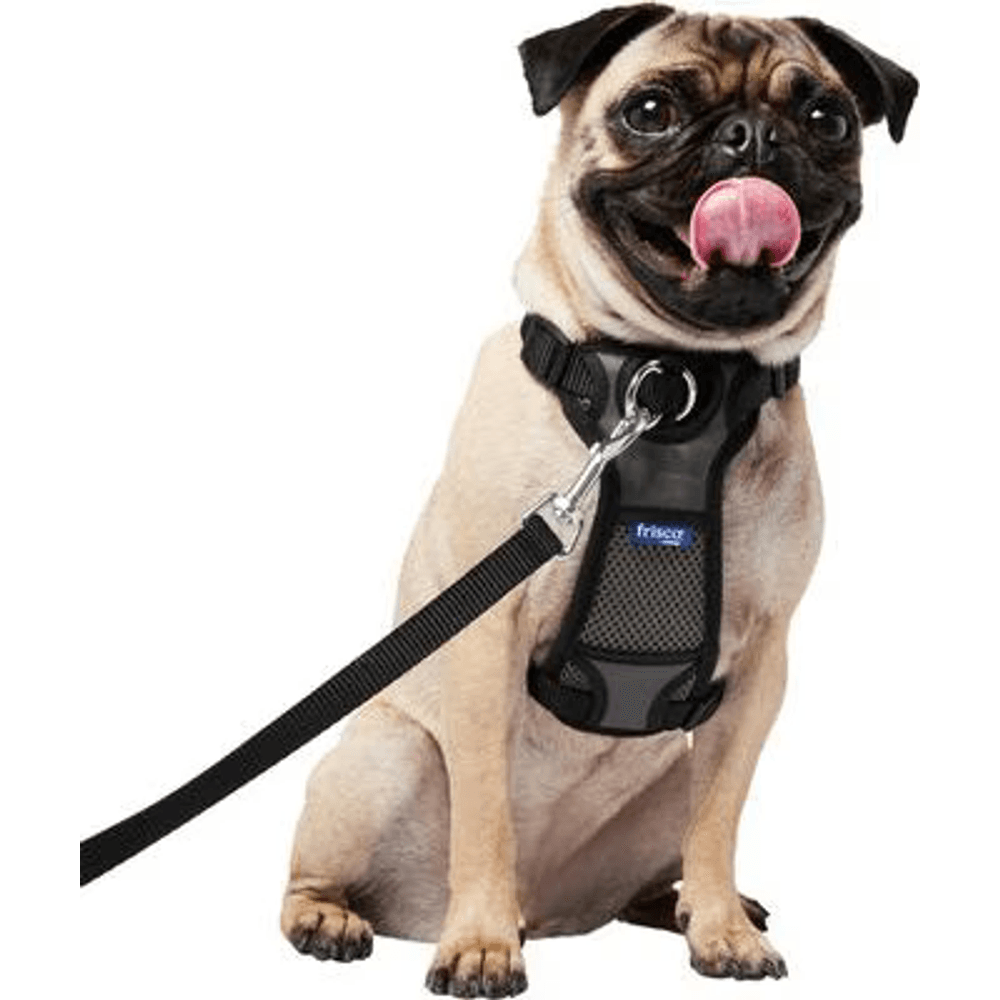
Check this Small harness against actual measurements and the current size chart. Adjust and test indoors; no-pull wording is not an escape-prevention guarantee.
Petful may earn a commission when you click through to Chewy, at no extra cost to you.
Separate alertness, fear and aggression
An alert dog notices something; a frightened dog may want distance; a dog pursuing a small animal may be showing predatory behavior. Growling, snapping, or biting are different observations again. Calling all of them “terrier attitude” prevents you from identifying what happened and choosing a useful response. Alert barking does not make a Patterdale a dependable guard or protection dog. Do not encourage confrontation to test that label. For biting or behavior described as “out of control,” first prevent repeat situations with distance and suitable separation, note the triggers, and seek qualified help; sudden behavior changes also warrant veterinary discussion. Judge the individual behavior instead of assuming a breed label explains the cause.
PDSA's guidance on aggression emphasizes recognizing discomfort, avoiding punishment, and getting help. If a dog stiffens, withdraws, growls, or snaps, create space and prevent the situation from escalating. Do not force contact to prove it is friendly. Sudden behavior change warrants veterinary assessment because pain or illness can contribute.
Walk through an ordinary busy evening
Imagine arriving home with shopping while another adult prepares food and a child needs attention. Decide where the dog will be before opening the door, who will take it out, and where it can rest without being stepped over. That practical division of responsibility tells you more about household fit than a promise to provide plenty of exercise.
Use a similar walk-through for visitors. An invited guest does not need immediate access to the dog, and the dog does not need to greet everyone. Give it a comfortable alternative space and let an adult manage the entrance. If your home cannot provide separation when needed, discuss that limitation before adopting. A plan that depends on everyone remembering to hold a dog back whenever the door opens is difficult to sustain.
Prey drive, recall, and other pets
Prey drive describes motivation associated with pursuing prey; it does not mean the dog is angry or trying to dominate its owner. For a Patterdale, movement and scent can compete powerfully with a handler's instructions. Management reduces the chance of rehearsing a chase while training builds useful responses under achievable conditions.
- 1Prey-drive management relies on secure equipment and boundaries, not a promise of perfect recall.
- 2Introduce pets according to the individual animals and preserve safe separation.
- 3Gradual alone-time practice is a separate skill; exercise does not teach every household behavior.
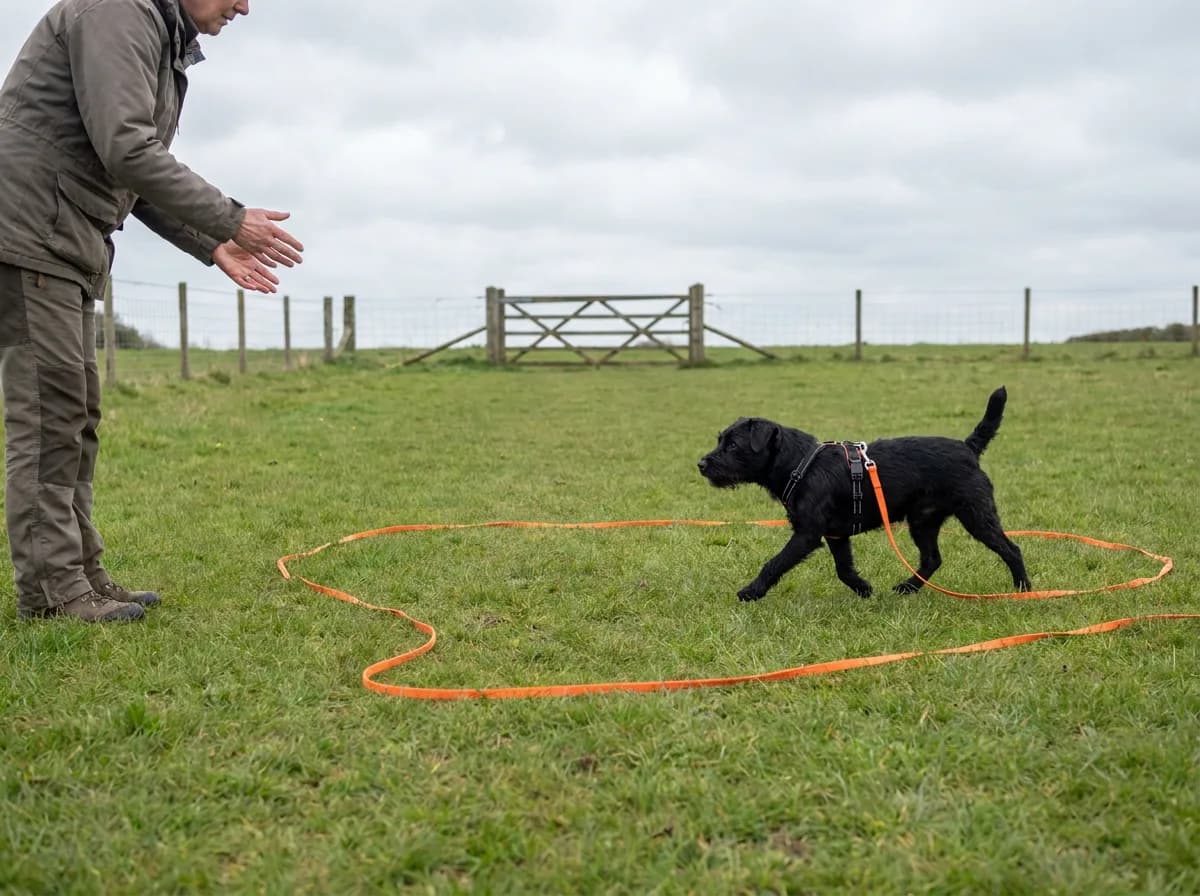
Are Patterdales good off leash?
Do not assume that a Patterdale is safe off leash because it returns reliably indoors or in a quiet garden. Wildlife, unfamiliar dogs, and an exciting scent can change the situation. Use a genuinely secure enclosure for freedom and maintain physical control elsewhere. No breed guide can certify an individual dog's recall, and a successful outing is not a guarantee for the next one.
Practice coming when called at a distance where the dog can respond, reward the return, and increase difficulty gradually. If it cannot turn away from a distraction, move farther from that distraction or choose an easier setting. Repeating the cue while the dog runs away is not a substitute for changing the setup.
Keep the equipment's job clear:
- A six-foot leash supports controlled everyday walking.
- A suitable long line can support distance practice in an unobstructed space.
- A well-fitted harness must suit the dog's body and the activity.
- A secure fence needs inspection, including gates and gaps at ground level.
Do not wrap a long line around your hand or let it entangle the dog, other animals, or people. Get a trainer to demonstrate handling if you are unfamiliar with it. The goal is controlled practice, not a dog accelerating until a line stops it abruptly. A long line also does not make a crowded path an appropriate training area.
Do Patterdales like other dogs?
Some Patterdales enjoy compatible canine company, while others need more distance or carefully managed relationships. Ask about this dog's actual history with familiar and unfamiliar dogs. A sociable encounter with one dog does not predict comfort with every size, play style, or setting. The breed standard's intended temperament is not a substitute for assessing the individuals involved.
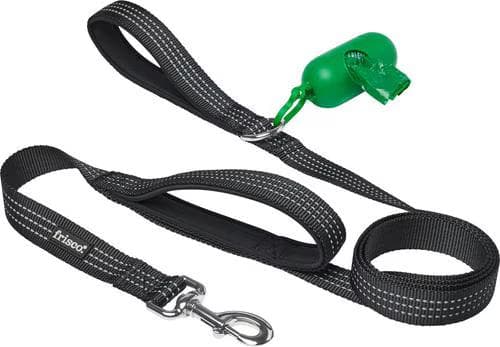
Six-foot leash for supervised everyday walks when the clip and weight suit your dog. Not a long line for distance recall.
Petful may earn a commission when you click through to Chewy, at no extra cost to you.
For a potential second dog, discuss introductions with the rescue, breeder, or a qualified trainer before bringing the newcomer home. Each dog needs its own resting and feeding arrangements. Do not assume that repeated forced contact will produce friendship. A plan should include what you will do if either dog becomes uncomfortable and how you will separate them safely.
Cats and smaller animals
Compatibility with cats cannot be promised from a Patterdale's breed label or a history of being affectionate with people. Ask whether the dog has actually lived with cats, whether chasing occurred, and under what supervision. A calm indoor encounter may not predict its response when a cat runs through the garden.
Best Friends Animal Society's introduction guidance recommends gradual awareness at a distance, secure barriers, and close observation. Give the cat a retreat, control the dog, and stop if either animal becomes distressed or the dog fixates or attempts to chase. Keep them securely separated whenever you cannot supervise. Get qualified help rather than moving ahead on a timetable.
A companion Patterdale does not need to hunt live animals to have an interesting life. Use safe searching games and controlled activities instead. Small mammals and birds need secure protection, not trial encounters to see whether the dog is interested. A dog that has not chased before still should not be given an opportunity to test that assumption with a vulnerable pet. For a supervised food search, try a Pet Parents Forager snuffle mat with part of the daily meal and remove it if the dog chews the material.
Training, barking, and time alone
Training a Patterdale Terrier starts with describing the behavior you want in a particular situation. “Be calm” is too broad to teach at once. Coming away from the door, waiting while a harness is fitted, or resting on a mat are observable tasks that can be broken into achievable steps. Keep the household's cues and responses consistent so the dog is not guessing what different people expect.
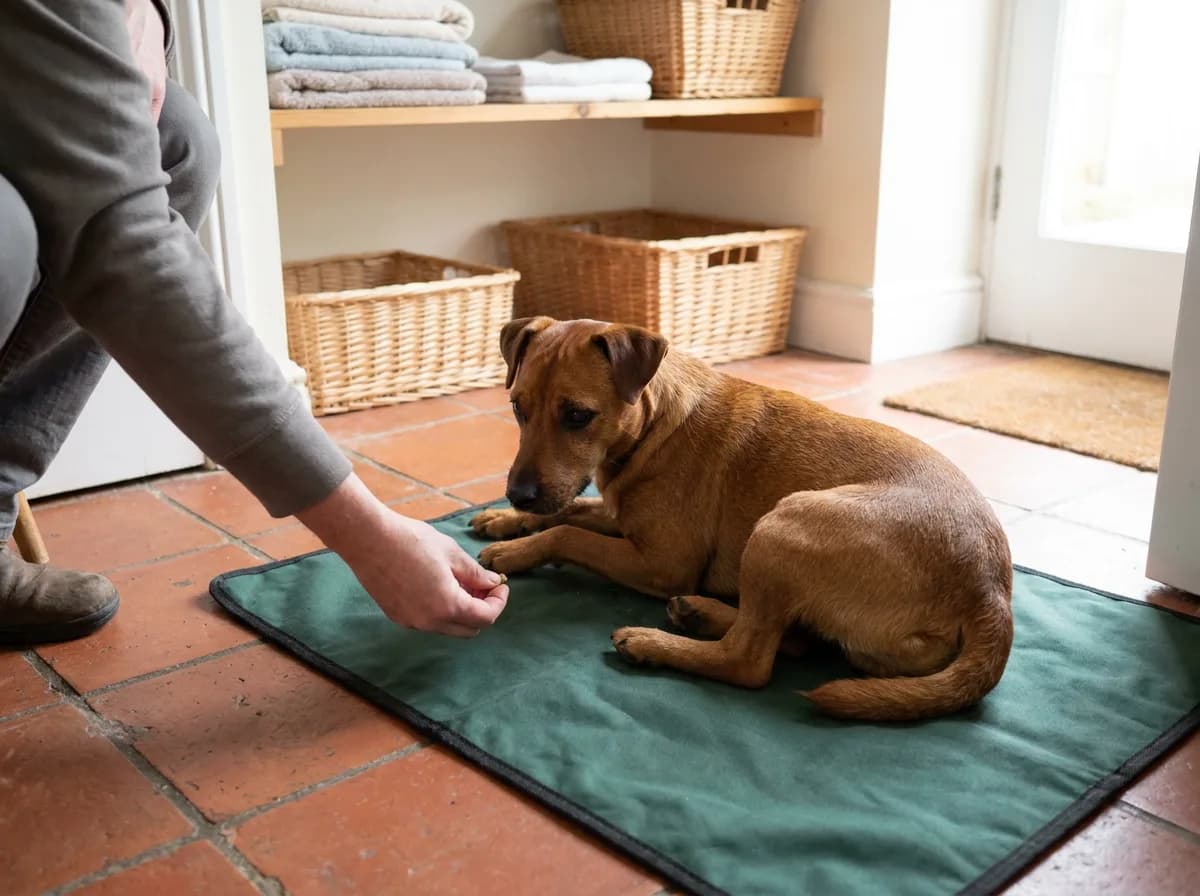
Reward the response you want
The American Veterinary Society of Animal Behavior recommends reward-based methods for training and behavior modification. Reward a useful response promptly, choose a setting where the dog can succeed, and reduce the difficulty when it struggles. A dog's failure to respond does not establish defiance; the task, reward, or distraction level may need changing.
For a simple practice session:
- Choose one skill and a quiet location.
- Use a reward the dog actually values, in a manageable amount.
- Reward the desired response clearly and promptly.
- End while the dog remains engaged rather than repeating until frustration builds.
Small Pet Botanics training rewards are one option if the ingredients suit your dog. Break rewards into suitable pieces and account for them in daily food intake. The reward helps communicate success; it is not a treatment for fear or a way to persuade an overwhelmed dog to tolerate a difficult situation.

Small training rewards when ingredients suit your dog. Divide into appropriate pieces and count them in daily food intake.
Petful may earn a commission when you click through to Chewy, at no extra cost to you.
Teach resting as a separate skill
Begin settling practice where there is little happening. Dogs Trust's settling guidance starts by rewarding relaxed behavior and gradually adding duration and distractions. A mat can provide a consistent place to practice. Notice softer posture and disengagement from activity rather than demanding that the dog stare at you throughout the exercise.
Set the dog up to rest without being repeatedly disturbed. If the mat is beside a door that opens every few minutes, move it to a quieter place before deciding the dog cannot settle. Introduce busier situations gradually. The first attempt should not be a crowded family gathering where you need an instant result.
Work out why barking happens
To reduce Patterdale Terrier barking, identify the setting and what happens before and afterward. Dogs Trust's barking advice distinguishes causes rather than treating every bark as naughtiness. Record whether the dog is responding to people outside, seeking interaction, becoming frustrated, or struggling when alone.
For example, a dog repeatedly barking through a front window may need its view managed while you teach another response. A dog vocalizing after you leave needs assessment of the absence itself. Shouting from another room may add excitement without telling the dog what to do. Choose the response according to the situation instead of shopping for a device that promises silence.
Useful notes for a trainer include:
- The location, time, and event that preceded the barking.
- What the dog could see or hear.
- How long the episode lasted and what ended it.
- Whether the dog could eat, respond, or move away.
Plan workdays before lengthening absences
Gradual alone-time practice means starting with an absence the dog can manage, then building according to its response. The RSPCA's guidance on being left alone recommends gradual teaching and checking for hidden signs of distress. Video can help you see what happens after the door closes.
Persistent pacing, vocalizing, attempts to escape, or panic need qualified help and a plan for unavoidable departures. Do not punish the dog on returning or assume a longer run will resolve the problem. Speak with your veterinarian and an appropriately qualified behavior professional. Arrange temporary care when needed so the dog is not repeatedly pushed beyond what it can manage.
Male and female Patterdale behavior problems should both be assessed through the individual's history and current circumstances. Sex alone does not explain barking, poor recall, or distress when alone. Ask when the behavior began, whether anything changed, and whether pain or illness could be contributing. A new problem in a previously comfortable dog deserves particular attention.
Judge progress against the same situation
Choose a small, repeatable observation instead of comparing your dog with a calm dog on a screen. For example, note whether it can turn back to you when a distant person passes, or remain relaxed while you briefly step behind a door. Record the distance, duration, and surroundings so a later success means something comparable.
Progress is not always a straight line. A noisy delivery, an unfamiliar location, or a disrupted routine changes the difficulty. Return to an easier version when necessary and tell your trainer what changed. Do not keep increasing challenges simply because the previous session went well. If the dog is repeatedly unable to recover or enjoy familiar activities, reassess the plan with qualified help rather than adding more drills.
More Patterdale decisions
Patterdale size and breed background
The breed's compact frame comes from a working-terrier background rather than selection solely for easy companionship. The Patterdale Terrier breed guide explains its Fell Terrier history, UKC recognition, adult height guidance, and care needs. Those facts provide context for behavior without predicting an individual. Claims that the breed is rare also need a location and reliable population information; rarity by itself says nothing about whether a dog suits your routine.
Starting with a Patterdale puppy
A puppy needs frequent care and gradual learning, so include time and support in the acquisition decision. Ask the breeder or rescue what the puppy has experienced, how it responds to handling, and what the first days at home should involve. The Patterdale Terrier puppies guide covers source checks, price questions, and first-year preparation. Compare documented placements and their actual terms rather than expecting a higher price to guarantee an easier temperament.
When a Patterdale mix has different needs
A Patterdale mix can vary in size, coat, and behavior, and its ancestry may be reported rather than documented. A Patterjack label does not establish aggression or its absence. Evaluate the dog and the situations it will encounter instead of adding together two breed stereotypes. Our Patterdale Terrier mixes guide explains common cross labels and the limits of prediction. A useful history includes observed behavior with people and animals, not only a proposed family tree.
Questions about patterdale terrier temperament
There is no dependable birthday when every Patterdale becomes calm. Maturity varies, and settling is taught through an appropriate routine, reinforcement, and opportunities to rest. An adult can remain active and interested in its surroundings. If restlessness is new, persistent, or accompanied by distress, discuss it with your veterinarian rather than waiting for age alone to change it.
They can show quick learning and persistence, but this guide does not assign the breed an intelligence rank. Motivation and distractions affect whether a dog performs a learned response. Make the task understandable, reward progress, and practice in increasingly challenging settings. Learning something quickly does not mean the dog already knows how to apply it everywhere.
Some enjoy close contact, while others prefer to rest nearby. It is an individual preference, not a requirement of a friendly personality. Respect handling consent by inviting contact, pausing, and allowing the dog to move away. Do not insist on a hug or restrain a resting dog because a breed description says it is affectionate.
Do not assume a Patterdale can manage a full workday alone without preparation. Start with absences the individual handles comfortably, check what happens on video and increase gradually. Arrange a sitter, walker or other suitable care for gaps the dog cannot yet manage. Panic, persistent vocalizing or escape attempts need qualified help; extra exercise is not a substitute for an alone-time plan.
BVMS, MRCVS
Dr. Pippa Elliott, BVMS, MRCVS, is a veterinarian with nearly 30 years of experience in companion animal practice. Dr. Elliott earned her Bachelor of Veterinary Medicine and Surgery from the University of Glasgow. She was also designated a Member of the Royal College of Veterinary Surgeons. Married with 2 grown-up kids, Dr. Elliott has a naughty Puggle named Poggle, 3 cats and a bearded dragon.
Sign up for expert-backed reviews and safety alerts all in one place.