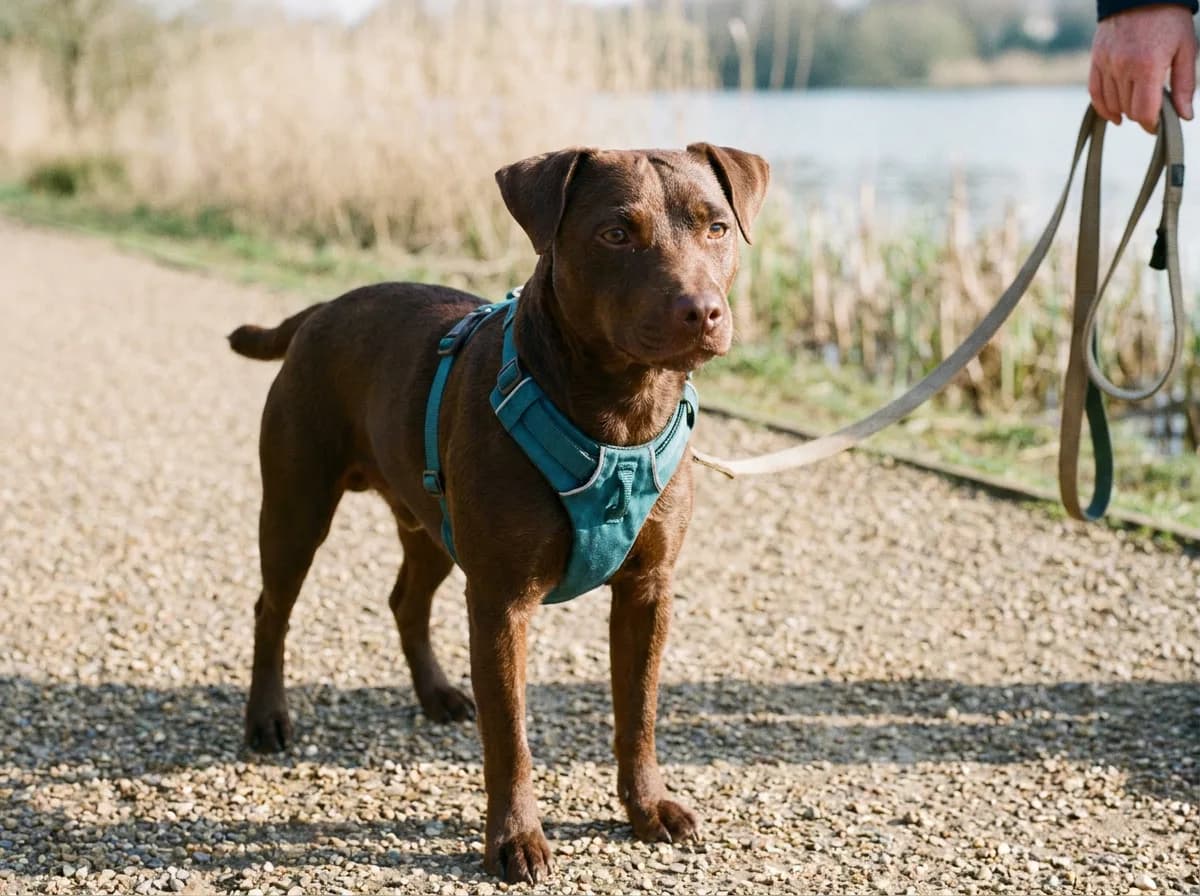
Patterdale Terrier Mixes: Common Crosses and Care Needs
Compare Patterjacks, Border and Lakeland crosses, and other Patterdale mixes using documented parentage, foster observations, actual measurements, and practical questions about daily care.

BVMS, MRCVS

Petful is reader supported. As an affiliate of platforms like Amazon and Chewy, we may earn a commission when you buy through links on this page. There is no extra cost to you.
Patterdale Terrier mixes may be described by two known parents, a breeder's cross name, or a shelter's best estimate of ancestry. Those are different levels of information. Before comparing a Patterjack with another cross, establish what is known about the dog and what is only suggested by its appearance.
The most useful comparison combines parent information with observed behavior, current size, health records, and the routine you can provide. A mixed label cannot guarantee gentleness, lower energy, a particular coat, or an easy fit with children and other animals.

Sign up for expert-backed reviews and safety alerts all in one place.
What a Patterdale mix label means
Start with documented parents when they are available and foster-home observations when evaluating daily life. A Patterdale cross means that Patterdale ancestry is claimed alongside other ancestry; it does not describe one standardized combination of size and behavior. Ask the person offering the dog how they reached that description before treating it as established fact.
| Information available | What it can contribute | What remains uncertain |
|---|---|---|
| Documented parents | Identified parentage and relevant family records | The exact combination of traits inherited by the puppy |
| Reported parents without records | A history to investigate and discuss | Whether the description is complete or accurate |
| Foster-home observations | Behavior in named situations over time | How the dog will respond to a different home or unfamiliar situation |
| Appearance-based label | A visual description or working identification | Pedigree, precise breed proportions and future behavior |
| Consumer DNA estimate | An estimate interpreted within the provider's reference panel | Unsupported breeds, individual temperament and a guarantee of health |
The United Kennel Club recognizes the Patterdale Terrier as a breed with a working-terrier history. A Patterdale is not automatically a cross just because it is unfamiliar to someone. Conversely, calling a dog a Patterdale does not prove its pedigree. Keep that distinction separate from whether the individual would make a suitable companion.
Plan practical purchases from the dog you meet. A FurHaven Velvet Waves sofa bed in Large is a general resting-space option if its usable area accommodates the dog's normal posture. The cross name does not select the bed size, and an orthopedic product label does not establish a health benefit for this individual.
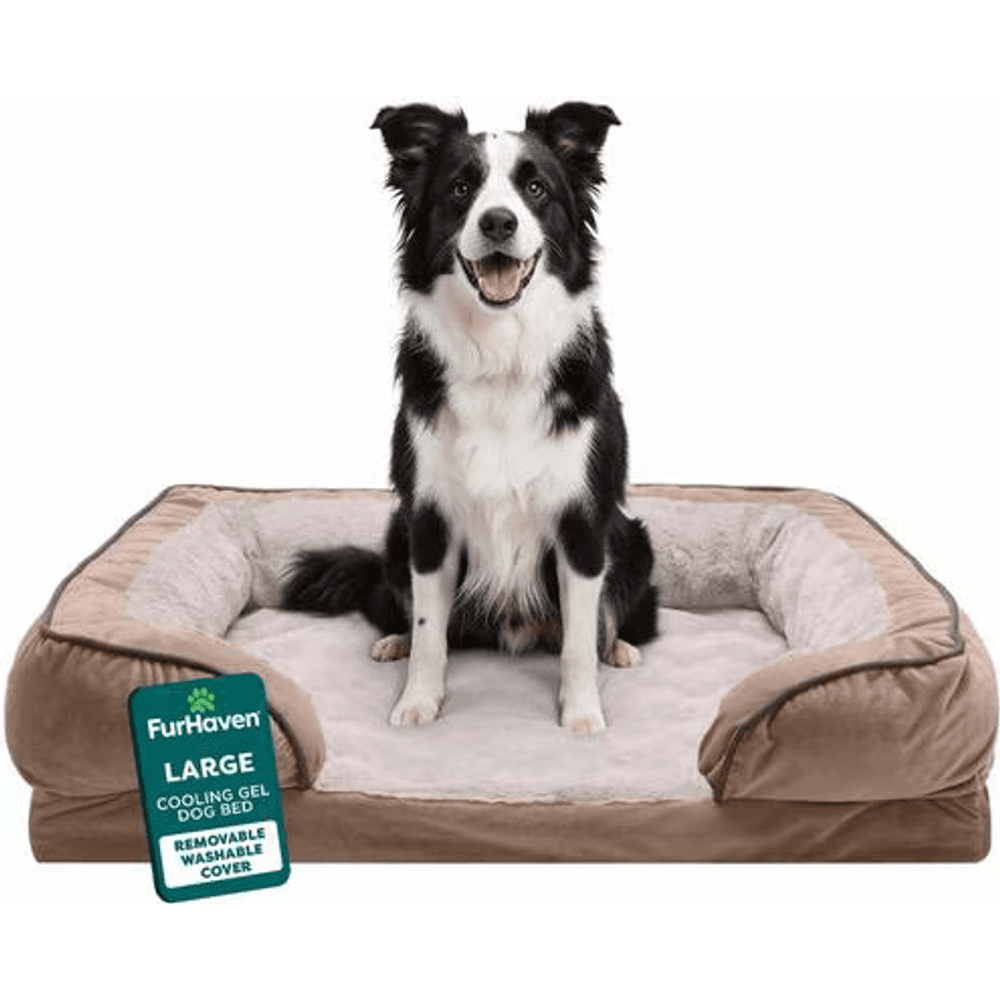
Removable-cover sofa bed. Check usable sleeping space and entry height against your dog’s posture and mobility; no medical or calming outcome promised.
Petful may earn a commission when you click through to Chewy, at no extra cost to you.

Ask how the label was assigned
A rescue may have received a parent's identity from a previous owner, seen a litter with its mother, or made a visual estimate. Ask which applies and whether there could be additional ancestry. If only one parent is known, say so. A phrase such as “Patterdale-type mixed terrier” can accurately communicate uncertainty without inventing a second breed.
Do not upgrade a guess because several websites repeat the same cross name. A black dog is not thereby a Patterdale and black Labrador mix, and a narrow build does not establish a Whippet parent. Photographs can help you discuss visible features; they cannot replace the source's actual knowledge of the dog.
Separate a breed name from a broad label
Some descriptions need additional clarification before comparison. A Patterdale mix with “pitbull” ancestry may use that word broadly, while American Pit Bull Terrier, American Bully, and American Bulldog are different names. Ask what the source means instead of assuming those labels are interchangeable. The same applies when an advertisement says only “bulldog mix.”
For less familiar combinations, first establish the claimed other parent rather than inventing a designer name:
- A Pug or French Bulldog label needs clear parentage information and direct assessment of the dog's build and needs.
- A Whippet or lurcher label needs clarification about the actual parent, especially when “lurcher” is itself a mixed-dog description.
- A Schnauzer, Yorkshire Terrier, or Bichon Frise label does not establish the finished coat or its maintenance requirements.
- A Corgi, Beagle, Boxer, Rottweiler, or German Shepherd label cannot supply a dependable adult size simply by being combined with “Patterdale.”
These names are reasons to ask better questions, not evidence that every listed cross is common or has a predictable profile. A seller advertising a Patterdale mix puppy for sale should be able to explain the claimed ancestry and the information behind any promise about size, appearance, or behavior.
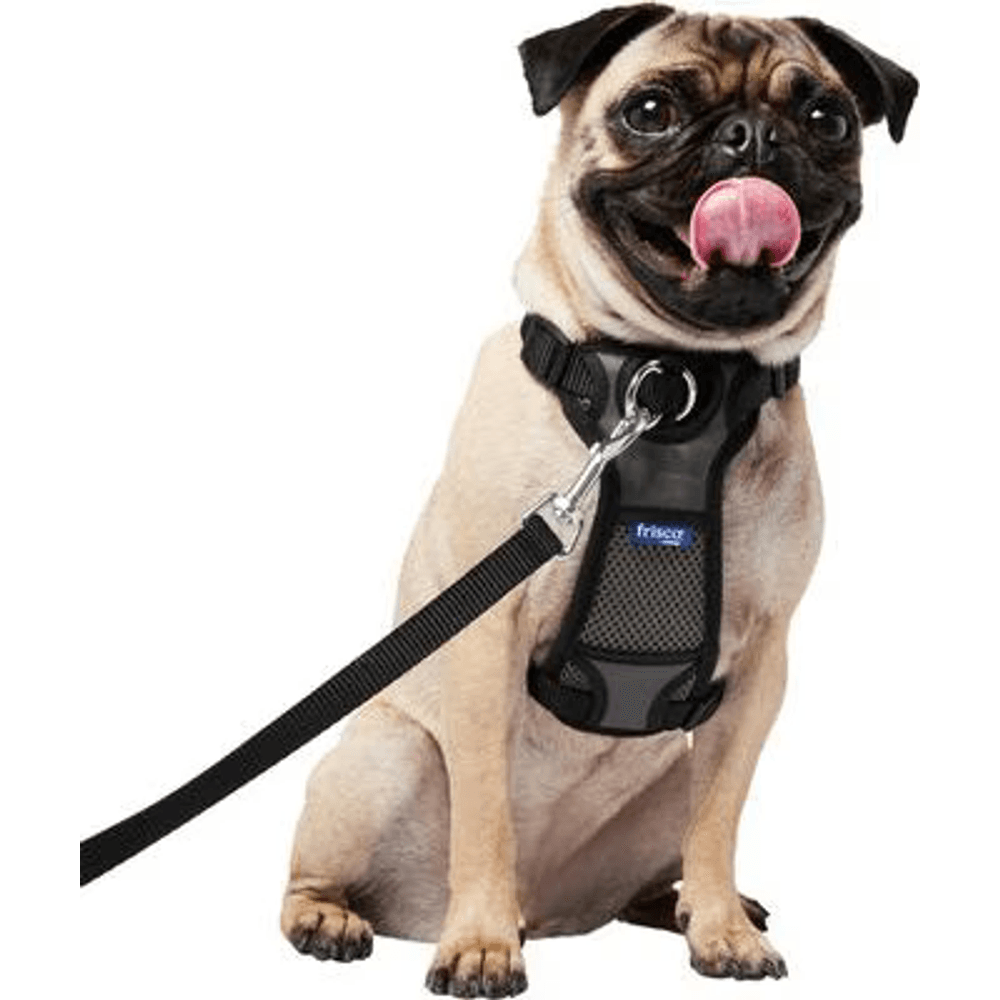
Check this Small harness against actual measurements and the current size chart. Adjust and test indoors; no-pull wording is not an escape-prevention guarantee.
Petful may earn a commission when you click through to Chewy, at no extra cost to you.
Fit walking equipment to the dog you meet. A padded harness may be useful when its actual measurement range suits the dog, but the listed small size is not automatically appropriate for every Patterdale mix. Measure chest and neck as instructed and assess adjustment and movement. A cross name does not select a product size.
Compare information quality before comparing dogs
Suppose one listing offers a confident breed label but says little about daily behavior, while another gives uncertain ancestry and detailed observations from several weeks in a home. The first has not necessarily supplied the more useful evidence for a companion placement. Ask both sources the same household questions and distinguish a missing answer from a negative finding.
For example, “not assessed with cats” does not mean safe with cats or unsafe with cats. It means that your introduction and separation plans must account for an unanswered question. Similarly, “no problems reported” is different from a caregiver describing a particular situation they observed. Keeping those distinctions visible helps you identify what must be clarified before deciding and what will require cautious management after arrival.
Understand what a DNA test can answer
Before paying for a breed-identification test, check the provider's current list and ask whether it can distinguish the ancestry you want to investigate. The Embark breed directory illustrates why the reference list matters. A large total number of tested breeds does not, on its own, establish meaningful coverage of a particular terrier population. The Embark Breed Identification test is one ancestry option to assess against that current directory and its reporting limits.
Treat a result as information with a method and limitations, not as a substitute for the dog's records or observed needs. Ask the provider about an unexpected result rather than deciding that a missing breed proves a previous description was dishonest. A breed-identification product also should not be described as a complete health assessment when that is not the test you are buying.
Patterjack and other terrier crosses
Patterjack commonly refers to a Patterdale and Jack Russell Terrier cross. Border Terrier and Lakeland Terrier crosses are other labels you may encounter. Even with two known terrier parents, do not assume that their offspring will have a fixed temperament or simply combine the traits you prefer from each parent.
- 1Documented parents give context, not a guaranteed adult personality.
- 2Foster-home observations should name the situation and the dog's response.
- 3A cross label cannot promise a gentler, quieter or lower-energy version of either parent.

Patterdale and Jack Russell: the Patterjack label
The UKC Jack Russell Terrier standard describes a working terrier, so adding Jack Russell ancestry is not a reason to expect the Patterdale side's activity needs to disappear. Ask about the parents' actual routines and the puppy's experiences. For an adult, discuss walking, settling, handling, and time alone directly with its caregiver.
A black Patterdale cross Jack Russell may look different from another dog with the same reported parents. Color does not determine which parent's behavior dominates. Avoid assigning a Patterjack an aggression label, an intelligence rank, or an off-leash guarantee from the name. Ask what the dog has done in relevant situations and how comfortably it responds to appropriate guidance.
When comparing Patterjack puppies for sale, review the same records and upbringing details you would for any puppy. A recognizable cross name does not eliminate the need to identify the breeder, understand the contract, and assess the placement. Adult measurements of the parents can inform a conversation, but they are not a contract for the puppy's final dimensions.
Border Terrier crosses
The American Kennel Club's Border Terrier profile describes another active terrier with a distinctive wiry coat. A reported Border Terrier and Patterdale cross therefore needs practical questions about activity and coat care, not an assumption that the second parent makes the dog placid. The individual may require a different grooming approach from either photograph used in the advertisement.
Small Pet Botanics training rewards can support brief, achievable handling practice; include them in daily food intake. Ask the current caregiver how the dog handles brushing, what it notices on walks, and whether it can disengage from distractions. If the dog is still a puppy, ask about the parents and prepare for changes during development. A friendly first meeting is useful, but it is only one observation under one set of conditions.
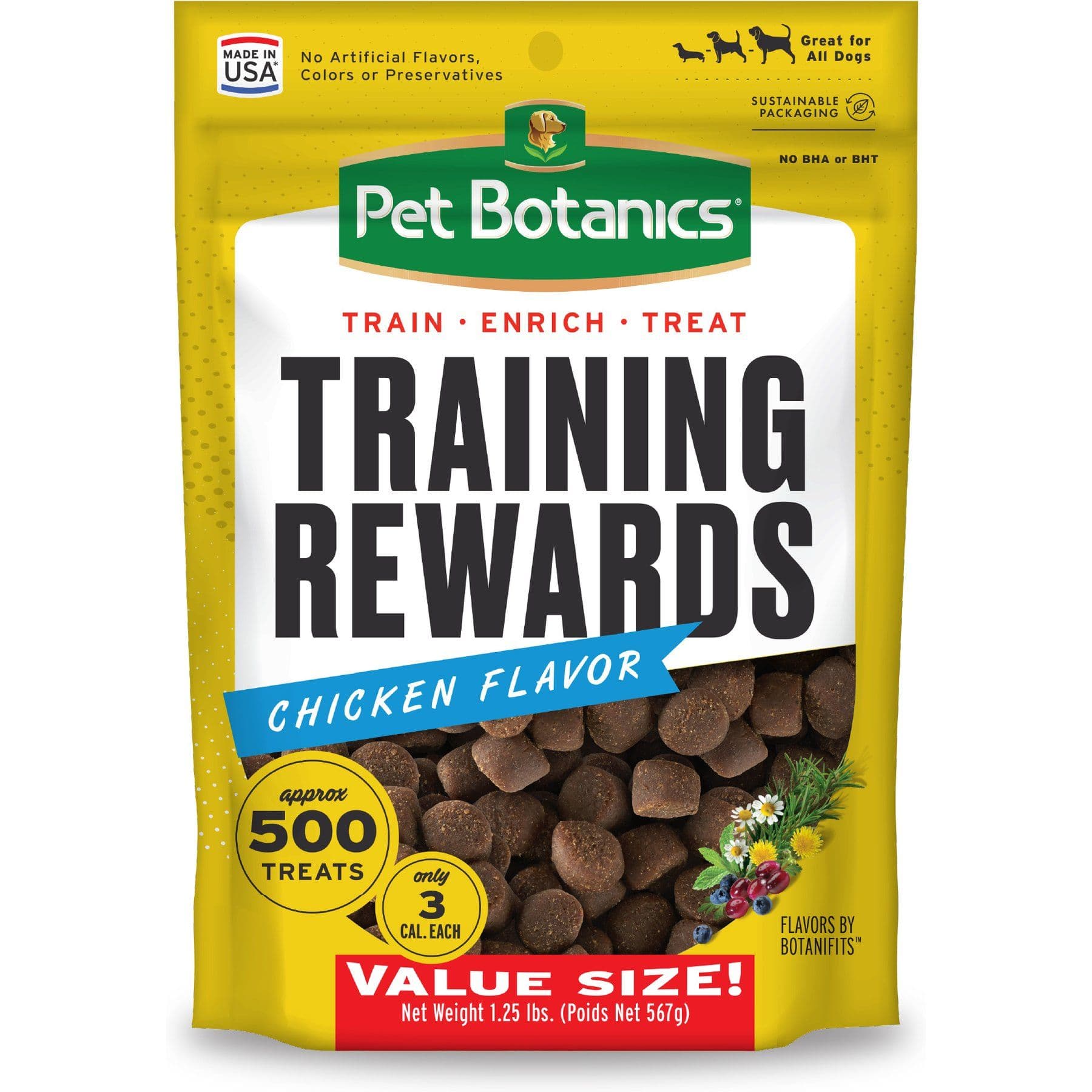
Small training rewards when ingredients suit your dog. Divide into appropriate pieces and count them in daily food intake.
Petful may earn a commission when you click through to Chewy, at no extra cost to you.
Lakeland Terrier crosses
The AKC Lakeland Terrier profile describes a breed associated with the Lake District and working-terrier origins. In a Patterdale cross, that background is a reason to discuss secure exercise and appropriate outlets with the breeder or rescue. It is not a basis for predicting one exact level of prey interest or a universal adult weight.
“Lakeland Patterdale” can be an ambiguous description in a listing. Ask whether the source means a documented cross between identified parents or a looser working-terrier label. Record the answer in the information you use to make a decision. If the source cannot clarify it, evaluate the dog with that uncertainty intact rather than converting the label into a precise pedigree.
Staffy crosses and other names that need precision
A Patterdale and Staffordshire Bull Terrier cross should be assessed through the individual dog's build, handling needs, and history. “Staffy” and “pitbull” should not be treated as interchangeable descriptions. Ask for the claimed parent identity and any available records, then check whether you can comfortably manage this dog's current strength and activity.
Other crosses, variable size, and daily care
Start with controlled walks in a manageable environment. Let the dog investigate safely while observing what attracts its attention and whether it can respond to you. A six-foot leash can support ordinary walking control; it is not a long line for distance recall practice. Secure equipment does not replace attention to traffic, other animals, or gaps in fencing. “Pocket Bully” is another label to clarify before inferring a Patterdale mix’s ancestry, adult size or behavior. Ask which parent is documented, what the other parent’s identity is based on, and which records belong to the actual dog. A seller’s shortened label or a photograph cannot supply missing parentage evidence. For a Patterdale–Pitbull advertised for sale, ask which parent breed the seller means by “Pitbull” and what records support the claimed pairing. Confirm the actual puppy or adult, its known health and behavior history, and the placement terms. A cross name does not verify a seller, establish current availability or predict a gentle temperament.
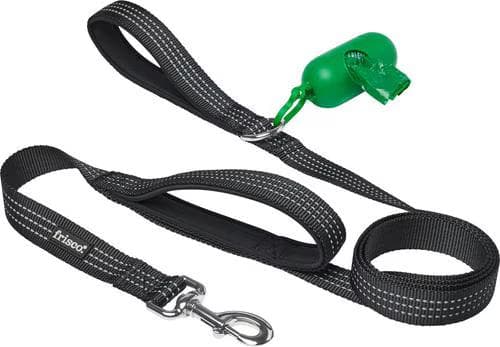
Six-foot leash for supervised everyday walks when the clip and weight suit your dog. Not a long line for distance recall.
Petful may earn a commission when you click through to Chewy, at no extra cost to you.
Other reported combinations include Chihuahua, Dachshund, Labrador, Cocker Spaniel, Poodle, and collie ancestry. These dogs should not be presented as a menu of guaranteed features. Identify the relevant practical question, then seek evidence from known parents, the dog's development, and its current caregiver.

Smaller parents do not guarantee a tiny adult
A Patterdale Chihuahua mix needs suitable equipment, supervision, and handling for its actual body. Do not assume that every puppy will remain small enough to carry comfortably or that a small frame means low exercise needs. Ask about both parents' measured adult size when available and arrange ongoing assessment as the puppy grows.
For a Dachshund cross, look at the individual proportions and how the dog moves. Discuss any mobility concern with your veterinarian rather than assigning a diagnosis from the name. The same principle applies to a Corgi cross or any puppy whose body shape differs from what you expected. Buy equipment that fits now and revisit the fit as the dog develops.
Labrador, spaniel, Poodle and collie crosses
A Patterdale Lab mix's size cannot be calculated reliably by averaging two online breed weights. Known parents provide better context, while an adult rescue's current measurements provide a direct starting point. Ask about food, exercise, transport space, and the strength needed for handling this individual rather than shopping from a predicted label.
For a Cocker Spaniel or Poodle cross, examine the coat's texture and discuss grooming requirements before committing. Do not promise a non-shedding or hypoallergenic dog because one parent is described that way. A mixed coat may need its own maintenance plan. Ask what care the dog currently tolerates and what professional grooming, if any, is needed.
A Border Collie cross belongs among herding-parent combinations, even when it appears in a list of terrier mixes. Clarify whether “collie” specifically means Border Collie or another breed. Talk about the dog's responses to movement, ability to rest, and everyday learning instead of assuming it will be either automatically obedient or impossible to satisfy.
Build walks around observed behavior
Ask about specific walk situations:
- What happens when a small animal moves nearby?
- Can the dog turn away from an unfamiliar dog at a comfortable distance?
- Does handling change in crowded or noisy places?
- Which routes and routines have helped the dog remain comfortable?
A Patterdale Whippet cross needs the same observation-based approach to temperament. Do not assume a sighthound parent cancels terrier prey interest or that good recall in one enclosure transfers to an unfenced area. Use secure arrangements and qualified training support where needed rather than discovering the limits during a chase.
Turn foster observations into a home plan
Ask a foster caregiver to describe a typical day from waking to bedtime. A note such as “good with dogs” is more useful when it identifies the dogs involved, whether they lived together, and what supervision was used. “Can be left” needs context about duration, setup, and whether distress was checked after the person departed.
Use those details to decide what must be ready at home. You may need separate resting spaces, controlled entrances, a gradual introduction plan, or temporary care while you learn the dog's tolerance of absences. Petful's adoptable pet search can help locate possible placements, but confirm current details with each organization rather than treating the listing as a complete assessment. Once the dog is comfortable, a supervised search in a Pet Parents Forager snuffle mat can use part of the normal meal; remove the mat if chewed.
Reward-based practice can help teach useful responses. The American Veterinary Society of Animal Behavior recommends reward-based methods. Small training rewards are one option when their ingredients suit the dog; count them in its food intake. Teach in achievable steps and change the situation if the dog becomes overwhelmed.
Questions to carry into the placement decision
Review the first weeks without expecting an instant verdict
Agree with the rescue or breeder on how to ask for help during the transition. Note the dog's responses to your actual routine, including rest, walks, visitors, handling, and short absences. A dog may encounter things your previous home assessment did not include. Report those situations specifically rather than deciding that the cross label was either proved or disproved by one difficult day.
Choose manageable goals and review them with the same people who will care for the dog. If one person permits access to a busy doorway while another repeatedly pulls the dog away, the arrangement needs clarification. If the home cannot provide the separation or supervision a situation requires, discuss that honestly with the placement organization. Responsible matching includes recognizing a practical limitation; it does not require forcing an unsuitable arrangement to work because the dog has an appealing name or appearance.
The Patterdale parent and working background
The Patterdale parent contributes a documented breed history, but a mixed dog does not inherit a complete care plan from a standard. The Patterdale Terrier breed guide covers Fell Terrier origins, size, health context, lifespan, and household considerations. Those details can inform questions about a known parent. They cannot establish a mixed dog's health status or rarity, and the appeal of the breed should not outweigh a mismatch with the dog in front of you.
Assessing breeders, adoption, and cost
Compare a named source's written quote, included services, health records, and return support before paying. A designer cross label does not establish value or justify a universal price range. The Patterdale puppy guide explains source checks and first-year planning that also help when considering a mixed puppy. For a rescue, ask what is known and unknown about the dog and what support is available if the transition reveals additional needs.
Training and prey-management needs
Purebred Patterdale questions about barking, cuddling, family fit, other dogs, and settling are developed in the Patterdale temperament guide. Apply that background cautiously to a mix: neither an age milestone nor a claimed second breed guarantees calmness, friendliness, or off-leash safety. Sudden behavior change or persistent distress needs professional assessment. The practical plan should follow this dog's history and responses, with secure management while you learn more.
Questions about patterdale terrier mixes
This guide has no validated cross-specific average that applies to all Patterdale mixes. The label covers different known or uncertain ancestry, so borrowing one parent breed's lifespan would create false precision. Discuss individual health and parent context with your veterinarian, keep preventive care current, and plan for a long-term commitment without treating an estimated range as a prediction for one dog.
A consumer ancestry test can add information, but check whether the provider currently identifies Patterdale Terriers and ask how it reports related or unresolved ancestry. A missing breed result is not automatically proof that a previous caregiver was dishonest. Keep documented parentage and the test’s limitations together, and do not treat a breed-identification result as a complete health assessment.
A Patterdale–Jack Russell cross name cannot establish aggression. Ask about actual incidents and responses to handling, food, visitors and other animals, including the circumstances and recovery afterward. Terrier prey interest is also a separate question from comfort with people. Use observed history and qualified help for concerning behavior rather than assuming the mix inherits a fixed temperament.
BVMS, MRCVS
Dr. Pippa Elliott, BVMS, MRCVS, is a veterinarian with nearly 30 years of experience in companion animal practice. Dr. Elliott earned her Bachelor of Veterinary Medicine and Surgery from the University of Glasgow. She was also designated a Member of the Royal College of Veterinary Surgeons. Married with 2 grown-up kids, Dr. Elliott has a naughty Puggle named Poggle, 3 cats and a bearded dragon.
Sign up for expert-backed reviews and safety alerts all in one place.