Miniature Pinscher vs Doberman: Size, Care and Family Fit
A Miniature Pinscher is not a miniature Doberman. Compare their adult size, daily care, health screening and household needs, then use a practical checklist to decide which dog fits your life.

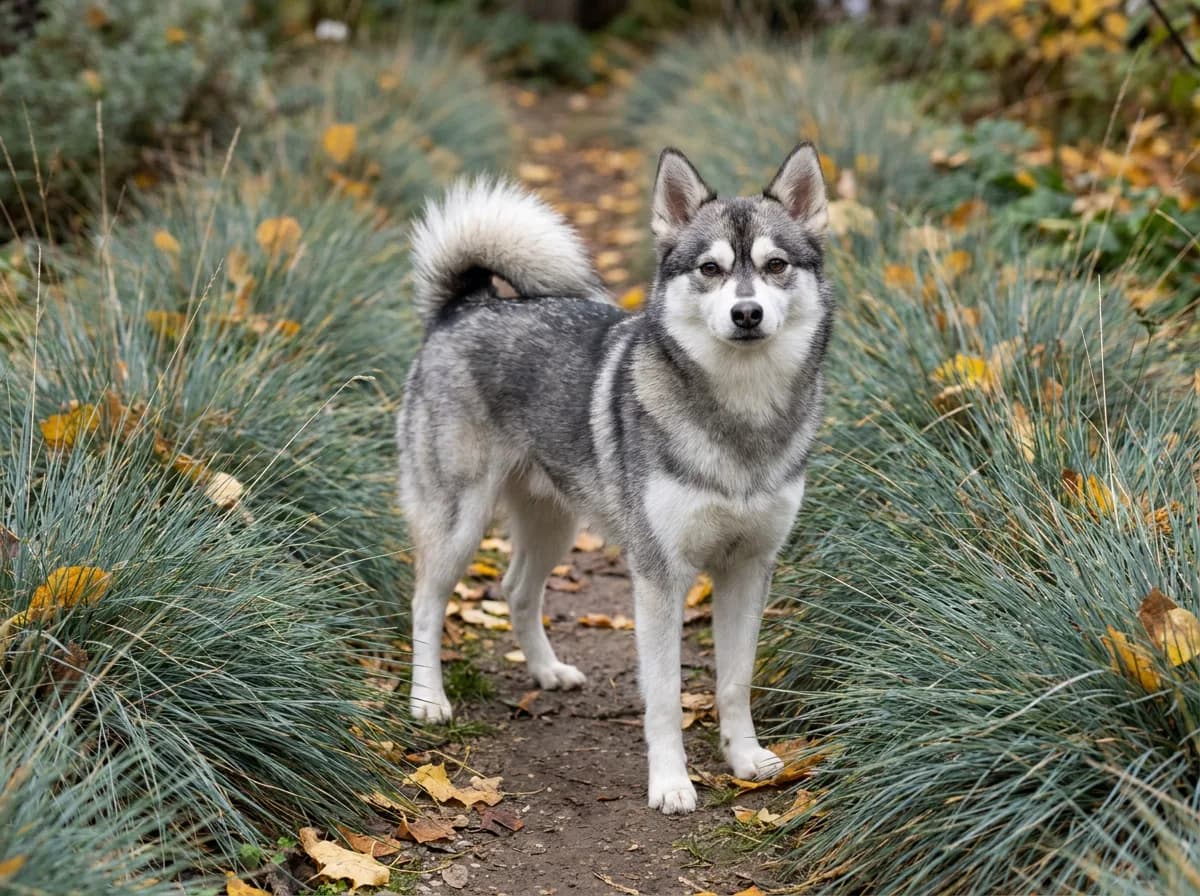
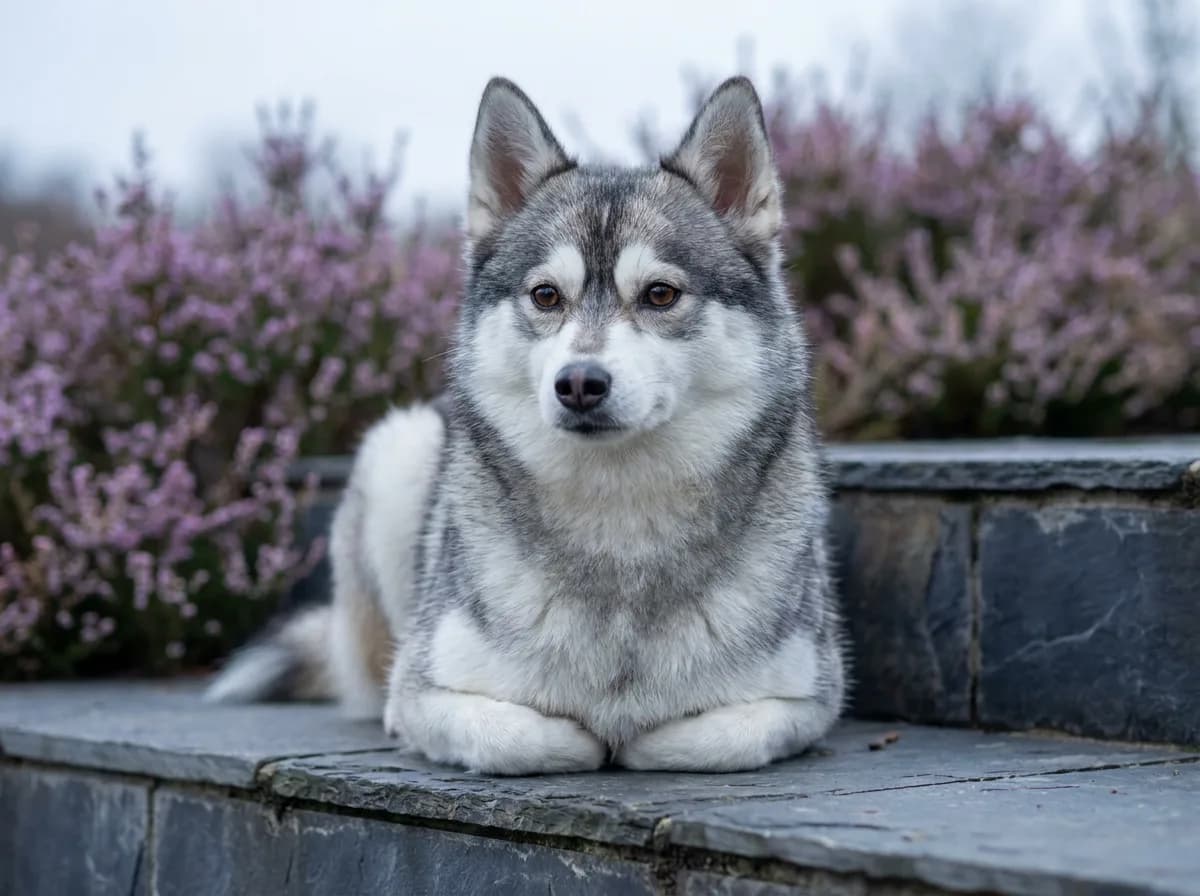
The Doberman at left and Miniature Pinscher at right show the scale difference in a shared setting.
Petful is reader supported. As an affiliate of platforms like Amazon and Chewy, we may earn a commission when you buy through links on this page. There is no extra cost to you.
Miniature Pinscher vs Doberman begins with a simple distinction: a Min Pin is a separate breed, not a miniature Doberman. Their sleek coats and similar markings can make them look related at a glance, but one is a toy-sized ratter and the other is a large working dog. Choosing between them changes how you plan walks, transport, play, housing and veterinary care.
Neither is an effortless version of the other. A small dog still needs training and secure boundaries, while a large dog needs a handler and household prepared for its adult strength. Start with those practical differences, then evaluate the individual dog’s health, temperament and history.

Sign up for expert-backed reviews and safety alerts all in one place.
Miniature Pinscher vs Doberman at a glance
The Miniature Pinscher, or Min Pin, is much smaller than the Doberman Pinscher, but body size is only the first comparison. Both can be active, alert companions. Their origins, physical handling needs and recommended health screening differ, so breed names should guide the questions you ask rather than supply a guaranteed personality.
- 1The Miniature Pinscher is a distinct breed, not a smaller size class of Doberman.
- 2Plan for the dog’s adult body, daily activity and individual behavior.
- 3Verify health records and household logistics before comparing acquisition prices.
| Decision | Miniature Pinscher | Doberman Pinscher |
|---|---|---|
| Adult height | About 10–12.5 inches at the shoulder | Females 24–26 inches; males 26–28 inches |
| Typical adult weight reference | About 8–10 pounds | About 60–100 pounds across the breed |
| Historical role | Small German ratter | German working and protection dog |
| Everyday handling | Small body needs secure fitting equipment and gentle handling | Large body requires physical control, suitable transport and space to turn and rest |
| Coat | Short, smooth coat; cold-weather comfort needs attention | Short, smooth coat; outdoor comfort still needs individual assessment |
| Screening discussion | Patella evaluation and the breed club’s additional recommendations | Breed-specific screening including the current cardiac assessment recommended by the breed club |
| Best basis for choosing | Individual behavior, records and a realistic routine | Individual behavior, records and a realistic routine |
The adult ranges are reference points, not a way to diagnose a dog’s ideal weight. Check body condition with a veterinarian and measure the actual dog for equipment. The AKC’s Miniature Pinscher history and Doberman breed facts provide the underlying breed context.
Is a Miniature Pinscher a miniature Doberman?
No. The Miniature Pinscher was established as its own small breed; it was not created by reducing the Doberman to toy size. A Min Pin is not the smallest Doberman variety. “Miniature Doberman” is an informal description that can mislead a buyer into expecting the same dog with smaller food bills. Ask for the actual breed name and documented parentage instead.
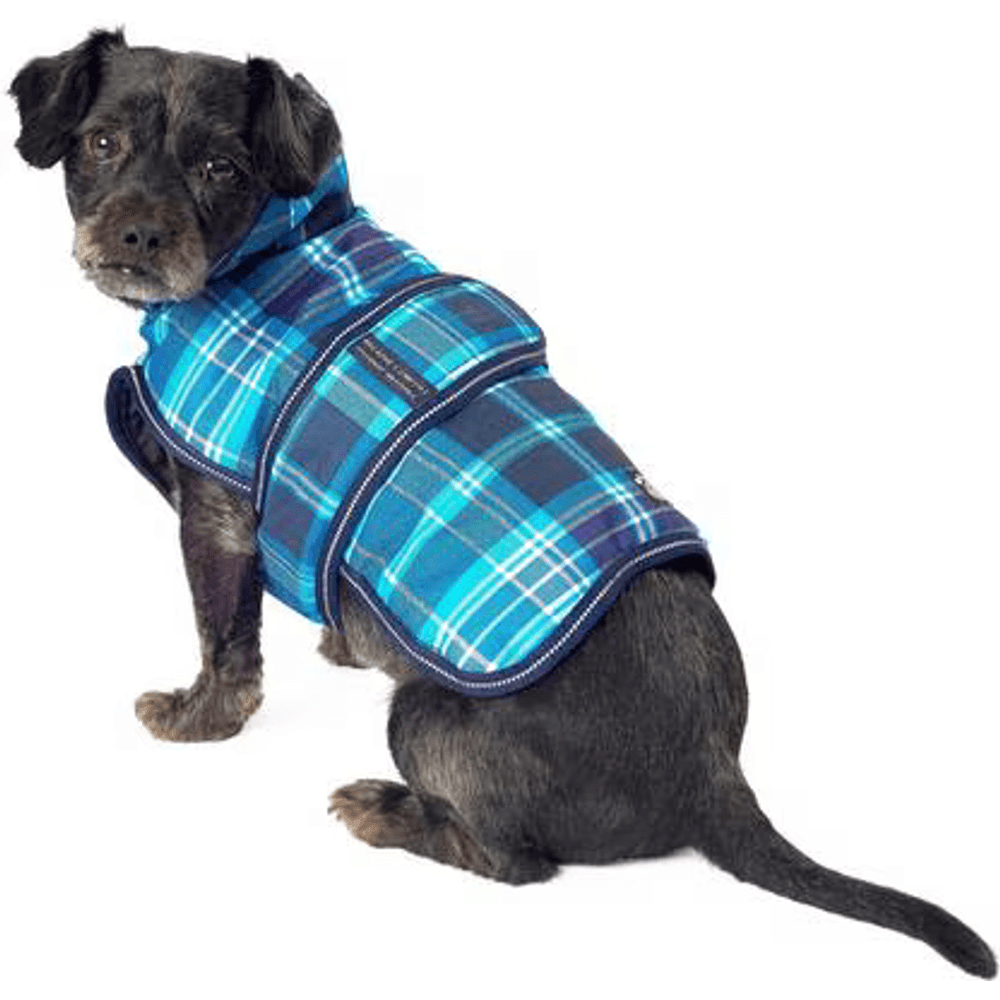
An insulated coat to consider when your dog’s measurements match the size chart. Check movement, comfort and weather conditions.
Petful may earn a commission when you click through to Chewy, at no extra cost to you.
Similar markings do not prove ancestry. Black-and-rust coloring, a short coat and an alert outline occur in more than one breed. Historical accounts discuss possible shared ancestral influences, including German pinscher-type dogs, but that is different from saying the Min Pin is a Doberman variety. Avoid the opposite overstatement, too: “separate breeds” does not require a claim that they share no ancestry whatsoever.
What to check in an advertisement
A listing that says “mini Doberman” may mean a Miniature Pinscher, a mixed-breed dog or a dog of uncertain ancestry. The label alone does not resolve which. Before paying a deposit, ask what the seller can document and compare the answer with the dog’s records.
- Request the registered breed and organization, if registration is claimed.
- Ask for the parents’ identities and relevant health results when buying a puppy.
- Distinguish a rescue’s best visual estimate from confirmed parentage.
- Be cautious about paying extra for a size or color label without evidence of care and responsible breeding.
If you want a Min Pin, choose for its own characteristics. If you want a Doberman, plan for a Doberman’s adult body and needs. A resemblance in a puppy photograph is a poor foundation for a decision that will shape years of daily life.
Adult size and appearance: the practical differences
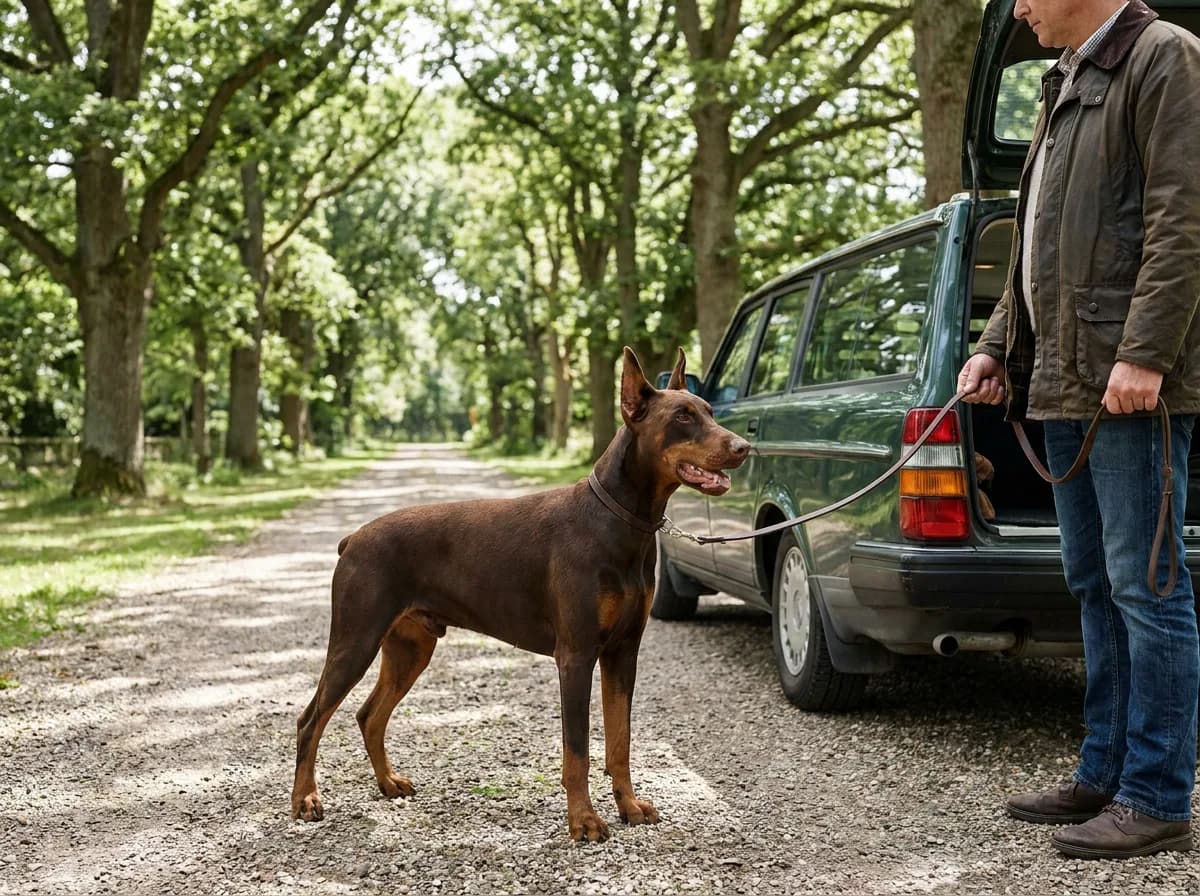
The adult size gap affects much more than appearance. A Min Pin can fit through spaces that seem secure for a larger dog. A Doberman can reach higher surfaces and create far more force on a leash. Both need a safe home, but the places you inspect and the equipment you buy will differ.
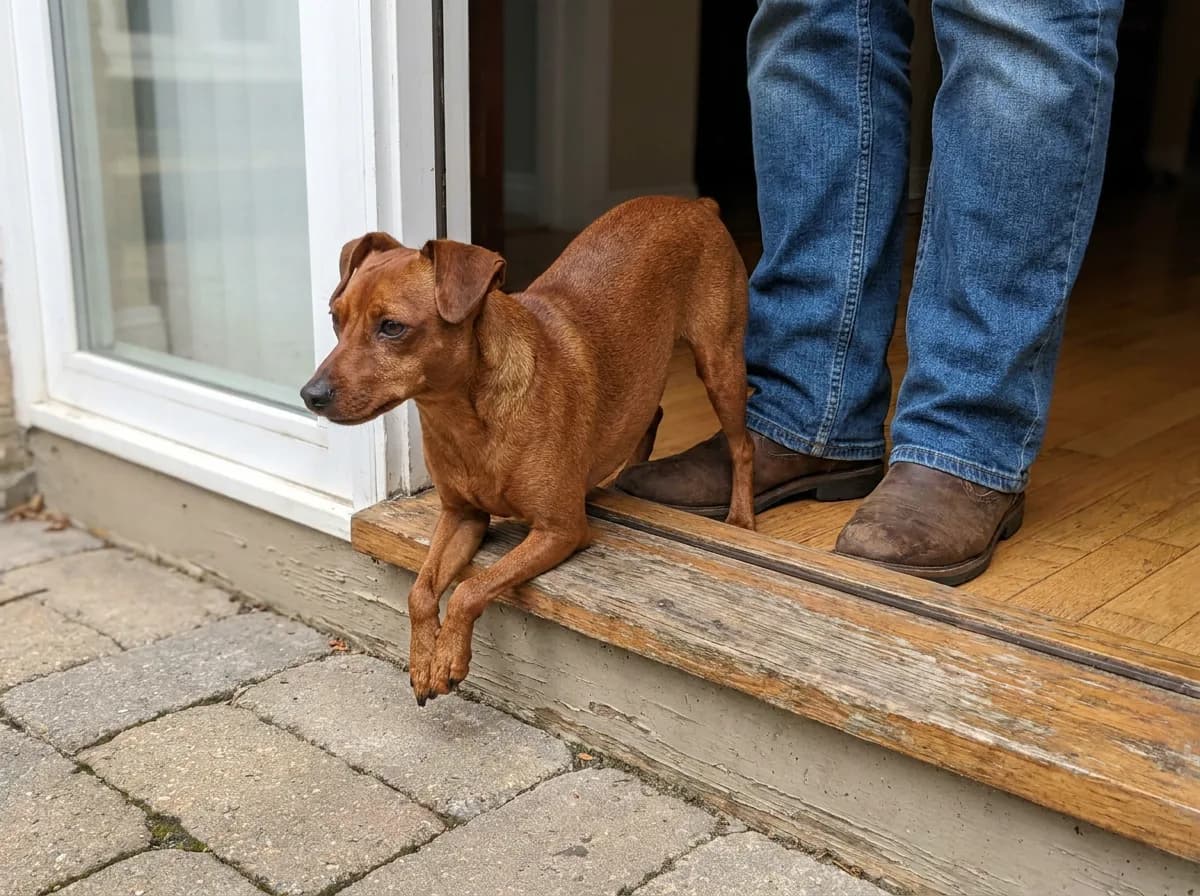
Walk through the home at the dog’s level before bringing it home. For a Min Pin, inspect gaps beneath gates, open stair rails and places where a small body could become trapped. For a Doberman, allow space for a large bed, a secure resting area and easy movement through busy rooms. Check the stability of barriers rather than assuming a product labeled for dogs will hold either individual.
Coat, ears and movement
Min Pins may be red or have darker coats with rust markings; Dobermans also have several recognized coat colors. Color is a description, not a temperament test. Ear appearance can be especially misleading because natural and cropped ears can change the outline people associate with a breed.
The Miniature Pinscher is known for a high-stepping hackney gait. The AKC breed description treats that movement as a characteristic of the breed, not a symptom. A new limp, stiffness or unwillingness to move still needs attention; do not explain a change away as “just how Min Pins walk.”
For both breeds, choose photographs that show the full dog standing naturally if you are evaluating body proportions. Perspective can exaggerate a size difference or hide one. Registration and veterinary records answer different questions from pictures, and neither a coat pattern nor an ear shape proves a dog’s pedigree.
Petful may earn a commission when you click through to Chewy, at no extra cost to you.
Temperament, barking and training
A Miniature Pinscher can be a bold, lively companion, and a Doberman can be attentive and strongly engaged with its family. Those broad descriptions do not establish whether a particular dog is easy to handle, comfortable with visitors or safe around another animal. Training history, health and lived experience matter alongside inherited tendencies.
The downsides of a Min Pin often surprise people who expected a quiet decorative pet: quick movement, alert barking, curiosity about openings and an independent response to instructions can require consistent management. A Doberman’s corresponding demands include controlling a much larger dog, providing appropriate activity and building reliable everyday behavior before strength becomes a problem.
Is a Miniature Pinscher aggressive?
A Miniature Pinscher is not automatically aggressive. Growling, snapping or biting can occur in dogs of any size and may be associated with fear, pain, guarding or other circumstances. A Min Pin’s discomfort should be taken seriously rather than dismissed because it can be picked up. Likewise, a Doberman should not be judged as dangerous simply because of its size or reputation.
If a dog is showing threatening behavior, create distance and get qualified help. Avoid deliberately provoking it to test a claim about temperament. The AVMA’s dog-bite prevention guidance emphasizes careful handling, supervision and positive training; it does not offer a breed label as a safety guarantee.
Teach useful skills early
Choose skills that make ordinary life easier. Both dogs benefit from learning to orient toward the handler, wait briefly at an opening, move to a resting place and accept comfortable handling. Keep sessions short enough for the dog to stay engaged and increase difficulty gradually.
- Reward the behavior you want promptly, using something the dog values.
- Practice in quiet settings before asking for the same response near distractions.
- Teach a comfortable alternative to rushing a door, rather than relying on a last-second grab.
- Plan for predictable barking triggers such as hallway traffic or delivery arrivals.
- Seek a qualified trainer or veterinary behavior professional when the problem exceeds ordinary manners training.
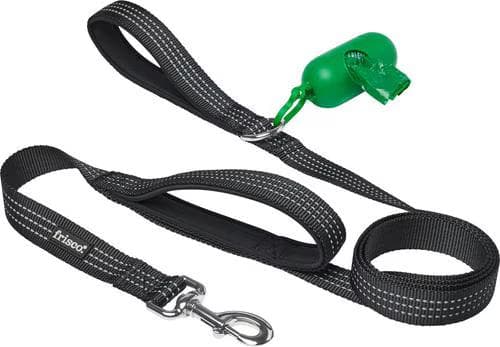
A Frisco six-foot traffic leash with two padded handles can be a practical walking option when its clip and weight suit the dog. The extra handle may help with brief close control, but it does not replace training or make it safe to drag a frightened dog toward something. Very small Min Pins may be more comfortable with lighter equipment.
Exercise and time alone
Both breeds need activity and engagement. A smaller body does not automatically mean that a few trips to a patio will satisfy the dog. A larger dog does not need every outing to become a strenuous workout. Match the activity to age, fitness, weather, health and the dog’s ability to recover afterward.
Build a repeatable weekday routine of training and supervised exercise before imagining weekend adventures. Include toilet breaks, sniffing opportunities, short training sessions, comfortable rest and interaction with people. If your workday makes those difficult, arrange help in advance. A yard can support that routine, but it does not replace companionship or deliberate exercise.

Petful may earn a commission when you click through to Chewy, at no extra cost to you.
Judge the response, not just the clock
Notice how the dog behaves during and after activity. A comfortable dog can engage with the environment and recover afterward. Persistent reluctance, unusual fatigue, distress or a sudden behavior change calls for adjustment and, when appropriate, veterinary advice. Do not borrow a rigid exercise duration from another dog’s schedule.
Time alone also has to be learned and observed. Ask a foster carer what has actually been successful in a home, then build gradually from the dog’s starting point. A quiet stay in a kennel does not prove that the same dog can comfortably spend a full workday alone in an unfamiliar house.
WebVet’s dog training schedule guide explains how predictable routines and comfort can support learning. Use a schedule as a plan you can adjust, not a test the dog must pass by a deadline. If separation causes panic, the answer is not to keep extending the absence and hope the dog gives up protesting.
Children, other pets and living together
Miniature Pinschers can be good house dogs, including in homes with children, when the match, management and supervision are appropriate. Dobermans can, too. The risks differ with size. Rough handling or a fall can injure a small Min Pin; an excited large dog can knock a child over without intending harm. Adults need to prevent both situations.
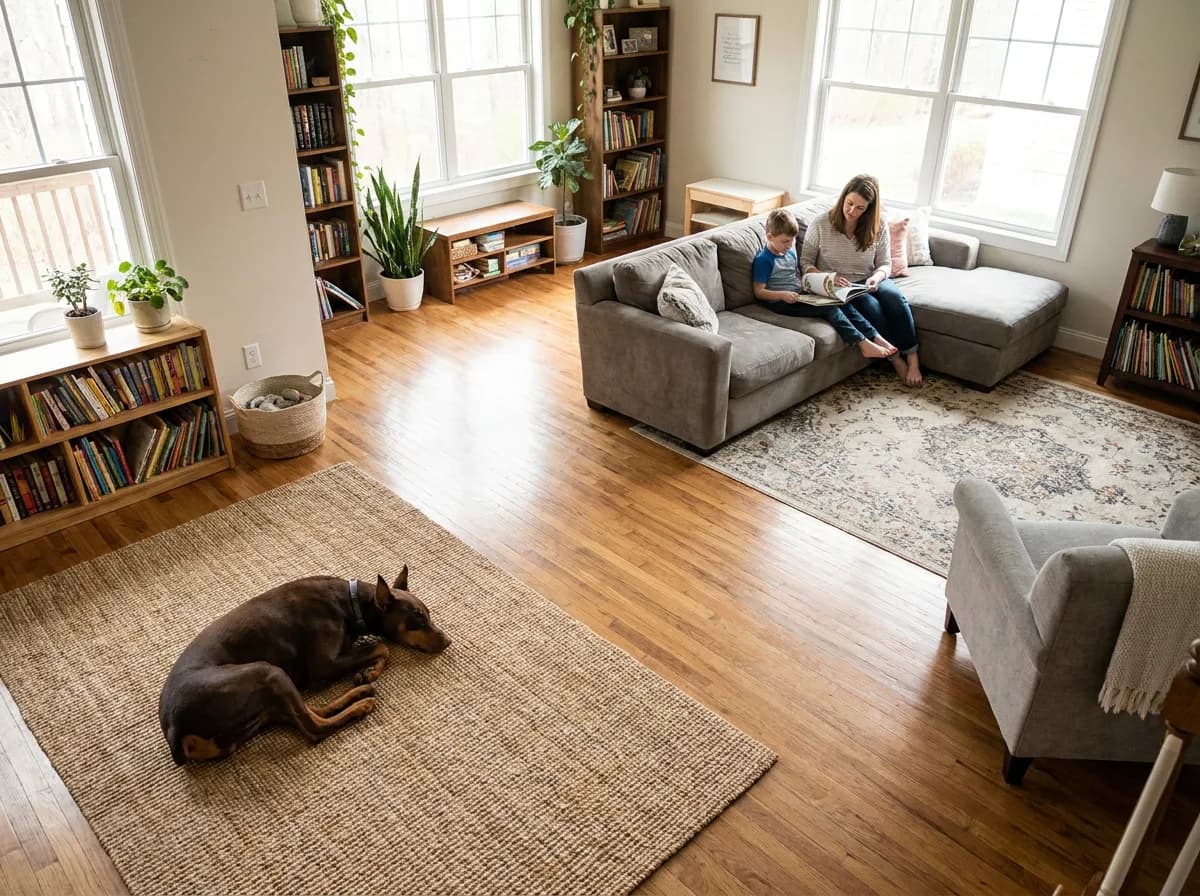
Give every dog an undisturbed resting area. Teach children to leave the dog alone during eating, sleeping and chewing, and to avoid hugging, climbing on or cornering it. Active supervision means the adult is watching and ready to intervene. If that is not possible, use secure separation that keeps everyone comfortable.
Can a Min Pin and Doberman live together?
Compatible individuals may live together, but their size difference makes supervised play especially important. A playful collision or pinning behavior that a larger dog tolerates can injure a small one. Do not assume that affection between the dogs eliminates the physical risk of rough play.
- Introduce them gradually in a controlled setting with capable handlers.
- Provide separate meals, resting areas and access to valued items.
- Interrupt play before the small dog is overwhelmed or the large dog becomes too excited.
- Give each dog a reliable way to disengage.
- Separate them when you cannot supervise until you have a sound, individual management plan.
The same care applies to cats and other animals. Ask what the dog has actually lived with, under what conditions and with what supervision. A history of calm contact with one cat does not establish safety with unfamiliar cats, rabbits or birds. Prey drive and chase behavior need management regardless of the dog’s size.
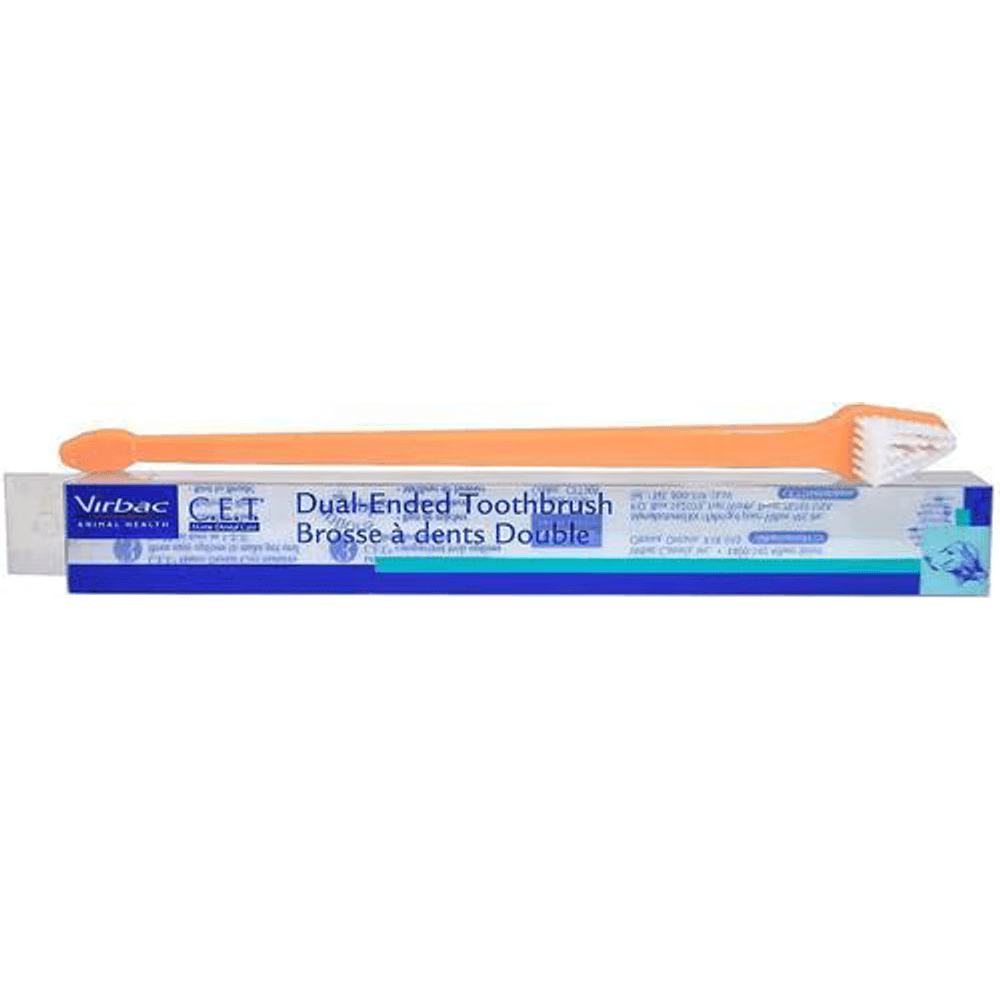
A dual-ended toothbrush with a large and a small head to fit different mouth sizes and reach the back molars where plaque hides. Soft bristles angled for the gumline.
Petful may earn a commission when you click through to Chewy, at no extra cost to you.
Health screening and lifespan
General lifespan references are 12–16 years for a Miniature Pinscher, according to Zoetis Petcare, and 10–12 years for a Doberman, as summarized by the UC Davis Veterinary Genetics Laboratory. These are broad breed references, not a prediction for a particular puppy. Compare documented health information and screening alongside those ranges; neither a long-lived relative nor a claimed record age guarantees your dog’s lifespan.
For a Miniature Pinscher puppy, ask about the parents’ patella evaluations and the breed club’s additional screening recommendations. The Miniature Pinscher Club of America health statement lists patella testing plus two elective evaluations for its published CHIC protocol. Check the current requirements and individual results rather than treating a copied checklist as proof that tests occurred.
Doberman heart screening needs particular attention
Dilated cardiomyopathy is a major concern discussed by the Doberman Pinscher Club of America. The club’s health information explains why cardiac evaluation matters. Ask a veterinarian about the relevant echocardiogram and Holter monitoring, the age of the results and an appropriate follow-up plan. A DNA result alone does not establish that a Doberman is free of heart disease.
- A screening result describes the tests performed and their findings at that time. Verify the actual records, dates and identities, and discuss their limits with a veterinarian. A CHIC number or a normal result does not guarantee lifelong health.
Screening parents, examining a puppy and caring for an adult are different tasks. A puppy’s vaccination record is useful but does not replace parental screening. Conversely, well-documented parent tests do not remove the need for your own dog’s veterinary care. Ask for missing records before committing, rather than accepting “the vet said they are healthy” as an answer to every question.
Routine dental care, sensible weight management and attention to changes in comfort matter for both breeds. If you use the Virbac C.E.T. dual-ended toothbrush, choose the head that fits the dog’s mouth and introduce it gently. Use a suitable dog toothpaste and stop if the mouth appears painful. Dental equipment supports a care routine; it is not a substitute for examination or treatment.
Costs, housing and everyday equipment
A Min Pin will usually require smaller quantities of food and smaller equipment than a Doberman, but that does not make every expense lower. Training, emergency treatment, boarding and daytime help can be substantial for either. Compare the services you will actually use and ask for local quotes before treating one dog as the budget choice.
Equipment budgets should allow for adult size, including a bed, restraint and transport setup that actually fit. A Doberman-sized crate may also change which vehicle arrangement is practical. The acquisition price is only one line in that plan: a low-priced puppy may have incomplete records, while an adult rescue may have useful home observations but an uncertain medical history. Price alone establishes neither quality nor suitability.
Put the costs into separate columns
Use a simple budget with one-time, recurring and uncertain expenses. Keep optional purchases separate from essential care, and include services your schedule makes necessary. That structure makes it easier to compare two real dogs without inventing a universal breed average.
- One-time: acquisition, initial veterinary appointment, appropriate restraint, bed and home setup.
- Recurring: food, preventive care, training support, replacement supplies and any dog-walking or boarding arrangements.
- Uncertain: unexpected veterinary bills, behavioral support or a change in housing or work routine.
Check housing restrictions alongside ownership costs before committing to a dog. Ask housing providers and insurers about their current written requirements for the exact breed, adult weight and documentation. Do not assume that a smaller lookalike qualifies under rules written for a different breed, or that a verbal assurance overrides the actual agreement.
Buy for the individual dog
Measure chest girth, back length and neck size before buying clothing or restraint. The PetRageous Kodiak insulated coat in Small is one option for a dog whose measurements match its size chart. “Small” is a manufacturer’s label, not a guarantee that it fits every Miniature Pinscher. Check that the garment allows normal walking and toileting and does not rub.
Cold-weather comfort depends on the individual dog and conditions. Use shorter outings, shelter and suitable clothing when needed rather than relying on one temperature threshold. Remove a garment if it is wet, restrictive or causing the dog to overheat, and supervise a dog that is getting used to wearing it.
For routine muddy-paw cleanup, Earth Rated unscented grooming wipes can be useful for either breed when used according to the label. Avoid eyes and irritated areas. A damp cloth may be enough for ordinary dirt, while persistent skin changes deserve investigation rather than a growing collection of grooming products.
More about Miniature Pinscher ownership
Living with a Min Pin means taking a small, active dog seriously. Plan secure boundaries, gentle handling, rewards for useful behavior and enough daily engagement. Many enjoy close contact with their people, but individual preferences differ: one may seek a lap while another prefers to rest nearby. Being picked up or held should not become the default response to every situation the dog finds difficult.
Our Miniature Pinscher breed guide covers coat colors, feeding, cost planning, puppy development and health in more detail. It also addresses affection, attachment and longevity without promising a universal personality or a single leading cause of death. Use it to assess the Min Pin as its own breed after this comparison has clarified the choice.
More about Doberman ownership
Doberman ownership requires a plan for a large adult dog, even when the puppy is small enough to carry easily. Think ahead about calm leash skills, transport, safe interaction with visitors and room to rest. Discuss breed-specific health screening with qualified professionals and verify the actual results available for the dog you are considering.
The Doberman Pinscher profile explores the breed’s history, temperament and day-to-day care. Keep that full ownership decision separate from a visual resemblance to the Min Pin. A Doberman should fit the household because its adult needs are manageable, not because a puppy looks like a larger version of a familiar small dog.
Which dog fits your household?
Choose the dog whose adult needs you can meet consistently. If a large dog cannot be transported safely, controlled comfortably or housed under your current agreement, that is a practical limit. If a small, quick dog cannot be contained safely or given appropriate activity, its size does not solve the problem.
| Check | What to establish before committing |
|---|---|
| Transport | A safe restraint or carrier arrangement that fits the adult dog and your vehicle |
| Containment | Secure openings, stable barriers and a comfortable separate resting area |
| Handling | A realistic plan for leash control, grooming, lifting when appropriate and help during illness |
| Other animals | A supervised introduction and separation plan suited to the individuals and size difference |
| Care quotes | Local estimates for veterinary care, training, boarding and daytime help |
| Daily routine | Named people who can provide activity, toilet breaks and support when plans change |
Where possible, meet adult dogs and talk with people who know the individual in a home. Ask about a normal weekday, a difficult situation and what support made a difference. Useful answers include examples and limits; “perfect with everyone” gives you little to plan around.
If both breeds appeal to you, evaluate two actual candidates against the same household checklist. If neither fits the time, space, support and budget available, continue looking. Choosing carefully is more useful than trying to turn either breed into the dog its similar-looking counterpart is imagined to be.
Miniature Pinscher and Doberman FAQs
No. The German Pinscher is a third distinct breed with its own standard, not a medium-size class of Miniature Pinscher or Doberman. Historical relationships between breeds do not make them interchangeable size varieties.
No. Those procedures are not needed for ordinary companionship. Natural ears or an undocked tail do not reduce a dog’s worth or remove its need for training, care and suitable handling.
No. A small body reduces some handling demands, but training, containment and appropriate activity still matter. Match the individual dog to your routine and the support you can access rather than choosing solely by size.

Coreen Saito is a pet writer and longtime shelter volunteer with more than a decade in animal rescue. She covers cat behavior, breed care, and the small, ordinary science of sharing a life with companion animals, with a particular focus on honest takes about the products and decisions that actually matter. At home in Arizona, she's outranked by Mac (a dog with the loudest opinion in the house), Rebel (a cat who governs by quiet authority), and Meri (an orange tabby who runs the late shift and the laundry basket). She writes about all three, plus the rescues that keep coming through her life, at LifeWithMinty.com.
Sign up for expert-backed reviews and safety alerts all in one place.