Mini Irish Doodle: Full-Grown Size, Traits, and Care
Look beyond the Mini Irish Doodle label. Compare measured parents, growth records, activity needs, and coat care to decide whether the individual dog and its uncertain adult size fit your home.

BVMS, MRCVS

Petful is reader supported. As an affiliate of platforms like Amazon and Chewy, we may earn a commission when you buy through links on this page. There is no extra cost to you.
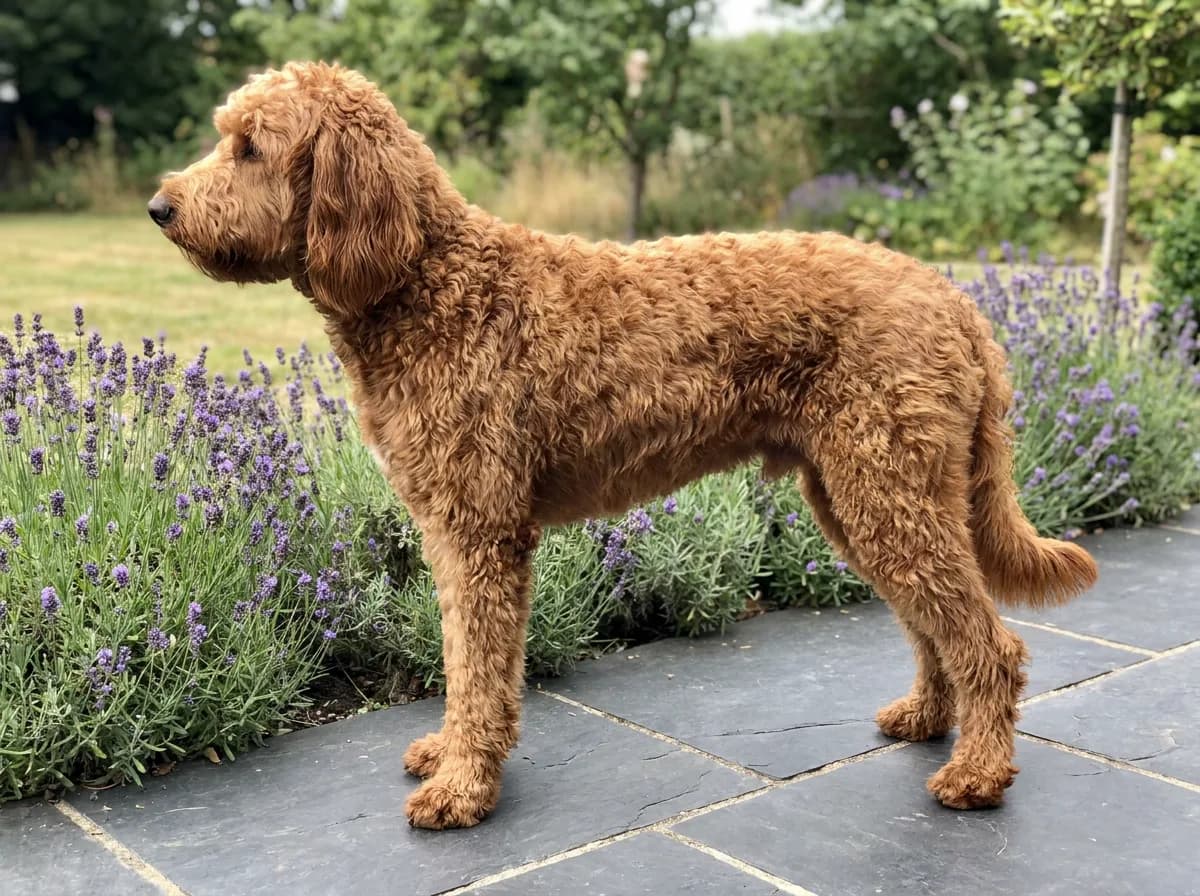
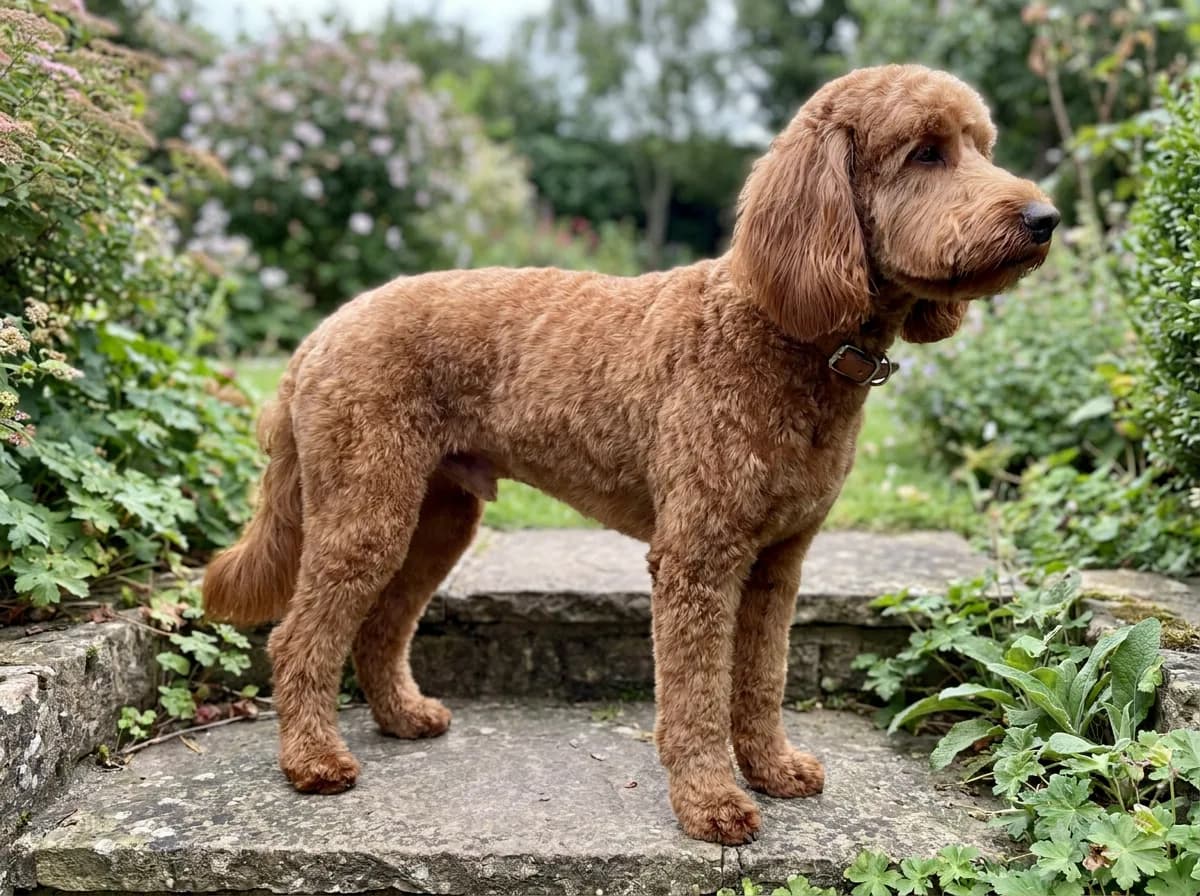
A Mini Irish Doodle is an Irish Setter–Poodle cross described as smaller than a Standard-parent pairing, usually because of smaller Poodle ancestry. “Mini” is not a uniform breed standard. Before planning around an adult weight or height, ask what the breeder means and what evidence supports the estimate for this particular puppy.
The label can help you start a conversation, but measured parents, mature relatives, and growth records are more useful than a photograph or a promise that the dog will stay small. A smaller body also does not remove the need for activity, companionship, training, and coat care.

Sign up for expert-backed reviews and safety alerts all in one place.
Mini Irish Doodle Size: Read the Parents, Not the Label
Mini Irish Doodle size depends on the actual pairing and individual inheritance. The Poodle parent may be a Miniature, another small Poodle, or a dog with mixed ancestry from an earlier generation. Ask for that history in plain language, including measured adult height and weight, instead of assuming every breeder uses “miniature” the same way.
The Poodle Club of America defines a Miniature Poodle as over 10 inches and no more than 15 inches at the shoulder. Those are Poodle dimensions, not limits for offspring with Irish Setter ancestry. Measured parents reduce guesswork, but adult-size uncertainty remains.
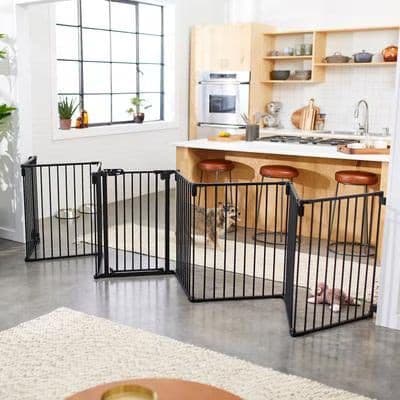
Supervised space management if the gaps, height and stability suit your dog. Climbing or jumping dogs need a different setup.
Petful may earn a commission when you click through to Chewy, at no extra cost to you.
Home equipment should follow measurements too. Compare the usable sleeping area and entry of a FurHaven sofa-style bed with how your dog actually rests. The linked Large size may take more space than a smaller dog needs; a bigger bed is not an adult-growth target.
| Claim or document | What to ask for | What it can and cannot establish |
|---|---|---|
| Mini, petite, or medium | The breeder's definition and the actual pairing | A sales label does not establish a shared size standard |
| Measured parents | Adult weight, shoulder height, and identity for both parents | Useful context, with adult-size uncertainty still present |
| Mature relatives | Measurements from adult dogs from the same pairing, if available | Better family context, not a guarantee for this puppy |
| Puppy weight | Dated readings and the scale or veterinary record | An individual growth history, not a fixed adult prediction |
| Generation label | Names and ancestry of the actual parents | Family structure, not a guaranteed size or coat |
Compare published estimates carefully
Published ranges differ because sources may group different pairings together. For example, the Doodle Doods size guide describes a Mini/Medium category at 20–40 pounds and 15–22 inches. That is the publisher's estimate, not an official Irish Doodle standard or a promise about a litter you are considering.
Do not combine several online ranges into a supposedly more accurate size chart. Ask the seller to explain how their estimate was reached and what happens if the adult dog is larger than expected. If your lease, carrier, or physical ability creates a firm limit, acknowledge that a puppy may not offer enough certainty for the decision.
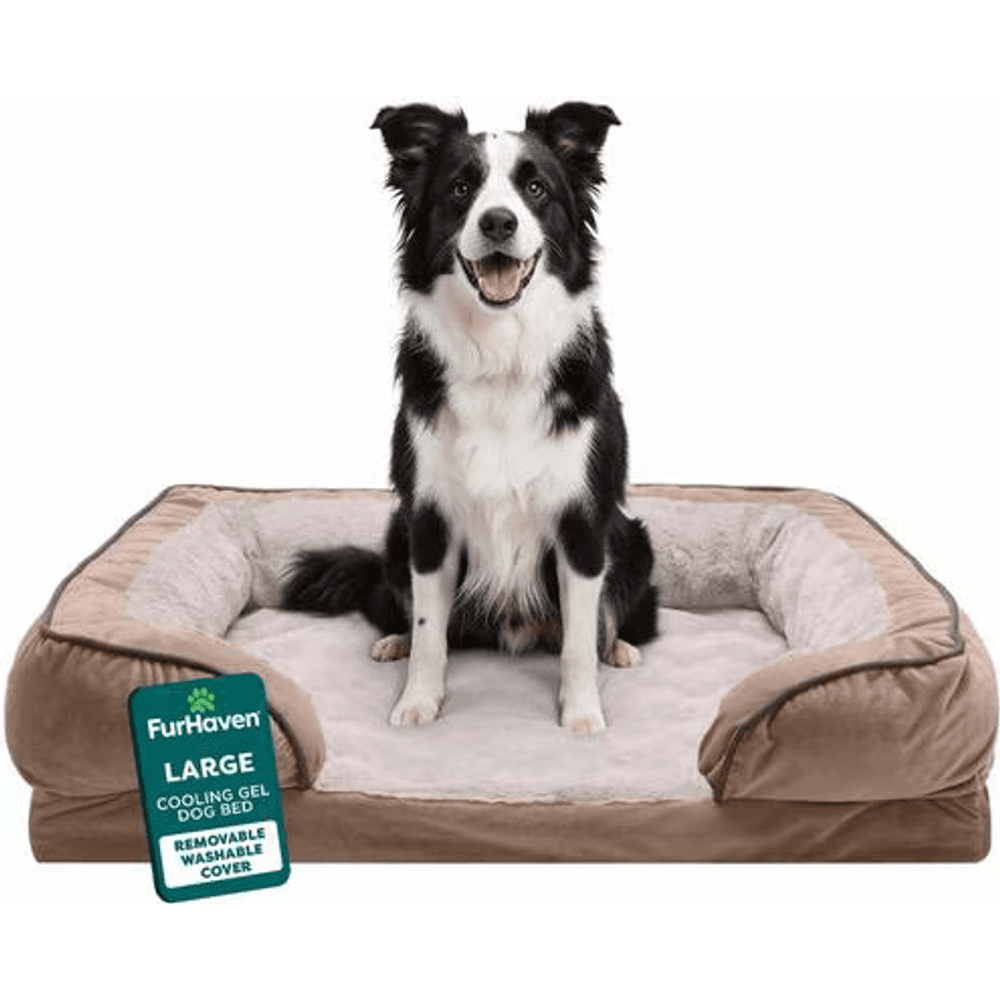
Removable-cover sofa bed. Check usable sleeping space and entry height against your dog’s posture and mobility; no medical or calming outcome promised.
Petful may earn a commission when you click through to Chewy, at no extra cost to you.
Look beyond mini, toy, and micro wording
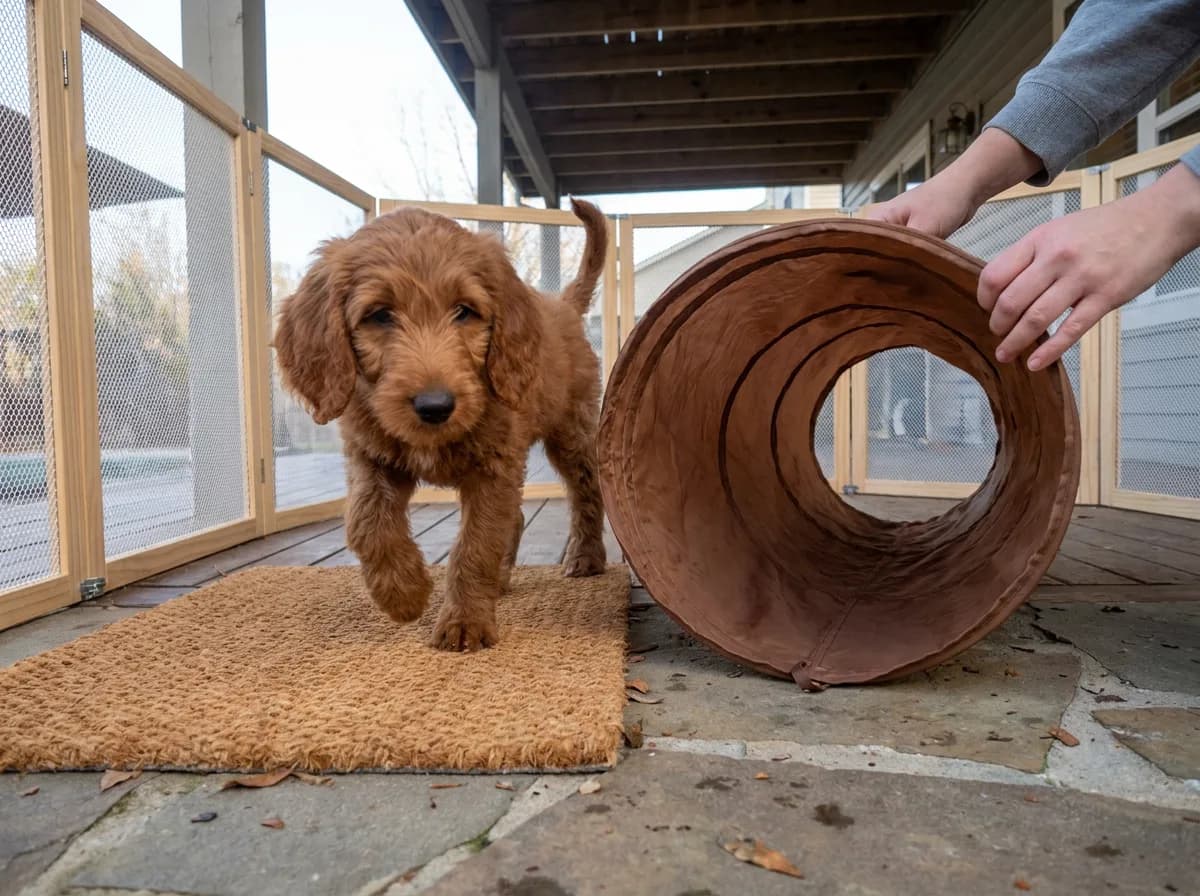
A Frisco 30-inch configurable pen can organize a supervised home area only if the individual cannot squeeze through, climb or jump over it. Check the gaps and stability before use. The mini label does not establish that this barrier will safely contain your dog.
Petite, toy, micro, micro mini, medium, and moyen Irish Doodle are labels you may encounter in advertisements. They are not interchangeable measurements. “Moyen” may be used to describe an intermediate Poodle size, but you still need the actual dog's dimensions and registry context rather than importing that description into a fixed crossbreed category.
An F1 Mini Irish Doodle usually describes a first-generation pairing, while F1b usually describes a backcross, often to a Poodle. Confirm the family tree. Adding another letter to the name does not guarantee that the full-grown dog will be lighter, shorter, easier to train, or less likely to trigger allergies.
Ask what would change your choice
Decide whether you are seeking a dog you can lift comfortably, one that fits a particular travel arrangement, or simply a smaller companion than a Standard-parent cross. These are different needs. Write down the practical limit before meeting a puppy so affection does not obscure a constraint you cannot change.
An adult dog with a known current size may be worth considering when dimensions are essential. For a puppy, plan equipment with room to adjust and a budget for replacement. Do not restrict food or appropriate development to keep the dog within an advertised weight bracket.
Growth, Handling, and Daily Life With a Mini Irish Doodle
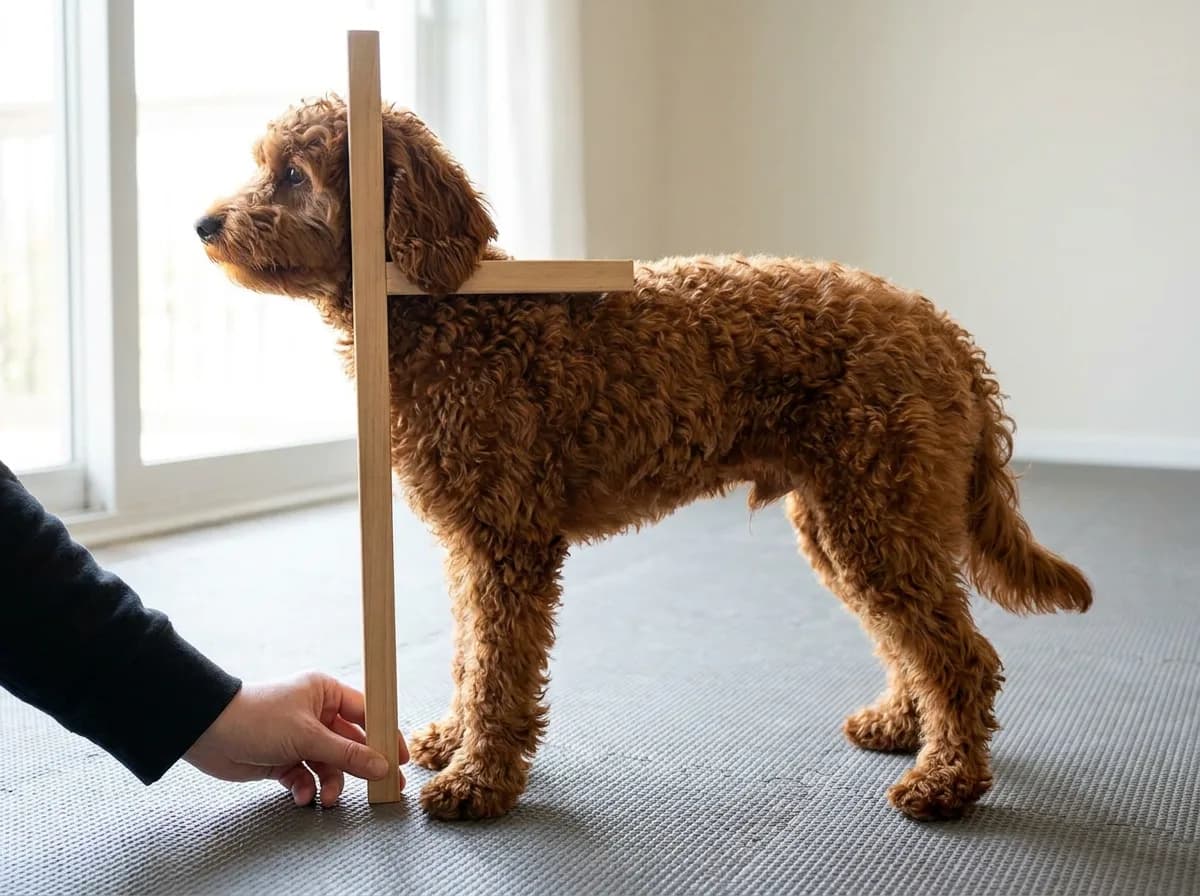
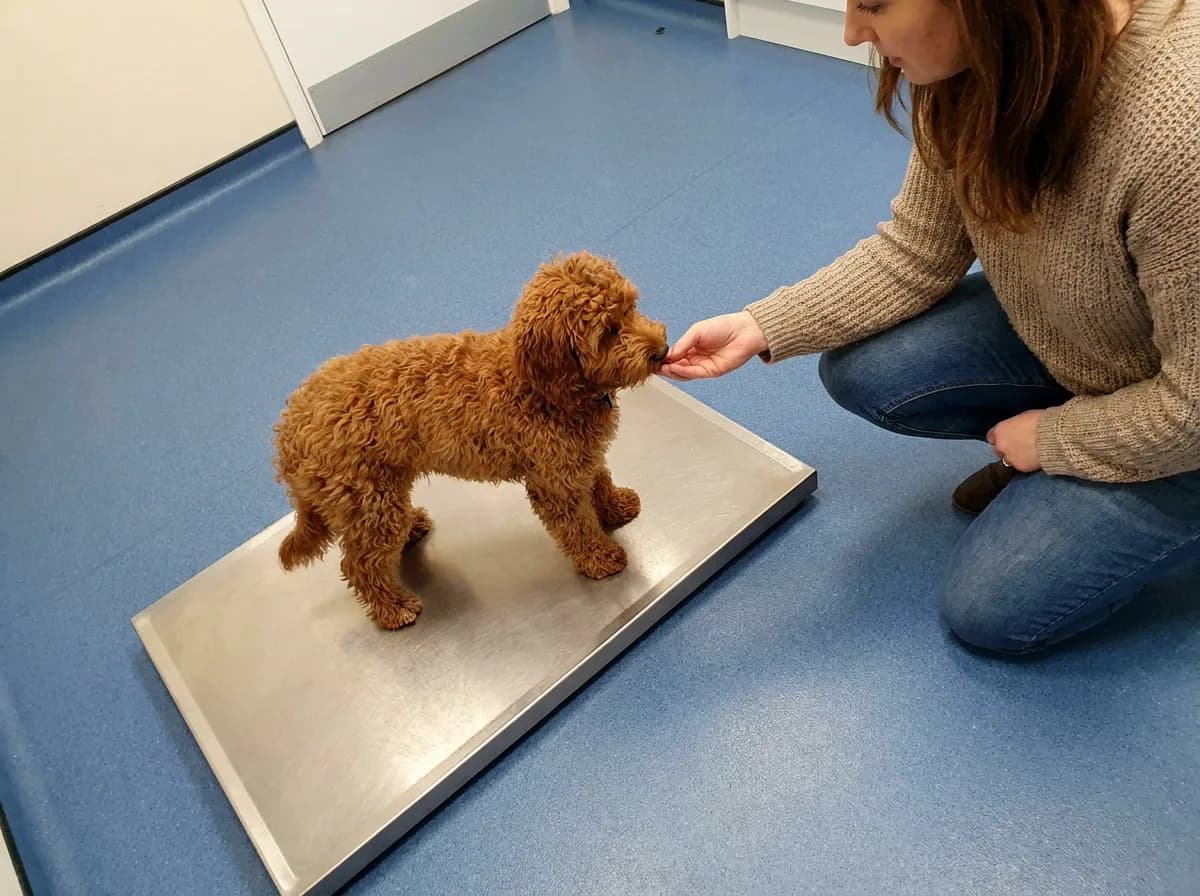
Track the puppy in front of you, using dated weights and observations from routine veterinary visits. Measure height at the withers on a level surface when the dog stands comfortably. Keep units consistent and note the method, especially if you move between a home scale and clinic measurements.
- 1Use measured parents as context while accepting adult-size uncertainty.
- 2Follow growth and body condition with your veterinary team rather than feeding toward an advertised size.
- 3Plan activity, training, and rest for the individual dog; mini does not mean effortless.
Record useful changes
A simple notebook is enough to keep the information together:
- Date and actual weight, including pounds or kilograms.
- Height when measured reliably, rather than a guess from photographs.
- Food and treats being offered, with any recent change.
- Appetite, activity, and anything you want to discuss at the next visit.
- The veterinary team's body-condition assessment and follow-up advice.
One reading cannot tell you whether a puppy is developing appropriately. Ask about the trend and the dog's condition, not just whether the number resembles an internet calculator. Contact your veterinarian about unexpected weight change or illness signs rather than waiting for the next planned measurement.
Temperament still needs an individual assessment
Mini Irish Doodle temperament may include sociability, curiosity, and considerable enthusiasm. Smaller Poodle ancestry does not erase the setter contribution or make a dog automatically calm indoors. Provide safe opportunities to sniff, practice recall, play, and rest, with difficulty adjusted to the dog's age and response.
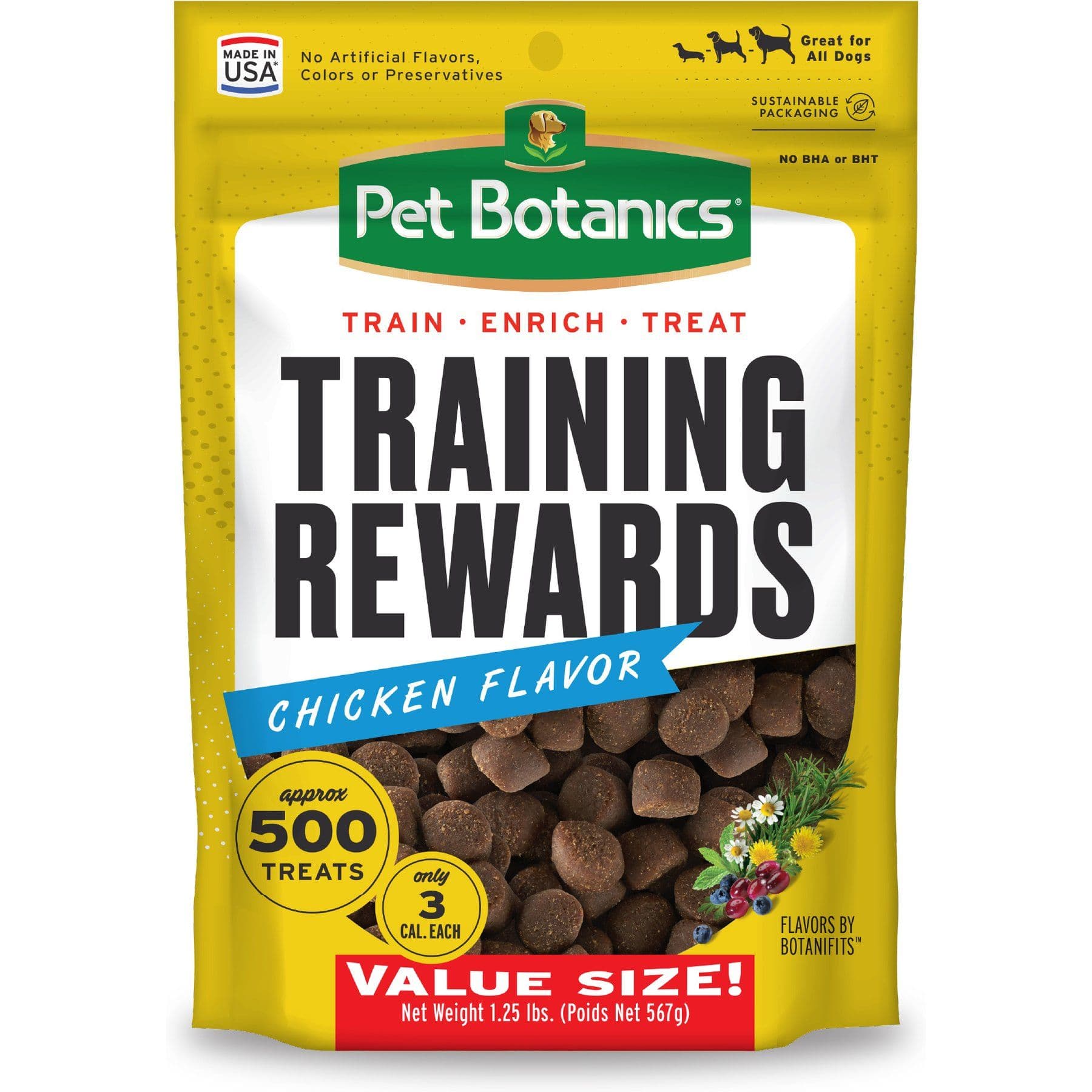
Small training rewards when ingredients suit your dog. Divide into appropriate pieces and count them in daily food intake.
Petful may earn a commission when you click through to Chewy, at no extra cost to you.
Reward everyday skills
Choose reward-based training and teach everyday skills in brief sessions. A small dog still needs comfortable handling, polite greetings, and a way to disengage from excitement. If the dog will live with children, an adult should supervise contact and provide a retreat where the dog can eat or sleep undisturbed.
Small pieces of Pet Botanics training treats can reward a comfortable greeting or brief handling step. Check ingredients, include them in daily intake, and keep the task achievable rather than using food to hold the dog through unwanted handling.
Our Irish Doodle guide covers the broader temperament, barking, and activity decisions. Use that background to frame questions about the individual dog. It should not replace observations from the breeder, foster carer, or your own time living together.
Plan handling and equipment around today's dog
If you expect to lift the dog into a car or carry it on stairs, consider your own ability as well as the estimate of adult weight. Practice comfortable handling with support for the body, and ask your veterinary team to demonstrate a safe technique. A smaller dog can still resist being lifted or become difficult to hold when startled.
For a carrier, check usable interior space and the manufacturer's limits. For a crate, allow appropriate standing, turning, and resting room and introduce it positively. An X-Large crate is not a natural choice merely because a product is marketed for Doodles. Measure first and decide whether the design solves an actual need in your home.
Feed for growth and condition
Use a complete diet appropriate to the puppy's life stage and discuss amounts with your veterinarian. Record treats and edible chews as part of the total intake, especially when several people are rewarding training. A shared container for the day's agreed rewards can help household members see what has already been given.

Six-foot leash for supervised everyday walks when the clip and weight suit your dog. Not a long line for distance recall.
Petful may earn a commission when you click through to Chewy, at no extra cost to you.
- Do not compare portions by bowl size alone: foods differ in energy density, and an adult relative may have different needs. Review the plan as the puppy develops rather than making automatic changes to keep it within a seller's projected size. The goal is appropriate nourishment and condition, not producing a particular number on the scale.
Lifespan Estimates for a Mini Irish Doodle
There is no established Mini Irish Doodle lifespan dataset in the available evidence that supports a precise promise. Parent-breed estimates are context only: the AKC lists Irish Setters at 12–15 years and Poodles at 10–18 years. Those ranges do not establish a separate average for the cross. Irish Setter, Poodle
Discuss preventive care and inherited health risks with your veterinarian, using the actual parents' records. A smaller dog is not automatically healthier, and mixed ancestry does not eliminate disease. Planning for ongoing veterinary care, dental care, appropriate nutrition, and changes with age is more useful than choosing a puppy on a promised lifespan.
What to Ask About Parentage and Health Testing
Request the identities of both parents, their adult measurements, and the results of screening relevant to their breeds and varieties. The Poodle Club of America's health information distinguishes screening for Miniature and Standard Poodles. A seller should be able to explain which applies to the actual Poodle parent and show the records.
Do not treat “DNA tested” as a complete health summary. Ask what was tested, which dog the result belongs to, and whether appropriate clinical evaluations were also performed. Your veterinarian can help interpret unfamiliar reports. A normal result reduces uncertainty about that test; it does not guarantee lifelong health.
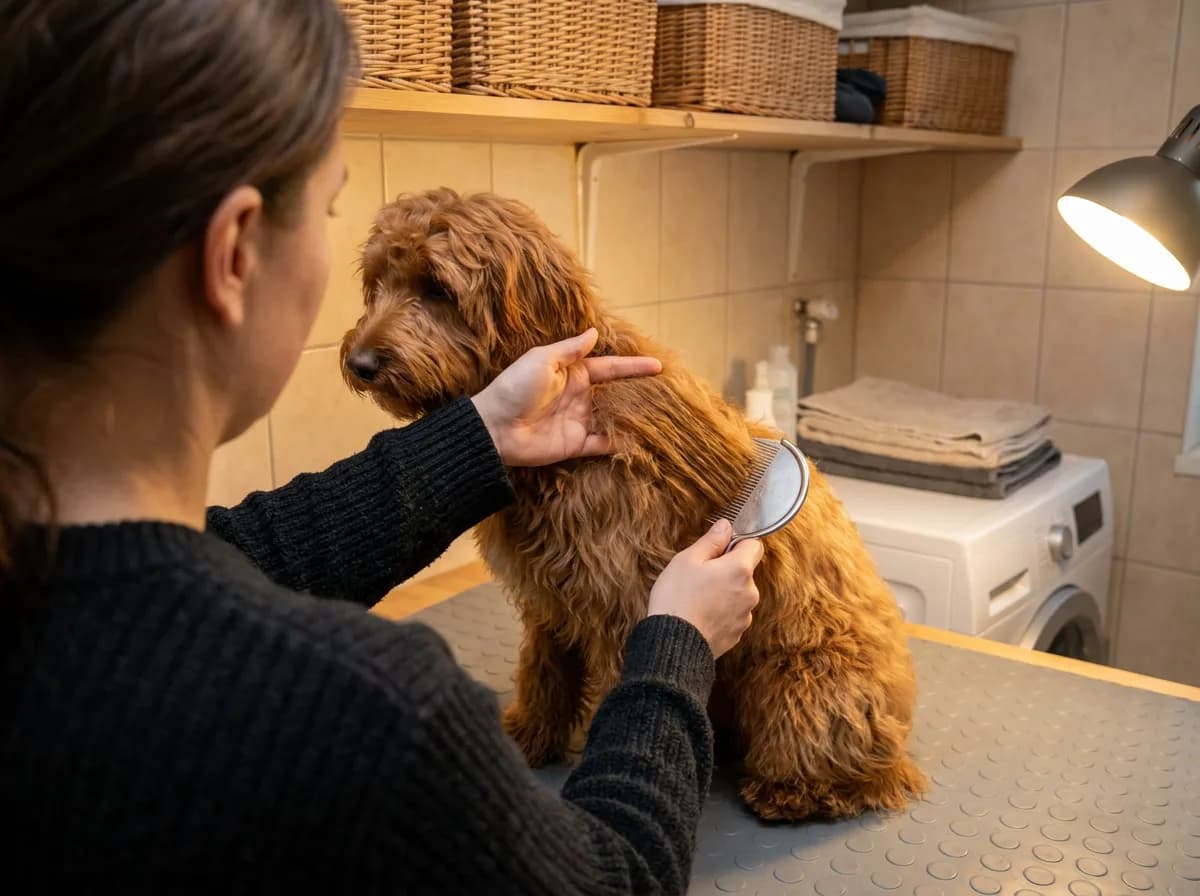
Ask about care as well as paperwork. How has the puppy been introduced to a comb, nail handling, household sounds, and short separations? Specific examples help you prepare for the first weeks. A calm response during one brief demonstration is useful information, but does not guarantee that all future care will be easy.
Coat Care for a Smaller Irish Doodle
Choose a grooming routine for the dog's actual coat texture and comb-through condition. Ask a groomer to demonstrate how to check beneath the surface without tugging, especially around ears, legs, and areas rubbed by equipment. Do not assume a shaggy puppy coat will retain exactly the same texture as the dog matures.

After walks and outdoor training, check for debris and tangles around fitted equipment. A Frisco six-foot traffic leash is an option for ordinary walks when its clip and weight suit the dog, but it is not a long line. Recheck harness fit through growth and coat changes; mini is not an equipment size.
For choosing length and communicating with a groomer, see our Irish Doodle haircut guide. Keep the maintenance decision separate from allergy claims. No dog is guaranteed nonallergenic, and a shorter trim does not make an Irish Doodle safe for every person with pet allergies.
Buying or Adopting a Mini Irish Doodle
Before reserving a puppy, compare the written agreement with the claims that attracted you. Ask about the basis for the size estimate, parent health records, the puppy's care history, and support if the placement becomes difficult. Avoid treating an unusually small advertised size as evidence of quality.
Our Irish Doodle puppy guide covers prices, breeder checks, adoption, and first-year costs. Grooming, training, equipment replacement, and veterinary care remain part of the budget for a smaller dog. When adopting, evaluate the available history honestly rather than assuming a shelter's visual breed label establishes exact parentage.
Mini Irish Doodle Questions
There is no uniform mini standard. Doodle Doods describes a Mini/Medium category at 20–40 pounds and 15–22 inches, but that publisher’s estimate is not a guaranteed range for every pairing. Parent measurements and mature relatives provide better context for a particular puppy. If size is a firm household constraint, consider an adult whose current dimensions you can measure instead of depending on a puppy-size prediction.
Yes. Shared parents do not make littermates identical, because individual inheritance and development vary. Keep separate growth records and assess each dog's body condition with your veterinarian. Do not use one puppy's weight as a feeding target for another or assume that birth size fixes their eventual adult ranking.
Not necessarily. Coat texture, length, and comb-through condition are more useful guides than body size. A small dog with a dense, tangling coat can still need considerable maintenance. Ask a groomer for a routine you can sustain and choose a practical length without assuming a mini label means low maintenance.
The generation label alone cannot tell you which dog will be smaller. F1 generally identifies a first-generation pairing, while F1b generally identifies a backcross, often to a Poodle. Ask which Poodle variety and individual parents were used, then compare their adult measurements and any mature offspring. Keep separate growth records for the puppy; an extra letter is not a size guarantee or a feeding target.
BVMS, MRCVS
Dr. Pippa Elliott, BVMS, MRCVS, is a veterinarian with nearly 30 years of experience in companion animal practice. Dr. Elliott earned her Bachelor of Veterinary Medicine and Surgery from the University of Glasgow. She was also designated a Member of the Royal College of Veterinary Surgeons. Married with 2 grown-up kids, Dr. Elliott has a naughty Puggle named Poggle, 3 cats and a bearded dragon.
Sign up for expert-backed reviews and safety alerts all in one place.