Irish Doodle Haircuts: Styles, Grooming, and Coat Care
Choose an Irish Doodle haircut with a clear plan for body length, face, ears, and upkeep. Use a groomer handoff, gentle comb checks, and the individual coat's condition to guide each appointment.

BVMS, MRCVS
Petful is reader supported. As an affiliate of platforms like Amazon and Chewy, we may earn a commission when you buy through links on this page. There is no extra cost to you.
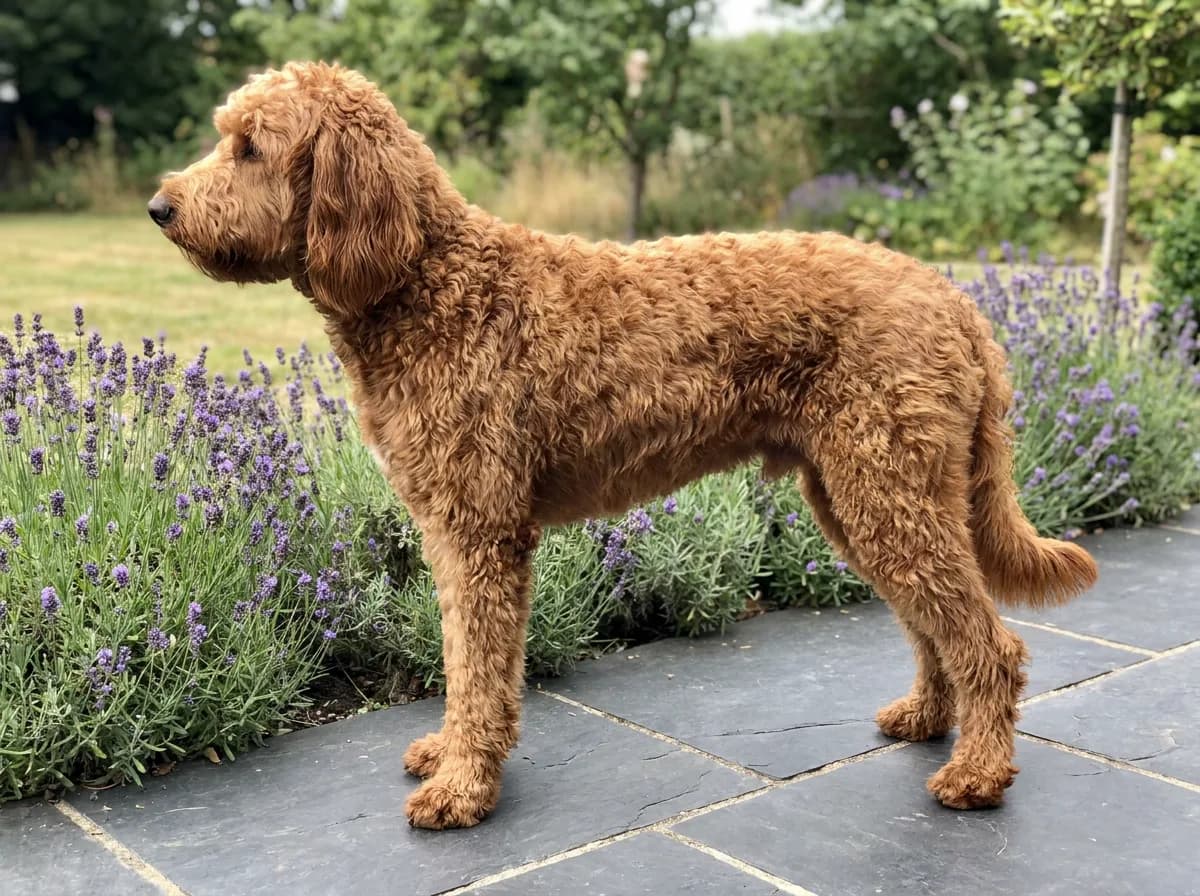
The most useful way to compare Irish Doodle haircuts is by body length, the finish around the face and legs, and the work required between appointments. “Teddy bear” and “puppy cut” can mean different things in different salons. A photograph helps, but a clear handoff and a comb-through check tell the groomer much more.
Choose a style for the coat your dog has now and the brushing you can sustain. An attractive longer trim is only practical while the hair remains comfortable and free of tight tangles. A shorter cut can be a thoughtful everyday choice, not a failed version of a fluffier style.

Sign up for expert-backed reviews and safety alerts all in one place.
Irish Doodle Haircuts: Choose Length Before a Style Name
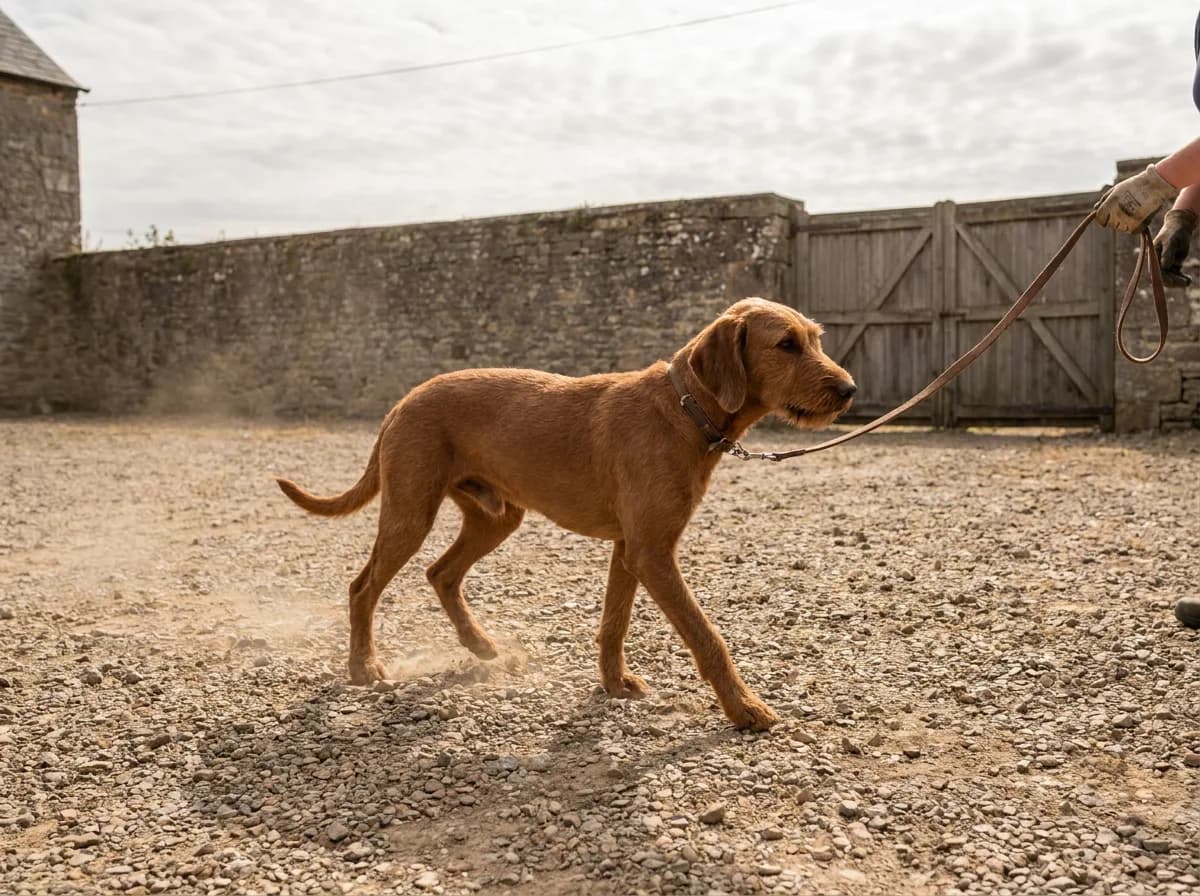
There is no official Irish Doodle haircut standard. These dogs combine Irish Setter and Poodle ancestry, and individual coats may be wavy, curlier, or straighter. A salon's names describe a look, not a guaranteed length or a fixed set of grooming instructions.
Start by asking the groomer to assess the coat and show you the proposed finished length. Record that measurement in millimeters or inches, along with any different lengths on the legs or head. The aim is a shared picture of the result, including what is feasible with the coat's current condition.
For the home routine, also plan where a clean, dry dog will rest. A FurHaven sofa bed with removable cover is one option when its usable area and entry suit the individual. Follow the cover’s washing directions; washable bedding supports cleanup but cannot keep a long coat free of tangles.
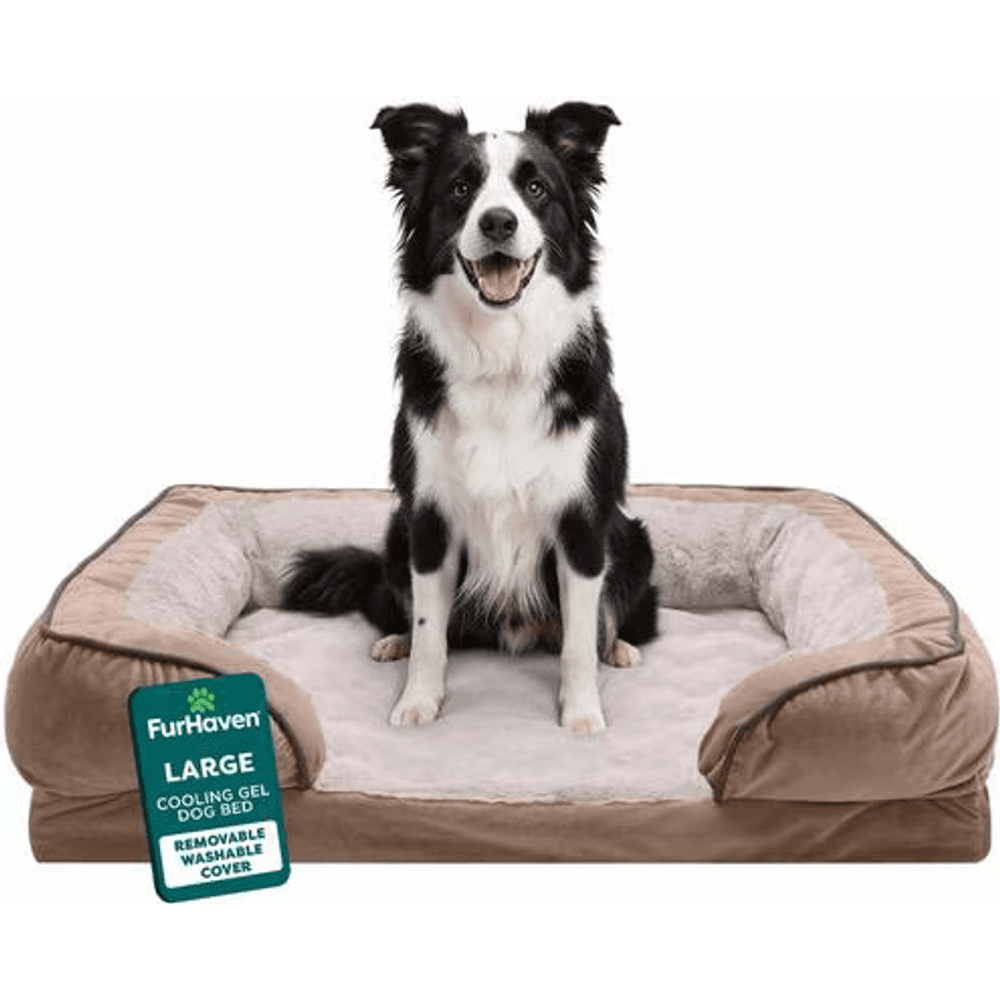
Removable-cover sofa bed. Check usable sleeping space and entry height against your dog’s posture and mobility; no medical or calming outcome promised.
Petful may earn a commission when you click through to Chewy, at no extra cost to you.
| Handoff item | What to agree with the groomer | What to check at home |
|---|---|---|
| Body length | A measured finished length rather than a style name alone | Whether you can maintain it between visits |
| Face | Rounded or tidier outline, with clear vision and a comfortable muzzle | Food residue and tangles around the mouth |
| Ears | Desired outline and length, subject to coat condition | Tangles behind and beneath the ears |
| Legs and feet | Fuller or closer finish, with safe foot care | Debris and knots after outdoor activity |
| Tail | Length and shape you can maintain | Whether the underside stays clean and combable |
| Comb-through check | Areas that pass freely and areas needing assessment | Check through the coat rather than only its surface |
| Home brushing time | The routine you can realistically keep | Whether the chosen length still suits daily life |
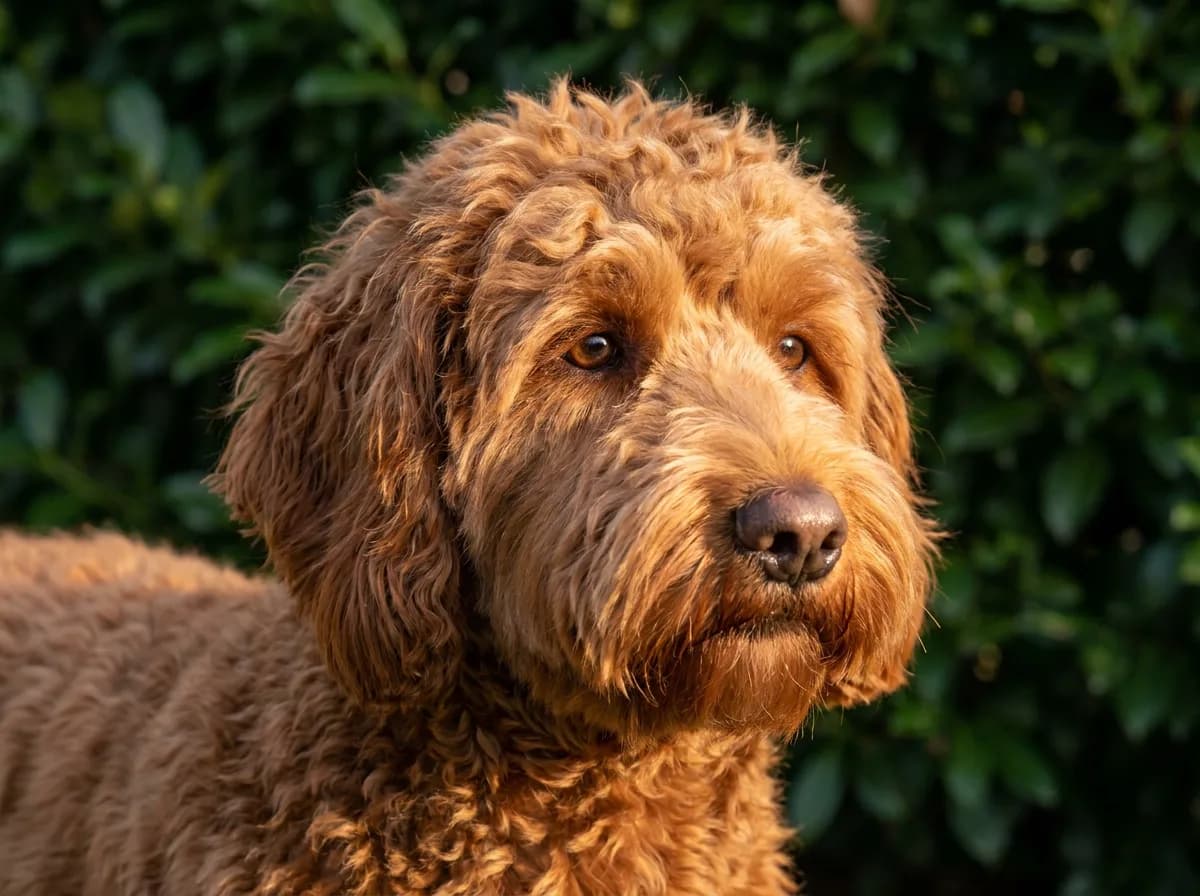
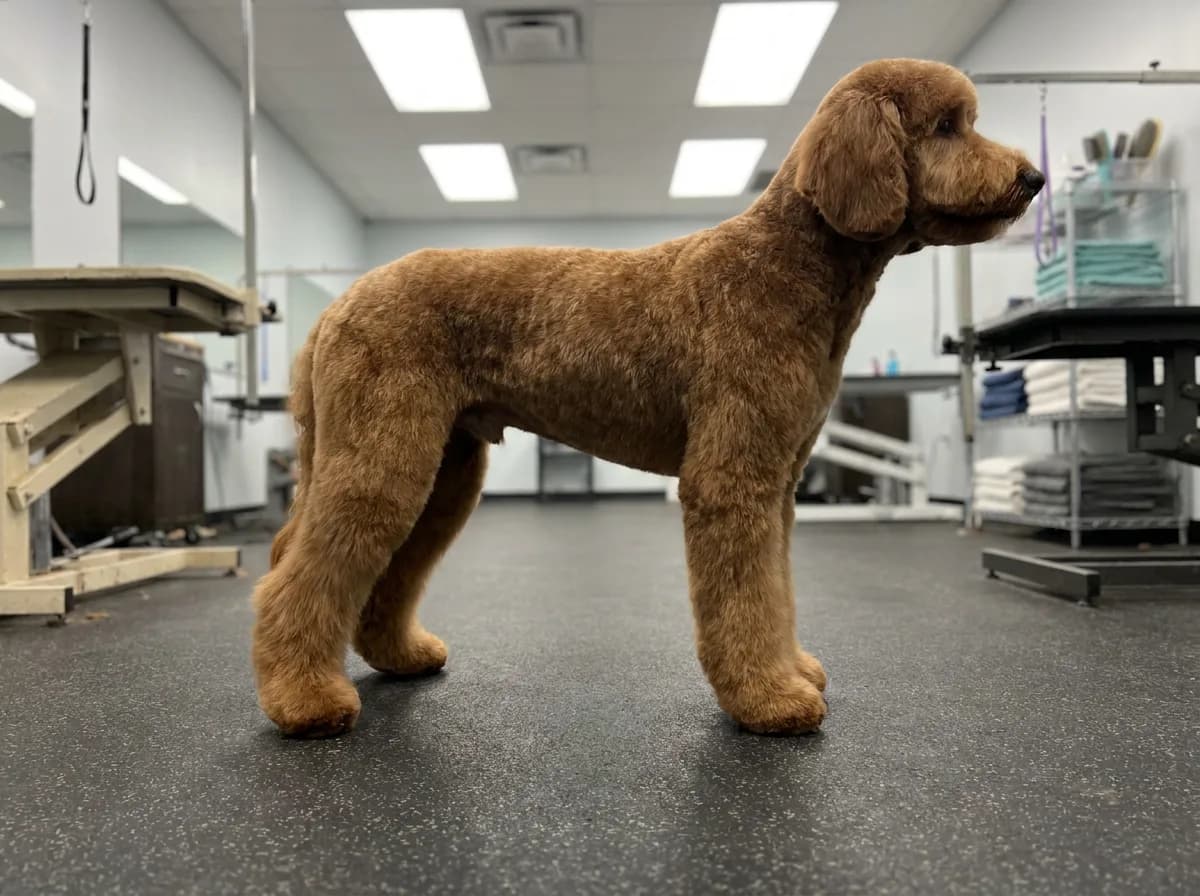
An even puppy cut
A puppy cut usually suggests a relatively even, manageable body length. It does not specify one universal measurement. Ask whether the groomer intends to leave the head, ears, or legs longer, and how that changes the maintenance routine.
This can be a useful starting point for an active dog that regularly collects mud or plant debris. The benefit comes from choosing a length you can keep combable, not from the name itself. Ask to see examples on a coat resembling your dog's rather than relying on a heavily styled photograph of a different texture.
A teddy-style face
An aumuca self-cleaning slicker brush is one brush option to discuss with your groomer if its pins suit the individual coat. Use gentle pressure and stop if the dog is uncomfortable. The self-cleaning feature does not tell you whether the pins reach the coat appropriately, and a brush does not replace the separate comb-through check.
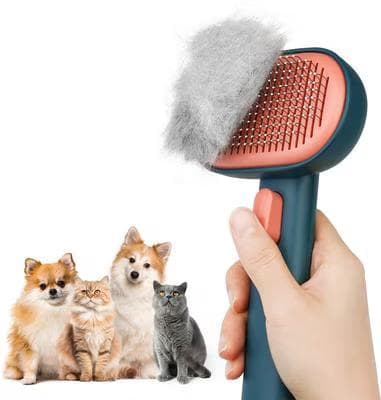
Slicker for gentle coat care if its pins and size suit your dog. Use light pressure; stop if it pulls or causes discomfort.
Petful may earn a commission when you click through to Chewy, at no extra cost to you.
An Irish Doodle teddy bear cut generally emphasizes a rounded face and soft outline. The body can still be short or longer. Specify the face separately so that asking for a rounded head does not accidentally commit you to a high-maintenance body length.
Discuss how the groomer will keep hair from obstructing vision and how much muzzle hair you can clean after meals and drinks. A photograph may show the desired shape, but your dog's hair density and natural growth direction affect what can be achieved. Comfort and clean, combable hair matter more than copying every detail.
A lamb-style trim
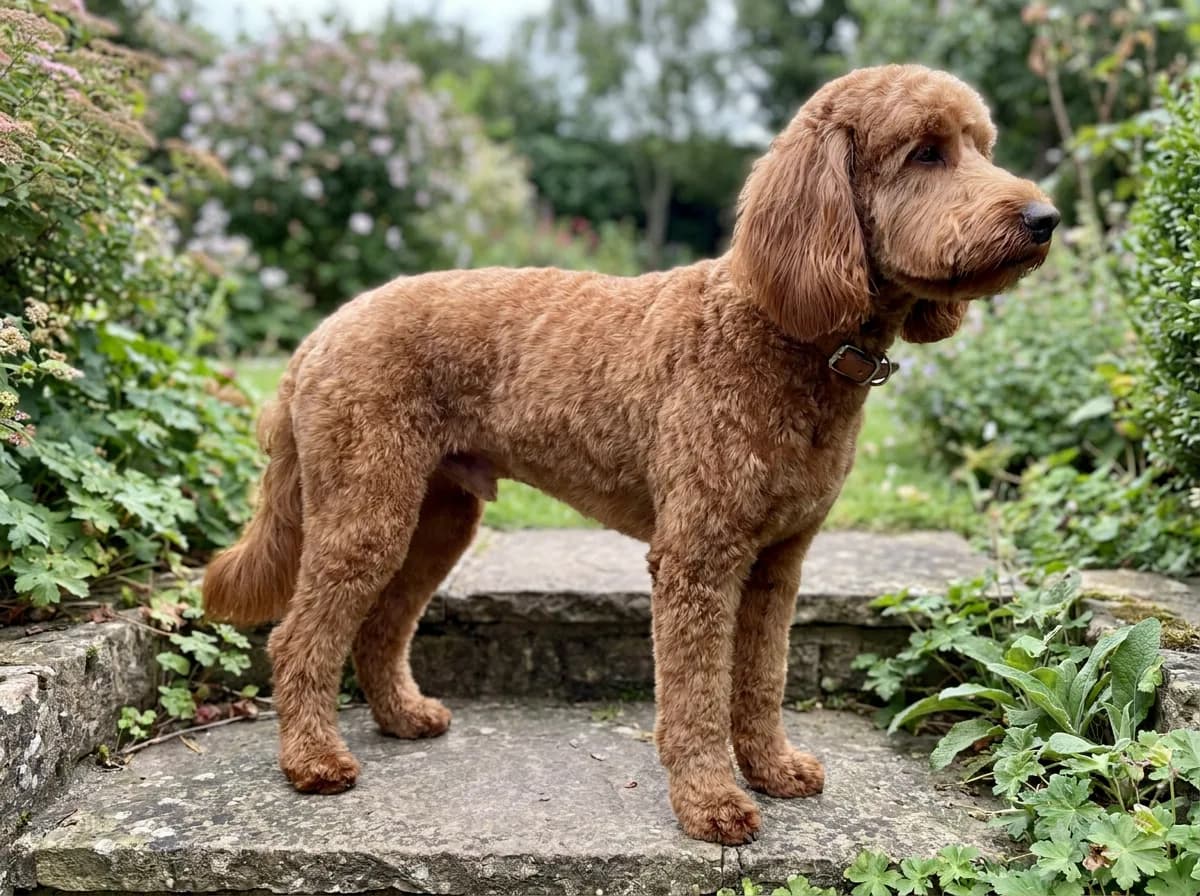
A lamb trim commonly pairs a shorter body with fuller legs. The contrast can look elegant on a dog with enough coat to support it, but the longer leg hair still needs attention. It is not an all-over low-maintenance cut simply because the body is short.
Ask how much fuller the legs will be, whether the feet will remain fluffy, and which areas need daily checking after walks. If your dog dislikes leg handling, solve that difficulty before choosing a style that requires more of it. The groomer can suggest a closer version that preserves some shape without the same upkeep.
Short practical trims and individual preferences
A short practical trim reduces the amount of coat to manage, but it does not eliminate brushing, bathing, or routine care. Agree on a safe length for the individual coat and condition rather than asking for the closest possible shave. If matting restricts the options, let the groomer explain why the original style cannot comfortably be preserved.
Mini Irish Doodle haircuts follow the same principle: texture, condition, and your maintenance time determine the plan. Male and female dogs do not need different decorative styles. Any hygienic trimming around sensitive areas should be discussed with the professional for that individual dog, separate from a preference for a round face or fuller tail.
Brushing, Combing, and Scheduling Irish Doodle Grooming
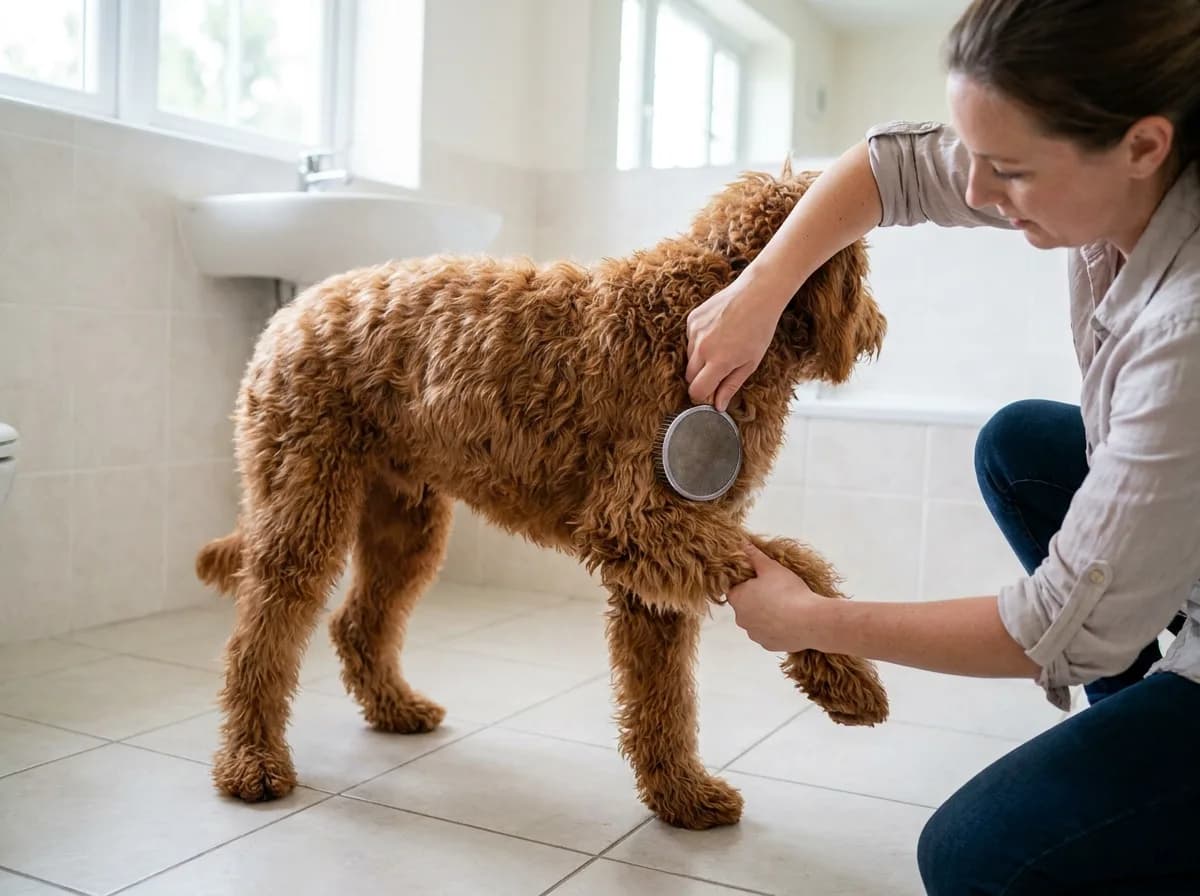
Irish Doodle grooming starts with the actual coat, not the generation label. Poodle ancestry does not guarantee a particular texture, and hair that looks smooth on top can still be tangled underneath. Ask your groomer to demonstrate a gentle technique and help choose tools that reach through your dog's coat without scraping the skin.
- 1Agree on body length before choosing a style name.
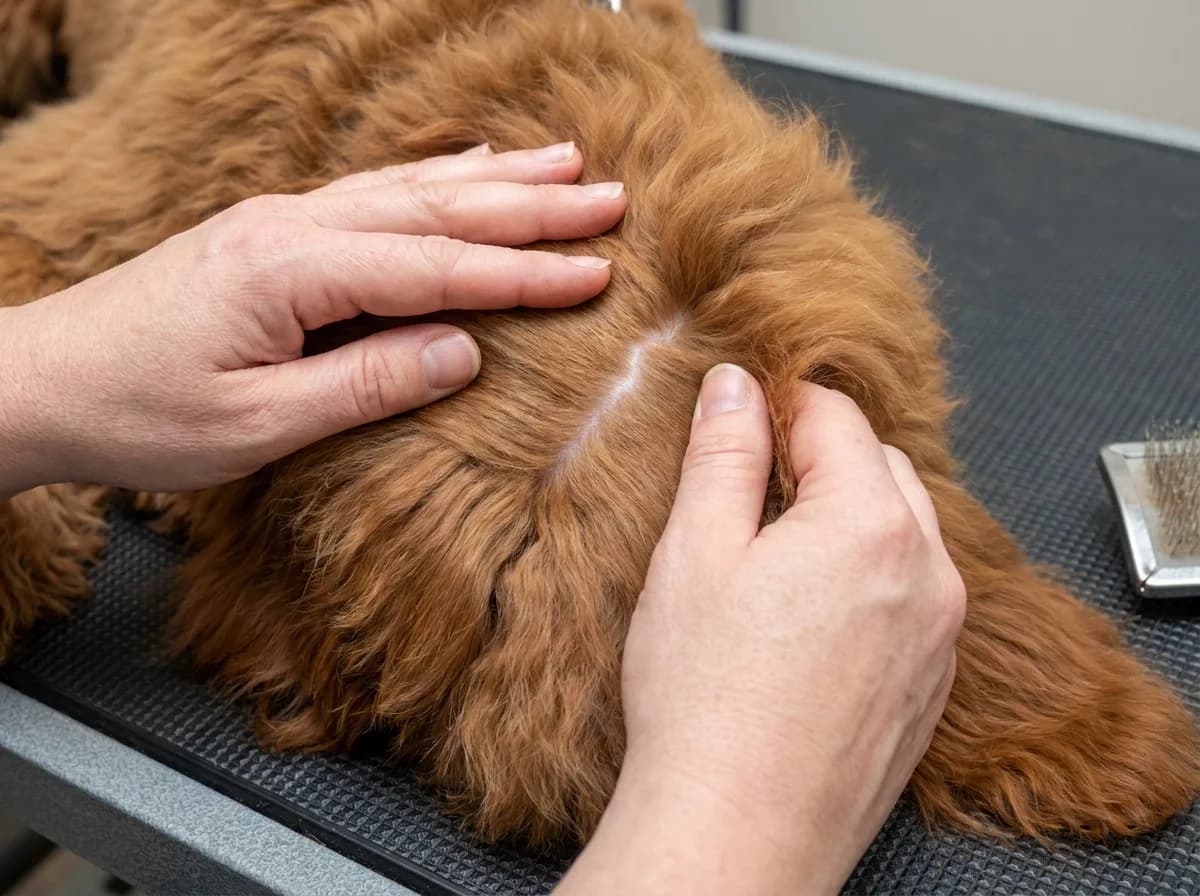
- 2Use a gentle comb-through check to assess whether the coat stays manageable.
- 3Choose a shorter or simpler trim when the home routine cannot maintain the current length comfortably.
Make the check useful
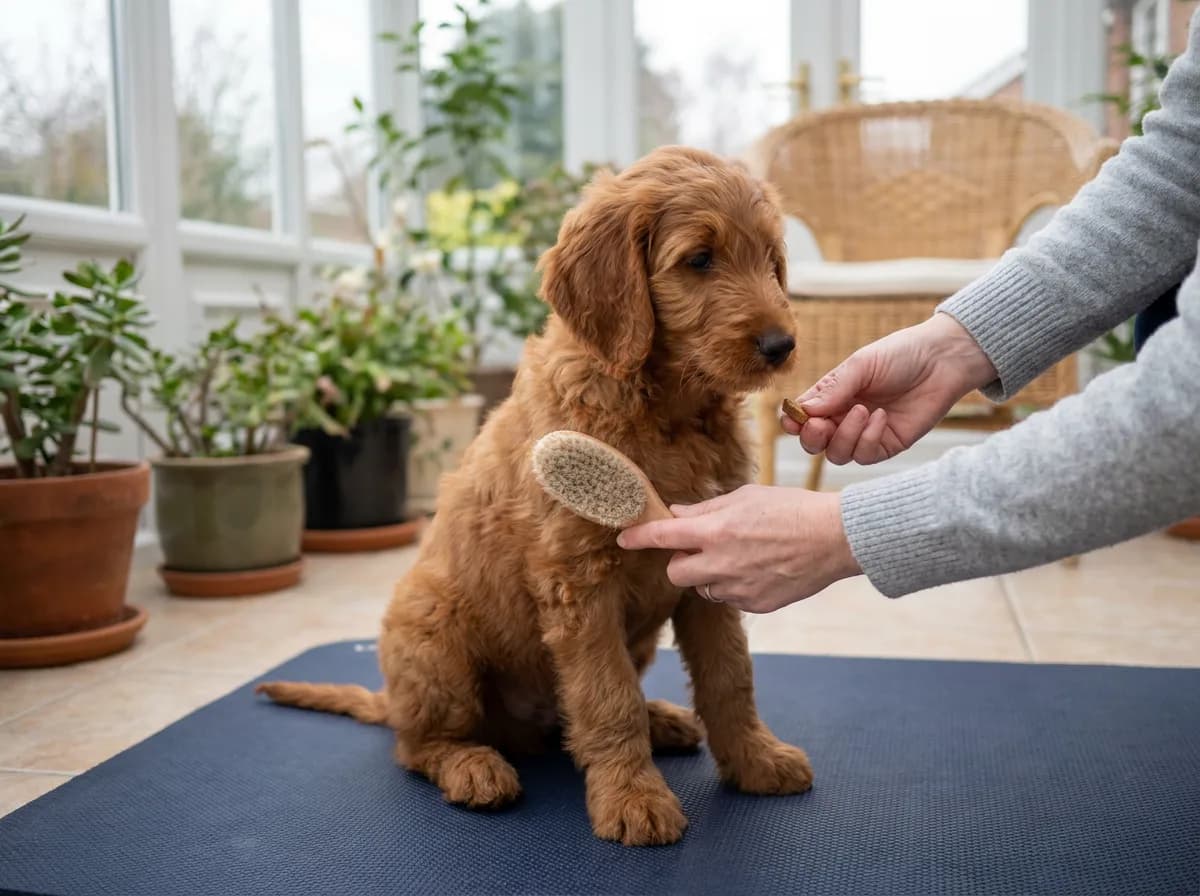
Small pieces of Pet Botanics training treats can reward comfortable cooperation with a brief brush stroke. Check ingredients and include rewards in the feeding plan. Pause when the dog withdraws rather than feeding through painful brushing.
Work in a comfortable position on a nonslip surface and keep sessions short enough for the dog to remain relaxed. Separate a small section with your fingers and brush as your groomer has shown you. Follow with an appropriate rounded-tooth comb to find resistance that brushing the top alone may miss.
Use these observations to decide whether the routine is working:
- The comb moves through the section without pulling or forcing.
- The dog can remain comfortable with gentle handling.
- Friction areas behind the ears, beneath the collar or harness, and around the legs receive attention.
- Outdoor debris is removed before it becomes caught in a tangle.
- Trouble spots are discussed before they become a large, tight mat.
Shedding and allergy expectations
Irish Doodles can shed, and a lower-shedding coat can still demand substantial maintenance. Loose hair may remain caught among waves or curls rather than appearing on the floor. Do not use an absence of visible household hair as evidence that the coat needs no attention.
An Irish Doodle is not reliably hypoallergenic. The American Academy of Allergy, Asthma & Immunology explains that pet allergens include proteins in dander, saliva, and urine. A short haircut cannot remove those sources. If a household member has pet allergy or asthma concerns, discuss them with their clinician rather than relying on a breeder's coat claim.

Small training rewards when ingredients suit your dog. Divide into appropriate pieces and count them in daily food intake.
Petful may earn a commission when you click through to Chewy, at no extra cost to you.
Fit grooming around the whole dog
The Irish Doodle breed guide explains the Irish Setter and Poodle parentage and broader temperament questions, including barking and daily activity. For grooming, plan a quiet introduction after suitable activity and rest, rather than expecting an excited dog to stand still through a long session.
Keep a simple note of where tangles recur and how long maintenance takes. That gives the groomer useful information when adjusting body length or the next appointment. A schedule that works for one Irish Doodle may not fit another dog's texture, swimming habits, or tolerance of handling.
What to Tell the Groomer Before the Appointment
Bring reference photographs showing the front, side, and details you like. Explain which features matter: a rounded muzzle, clear eyes, shorter ears, fuller legs, or an easier-to-clean tail. Ask the groomer to identify what the dog in the photograph has that your dog's coat does not, such as greater density or a different curl pattern.
Be candid about home brushing time and any difficult areas. Describe discomfort, previous grooming difficulties, and parts of the body the dog dislikes having handled. That information helps the salon plan a manageable appointment; it is more useful than asking for the longest possible coat and hoping maintenance will become easier afterward.
Agree on changes before they are needed
Discuss what should happen if the groomer discovers tighter matting than expected. Ask when they will contact you, what shorter options are available, and how the price could change. A clear agreement reduces the chance of a surprise and keeps the dog's comfort central to the decision.
Before leaving the appointment, confirm:
- The agreed body length and any longer areas.
- Whether the coat condition permits the requested style.
- How the face, ears, tail, feet, and hygienic areas will be handled.
- Any handling limits or planned breaks.
- The quote, possible additional work, and communication arrangements.
- What you should do at home before the next visit.
Keep a record of a successful result
After a cut you like, photograph the dog from several angles and record the length with the groomer's help. Save the instructions rather than remembering only “the teddy cut from last time.” If a different person handles the next appointment, the record makes the request easier to interpret.

Nonmedicated shampoo for ordinary cleaning of a healthy coat. Follow the label; ask a veterinarian about unexplained irritation.
Petful may earn a commission when you click through to Chewy, at no extra cost to you.
Notice how the cut performs over the following weeks. A beautiful finish that quickly becomes difficult around the ears or legs may need a small adjustment. Tell the groomer what happened so the next trim reflects everyday care rather than only the collection-day photograph.
Describe the week the haircut has to survive
A dog that runs through wet grass every morning has a different maintenance problem from one whose longest hair mainly becomes tangled beneath a harness. Tell the groomer about swimming, woodland walks, travel, and daytime care. These details help identify which areas would benefit most from a shorter finish without automatically shortening everything.
For example, if you enjoy a fuller face but struggle with long leg hair after walks, ask about combining the rounded head with a more practical leg length. If keeping the ears combable is the difficult part, discuss a tidier ear outline. Treat the reference photograph as a starting point that can be adapted to the dog.
When someone else will care for your Irish Doodle during a trip, explain the maintenance routine before you leave. Arrange professional help or a manageable trim in advance if the sitter cannot comfortably perform the necessary care. A last-minute bath does not compensate for several missed combing sessions.
Bathing and Drying Without Hiding Tangles
Check the coat before bathing. If it contains tight mats, ask the groomer how to proceed instead of assuming shampoo and brushing afterward will solve them. Wetting and drying an already difficult coat can make home handling more challenging, and the dog should not have to endure prolonged pulling to preserve a style.
For ordinary cleaning of a healthy coat, use a dog shampoo according to its label and rinse thoroughly. Burt's Bees oatmeal dog shampoo is a nonmedicated option to consider for that purpose. It is not a treatment for an unexplained skin problem, and an oatmeal label does not guarantee suitability for every dog.
Dry with comfort in mind
Ask your groomer to show you an appropriate drying method for the coat and the equipment you own. Avoid hot air, leave the dog supervised, and do not force a frightened dog through a noisy drying session. Towel handling should be gentle rather than vigorous rubbing that tangles longer hair.
Once the coat is dry, check the areas your groomer identified as prone to tangling. Do not assume that a fluffy surface means the coat is clear underneath. If bathing at home repeatedly leaves you unable to finish comfortably, consider having the salon handle the bath and choosing a more manageable trim.
Know when to stop
The AKC's home-grooming guidance advises against cutting out mats with household scissors and recommends professional help for clipping without proper training. Skin can be caught within or beneath a mat, making the visible edge a poor guide to a safe cutting line.
Stop if grooming causes pain or you find sore, damaged, or inflamed skin. Contact your veterinarian about a skin concern and let the groomer know before the appointment. A shorter coat may make future maintenance easier, but it does not diagnose or treat the reason the skin is uncomfortable.
Puppy Introductions and Coat Transition
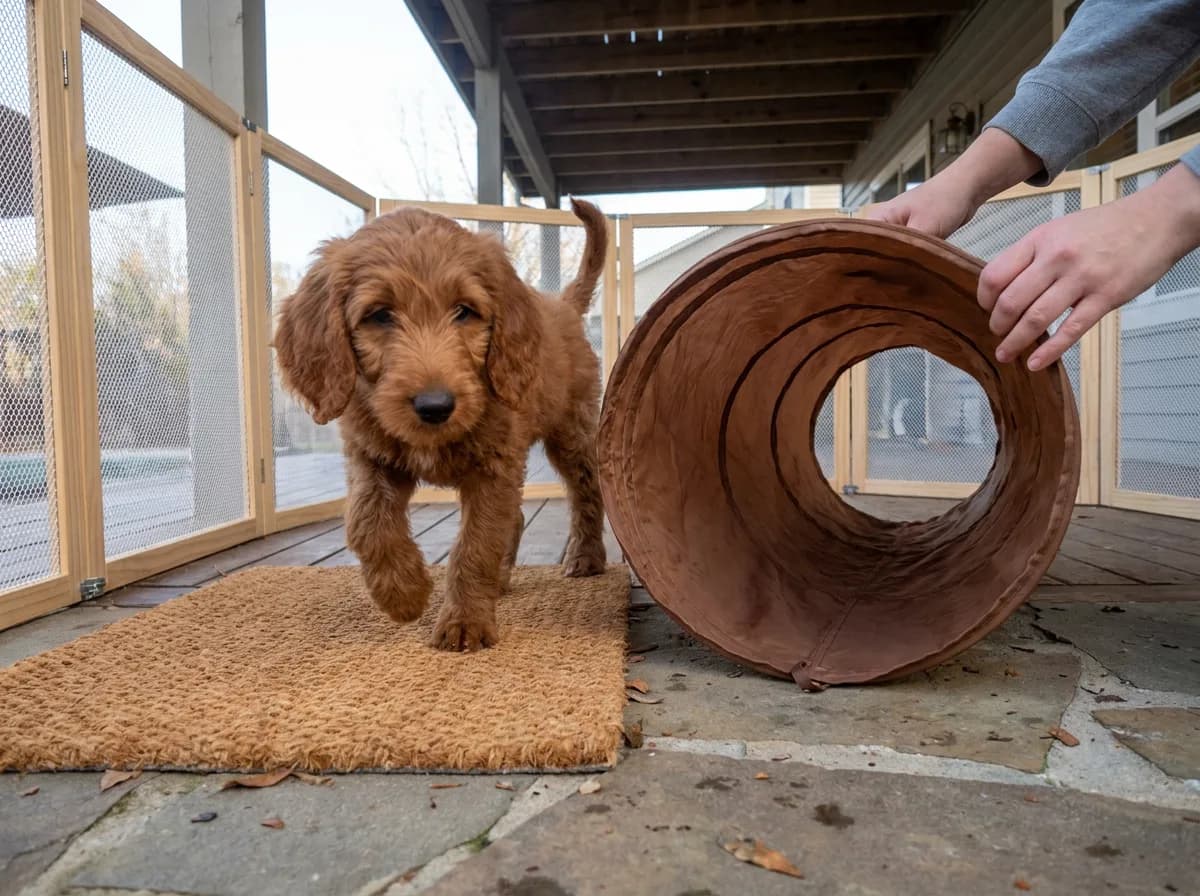
Introduce grooming before a puppy needs a substantial haircut. Let the puppy investigate a brush, reward brief comfortable contact, and build handling in small steps. A first salon visit can focus on a manageable introduction rather than completing every service at once.
The coat can change as the dog matures, so do not assume the puppy routine will remain enough. Reassess when the hair becomes denser, longer, or harder to comb. Ask the groomer to help distinguish a change in texture from a maintenance problem rather than predicting the adult coat solely from parentage.
Take the puppy's progress into account when booking. Tell the salon which tools and sounds the puppy has already encountered and which remain unfamiliar. This helps the groomer choose a reasonable first session and avoids mistaking limited experience for deliberate resistance.
Build cooperation alongside coat care
Practice standing briefly on a safe surface, gentle paw contact, and short checks around the ears and tail. Reward the dog's cooperation and release it before the session becomes a struggle. If the puppy consistently withdraws or becomes distressed, reduce the difficulty and ask for help with a gradual handling plan.
Arrange the next appointment while the coat is still comfortable. Waiting until mats dictate the cut limits the available choices. The most sustainable style is the one that lets your dog remain comfortable and lets you keep up with its care through ordinary busy weeks.
Irish Doodle Haircuts Questions
Ask the groomer to set a starting interval for the individual coat length, then adjust it using growth and comb-through condition. There is no universal schedule that fits every Irish Doodle. Book sooner if the current length becomes difficult to maintain, and remember that a full haircut appointment does not replace care between visits.
Salon prices can reflect time and coat condition, as well as the dog's size, handling needs, drying, and requested finish. Ask for an itemized salon quote so you understand which services and possible extra work are included. A breed label alone does not explain the charge, and a longer or matted coat may require more work than a shorter maintained one.
No. An adult Irish Doodle can have a puppy cut, usually understood as a practical, relatively uniform body length. The name does not specify an exact measurement or require one particular face or ear shape. Agree on the finished length and any exceptions with the groomer, using the dog's current coat and your maintenance routine to guide the choice.
Only if the remaining coat can be maintained comfortably. Tight mats may make the requested length impractical, even when the surface looks fluffy. Ask the groomer to assess the difficult areas and explain which parts need a shorter finish before proceeding. Do not insist on painful dematting to preserve a photograph’s look, or cut close to skin with household scissors. Use the next appointment to agree on a length and home routine you can sustain.
BVMS, MRCVS
Dr. Pippa Elliott, BVMS, MRCVS, is a veterinarian with nearly 30 years of experience in companion animal practice. Dr. Elliott earned her Bachelor of Veterinary Medicine and Surgery from the University of Glasgow. She was also designated a Member of the Royal College of Veterinary Surgeons. Married with 2 grown-up kids, Dr. Elliott has a naughty Puggle named Poggle, 3 cats and a bearded dragon.
Sign up for expert-backed reviews and safety alerts all in one place.