Long Haired Dalmatian: Coat, Genetics and Care Guide
See how a long-haired Dalmatian differs from the familiar short coat, what coat genetics can tell you, and which grooming habits and health records matter when choosing a dog.
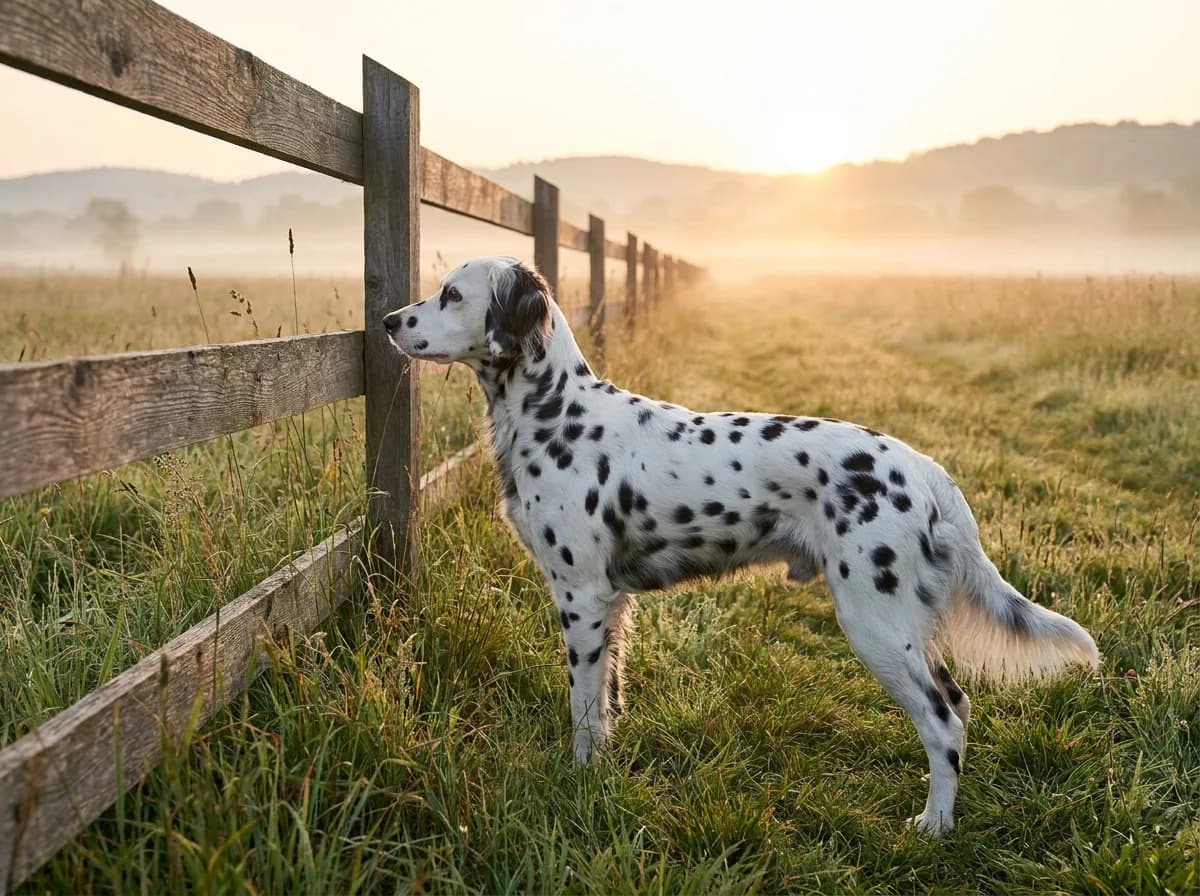
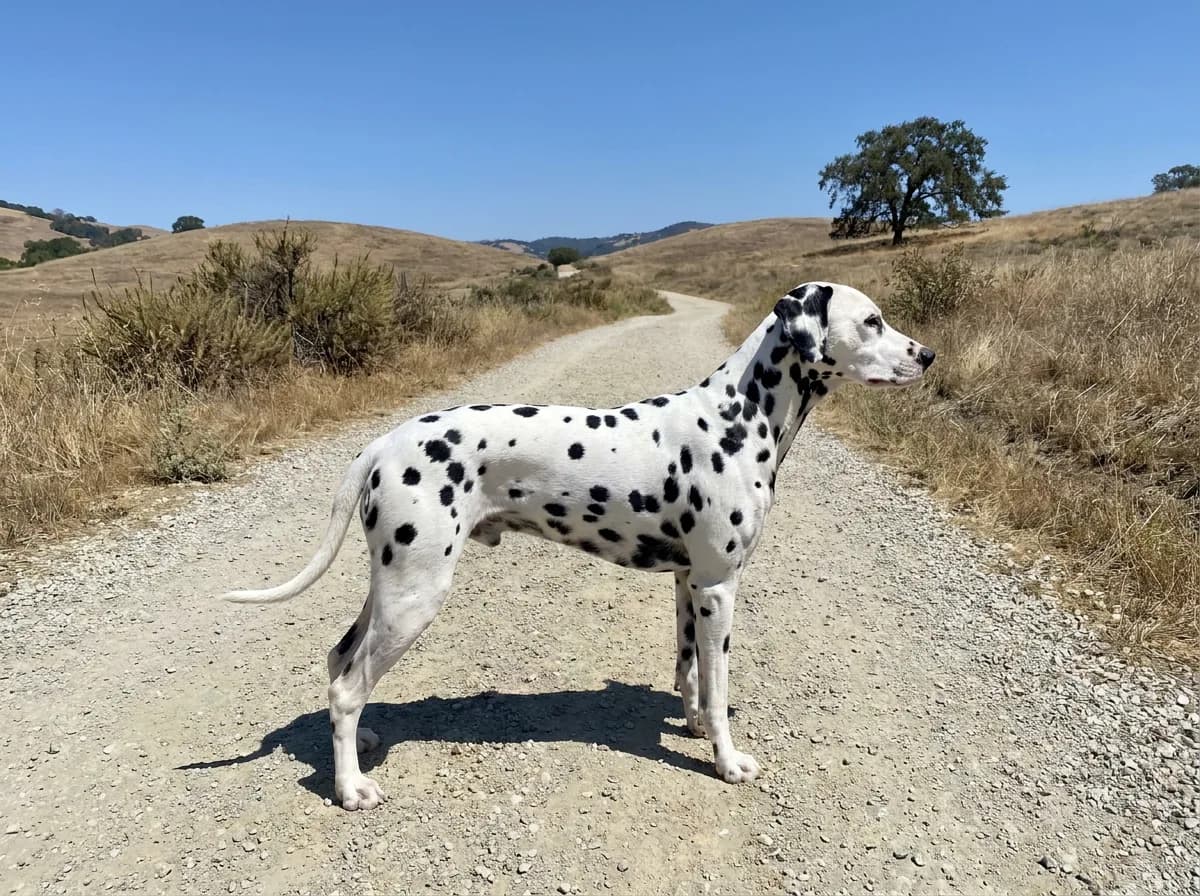
Feathering along the legs and tail softens the outline of the spotted white coat.
Petful is reader supported. As an affiliate of platforms like Amazon and Chewy, we may earn a commission when you buy through links on this page. There is no extra cost to you.
A long haired Dalmatian has a longer coat with visible feathering, often around the ears, legs and tail. The coat can occur within Dalmatian lines, but a photograph alone cannot confirm a dog's ancestry. Long hair also does not establish better health, a calmer temperament or low-uric-acid status.
If you are considering one, separate four questions: what the coat looks like, what the pedigree documents, what the breed standard says, and what the health records show. That approach makes it easier to assess a puppy listing without confusing a real coat variation with a claim of special quality.

Sign up for expert-backed reviews and safety alerts all in one place.
What is a long haired Dalmatian?
The phrases long haired Dalmatian, long-coat Dalmatian and fluffy Dalmatian generally describe a Dalmatian with longer hair than the familiar smooth coat. They do not name a separate recognized breed. Fluffy fur is not proof of ancestry, show-standard eligibility, health or an easier temperament. The underlying athletic outline may remain recognizable, with longer hair changing its texture and edges.
- 1Long hair describes a coat variation, not a separate breed identity.
- 2The AKC breed standard calls for a short, dense coat.
- 3Pedigree, hearing and urinary-risk records answer different questions.
- 4Expect to check and brush feathering as part of ordinary coat care.
A longer coat does not automatically mean the dog is a mix. It also does not prove that a dog advertised as purebred has a documented Dalmatian pedigree. Ask the seller or rescue what is actually known about the parents and ancestry. When records are incomplete, describe that uncertainty rather than trying to settle it from spot patterns or a particularly Dalmatian-looking face.

Petful may earn a commission when you click through to Chewy, at no extra cost to you.
The Dalmatian Club of America's breed standard, used by the American Kennel Club, specifies a short, dense, fine, close-fitting coat. That is the standard used to assess breed type in conformation. It is a different question from whether an individual dog can be a suitable companion. Registration paperwork and conformity to every feature of a show standard should not be treated as interchangeable claims.
Long coat vs. short coat: what looks different?
Look at the outline as well as the overall impression of fluffiness. A short-coated Dalmatian has smooth hair lying close to the body and an unfeathered-looking tail. On a long-coated dog, longer hair may be easiest to see behind the ears, along the backs of the legs and around the tail. The degree of feathering varies, especially while a puppy's coat is developing.
An English Setter is one possible lookalike for a long-haired Dalmatian. The English Setter breed standard describes feathering on the ears, legs and tail and belton markings on a white coat; blue belton means white with black markings. That can create a similar spotted, feathery impression, but English Setters are a separate breed. Compare the individual dog's markings and records rather than identifying ancestry from coat length alone.
| Question | Useful visible clue | Evidence still needed |
|---|---|---|
| Coat length | Close-fitting hair versus feathering at ears, legs and tail | A coat test if the genetic result matters |
| Spot color | Black or liver-colored spots in natural light | Clear pictures and accurate description |
| Purebred ancestry | A spotted coat does not settle ancestry | Pedigree and identifiable parent records |
| Hearing and urinary risk | Appearance cannot establish either | Individual health records and relevant tests |
| Adult coat care | Longer areas that rub or tangle | Observation of the individual dog's coat |
If a listing makes the coat hard to assess, ask for an unfiltered side view, a close view of the ears and legs, and a short video of the dog moving naturally. A clipped coat, wet hair, lighting or a tightly cropped photograph can change the appearance. None of those images substitutes for records about ancestry or health.
Why some Dalmatians have long hair
The UC Davis Veterinary Genetics Laboratory's coat-length explanation identifies variants of the FGF5 gene associated with recessively inherited long hair in dogs. A dog can carry a long-coat variant while having a short coat itself. That is why two short-coated carriers can produce a long-coated puppy.
The word recessive describes inheritance; it does not mean defective or unhealthy. Likewise, carrying a coat variant does not provide a health clearance. A laboratory report should identify the dog tested and explain the variants included, since tests and their interpretation depend on what the laboratory actually assessed.
Keep these documents separate when reviewing a litter:
- A coat-length result describes the tested coat genetics.
- A pedigree records ancestry within the information it documents.
- A hearing report records the tested auditory response.
- Other screening or DNA results address their named conditions.
Ask for clarification if a seller combines all of that under the phrase genetically tested. A list of tests and actual results is more useful than a broad label. You do not need to infer a dog's temperament, exercise needs or suitability from its coat genotype.
Petful may earn a commission when you click through to Chewy, at no extra cost to you.
Reading a coat-length report
A laboratory report is most useful when you can connect it to a specific dog. Check the identifying information, the laboratory, the reported result and the explanation that accompanies it. If the breeder provides only a cropped screenshot, ask for the complete report so you can see what was tested and whether any limitations are stated.
Under the simple recessive model, a short-coated dog may carry no copy or one copy of the tested long-coat variant. A carrier's short appearance does not reveal which result it has. When a seller predicts a litter's coats, ask whether that prediction comes from both parents' actual results or simply from previous puppies that happened to look a certain way.
- Read the laboratory's interpretation of the reported variants.
- Distinguish a tested parent from a puppy whose result has merely been assumed.
- Ask a laboratory or veterinarian to explain unfamiliar terminology.
- Keep the coat result separate from every other screening report.
That level of checking matters most when a genetic claim is being used to justify a pairing or a price. It does not mean a companion dog needs a coat test simply because its longer hair is already visible.
Colors, spots and rare-coat claims
Liver means brown pigmentation in a Dalmatian's spots. It is a color distinction, while long hair is a coat-length distinction. A liver-spotted dog can have a short or a longer coat. In the breed standard, black-spotted dogs have black noses and liver-spotted dogs have brown noses.
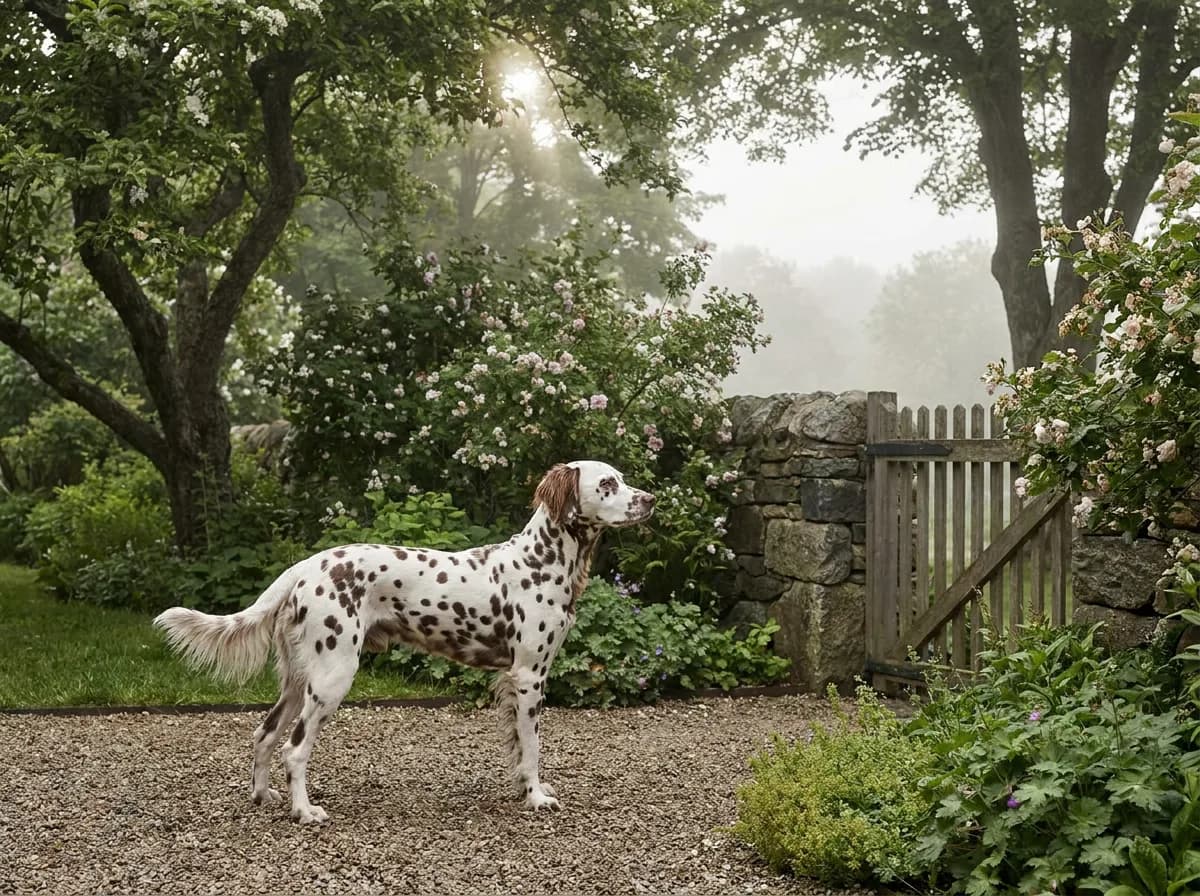
Black and liver spots are the standard's recognized colors. Terms such as lemon, blue or miniature in a listing deserve a clear explanation of the actual dog; they do not create a separate recognized Dalmatian breed. A small puppy also cannot be assumed to remain miniature based on a seller's label.
There is no reliable whole-breed census here establishing the rarest Dalmatian color or the percentage with long coats. Individual breeders' experience and the number of advertisements you see cannot supply that missing denominator. A statement that a coat is uncommon may explain why you have seen few examples, but it does not justify a health claim or tell you what price to pay.
Petful may earn a commission when you click through to Chewy, at no extra cost to you.
Shedding and grooming a longer coat
A long-coated Dalmatian still sheds. The longer hair adds places to check for tangles, particularly where fur rubs behind the ears, under equipment and around the legs. How often your dog needs brushing depends on the actual coat, activity and tendency to collect debris. Begin with short, gentle sessions and adjust based on what you find.
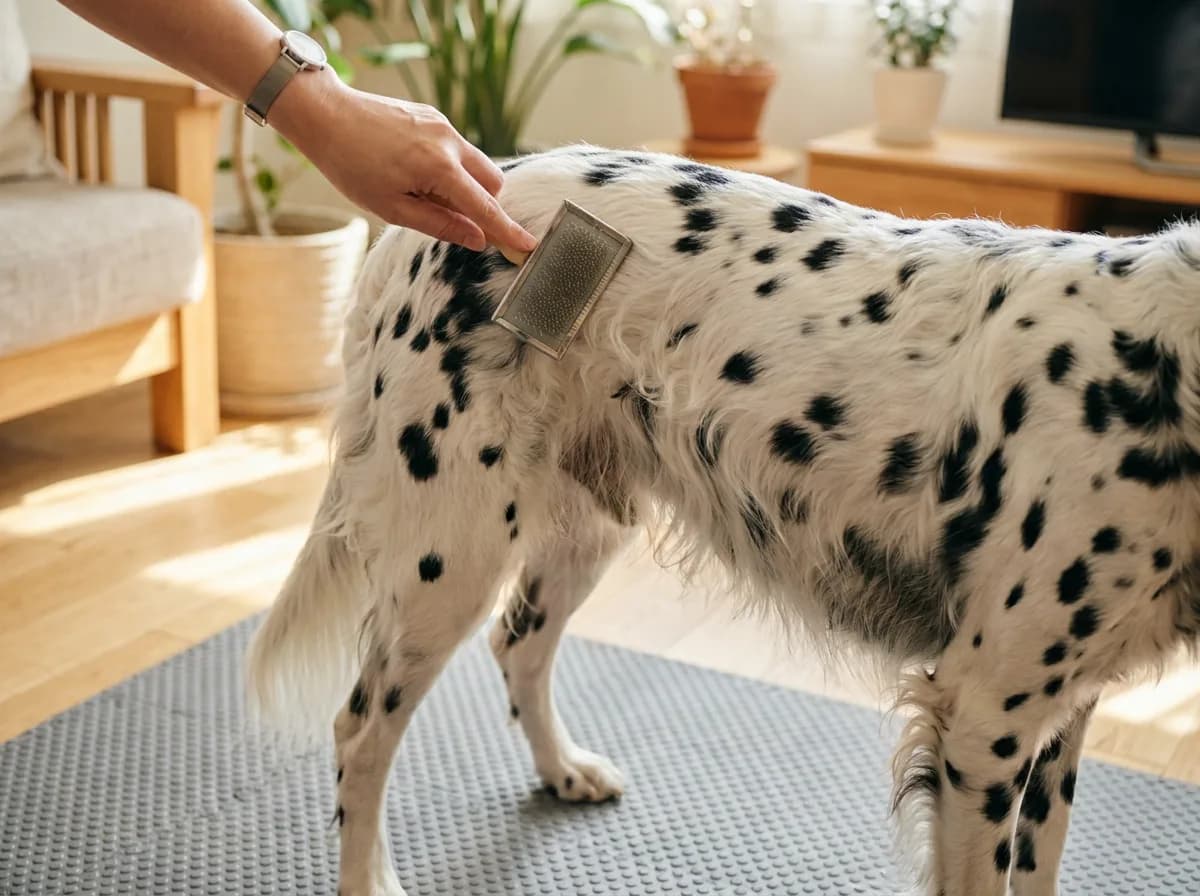
A practical grooming sequence is:
- Run your hands over the coat and inspect areas exposed to friction.
- Remove loose surface debris without pulling at the skin.
- Brush a small section gently, working through loose feathering rather than forcing a tool through resistance.
- Pause when the dog becomes uncomfortable and check why.
- Keep sessions brief enough that the dog can remain relaxed.
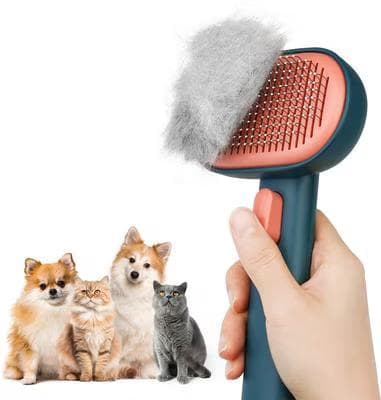
A self-cleaning slicker brush from aumuca is one tool option for suitable longer areas. Use light pressure and test a small section; a slicker is not permission to scrape the skin or repeatedly work a knot that hurts. A soft brush or another tool may suit a particular area better, and a groomer can demonstrate technique on your dog.
Make equipment checks part of grooming. Remove a walking harness after use, look at the areas where its straps rest and check that longer hair has not become caught or compacted underneath. After an outdoor walk, inspect the feet, tail and feathered areas for debris before the dog settles. These brief checks can make a longer coat easier to manage without turning every brushing session into a full grooming appointment.
- A tight mat can sit close to the skin. Do not pull it apart forcefully or slide household scissors underneath it. Ask a groomer or veterinarian for appropriate help, especially if the skin is sore or the dog resists handling.
Bath when the dog is dirty or needs it, then rinse and dry thoroughly. Earthbath fragrance-free oatmeal and aloe shampoo is an ordinary grooming option to use according to its label. Persistent itching, odor, redness or hair loss needs a cause assessed; shampoo alone should not be presented as treatment for an undiagnosed skin problem.
Dental care remains part of the routine regardless of coat length. An appropriately sized Virbac C.E.T. dual-ended toothbrush can support gradual brushing practice. For the handling steps and a comfortable introduction, see WebVet's guide to brushing a dog's teeth.
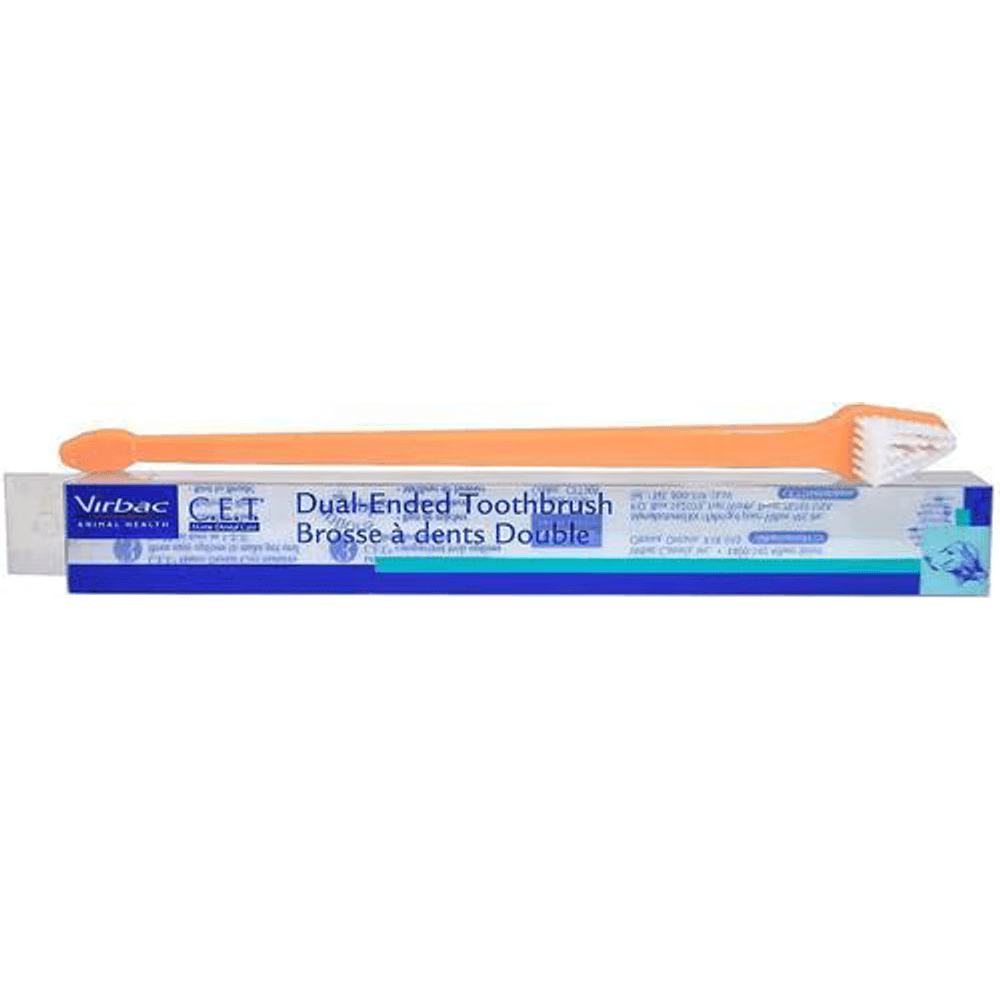
A dual-ended toothbrush with a large and a small head to fit different mouth sizes and reach the back molars where plaque hides. Soft bristles angled for the gumline.
Petful may earn a commission when you click through to Chewy, at no extra cost to you.
Temperament and exercise still matter
There is no sound basis for promising a calmer or easier Dalmatian solely because it has long hair. Ask about the individual dog's behavior and the parents' temperaments, and plan for the activity, companionship and training associated with this athletic breed. A fluffy appearance can make an energetic adolescent seem softer and less demanding than the daily reality.
Useful questions for a breeder, foster carer or current owner include:
- How does the dog settle after activity?
- What happens when it is briefly separated from familiar people?
- How does it respond to handling, visitors and other dogs?
- Which routines and skills has it already learned?
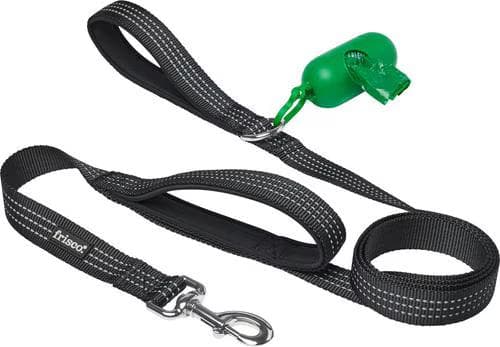
Reward-based training and ordinary lead skills matter more than an accessory chosen to match the coat. A Frisco traffic leash with padded handles can support supervised walking when its size and attachment suit the dog. Hold and use it safely; an extra handle does not replace training or make an uncontrolled greeting safe.
Adult breed size and lifespan
Long hair does not define a separate adult size category or provide an individual lifespan prediction. The average lifespan reference in the AKC's Dalmatian profile is 11–13 years, whichever coat you are comparing. The longer outline can make a dog appear broader, so use measurements and a veterinary body-condition assessment instead of judging weight through feathering.
The Dalmatian breed guide covers adult size, lifespan, family fit and the breed's coach-dog and firehouse history. Those broad ownership decisions remain relevant when comparing coat variations. Meet adult dogs when possible so your expectations extend beyond puppy photos and cuddling on the sofa.
Health checks are separate from coat tests
A long-haired Dalmatian puppy needs individual health records, even when its fluffy coat is the feature that first catches your attention. Ask for the puppy's BAER hearing result and the actual parent screening results. The Dalmatian Club of America's CHIC page describes required hip and hearing tests and elective screening. A CHIC number means required results were made public; it does not mean every result was normal.
Urinary-risk genetics require a different question. UC Davis's hyperuricosuria test concerns a SLC2A9 variant associated with elevated uric acid in urine and a predisposition to urate stones. A long coat cannot establish that a dog is LUA, or low uric acid. Ask for the relevant report if that claim forms part of the placement decision.
These distinctions are useful even when you are adopting an adult with incomplete history. Record what is known, what has actually been tested and what remains uncertain, then discuss the care implications with your veterinarian. Our Dalmatian puppy guide explains how to review hearing and handover records and plan the first weeks at home.
Finding a puppy and assessing the price
Start with the same screening standards you would apply to any Dalmatian. Ask to discuss the parents, health records, socialization, contract and ongoing support before focusing on the coat. If a breeder's priorities appear to revolve around producing a particular fashionable appearance, ask how temperament, genetic diversity and health inform each pairing.
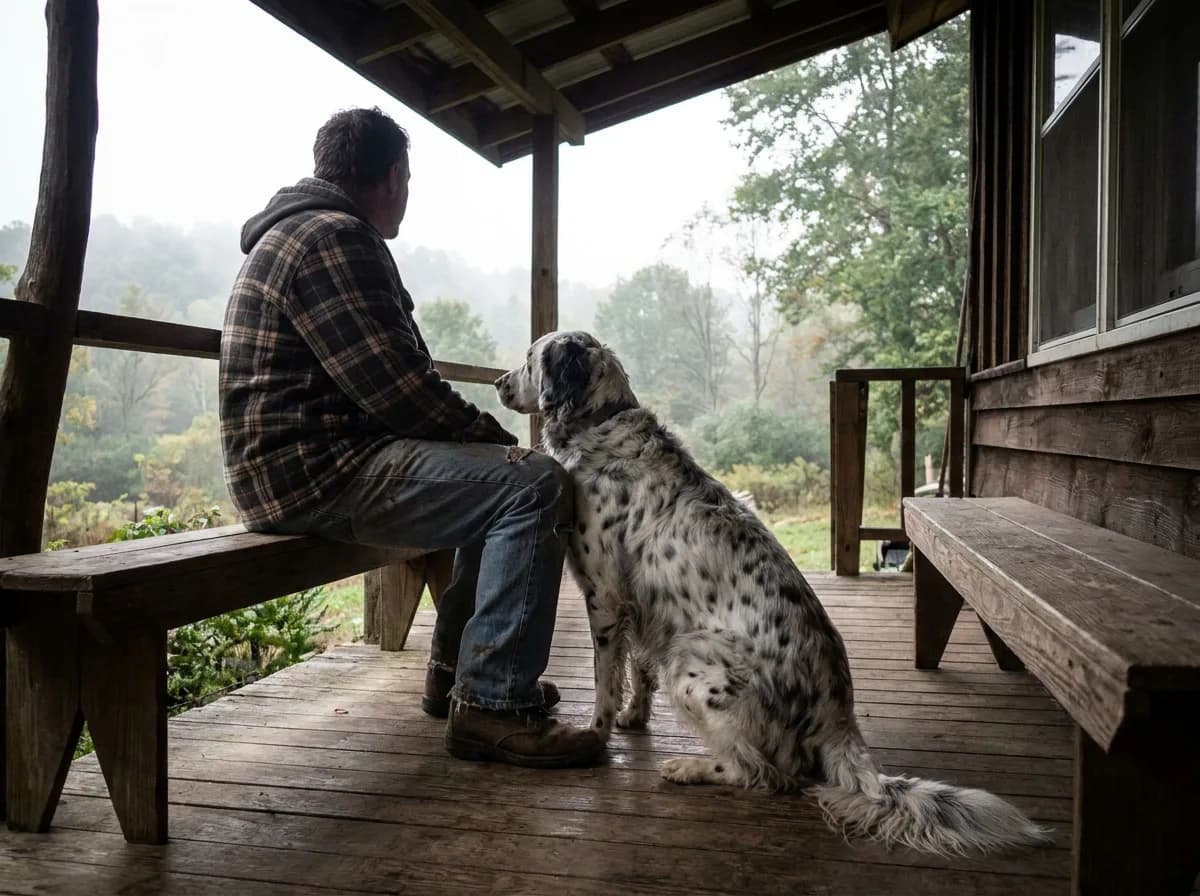
One published example is Missouri Dalmatians' buying-process page, which lists black-and-white and liver-and-white long-coated puppies at $2,500. That is an individual advertised price checked in September 2026, not a breed-wide average, an endorsement or a guarantee of available puppies.
Compare quotes against documented care and your total budget. There is no universal evidence-based price premium for a rare coat: the seller sets the quote, and a higher price does not prove superior health. A pedigree does not replace actual screening results. Rescue may also be an option, although an organization cannot promise a particular coat variant will be available when you are ready.
Check the individual placement
If the available dog is far away, settle the verification process before arranging travel. Request a live conversation that shows the individual dog, ask who will complete the handover, and establish how the identifying records will accompany it. A photo gallery can illustrate a breeder's dogs while still failing to identify the particular puppy being offered. Match your contract to that puppy, rather than assuming that every image on a site describes the current litter.
Ask what support is available if the placement is difficult or the dog cannot stay with you. The answer should be understandable before a deposit changes hands. If you feel rushed, preserve time to read and check the information; a claim that another buyer wants the same unusual coat is not evidence that you should skip the process.
Before committing, make sure you can comfortably provide the dog's everyday care: appropriate activity, training, grooming and veterinary attention. A coat you enjoy looking at is a reasonable preference. It should sit alongside those needs rather than becoming the evidence that the dog is right for you.
Questions about long-coated Dalmatians
No. Coat length does not remove the allergens a dog produces. A longer coat and a different shedding pattern do not guarantee that a person with dog allergies will tolerate that individual. Discuss significant allergies with your clinician before making a placement commitment.
No. Under the straightforward recessive inheritance model, two carriers have an expected 25 percent chance of producing a long-coated puppy in each pairing of parental alleles. That probability applies to each puppy; it does not guarantee the exact proportions in a particular litter.
There is no single required haircut simply because the coat is longer. Ask a groomer to assess the individual coat, show you how to maintain its feathering and explain whether any trimming would serve a practical purpose. A style chosen from a photograph is optional; comfortable skin and manageable coat care come first.

Coreen Saito is a pet writer and longtime shelter volunteer with more than a decade in animal rescue. She covers cat behavior, breed care, and the small, ordinary science of sharing a life with companion animals, with a particular focus on honest takes about the products and decisions that actually matter. At home in Arizona, she's outranked by Mac (a dog with the loudest opinion in the house), Rebel (a cat who governs by quiet authority), and Meri (an orange tabby who runs the late shift and the laundry basket). She writes about all three, plus the rescues that keep coming through her life, at LifeWithMinty.com.
Sign up for expert-backed reviews and safety alerts all in one place.