Biewer Terrier Puppies: Price, Breeders, and Ownership Costs
Compare Biewer Terrier puppy prices with the records and responsibilities behind them. Use breeder checks, a first-year budget, and adoption questions to prepare for the individual dog you bring home.

BVMS, MRCVS
Petful is reader supported. As an affiliate of platforms like Amazon and Chewy, we may earn a commission when you buy through links on this page. There is no extra cost to you.
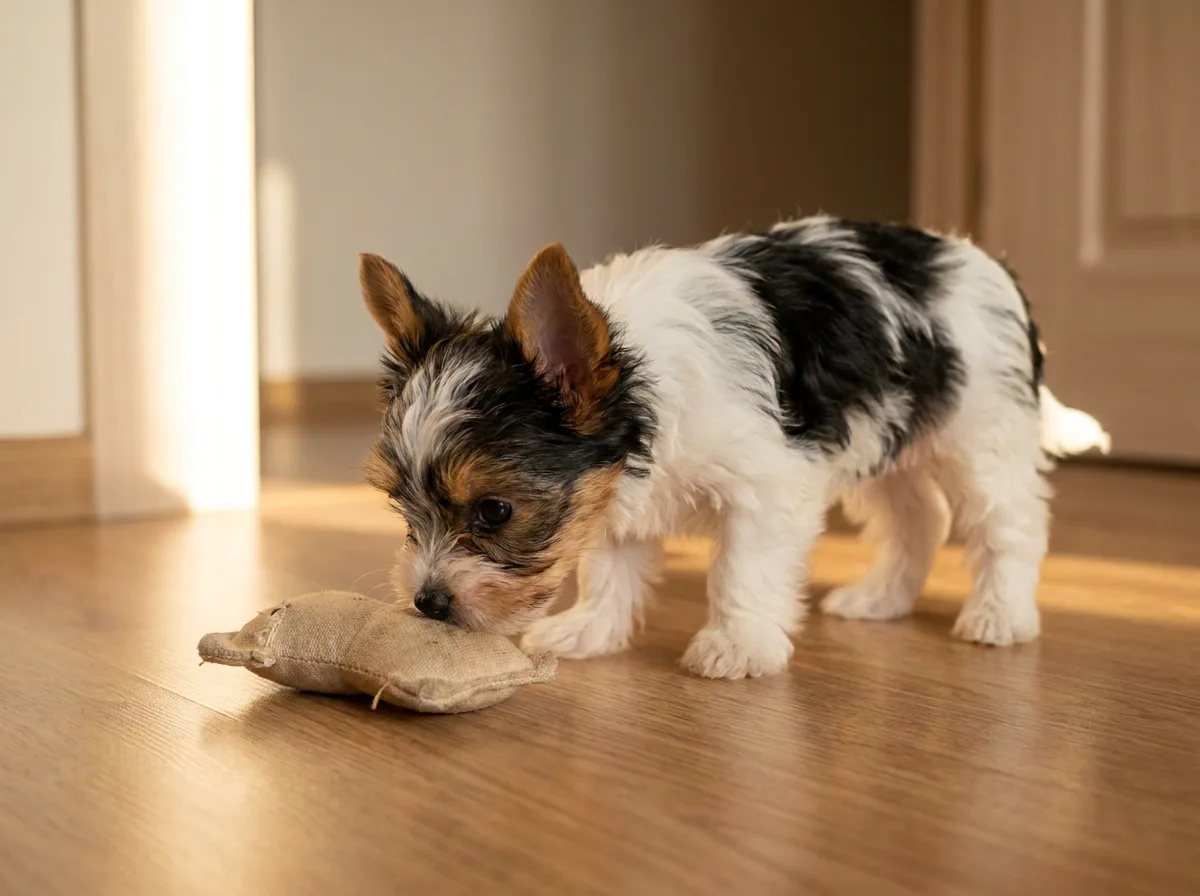
Biewer Terrier puppies can make an appealing first impression, but choosing one takes more than comparing photographs and prices. Before paying a deposit, establish who bred the puppy, what its records actually show, and whether you can provide the time, handling, grooming, and ongoing care a small companion needs.
The useful comparison is between individual puppies and the people responsible for them. A registration claim, expensive price tag, or promise of an unusually tiny adult does not answer those questions by itself.

Sign up for expert-backed reviews and safety alerts all in one place.
Finding Biewer Terrier puppies responsibly
Start by choosing a route you can investigate. A breeder may have a planned litter, a breed rescue may place an adult, and a local shelter may occasionally have a dog identified as a Biewer Terrier or mix. Availability changes, so treat any listing as the start of a conversation rather than proof that the right dog is ready today.
- 1Check identity, parent health evidence, and the individual puppy's veterinary records before committing.
- 2Read deposit terms and the breeder contract before sending money.
- 3Budget for ongoing care, and treat teacup claims as marketing rather than a separate breed variety.
The Biewer Terrier Club of America's breeder directory is one starting point. The club describes its directory as a reference and places responsibility for investigating breeders with the buyer. Being listed is not a substitute for your own questions, document checks, and assessment of the puppy's living conditions.

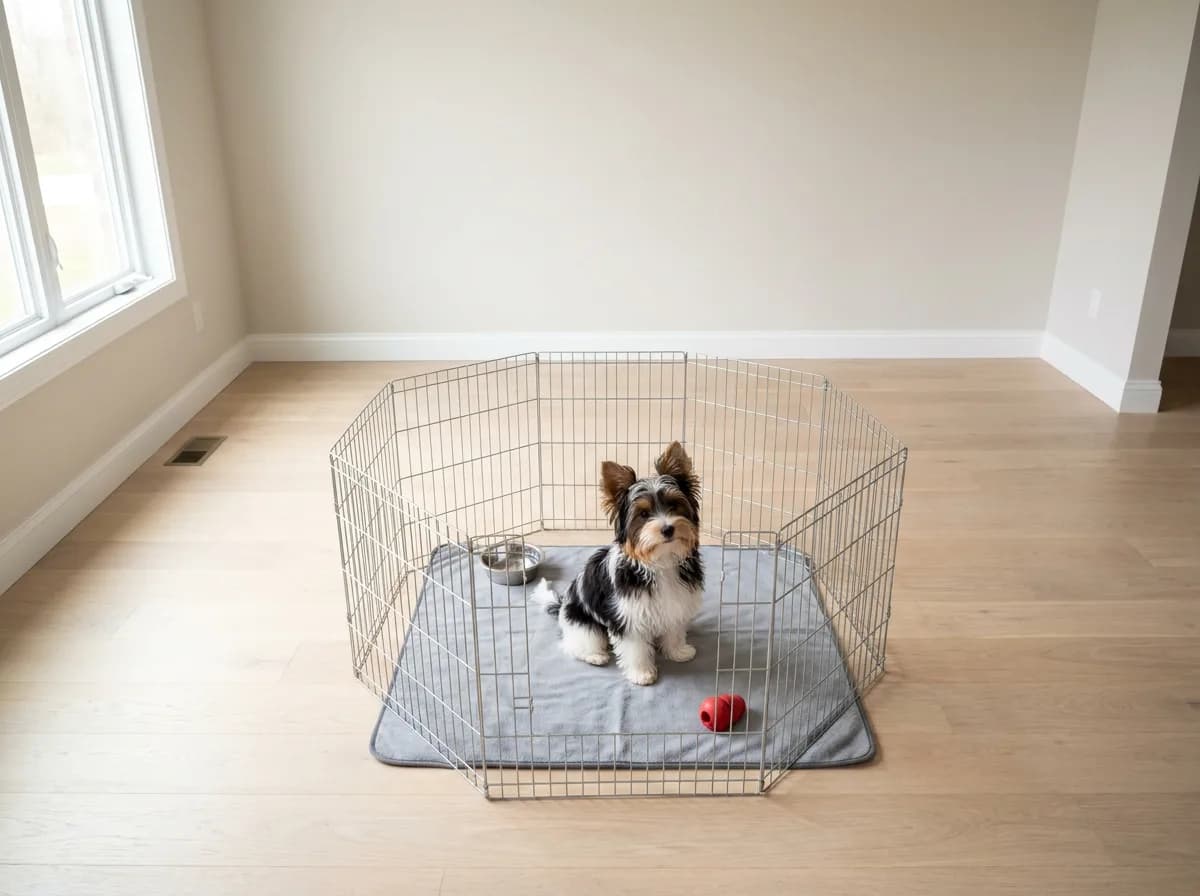
Support a supervised safe rest and introduction area; size and escape ability still govern suitability.
Petful may earn a commission when you click through to Chewy, at no extra cost to you.
Make sure the listing describes the dog accurately
Search results may mix Biewer Terrier dogs for sale with Yorkshire Terrier puppies, parti Yorkies, and crosses. The Biewer Terrier is an AKC-recognized breed; the words “Yorkshire Biewer” in an advertisement do not establish registration or parentage. Ask for the registry name and the parents' registered identities, then confirm what paperwork the puppy will receive.
A Biewer Terrier Yorkie mix should be described as a cross, not sold as a registered purebred Biewer on the strength of its markings. Likewise, an adult Biewer Terrier for sale needs an individual history, not merely a puppy photograph or a breeder's general description of the breed. Our Biewer Terrier vs. Yorkie comparison explains the identity differences to clarify before buying.
Treat teacup claims as a reason for more questions
“Teacup” is not a separate Biewer Terrier variety in the AKC breed profile. The profile gives an adult weight range of 4–8 pounds, but an individual puppy's eventual size cannot be guaranteed from a sales label. A higher teacup price does not demonstrate better breeding or better health.
If a seller emphasizes being exceptionally small, ask what the puppy currently weighs, how its growth has been recorded, whether it is eating independently, and what its veterinarian has advised. Take those records to your own veterinarian. Do not choose the smallest puppy simply because an advertisement promises easy travel or a permanently baby-like appearance.
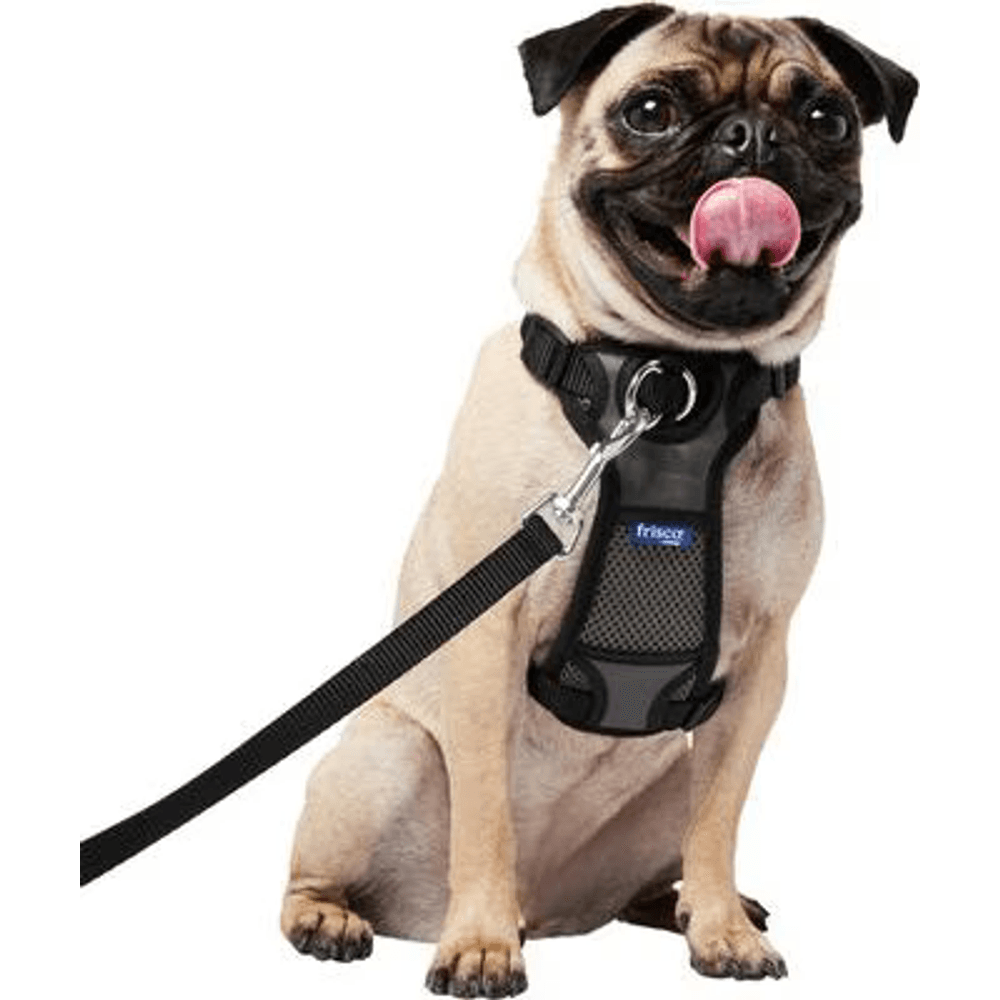
A padded walking-harness option only when the individual dog fits this exact Small model. Measure before buying and check for slipping and restricted movement.
Petful may earn a commission when you click through to Chewy, at no extra cost to you.
Ask for evidence before a reservation payment
Use the same basic checks whether you hope to buy locally or collect a puppy from another state:
- Speak directly with the person responsible for the litter and verify their identity and contact details.
- Arrange an in-person visit when possible, or a live video conversation that shows the actual puppy and its environment.
- Ask to see the mother and discuss the father's identity and records; clarify any limits on access.
- Request parent health evidence and the puppy's veterinary paperwork before paying.
- Read the written deposit terms, including what happens if the puppy becomes unavailable or the placement is unsuitable.
- Confirm the total price, collection arrangements, and who receives your payment.
The AKC's puppy scam guidance is useful when photographs, urgency, or an attractive price are doing most of the selling. A polished website and a registry logo can be copied. Pause when a seller refuses reasonable verification or introduces unexplained transport charges after you have committed.
Observe without demanding a performance
Ask how the puppy behaves at different times of day and in ordinary care situations. A sleepy puppy during one visit is not necessarily calm by nature, and an excited greeting does not prove that the dog will struggle to settle. Request examples of gentle handling, brief separation from littermates, and introduction to unfamiliar household sounds, with an explanation of how the breeder responds when a puppy is uncertain.
Let the puppy choose whether to approach, and avoid passing it among visitors to test its friendliness. Ask which rewards the puppy already tolerates. If suitable for its age and diet, small pieces of Wellness Soft Puppy Bites can support calm handling practice. Keep treats within the feeding plan and avoid introducing unfamiliar food just for a first meeting.
For the eventual trip home, fit equipment to the puppy in front of you. A Frisco padded harness is only a candidate if its published measurement range fits securely; the word “small” is not enough. Check that the puppy cannot back out and that straps do not restrict comfortable movement.
Biewer Terrier price and a realistic first-year budget
There is no well-supported national average in the sources available here. Prices advertised by individual breeders are examples of asking prices, not a survey of what all buyers pay. Location, what is included, the individual puppy, and the terms of the placement can change a quote substantially.
For a concrete example, Rocky Mountain Biewer Terriers' own FAQ listed standard-size male puppies at $3,000 and females at $4,000 when checked on October 5, 2026. Those figures describe one seller's advertised prices, not a breed-wide average or a recommendation of that breeder. Obtain a current written quote before making plans.
Compare the whole agreement
Ask what the price includes and what you must arrange separately. A puppy sold with a starter bag of food and a registration application may still need veterinary appointments, grooming equipment, training, transport, and a suitable sleeping area immediately. A lower initial price can leave those same responsibilities with you.
The deposit is another point to clarify. It might reserve a particular puppy or a place on a waiting list, and it may or may not be refundable. Read the terms before paying, save a copy, and ask for any clarification in writing. An appealing photograph is not a reason to accept an agreement you do not understand.

Provide puppy-appropriate bathing preparation, following the exact label age instructions.
Petful may earn a commission when you click through to Chewy, at no extra cost to you.
Use this worksheet to collect real local quotes. Keep purchase or adoption costs separate from recurring care so you can see whether the commitment is manageable after the first payment.
| Budget item | What to obtain before committing | How to compare it |
|---|---|---|
| Purchase or adoption fee | Written total and list of inclusions | Compare the actual agreement, not an advertised starting price |
| Deposit | Deposit terms and reservation details | Establish whether it applies to the total and what happens if plans change |
| Health documentation | Parent health evidence and puppy records | Treat documentation as a decision requirement, not an optional upgrade |
| Veterinary care | Local estimate for the puppy's planned visits | Account for records already supplied and care still due |
| Food and basic supplies | Suitable food, bowls, bed, carrier, harness, and lead | Buy for current fit and safe use, allowing for replacements |
| Grooming | Local quote for the coat length you can maintain | Include repeat appointments and home maintenance supplies |
| Training and daytime help | Class, sitter, or other help you actually need | Budget around your work schedule and the puppy's care needs |
| Unexpected care | An emergency funding plan or insurance quote | Read coverage, exclusions, deductibles, and payment arrangements |
Plan the ordinary week, not only collection day
Write down who will handle meals, toilet opportunities, short training sessions, and supervision while the puppy settles. If everyone works away from home, solve the daytime care problem before reserving the dog. A pen provides a managed space, but cannot replace attention, exercise, toileting, or companionship.
An eight-panel Frisco exercise pen may help define a puppy area if its gaps, door, height, and stability suit the individual puppy. Check for climbing and escape attempts under supervision, remove snag hazards, and place it away from stairs, cords, and furniture the puppy could use to climb out. A product's dimensions do not make it automatically safe for every toy puppy.
Include the costs that repeat
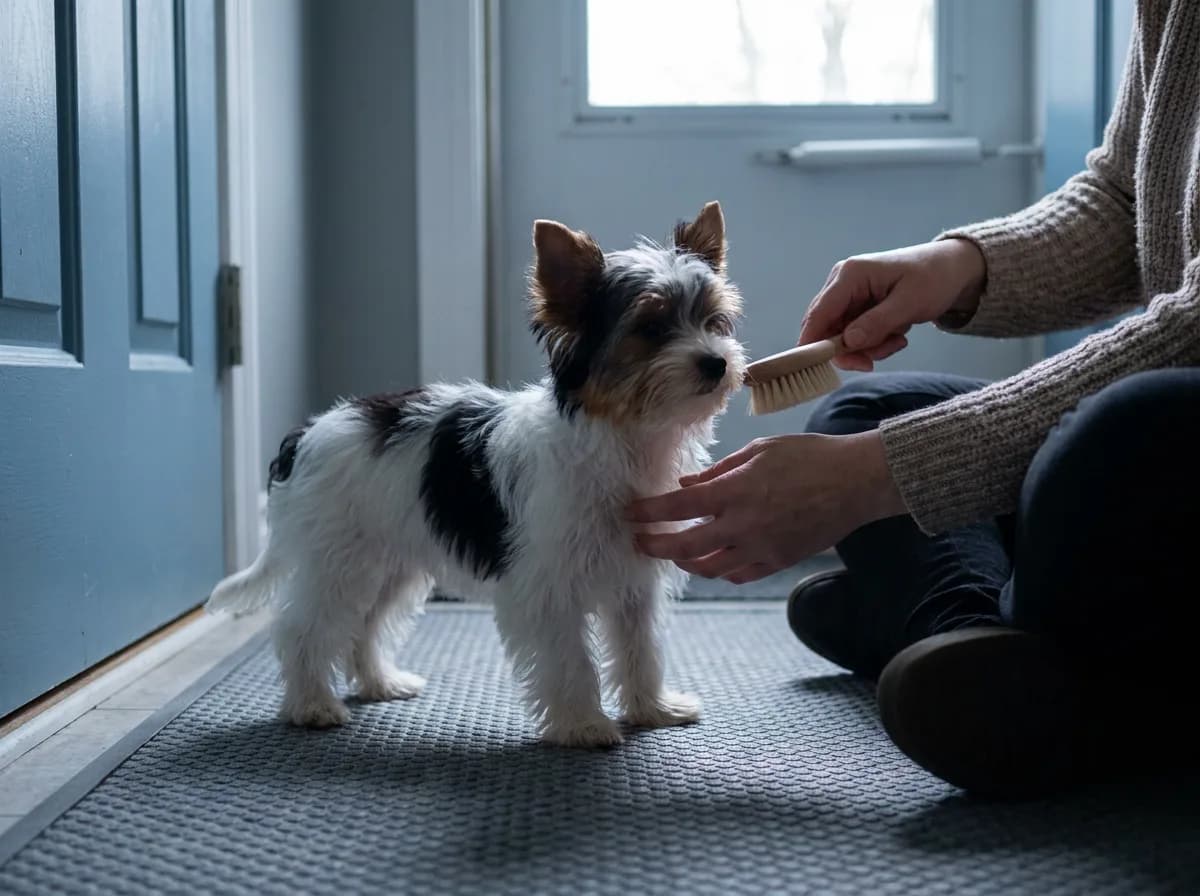
Grooming is an ongoing commitment even when you choose a short coat. Ask a local groomer about the puppy introduction process, the maintenance expected between appointments, and pricing for the length you intend to keep. Budget for a brush and comb as well as professional visits; buying a tool does not replace learning how to use it gently.
Food spending should reflect the complete puppy diet you and your veterinarian select, with treats included in the overall feeding plan. Small pieces of a suitable puppy treat can support reward-based practice, but do not let training rewards replace balanced meals. Keep money available for replacement equipment as the puppy grows or its needs change.

Support early reward-based handling with appropriately small portions.
Petful may earn a commission when you click through to Chewy, at no extra cost to you.
Breeder checks, adoption and health records
Reputable Biewer Terrier breeders should be able to explain what they test, why those tests matter, and which results belong to each parent. “Vet checked” describes an examination, not necessarily the breed-related screening of the breeding dogs. Ask for the actual reports rather than relying on a general statement that the line is healthy.
The Biewer Terrier Club of America's health-testing guidance lists eye examination, patellar evaluation, and DNA testing for primary lens luxation and prcd-PRA among its recommended screening. Ask your veterinarian to help interpret unfamiliar results. Screening informs a breeding decision; it does not guarantee that a puppy will never develop a health problem.
Separate parent screening from puppy care
The puppy needs its own dated records, matched to its identity. Before collection, request:
- The birth date, identifying details, and microchip information if applicable.
- Veterinary examination findings and any condition that needs follow-up.
- Vaccination and parasite-control records, including products and dates.
- Current food, amounts, meal routine, and any recent digestive difficulties.
- Observations about handling, grooming, sleep, and interactions with other dogs.
- Contact details for questions after the puppy goes home.
Arrange your own veterinary appointment and share these records so the care plan starts from what has actually been done. Discuss suitable nutrition, preventive care, dental development, and any concerns raised by the examination. Do not repeat medication or parasite treatment simply because a generic puppy checklist says it is due. Use WebVet’s puppy vaccine schedule to prepare questions; your veterinarian should set dates from the records.
If a breeder provides an OFA or CHIC reference, match it to the correct registered dog and read the individual results. The OFA explains that a CHIC number means the required screenings were completed and made public, not that every result was normal. Ask about missing, unclear, or older records rather than assuming that a badge settles the question. Your veterinarian can help distinguish a screening result from a diagnosis or a guarantee about the puppy.
Read the breeder contract as a care agreement
The breeder contract should identify the puppy and explain both parties' responsibilities. Look for collection arrangements, any examination deadlines, what a health guarantee actually covers, and the process if a serious concern is found. A promise of a “healthy puppy” is less useful than clear terms that you can understand and follow.
Ask about the return policy if you become unable to keep the dog. Clarify whom to contact, whether the breeder expects the dog to return to them, and what assistance is available. A return provision should be understood before purchase, not discovered during an urgent family change. Keep the agreement and health records together where you can retrieve them easily.
Consider adoption and an adult dog
You can also ask breed clubs, established rescues, local shelters, and rehoming centers about Biewer Terrier adoption. Puppies may be uncommon at a given time, while an adult might offer a clearer picture of current size and daily habits. Neither age nor an adoption label guarantees an easy adjustment.
For an adult Biewer Terrier available for adoption, ask about the dog's history in a home, comfort with grooming, time alone, toileting, and interactions with children or other pets. A foster carer's observations can be especially useful when they describe specific situations. If ancestry is uncertain, evaluate the dog on the available records and behavior rather than treating its color as proof of breed.
Prepare a calm, manageable first week
Create a resting area at floor level and teach family members how to approach and support the puppy gently. Supervise children closely and prevent rough play or uncontrolled access to larger dogs. Remove small swallowable objects and check gaps behind furniture and around gates from the puppy's level.
Keep early introductions short enough that the puppy can rest afterward. Ask your veterinarian about safe socialization opportunities in your area while preventive care is underway. Familiar food, predictable care, and patient handling are more useful than a crowded welcome party or an immediate series of outings.
- Before collection, confirm the last meal, the journey plan, and whom you should contact if the puppy seems unwell. Bring a secure carrier and the records rather than relying on someone to email them later. At home, note appetite, toileting, and activity so you can give your veterinarian specific observations if a concern develops. Do not dismiss a marked change simply as normal settling-in behavior.
For coat care, use gentle handling and products labeled for the puppy's age and needs. TropiClean Gentle Coconut puppy shampoo is one option only when the puppy meets the label's age directions. Low shedding does not mean allergen-free: allergenic proteins occur in dander, saliva, and urine, as AAAAI explains. A “hypoallergenic” shampoo label does not change that. If household allergies affect your decision, read whether Biewer Terriers are hypoallergenic before committing to a placement.
How this fits the Biewer Terrier breed
The AKC breed profile lists 16 years as a breed-level life-expectancy estimate and describes alertness to visitors without constant barking. Neither predicts an individual dog’s lifespan or noise; ask about its observed barking triggers and plan for long-term care. Our Biewer Terrier breed guide puts adult temperament and daily care in context. Use that background alongside the puppy’s history and your practical care plan.
Questions from prospective owners
No reliable national average is established here. As one dated example, Rocky Mountain Biewer Terriers advertised standard-size males at $3,000 and females at $4,000 on October 5, 2026. These are one seller’s asking prices, not a recommendation. Request a current written quote and compare included care, parent health records, contract terms, and ongoing costs.
No. Registration concerns identity and ancestry; it does not replace the puppy’s examination or the parents’ health-screening results. Request those records separately and check that each result belongs to the named dog. A puppy’s normal examination also cannot substitute for testing its parents for inherited conditions.
Ask for actual growth records, veterinary findings, and confirmation that the puppy is eating independently. “Teacup” is not a separate official Biewer variety and does not guarantee adult weight or better health. Judge the seller’s care and records before considering the appeal of an unusually small size.
BVMS, MRCVS
Dr. Pippa Elliott, BVMS, MRCVS, is a veterinarian with nearly 30 years of experience in companion animal practice. Dr. Elliott earned her Bachelor of Veterinary Medicine and Surgery from the University of Glasgow. She was also designated a Member of the Royal College of Veterinary Surgeons. Married with 2 grown-up kids, Dr. Elliott has a naughty Puggle named Poggle, 3 cats and a bearded dragon.
Sign up for expert-backed reviews and safety alerts all in one place.