Biewer Terrier Haircuts: Styles, Grooming, and Coat Care
Compare puppy cuts, teddy bear trims, and long Biewer Terrier coats. Use a practical groomer brief, gentle comb checks, and clear matting boundaries to choose a style you can maintain comfortably.

BVMS, MRCVS
Petful is reader supported. As an affiliate of platforms like Amazon and Chewy, we may earn a commission when you buy through links on this page. There is no extra cost to you.
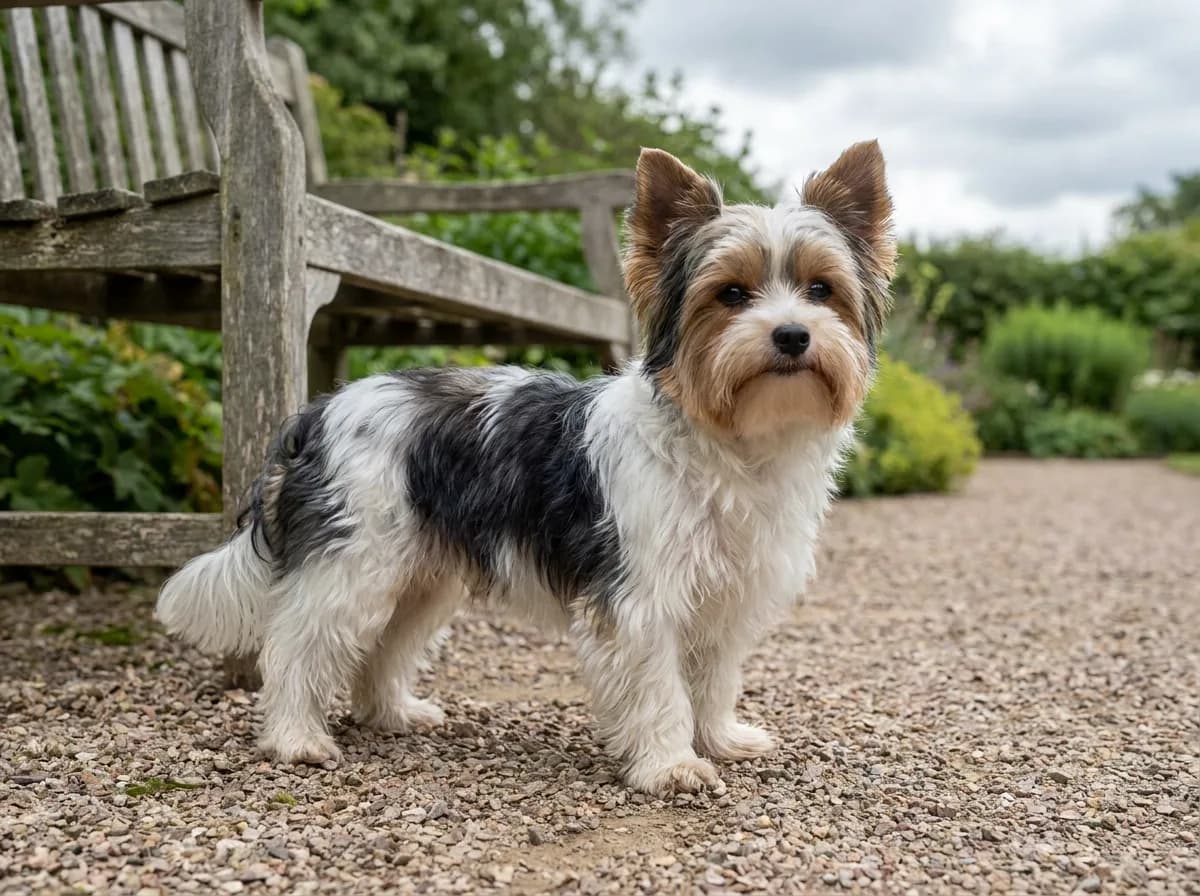
The best Biewer Terrier haircuts make everyday coat care manageable while keeping the dog comfortable. A puppy cut, teddy bear trim, and long coat can look very different, but their names are not precise salon instructions. Agree on the body length, face shape, feet, and home maintenance before the groomer starts.
A useful reference photo shows the features you like. An even better appointment brief explains how much brushing you can provide and which handling the dog finds difficult. The right style depends on those details as much as on appearance.

Sign up for expert-backed reviews and safety alerts all in one place.
Biewer Terrier haircut styles to discuss with your groomer
Start by describing the result rather than asking for a name alone. One groomer's “puppy cut” may differ from another's. “Short” also means little without an agreed finished length and a discussion of the coat's current condition. Bring photographs and point out the body, face, and leg details separately.
- 1Agree on body length, face shape, feet, and the maintenance you can provide.
- 2A daily comb check helps reveal tangles beneath a smooth-looking surface.
- 3Refer tight mats and sensitive-area clipping to a professional rather than cutting close to skin with scissors.
The Biewer Terrier Club of America grooming guidance recommends a pin brush without balls. Follow gentle brushing with a Safari Fine Comb if your groomer considers its tooth spacing suitable. Ask for a demonstration and stop at resistance rather than pulling through a tangle.
A washable resting area also belongs in the everyday care setup. If you want a roomy bed, compare the FurHaven removable-cover sofa bed with your dog’s resting length, ability to step in, and available floor space. This listing is Large; choose it only if those measurements work for your small dog and home.
For experienced home maintenance only; tight mats and sensitive areas belong with a professional.
Petful may earn a commission when you click through to Chewy, at no extra cost to you.
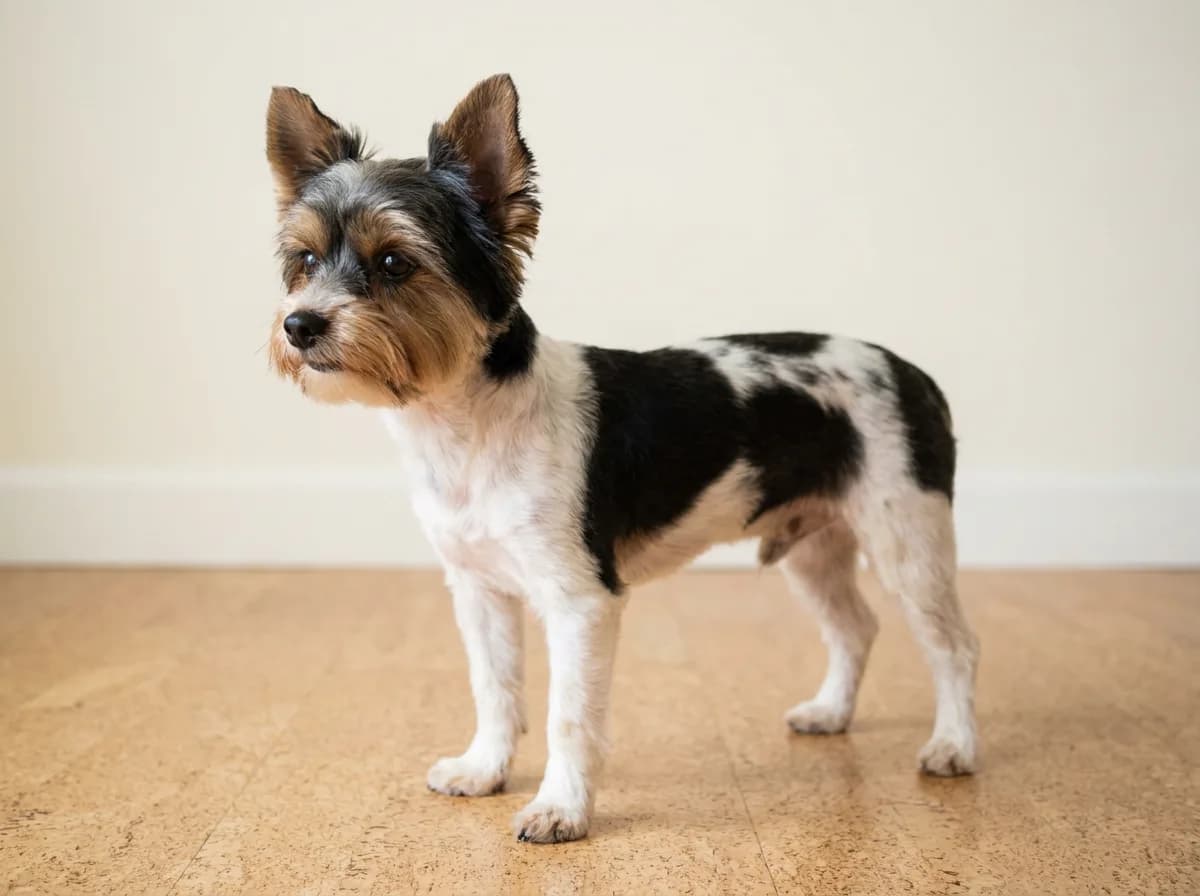


Puppy cut: a shorter body with practical maintenance
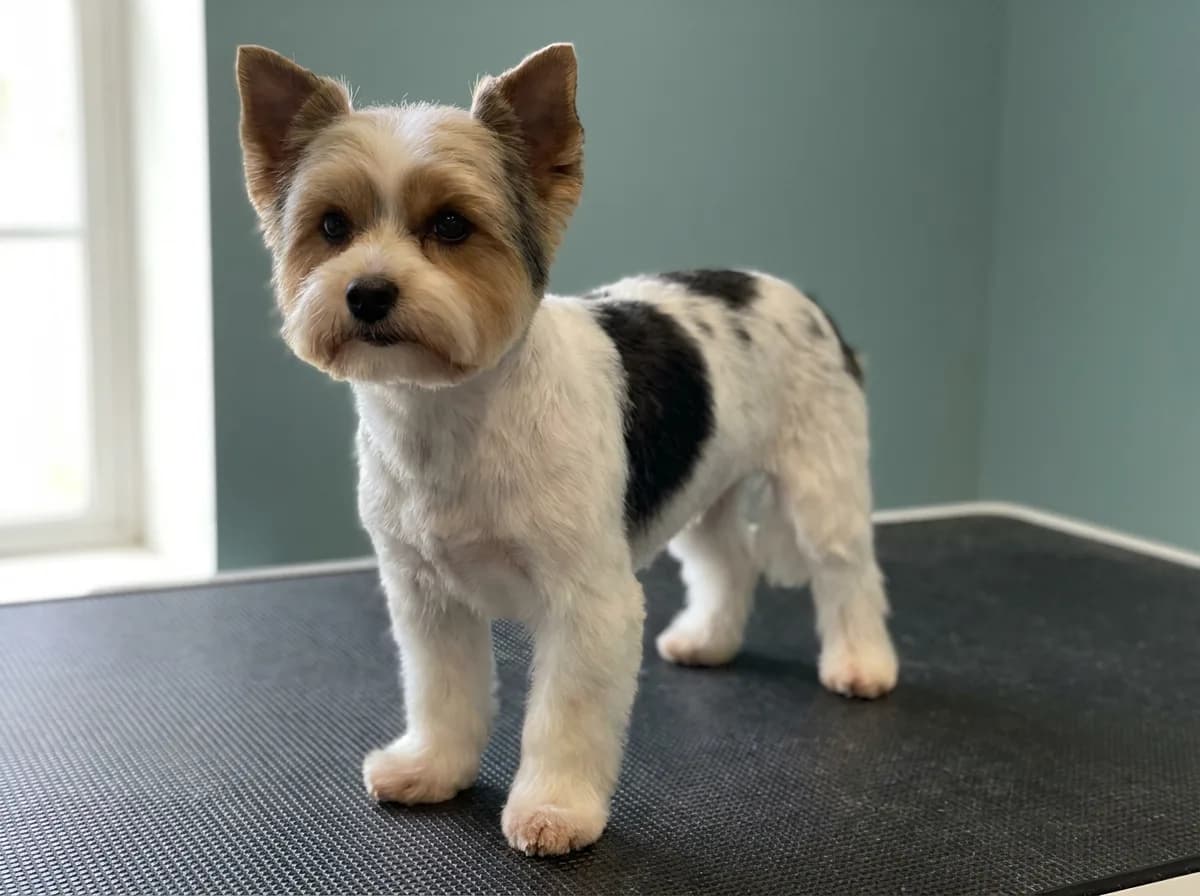
A Biewer Terrier puppy cut usually means a shorter, manageable pet style rather than a haircut reserved for puppies. Confirm the finished body length and whether the legs, chest, and face will be left longer. A dog with short body hair and long leg furnishings has different care needs from one trimmed more evenly.
- Ask what the style will look like as it grows out between appointments.
- Identify any longer areas that still need careful combing.
- Discuss how to keep the face and feet clean without repeatedly trimming at home.
- Choose the length according to the coat's condition and the care you can provide.
“Short-hair Biewer Terrier” generally describes grooming, not a separate short-haired breed variety. If you see a short-coated dog advertised for sale, ask about its grooming history and normal coat care. A fresh salon trim does not establish that the dog will remain easy to maintain without regular attention.
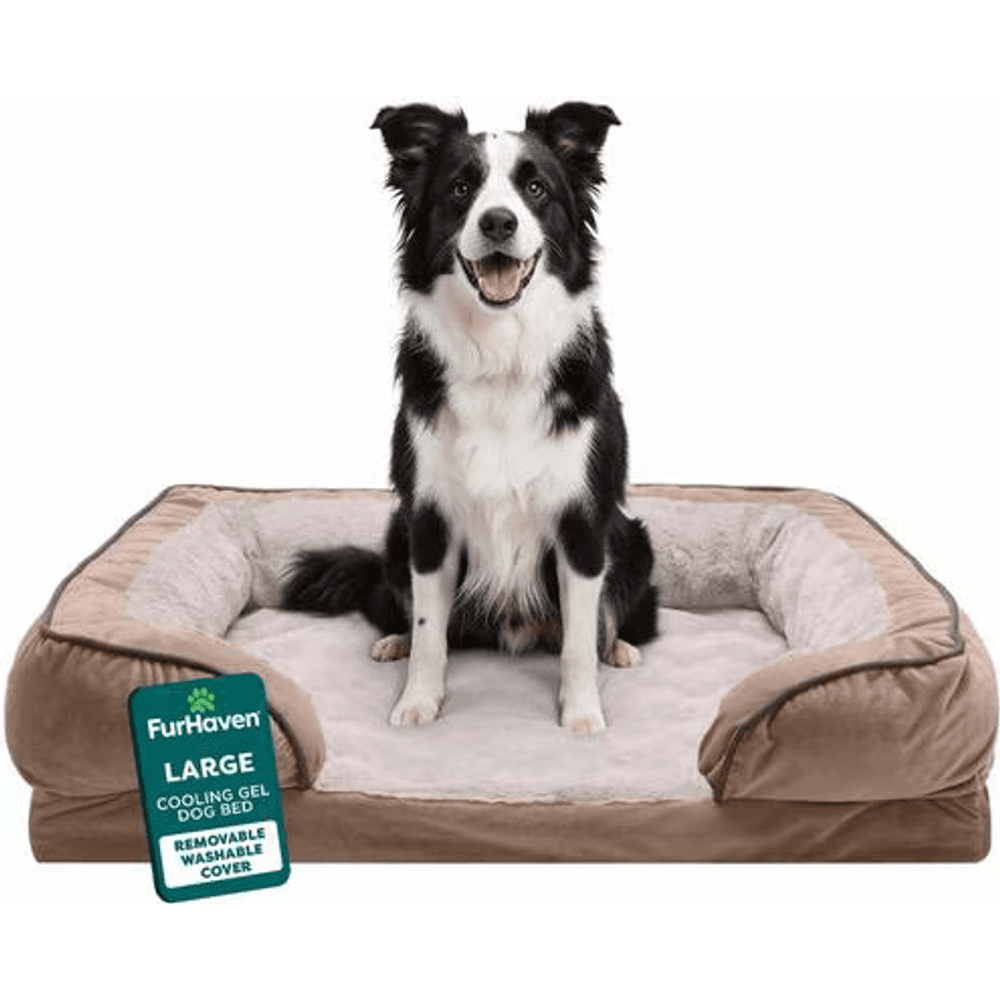
A roomy bed with a removable cover. This listing is Large; check sleeping area, entry height and floor space for your individual small dog.
Petful may earn a commission when you click through to Chewy, at no extra cost to you.
Teddy bear trim: a rounded face, with the body specified separately
A Biewer Terrier teddy bear cut emphasizes a rounded, soft-looking face. It does not tell the groomer how long to leave the body or legs. Discuss each of those areas so you do not receive an unexpectedly long coat simply because the face looks like the photograph you brought.
The face still needs to allow comfortable sight, eating, and ordinary movement. Ask the groomer to explain what can be achieved with the dog's present hair length and willingness to be handled. A photograph of another dog may have different coat density or proportions, so copying every detail may not be realistic.
- Point out whether you prefer a fuller muzzle or a tidier outline.
- Discuss the ears separately from the round facial silhouette.
- Ask how the hair around the mouth will be maintained between visits.
- Let comfort and safe visibility take priority over exact photographic symmetry.
Long coat: preserve length while planning the work
A full coat shows the breed's long, straight hair and parting. The Biewer Terrier Club of America standard describes a silky coat without an undercoat, with a simple tied head fall. A show-style coat has requirements beyond the basic goal of keeping a pet tidy.
Maintaining length requires access to the layers of hair, not just a few strokes over the surface. Consider how walks, wet weather, harness friction, and the dog's tolerance of grooming affect the routine. If you cannot keep the long coat comfortable, a shorter pet style may be the kinder and more practical choice.
A Biewer Terrier is not simply a Yorkie with a different haircut. The Biewer Terrier vs. Yorkie guide explains the breed distinction. Give your groomer the dog's correct identity and your pet-care goals, rather than using “Biewer Yorkie haircut” as if it specified one standardized finish.
Brushing, combing and mat prevention
The purpose of home grooming is to keep the coat clean, comfortable, and free of developing tangles. A shiny surface does not prove that the hair underneath is clear. A daily comb check can help you notice where friction or moisture is creating a problem before it becomes a tight mat.
The parent club's grooming guidance recommends regular brushing and suitable conditioning rather than brushing a completely dry long coat. Ask your groomer which dog-appropriate product and technique fit your dog's coat. For bathing, Burt's Bees oatmeal dog shampoo is an option when its label and your dog's skin needs are compatible; it does not replace a brushing conditioner or treat a skin disorder. WebVet’s oatmeal-shampoo guide explains routine use and the difference from conditioning.
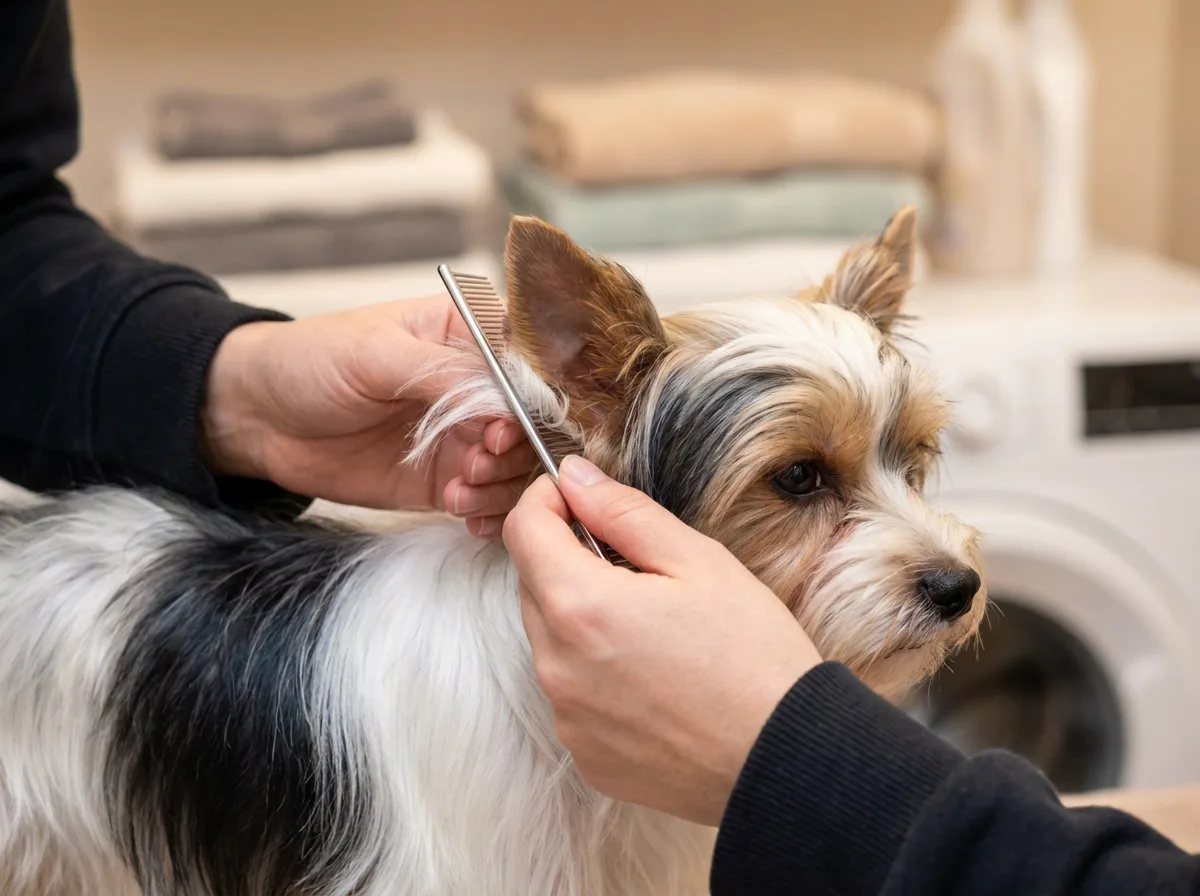
Work through small sections gently
Line brushing means separating the coat into small sections so you can work through the hair in layers. Have a groomer demonstrate the method on your dog. The goal is controlled access to the coat, not scraping the skin or repeatedly dragging a brush across a tangle.
- Choose a stable, nonslip surface and a setup in which the dog can remain comfortable.
- Begin with an area the dog already accepts and keep early sessions brief.
- Work gently through a small section, supporting the hair so any resistance is not transferred to the skin.
- Check with a suitable comb after brushing instead of assuming the surface appearance tells the whole story.
- Stop when the comb catches firmly, the dog becomes uncomfortable, or you cannot tell where skin and mat are separated.
Pay attention to areas where hair rubs or becomes damp, including behind the ears and beneath walking equipment. Ask your groomer to show you how to inspect those places safely. A brush and a comb perform different jobs; being able to brush the top layer does not mean a comb will pass through the whole section.
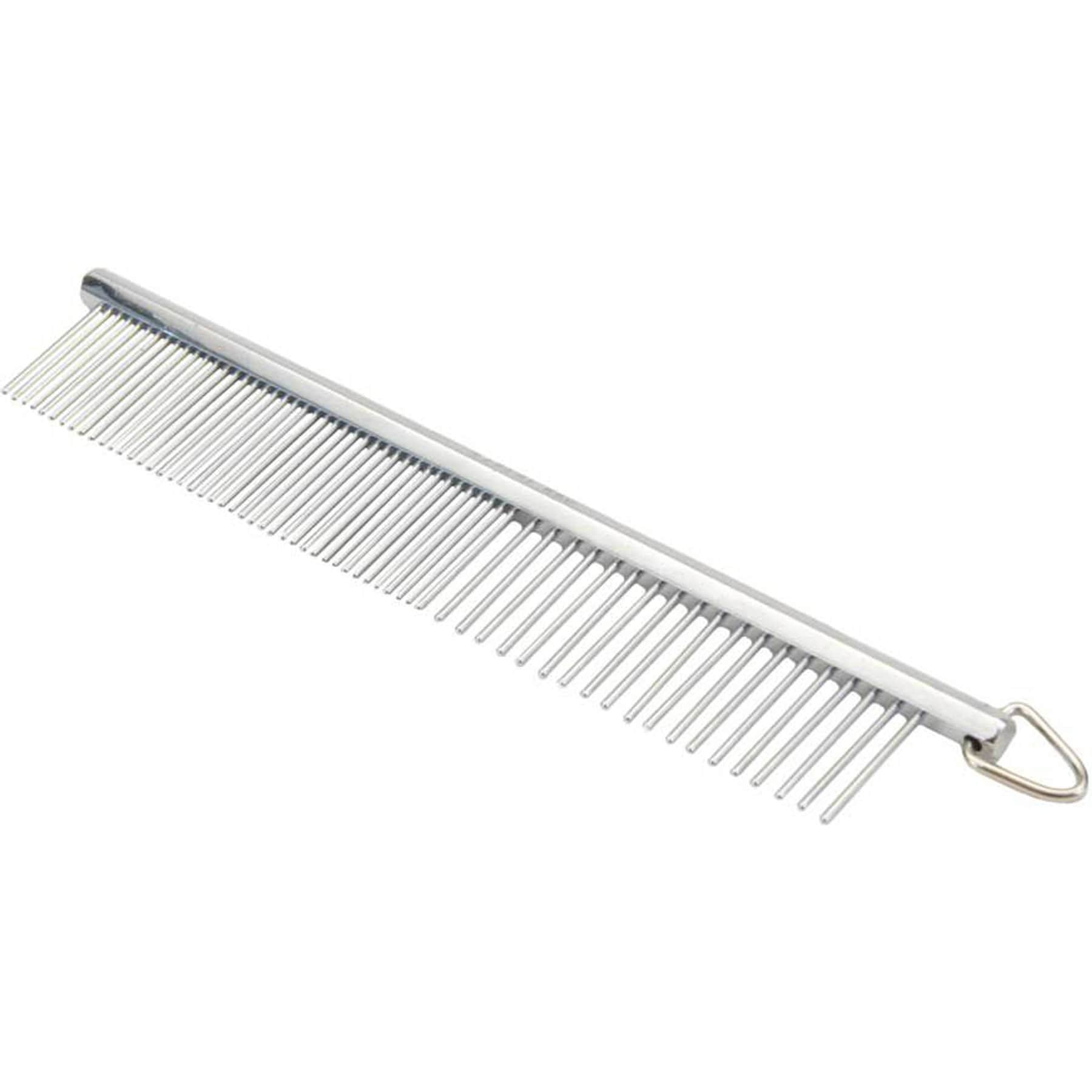
A fine-coat comb for checking through brushed hair. Work gently in small sections and stop at tight mats or discomfort.
Petful may earn a commission when you click through to Chewy, at no extra cost to you.
Match the style to the maintenance burden
Use this comparison to decide what to discuss at the appointment. These are practical descriptions rather than standardized salon lengths. The groomer should assess the existing coat before promising a finish.
| Style | Body length decision | Daily comb check | Main question for the groomer |
|---|---|---|---|
| Puppy cut | Agree on an actual short finished length | Check any retained longer hair and friction areas | Will legs and face be longer than the body? |
| Teddy bear trim | Specify the body separately from the rounded face | Check the fuller face and longer furnishings | What face shape is realistic for this coat? |
| Long coat | Preserve length with a defined tidy-up plan | Check through layers, not only the surface | Can I maintain this length comfortably at home? |
Handle mats as a comfort problem
Do not cut a tight mat close to the skin with scissors. Skin can be caught within or pulled up beneath matted hair, and the surface view may not reveal it. The AKC's home-grooming guidance recommends professional help with mats and sensitive-area clipping. Refer painful or irritated skin to your veterinarian.

Routine coat cleansing when appropriate to the individual dog and product label; no human allergy-prevention or treatment claim.
Petful may earn a commission when you click through to Chewy, at no extra cost to you.
If the coat needs to be clipped shorter than you hoped, ask the professional to explain why and agree on the safest plan. Preserving length is not worth prolonged pulling or painful detangling. A Biewer Terrier shaved closely because of severe matting is different from a routine short pet trim, and the follow-up care should reflect the actual situation.
Afterward, discuss how to prevent the same problem from recurring. That may mean a shorter maintenance style, an adjusted appointment interval, or a demonstration of the comb check you were missing. Avoid treating the appointment as a failure because the result differs from a reference photo that assumed an unmatted coat.
How to request a safe, practical cut
Write a short grooming brief and review it before leaving the dog. Biewer Terrier haircuts for male and female dogs can use the same broad styles; sex does not dictate a round face, bow, or body length. Individual anatomy, cleanliness needs, coat condition, and comfort matter more than gendered style names.
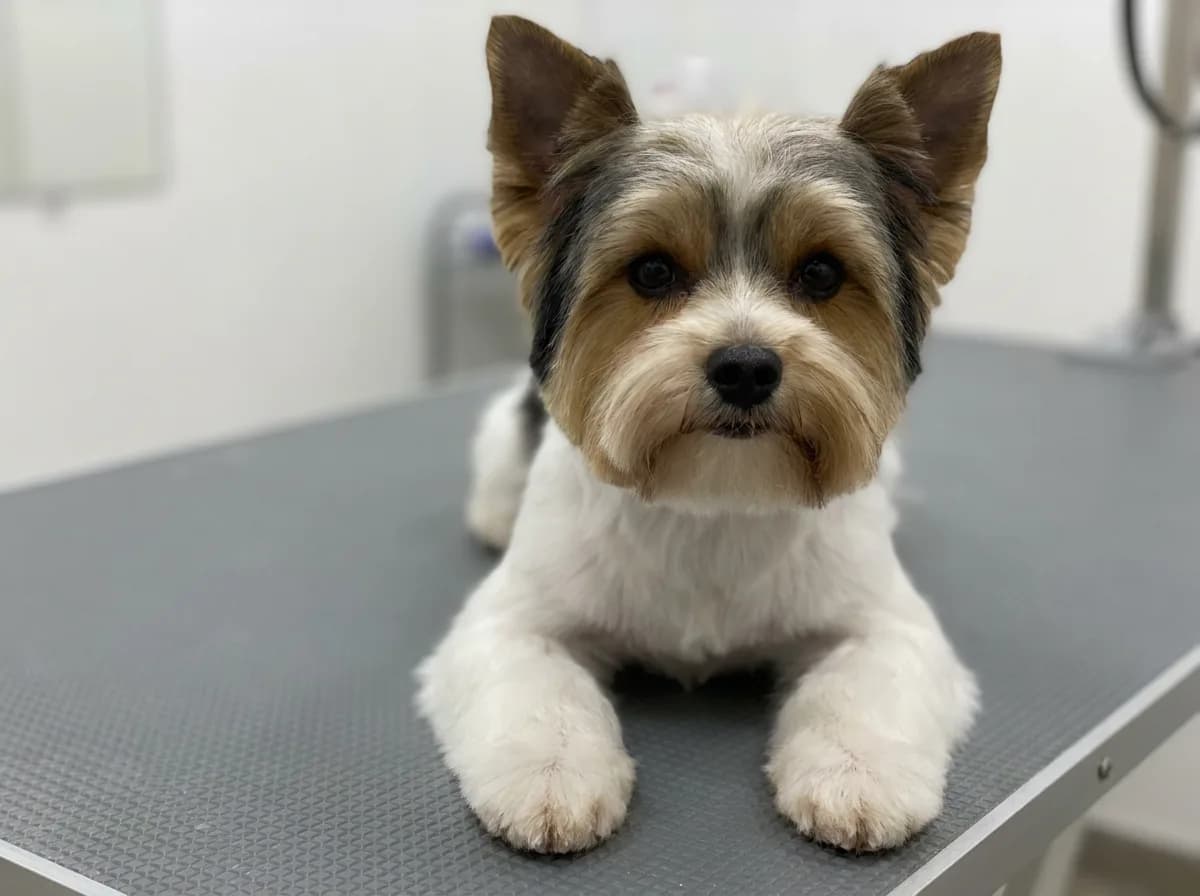
A brief you can fill in together
- Body: Agree on the finished length, with the groomer confirming what the existing coat permits.
- Face: Identify the shape you like and the areas that must remain comfortable for vision and eating.
- Ears: Discuss the outline and maintenance rather than asking for a copied look without explanation.
- Feet and legs: Clarify how much furnishing to retain and how often it will need checking.
- Sensitive areas: Ask the professional to assess safe, hygienic maintenance; do not attempt close scissor work yourself.
- Coat condition: Give permission for a call if mats or skin concerns change the plan.
- Home routine: Explain the brushing and combing you can realistically do between appointments.
Bring more than a front-facing photo if the body style matters. A side view can clarify length and leg shape, while a face close-up can show the outline you like. Point out features you do not want as well as those you do, without assuming the same finish is possible on a different coat. If the salon offers “FFF,” it means face, feet, and fanny: a tidy-up of those areas rather than a full-body haircut, as described by All Fluffed Up’s grooming service. Confirm the exact trimming and other services included before booking.
Prepare the dog for the appointment
Tell the groomer about previous grooming experiences, current health concerns, and handling that the dog finds difficult. A dog that is comfortable having its back brushed may still be worried about a face trim or paw handling. That information helps the professional plan time and support rather than discovering it mid-appointment.
- Practice calm, brief handling in easy settings, with rewards appropriate for the dog.
- Let the groomer know if the dog has struggled with noise, restraint, or being separated from you.
- Agree on how the groomer will contact you if the dog cannot comfortably continue.
- Ask which changes after the appointment should prompt a call to the groomer or veterinary team.
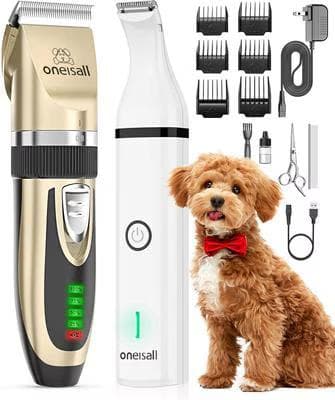
Home clippers are not a substitute for training or a clear view of the skin. An experienced owner taught a limited home-maintenance routine can discuss the OneIsAll cordless clipper and paw-trimmer kit with the groomer. Its attachments must suit the task; a low-noise label does not guarantee a dog will accept it. Leave tight mats and unfamiliar sensitive areas to a professional. If you are unsure about the task, arrange professional help instead of testing it on a moving dog.
Review the result before the next visit
At collection, ask the groomer to show you any areas that need extra attention. Run through the maintenance plan while you can still ask questions. The finished haircut should come with a practical understanding of how to care for it, not just a photograph of the dog looking tidy.
Keep a note of the agreed length, what worked, and where the coat began to tangle before the next visit. That makes the following appointment more precise. If the dog's comfort or your available care time changes, update the style rather than repeating a routine that is no longer working.
How this fits the Biewer Terrier breed
The AKC breed profile lists 16 years as a breed-level life-expectancy estimate and describes alertness to visitors without constant barking. Neither predicts an individual dog’s lifespan or noise; ask about its observed barking triggers and plan for long-term care. The Biewer Terrier breed guide explains the companion breed behind the coat, including training, handling, and health questions. A manageable pet trim should support that dog’s ordinary comfort and care.
Keep the dog comfortable, agree on clear salon instructions, and use coat condition to guide adjustments. Appearance and practicality can work together when the plan includes both the appointment and the care between appointments.
Questions from prospective owners
Choose the style your household can maintain comfortably. A puppy cut may simplify body care, while a teddy bear trim can retain a fuller face; a long coat requires more detailed maintenance. Agree on body length and use the daily comb check to see whether the chosen style is working. There is no single salon name that guarantees the right result.
Separate home coat checks from professional haircut appointments. Check the coat regularly and discuss the brushing schedule with your groomer; longer hair generally needs closer attention. Set the salon interval from coat growth, tangling, cleanliness, and comfort rather than a universal breed timetable. A daily comb check and the chosen body length help guide that individual plan.
Yes. “Puppy cut” describes a grooming request, not an age restriction. Because groomers may use the name differently, agree on the actual body length and the hair left on the face, legs, and ears. An adult can have a practical shorter style while still needing routine brushing and checks for tangles.
BVMS, MRCVS
Dr. Pippa Elliott, BVMS, MRCVS, is a veterinarian with nearly 30 years of experience in companion animal practice. Dr. Elliott earned her Bachelor of Veterinary Medicine and Surgery from the University of Glasgow. She was also designated a Member of the Royal College of Veterinary Surgeons. Married with 2 grown-up kids, Dr. Elliott has a naughty Puggle named Poggle, 3 cats and a bearded dragon.
Sign up for expert-backed reviews and safety alerts all in one place.