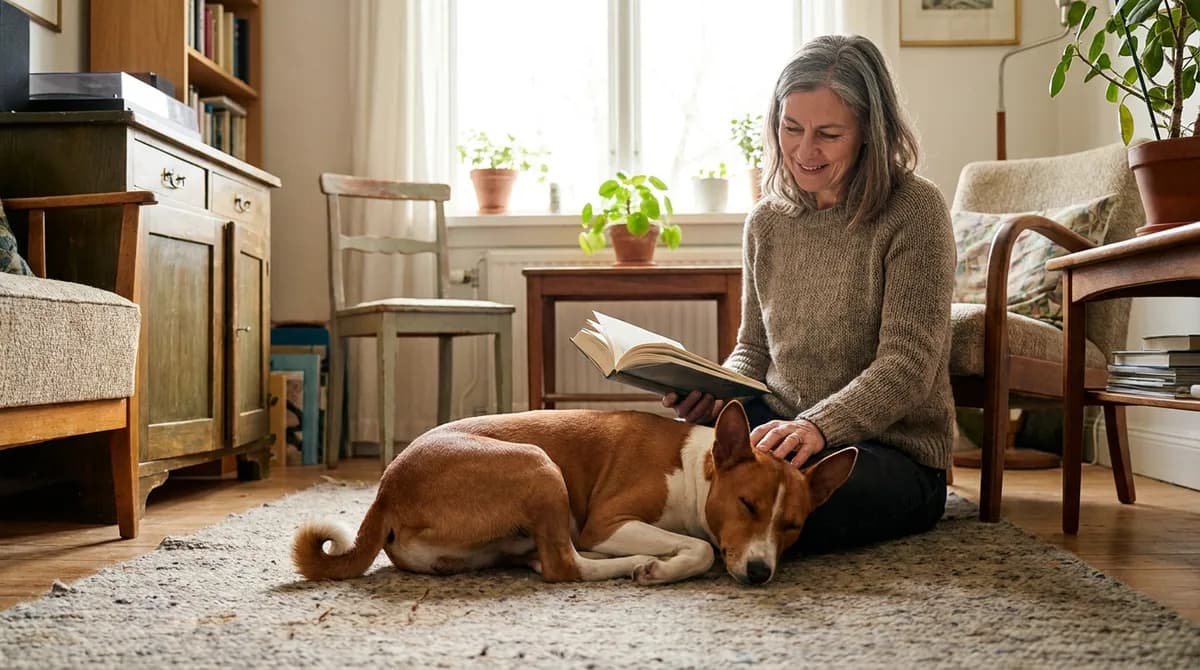
Basenji Mix: Ancestry, Cross Labels and Adoption Advice
Learn what a Basenji mix label can establish, explore common cross descriptions, and assess the individual dog's size, sounds, behavior and care needs without relying on appearance or parent-breed averages.
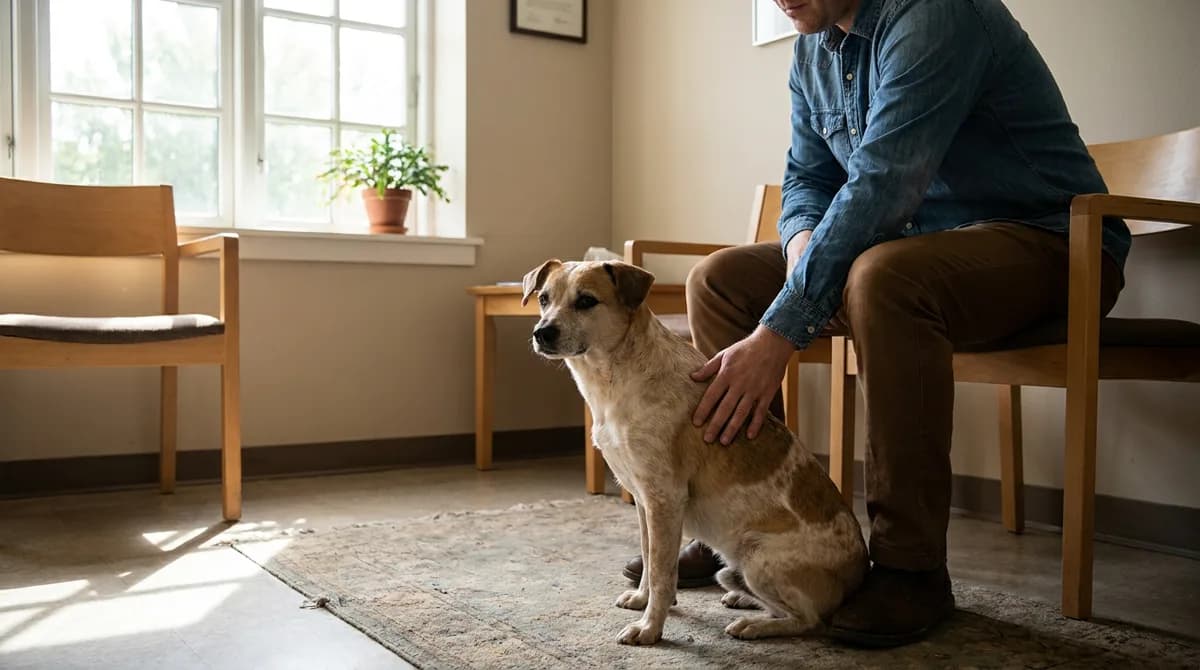
Meet the individual dog rather than predicting its needs from a mix label.
Petful is reader supported. As an affiliate of platforms like Amazon and Chewy, we may earn a commission when you buy through links on this page. There is no extra cost to you.
A Basenji mix label can be a useful lead about a dog's background, but first ask where it came from. Documented parents, a DNA ancestry estimate and a guess based on a curled tail are different kinds of information. None replaces getting to know the individual dog's size, behavior and care needs.
Start with the evidence behind the label, then work through the practical questions below. You can make a thoughtful adoption decision even when part of a dog's ancestry remains unknown.

Sign up for expert-backed reviews and safety alerts all in one place.
Understanding and choosing a Basenji mix
What a Basenji mix label can mean
What is a Basenji mixed with? There is no single answer: the term refers to a dog described as having Basenji and other ancestry. A named two-breed cross might describe known parents, but it can also be shorthand applied to a more complicated or unknown background.
Basenji mixes, also advertised as Basenji mix breeds, are not one standardized dog breed with a shared adult size, coat or personality. If a listing names two breeds, ask whether both parents were known, whether testing was performed, or whether the label was assigned from appearance. That one question tells you how much weight to give the description.
- Documented parents support a specific account of parentage.
- A DNA ancestry estimate offers a genetic interpretation.
- A shelter or previous owner's label needs its source explained.
- A visual resemblance describes features you can see.
Basenji Breed Guide: Personality, Sounds and Care
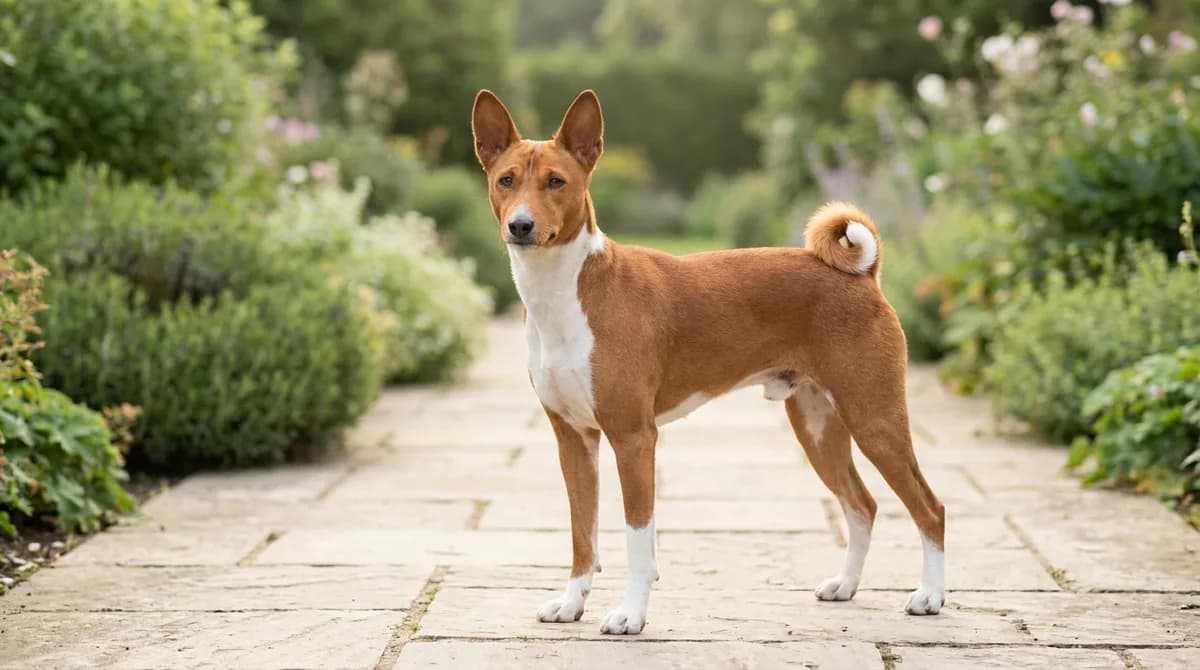
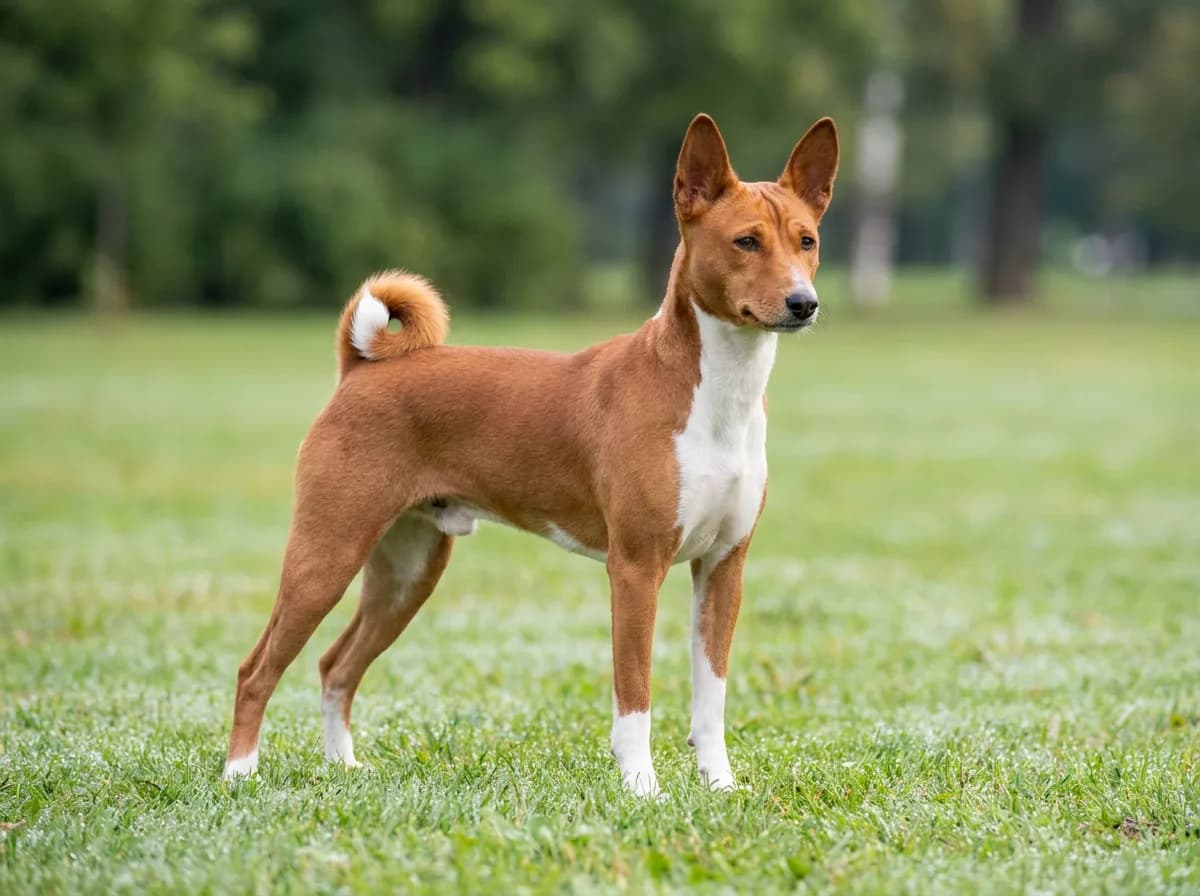
The Basenji dog is a distinct African hound breed with its own history and standard. Our Basenji breed guide explains its size, sounds and everyday workload. That background can help you understand an ancestry report, but it is not a checklist every mixed dog must satisfy. A dog can resemble a Basenji in one feature while differing substantially in build, coat or behavior.

Consider Embark Breed Identification if you want an ancestry estimate. It does not replace health screening or predict the dog's individual behavior.
Petful may earn a commission when you click through to Chewy, at no extra cost to you.
Why a curled tail cannot prove Basenji ancestry
Penny's DNA result offers a concrete example. In Embark's account by geneticist Adam Boyko, a shelter had described his adopted dog Penny as a Terrier-Basenji mix. Testing found no Basenji ancestry. Her curled tail had looked suggestive, but the result told a different story.
This is one documented identification example, not a measured rate of mistaken labels. It does not establish that all dogs described as Basenji mixes are mislabeled. It illustrates the narrower, useful point that appearance is not ancestry proof.
For an owner who wants more information, the Embark Breed Identification DNA Test Kit is one optional ancestry tool. Its purpose here is breed identification, not replacing a veterinary examination or supplying the breed-specific health tests a dog may need.
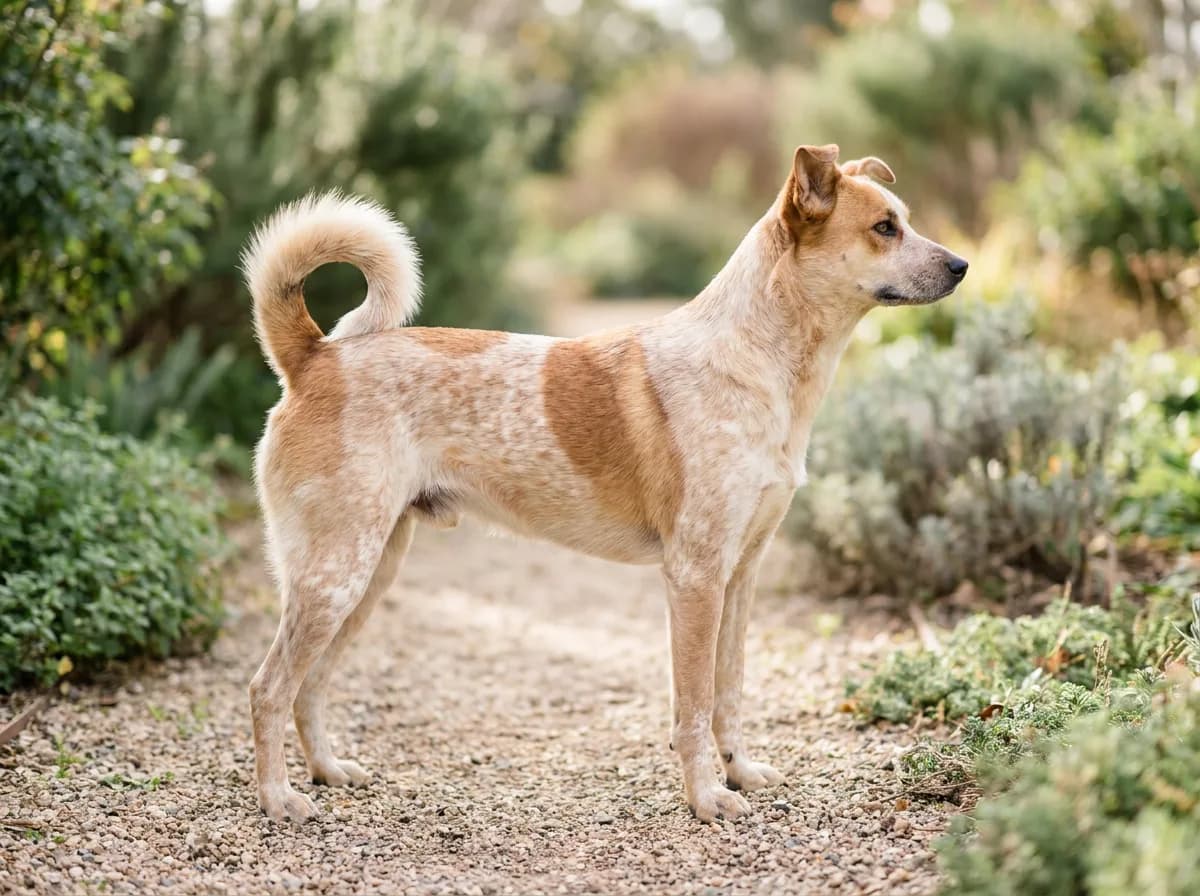
A 2018 shelter-dog study also examined the limits of visual breed identification. That research provides broader context, but it was not a clinical trial of Basenji crosses. Avoid turning its findings into an unsupported percentage for dogs carrying this particular label.
| Evidence | What it can contribute | What still needs checking |
|---|---|---|
| Documented parentage | An account tied to identified parents | Whether the records actually belong to this dog and its parents |
| DNA estimate | A genetic ancestry interpretation | The test's scope and the distinction between ancestry and health screening |
| Shelter or owner label | A starting description | Whether it came from records, testing or appearance |
| Curled tail, ears or coat | Visible physical characteristics | Appearance is not ancestry proof |
Keep those categories separate in the dog's records. If a later test differs from an old shelter description, retain the medical and behavioral history rather than treating the dog as a newly discovered personality. The name may change; the dog you have been observing has not been replaced.
Assess the individual dog's household fit
Is the Basenji a good family dog? A particular Basenji or mixed dog may fit a family well when its needs and the household's routines are compatible. Evaluate the individual around relevant situations, with appropriate supervision, instead of asking the ancestry label to predict every interaction.
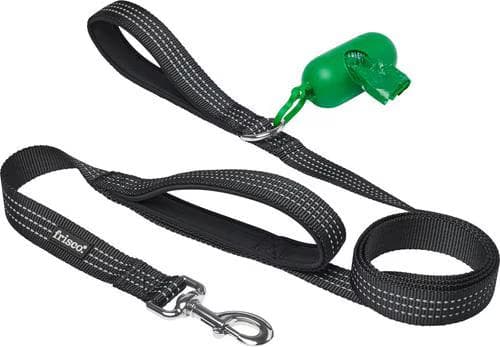
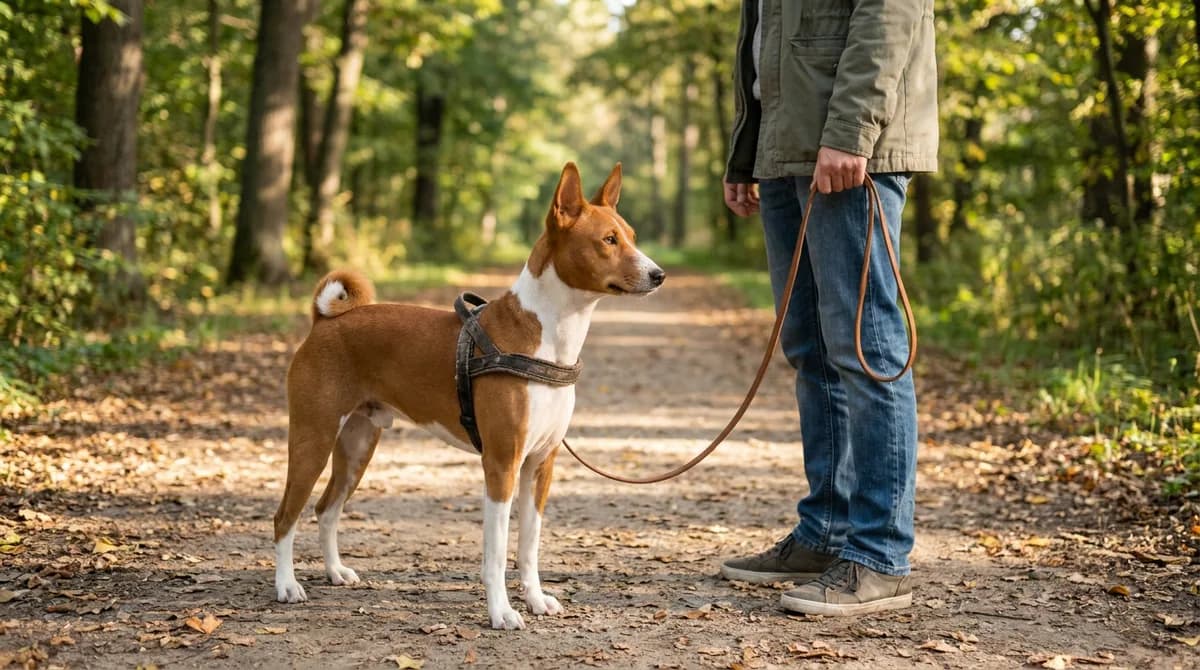
Choose walking equipment for the individual dog. Check the Frisco leash's clip size and a secure collar or harness fit before an introductory walk.
Petful may earn a commission when you click through to Chewy, at no extra cost to you.
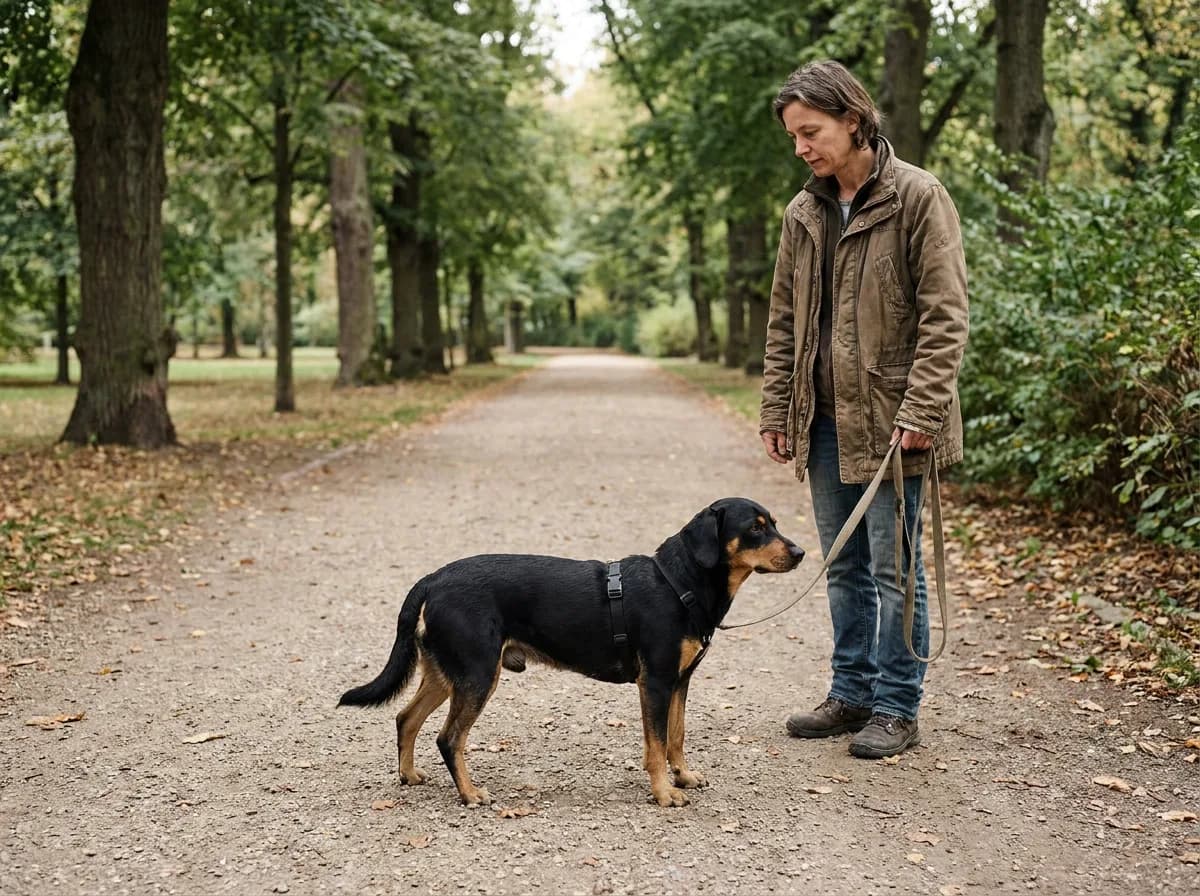
Start with a calm walk and a conversation with someone who knows the dog. Ask about responses to unfamiliar people, other dogs, traffic and wildlife. Walk at a manageable distance from distractions and allow room to retreat. A busy greeting or crowded adoption event may reveal less than a quieter setting.
The Frisco Traffic Leash offers one fixed-length option for controlled walking. Select the attachment and walking equipment for the dog's actual size, and confirm fit before leaving a secure area. Handling equipment helps you manage the setting while you observe.
Affection and time alone
Do Basenjis like to cuddle? Some enjoy close contact; others prefer shorter interactions or space beside their person. For a mixed dog, watch whether it approaches voluntarily and stays relaxed. Let it move away. Holding a dog still for affection does not tell you whether it enjoys the contact.
Can a Basenji be left alone? The answer depends on the individual and its preparation, not on whether the breed is called independent. Ask what a foster caregiver has actually observed during absences, how long the observations lasted and what the dog did. A dog settling in one familiar home may need a gradual transition in another.
Before adoption, explore these parts of the routine:
- How the dog settles after a walk or play session.
- Whether it can rest when the household is active.
- What is known about handling, grooming and veterinary visits.
- How introductions to people and other animals have been managed.
- Which spaces or situations currently require additional supervision.
- What support the rescue or breeder offers after placement.
Use more than one meeting when the placement process allows it. One encounter can be affected by travel, unfamiliar people or the surrounding activity. Look for consistent patterns, and ask the caregiver about differences you notice. The aim is to understand how the dog behaves, not to put it through a series of stressful tests to earn a label.
What is the downside of Basenji ownership? The breed's independence, activity and hunting interests can require more management than a household expects. A mixed dog's challenges may differ, so translate concerns into specific tasks: secure the yard, arrange daytime help, practice handling or seek training support. These are more useful planning items than a general label such as stubborn.
For a home with children, discuss the dog's actual experience and create separate resting areas. Supervise contact and teach children to let a resting or eating dog be. If another dog already lives with you, arrange introductions appropriate to both animals rather than assuming a similar size or breed background makes them compatible.
- Keep the dog's established food and familiar cues where practical, using the caregiver's written instructions rather than guessing.
- Introduce new experiences gradually instead of combining visitors, busy outings and unfamiliar handling in one day.
- Decide who handles walks and how doors will be managed before arrival.
- Provide a resting area where the dog can withdraw from household activity without being followed.
- Review how the routine is working after the dog has had time to experience ordinary days in the home.
A foster description may reflect a particular combination of people, animals and space. Ask which arrangements made that routine work. For example, a dog described as comfortable alone may have had access to a familiar room, a midday visitor or another animal nearby. Knowing the setup is more informative than treating the description as a promise that any absence will go smoothly.
For a puppy, plan small, positive experiences that build familiarity without overwhelming it. WebVet's puppy socialization checklist helps organize that work. An adult also benefits from thoughtful introductions, but the starting point should reflect its known history and current comfort.
A short supervised food search can be one low-pressure shared activity. The Pet Parents Forager snuffle mat is an option when searching and reaching the mat are comfortable for the dog. Use part of the normal food allowance and remove the mat if it begins chewing the fabric.
Basenji Temperament: Training, Alone Time and Family Fit
Our Basenji temperament guide discusses the purebred's tendencies, training and temperament with other dogs. For a mix, use those topics as questions to investigate rather than an assigned personality. Research on canine behavioral inheritance also supports the limits of predicting an individual from breed ancestry. Ask what the dog does in your relevant situations and choose training around those observations.
Size, coat and sound can vary
Measure the individual dog for equipment and use its veterinary growth record for health decisions. Known parents provide context, but they do not justify inventing an adult weight by averaging two breed figures. For an adult, current height, girth and weight are more useful than a predicted cross range.
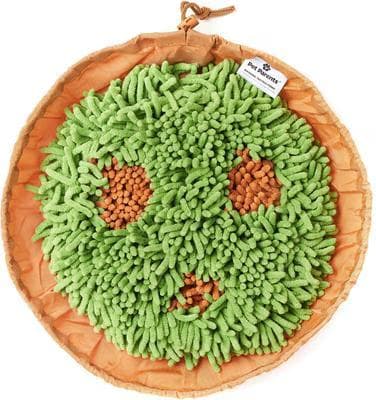
Try a supervised food search with the Pet Parents Forager if it suits your dog. Use the daily allowance and remove the mat if material is chewed.
Petful may earn a commission when you click through to Chewy, at no extra cost to you.
A brindle Basenji mix description tells you about visible striping plus a claimed ancestry. The same applies to a brindle Basenji pit mix. Brindle occurs beyond one breed combination; coat pattern cannot identify the parents. Look separately at hair length, shedding and the grooming the dog actually tolerates.
- Measure girth where the equipment manufacturer instructs.
- Check fit while the dog stands and moves comfortably.
- Recheck growing dogs instead of buying solely by age.
- Track unexplained weight changes with veterinary guidance.
WebVet's guide to dog weight loss or gain helps frame that last discussion. A change in body condition deserves attention regardless of what the ancestry label predicts.
Do Basenjis bark a lot? The purebred generally does not bark in the ordinary repetitive manner, but is not silent. A mix may bark, yodel, howl or use several sounds. Ask about this dog's behavior during greetings, departures and quiet periods instead of expecting one inherited vocal style.
Basenji Yodel: Hear the Sound and Understand the Context
Our Basenji yodel guide provides real examples and explains why context matters. A sound clip can help you understand the vocabulary, but it cannot identify a mixed dog's ancestry. Pay attention to the situation and the dog's whole response. A newly changed voice or other concerning signs belongs in a veterinary conversation rather than a debate about whether the dog sounds like a Basenji.
Health records and adoption questions
Is a Basenji high maintenance? Its short coat can mean relatively simple grooming, while exercise, training and containment require continuing effort. A mix may have a different coat and workload. Ask about individual care needs in concrete terms: brushing, nail handling, medication, walking, settling and time alone. Request the dog's available veterinary history, vaccination and parasite-treatment records, medication list and any relevant test reports. Match reports to the individual. Ask when any follow-up is due and whether the receiving clinic needs earlier records before the first appointment. Known parentage can help guide questions about screening, while uncertain ancestry should lead to a veterinary discussion about appropriate care rather than an automatic shopping list of tests.
If you are comparing a Basenji Chihuahua mix price with another placement, request the actual fee, written inclusions and any transport charges. There is no verified standard price for that cross established here. A lower fee does not reveal the cost of future veterinary care, training or the practical changes your home might need.
Plan how you would pay for care while the dog is well. Compare a savings approach with insurance terms and the out-of-pocket costs you would retain. Eligibility, waiting periods, deductibles and exclusions matter as much as the premium; existing symptoms do not become covered simply because a policy is purchased.

Compare coverage choices for your pet, then request a quote directly on Lemonade.
- Check a price for your pet
- Review available coverage choices
- See the terms before you decide
Eligibility, waiting periods, limits and exclusions apply.
Petful may earn a commission when you click through to Lemonade, at no extra cost to you.
Before committing, ask for information that will help the transition:
- The source of the ancestry description and copies of any test report.
- Current food, medication and veterinary follow-up needs.
- Behavior observed during ordinary home routines.
- Known handling preferences and situations needing management.
- Written placement terms and the contact for post-adoption support.
Basenji Price: Puppy, Adoption and Ongoing Costs
How much does a Basenji dog cost? Named breeder quotations and individual rescue fees answer different questions, and neither automatically prices a mixed dog. Our Basenji price guide separates observed US examples from an owner-entered budget. For the dog you are considering, compare the actual agreement and care requirements, then include routine supplies, training, veterinary care and travel where relevant.
Basenji Lifespan: What Research and Health Tests Show
The Basenji lifespan guide distinguishes published breed estimates from population research and explains health-screening records. Those figures are background information when ancestry is known, not a forecast to transfer directly to a cross. Keep the dog's own history central, and discuss changes in weight, mobility, appetite or behavior with your veterinarian rather than interpreting them through an assumed lifespan.
Common Basenji cross labels
A cross label should help you ask better questions about a particular dog. It should not function as a product specification. The names below occur in descriptions of Basenji mixes; the useful follow-up is the evidence for the ancestry and what the dog actually needs.
For every group, begin with current measurements, coat care, vocal habits and observed behavior. If the dog is still growing, discuss its development with your veterinarian. Do not calculate adult traits by splitting the difference between two breed descriptions.
- Chihuahua: For a Basenji mix with Chihuahua ancestry, establish actual size and handling needs. Ask how the dog responds when equipment is fitted, when approached by unfamiliar people and around larger dogs. A small-looking photograph does not tell you whether it enjoys being picked up.
- Pit Bull or Pitbull Terrier: A Basenji pit mix description needs clarification about what “Pit Bull” means in that record. Check the dog's strength on leash, resting behavior and experience with other animals. Neither a broad head nor a particular coat pattern identifies which breeds contributed.
- German Shepherd or a general shepherd label: Ask whether German Shepherd parentage was documented or whether “shepherd” is a visual description. Review the actual coat and shedding, walking routine and response to household activity. Plan equipment and transport around measurements rather than a predicted midpoint.
- Labrador Retriever or black Lab: A Lab/Basenji mix label does not establish retrieving interest, water enjoyment or an easygoing personality. Discuss food routines, mouth handling, exercise and settling. “Black Lab” adds a color description to the proposed ancestry; black coloring alone does not establish that parent.
- Australian Cattle Dog or heeler, and Border Collie: Ask what happens around moving people, bicycles and other animals, rather than assuming a label explains chasing or nipping. Learn which activities the dog enjoys and how readily it rests afterward. A busy household needs both appropriate outlets and workable management.
- Terrier, Jack Russell Terrier or Rat Terrier: “Terrier” may be broad shorthand or a specific ancestry finding. Clarify which, then discuss interest in small animals, digging, toy play and recall practice. Inspect the actual coat instead of assuming all dogs in this group need identical grooming.
- Siberian Husky, Shiba Inu or Schipperke: Prioritize actual shedding, vocal behavior, outdoor containment and response to unfamiliar handling. Upright ears and a curled tail may encourage these labels, but they do not establish the mix. Ask for the dog's routine across more than one setting.
- Corgi: Look at the individual dog's body proportions, comfortable movement and ability to use steps or transport equipment. Size a bed and harness from measurements. If the dog hesitates, limps or struggles with an activity, seek assessment instead of explaining it away as a feature of the cross.
- Beagle: Ask about scent-focused behavior on walks, sounds during everyday events and how the dog responds when something interesting is on the ground. Practice secure handling and manageable distractions. The name does not tell you whether this individual bays, yodels, barks frequently or stays relatively quiet.
- Boxer: Discuss the dog's play style, greetings and ability to pause during excitement. Observe how it interacts with people of different sizes and leave room for a calm introduction. A playful description should lead to practical questions about the household, not an assumption that all play is suitable.
- Poodle: Inspect the actual coat and ask for a grooming demonstration or professional estimate when appropriate. Work out brushing, clipping and handling needs from the dog in front of you. Do not buy a cross on a promise of a particular coat texture or an allergy-friendly outcome.
- Whippet: Ask about movement, interest in running and responses to animals at a distance. Check secure exercise arrangements and comfortable equipment fit. A slim outline does not prove sighthound ancestry or establish how much exercise a particular dog needs.
- Catahoula: Clarify whether the name came from records, testing or markings. Discuss the dog's ordinary routine, responses to visitors and other animals, and training history. Interesting coloring should remain a description of appearance rather than an explanation of personality.
| Cross label group | Individual care needs to assess | Observed behavior to discuss |
|---|---|---|
| Chihuahua and Corgi | Actual dimensions, equipment and comfortable handling | Responses to lifting, approaches and daily movement |
| Pit Bull, Pitbull Terrier and Boxer | Secure handling, transport and resting arrangements | Greetings, play and recovery from excitement |
| German Shepherd, Australian Cattle Dog, heeler and Border Collie | Coat care, activity and household management | Responses to movement and ability to settle |
| Labrador Retriever and black Lab | Food plan, measurements and everyday exercise | Interest in retrieving, handling and food |
| Terrier, Jack Russell and Rat Terrier | Coat care and safe activity options | Digging, toy play and interest in small animals |
| Siberian Husky, Shiba Inu and Schipperke | Shedding, containment and grooming tolerance | Vocal habits and responses in different settings |
| Beagle and Whippet | Walking equipment and secure exercise | Scent interest, pursuit and recall practice |
| Poodle | Actual coat maintenance and grooming access | Comfort with brushing and other handling |
| Catahoula | Individual setup and training support | Visitor, animal and household responses |
Basenji mix questions
What is the lifespan of a Basenji? The breed club gives a general estimate of 13–14 years, while a 2024 UK study reported a 12.1-year median in its small Basenji subgroup. Those figures describe different evidence and do not establish the lifespan of every mixed dog.
Yes. Traits vary in mixed dogs, and tail shape does not prove ancestry. A straight tail does not by itself exclude Basenji ancestry, just as a curl does not establish it. Use documented parentage or an appropriate ancestry estimate for that separate question.
No. Ancestry is not a sound guarantee. Observe the individual dog across ordinary situations and describe what it actually does. A percentage in a report does not specify the sounds the dog will make, their frequency or the emotion behind a particular vocalization.
There is no allergen-free guarantee for a mixed dog, including a Basenji Poodle cross. Individual exposure matters, and coat appearance alone does not establish how a person will respond. Spend time around the dog before committing and seek medical advice about your own allergy needs.
There is no parent-average formula that can predict the answer. Individual health and veterinary history matter more for care planning than combining two breed lifespan figures. Discuss the dog's age, condition and ongoing needs with your veterinarian, without treating a cross label as a promised number of years.

Coreen Saito is a pet writer and longtime shelter volunteer with more than a decade in animal rescue. She covers cat behavior, breed care, and the small, ordinary science of sharing a life with companion animals, with a particular focus on honest takes about the products and decisions that actually matter. At home in Arizona, she's outranked by Mac (a dog with the loudest opinion in the house), Rebel (a cat who governs by quiet authority), and Meri (an orange tabby who runs the late shift and the laundry basket). She writes about all three, plus the rescues that keep coming through her life, at LifeWithMinty.com.
Sign up for expert-backed reviews and safety alerts all in one place.