Singapura Cat Lifespan: How Long They Live and Health Issues
The Singapura cat lifespan is roughly 11 to 15 years, often longer for indoor cats. A vet explains the breed's longevity, the pyruvate kinase deficiency risk and DNA test, the birthing concern, and the care that helps a Singapura live longest.

BVMS, MRCVS
Petful is reader supported. As an affiliate of platforms like Amazon and Chewy, we may earn a commission when you buy through links on this page. There is no extra cost to you.
The Singapura cat lifespan runs roughly 11 to 15 years, and The International Cat Association (TICA) lists an even wider window of 11 to 18 years for well cared for, strictly indoor cats. As a veterinary surgeon, I find that number reassuring: this is the smallest domestic cat breed in the world, yet it is generally robust and long lived when a few breed specific risks are managed early. The biggest of those risks is a single inherited blood disorder that a simple DNA test can screen out before a kitten is ever born. Get that one variable right, feed sensibly, and keep your cat indoors, and a Singapura can easily share your home for a decade and a half or more.
- 1A Singapura cat lifespan is typically 11 to 15 years, with indoor cats often reaching 16 to 18.
- 2Pyruvate kinase deficiency (PK deficiency) is the headline inherited risk, and a DNA test screens for it before breeding.
- 3Because females weigh only about 4 to 6 pounds, difficult labor (uterine inertia) is a known whelping concern that often needs a planned cesarean.
- 4Singapuras are NOT hypoallergenic, but their tiny single coat sheds very little compared with most cats.

Sign up for expert-backed reviews and safety alerts all in one place.
How Long Do Singapura Cats Live?
Across reputable breed sources the numbers cluster tightly. WebMD and Hill's Pet Nutrition both put the Singapura cat lifespan at 11 to 15 years, with Hill's noting that individuals as old as 18 have been recorded. PetMD and Daily Paws list a slightly wider 9 to 15 years, and TICA, the registry that accepted the breed in 1979, states 11 to 18 years. The Governing Council of the Cat Fancy gives about 9 to 15 years.
So what should you actually expect? In my clinical experience a healthy Singapura kept indoors, kept lean, and screened clear of inherited disease will very commonly reach 15 or 16. The breed's small size is not a liability here. Unlike some giant dog breeds, small cats do not pay a longevity penalty, and the Singapura's longevity sits comfortably at or above the average domestic cat lifespan of around 13 to 15 years.
What the numbers really mean
A "lifespan range" is a population average, not a ceiling or a guarantee. The bottom of the range usually reflects cats lost early to accidents, untreated inherited disease, or outdoor hazards. The top of the range reflects cats that were screened, vaccinated, kept indoors, and seen by a vet at the first sign of trouble. Your individual cat's life expectancy is something you influence every day, and the sections below cover the levers that matter most for this particular breed. For the wider breed picture, our Singapura cat breed guide walks through temperament, grooming, and what daily life with one is like.
 Sponsored
Have a health question about your cat?
Talk to a licensed vet at Dutch over video or message, including nights and weekends.
Use code Pets30
Plans start at $11/month · covers up to 5 pets
- Licensed vets in most states
- Rx for 150+ conditions
- 4.7 on Trustpilot
The Singapura cat lifespan stage by stage
It helps to think of those 11 to 15 plus years as a sequence of life stages, because the care a Singapura needs shifts as it ages. A kitten is a kitten for the first year, and Singapura kittens are tiny even by kitten standards, so they need frequent small meals of a complete kitten diet and a vaccination course in their first few months. From roughly one to six years your cat is a young adult, at its most boisterous, and this is the window where keeping it lean pays the biggest dividends because the habits you set now decide its weight for life.
From around seven to ten years a cat is mature, the feline equivalent of middle age, and this is when I start watching kidney values, dental health, and weight trends more closely at annual visits. From eleven years on a Singapura is a senior, and many of this breed sail well past that mark. Senior cats benefit from twice yearly checkups, bloodwork to catch kidney and thyroid changes early, and small adjustments at home such as lower sided litter trays and warm, easy to reach sleeping spots. Understanding where your cat sits on that timeline turns a vague lifespan number into a concrete care plan.
Never Scoop Again® with the Whisker Litter-Robot, the smart self-cleaning automatic litter box. Monitor visits and track weights for better overall care in the Whisker® app. Multi-cat friendly.
Petful may earn a commission when you click through to Whisker, at no extra cost to you.
Why the Singapura's Size Shapes Its Health
The Singapura is officially the smallest breed of domestic cat. TICA and CFA breed standards describe females at roughly 4 to 6 pounds and males at roughly 6 to 8 pounds, and Cats.com cites a Guinness World Records recognition of the breed as the smallest. A full grown Singapura often weighs less than a large house cat's kitten.
That diminutive frame is part of the breed's charm, but it has two practical health consequences a vet keeps in mind.
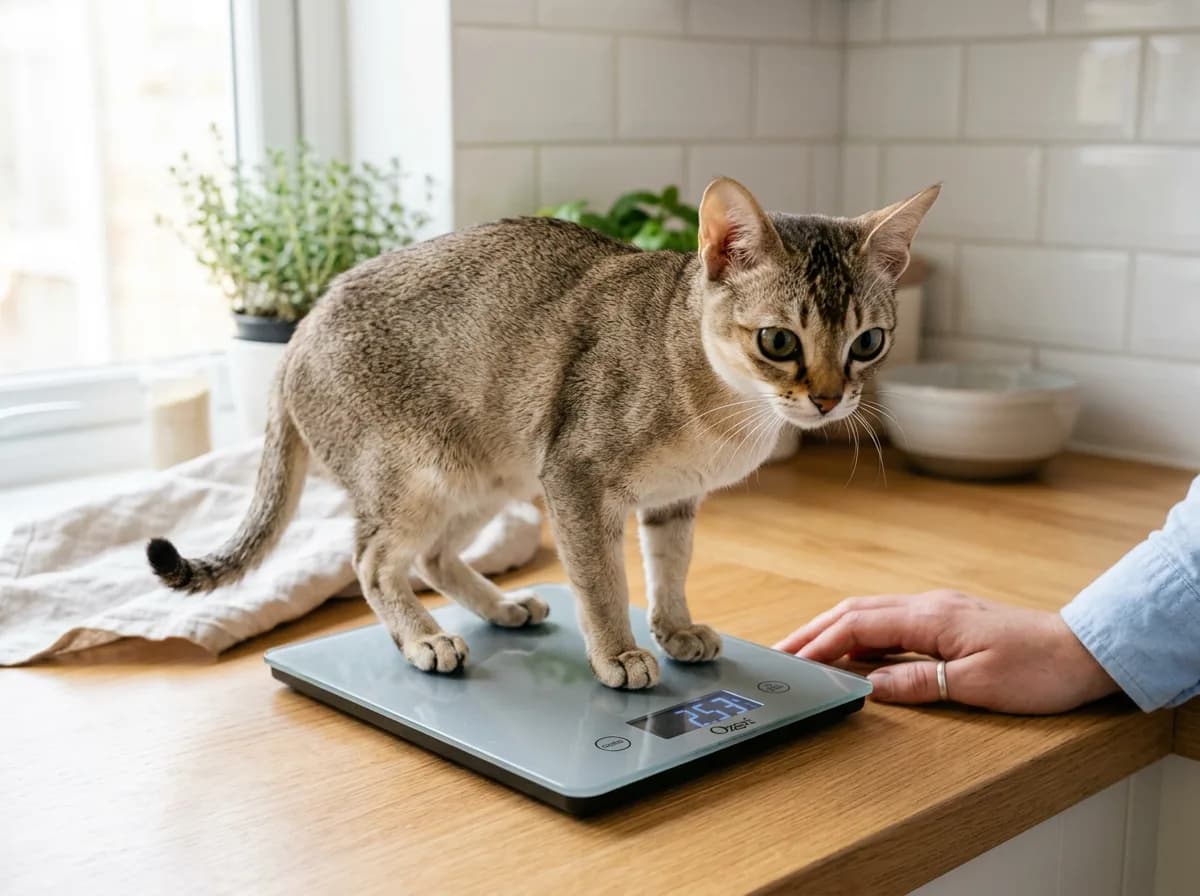
- Because a Singapura may weigh just 4 pounds, even a few extra ounces represent a large percentage of body weight, so portion control and routine weigh-ins matter more than they do for an average sized cat.
First, body condition is unforgiving. On a 4 pound cat, half a pound of extra fat is a much larger proportion of body weight than it would be on a 10 pound cat, and excess weight is a direct driver of feline diabetes and joint strain. Second, the small pelvic frame of females contributes to the breed's best known reproductive issue, which I cover below. If you are weighing a Singapura against other petite breeds, our look at the smallest cat breeds and their sizes puts the numbers side by side.
The Singapura Cat Lifespan and Pyruvate Kinase Deficiency
If there is one health term every Singapura owner should know, it is pyruvate kinase deficiency, usually shortened to PK deficiency or PK-Def. It is the inherited condition most consistently linked to the breed, and it is the single most important factor in protecting the Singapura cat lifespan.
What PK deficiency actually does
Pyruvate kinase is an enzyme that red blood cells need to make energy. When a cat inherits two copies of the faulty gene, its red blood cells break down too early, a process called hemolytic anemia. WebMD describes affected cats as lacking the enzyme their red blood cells need, which can cause anemia, jaundice, lethargy, and weight loss. The condition is recessive, which means a cat needs two copies of the variant to be affected. Carriers with a single copy are healthy but can pass the gene on.
The course is variable. Some affected cats show intermittent anemia and live reasonably full lives with monitoring, while others have more severe, episodic crises. Because it is recessive and unpredictable, the only reliable way to manage it at the population level is to test breeding cats and avoid pairing two carriers.
What does PK deficiency look like day to day? The signs are the classic signs of anemia. You may notice pale gums instead of healthy pink, a yellow tinge to the gums, eyes, or skin (jaundice) as broken-down red cells release pigment, reduced appetite, lethargy or reluctance to play, and gradual weight loss. Because the anemia can come and go, an affected cat may look completely normal for stretches and then have a flare. That intermittent pattern is exactly why a confirmed diagnosis, usually through bloodwork plus the DNA test, matters: it lets your vet anticipate crises rather than be surprised by them. Affected cats are not necessarily doomed to a short life, but they do need closer monitoring, and severe cases can require treatment for the anemia itself.
- A reputable Singapura breeder should be able to show DNA test results for pyruvate kinase deficiency on both parents. Never skip this question, because two carrier parents can produce affected kittens even when both parents look perfectly healthy.
The DNA test that prevents it
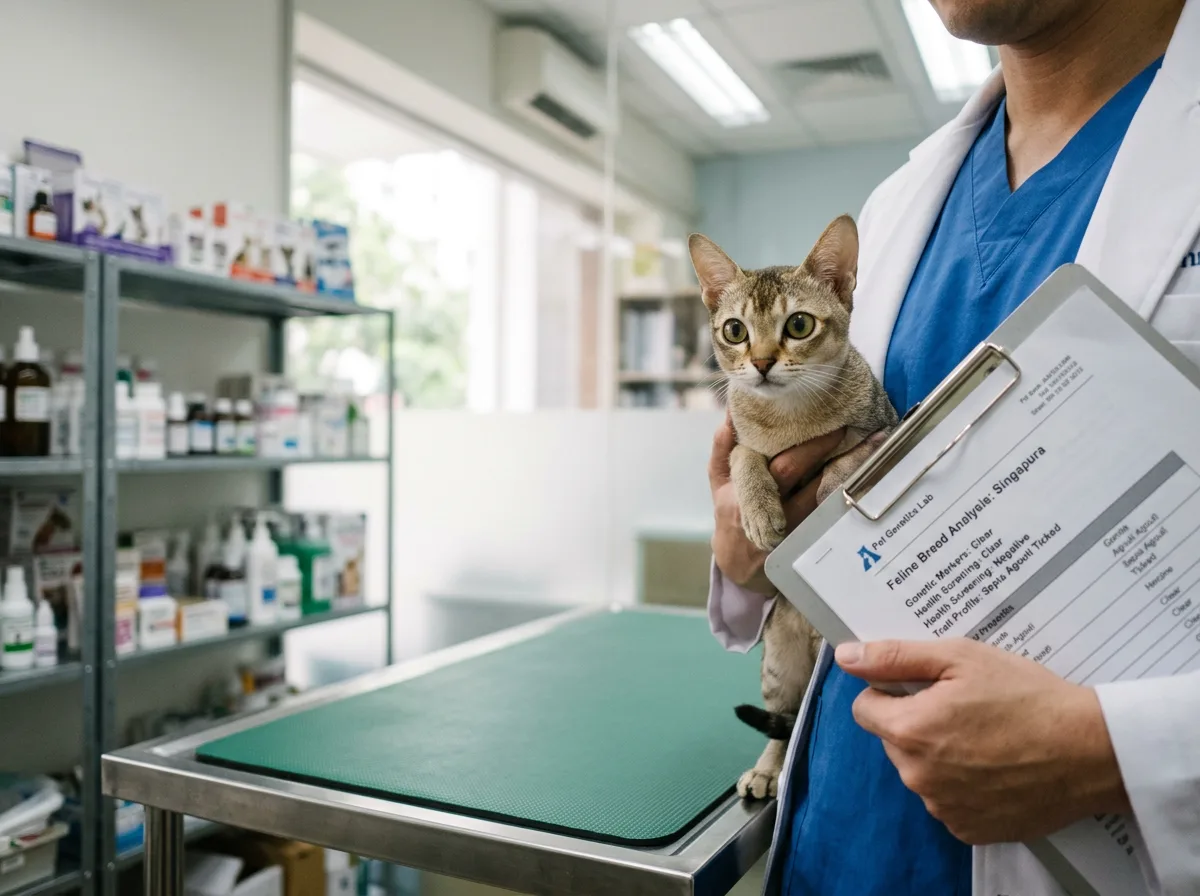
This is the genuinely good news. A DNA test for the PK deficiency variant exists and is widely available through veterinary genetics laboratories. TICA explicitly recommends genetic testing panels for Singapuras to check for known mutations including pKDef (the PK deficiency variant) and PRA (an eye condition). A responsible breeder screens both parents, and because the gene is recessive, a clear-by-parentage or test-clear pairing means the kittens cannot be affected.
For a buyer, the action is simple: ask to see the PK deficiency results for both parents before you commit. This one question does more to protect your future cat's lifespan than almost anything else you can do at the point of purchase. Cost and rarity factor into where you buy, and our Singapura cat price guide explains what a screened, ethically bred kitten typically costs.
A buyer's checklist for protecting lifespan at the source
Because so much of a Singapura's future health is decided before you ever bring it home, the breeder you choose is one of the most important lifespan decisions you will make. From a veterinary standpoint, a breeder worth buying from should be able to do all of the following without hesitation. They should show written DNA test results for pyruvate kinase deficiency on both parents, ideally from a recognized veterinary genetics laboratory. They should test for or be able to discuss progressive retinal atrophy, which sits on the same recommended panels. They should let you see the kittens with their mother in a clean home environment, provide an early veterinary health check and first vaccinations, and be transparent about the breed's small gene pool and how they manage it. A breeder who plans veterinary support for difficult births, rather than treating kittens as a cheap by-product, is a breeder whose cats are more likely to start life healthy. If a seller dodges these questions, offers an unusually low price, or cannot produce health records, walk away. The few hundred dollars you might save up front are nothing against years of veterinary bills and heartbreak from a poorly bred cat.
Breeding and Birthing: The Uterine Inertia Note
The second size related issue is reproductive and matters mainly to breeders, but every prospective owner should understand it because it shapes how ethically the breed is produced.

63-inch multi-level cat tree with scratch posts, hammock, plush perches, and dangling toys. Vertical territory is non-negotiable for high-energy climbing breeds like the Bengal.
Petful may earn a commission when you click through to Chewy, at no extra cost to you.
Because Singapura females are so small, they are prone to uterine inertia, a failure of the uterus to contract effectively during labor. Hill's Pet Nutrition and WebMD both flag this: uterine inertia is one of the most common causes of dystocia, or difficult birth, in cats, and in this breed weak labor contractions frequently mean a planned cesarean section is needed to deliver kittens safely.
- Difficult births raise the cost and risk of responsible breeding, which is part of why Singapuras are uncommon and not cheap. A breeder who prices kittens realistically and plans veterinary support for whelping is usually a breeder who is doing it right.
This is one reason the breed stays rare and why kittens are not inexpensive. It is also a reason to be skeptical of any "bargain" Singapura, since cutting corners on veterinary whelping support is both a welfare problem and a sign of a careless operation. Combined with the breed's naturally small litters and limited gene pool, the birthing challenge keeps Singapura numbers low and means ethical breeders cannot produce kittens quickly or cheaply. For owners, the practical takeaway is simple: a healthy Singapura starts with a breeder who treats whelping as a veterinary event, not a shortcut.
Other Health Conditions to Watch
Beyond PK deficiency and the birthing concern, the Singapura is generally a healthy, hardy breed. A few additional items belong on a vet's radar.
| Condition | What It Is | What an Owner Should Do |
|---|---|---|
| Pyruvate kinase deficiency | Inherited enzyme defect causing hemolytic anemia | Buy from a breeder who DNA tests both parents |
| Uterine inertia | Weak labor contractions in small females | Relevant to breeders; expect planned C-sections |
| Progressive retinal atrophy | Inherited degeneration of the retina | Ask about PRA genetic panel results |
| Dental disease | Plaque and gingivitis, common in all cats | Brush teeth and schedule routine dental checks |
| Obesity | Excess weight on a tiny frame | Measure food, weigh regularly, keep the cat lean |
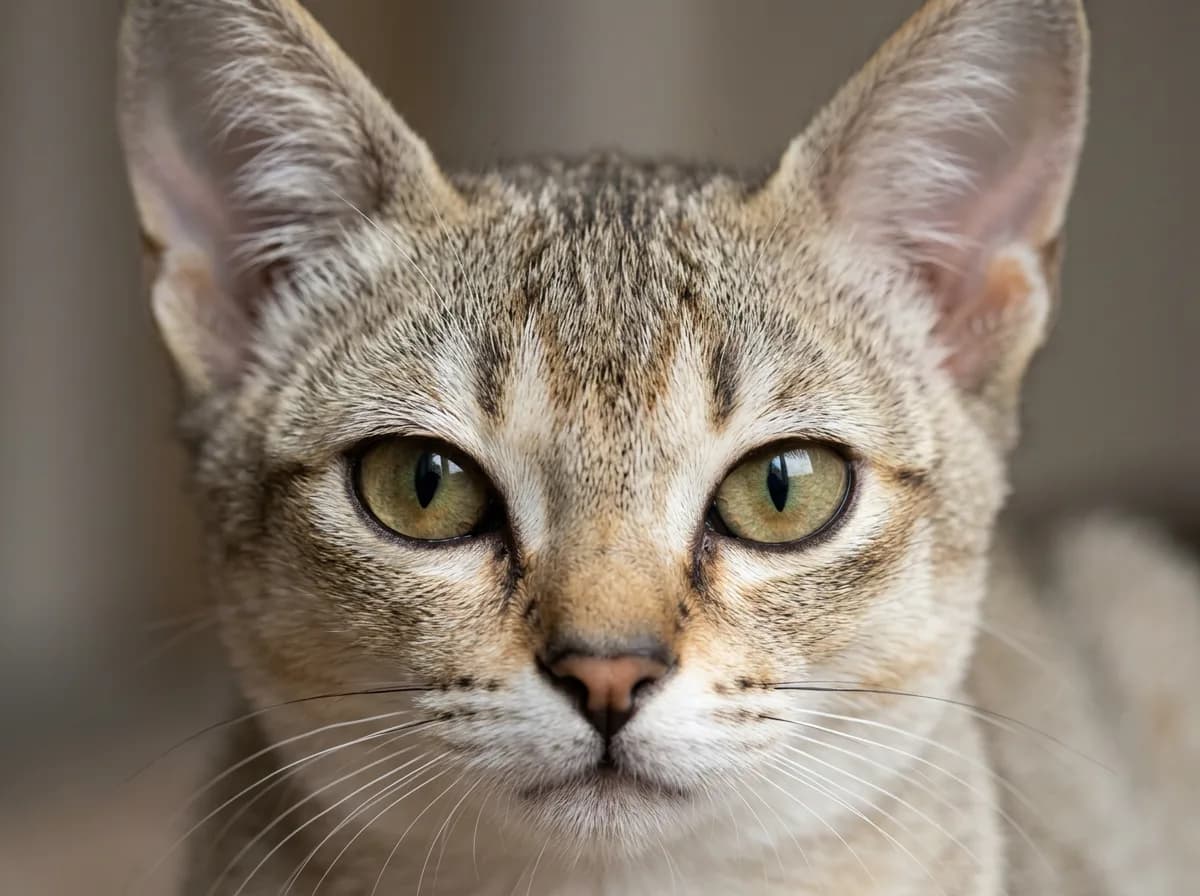
Progressive retinal atrophy (PRA) is included on the same genetic panels TICA recommends, so a breeder testing for PK deficiency can usually test for it at the same time. Dental disease and obesity are not breed specific, but on a cat this small both carry outsized consequences, so routine dental care and disciplined feeding pay off. Limited genetic diversity is a background concern the Governing Council of the Cat Fancy raises for the breed, which is another argument for buying from breeders who manage their lines carefully.
- Pale gums, yellow-tinged eyes or skin, sudden lethargy, or unexplained weight loss can signal anemia from PK deficiency and warrant a same-day veterinary visit, especially in a young Singapura.
 Sponsored
Vet care that's always there
Unlimited video calls and messaging with licensed vets for less than a typical vet visit. One membership covers up to five pets.
Use code Pets30
Plans start at $11/month · covers up to 5 pets
- Licensed vets in most states
- Rx for 150+ conditions
- 4.7 on Trustpilot
How to Maximize Your Singapura's Lifespan
The breed gives you a strong starting point. These habits push a Singapura toward the upper end of its range.
Keep your cat strictly indoors
Indoor cats consistently outlive outdoor cats, and the data is not close. Catsbest and other feline aging references put indoor cat life expectancy at 15 to 18 years, well above outdoor or stray cats that face traffic, predators, and infectious disease. For a small, trusting, people oriented cat like the Singapura, indoor life is both safer and a better fit for its temperament. A 4 pound cat is vulnerable to dangers a larger cat might survive, from cars to birds of prey to fights with neighborhood cats, and its friendly, unsuspicious nature makes it a poor candidate for fending for itself outdoors. If you want your cat to enjoy fresh air, a secure catio or harness training gives it the stimulation of the outside world without the risks that cut lifespans short.
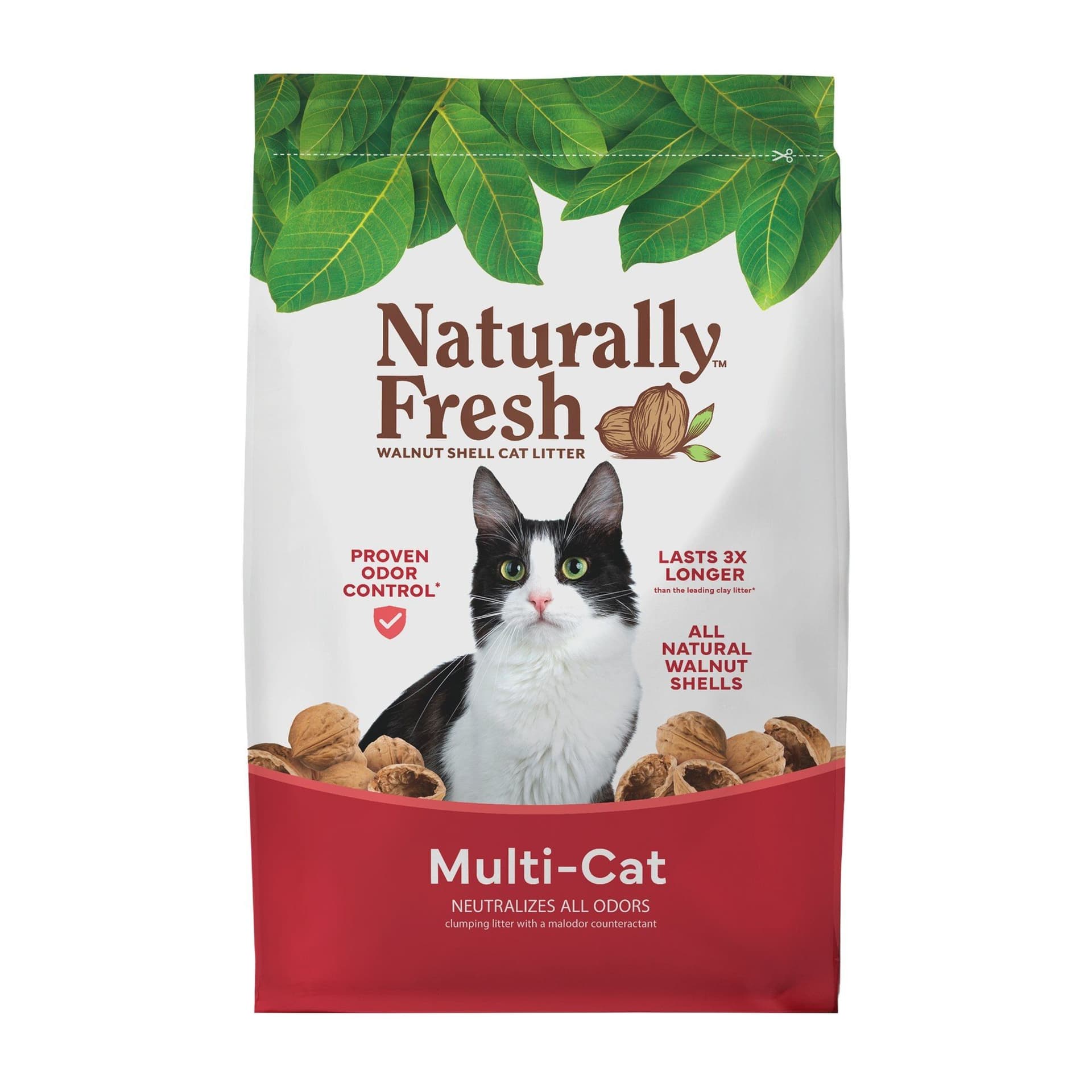
Walnut shell clumping cat litter that excels at odor control, lasts up to 3x longer than clay, and is a top pick for multi-cat households.
Petful may earn a commission when you click through to Chewy, at no extra cost to you.
Enrich the indoors so an indoor life stays a rich life
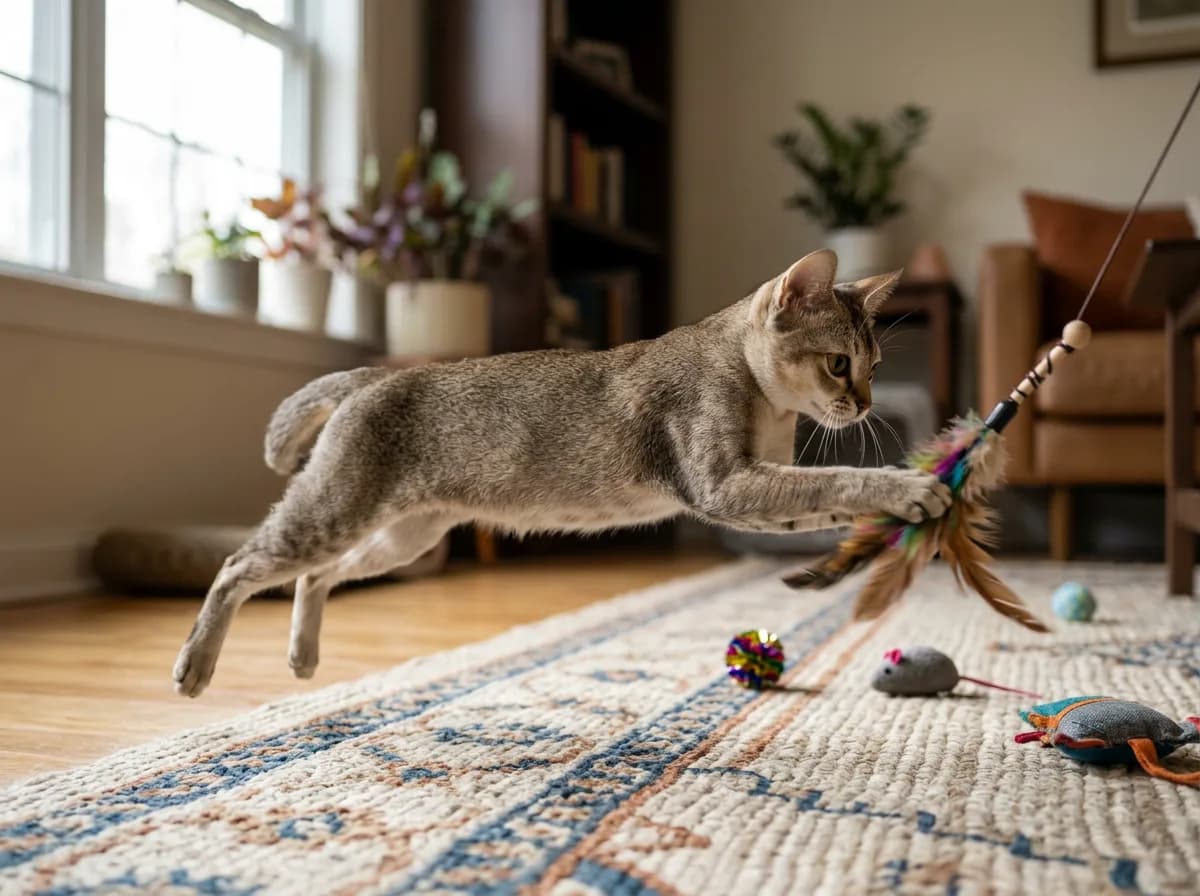
Keeping a Singapura inside only works if inside is interesting. This is a clever, active breed that will invent its own entertainment, not always to your liking, if you do not provide enough. Vertical space such as cat trees and shelves, daily interactive play with wand toys, food puzzles that make your cat work for part of its meal, and a rotating selection of toys all keep the body lean and the mind sharp. Mental and physical enrichment is not a luxury here: a bored, under-exercised cat is more likely to become overweight and stressed, both of which chip away at lifespan. Because Singapuras bond so closely with their people, simply spending interactive time with your cat each day is one of the most effective enrichment tools you have.
Feed for a lean body and the right life stage
On a 4 to 8 pound frame, portioning matters more than it does for most cats. Measure meals with an actual scoop or scale rather than free-pouring, choose a complete and balanced diet appropriate to your cat's life stage, and weigh your cat every few months so you catch creeping weight gain before it becomes a problem. Because the difference between a lean Singapura and an overweight one can be just a pound or two, the margin for error is small. Keeping a Singapura lean directly lowers its risk of diabetes, joint disease, and the kind of metabolic strain that shortens lives. If you are unsure how much to feed, your vet can calculate a daily calorie target based on your cat's ideal weight, which is a far more reliable guide than the broad ranges on a food bag. Fresh water should always be available, and many cats drink more readily from a wide bowl or a pet fountain, which supports the kidney health that matters so much in later years.
Stay ahead with veterinary care
Annual exams for adults and twice yearly exams for senior cats catch problems early, when they are cheapest and most treatable to address. Keep core vaccinations and parasite prevention current, and book a dental assessment as part of the routine. Early detection is the difference between a managed condition and an emergency. Cats are masters at hiding illness, an instinct left over from their wild ancestors, so by the time a cat looks unwell to you, a problem has often been brewing for a while. Routine bloodwork from middle age onward is how vets catch kidney disease, hyperthyroidism, and diabetes before they become crises. Our broader guidance on caring for active, intelligent breeds like the Abyssinian and the Oriental Shorthair overlaps closely with what a Singapura needs day to day.
Adapt the home as your Singapura ages
Reaching the senior years is the goal, and a few small changes help an older Singapura stay comfortable and active so those extra years are good ones. Provide soft, warm beds in easy to reach spots, since older joints appreciate warmth and dislike jumping. Switch to litter trays with a low entry so an arthritic cat does not have to climb. Keep food and water on the same floor your cat spends most time on, and watch closely for subtle changes such as drinking more, eating less, sleeping more deeply, or grooming less, all of which are worth a vet visit. Senior cats also benefit from a diet formulated for their life stage and, in some cases, from supplements your vet recommends. None of this is expensive or difficult, and it is exactly the kind of attentive care that helps a Singapura reach the upper end of its lifespan range in good shape.
Singapura Temperament and Why It Suits a Long Life
A long lifespan is only good news if those years are happy ones, and the Singapura delivers. The breed is famously playful, curious, affectionate, and people oriented, and it tends to stay kitten-like in energy well into adulthood. TICA describes Singapuras as extroverted, intelligent, and interactive cats that thrive on being involved in their owners' activities and get along well with other cats, dogs, and children.
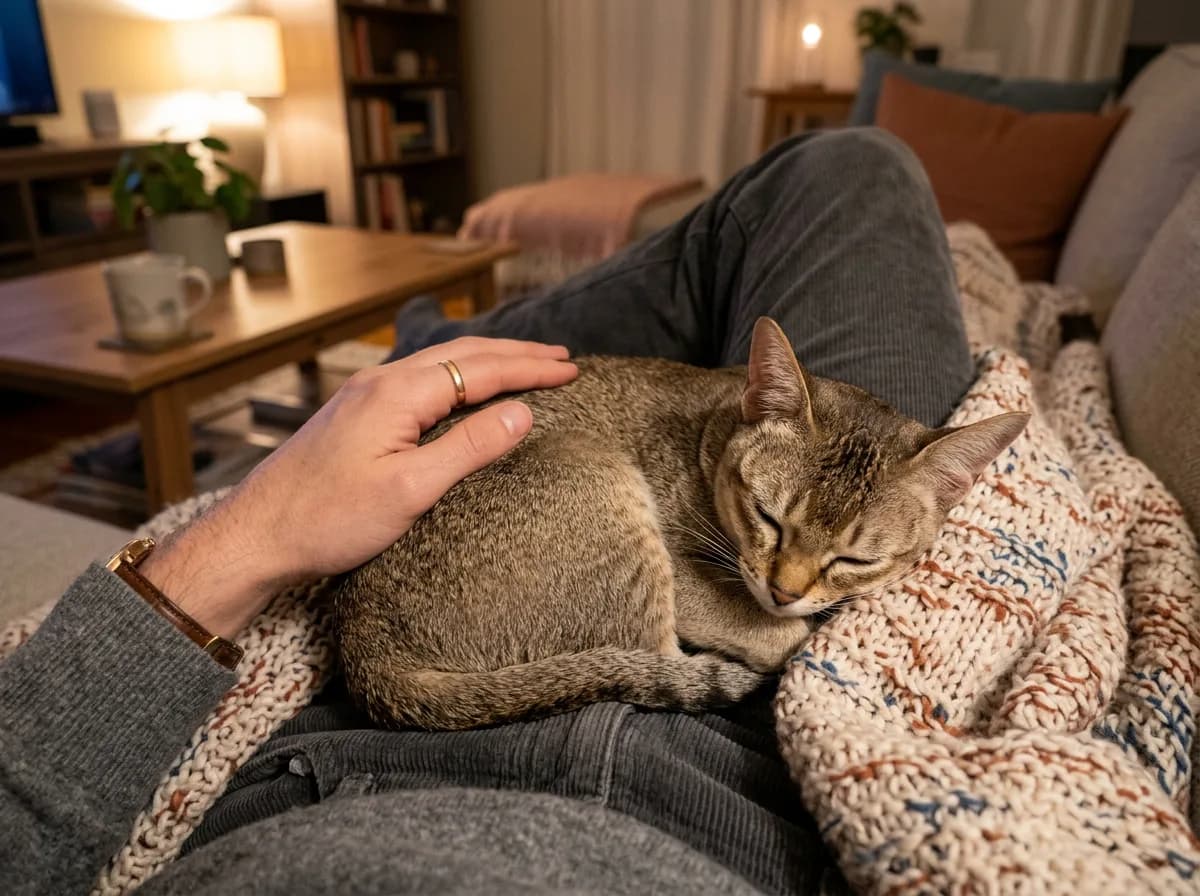
That sociability is part of why indoor life suits them so well: they would rather be with you than out roaming. They are not an aggressive breed. As Weenect notes, the Singapura's temperament is gentle and easygoing, and they rarely show aggression. If you want a similarly engaged and curious companion, the Burmese shares much of the Singapura's people-loving personality.

108-oz stainless steel pet fountain with quiet pump and water-level window. Bengals are notoriously water-obsessed; a flowing fountain encourages hydration and pulls them away from sinks and toilets.
Petful may earn a commission when you click through to Chewy, at no extra cost to you.
Are Singapura Cats Hypoallergenic?
This question comes up constantly with the Singapura, partly because its tiny single coat sheds so little that people assume it must be allergy friendly. The honest answer is no. No cat breed is truly hypoallergenic. The protein most people react to, Fel d 1, is produced in a cat's saliva and skin and spreads onto the coat during grooming, so it is present on every cat regardless of how much fur it sheds. Cats.com and PetMD are both clear that the Singapura is not considered hypoallergenic because its dander and saliva can still trigger allergies.
That said, the Singapura's very short, fine, low-shedding coat does mean it disperses less loose hair around a home than a heavy-coated breed, which some mildly sensitive owners find easier to live with. If you have a known cat allergy, spend time around an adult Singapura before committing, keep the home well ventilated and vacuumed, and talk to your doctor. A low-shedding coat reduces mess, but it is not a guarantee against an allergic reaction.
Origin: An Honest Look at a Disputed History
The Singapura's backstory deserves a straight telling because it is genuinely contested. The breed was brought to the United States by Hal and Tommy Meadow, who established a breeding program in 1975 with cats they said descended from Singapore street cats, often romantically called "drain cats." TICA accepted the breed in 1979 and CFA granted championship status in 1988.
Later, a CFA inquiry raised questions about whether the foundation cats were genuinely imported from Singapore or were derived from Burmese and Abyssinian stock already in the United States. A 2008 DNA study, cited by Cats.com, found little genetic difference between Singapura and Burmese cats, which fits that concern. None of this changes the cat in front of you, but it does explain the breed's limited genetic diversity and reinforces why careful, health tested breeding matters. Singapore itself has embraced the breed warmly, naming it a national mascot, the "Kucinta."
Frequently Asked Questions
A Singapura kitten from a reputable, health-testing breeder typically costs about 1,000 to 2,500 US dollars. The breed is uncommon and difficult to breed, which keeps prices toward the higher end for cats.
Singapuras are playful, curious, affectionate, and intensely people-oriented. They stay energetic and kitten-like into adulthood, are highly interactive, and get along well with other cats, dogs, and children.
Cats show affection through slow blinks, head bunting and cheek rubbing, kneading with their paws, purring, following you around, and presenting their belly. A people-oriented breed like the Singapura tends to do all of these freely.
Across the whole cat population, chronic kidney disease and cancer are leading causes of death in older cats, while trauma such as road accidents is a leading cause in younger outdoor cats. Keeping a cat indoors removes much of that early risk.
Very rare. It is one of the rarest pedigreed cat breeds in the world, consistently sitting near the bottom of registry popularity rankings. Difficult breeding and small litters keep numbers low worldwide.
The 3-3-3 rule is a guide to settling a newly adopted cat: roughly 3 days to decompress and hide, 3 weeks to learn your routine and start to relax, and 3 months to feel fully at home and bonded.
No. The Singapura (sometimes called the Singapore cat) is gentle and easygoing and rarely shows aggression. It is well suited to families with children, other cats, and even dogs.
Most cats dislike strong citrus, vinegar, and many essential oils such as eucalyptus, tea tree, peppermint, and citrus oils. Several of those oils are also toxic to cats, so avoid using them around your Singapura.
The Bottom Line
The Singapura cat lifespan of 11 to 15 years, often stretching to 16 to 18 indoors, makes this tiny breed a genuinely long term companion. The single most important thing you can do is buy from a breeder who DNA tests for pyruvate kinase deficiency, because that one inherited blood disorder is the breed's main longevity threat and is entirely screenable. Add a strictly indoor life, a lean body, and routine veterinary care, and most Singapuras will reward you with well over a decade of bright, busy, affectionate company. To go deeper on the breed itself, start with our full Singapura cat breed guide and Singapura cat size explainer.
BVMS, MRCVS
Dr. Pippa Elliott, BVMS, MRCVS, is a veterinarian with nearly 30 years of experience in companion animal practice. Dr. Elliott earned her Bachelor of Veterinary Medicine and Surgery from the University of Glasgow. She was also designated a Member of the Royal College of Veterinary Surgeons. Married with 2 grown-up kids, Dr. Elliott has a naughty Puggle named Poggle, 3 cats and a bearded dragon.
Sign up for expert-backed reviews and safety alerts all in one place.