Singapura Cat Price: Full Cost Breakdown for 2026
What does a Singapura really cost? Get the full 2026 breakdown: breeder prices from $1,200 to $4,000, first-year and monthly costs, adoption odds, and how to spot a reputable Singapura breeder before you pay a deposit.
Petful is reader supported. As an affiliate of platforms like Amazon and Chewy, we may earn a commission when you buy through links on this page. There is no extra cost to you.
The typical Singapura cat price from a reputable breeder runs $1,200 to $2,500 for a pet-quality kitten, with premier show lines reaching $4,000, according to current breeder listings and the Cat Fanciers Association (CFA), which recognized the breed for championship in 1988. The Singapura is the smallest domestic cat breed in the world, and that rarity is exactly why it carries a higher sticker price than most cats. The CFA notes the breed remains uncommon, with global registries like FIFe ranking it 44th of 54 breeds, so litters are small and waiting lists are normal. Before you fall for those huge saucer eyes, it helps to know what you are really paying for, what the first year costs, and how to spot a breeder worth your deposit.
- 1A pet-quality Singapura kitten costs $1,200 to $2,500 from a reputable breeder, with top show lines up to $4,000
- 2First-year ownership (kitten plus setup plus vet care) usually lands around $2,500 to $4,500 all in
- 3Adoption is rare for this breed but costs only $75 to $300 when a Singapura turns up in rescue
- 4Ongoing care runs roughly $50 to $120 per month, lower than many breeds because the cat is tiny and short-coated
The Singapura packs a lot of personality into 4 to 8 pounds. It is people-oriented, endlessly curious, and stays kitten-like for years, which is part of why enthusiasts happily pay a premium and join a waitlist. This guide walks through every number you should budget for, why the price sits where it does, the honest case for adoption versus a breeder, and the green flags and red flags that separate an ethical breeder from a kitten mill.

Sign up for expert-backed reviews and safety alerts all in one place.
How Much Does a Singapura Cat Cost?
There is no single Singapura cat price, because what you pay depends on the breeder, the kitten's quality, its sex, and how long the waitlist is. Still, the live market clusters into a clear range. Most reputable US breeders price pet-quality kittens between $1,200 and $2,500, while show and breeding-quality cats from premier lines climb toward $4,000.
Here is how the major sources line up in 2026:
| Source | Quoted Price | What It Covers |
|---|---|---|
| Reputable breeder (typical) | $1,200 to $2,500 | Pet-quality kitten, vaccinated, often spayed or neutered |
| Premier show line (Singville Cattery) | $4,000 | Includes spay or neuter plus first-year vaccinations |
| Lower-end breeder | $800 to $1,500 | Pet-quality, fewer inclusions |
| Adoption or rescue | $75 to $300 | Standard fee covering vetting and microchip |
| Quora owner report (off-color kitten) | $450 | Discounted because the coat darkened beyond standard |
PetMD reports that Singapura kittens "typically start at $2,500 each from a reputable breeder," which sits at the top of the common band and reflects the breed's scarcity. Cats.com lists a tighter $1,500 to $2,000, and Litter-Robot quotes $800 to $1,500 from reputable breeders. The spread is normal for a rare breed: a single high-demand cattery can set the ceiling, while a smaller hobby breeder placing a pet-quality kitten sits lower.
- The Singapura has small litters, a tiny gene pool, and high demand, so reputable breeders rarely produce many kittens a year. Scarcity plus genetic testing plus early vet care is what pushes the price above an average mixed-breed cat.
What Drives the Price Up or Down
Several real factors move a Singapura cat price within that range, and knowing them helps you read a breeder's listing.
Sex matters more than usual here. Females stay the smallest, and because miniature size is the breed's signature, female kittens often cost slightly more than males. The CFA breed standard lists males at roughly 6 to 7 pounds and females at just 4 to 5 pounds.
Pedigree and coat quality are the biggest levers. The Singapura is recognized in only one color, sepia agouti: dark-brown ticking on a warm old-ivory ground. A kitten with crisp, even ticking and the correct ground color costs more than one with minor color faults. One owner on Quora reported paying just $450 because their kitten grew darker than the standard allows, which is a clear example of how coat quality discounts a price.
Never Scoop Again® with the Whisker Litter-Robot, the smart self-cleaning automatic litter box. Monitor visits and track weights for better overall care in the Whisker® app. Multi-cat friendly.
Petful may earn a commission when you click through to Whisker, at no extra cost to you.
Breeder inclusions also explain gaps between catteries. High-end breeders bundle genetic testing, initial vaccinations, and a mandatory spay or neuter into the base price, so a $4,000 kitten is not simply marked up: it arrives already vetted and altered.
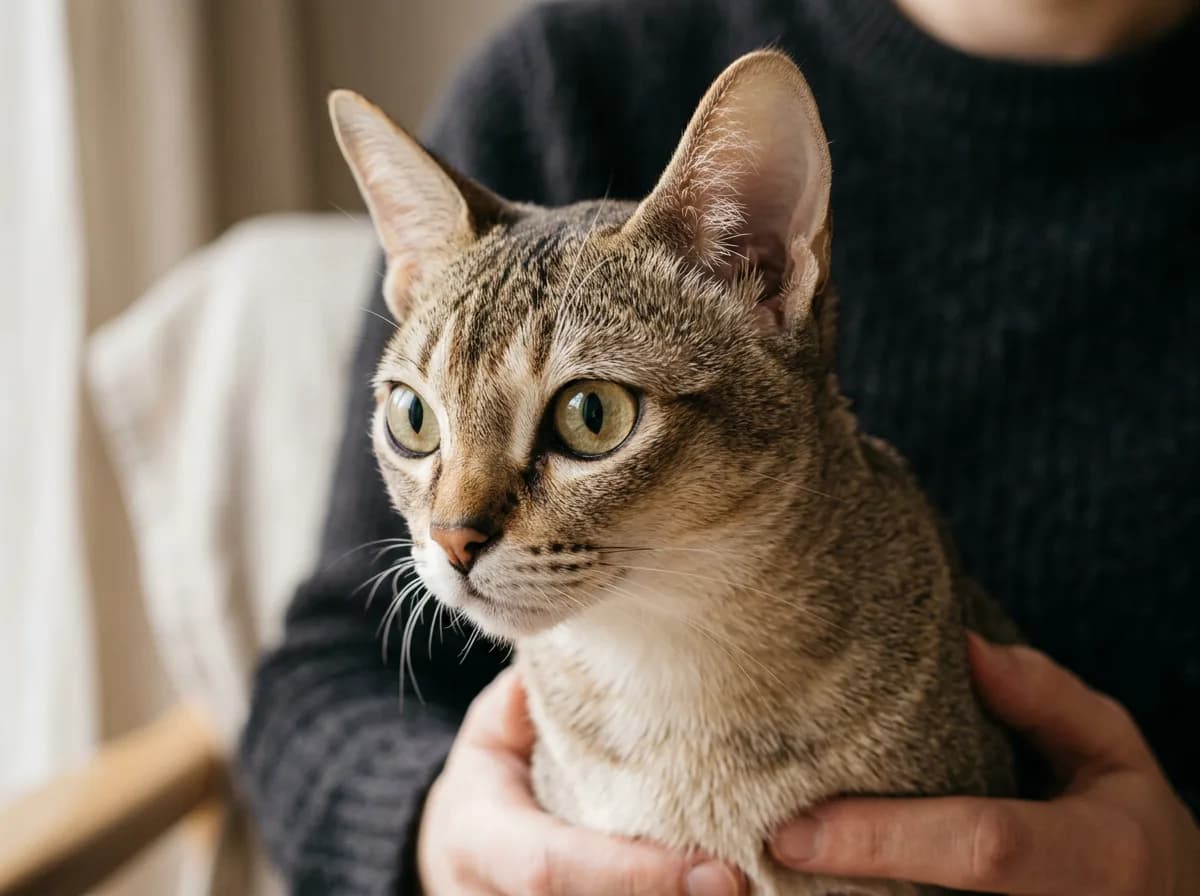
Does Location Change the Price?
Buyers often search for a Singapura cat price near California, Texas, or simply near me, and location does nudge the number, though less than you might think for a national-waitlist breed. Because so few catteries exist, most buyers ship a kitten in from another state rather than finding one locally, so the kitten price stays roughly national: $1,200 to $2,500 from a reputable breeder almost anywhere in the US.
Where location actually bites is in the add-ons. Shipping or ground transport of a kitten can add $200 to $600 depending on distance and method, and a courteous breeder will arrange safe transport rather than hand a kitten to a random carrier. Local cost of living also shifts your ongoing budget: spay or neuter, vaccines, and routine vet visits cost noticeably more in high-cost metros like the San Francisco Bay Area or coastal cities than in lower-cost regions. Two buyers can pay the same $2,000 for the kitten and still see a few hundred dollars of difference in their first-year total purely from local vet rates and transport.
- Do not expect a discount just because you live near a big city. With so few Singapura breeders nationwide, you are shopping a national waitlist, not a local one. Judge a breeder on health testing and ethics first, distance second.
First-Year Cost of Owning a Singapura
The kitten price is only the entry fee. Your first 12 months include one-time setup gear and front-loaded vet care on top of the purchase. Because the Singapura is tiny and short-coated, the supply side is mercifully cheap compared with large or long-haired breeds, but the early vet bills are similar to any kitten.
| Expense | Low Estimate | High Estimate |
|---|---|---|
| Kitten from breeder | $1,200 | $2,500 |
| One-time setup (carrier, litter box, scratchers, beds) | $200 | $500 |
| Spay or neuter (if not included) | $200 | $400 |
| Initial vet exam | $50 | $100 |
| Kitten vaccination series | $70 | $250 |
| Microchip | $40 | $50 |
| First-year food, litter, and toys | $500 | $1,000 |
Add it up and a realistic first-year total runs roughly $2,500 to $4,500 when the kitten itself is included, depending on whether your breeder already spayed, neutered, and vaccinated. If you buy a premier $4,000 kitten that arrives fully altered and vaccinated, your add-on costs shrink because the breeder already absorbed them.
- Before you compare two kittens by price alone, ask each breeder whether spay or neuter, the full vaccine series, microchipping, and genetic testing are baked in. A $2,500 kitten that includes all of that can be cheaper overall than a $1,500 kitten that includes none of it.
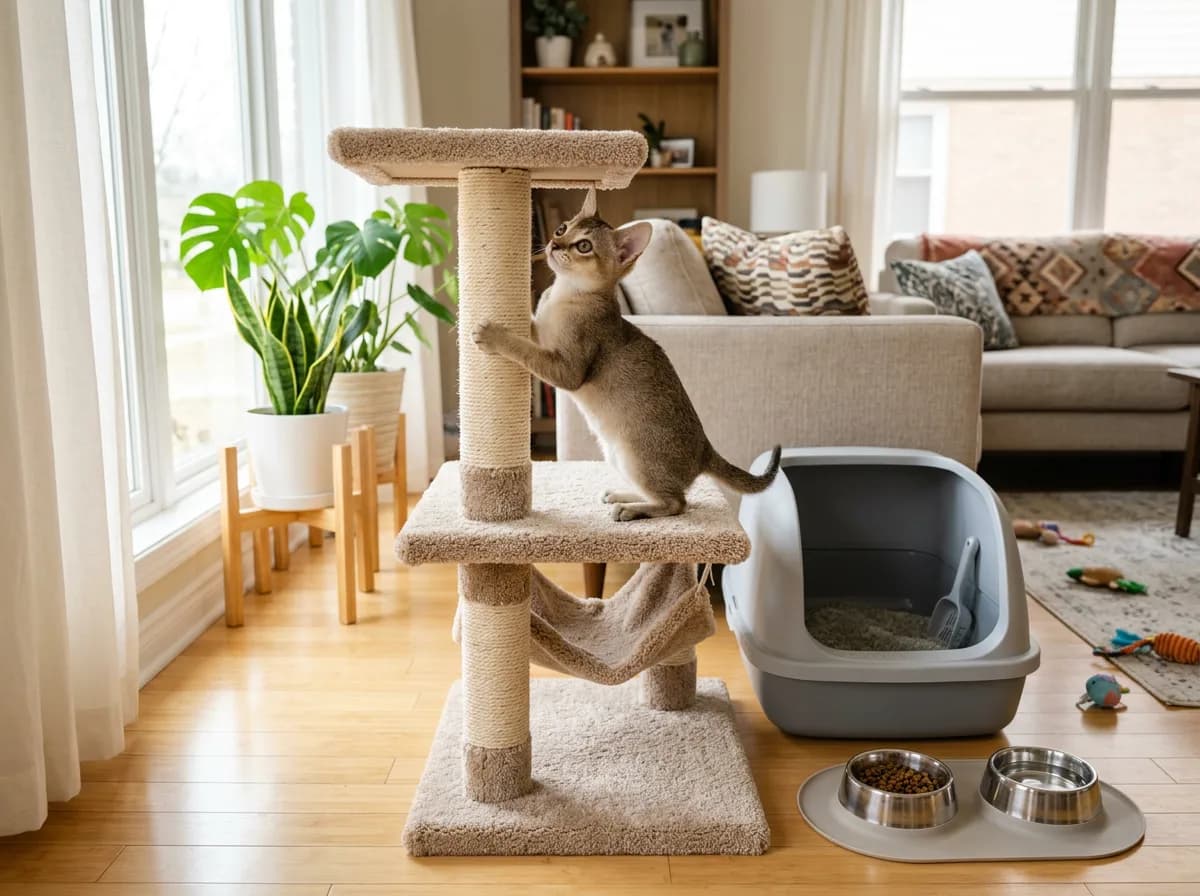
One-time setup for a Singapura is modest. The cat is small, so you do not need oversized furniture, and the short, fine coat means grooming gear is minimal: a soft brush and nail clippers cover it. Budget more for vertical space and interactive toys than for grooming, because this is an athletic, climbing, attention-hungry breed.
A practical first-year shopping list looks like this: a hard-sided carrier ($30 to $60), one or two litter boxes ($20 to $50), a quality scratching post or compact cat tree ($40 to $120), food and water bowls ($15 to $30), a starter supply of food ($40 to $80), a bed or two ($20 to $50), and a rotation of puzzle and chase toys ($30 to $60) to keep a bored Singapura out of trouble. None of it is exotic, but it adds up to the $200 to $500 setup figure, and skimping on enrichment with this breed usually backfires into chewed cords and counter-surfing. If you already own cats, you can reuse most of it and your true setup cost drops toward the low end.
Ongoing and Lifetime Costs
Once the kitten is settled, monthly costs settle too. Estimates range from about $40 to $120 per month depending on food quality and where you live, with Hepper pegging a healthy Singapura at "just over $100 per month." Because the breed weighs only 4 to 8 pounds, it eats less than a large cat, which keeps food and litter costs on the low side.
| Category | Monthly | Annual |
|---|---|---|
| Food (quality wet and dry) | $25 to $55 | $300 to $660 |
| Litter | $15 to $30 | $180 to $360 |
| Routine and preventive vet care | $10 to $30 | $120 to $360 |
| Toys, treats, and enrichment | $5 to $15 | $60 to $180 |
Across a 11 to 15 year lifespan (Hill's Pet notes a life expectancy of eleven to fifteen years, with some cats reaching eighteen), routine ownership adds up to roughly $9,000 to $20,000 beyond the purchase price, before any major medical events. Pet insurance for a small, generally healthy breed is relatively affordable and worth pricing out, especially given the breed's known genetic concerns below.
- The Singapura carries a known risk of pyruvate kinase deficiency (PK deficiency), an inherited hemolytic anemia, and a DNA test exists for it. A responsible breeder tests their breeding cats. If yours did not, ask your vet about screening, and factor potential treatment into your long-term budget.
The Singapura is generally robust, a trait the CFA attributes to its street-cat ancestry, but no rare breed is risk-free. Beyond PK deficiency, breeders also watch for progressive retinal atrophy and, in breeding females, uterine inertia (difficulty giving birth) tied to the breed's small size. For a pet owner, the practical takeaways are simple: buy from a breeder who screens, and keep a small emergency fund for the breed's specific risks. If you want the bigger lifestyle picture, our Singapura cat breed guide covers temperament and care in depth, and the Singapura size guide explains why this tiny cat needs less food and gear than most.
Insurance and Emergency Costs
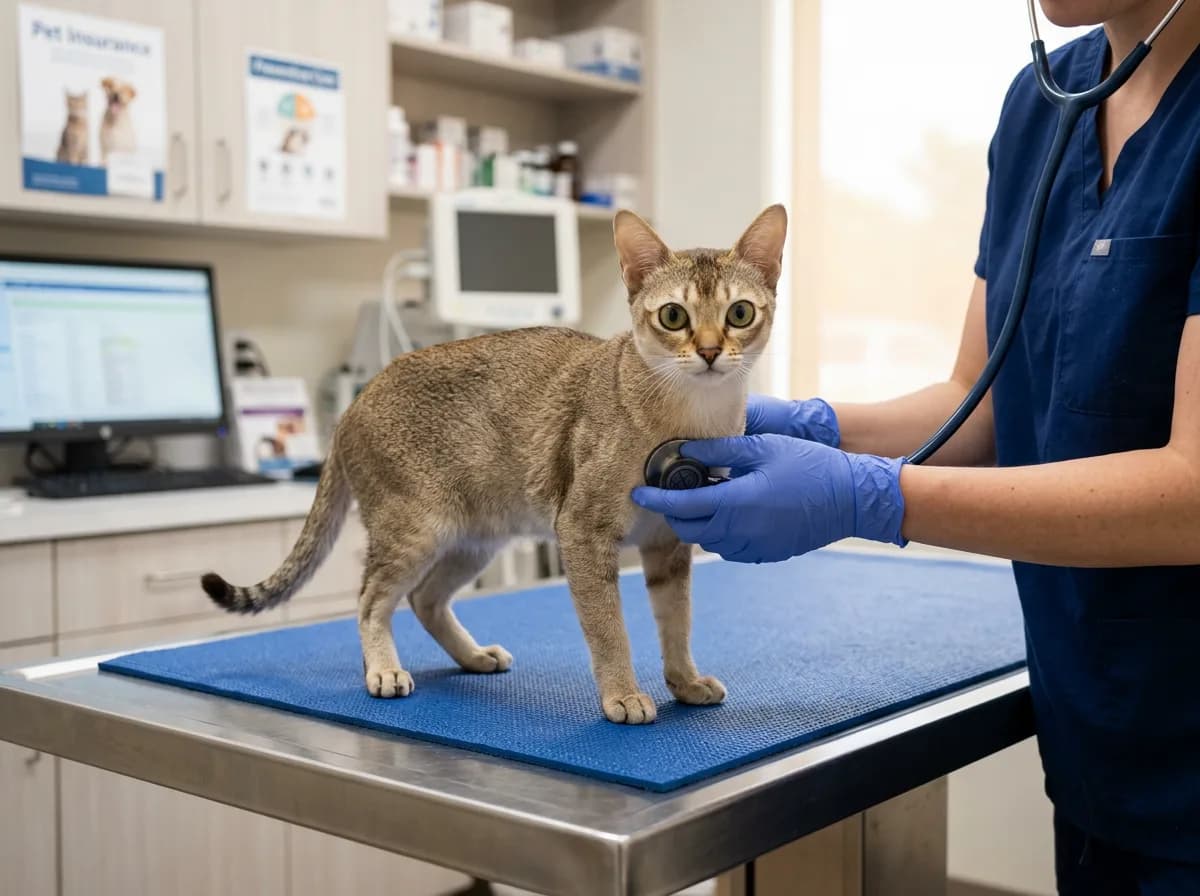
The numbers above cover routine ownership, but the line item that wrecks budgets is the unexpected one. A single emergency vet visit for something like a blocked urinary tract, a swallowed object, or a sudden illness can run $500 to $3,000 or more, and a chronic condition managed over years costs far beyond that. This is where the breed's genetic profile matters: PK deficiency can require ongoing monitoring, and progressive retinal atrophy, while not painful, signals the kind of inherited risk that makes early insurance worthwhile.
Pet insurance for a Singapura is comparatively affordable because the cat is small and the breed is generally healthy. Expect roughly $15 to $40 per month for an accident-and-illness policy, depending on your state, the deductible, and the reimbursement level you choose. Enrolling while the cat is a young, healthy kitten locks in the lowest premium and avoids pre-existing-condition exclusions, which is the single biggest reason to buy a policy in year one rather than after a scare. If you skip insurance, the disciplined alternative is a dedicated savings buffer of at least $1,000 to $2,000 set aside before a crisis, not after.
- The cheapest way to own a Singapura is to prevent expensive problems, not to cut corners on care. Buying from a screening breeder, insuring early, and keeping up with preventive vet visits costs less over 15 years than gambling on a bargain kitten and a single avoidable emergency.
Adoption vs. Breeder: Which Makes Sense?
For most rare breeds the math is lopsided, and the Singapura is no exception. Buying from a breeder costs $1,200 to $2,500 or more; adopting, when a Singapura is available, costs only $75 to $300. Adopt a Pet reports adoption fees "around $75 to $150," and shelter or rescue fees typically cover vaccinations, microchipping, and sometimes spay or neuter, which makes adoption a genuine bargain when it is possible.

63-inch multi-level cat tree with scratch posts, hammock, plush perches, and dangling toys. Vertical territory is non-negotiable for high-energy climbing breeds like the Bengal.
Petful may earn a commission when you click through to Chewy, at no extra cost to you.
The catch is availability. The Singapura is one of the rarest breeds in the world, so purebred examples almost never appear in shelters. Petfinder maintains a Singapura listing, and breed-specific rescues exist, but you may wait a long time and still find mostly mixes. If your heart is set on a verified, pedigreed Singapura with health testing, a reputable breeder is usually the only reliable path.
- Adoption saves thousands and gives a cat a home, but a purebred Singapura rarely lands in rescue. A breeder costs far more but guarantees pedigree, health screening, and a kitten that matches the breed standard. Decide which matters most to you before you start hunting.
If you are open to a similar small, active, people-loving breed, adoption odds improve when you widen your search. The Abyssinian shares the Singapura's ticked coat and busy personality, and the Burmese brings the same affectionate, dog-like attachment. Both appear in rescue far more often than Singapuras do.
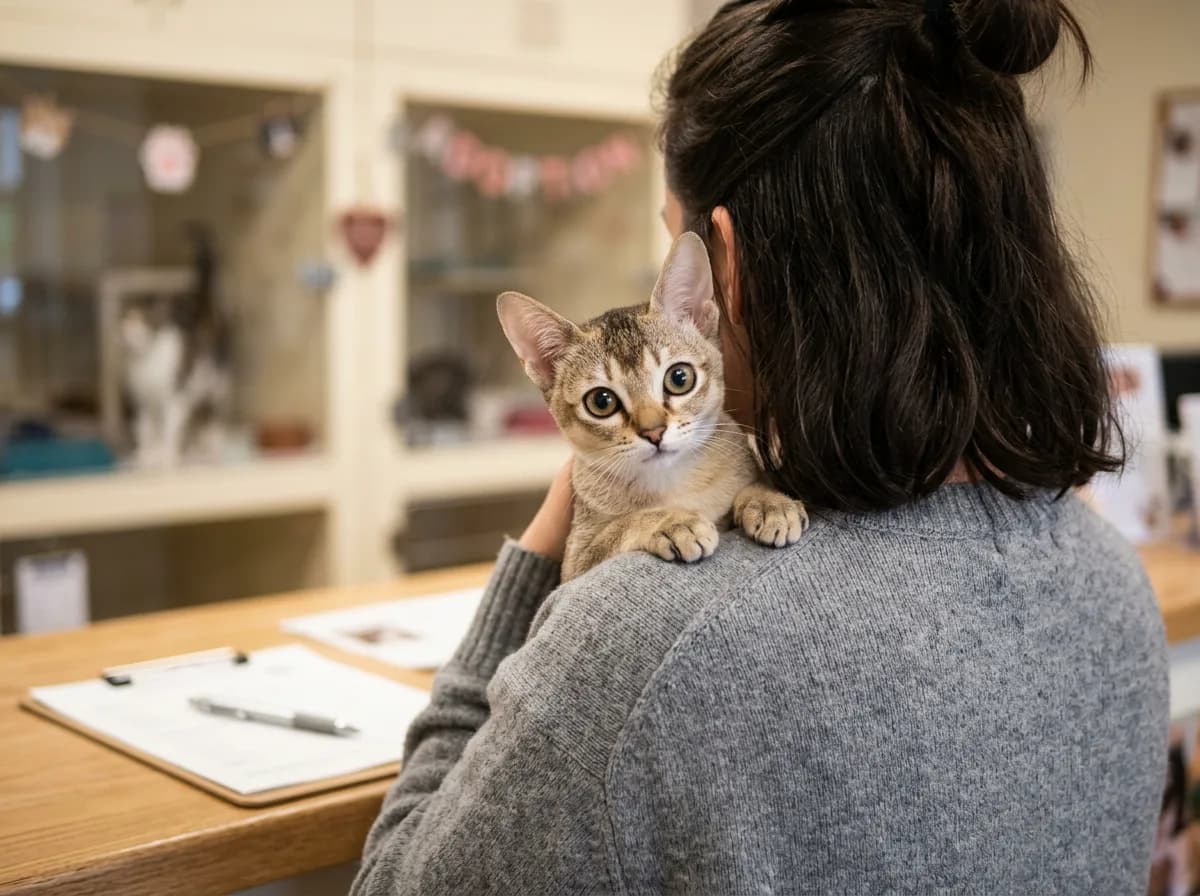
How to Find a Reputable Singapura Breeder
Because you are likely buying rather than adopting, your single most important cost-control move is choosing the right breeder. The wrong one wastes a deposit and risks a sickly or off-standard kitten; the right one delivers a healthy, well-socialized cat that matches what you paid for. This is a buyer's guide, not a listings page, so here is how to vet a breeder yourself.
Green Flags to Look For
Start with registration and testing. A serious Singapura breeder registers with the CFA or TICA and breeds to the standard, which means sepia agouti coloring, the correct large eyes and ears, and the small, muscular build. They perform genetic testing, screen for progressive retinal atrophy, and can tell you the PK deficiency status of their lines.
Look for transparency and care. Good breeders raise kittens underfoot in the home, not in cages, let you see the mother and the living conditions, provide a written health guarantee and a contract, and ask you as many questions as you ask them. They will not release a kitten before about 12 weeks, when it is fully weaned, litter-trained, and vaccinated.
- For a breed this rare, a reputable breeder almost always has a waitlist and small, infrequent litters. A cattery with kittens always in stock, no questions for you, and a push to ship fast is a warning sign, not a convenience.
Red Flags to Avoid
Walk away from any seller who will not show you the parents or the home, has no health testing or written guarantee, offers suspiciously cheap kittens, pressures a fast deposit, or always has kittens available. Marketplace listings and "for sale" pages that read like classified ads, rather than a breeder relationship, are where buyers most often get burned. The cheapest Singapura is rarely the best value once a vet bill arrives.
A smart final step is to confirm the breeder against an independent referral source. The CFA breeder referral program and breed clubs list catteries in good standing, and breed-specific rescues can often vouch for ethical local breeders. For more on choosing a small, lively breed and what to expect day to day, the Oriental Shorthair guide and the Munchkin cat guide are useful comparisons for buyers weighing distinctive small cats.
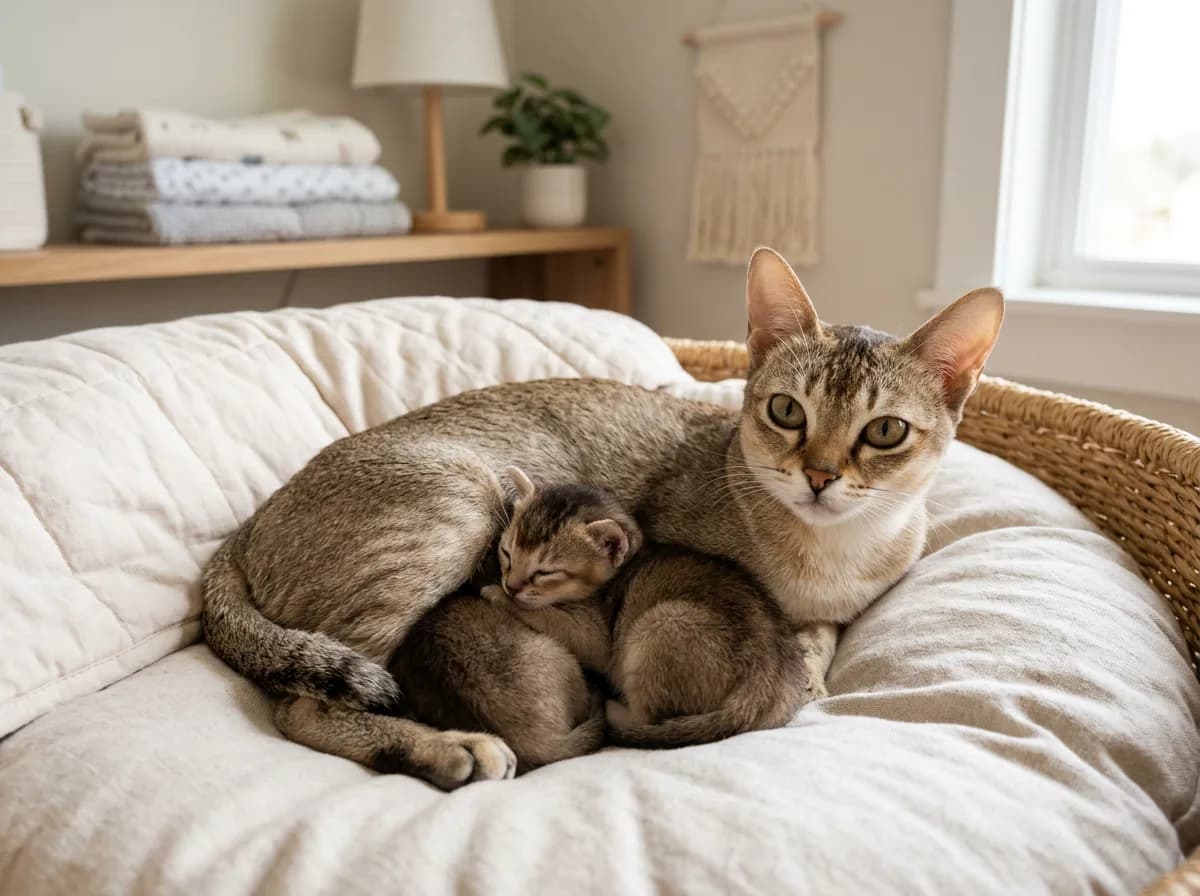
Is a Singapura Worth the Price?
For the right owner, yes. You are paying a premium for genuine rarity, a sweet and bossy personality, a cat that stays small and kitten-like for life, and a generally healthy breed when sourced responsibly. You are not paying for a hypoallergenic cat (the Singapura is not hypoallergenic) or for a low-attention pet, because this breed demands company and gets bored alone.
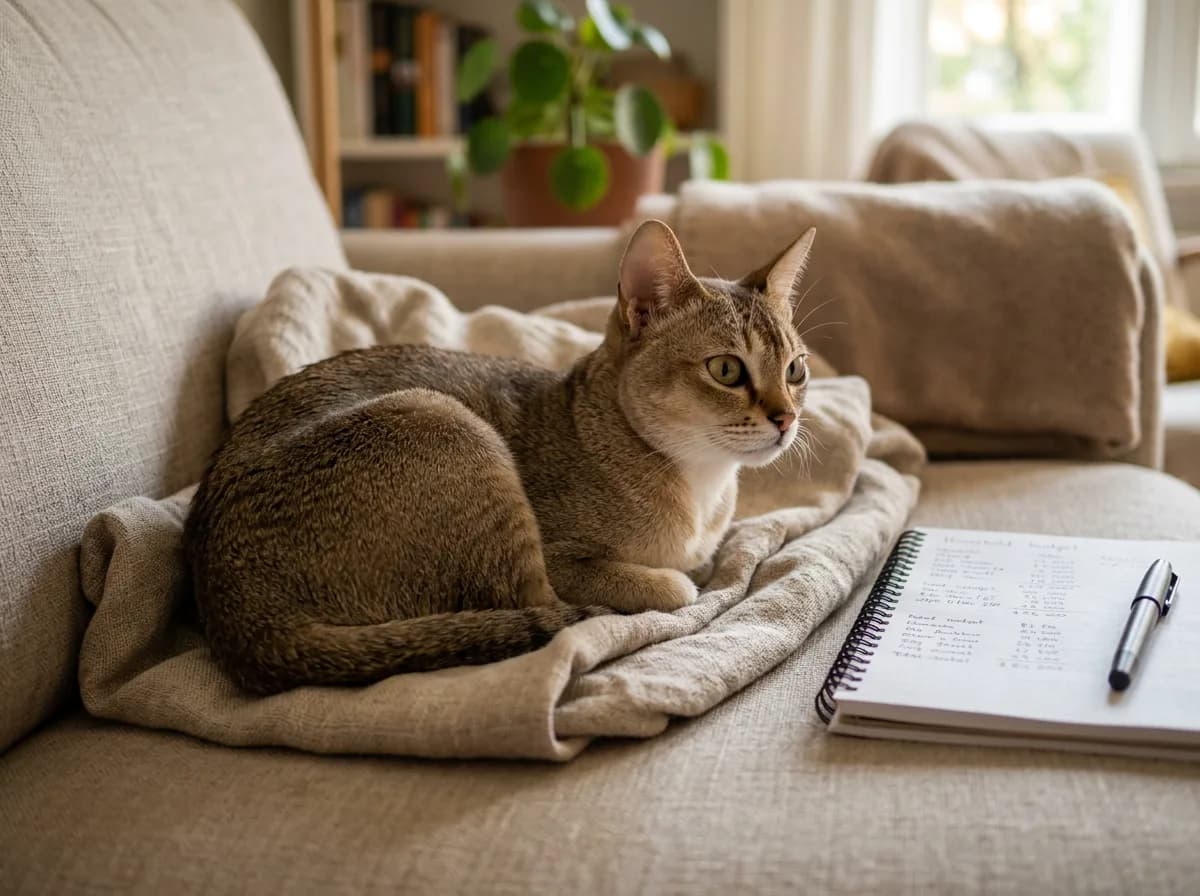
If the price and the waitlist feel steep, remember the trade: a Singapura's small size keeps lifetime food, litter, and supply costs low, which softens the high entry price over a 12 to 15 year span. The biggest variable is not the monthly budget; it is the upfront kitten cost and whether you source from a breeder who screens for the breed's genetic risks. Get that right, and the Singapura cat price buys you a healthy, devoted companion that punches far above its weight.
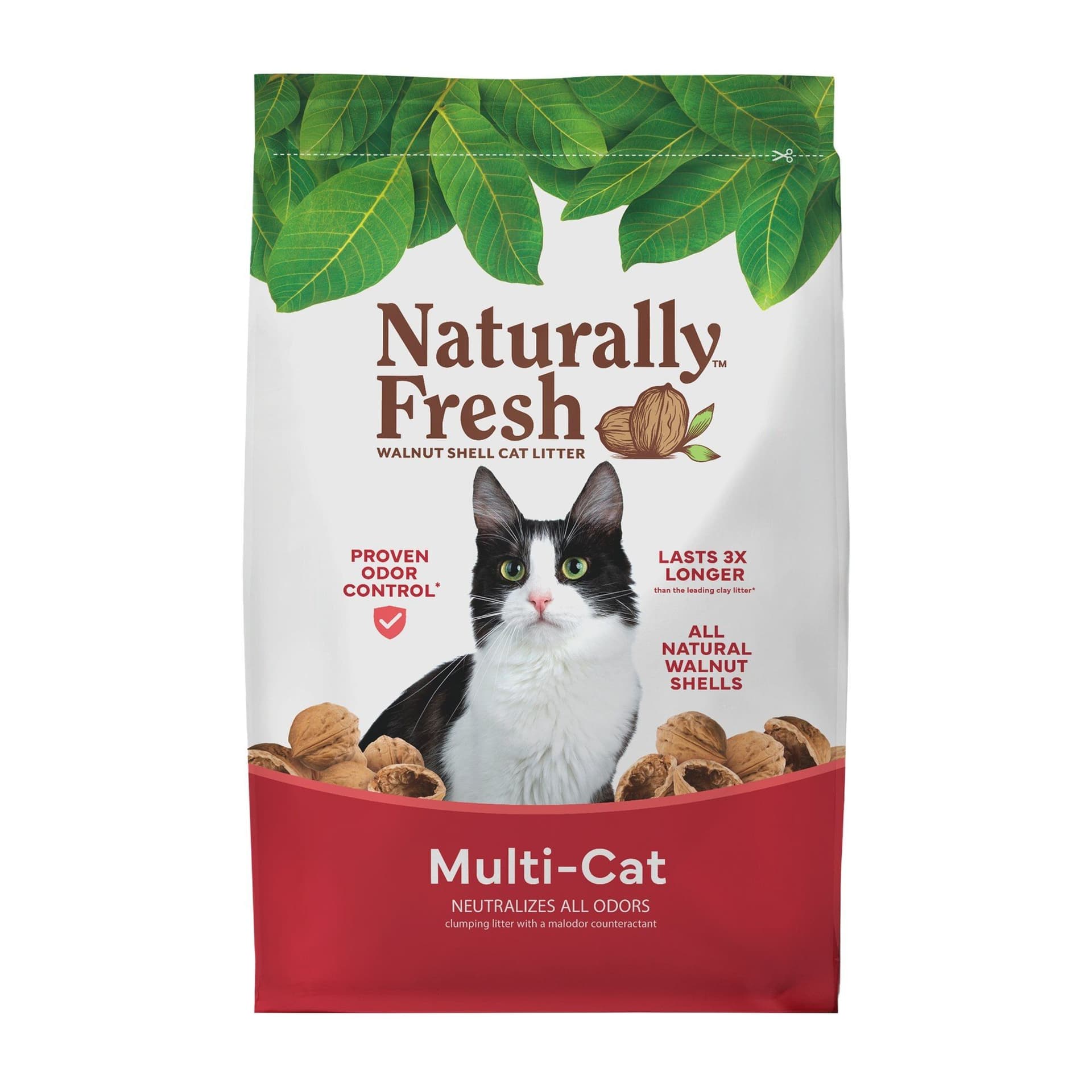
Walnut shell clumping cat litter that excels at odor control, lasts up to 3x longer than clay, and is a top pick for multi-cat households.
Petful may earn a commission when you click through to Chewy, at no extra cost to you.
It also helps to see where the Singapura sits among other breeds. Its $1,200 to $4,000 range puts it well above a shelter cat but far below the wild-hybrid tier: an early-generation Savannah can cost $10,000 to $50,000, and Bengals and other exotics routinely run several thousand. Against fellow pedigreed companions like the Abyssinian, Burmese, or British Shorthair, the Singapura prices similarly, so you are not paying a wild premium for the breed itself, you are paying for its rarity and small size. For a buyer who specifically wants the world's smallest cat with a big, sociable personality, that is a fair deal. For a buyer who mostly wants a friendly, low-maintenance cat and is flexible on breed, adoption or a more common pedigree will stretch the same dollars much further.
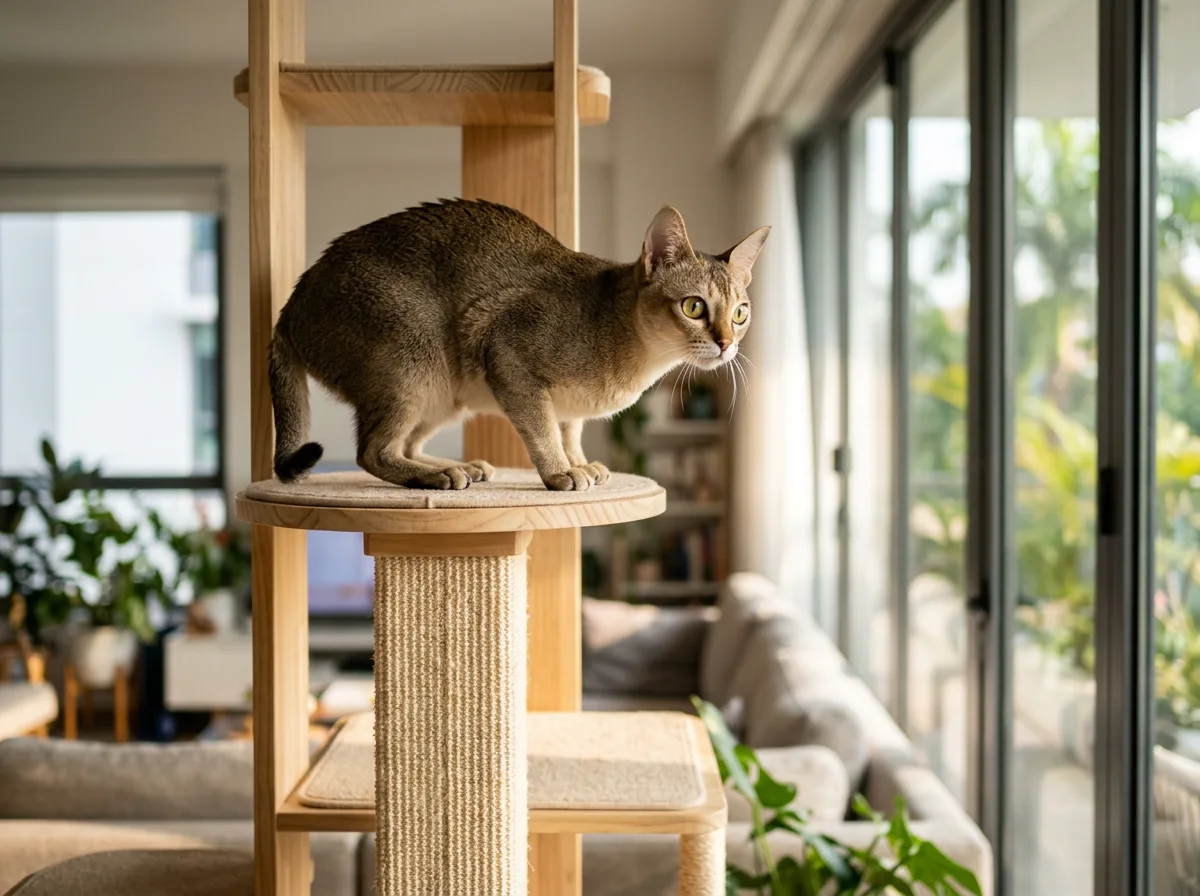
What Actually Drives a Singapura Cat Price
When you compare two listings and one cattery asks $1,400 while another asks $3,800 for what looks like the same kitten, the gap is not random. A handful of concrete factors set every Singapura cat price, and once you can name them you can judge whether a number is fair or inflated.
Rarity and small litters sit at the base of everything. The Singapura is the smallest domestic cat breed and one of the least numerous, and litters tend to run small, often just two to four kittens, with some queens producing only a single kitten. A breeder who places a handful of kittens a year cannot spread the cost of health testing, stud fees, vet care, and registration across dozens of sales the way a high-volume breeder of a common breed can, so each kitten carries more of that overhead. Scarcity is not a marketing trick here, it is arithmetic.
Pedigree and titles raise the ceiling. A kitten descended from grand champions or regional winners costs more than one from untitled but health-tested parents, because show success signals that the line reliably produces cats that match the standard. If you only want a companion, you do not need a champion pedigree, and paying for one is optional. If you intend to show or breed, that lineage is exactly what you are buying.
Show quality versus pet quality is the single clearest divider. Breeders grade kittens against the sepia agouti standard: ticking evenness, ground color, eye shape and size, ear set, and overall type. A pet-quality kitten with a small cosmetic fault (a slightly off ground tone, a touch of barring on the legs) is healthy and lovely but priced lower, often $1,200 to $2,000. A show-quality kitten that could compete and win commands the top of the range. The off-color Quora kitten that sold for $450 is the floor of this same logic: a coat that drifts outside the standard drops the price sharply even though the cat is perfectly sound.
Breeder reputation and ethics also move the number, and in the right direction. A long-established cattery that health-tests every breeding cat, raises kittens underfoot, offers a written guarantee, and stays in touch after placement charges more than an anonymous seller, and that premium is the cheapest insurance you will ever buy. The bargain kitten from a breeder who skips PK-deficiency testing can cost you thousands later. Reputation is priced into the kitten because it is genuinely worth something.
- A fair Singapura cat price tells you what the breeder invested: health testing, titled lines, time spent socializing the litter, and a guarantee they stand behind. A price far below the range usually means one of those was skipped. Ask which one before you celebrate the discount.
Deposits, Waitlists, and How the Buying Process Works
Because supply is so thin, most reputable Singapura breeders do not sell kittens off a shelf. They work from a waitlist, and understanding that process keeps you from losing money or your place in line.
A deposit reserves your spot. Expect to put down a deposit of roughly $200 to $500 to join a breeder's waitlist or to hold a specific kitten once a litter is born and graded. That deposit is normally applied to the final price, not added on top, but its refundability varies widely: some breeders treat it as non-refundable to filter out casual buyers, while others refund it if no suitable kitten becomes available. Get the deposit terms in writing before you send a cent, and never wire money to a seller you have not verified, because deposit scams are common with rare breeds.

108-oz stainless steel pet fountain with quiet pump and water-level window. Bengals are notoriously water-obsessed; a flowing fountain encourages hydration and pulls them away from sinks and toilets.
Petful may earn a commission when you click through to Chewy, at no extra cost to you.
Waitlists are normal and often long. For a breed this scarce, waiting six months to over a year is routine, and a breeder who can hand you a kitten tomorrow is a flag, not a perk. Use the wait productively: it is the window to confirm health testing, meet the breeder, prepare your home, line up a vet, and price out insurance so you can enroll the day the kitten arrives.
Contracts protect both sides. A serious breeder sends a written contract covering the health guarantee, a spay-or-neuter requirement for pet-quality kittens, a return clause (good breeders want the cat back rather than see it rehomed to a stranger), and sometimes a clause barring resale or breeding. Read it fully. The contract is a green flag, and its terms are part of what your money buys.
- Never send a deposit by wire, gift card, or irreversible app payment to a breeder you have not verified through video calls, references, or a registry referral. Use a payment method with buyer protection, get refund terms in writing, and treat any pressure to pay fast as a reason to slow down.
How Singapura Prices Vary by Region and Country
The US range of $1,200 to $2,500 for a pet-quality kitten holds fairly steady nationwide because buyers shop a national waitlist, but cross a border and the picture shifts with local demand, breeder density, and import logistics.
In the United Kingdom, GCCF-registered Singapura kittens typically run from about 800 to 1,500 pounds, with show-potential kittens higher. The breed is rare there too, so British buyers often wait or import. In the European Union, FIFe-registered kittens commonly fall in the 1,000 to 2,000 euro band, varying by country and cattery prestige. In Australia, where the breed is genuinely uncommon and importing live animals is expensive and tightly regulated, prices tend to sit at the high end, often 2,000 to 3,500 Australian dollars or more once local scarcity is factored in.
Importing is the wild card. Singapore, the breed's namesake home, and a handful of foundational catteries abroad are occasional sources for serious breeders, but importing a cat internationally layers on real cost: an export-ready health certificate, rabies and other vaccinations, an airline-approved crate, freight or excess-baggage fees, and any quarantine your country requires. Those extras can add hundreds to a few thousand dollars on top of the kitten price, which is why most pet buyers stick with a domestic breeder and let the dedicated breeders handle imports. If a seller offers a cheap kitten and asks you to fund a complicated overseas shipment up front, treat it as a scam pattern, not a deal.
| Region | Typical Pet-Quality Range | Notes |
|---|---|---|
| United States | $1,200 to $2,500 | National waitlist; show lines to $4,000 |
| United Kingdom | 800 to 1,500 GBP | GCCF-registered; rare, often imported |
| European Union | 1,000 to 2,000 EUR | FIFe-registered; varies by country |
| Australia | 2,000 to 3,500 AUD | Very rare locally; import costs raise prices |
| Imported (any country) | Kitten price plus $500 to $3,000+ | Health certs, crate, freight, possible quarantine |
Budgeting Smart for a Rare Breed
Buying a Singapura is a planned purchase, not an impulse one, and the buyers who end up happiest treat the budget the same way. A few habits keep the rare-breed premium from turning into a financial surprise.
Separate the one-time cost from the forever cost. The kitten and setup are a single hit you can save for in advance; food, litter, routine vet care, and insurance are the recurring numbers you live with for 12 to 15 years. Map both before you commit. A small, short-coated cat like the Singapura keeps the recurring side genuinely low, which is part of why the breed is more affordable to own than its sticker price suggests, but the recurring side never stops.
Build the deposit and the kitten price into a savings goal, then keep going. Once the kitten is home, redirect that same monthly savings into a pet emergency fund of $1,000 to $2,000, or into an insurance premium, so a future vet bill is an inconvenience rather than a crisis. The discipline that got you the kitten is the discipline that protects it.
Spend on prevention, not extravagance. The smartest Singapura money goes to health testing at purchase, early insurance, quality food, and enrichment that keeps a clever, athletic cat out of trouble, not to designer furniture a four-pound cat does not need. Our Singapura size guide explains why this breed needs less food and gear than most cats, which is good news for the ongoing budget, and the full Singapura cat breed guide covers the temperament and care that justify the upfront spend.
Finally, weigh the alternatives honestly. If the price and waitlist strain your budget, a similar small, active, affectionate breed adopted from rescue stretches the same dollars much further. The Abyssinian and Burmese both deliver the ticked-coat looks or the velcro-cat personality that draws people to the Singapura, and both turn up in rescue far more often. There is no wrong choice here, only the one that fits your finances and your patience.
- Budget the kitten plus the full first year before you join a waitlist, then keep saving the same amount into insurance or an emergency fund afterward. A Singapura's low monthly costs make this easy, and it turns a rare-breed purchase into a stable, lifelong commitment rather than a stretch.
Frequently Asked Questions
A Singapura typically lives 11 to 15 years, and Hill's Pet notes that some cats have reached eighteen. The breed is generally healthy, especially when sourced from a breeder who screens for genetic conditions like PK deficiency and progressive retinal atrophy.
Yes, the Singapura is one of the rarest breeds in the world. In the 2024 FIFe statistics it ranked 44th of 54 breeds, comprising about 0.04 percent of registered kittens, which translates to roughly 35 cats that year. Small litters and a tiny gene pool keep numbers low and prices high.
Early-generation Savannah cats, especially F1 and F2 crosses with a wild African serval, can cost $10,000 to $50,000 depending on lineage. A Singapura is far cheaper by comparison, with even premier show kittens topping out around $4,000. You can read more in our Savannah cat guide.
The most expensive cat breeds are generally the Ashera and early-generation Savannah (often $10,000 to $50,000 or more), followed by the Bengal and other rare hybrids. The Singapura, despite its rarity, is mid-range at $1,200 to $4,000 because it is a small domestic breed, not a wild hybrid.
Rankings vary, but the Singapura consistently appears among the rarest breeds alongside cats like the American Bobtail, Chartreux, and Burmilla. The Singapura's rarity is well documented: major registries record only dozens of new kittens worldwide in a given year.
Black cats are historically the least adopted color, a pattern shelters call black cat syndrome, driven by superstition and the fact that they photograph less dramatically. For the Singapura specifically, only one color exists at all: sepia agouti, so coat preference is about ticking quality, not color choice.
Cats are most annoyed by being ignored or, conversely, smothered with forced attention, having toys waved in their face, being reprimanded, and inconsistent feeding routines. A people-oriented breed like the Singapura is especially sensitive to being left alone too long, so factor companionship into the true cost of ownership.

Coreen Saito is a pet writer and longtime shelter volunteer with more than a decade in animal rescue. She covers cat behavior, breed care, and the small, ordinary science of sharing a life with companion animals, with a particular focus on honest takes about the products and decisions that actually matter. At home in Arizona, she's outranked by Mac (a dog with the loudest opinion in the house), Rebel (a cat who governs by quiet authority), and Meri (an orange tabby who runs the late shift and the laundry basket). She writes about all three, plus the rescues that keep coming through her life, at LifeWithMinty.com.
Sign up for expert-backed reviews and safety alerts all in one place.