Shorthair Ragdoll Cat: The Truth About a Breed That Does Not Exist
A purebred shorthair Ragdoll cat does not exist, because the breed standard is semi-longhaired and long hair is recessive. Here is what the label really means, how to tell a true Ragdoll from a mix, and how to avoid breeder scams.
Petful is reader supported. As an affiliate of platforms like Amazon and Chewy, we may earn a commission when you buy through links on this page. There is no extra cost to you.
A purebred shorthair Ragdoll cat does not exist, because the Cat Fanciers' Association (CFA) and The International Cat Association (TICA) both define the Ragdoll as a semi-longhaired breed in their official standards, with zero shorthaired division recognized in either registry. Long hair in cats is a recessive trait, so two pedigreed Ragdolls (each carrying two copies of the long-hair gene) cannot produce a truly shorthaired kitten. So if a breeder is advertising a "rare shorthair Ragdoll," you are almost certainly looking at a mix, a young cat whose coat has not grown in yet, or a different pointed breed wearing the Ragdoll name for marketing. This guide separates the genetics from the sales pitch so you know exactly what you are buying.
- 1No cat registry (CFA, TICA, or ACFA) recognizes a shorthair Ragdoll, the breed standard is semi-longhaired by definition
- 2Long hair is recessive, so two purebred Ragdolls are genetically incapable of producing a shorthaired kitten
- 3A "shorthair Ragdoll" is almost always a Ragdoll x domestic shorthair mix, a kitten under 2 years old, or a different pointed breed (Siamese, Snowshoe, Tonkinese)
- 4Be skeptical of any breeder charging a premium for a "rare" or "exotic" shorthair Ragdoll, that label is a red flag, not a pedigree

Sign up for expert-backed reviews and safety alerts all in one place.
Why There Is No Such Thing as a True Shorthair Ragdoll
The Ragdoll was developed in California in the 1960s by breeder Ann Baker, and from the start the breed was built around a soft, semi-long coat. Every major registry codified that trait. The CFA breed standard describes the Ragdoll coat as "medium-long" and "plush," and TICA's standard calls for a "moderately long" coat that is silky and dense. Neither standard contains a shorthaired class. The American Cat Fanciers Association (ACFA) recognizes the Ragdoll on the same semi-longhaired terms.
That matters because coat length in cats is governed by the *FGF5* gene. The short-hair version of the gene is dominant, and the long-hair version is recessive. A cat only grows a long coat when it inherits two recessive copies, one from each parent. Pedigreed Ragdolls are bred to be homozygous (two long-hair copies), which is why the coat is consistent across the breed. Two purebred Ragdolls simply do not carry a dominant short-hair gene to pass on, so a shorthaired litter is not genetically possible from two registered parents.
- Long hair is recessive and short hair is dominant, so a cat needs two long-hair genes to grow a Ragdoll coat, and two purebred Ragdolls cannot produce a shorthaired kitten because neither parent carries the short-hair gene.
When you see a short-coated cat marketed as a Ragdoll, one of four things is going on. Understanding which one you are dealing with is the difference between a happy adoption and an expensive mistake.
What People Actually Mean by "Shorthair Ragdoll"
1. A Ragdoll Mix (Ragdoll Crossed With a Shorthaired Cat)
This is the most common reality behind the label. When a Ragdoll is bred to a cat that carries the dominant short-hair gene (a domestic shorthair, a British Shorthair, or an American Shorthair), the kittens can inherit one short-hair copy and one long-hair copy. Because short hair is dominant, those kittens grow up with shorter, denser coats while often keeping the Ragdoll's blue eyes, pointed pattern, and famously floppy, affectionate temperament.
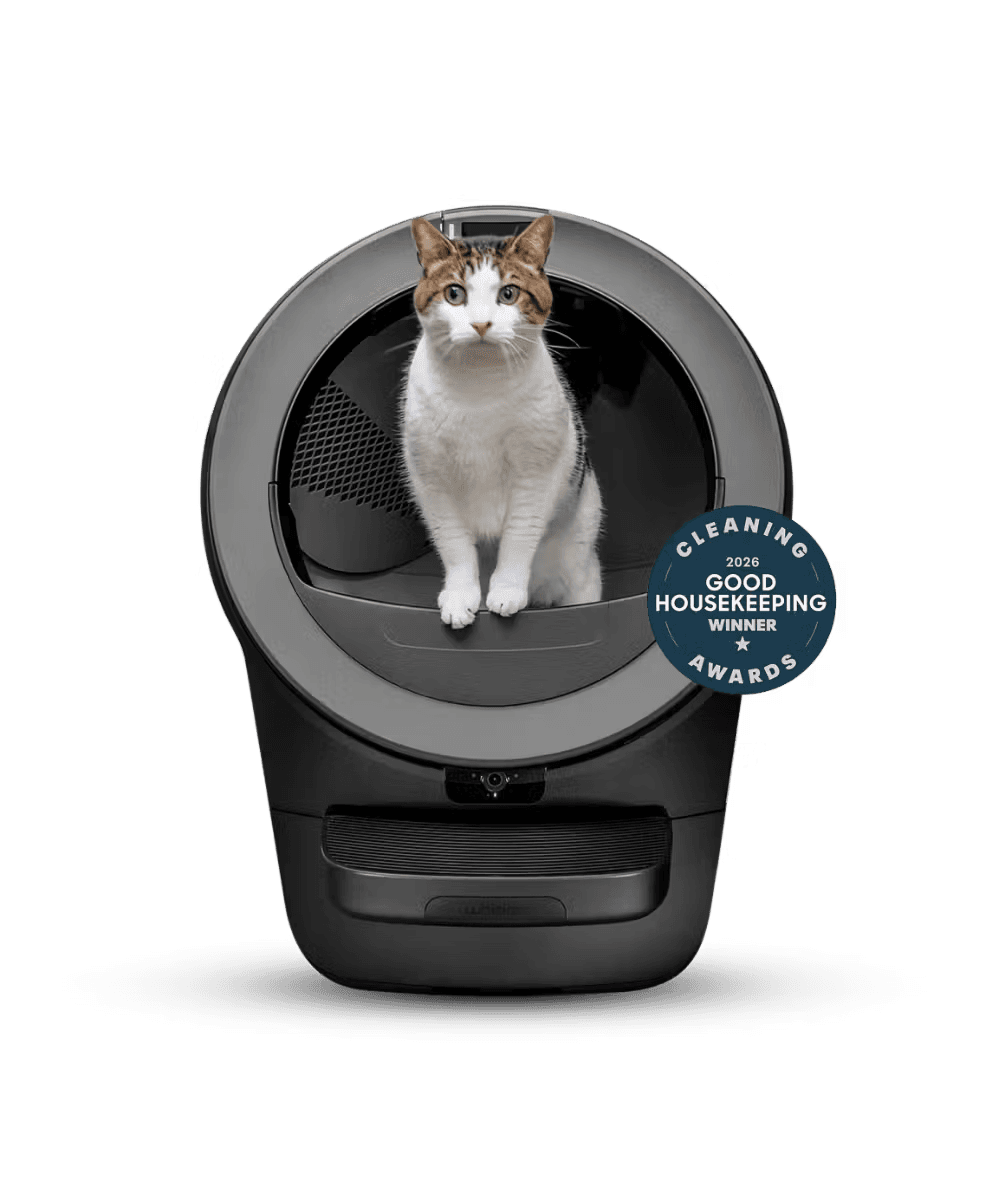
Never Scoop Again® with the Whisker Litter-Robot, the smart self-cleaning automatic litter box. Monitor visits and track weights for better overall care in the Whisker® app. Multi-cat friendly.
Petful may earn a commission when you click through to Whisker, at no extra cost to you.
The British Shorthair x Ragdoll cross has become especially popular, sometimes nicknamed a "Raghair" or sold simply as a "shorthair Ragdoll." These are lovely cats, but they are mixes, not pedigreed Ragdolls, and they should be priced and registered accordingly. A mix can be a wonderful pet. The problem is only the label and the premium price tag attached to it.
- A Ragdoll cross sold as a purebred "shorthair Ragdoll" at full Ragdoll prices is a misrepresentation, you are paying pedigree money for a mixed-breed cat that no registry will paper as a Ragdoll.
2. A Young Ragdoll Whose Coat Has Not Developed Yet
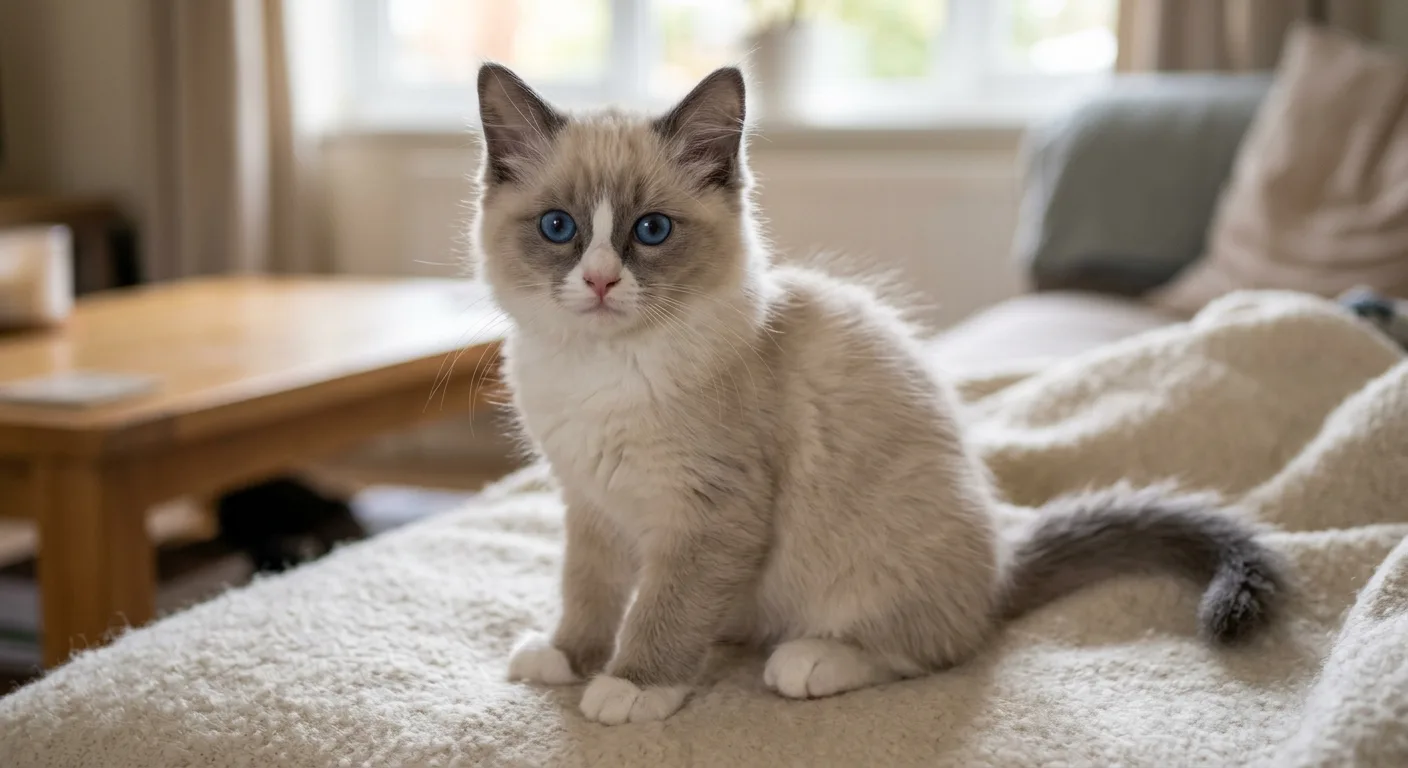
Here is the honest twist: even genuine, fully pedigreed Ragdolls look shorthaired when they are young. Ragdoll kittens are born almost entirely white with short, fine fur, and their color points and full plush coat develop slowly. Most Ragdolls finish developing their full point color by about 2 years of age, while their full body size and adult coat are not complete until around 4 years, according to breed-profile sources and CFA color-development notes. Petful’s guide to Ragdoll cat size has the full breakdown.
So a 4-month-old Ragdoll with a sleek, short-looking coat is completely normal. That kitten is not a "shorthair Ragdoll," it is simply a Ragdoll that has not grown up yet. If you adopt a young Ragdoll and worry that the coat is too short, the answer is usually patience. Give it a couple of years.
- When viewing a kitten, ask to see photos of both registered parents in full adult coat, a true Ragdoll kitten comes from two visibly semi-longhaired, blue-eyed pedigreed cats.
3. A Different Pointed Breed Mistaken for a Ragdoll
Plenty of cats sold or described as "shorthair Ragdolls" are actually other colorpointed breeds. They share the blue eyes and dark-points look, but they are genuinely shorthaired breeds in their own right. The closest look-alikes are below, and none of them is a Ragdoll.
| Breed | Coat | Key Difference From a Ragdoll |
|---|---|---|
| Siamese | Short, fine | Slender, athletic build and almond eyes, far smaller and more vocal than a large, placid Ragdoll |
| Snowshoe | Short | Pointed with white feet like a mitted Ragdoll, but a small to medium athletic cat, not a 15-plus pound semi-longhair |
| Tonkinese | Short, plush | Aqua or blue eyes and a muscular mid-size body, a Siamese and Burmese cross, not related to the Ragdoll |
| Birman | Semi-long | Pointed with white "gloves," genuinely longhaired and often mistaken for a Ragdoll, but a distinct, smaller breed |
A particularly common mix-up is the Ragamuffin. People assume the Ragamuffin is the "shorthair Ragdoll," but it is not shorthaired at all. The Ragamuffin is a separate longhaired breed that split from the same foundation cats as the Ragdoll, and it comes in many colors and patterns (including non-pointed), unlike the strictly pointed Ragdoll. So neither the Ragamuffin nor any of the breeds above is a legitimate shorthaired version of a Ragdoll.
4. Seasonal Coat Changes
The fourth, and most benign, explanation is the seasons. A Ragdoll's coat is not static. Many Ragdolls grow a thicker, longer coat in fall and winter and shed it down to a noticeably lighter, shorter-looking coat in spring and summer. A Ragdoll you remember as gloriously fluffy in January can look surprisingly sleek by July. That is normal seasonal molting, not a change in breed, and the plush coat returns as the weather cools.
What a Real Ragdoll Coat Actually Looks Like
A true Ragdoll is a large, semi-longhaired, colorpointed cat with a silky, plush single-layered coat that lies close to the body and resists matting better than a heavy double coat. The fur is longest around the neck (the "ruff" or bib) and on the hind legs (the "knickerbockers"). The eyes are always blue, oval, and vivid, never green or gold. The breed comes in three pattern types, and knowing them helps you spot a genuine Ragdoll versus a mix.

63-inch multi-level cat tree with scratch posts, hammock, plush perches, and dangling toys. Vertical territory is non-negotiable for high-energy climbing breeds like the Bengal.
Petful may earn a commission when you click through to Chewy, at no extra cost to you.
| Pattern | White Markings | What to Look For |
|---|---|---|
| Colorpoint | No white anywhere | Darker points on ears, face mask, legs, and tail, with a lighter body and blue eyes |
| Mitted | White chin, white mitten paws, white belly stripe | Looks like it is wearing socks, with the classic white chin and underside |
| Bicolor | Inverted white V on the face plus white legs and underside | The most white of the three, with a symmetrical white blaze on the face |
- Every purebred Ragdoll has blue eyes, so if a cat marketed as a "shorthair Ragdoll" has green, gold, or copper eyes, it is a mix or a different breed, full stop.
True Ragdoll vs. Shorthair Ragdoll Mix: How to Tell Them Apart
If you are trying to verify whether a cat is a genuine Ragdoll or a shorthaired mix, work through these signals together rather than relying on any single one. No one trait proves it, but the full picture usually does.
| Trait | True Ragdoll | Shorthair Ragdoll Mix |
|---|---|---|
| Coat length | Semi-long, plush, full ruff and tail | Short to medium, denser, little to no ruff |
| Coat maturity | Fully develops by 2 to 4 years | Stays short for life |
| Eye color | Always blue | Often blue, but can be green or gold |
| Registry papers | CFA, TICA, or ACFA pedigree available | No Ragdoll pedigree (it is a cross) |
| Adult size | Large, 10 to 20 lbs | Varies with the other parent breed |
| Price honesty | Priced as a pedigreed Ragdoll | Should be priced as a mixed-breed cat |
The single most reliable check is paperwork. A reputable Ragdoll breeder registers litters with CFA, TICA, or ACFA and can show you the pedigree and the registered, semi-longhaired parents. If a seller cannot produce registration documents and instead leans on words like "rare," "exotic," or "shorthair Ragdoll" to justify the price, treat that as your answer. For a deeper look at what a correct Ragdoll should be, our Ragdoll cat breed profile walks through the full standard, and our guide to Ragdoll cat colors shows how the points and patterns are supposed to develop.
Grooming: Why the Coat Difference Actually Matters
The coat is not just a cosmetic question, it changes how much grooming you sign up for. A semi-longhaired true Ragdoll needs more maintenance than a shorthaired mix, though less than you might fear given the length.
- True Ragdoll: Comb two to three times a week with a stainless-steel comb to prevent mats behind the ears, in the armpits, and around the "knickerbockers." Expect heavier seasonal shedding in spring and fall. The silky, low-undercoat texture mats less than a dense double coat, but neglect still leads to tangles.
- Shorthair Ragdoll mix: Generally lower maintenance. A weekly brush is often enough, and seasonal shedding is usually lighter. If the mix inherited a British Shorthair's dense plush coat, expect more shedding than a sleek domestic-shorthair cross.
Neither coat is hypoallergenic. Ragdolls do not have a recognized hypoallergenic coat, and the allergen that bothers most people (the Fel d 1 protein in saliva and skin) is present regardless of hair length. If allergies are your concern, read our honest breakdown of whether the Ragdoll is hypoallergenic before you assume a shorter coat solves the problem, because it does not.

108-oz stainless steel pet fountain with quiet pump and water-level window. Bengals are notoriously water-obsessed; a flowing fountain encourages hydration and pulls them away from sinks and toilets.
Petful may earn a commission when you click through to Chewy, at no extra cost to you.
- Cat allergies are driven by the Fel d 1 protein, not hair length, so a "shorthair Ragdoll" mix is not a workaround for allergies, plan around the protein, not the fur.
Ragdoll Breed Stats at a Glance
Whether you end up with a pedigreed Ragdoll or a Ragdoll mix, the personality is usually the main draw, and on temperament the two are often similar. Here is what a true Ragdoll brings to the table.
| Trait | Detail |
|---|---|
| Coat | Semi-long, silky, plush, low undercoat |
| Weight | Males 15 to 20 lbs, females 10 to 15 lbs |
| Lifespan | 12 to 17 years, many live longer with good care |
| Eye color | Blue, always |
| Patterns | Colorpoint, mitted, bicolor |
| Coat matures | 2 to 4 years of age |
| Temperament | Docile, affectionate, floppy when held, dog-like and people-oriented |
That easygoing, "go limp when you pick me up" temperament is the trait most shorthaired mixes inherit too, which is exactly why the crosses are popular. If personality is what you love about Ragdolls, you can find it in a mix. You just should not pay pedigree prices for it. To know what to expect day to day, our Ragdoll cat personality guide covers the temperament in depth.
Buyer Caution: Spotting a "Rare Shorthair Ragdoll" Scam
Because Ragdolls are consistently among the most in-demand cat breeds, the "shorthair Ragdoll" label has become a sales hook. Use this checklist before you put down a deposit.
- "Rare" or "exotic shorthair Ragdoll" language. There is no rare shorthaired line. This wording is a marketing flag, not a pedigree.
- No registration papers. A genuine Ragdoll breeder registers with CFA, TICA, or ACFA and provides documentation. No papers means no verified Ragdoll.
- Parents not shown. Ask to see both parents in full adult coat. Reputable breeders are happy to show registered, semi-longhaired, blue-eyed parents.
- Premium price for a "short coat upgrade." A short coat is not a premium feature in this breed, it is evidence of a mix. Pay mixed-breed prices for a mixed-breed cat.
- Pressure and urgency. "Last one, rare litter, decide today" tactics are designed to stop you from asking the paperwork questions above.
- A short coat plus a "rare Ragdoll" pitch plus missing papers is the classic profile of an overpriced mix, and there is no shame in walking away to find a breeder who can prove what they are selling.
None of this means a Ragdoll mix is a bad cat. A British Shorthair x Ragdoll cross can be affectionate, gorgeous, and lower-maintenance than a full Ragdoll. The goal is simply that you buy it knowing what it is, at a fair mixed-breed price, with clear eyes about the label.
Frequently Asked Questions
Not as a recognized breed. No registry (CFA, TICA, or ACFA) acknowledges a shorthair Ragdoll, because the breed standard defines the Ragdoll as semi-longhaired, and long hair is a recessive trait that two purebred Ragdolls cannot breed away. Any "shorthair Ragdoll" is a mix, a kitten that has not grown its coat, or a different pointed breed.
Most likely your Ragdoll is young. Ragdolls are born with short, fine fur and do not reach full coat length until 2 to 4 years of age. A short coat can also mean seasonal shedding in warm months, or that your cat is a Ragdoll mix rather than a pedigreed Ragdoll. A genuine, mature Ragdoll from two registered parents will grow a semi-long coat in time.
It is a cat with one Ragdoll parent and one shorthaired parent, often a British Shorthair, American Shorthair, or domestic shorthair. Because short hair is the dominant gene, these kittens grow shorter, denser coats while frequently keeping the Ragdoll's blue eyes, pointed pattern, and docile temperament. They are mixed-breed cats and cannot be registered as Ragdolls.
A true Ragdoll from a reputable registered breeder is $1,000 to $2,800 regardless of coat (most fall $1,500 to $2,500, with rare colors at the top of the range). A Ragdoll cross or mix may cost less, but it is not a recognized "shorthair Ragdoll," so it should carry a fair mixed-breed price, not a pedigree premium. Look for a true Ragdoll through reputable registered breeders or breed-specific rescues, and be cautious of any seller marketing a "rare shorthair Ragdoll," since a short coat signals a cross, not a pedigree.
Neither is objectively better, it comes down to your preference. Males tend to be larger (often 15 to 20 lbs) and are frequently described as more openly affectionate and goofy, while females are usually a bit smaller and somewhat more independent. Both sexes share the breed's signature gentle, people-oriented temperament, so choose on individual personality and the breeder's guidance rather than sex alone.
Ragdolls are bred to be docile, trusting, and non-confrontational, which makes them poor at defending themselves outdoors against traffic, predators, theft, and other cats. Their friendly nature and high value also make them targets for theft. Most breeders and welfare groups recommend keeping Ragdolls strictly indoors, or limited to a secure catio or harness walks, to keep them safe.
Usually yes. Ragdolls are among the most people-oriented cat breeds and often seek out their owners for sleep, following them to bed and curling up beside or on them. This bonded, "lap cat" behavior is part of their appeal, though individual cats vary, and some prefer to sleep nearby rather than directly on you.
Use positive, gentle methods, never physical punishment, which damages trust with such a sensitive breed. Redirect unwanted behavior to appropriate outlets (scratching posts, toys), reward good behavior with treats and praise, and use consistent boundaries. A firm "no" plus removing attention works better than scolding, since Ragdolls respond to connection and routine far more than to correction.
A high-protein, complete-and-balanced diet formulated for the cat's life stage, ideally meat-first with named animal proteins. Because Ragdolls are large and prone to weight gain, portion control matters, and many owners include some wet food for hydration to support urinary and kidney health. Always choose a food that meets AAFCO nutritional standards and consult your vet for any breed-specific or health-specific needs.
A Ragdoll mix is created by crossing a Ragdoll with another cat, most often a shorthaired breed that carries the dominant short-hair gene. Common pairings include the British Shorthair, the American Shorthair, and the domestic shorthair, all of which can produce shorter-coated kittens. Crosses with other pointed or longhaired breeds (Siamese, Birman, Ragamuffin, or a regular domestic longhair) also happen. Whatever the second parent, the result is a mixed-breed cat that no registry will paper as a Ragdoll.
Yes, Ragdoll mixes can make wonderful pets. They frequently inherit the Ragdoll's gentle, affectionate, people-oriented temperament along with the blue eyes and pointed pattern, and a shorthaired mix is often a little lower maintenance to groom. The only real cautions are honesty and price: a mix should be sold and registered as a mix at a fair mixed-breed price, never as a "rare shorthair Ragdoll" at full pedigree cost.
The Bottom Line
A shorthair Ragdoll cat is not a real breed. What exists instead is a mix of honest explanations: Ragdoll crosses that inherited a short coat, young Ragdolls still growing into their fur, other pointed shorthaired breeds that resemble Ragdolls, and the natural seasonal shedding every Ragdoll goes through. A short-coated cat with a Ragdoll temperament can absolutely be a great pet, but it is a mix, and it deserves a mixed-breed label and a fair price. The moment a breeder sells you "short hair" as a rare, premium Ragdoll feature, you have learned everything you need to know about that breeder. Verify the papers, meet the parents, and buy the cat for what it actually is.

Coreen Saito is a pet writer and longtime shelter volunteer with more than a decade in animal rescue. She covers cat behavior, breed care, and the small, ordinary science of sharing a life with companion animals, with a particular focus on honest takes about the products and decisions that actually matter. At home in Arizona, she's outranked by Mac (a dog with the loudest opinion in the house), Rebel (a cat who governs by quiet authority), and Meri (an orange tabby who runs the late shift and the laundry basket). She writes about all three, plus the rescues that keep coming through her life, at LifeWithMinty.com.
Sign up for expert-backed reviews and safety alerts all in one place.