Is the Ragdoll Cat Hypoallergenic? The Real Truth for Allergies
Are Ragdoll cats hypoallergenic? The honest, vet-reviewed answer is no. Learn why the real allergen is Fel d 1, not coat length, and the steps that genuinely reduce reactions for allergy sufferers.
Petful is reader supported. As an affiliate of platforms like Amazon and Chewy, we may earn a commission when you buy through links on this page. There is no extra cost to you.
The phrase "ragdoll cat hypoallergenic" gets searched thousands of times a month, but the honest answer is no: neither the Cat Fanciers' Association (CFA) nor any allergy researcher recognizes a single truly hypoallergenic cat breed, and the Ragdoll is not one of them. Every Ragdoll, like every other cat (none are genuinely allergen-free), produces a sticky protein called Fel d 1 in its saliva and skin. What the Ragdoll's plush, undercoat-free coat does change is how much of that allergen gets spread around your home, and that nuance is exactly why so many allergy sufferers ask about this breed. This vet-reviewed guide explains the real science, separates marketing claims from fact, and walks through what genuinely lowers reactions.
- 1No cat is truly hypoallergenic, and Ragdolls are not a hypoallergenic breed.
- 2The allergen is Fel d 1, a protein in saliva and skin, not the length of the fur.
- 3Ragdolls lack a thick undercoat so they shed less, but lower shedding does not mean low allergen.
- 4Grooming, HEPA filtration, cleaning, neutering, and allergist guidance reduce reactions more than breed choice does.

Sign up for expert-backed reviews and safety alerts all in one place.
Are Ragdoll Cats Hypoallergenic? The Short Answer
No. A ragdoll cat is not hypoallergenic, and reputable breed authorities including the CFA and The International Cat Association (TICA) do not list any cat as hypoallergenic. The American College of Allergy, Asthma and Immunology notes that cat allergies are roughly twice as common as dog allergies, and the trigger is the same across every breed: a protein, not a coat type.
What makes the Ragdoll feel different to some allergic owners is real but limited. Ragdolls carry a silky single-layer coat with little to no dense undercoat, so they shed less hair into the air and onto your furniture than a double-coated breed. Less loose, allergen-coated hair floating around can mean a milder reaction for some people. That is allergy-friendlier, not allergy-free, and the difference matters when you are deciding whether to bring one home.
- You are not allergic to cat hair, you are allergic to Fel d 1, a protein in saliva and skin that dries onto the fur and dander every cat sheds.
What Actually Causes Cat Allergies: Meet Fel d 1
Up to 95 percent of cat-allergic people react to a single protein, Fel d 1, which cats produce in their salivary glands, skin (sebaceous) glands, and to a lesser degree in their urine. When a cat grooms, it coats its fur with saliva. That saliva dries, flakes off as microscopic dander, and goes airborne, where it can stay suspended for hours and cling to walls, carpet, and clothing. This is why people react to cats they never even touch.
Because the allergen lives in saliva and skin rather than in the hair shaft itself, coat length is almost beside the point. A short-haired cat and a long-haired Ragdoll can produce similar amounts of Fel d 1. The Ragdoll simply distributes less of it through the air because it sheds less hair to carry the protein around. Hairless and "single-coated" breeds are popular with allergy sufferers for the same reason, but studies have repeatedly found that no breed reliably produces less Fel d 1 than another.
Never Scoop Again® with the Whisker Litter-Robot, the smart self-cleaning automatic litter box. Monitor visits and track weights for better overall care in the Whisker® app. Multi-cat friendly.
Petful may earn a commission when you click through to Whisker, at no extra cost to you.
Do Ragdolls produce less Fel d1 than other cats?
Not in any proven, breed-wide way. Fel d 1 output varies far more from one individual cat to the next than it does from breed to breed. Research summarized by veterinary allergy specialists suggests an individual cat's sex, neuter status, and even its coat color may influence allergen levels more than the breed name on its pedigree. Intact (unneutered) male cats tend to produce the most Fel d 1 of all, which is one of the few reliable levers an owner can actually pull.
- Fel d 1 levels swing widely between individual animals. Before you commit, spend real time with the specific Ragdoll you are considering, not just the breed in general.
Why the Ragdoll Coat Gives a Partial Advantage
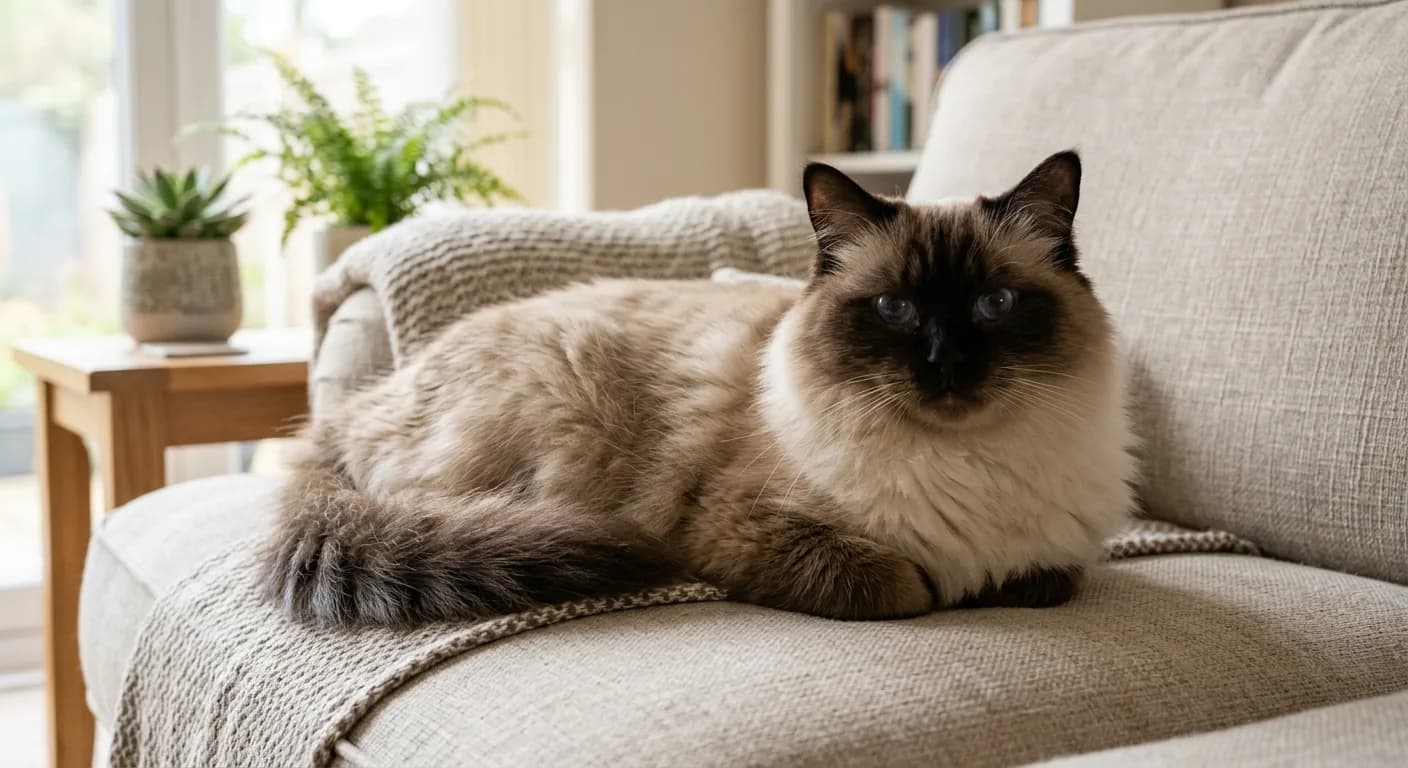
The Ragdoll is a large, semi-longhaired, color-pointed breed with a coat often described as rabbit-soft. Unlike a Maine Coon or a Persian, it carries little dense undercoat, the fluffy insulating layer that drives heavy seasonal shedding and traps loads of allergen-laden dander close to the skin. Less undercoat means less of that dander reservoir and less hair released into your environment.
That single structural fact is the entire basis for the "best cat for allergies" marketing you will see on breeder sites. It is not nothing: less airborne hair can translate to a lower allergen load in the room. But it is a difference of degree, not a free pass, and it does not change the amount of Fel d 1 the cat manufactures. A Ragdoll still grooms, still sheds dander, and still deposits allergen on every surface it touches.
- Some breeders advertise hypoallergenic Ragdoll kittens at premium prices. No cat is hypoallergenic, and no ethical breeder can guarantee you will not react. Treat that claim as a red flag, not a feature.
If you want to understand the coat itself in more depth, our full Ragdoll cat breed profile covers grooming needs, temperament, and the genetics behind that plush single coat.
Ragdoll Allergy Facts at a Glance
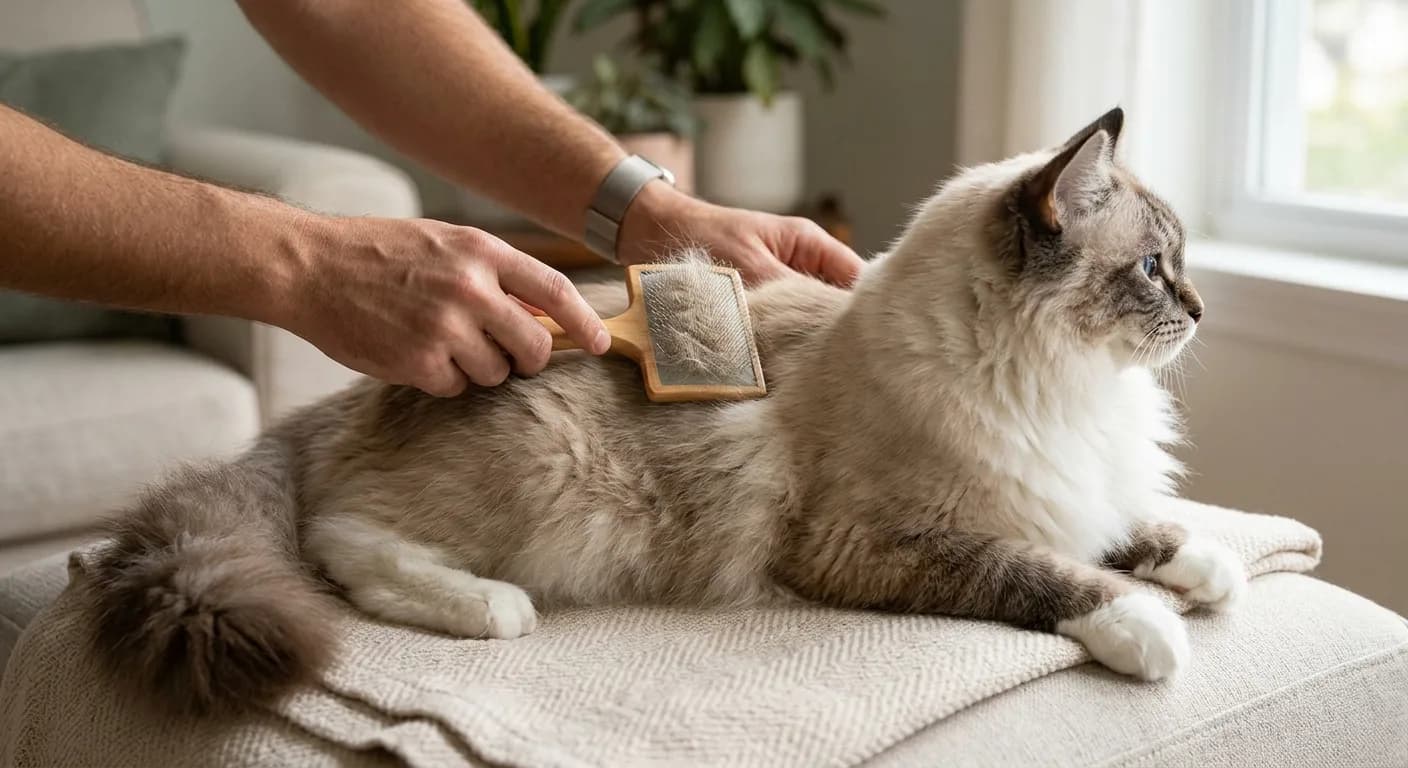
The table below summarizes how the Ragdoll stacks up on the traits allergy sufferers care about, drawn from CFA and TICA breed standards and general feline allergy science.
| Trait | Ragdoll Reality | Why It Matters for Allergies |
|---|---|---|
| Hypoallergenic status | Not hypoallergenic | No cat breed is; all produce Fel d 1 |
| Main allergen | Fel d 1 in saliva and skin | Coat length does not remove it |
| Coat type | Semi-long, silky, little undercoat | Less shedding spreads less allergen |
| Shedding level | Low to moderate | Fewer airborne, allergen-coated hairs |
| Adult weight | 10-20 lbs (males larger) | Bigger cat, slightly more total dander |
| Lifespan | 12-17 years | A long allergy-management commitment |
| Biggest owner lever | Grooming, cleaning, neutering | Reduces reactions more than breed choice |
What Actually Reduces Reactions to a Ragdoll
If you love the breed and your allergy is mild, a Ragdoll can be manageable for many people, provided you commit to a real routine. These are the interventions with the strongest support, roughly in order of impact.
Groom and clean relentlessly
Brushing your Ragdoll two to three times a week removes loose, saliva-coated hair before it floats off into the air. Ideally a non-allergic household member does the brushing outdoors. Pair that with frequent home cleaning: vacuum with a HEPA-filter vacuum, wash soft furnishings and the cat's bedding weekly in hot water, and wipe down hard surfaces where dander settles. Damp-dusting traps allergen instead of stirring it back into the air.
Run HEPA air filtration
A true high-efficiency particulate air (HEPA) purifier captures airborne Fel d 1 particles that ordinary filters miss. Running one in the rooms where your cat spends the most time, especially the bedroom, measurably lowers the allergen load you breathe overnight. Change filters on schedule, because a clogged filter stops working.

63-inch multi-level cat tree with scratch posts, hammock, plush perches, and dangling toys. Vertical territory is non-negotiable for high-energy climbing breeds like the Bengal.
Petful may earn a commission when you click through to Chewy, at no extra cost to you.
Create cat-free zones
Keeping your Ragdoll out of the bedroom and off the bed gives your immune system a nightly break and is one of the most effective single steps allergists recommend. A closed door plus a HEPA unit turns your sleeping space into a low-allergen refuge.
Neuter your cat, especially males
Because intact males produce the most Fel d 1, neutering a male Ragdoll can meaningfully reduce his allergen output, and it is something you control directly. Females and neutered cats of both sexes generally shed less of the protein into the home.
Wash your hands and consider bathing the cat
Wash your hands after handling your cat and avoid touching your face. Some owners bathe their Ragdoll every few weeks to rinse allergen off the coat, though the effect is temporary and not every cat tolerates it, so introduce baths gently and never force a stressed cat.
Talk to an allergist before you commit
An allergist can confirm whether cats are truly your trigger, prescribe antihistamines or nasal steroids, and discuss allergen immunotherapy (allergy shots or under-the-tongue drops), the only treatments that retrain the immune system rather than just masking symptoms. For anyone with asthma or a history of severe reactions, this conversation should come first, not last.

108-oz stainless steel pet fountain with quiet pump and water-level window. Bengals are notoriously water-obsessed; a flowing fountain encourages hydration and pulls them away from sinks and toilets.
Petful may earn a commission when you click through to Chewy, at no extra cost to you.
- Diets like Purina Pro Plan LiveClear use an egg-derived antibody to bind Fel d 1 in the cat's saliva; the manufacturer reports an average reduction in active allergen on the coat after about three weeks. It lowers, but does not eliminate, allergen, so use it alongside cleaning and filtration, not instead of them.
How the Allergen-Reduction Options Compare
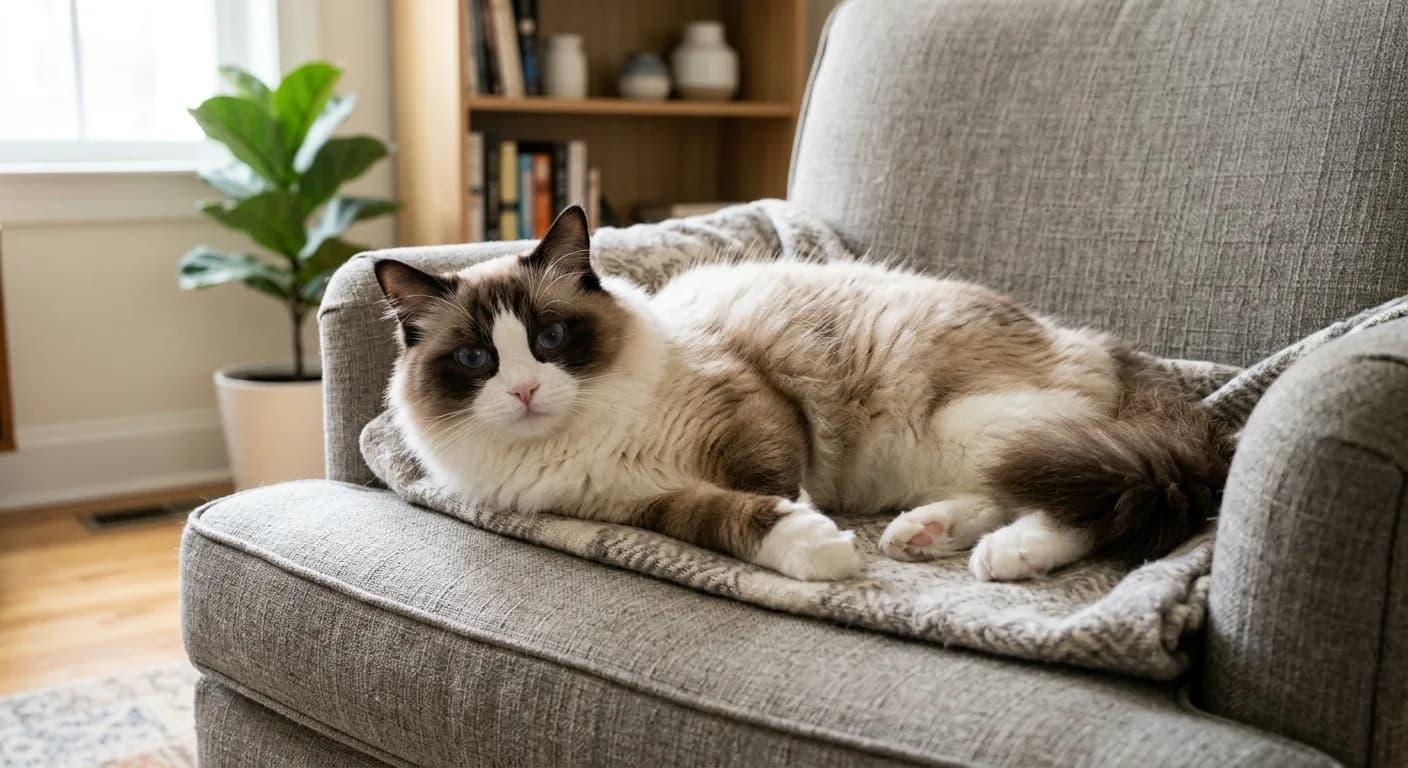
No single tactic solves a cat allergy. Stacking several is what works. Here is how the main levers compare on what they do and how much effort they take.
| Method | What It Does | Effort and Impact |
|---|---|---|
| Regular brushing | Removes loose, saliva-coated hair | Low cost, daily-to-weekly, real impact |
| HEPA air purifier | Captures airborne Fel d 1 | Moderate cost, high impact in key rooms |
| HEPA vacuum and cleaning | Removes settled dander | Ongoing effort, high impact |
| Cat-free bedroom | Gives nightly allergen break | Free, very high impact |
| Neutering (males) | Lowers Fel d 1 production | One-time, moderate impact |
| LiveClear-type diet | Binds Fel d 1 in saliva | Recurring cost, partial impact |
| Allergist and immunotherapy | Treats your immune response | Medical, highest long-term impact |
Are Ragdolls Good for Allergy Sufferers, Realistically?
For someone with a mild cat allergy who is willing to groom, filter, and clean consistently, a Ragdoll is one of the more workable choices among long-haired breeds, mostly thanks to lower shedding and a famously calm, indoor-friendly temperament that keeps dander more contained. Many owners with mild sensitivities live comfortably with one.
For someone with moderate to severe cat allergy or allergic asthma, honesty matters more than hope: a Ragdoll is still a cat, still makes Fel d 1, and can absolutely trigger you. No coat type overrides a strong immune reaction. The single best predictor of how you will do is not the breed, it is your own response when you spend several hours with that individual cat. If you react badly during a visit, that will not improve once the cat lives with you full time.
- Cat allergens can trigger serious asthma attacks. If you have asthma or have ever had a severe allergic reaction, consult your doctor or allergist before bringing any cat home, including a Ragdoll.
If you are weighing the Ragdoll against its shorter-coated relatives, our guide to the shorthair Ragdoll cat explains how coat differences play out day to day. And because allergen levels can vary subtly with coat color genetics, the Ragdoll cat colors guide is a useful companion read.
If you are still shopping breeds, it helps to see where the Ragdoll sits next to the cats most often called allergy-friendlier. Remember the headline rule first: no cat is truly hypoallergenic, and every breed below still produces Fel d 1. Some simply shed less hair or, in some individual cats, appear to spread less allergen.
| Breed | Sheds | Fel d 1 level | Notes |
|---|---|---|---|
| Ragdoll | Low to moderate | Typical, not reduced | Semi-longhaired but sheds less, so fewer allergen-coated hairs spread |
| Siberian | Moderate to high | Often lower in some cats | Frequently cited as allergy-friendlier, though evidence is mixed and varies by individual |
| Balinese | Low to moderate | Sometimes reported lower | Long single coat with little undercoat, popular with mild allergy sufferers |
| Russian Blue | Low | Some cats produce less | Dense plush coat, often suggested for allergy households, results vary |
| Sphynx | Very low hair | Still produces Fel d 1 | Nearly hairless so less hair spreads allergen, but the skin still needs frequent bathing |
Managing Expectations Over the Long Haul
A Ragdoll is a 12 to 17 year commitment, so picture your allergy routine running for that entire span, not just the first excited month. The owners who succeed treat allergen control as a permanent habit: the air purifier always runs, the bedroom door stays shut, the brush comes out on schedule, and the antihistamines are filled before symptoms flare. Plan the routine before the kitten arrives, and confirm everyone in the household is on board, because consistency is what keeps a manageable allergy manageable. For more on the breed's longevity and what that commitment involves, see our Ragdoll cat lifespan guide.
- Ragdolls are allergy-friendlier than many breeds because they shed less, but they are not hypoallergenic. Success depends on your routine and your individual sensitivity, not on the breed label.
Frequently Asked Questions
No. No cat breed is truly hypoallergenic. Ragdolls produce the Fel d 1 allergen in their saliva and skin like every cat, though their low-shedding single coat spreads less of it around the home.
They can work for people with mild allergies who commit to grooming, HEPA filtration, and cleaning, but they still produce Fel d 1 and can trigger anyone with a moderate to severe cat allergy. Spend time with the individual cat first.
No, Ragdolls are low to moderate shedders. Their silky coat has little dense undercoat, so they shed less hair than double-coated breeds like the Maine Coon, which is why they spread fewer allergen-coated hairs.
They are among the more manageable long-haired breeds for mild allergy sufferers because of low shedding and a calm indoor temperament, but they are not allergy-proof. Your personal reaction to the specific cat is the real test.
Not in any proven breed-wide way. Fel d 1 levels vary far more between individual cats than between breeds. Intact male cats produce the most, so sex and neuter status matter more than the Ragdoll label.
No. Any breeder advertising hypoallergenic Ragdoll kittens is overstating it. All kittens grow into cats that produce Fel d 1, and no ethical breeder can guarantee you will not react.
Breeds often called allergy-friendlier include the Siberian, Balinese, Russian Blue, Bengal, Oriental Shorthair, and the hairless Sphynx, but none are truly hypoallergenic. Individual Fel d 1 levels matter more than breed.
They are moderate maintenance. The semi-long coat needs brushing two to three times a week to prevent mats and reduce loose hair, and allergy households need extra cleaning, but Ragdolls are calm, affectionate, and easy-going by nature.
They need regular grooming, are large indoor cats best kept inside, can be prone to certain inherited health issues, and are not hypoallergenic, so allergy sufferers must manage reactions actively.
A well-bred Ragdoll from a reputable breeder typically ranges from about 1,000 to 2,800 dollars depending on lineage and region. Be wary of anyone charging a premium for hypoallergenic claims, which are not legitimate.
You are reacting to Fel d 1, a protein your Ragdoll makes in its saliva and skin, not to the fur itself. The cat spreads it onto its coat while grooming, and it dries into dander that goes airborne and settles on surfaces. Every Ragdoll produces it, which is why even a low-shedding cat can trigger symptoms.
Bathing can rinse some Fel d 1 off the coat and give short-term relief, but the protein rebuilds within a day or two, so the effect is temporary. Not every cat tolerates baths, so introduce them gently and pair bathing with grooming, HEPA filtration, and cleaning rather than relying on it alone.

Coreen Saito is a pet writer and longtime shelter volunteer with more than a decade in animal rescue. She covers cat behavior, breed care, and the small, ordinary science of sharing a life with companion animals, with a particular focus on honest takes about the products and decisions that actually matter. At home in Arizona, she's outranked by Mac (a dog with the loudest opinion in the house), Rebel (a cat who governs by quiet authority), and Meri (an orange tabby who runs the late shift and the laundry basket). She writes about all three, plus the rescues that keep coming through her life, at LifeWithMinty.com.
Sign up for expert-backed reviews and safety alerts all in one place.