Oriental Shorthair Lifespan: How Long They Live and Stay Healthy
The Oriental Shorthair lifespan averages 12 to 15 years, with many cats reaching 15 or more. Here is what affects it, the breed's inherited health issues like HCM and amyloidosis, and how to help yours live a long, healthy life.
Petful is reader supported. As an affiliate of platforms like Amazon and Chewy, we may earn a commission when you buy through links on this page. There is no extra cost to you.
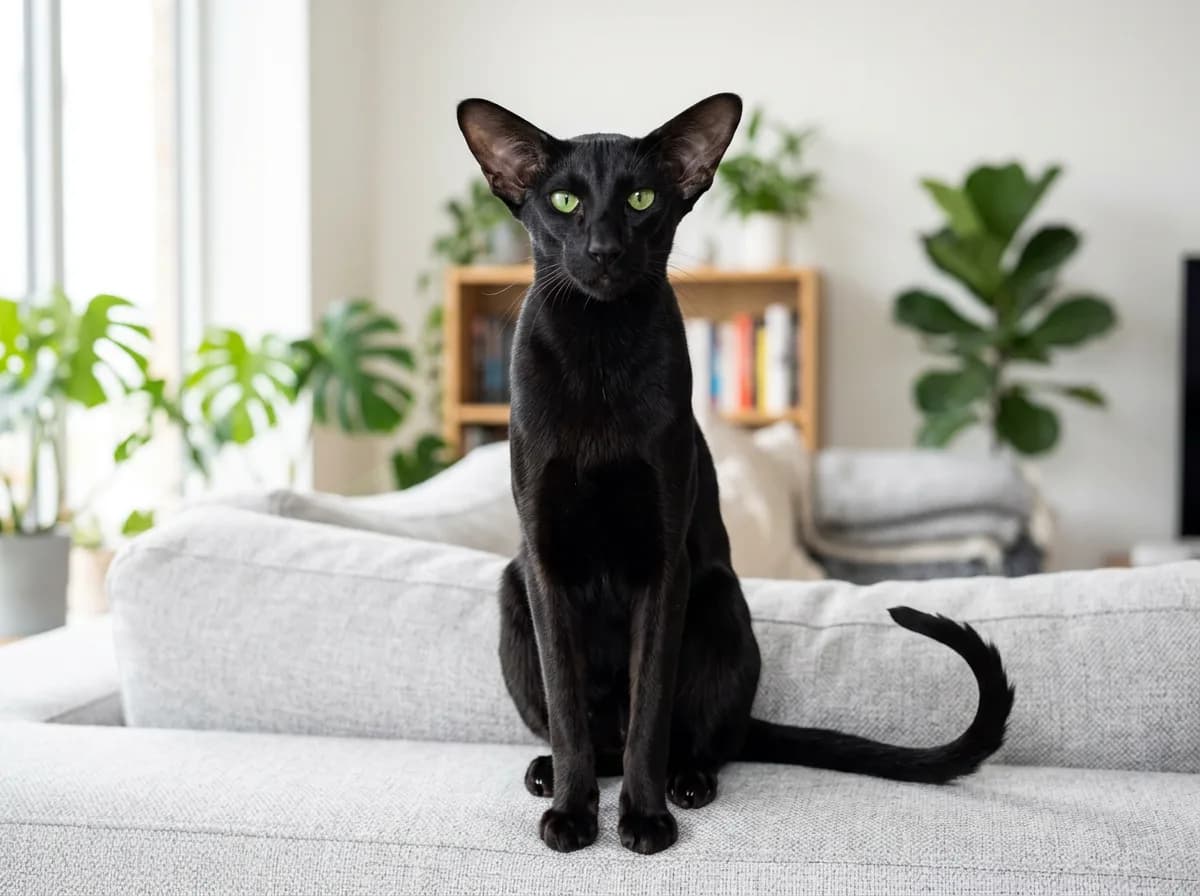
The Oriental Shorthair lifespan averages 12 to 15 years, and veterinary sources such as PetMD put the typical range right at that 12 to 15 mark, with many well-cared-for cats living into their late teens and a lucky few reaching 20. This is a long-lived breed. As a member of the Siamese Breed Group, the Oriental Shorthair tends to outlast the average house cat, but that longevity comes with a short list of inherited conditions that responsible owners and breeders watch for. Knowing what they are, and catching them early, is the single biggest lever you have on how long your cat lives. Petful’s separate guide to Oriental Shorthair prices breaks down breeder, adoption, and lifetime costs.
- 1Average Oriental Shorthair lifespan is 12 to 15 years, with many reaching 15+ and some the high teens or 20.
- 2The breed is generally healthy but predisposed to heart disease (HCM and DCM), eye disease (PRA), amyloidosis of the liver or kidneys, and dental disease.
- 3Responsible breeders screen breeding cats for HCM and PRA; amyloidosis has no genetic test yet.
- 4Indoor life, a lean weight, dental care, and routine plus cardiac vet checks are what push a cat toward the top of the range.

Sign up for expert-backed reviews and safety alerts all in one place.
How long do Oriental Shorthairs live?
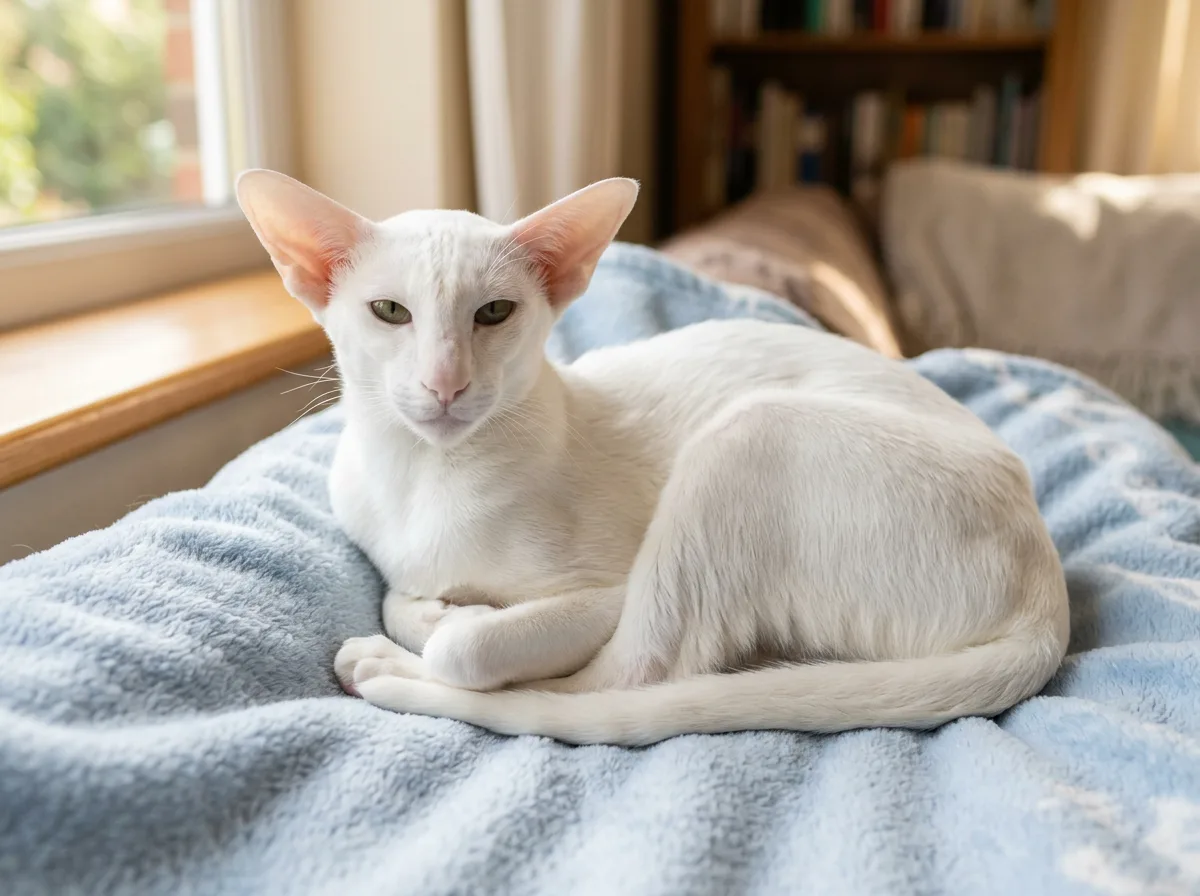
Most Oriental Shorthairs live 12 to 15 years. That is the figure cited by PetMD, Daily Paws, and Pet Health Network, and it lines up with what reputable breeders report. The breed routinely beats the average, though: TICA notes that Oriental Shorthairs and the wider Siamese Breed Group "can live longer than other cat breeds" and "have been known to live 20+ years." Large feline longevity studies put the median for the type at roughly 14 years.
So the honest picture is a happy one. A well-bred, well-cared-for Oriental Shorthair has a very good chance of being with you into its mid-to-late teens. The cats at the low end of the range usually got there because of one of the inherited diseases below, an accident, or preventable problems like obesity and untreated dental disease, not because the breed is fragile.
For context, this puts the Oriental close to its Siamese parent breed and ahead of many flat-faced breeds. If you want a direct comparison with another popular pedigree cat, our guide to the Persian cat lifespan covers a breed whose typical range runs a little shorter.
- The Oriental Shorthair was developed from the Siamese and shares its body, head, and genetics. TICA reports this whole group tends toward above-average longevity, which is why 15 is a realistic goal rather than a stretch for a healthy cat.
 Sponsored
Have a health question about your cat?
Talk to a licensed vet at Dutch over video or message, including nights and weekends.
Use code Pets30
Plans start at $11/month · covers up to 5 pets
- Licensed vets in most states
- Rx for 150+ conditions
- 4.7 on Trustpilot
Male vs female and indoor vs outdoor lifespan
There is no strong, breed-specific evidence that male Oriental Shorthairs live shorter or longer lives than females; sex matters far less than care, weight, and genetics. Living situation, on the other hand, makes a real difference. Indoor cats are protected from traffic, predators, fights, and many infectious diseases, and across cats generally they live substantially longer than cats with free outdoor access. Keeping your Oriental indoors (or limiting outdoor time to a secure catio or harness walks) is one of the simplest things you can do to add years. This is an active, intelligent, people-focused breed that thrives indoors as long as it gets play and company.
Never Scoop Again® with the Whisker Litter-Robot, the smart self-cleaning automatic litter box. Monitor visits and track weights for better overall care in the Whisker® app. Multi-cat friendly.
Petful may earn a commission when you click through to Whisker, at no extra cost to you.
What do Oriental Shorthairs usually die of?
Like most cats, older Oriental Shorthairs most often decline from age-related disease: chronic kidney disease, cancer, and heart disease are the common end-of-life diagnoses in senior cats. What sets this breed apart is a handful of inherited conditions that can cut a life short earlier than expected if they are not caught and managed. The big ones to know are hypertrophic cardiomyopathy, dilated cardiomyopathy, progressive retinal atrophy, and amyloidosis. Dental disease, while rarely fatal on its own, drives chronic inflammation that shortens lives when ignored.
The good news is that the two heart conditions and the eye condition are exactly what good breeders test for, and most are manageable or survivable for years when found early.
- As a Siamese-derived breed, the Oriental Shorthair is predisposed to HCM and DCM (heart), progressive retinal atrophy (eyes), amyloidosis of the liver or kidneys, and dental disease, plus occasional respiratory or digestive sensitivities. Most cats never develop the serious ones, but every owner should know the signs.
The Oriental Shorthair's inherited health issues
Heart disease: HCM and DCM
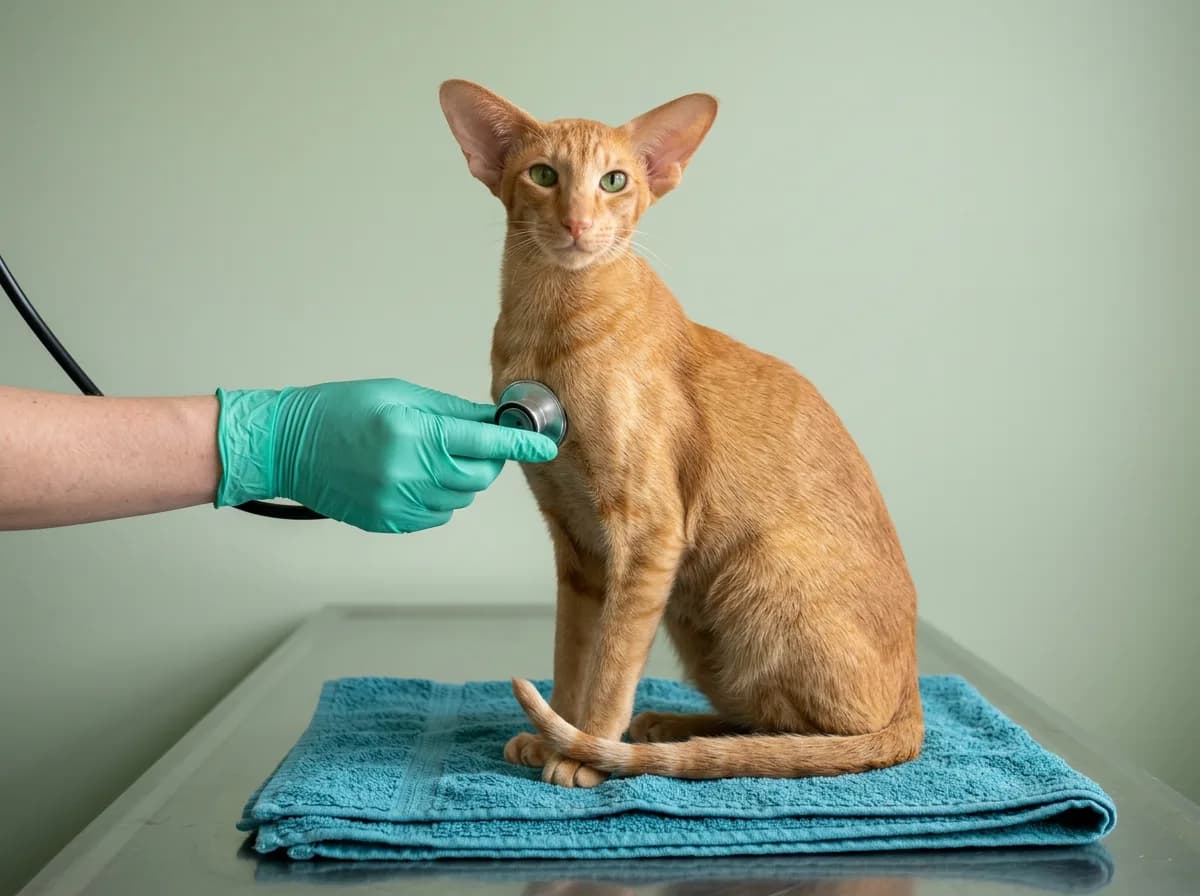
Hypertrophic cardiomyopathy (HCM) is the one to watch most closely. The Cornell Feline Health Center calls HCM "the most common heart disease of cats." It thickens the muscular wall of the heart's left ventricle, which makes the heart pump less efficiently and can lead to congestive heart failure, dangerous blood clots, and, rarely, sudden death. Many cats show no symptoms at all until the disease is advanced, which is what makes routine cardiac listening and screening so valuable.
The most feared complication is a clot (saddle thrombus / arterial thromboembolism) that lodges where the aorta splits to the hind legs. Cornell describes clots that block "blood flow to the hind limbs, causing acute hind limb pain or, in extreme cases, hind limb paralysis." A cat that suddenly cannot use its back legs, is crying in pain, and has cold hind paws is a true emergency.
Dilated cardiomyopathy (DCM), in which the heart muscle becomes weak and enlarged, is the less common cardiac concern in the Siamese/Oriental line. HCM is diagnosed by echocardiogram (a heart ultrasound), and reputable breeders have their breeding cats cardiac-screened.
- Open-mouthed or rapid, labored breathing; sudden weakness or paralysis of the hind legs with cold back paws; collapse or fainting; a swollen, painful belly with sudden lethargy and vomiting; or refusal to eat for more than a day. These can signal heart failure, a clot, or an amyloidosis crisis and cannot wait.
Progressive retinal atrophy (PRA)
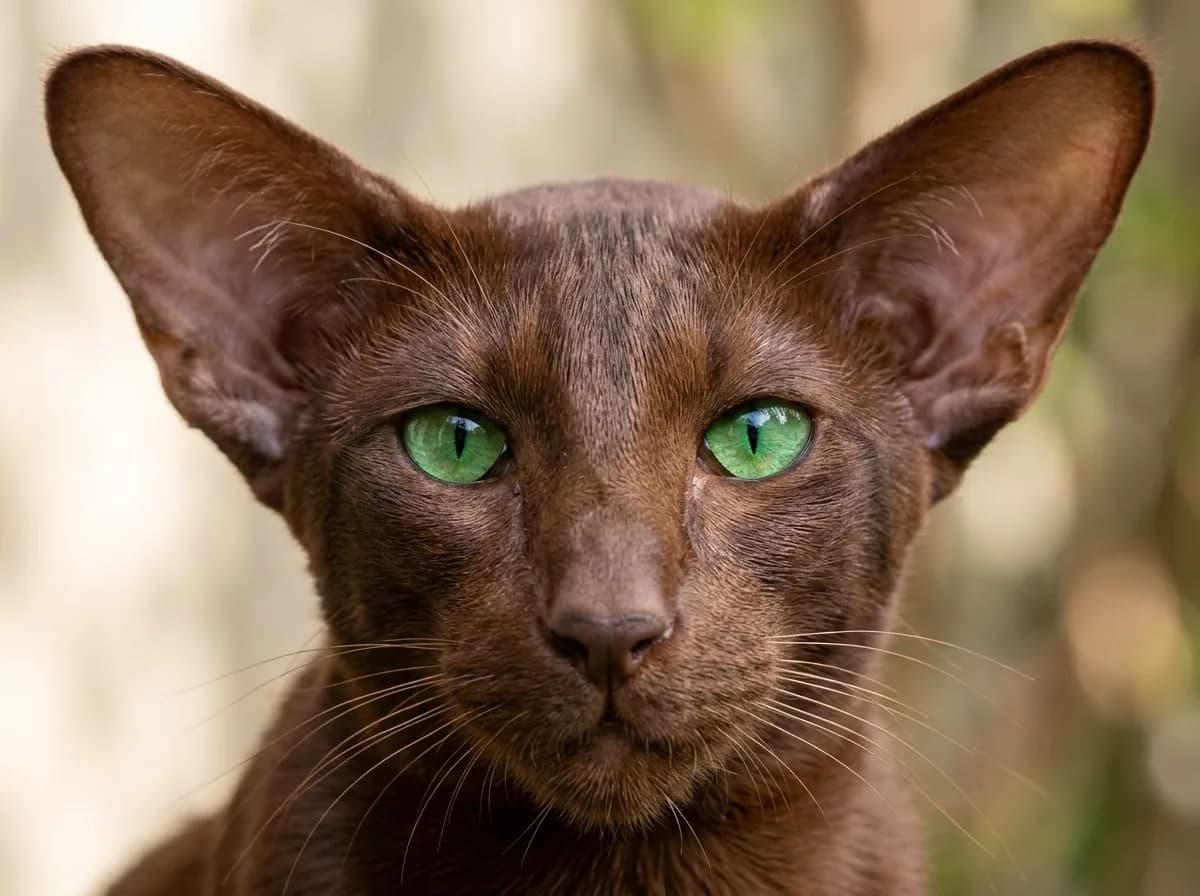
Progressive retinal atrophy is an inherited eye disease that gradually destroys the retina and can end in blindness. PetMD notes that the hereditary retinal degeneration seen in this breed tends to begin around 1 to 2 years of age, starting with night blindness and progressing to full vision loss. There is no cure, but it is not painful, and cats adapt remarkably well to declining sight when their home layout stays consistent. Crucially, PRA is a condition responsible breeders screen for with genetic testing, so it is largely avoidable by buying from a tester. If your cat starts bumping into things in dim light or becomes hesitant on stairs, ask your vet for an eye exam.
Amyloidosis of the liver or kidneys
Amyloidosis is a notable hereditary concern in the Siamese and Oriental group. Abnormal protein (amyloid) builds up in an organ, most often the liver or kidneys, and damages it over time. PetMD describes hepatic (liver) amyloidosis appearing roughly between 1 and 7 years of age, with signs including a sudden lack of energy, loss of appetite, vomiting, and a swelling belly, and warns it can progress to organ failure. The hard part, as TICA points out, is that there is currently no genetic test for amyloidosis, so it cannot be bred out the way HCM and PRA can. That makes watching for the symptoms, and acting fast on them, especially important in young and middle-aged Orientals.
Dental disease
Like many pedigree cats, Oriental Shorthairs are prone to periodontal (gum) disease and tooth resorption. It is one of the most common and most preventable problems in the breed. Left untreated, dental disease is painful, makes eating hard, and feeds chronic inflammation that taxes the whole body. At-home brushing plus professional cleanings under anesthesia keep it in check.

63-inch multi-level cat tree with scratch posts, hammock, plush perches, and dangling toys. Vertical territory is non-negotiable for high-energy climbing breeds like the Bengal.
Petful may earn a commission when you click through to Chewy, at no extra cost to you.
- Siamese-type breeds, including the Oriental Shorthair, can be more sensitive to anesthesia (TICA flags this). It does not mean dentals or spay/neuter are off the table; it means you want a vet who uses modern, monitored protocols. Never skip needed dental care out of anesthesia worry; raise the concern and let your vet tailor the plan.
A health-screening cheat sheet
| Condition | What it is | Screening or management |
|---|---|---|
| Hypertrophic cardiomyopathy (HCM) | Thickening of the heart wall; most common feline heart disease | Echocardiogram; breeder cardiac screening; lifelong vet monitoring and medication if diagnosed |
| Dilated cardiomyopathy (DCM) | Weak, enlarged heart muscle (less common) | Echocardiogram; balanced complete diet; veterinary cardiology |
| Progressive retinal atrophy (PRA) | Inherited retinal degeneration leading to blindness | Genetic test of breeding cats; eye exams; stable home layout for affected cats |
| Amyloidosis (liver/kidney) | Abnormal protein deposits damaging an organ; onset often 1 to 7 years | No genetic test yet; watch for sudden lethargy, vomiting, appetite loss, swollen belly; bloodwork and ultrasound |
| Dental disease | Periodontal disease and tooth resorption | At-home brushing; annual professional cleanings |
| Respiratory and GI sensitivities | Occasional asthma or digestive upset in some lines | Vet workup; appropriate diet and environment |
SponsoredVet care that's always there
Unlimited video calls and messaging with licensed vets for less than a typical vet visit. One membership covers up to five pets.
Use code Pets30
Plans start at $11/month · covers up to 5 pets
- Licensed vets in most states
- Rx for 150+ conditions
- 4.7 on Trustpilot
Signs to watch by life stage
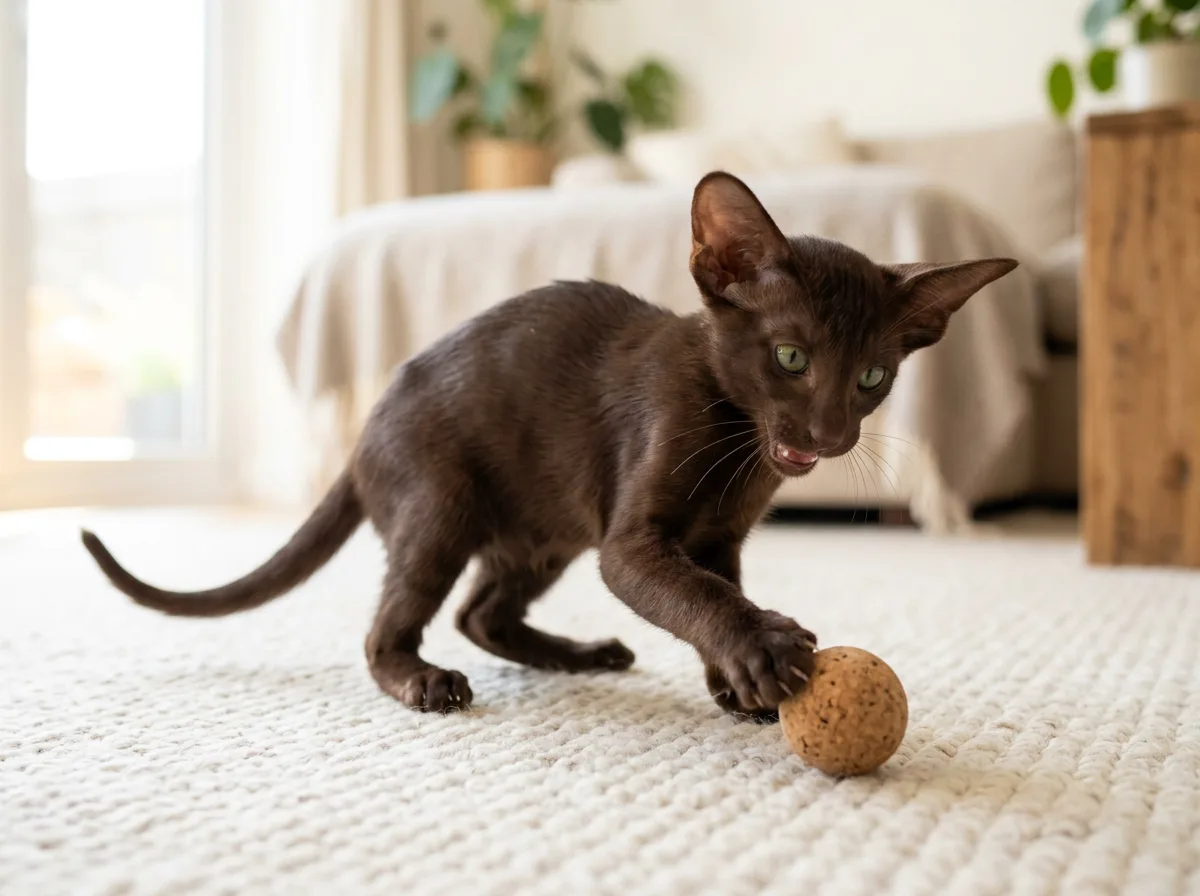
Because several of these conditions show up at predictable ages, knowing what to look for at each stage helps you catch trouble while it is still treatable.
Kitten and young adult (0 to 3 years)
This is when inherited eye disease and early amyloidosis can first appear. Watch for night-vision trouble or clumsiness in dim light (possible PRA) and for any episode of sudden lethargy, vomiting, or appetite loss (possible amyloidosis). Buy from a breeder who screens for HCM and PRA, and establish a baseline vet exam. The Oriental's slim, athletic build is normal here; do not mistake a lean kitten for an underfed one.
Adult (3 to 8 years)
Heart disease often becomes detectable in these years. Keep up annual exams so your vet can listen for murmurs or gallops, and ask whether an echocardiogram is warranted, especially if you do not have screening records from the breeder. Keep your cat at a lean, healthy weight; obesity stresses the heart and joints.
Senior (9+ years)
Most Oriental Shorthairs are still thriving here, but senior cats benefit from twice-yearly vet visits and routine bloodwork to catch kidney disease, thyroid changes, and other age-related issues early. Watch for weight loss, increased thirst and urination, stiffness, and changes in appetite or litter-box habits.

108-oz stainless steel pet fountain with quiet pump and water-level window. Bengals are notoriously water-obsessed; a flowing fountain encourages hydration and pulls them away from sinks and toilets.
Petful may earn a commission when you click through to Chewy, at no extra cost to you.
- From around age 9 or 10, switch to twice-a-year vet checkups with bloodwork and blood pressure checks. Keep food and water easy to reach, add soft bedding and a low-sided litter box, and keep the layout consistent so a cat with fading vision stays confident. Early detection of kidney or heart disease is what turns a 14-year cat into a 17-year cat.
How to help your Oriental Shorthair live longer
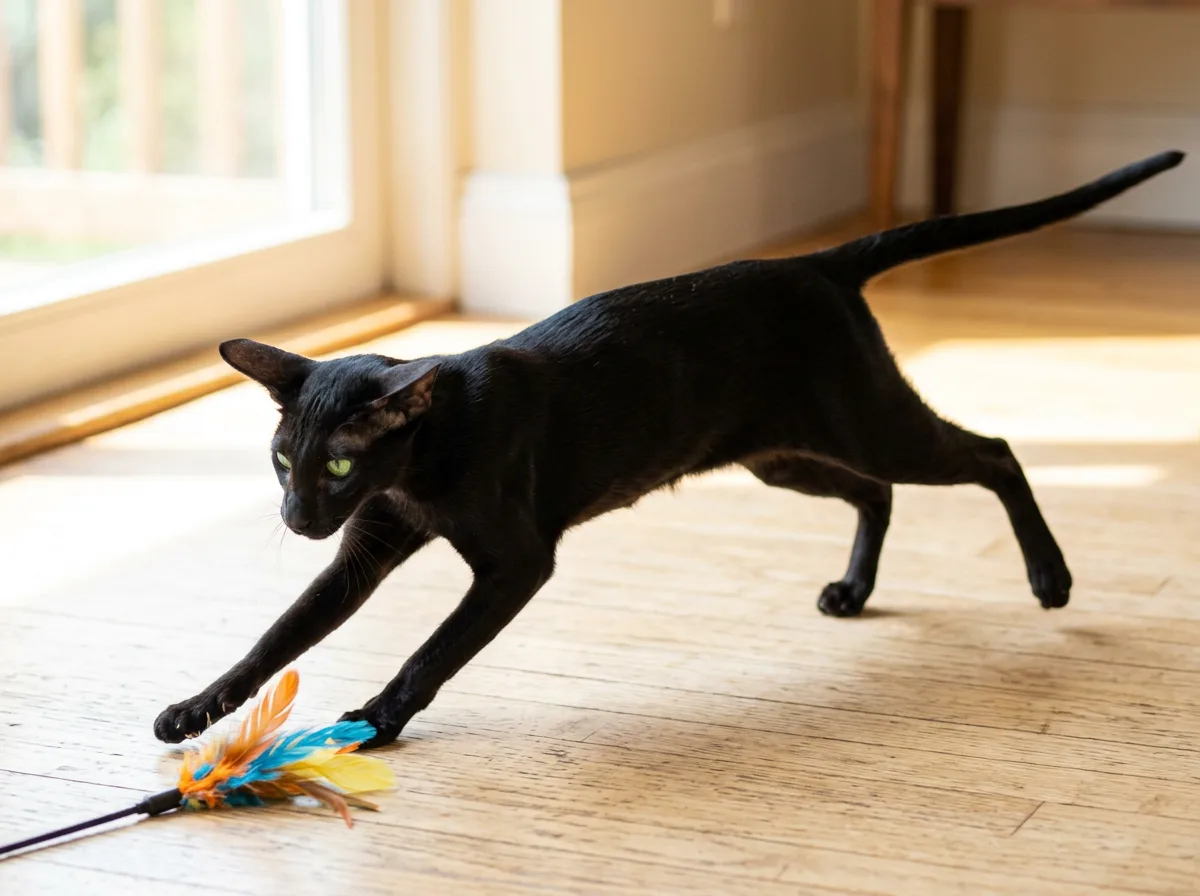
You cannot change your cat's genes, but daily care decides whether it reaches the top of the range or the bottom. The highest-impact habits:
- Keep it lean. Feed measured portions of a complete, high-protein diet rather than free-feeding, and keep your cat at a trim weight. PetMD specifically advises portion control and a slender figure for this breed. Obesity shortens lives and worsens heart disease.
- Stay on top of dental care. Brush at home and schedule professional cleanings. Healthy teeth mean less whole-body inflammation.
- Keep it indoors. Indoor cats avoid cars, predators, fights, and many diseases, and live longer for it. Give plenty of play, climbing, and company to satisfy this active, social breed.
- Do not skip vet visits. Annual exams for adults, twice-yearly for seniors, plus the cardiac and eye screening this breed warrants. Early detection is everything with HCM, PRA, and amyloidosis.
- Give it company and enrichment. Orientals are intensely social and stress easily when isolated. Chronic stress and boredom drive both behavioral and metabolic problems, so a companion or a present household helps.
Because the Oriental is so closely related to the Siamese, much of the same care applies across the group. If you are weighing similar breeds, our profiles of the Siamese cat, the longhaired Balinese, and the active Abyssinian (a breed used in the Oriental's development) walk through their temperament and care, and the Siamese personality guide explains the social, vocal nature your Oriental shares.
- The inherited conditions in this breed (heart ultrasounds, amyloidosis workups, dental procedures) can be costly. Setting up pet insurance while your cat is young and healthy, or keeping a dedicated vet savings fund, means a diagnosis is a treatment decision, not a financial one.
Frequently asked questions
On average 12 to 15 years. Many reach 15 or more with good care, and some live into the high teens or even to 20. TICA notes the Siamese Breed Group tends to live longer than most cat breeds.
Older cats most often decline from age-related kidney disease, cancer, or heart disease. Earlier deaths in the breed are usually tied to inherited conditions such as HCM (heart), amyloidosis (liver or kidney), or progressive retinal atrophy, which is why early screening matters.
The main inherited concerns are hypertrophic cardiomyopathy (HCM) and dilated cardiomyopathy, progressive retinal atrophy (PRA), amyloidosis of the liver or kidneys, and dental disease. Some lines also have mild respiratory or digestive sensitivities. Most cats stay healthy, especially from screened breeding lines.
Amyloidosis is an inherited disease in which abnormal protein (amyloid) builds up in an organ, usually the liver or kidneys, and damages it. PetMD reports liver amyloidosis often appears between 1 and 7 years of age with signs like sudden lethargy, appetite loss, vomiting, and a swollen belly. There is no genetic test for it yet, so watching for symptoms is key.
The phrase usually refers to hypertrophic cardiomyopathy (HCM), the most common feline heart disease. It often causes no visible signs until it is advanced, then can trigger heart failure or a dangerous blood clot. Routine vet exams and breeder cardiac screening help catch it early.
Yes, generally. They are a long-lived breed that frequently reaches 15 or older. They do carry a known set of inherited conditions, so buying from a breeder who screens for HCM and PRA, plus routine vet care, keeps most cats healthy.
Keep it at a lean weight on a complete high-protein diet, brush its teeth and get professional dental cleanings, keep it indoors, give it company and enrichment, and stay current on vet exams (yearly for adults, twice yearly for seniors) plus the cardiac and eye screening this breed needs.
Yes. Indoor cats avoid traffic, predators, fights, and many infectious diseases, so they live considerably longer on average than cats with free outdoor access. A secure catio or harness walks let an indoor Oriental enjoy the outdoors safely.
The bottom line
The Oriental Shorthair lifespan of 12 to 15 years, with a real shot at the high teens, makes this one of the more rewarding pedigree cats to share a life with. The breed is fundamentally healthy; its longevity is mostly a matter of starting with screened genetics and then doing the unglamorous daily work: a lean weight, clean teeth, an indoor life, company, and a vet who knows the breed's heart, eye, and amyloidosis risks. Do that, and the odds are strongly in favor of many good years together.

Coreen Saito is a pet writer and longtime shelter volunteer with more than a decade in animal rescue. She covers cat behavior, breed care, and the small, ordinary science of sharing a life with companion animals, with a particular focus on honest takes about the products and decisions that actually matter. At home in Arizona, she's outranked by Mac (a dog with the loudest opinion in the house), Rebel (a cat who governs by quiet authority), and Meri (an orange tabby who runs the late shift and the laundry basket). She writes about all three, plus the rescues that keep coming through her life, at LifeWithMinty.com.
Sign up for expert-backed reviews and safety alerts all in one place.