Nebelung Kitten: Coat, Care, and Finding a Healthy One
A Nebelung kitten often looks almost shorthaired before its plush blue coat fills in around age two. This guide covers coat development, socializing a naturally shy breed, daily kitten care, health, and how to find a healthy, well-bred kitten.
Petful is reader supported. As an affiliate of platforms like Amazon and Chewy, we may earn a commission when you buy through links on this page. There is no extra cost to you.
The International Cat Association (TICA) traces every Nebelung kitten back to just two foundation cats, Siegfried, born in 1984, and Brunhilde, born in 1985, both raised by Cora Cobb in the United States. That tiny gene pool is why this shimmering blue cat is still one of the rarest breeds you can bring home, and why knowing what to expect before you adopt matters so much. A Nebelung kitten can look almost shorthaired at eight weeks, hide under the couch the first day it meets you, and then spend the next 15 years as a devoted, velvet-voiced shadow. This guide walks through the coat surprise, the shyness, the day-to-day care, and how to find a healthy kitten from an honest source.
- 1A Nebelung kitten often looks shorthaired at first and grows its full plush coat by about age two
- 2The breed is naturally reserved, so gentle daily socialization in the first 12 weeks shapes a confident adult
- 3Expect to pay roughly 600 to 1,500 US dollars from a registered breeder for a healthy, vetted kitten
- 4Nebelungs are generally healthy with a 13 to 18 year lifespan and no signature genetic disease

Sign up for expert-backed reviews and safety alerts all in one place.
What Is a Nebelung Kitten?
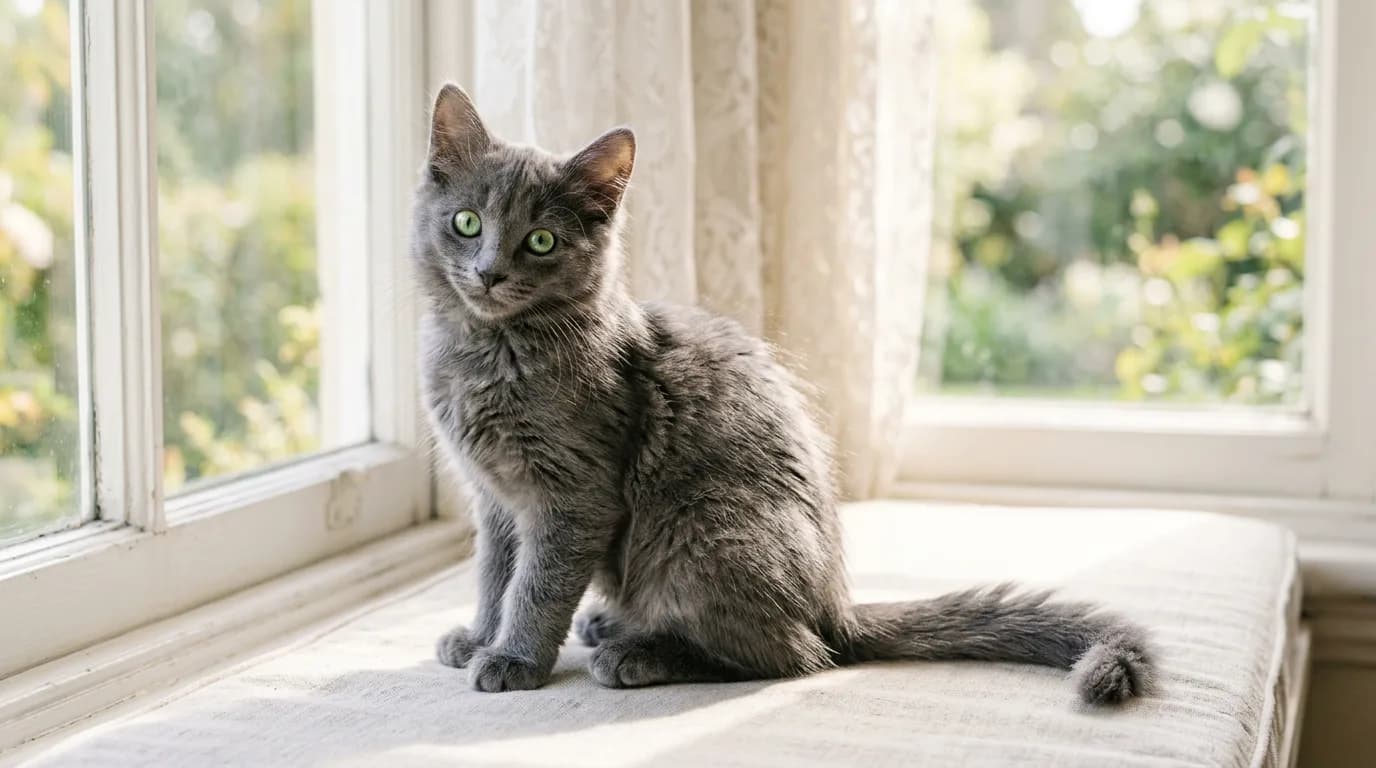
A Nebelung is a semi-longhaired blue cat developed in the United States in the mid-1980s by Cora Cobb under her Nebelheim cattery. The name comes from the German word "Nebel," meaning mist or fog, a nod to the soft, hazy shimmer of the coat. In practical terms, a Nebelung is essentially a longhaired Russian Blue. According to TICA, the Russian Blue was designated as the official outcross when the breed was being established, which is why a Nebelung and a Russian Blue share the same elegant body type, the same vivid green eyes, and the same dense double coat in that distinctive blue-grey color.
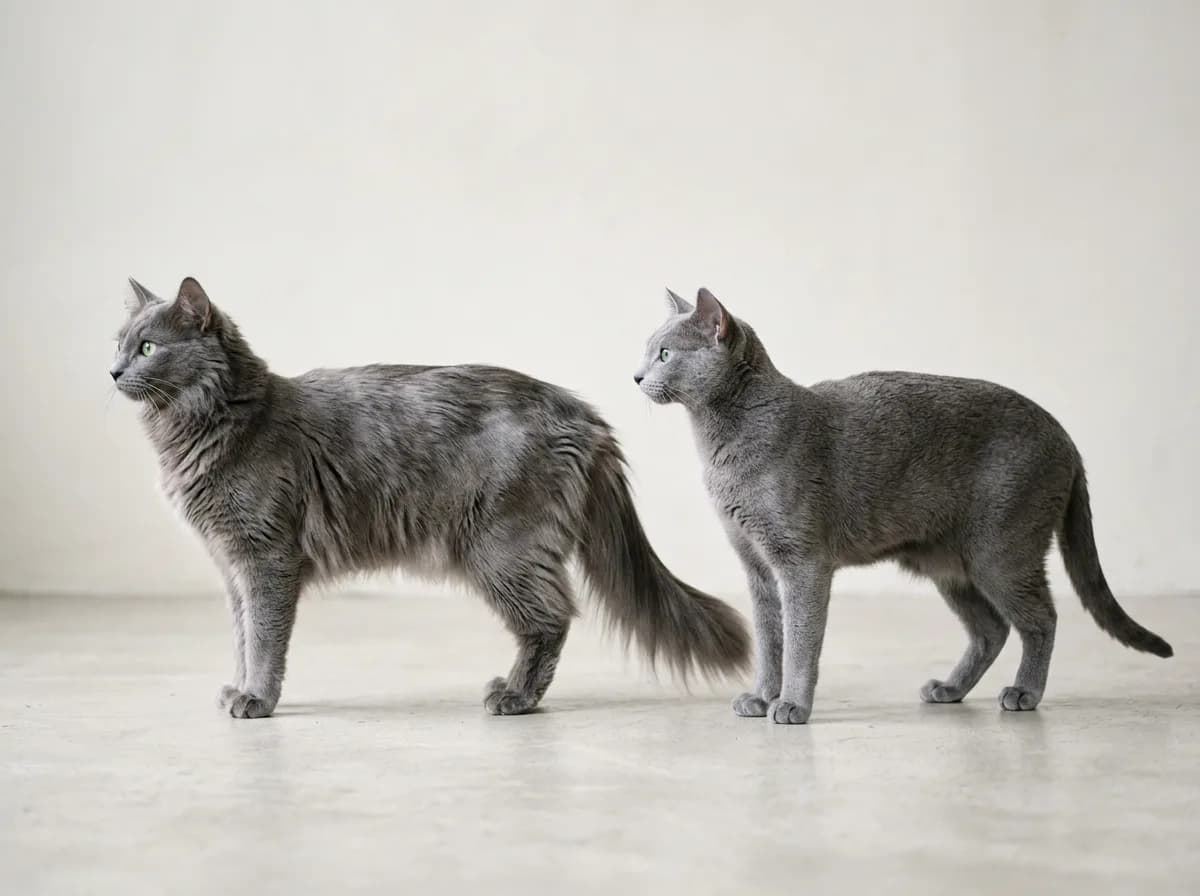
The difference is coat length. A Russian Blue is short and plush. A Nebelung is medium-long, with silver-tipped guard hairs that catch the light, a plumed tail, and a soft ruff around the neck that fills in with age. A Nebelung kitten carries the genetics for that long coat from birth, but the coat itself takes time to arrive, which leads to the single most common surprise new owners report.
Where the Breed Came From
The Nebelung origin story is unusually well documented for a modern breed. Cora Cobb owned a black domestic shorthair named Elsa, who had a litter sired by a cat that carried both Russian Blue and Angora lines. Two kittens from that mating, the long-coated blue Siegfried in 1984 and his blue sister Brunhilde in 1985, became the foundation of the breed. Cobb worked with geneticists to write a breed standard that essentially described a longhaired Russian Blue, and TICA granted the Nebelung championship status in 1997. The breed remains small in numbers today, which is part of its appeal and part of why finding a kitten takes patience.
Why Your Nebelung Kitten May Look Shorthaired at First
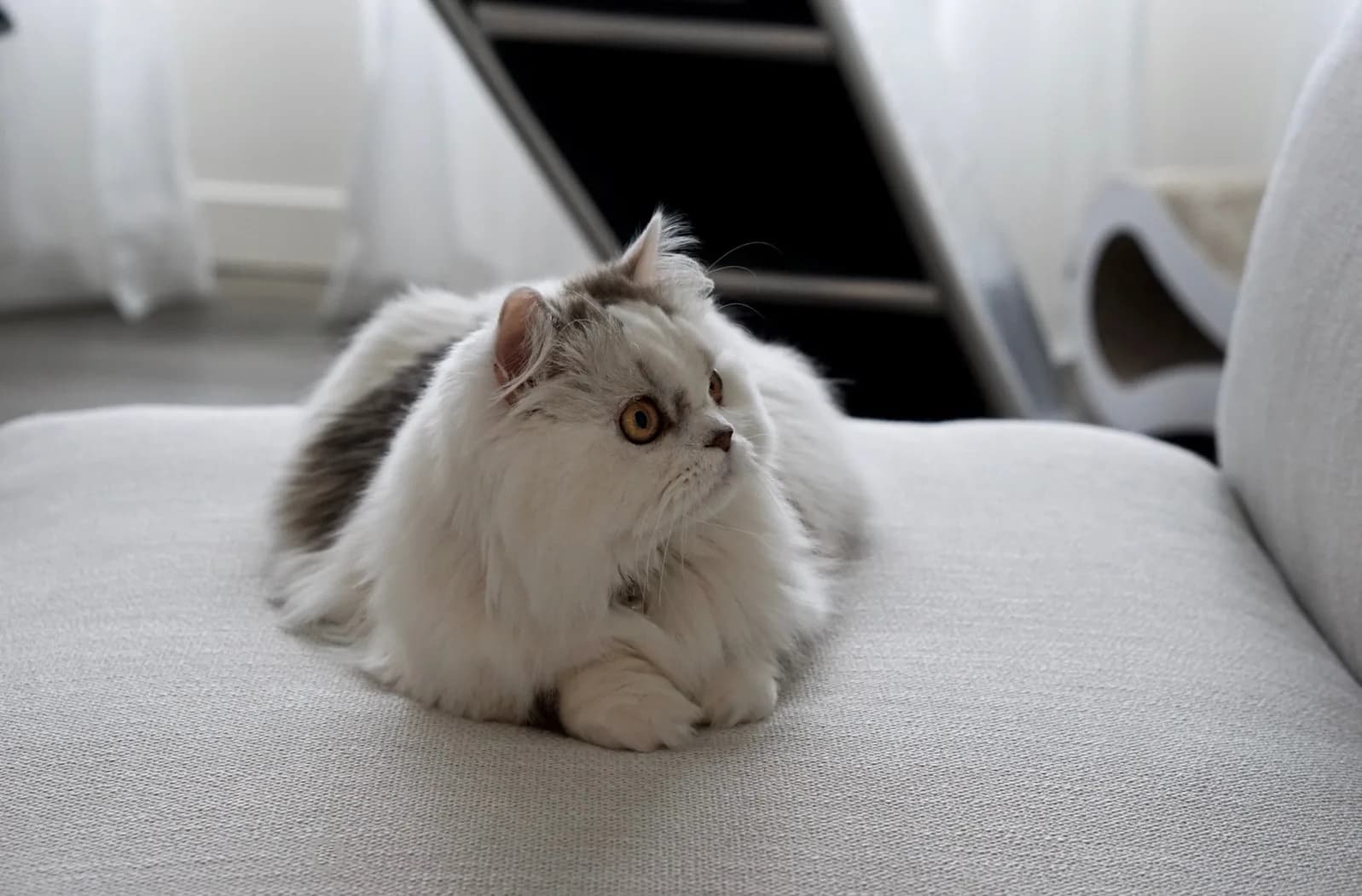
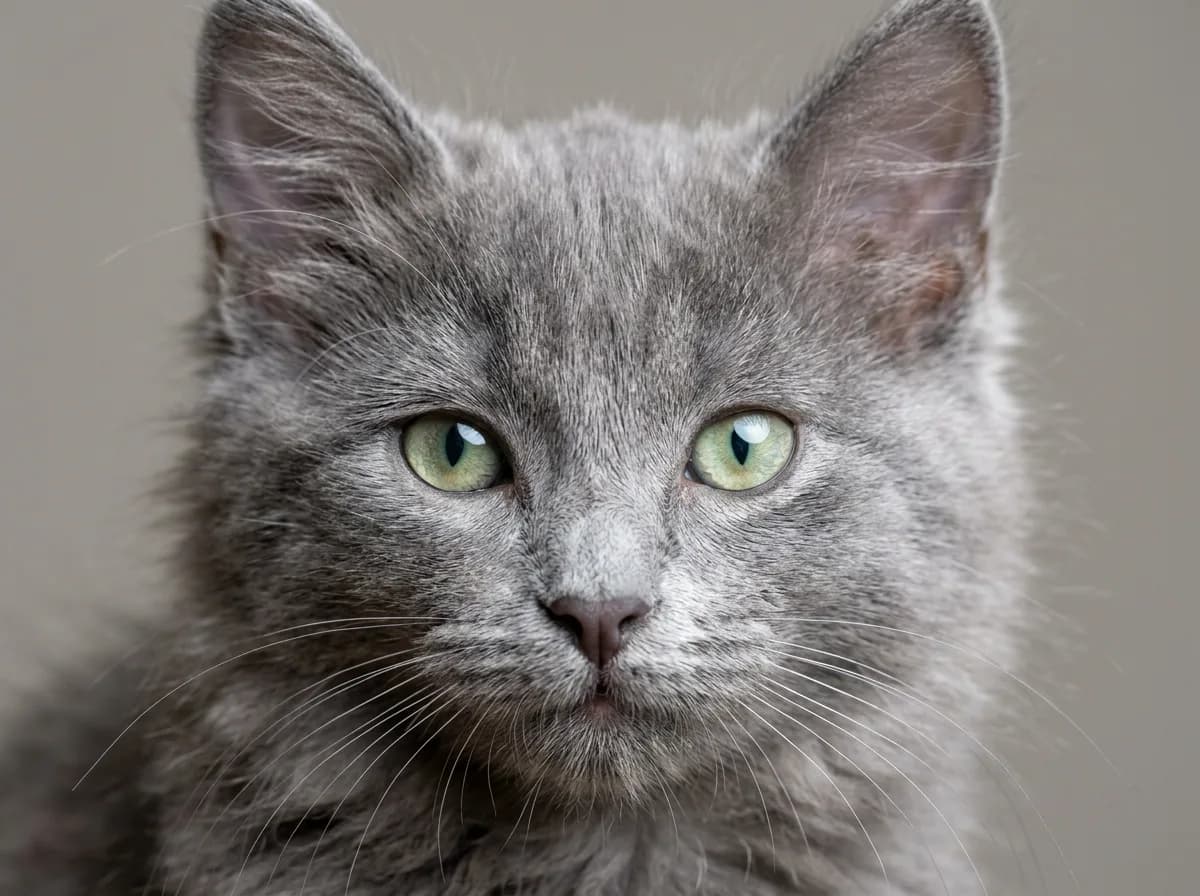
This is the surprise that sends new owners back to the breeder asking if they got the wrong cat. At eight to twelve weeks, a Nebelung kitten can look sleek and almost shorthaired, much closer to a Russian Blue than to the plush adult it will become. The luxurious coat the breed is famous for is one of the last features to develop.
Multiple breed authorities, including catsbest.eu and CatTime, note that the Nebelung coat does not reach its full length and texture until the cat is roughly two years old. The plumed tail usually shows first, often by four to six months, because tail hair lengthens earlier than body hair. The neck ruff and the long, fine body coat fill in gradually through the first and into the second year. So a kitten that looks like a smooth grey shorthair at three months can be a fully plumed, ruffed Nebelung by its second birthday.
A few things shape how fast the coat comes in: genetics from the parents, season (coats thicken in cooler months and shed back in spring), and overall health and nutrition. If your kitten is eating well, has clear eyes, and is gaining weight, a slow coat is almost always just the breed being the breed.
- A Nebelung kitten typically does not show its full plush coat and neck ruff until about age two, so a young kitten that looks nearly shorthaired is completely normal.
Eye Color Changes Too
The coat is not the only feature that matures slowly. Nebelung kittens are usually born with yellowish or yellow-green eyes that deepen toward the breed's signature vivid green over the first year or two. TICA describes the adult eye color as ranging from yellowish green to green. If your kitten's eyes have not turned brilliant green yet, give them time, just like the coat, the color arrives with age.
- Snap a side-profile photo of your kitten on the same day each month so you can actually see the coat and eye color develop. The change from month four to month twelve is dramatic.
Nebelung Kitten Temperament and Socializing a Shy Breed
The Nebelung is a gentle, intelligent, deeply loyal cat that typically bonds hard to one or two people. TICA puts it plainly: these cats are devoted to their families but can be shy with strangers and young children. That reserve is the defining personality trait of the breed, and it is the thing new owners most need to plan for.
A shy temperament is not a flaw, but it does mean a Nebelung kitten needs deliberate, gentle socialization to grow into a confident adult rather than a fearful one. The first 12 weeks of a kitten's life are the prime socialization window, when positive experiences shape lifelong comfort levels. A reputable breeder does much of this groundwork by raising kittens underfoot in a busy home. Your job is to continue it.

63-inch multi-level cat tree with scratch posts, hammock, plush perches, and dangling toys. Vertical territory is non-negotiable for high-energy climbing breeds like the Bengal.
Petful may earn a commission when you click through to Chewy, at no extra cost to you.
How to Socialize a Nebelung Kitten
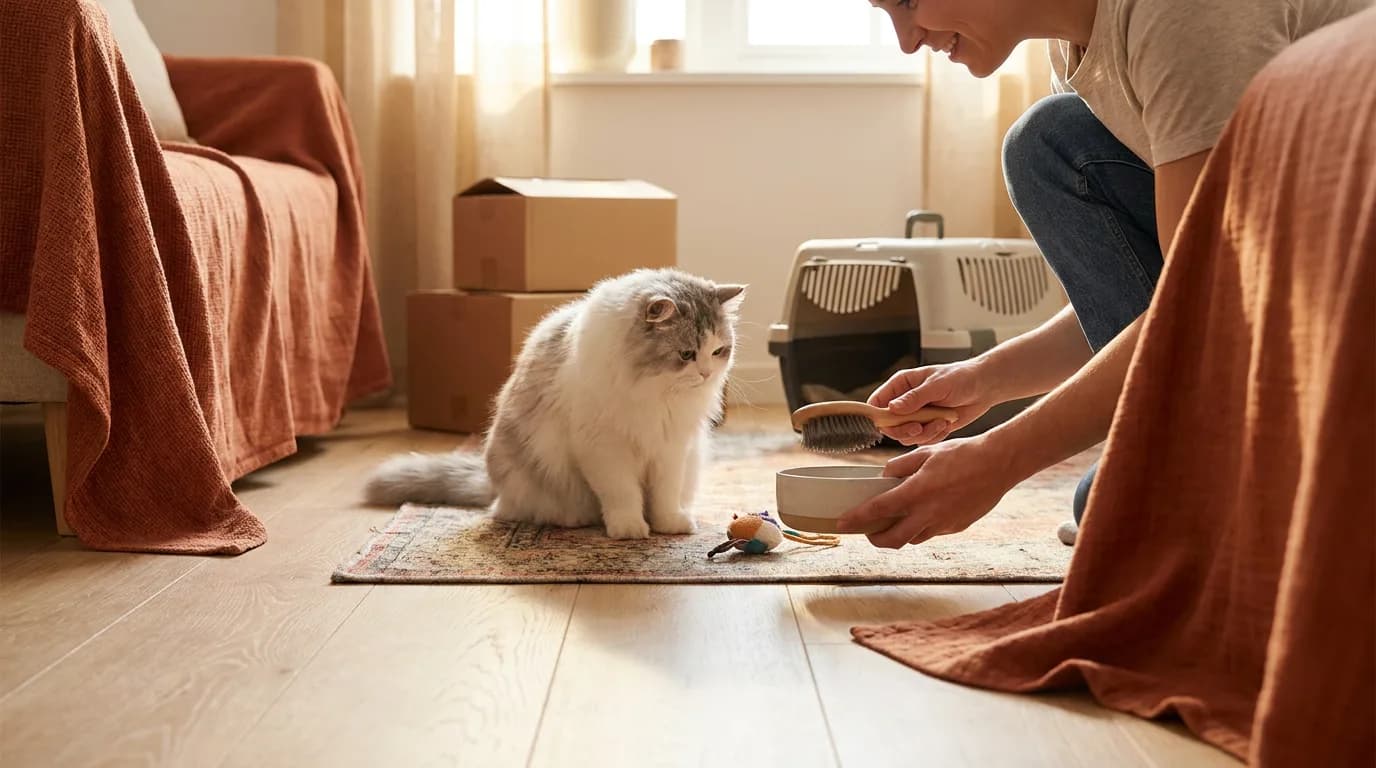
Go slow and let the kitten set the pace. Forcing a reserved cat into contact backfires and deepens the fear. Instead:
- Give the kitten one quiet "safe room" for the first few days, then let it expand its territory on its own schedule.
- Sit on the floor at the kitten's level and let it approach you rather than reaching for it.
- Pair people and new experiences with food. A treat or a meal in the presence of a calm visitor builds positive associations.
- Use interactive play. A wand toy lets a wary kitten engage with you from a comfortable distance and builds trust through fun.
- Introduce gentle, predictable sounds and visitors gradually, not all at once.
- Keep handling brief and positive, especially around children, and teach kids to be calm and quiet near the cat.
- Never trap, chase, or force a reserved Nebelung kitten to "get over" its fear. Flooding a sensitive cat with too much too fast creates a lifelong fearful adult. Patience and choice are what build confidence.
Done consistently, this gentle work pays off for the cat's entire life. A well-socialized Nebelung is not loud or pushy, but it will follow you room to room, "talk" to you in a soft chirp, and curl up beside you for hours. The reserve never fully disappears with strangers, and that is normal and healthy for the breed.
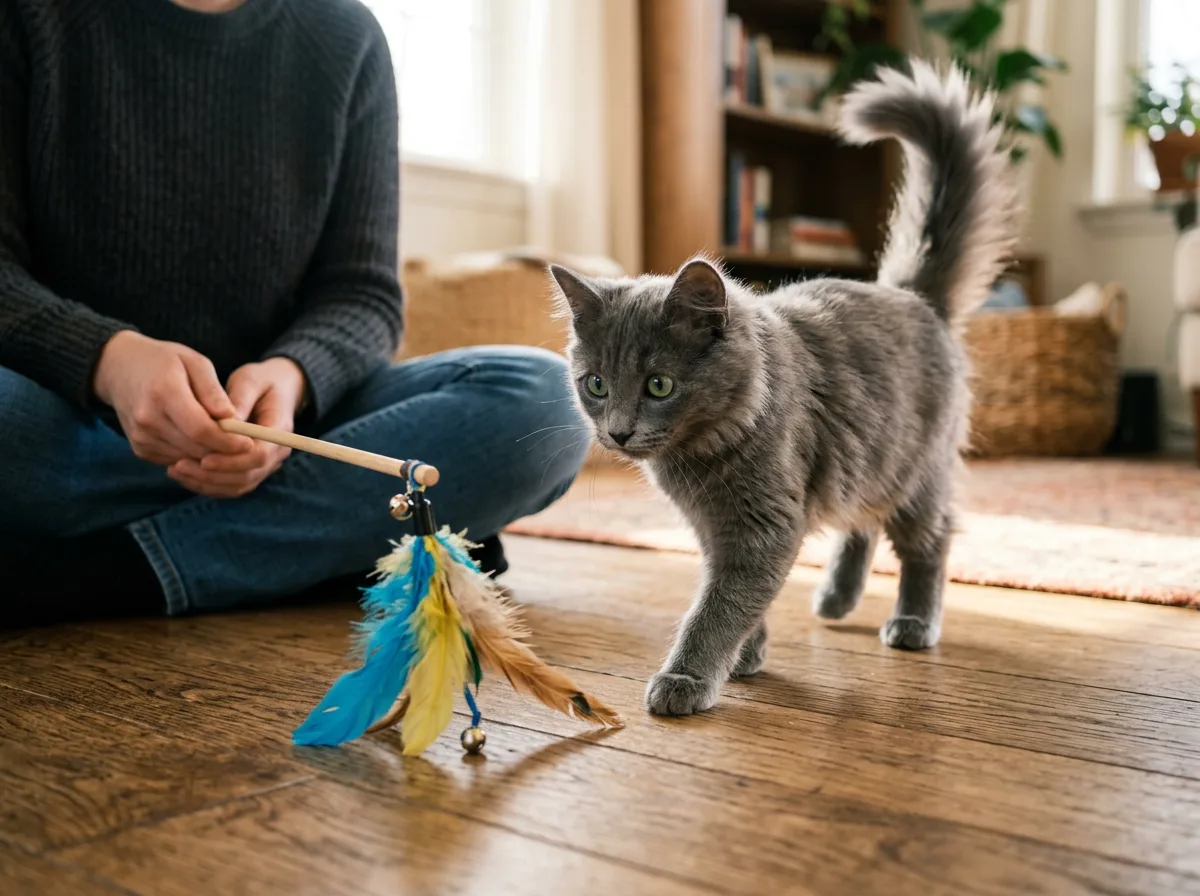
- A Nebelung that hides from a guest is being a Nebelung. A kitten that hides AND stops eating, has runny eyes, or seems lethargic may be ill. Behavior plus physical symptoms is the signal to call your vet.
Caring for a Nebelung Kitten Day to Day
For a longhaired breed, the Nebelung is refreshingly low maintenance, but kittens still have specific needs while they grow.
Grooming
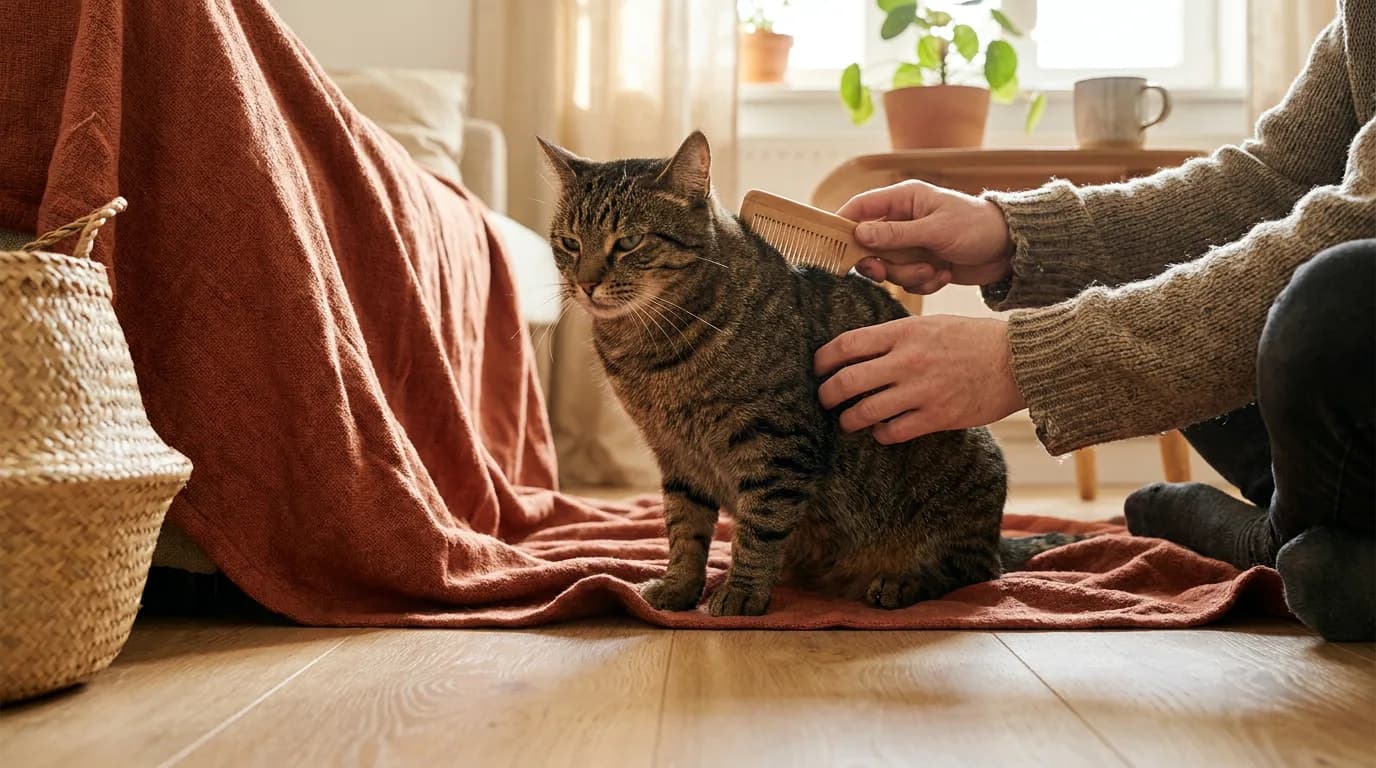
Despite the eventual length of the coat, the Nebelung's fur is silky and resistant to matting, so it needs far less grooming than a Persian or a Maine Coon. While your kitten still has its shorter juvenile coat, a quick brush once a week is plenty and mostly serves to get the kitten used to the routine. As the adult coat fills in, move to brushing two or three times a week, and brush more often during seasonal shedding in spring and fall. Starting grooming early and gently, while it still feels like a game, makes the adult routine effortless.
Feeding a Growing Kitten
Feed a complete, balanced kitten food formulated for growth until about 12 months of age. Kittens need more calories, protein, and fat per pound than adults to fuel their development, including that slow-arriving coat. Free-feeding or several small meals a day suits a growing kitten's small stomach. Always provide fresh water, and because Nebelungs are intelligent and food-motivated, a puzzle feeder can double as enrichment.
Litter, Enrichment, and the Indoor Life
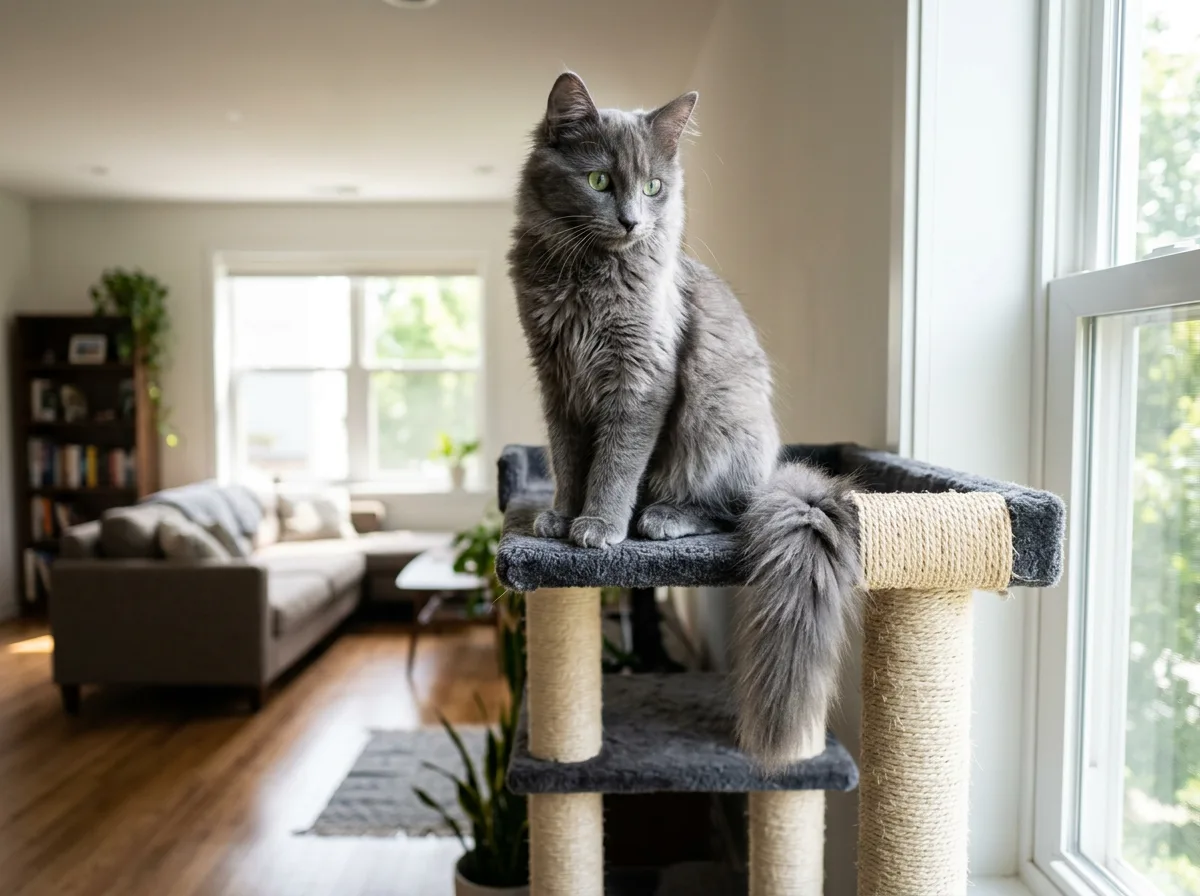
Nebelungs are clean and reliable with the litter box. Start a kitten with a low-sided box it can climb into easily and scoop daily. Because the breed is athletic and smart, vertical space matters: a cat tree, shelves, and window perches keep a Nebelung happy and exercised. These cats prefer a calm, predictable home and generally do best as indoor cats, both for their safety and because their reserved nature makes the outdoors stressful. Daily interactive play protects against boredom and reinforces the bond you are building.
- A Nebelung is a climber and an observer. A tall cat tree by a window gives a shy kitten a safe high perch to watch the household from, which actually speeds up its confidence.
Recommended Starter Gear for a Nebelung Kitten
| Item | Why It Matters for a Nebelung | What to Look For |
|---|---|---|
| Stainless steel or wide ceramic bowls | Keeps the long chin and ruff clean and prevents chin acne | Shallow, wide, easy to wipe down |
| Slicker or fine-pin brush | Manages the silky coat as it lengthens toward age two | Gentle pins, comfortable for weekly then twice-weekly use |
| Tall cat tree with covered perch | Gives a reserved kitten a safe high lookout to build confidence | Sturdy base, a hideaway cubby, sisal posts |
| Interactive wand toy | Lets a wary kitten bond with you from a comfortable distance | Replaceable feather or string attachments |
| Complete kitten growth food | Fuels development and the slow-arriving plush coat | AAFCO statement for growth or all life stages |
Health and Lifespan of the Nebelung
One of the best things about the breed is its sturdiness. The Nebelung is generally healthy and long-lived, with a typical lifespan of about 13 to 18 years and many cats reaching even older with good care. Because the breed was built largely from Russian Blue stock and has been bred responsibly within a small, well-tracked gene pool, it has no signature genetic disease the way some pedigreed breeds do.
That said, no cat is risk free. The main things to stay ahead of are the issues common to all cats: maintaining a healthy weight to protect against obesity-related problems, routine dental care, and regular wellness checks. A responsible breeder will screen their breeding cats and provide a health guarantee. Keep your kitten on a vaccination and parasite-prevention schedule set by your veterinarian, and feed an appropriate diet to support that long, healthy life.
- A Nebelung sheds relatively little for a longhaired cat, but no cat is truly hypoallergenic. The Fel d 1 protein in saliva and dander, not hair length, drives most cat allergies. Spend time with the breed before adopting if anyone in the home is allergic.
How to Find a Healthy Nebelung Kitten
Because the Nebelung is rare, finding a kitten takes research and patience, and that scarcity unfortunately attracts scams and careless backyard breeders. Here is how to source a healthy kitten from an honest place.
Start With a Registered Breeder
The safest path is a breeder registered with TICA or the Cat Fanciers' Association (CFA). Both organizations let you search for breeders by breed, and a registered breeder agrees to a code of ethics. Expect a waitlist, the breed's small numbers mean kittens are not sitting in a shop window. Be prepared to travel or to wait several months for the right litter.
Questions to Ask and Green Flags to Look For
A good breeder will happily answer questions and will ask you plenty in return. Look for:
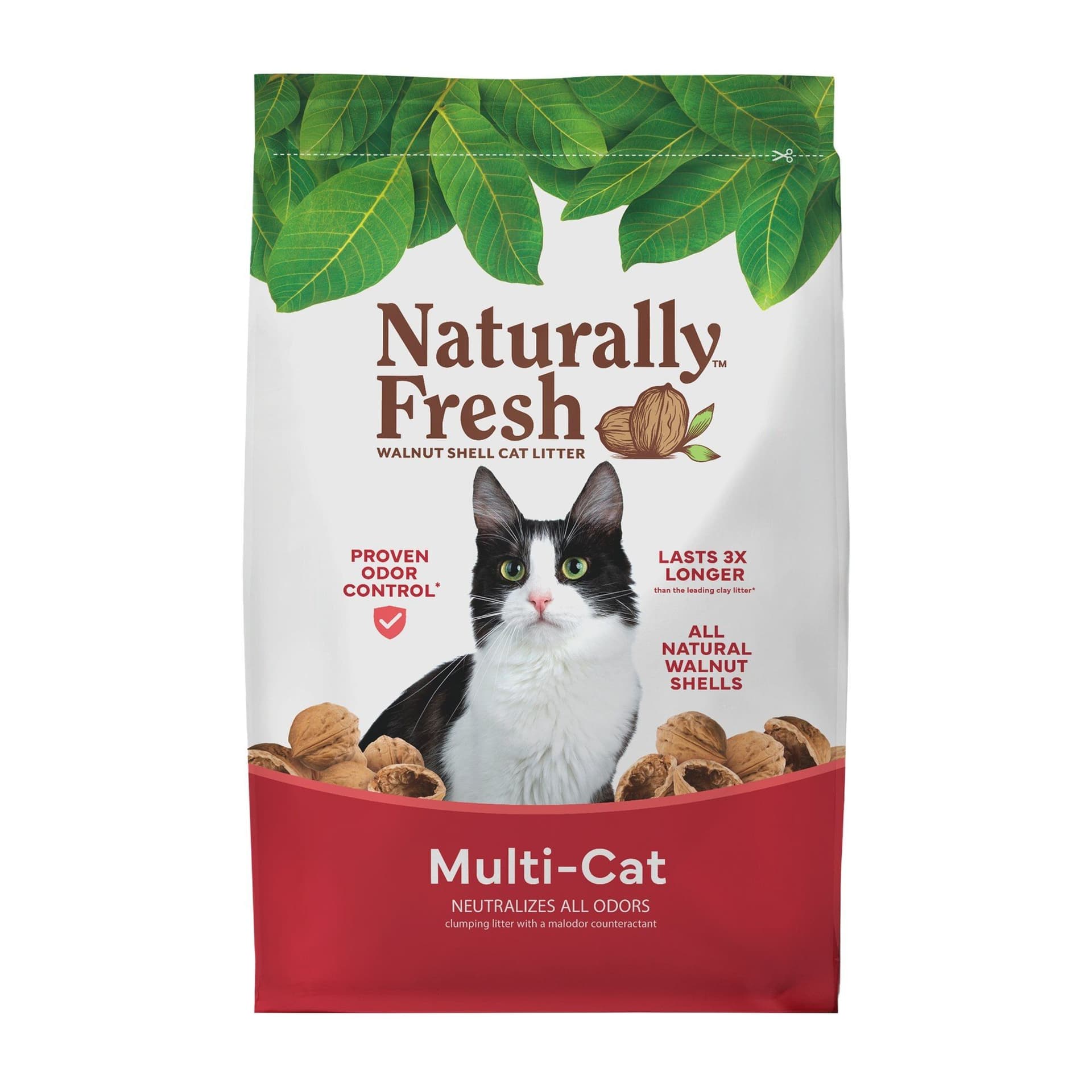
Walnut shell clumping cat litter that excels at odor control, lasts up to 3x longer than clay, and is a top pick for multi-cat households.
Petful may earn a commission when you click through to Chewy, at no extra cost to you.
- Kittens raised inside the home, underfoot, not isolated in a garage or shed (this is the socialization head start).
- Health testing on the parent cats and a written health guarantee.
- Kittens that stay with their mother and littermates until at least 12 weeks, which is critical for behavioral development.
- Up-to-date vaccinations, deworming, and a vet check before the kitten goes home.
- Registration papers and a clear, written contract.
- A breeder who will take the cat back at any point in its life if you cannot keep it.
Red Flags to Walk Away From
- A "Nebelung" available immediately, in quantity, and cheaply (true Nebelungs are rare and waitlisted).
- No health testing, no contract, or refusal to let you see where the kittens are raised.
- Kittens offered before eight to twelve weeks of age.
- Pressure to pay a deposit by wire or gift card before you have seen real, current photos or video.
What About Adoption?
Purebred Nebelungs rarely turn up in shelters, but it does happen, and breed-specific rescue exists. Petfinder and breed rescue groups occasionally list Nebelungs or close Nebelung mixes. If your heart is set on the look and temperament rather than papers, a longhaired blue domestic cat from a shelter can be a wonderful, far more available alternative. Either way, adopting an adult means the coat surprise is already settled, you can see exactly what you are getting.
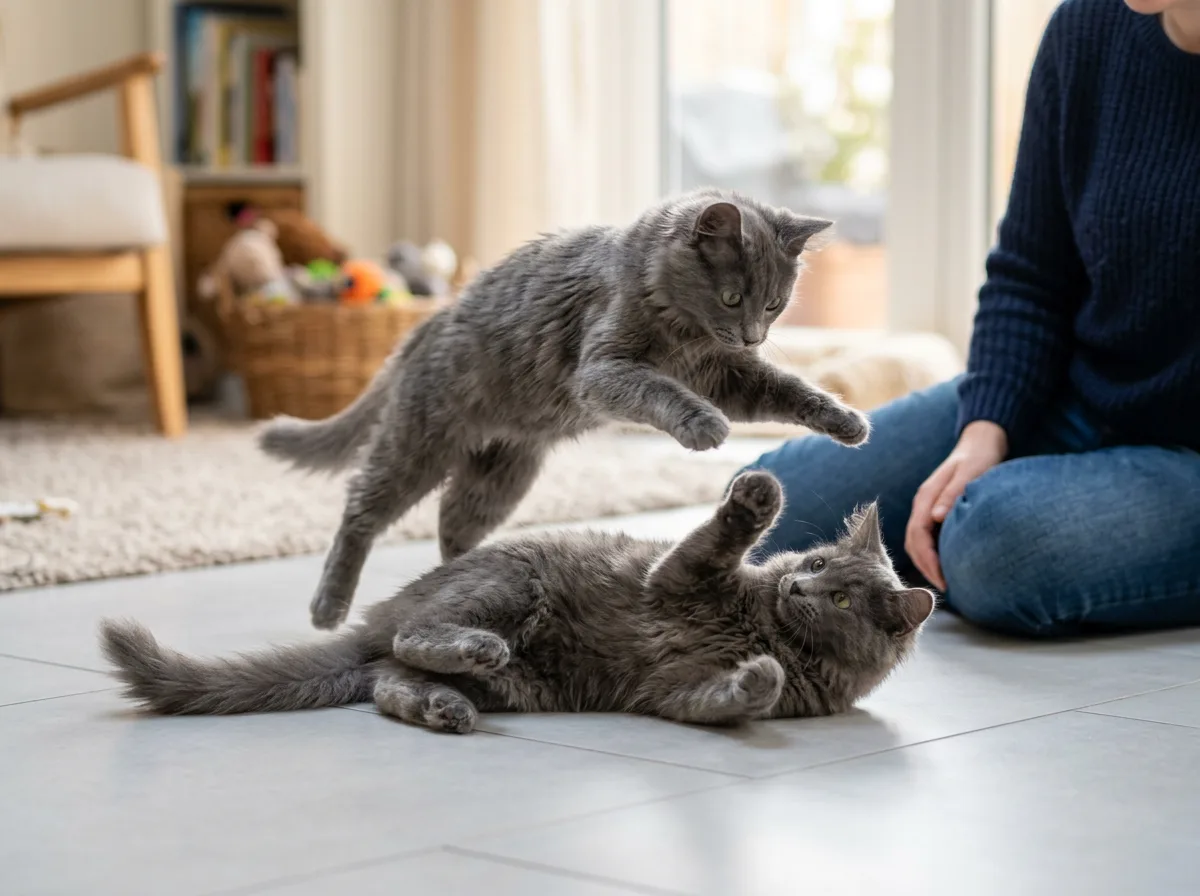
Nebelung Kitten Price and Cost of Ownership
A Nebelung kitten from a registered, responsible breeder in the United States generally runs about 600 to 1,500 US dollars, with show-quality kittens reaching higher. European breeders often quote roughly 950 to 1,500 euros. The price reflects the breed's rarity, the small number of breeders, and the health testing and early socialization a good breeder invests in.
Remember that the purchase price is only the start. Budget for first-year veterinary care including vaccinations and spay or neuter, quality food, a litter setup, and the cat tree and toys a smart, athletic cat needs. Over a 13 to 18 year life, the ongoing care is where most of the real cost lands, which is all the more reason to start with a healthy, well-bred kitten.
How the Nebelung Compares to Similar Breeds
If you love the Nebelung's misty blue look and quiet personality, a few related breeds are worth knowing, and comparing them can help you confirm the Nebelung is the right fit.
The closest comparison is the Russian Blue, the Nebelung's short-haired counterpart and genetic ancestor. If you want the same color and temperament with even less grooming, the Russian Blue is the answer, and our Nebelung vs Russian Blue breakdown covers the differences in detail. For people who want a big, plush, longhaired cat that is more outgoing, the Norwegian Forest Cat and the Siberian are friendly, robust alternatives. And if the silver-tipped shimmer is what caught your eye, the Burmilla wears a sparkling shaded coat in a sweeter, more social package.
A Realistic First Year With Your Nebelung Kitten
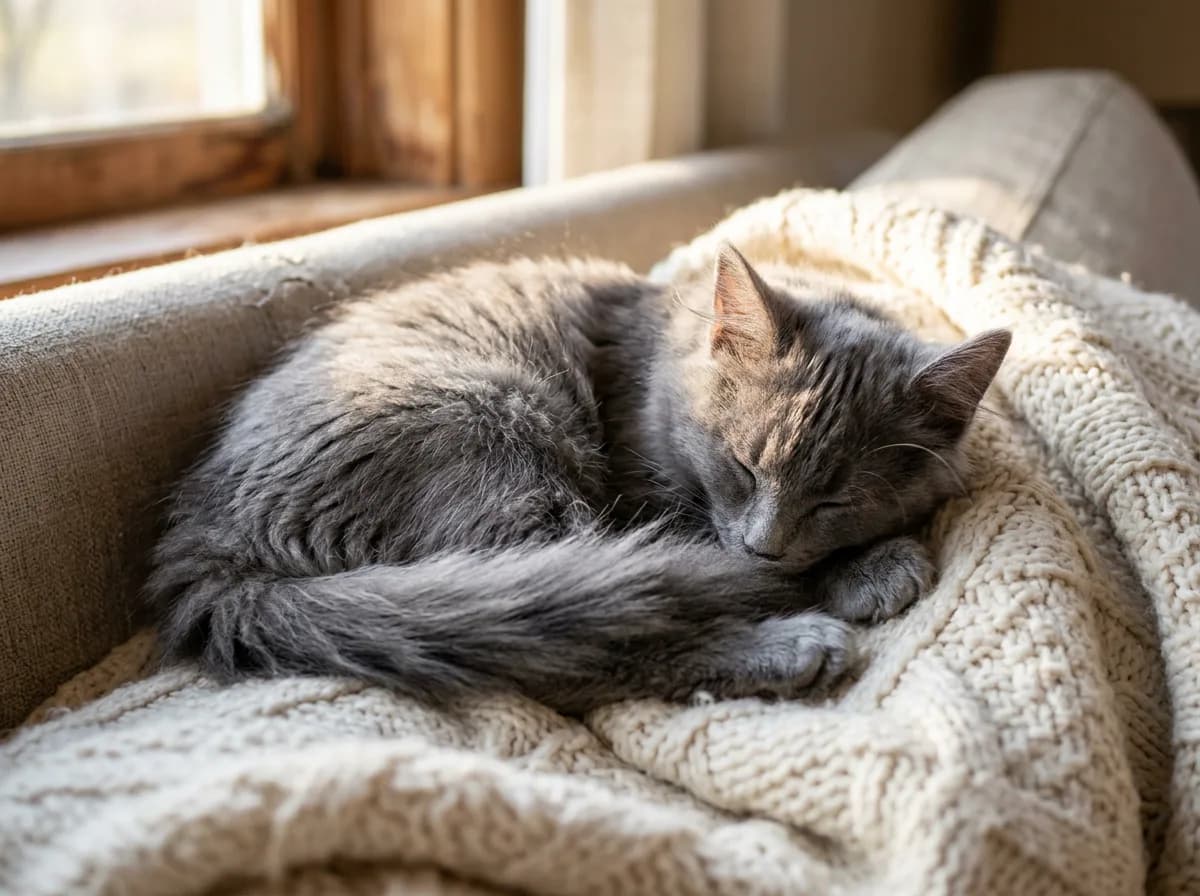
Picture the timeline. At eight to twelve weeks, your kitten comes home looking sleek and a little reserved, maybe hiding for a day or two. By four months, the plumed tail starts to lengthen and the kitten is bonding hard to you. By six to eight months, the body coat is noticeably fuller, the neck ruff is starting, and the eyes are deepening toward green. By the first birthday, you have a clearly longhaired cat that follows you everywhere but still slips away when strangers visit. And by about age two, the full misty coat, the plumed tail, and the brilliant green eyes have all arrived, the cat the breed is famous for.

108-oz stainless steel pet fountain with quiet pump and water-level window. Bengals are notoriously water-obsessed; a flowing fountain encourages hydration and pulls them away from sinks and toilets.
Petful may earn a commission when you click through to Chewy, at no extra cost to you.
That slow reveal is the whole charm of raising a Nebelung kitten. You get to watch the mist roll in.
How a Nebelung Kitten Differs From Other Quiet Blue Cats
People shopping for a Nebelung cat often cross-shop other dignified, soft-spoken cats. What sets the Nebelung apart is the specific combination of a longhaired Russian Blue coat, a famously reserved one-person devotion, and genuine rarity. A British Shorthair in blue is rounder and calmer but short-coated. A Chartreux is blue and quiet but again short-coated and stockier. Only the Nebelung pairs that exact misty semi-long coat with the slim, elegant Russian Blue frame and the soft chirping voice. If you want details on coat shades and what is and is not breed-standard color, our guide to Nebelung cat colors goes deeper.
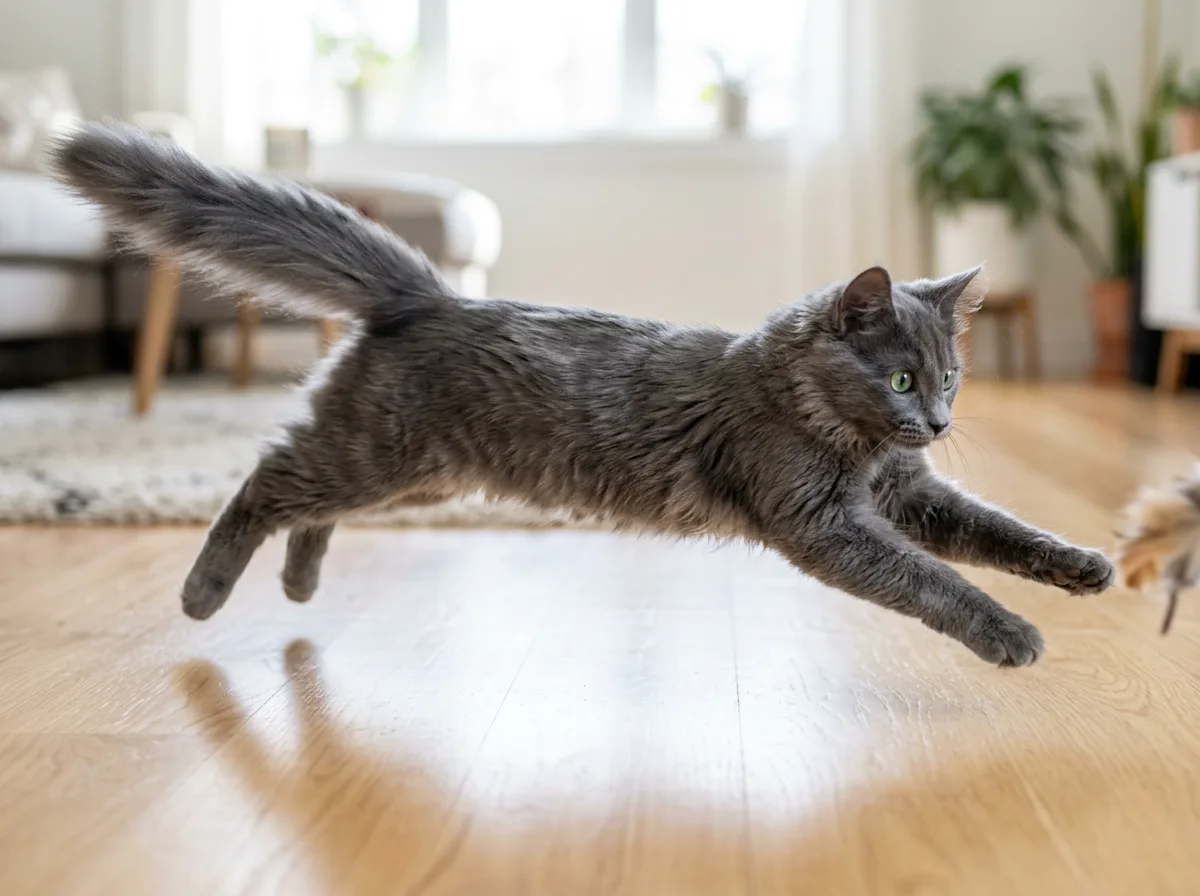
Nebelung Kitten Coat and Development Timeline, Month by Month
The slow coat reveal is the single most asked-about part of raising this breed, so it helps to know roughly what each stage looks like. Treat the following as a guide rather than a guarantee. Genetics, season, and the individual cat all shift the schedule by weeks in either direction, and a kitten born in autumn often coats up faster than a spring litter simply because the cold cues a heavier coat. What matters is steady progress, not hitting an exact date.
In the first two to three months, your kitten looks deceptively sleek. The fur is short, the tail is thin, and side by side with a Russian Blue you would struggle to tell them apart. This is also the stage when the body is doing its fastest growing, so calories matter more than coat. From four to six months the first real clue arrives at the tail, where the longer plume hairs lengthen ahead of the body. Around this point many kittens hit a gangly, slightly awkward stage where legs and ears look a touch too big for the body, which is completely normal and resolves on its own.
Between six and twelve months the body coat starts to catch up. The fur over the back and flanks lengthens, the first hint of a neck ruff appears, and the eyes begin shifting from kitten yellow-green toward the breed's deeper green. By the first birthday you have a clearly semi-longhaired cat, though the coat is still thinner and finer than it will eventually be. The full transformation, with the dense ruff, the heavy plumed tail, and the misty silver-tipped shimmer the breed is named for, lands closer to the second birthday. Use the table below as a quick reference and pair it with the monthly side-profile photos suggested earlier so you can actually watch the mist roll in.
| Age | Coat and Body | What to Focus On |
|---|---|---|
| 8 to 12 weeks | Short, sleek, near-shorthaired; thin tail | Settling in, the safe room, gentle handling, growth food |
| 4 to 6 months | Plume hairs lengthen at the tail; gangly stage | Continued socialization, first dental habits, play routines |
| 6 to 12 months | Body coat lengthens, ruff begins, eyes deepening green | Transition planning toward adult food near 12 months |
| 12 to 18 months | Clearly semi-longhaired but still filling in | Increase brushing to two or three times weekly |
| About 24 months | Full plush coat, dense ruff, plumed tail, vivid green eyes | Adult maintenance grooming and seasonal shed care |
- If your kitten is eating well, gaining weight, bright-eyed, and active, a coat that lags this timeline by a few weeks is normal breed variation, not a problem to fix.
A Week-by-Week Socialization Plan for a Shy Nebelung Kitten
The earlier section covered the principles of socializing a reserved cat. Because the Nebelung's shyness is so central to the breed, it is worth turning those principles into a concrete plan for the first month at home. The goal across these weeks is the same: every new person, sound, and experience should end on a calm, positive note, and the kitten should always have the choice to retreat. Confidence is built by stacking up small wins, never by forcing a breakthrough.
Week One: Safe and Small
Keep the kitten in one quiet room with its litter box, food, water, a bed, and a hiding spot. A small world is a manageable world for a nervous newcomer. Spend time simply sitting in the room reading or working on your phone, letting the kitten observe you without pressure. Talk softly so it learns your voice. Do not invite visitors yet. The only job this week is teaching the kitten that this room, and you, are safe.
Week Two: Expanding Territory and Hands
Once the kitten is eating normally, using the box, and approaching you on its own, open the door and let it explore the rest of the home at its own pace, ideally one new room at a time. Begin brief, gentle handling tied to good things: a few seconds of petting before a meal, a treat after you pick it up and set it down. Keep every handling session short and end it before the kitten wants you to. Start the grooming habit now with a soft brush for just a few strokes.
Week Three: New Sounds and One Calm Visitor
Introduce the ordinary sounds of a lived-in home gradually: the vacuum from another room, the doorbell, the blender, a television. Pair anything startling with a treat tossed in the kitten's direction. Invite one calm adult to visit and ask them to ignore the kitten entirely, sitting on the floor and letting the cat approach if it chooses. A guest who does not chase is a guest a Nebelung learns to tolerate.

Color-changing crystal litter that flags pH shifts in your cat's urine, an early warning sign of UTIs, kidney issues, and more.
Petful may earn a commission when you click through to Chewy, at no extra cost to you.
Week Four and Beyond: Repetition and Children
Repeat and widen these exposures. Add a second and third quiet visitor over time, always on the kitten's terms. If there are children in the home, coach them to sit still, speak softly, and let the cat come to them, and supervise every interaction. Carry the routine forward well past the first month. Socialization is not a four-week project you finish; it is a habit of patient, positive exposure that pays off across the cat's whole life.
- Stash high-value treats near your entryway. Tossing one whenever the doorbell rings or a guest arrives turns the scary event into a predictor of something good, which is exactly how a shy cat learns to relax.
Kitten-Proofing and Setting Up the First Week
A reserved breed settles faster into a home that feels safe and predictable, so it pays to set everything up before the kitten arrives rather than scrambling on day one. Walk through your home at kitten height and look for trouble the way a curious, athletic climber would find it.
Secure or tuck away dangling cords from blinds and electronics, which invite chewing and tangling. Move houseplants out of reach and confirm none are toxic to cats; lilies in particular are dangerous even in small amounts. Latch cabinets that hold cleaning products or medications, and get into the habit of keeping toilet lids down and washer and dryer doors shut, since warm, enclosed spaces are magnets for a small cat. Tuck away small swallowable items like hair ties, rubber bands, and string, which are tempting and dangerous if eaten.
For the first week, set up the safe room described in the socialization plan with everything the kitten needs within a few steps. Place the litter box well away from the food and water, because cats dislike eating beside their bathroom. Give the kitten a covered bed or a box on its side to hide in, since a hiding option actually speeds up confidence rather than slowing it down. Add a sturdy scratching surface from day one so the kitten learns where to scratch before furniture becomes the target. Keep the home calm and the household quiet for those first days, and resist the urge to show off the new kitten to friends until it has found its feet.
- Many common lilies are severely toxic to cats, and even pollen or vase water can cause fatal kidney failure. Keep all lilies out of any home with a cat, and call your vet or a pet poison line immediately if you suspect exposure.
A First-Week Setup Checklist
Having the basics staged before pickup day removes stress for both of you. The essentials below cover the safe room and the first few days; the broader starter gear table earlier in this guide covers the longer-term kit.
| Item | Why It Matters Early | Setup Tip |
|---|---|---|
| Low-sided litter box | Easy entry for small legs, encourages reliable use | Place in a quiet corner away from food and water |
| Covered bed or hideaway | A hiding spot speeds up a shy kitten's confidence | Put it in the safe room where the kitten can watch from cover |
| Scratching post or pad | Teaches good scratching habits before furniture is targeted | Stand it near the bed and where the kitten naps |
| Growth-formula kitten food | Fuels rapid early development | Match what the breeder fed, then transition slowly if needed |
| Same-brand litter as the breeder used | Familiar texture and scent reduce litter-box stress | Switch types gradually over a week if you want to change |
Early Feeding and the First-Year Vet Schedule
The general feeding section covered the basics: a complete growth formula until about 12 months, fed in several small meals or free-fed to suit a small stomach. A few extra points smooth the first months. Find out exactly what the breeder was feeding and start with the same food, because an abrupt diet change on top of the stress of a new home is a common cause of an upset stomach. If you want to switch foods, do it gradually over seven to ten days, mixing increasing amounts of the new food into the old. Keep fresh water available at all times, and if your kitten is a slow drinker, a wide shallow bowl set away from the food helps, since some cats dislike water that smells of dinner.
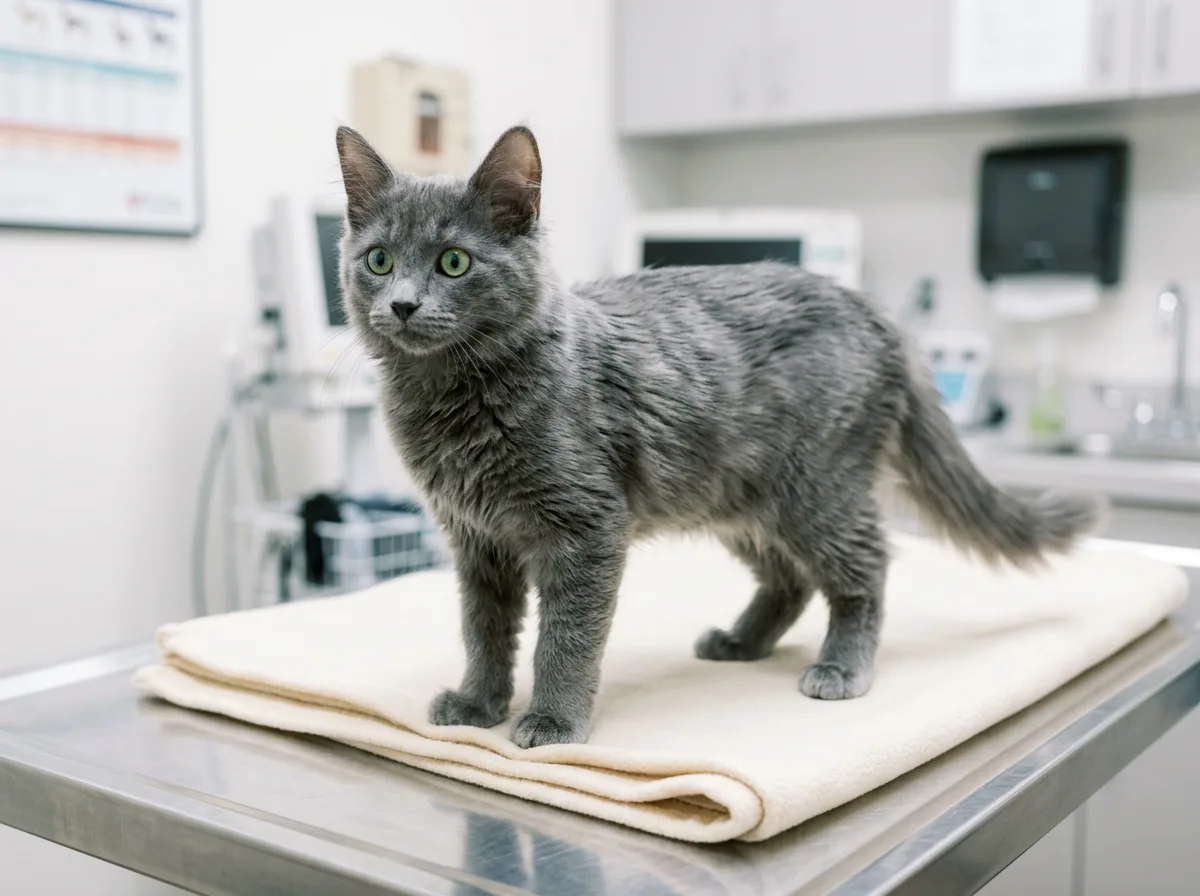
The first year is also the busiest stretch for veterinary care, and staying on schedule is the foundation of that long 13 to 18 year lifespan. Book a wellness exam within the first week of bringing your kitten home, both to confirm it is healthy and to start the relationship with your vet. Your veterinarian will set the exact timing, but a typical kitten schedule follows a recognizable shape across the first months and into the first year.
| Age | Typical Visit | What Usually Happens |
|---|---|---|
| 6 to 8 weeks | First core vaccine and exam | FVRCP series begins, deworming, fecal check (often done by breeder) |
| 10 to 12 weeks | Second round | FVRCP booster, parasite prevention, weight and growth check |
| 14 to 16 weeks | Third round | FVRCP booster and rabies vaccine where required by law |
| 4 to 6 months | Spay or neuter | Commonly scheduled in this window per your vet's advice |
| 12 months | First adult wellness visit | Booster vaccines as due, transition to adult food, full checkup |
Treat the table as the usual pattern, not medical advice; your veterinarian tailors the plan to your kitten, your region's laws, and your cat's lifestyle. Keep your kitten on year-round parasite prevention as your vet recommends, and because Nebelungs are best kept as calm indoor cats, ask which vaccines and preventives make sense for an indoor lifestyle. Microchipping is usually done at the spay or neuter visit and is cheap insurance for a rare, valuable cat.
- A wellness exam in the first few days confirms your kitten is healthy, catches anything the breeder missed, and protects you under most health guarantees, which often require a vet check within a set window after pickup.
What to Ask a Breeder Before You Reserve a Kitten
The earlier section on finding a healthy kitten covered green flags and red flags. Before you put down a deposit and join a waitlist, it is worth having a specific list of questions ready, because the breeder's answers tell you as much about their ethics as any paperwork does. A good breeder welcomes these questions and answers them in detail; evasiveness or irritation is itself a red flag.
Ask how the kittens are raised and where they spend their days, listening for kittens kept underfoot in the home rather than isolated in a garage or kennel. Ask what health testing the parent cats have had and request to see the results, and ask whether the breeder offers a written health guarantee and what it covers. Ask at what age kittens go home, with the right answer being no earlier than 12 weeks so the kitten gets full behavioral development with its mother and littermates. Ask what the kittens are being fed and what litter they use, so you can match both at home. Ask what vaccinations, deworming, and vet checks the kitten will have had before pickup, and whether a contract and registration papers are included.
Two questions reveal the most about a breeder's character. First, ask what happens if you can no longer keep the cat; an ethical breeder will insist on taking the cat back at any point in its life. Second, ask the breeder to tell you about the kitten's parents and their temperaments, because a breeder who knows their cats as individuals, and who is breeding for the gentle, stable personality the breed should have, is the breeder you want. If the answers are vague, or if a kitten is available instantly and cheaply with no questions asked in return, walk away and keep looking. For the wider picture on the breed's personality and care once your kitten is home, our full Nebelung cat profile is a useful companion to this guide.
- The strongest sign of a responsible breeder is that they ask you as many questions as you ask them. A breeder who screens homes carefully is one who genuinely cares where their rare kittens end up.
Frequently Asked Questions About Nebelung Kittens
Look for a medium to long blue-grey double coat with silver-tipped guard hairs that give a misty shimmer, a plumed tail, a neck ruff, vivid green eyes, and a slender, elegant body. A true Nebelung looks like a longhaired Russian Blue. Because the coat takes about two years to mature, a kitten may look nearly shorthaired, so registration papers from a TICA or CFA breeder are the only certain confirmation.
Yes. The Nebelung is one of the rarest pedigreed cat breeds. It descends from just two foundation cats bred in the mid-1980s, the gene pool is small, and there are relatively few breeders, so kittens are usually waitlisted rather than readily available.
Cats show affection through slow blinks, gentle head bumps and cheek rubbing, kneading with their paws, purring, following you from room to room, grooming you, and sleeping pressed against you. A Nebelung in particular expresses love through quiet devotion, soft chirping, and shadowing its favorite person.
The Nebelung was developed primarily from the Russian Blue, which TICA designated as the breed's official outcross, crossed with a domestic shorthair carrying a longhair (Angora) gene. In essence, a Nebelung is a longhaired Russian Blue.
Very rare. With a small founding gene pool from the 1980s and only a limited number of registered breeders worldwide, Nebelungs are far less common than mainstream breeds, and prospective owners typically wait months on a breeder's list to get a kitten.
The Ragdoll is widely considered the floppiest cat breed, named for its tendency to go limp and relaxed when picked up. The Nebelung is not a floppy breed; it is gentle and affectionate but more reserved and dignified, preferring to stay close to its person rather than go limp in anyone's arms.
A Nebelung kitten from a registered, responsible breeder in the United States generally costs about 600 to 1,500 US dollars, with show-quality kittens priced higher. European breeders often quote roughly 950 to 1,500 euros. The price reflects the breed's rarity plus the health testing and early socialization a good breeder provides.
Among the rarest domestic cat breeds are the Sokoke, the Kurilian Bobtail, and the Chausie, with the Sokoke frequently cited as the rarest of all. The Nebelung is also considered rare, sitting alongside breeds like the Burmilla and the Turkish Van as uncommon finds.

Coreen Saito is a pet writer and longtime shelter volunteer with more than a decade in animal rescue. She covers cat behavior, breed care, and the small, ordinary science of sharing a life with companion animals, with a particular focus on honest takes about the products and decisions that actually matter. At home in Arizona, she's outranked by Mac (a dog with the loudest opinion in the house), Rebel (a cat who governs by quiet authority), and Meri (an orange tabby who runs the late shift and the laundry basket). She writes about all three, plus the rescues that keep coming through her life, at LifeWithMinty.com.
Sign up for expert-backed reviews and safety alerts all in one place.