Nebelung Cat Price: What This Rare Breed Really Costs
Wondering about the Nebelung cat price? A breeder kitten runs $600 to $1,200 and adoption costs $50 to $150. Here is the real first-year budget, monthly costs, lifetime spend, and how to find a reputable breeder for this rare blue beauty.
Petful is reader supported. As an affiliate of platforms like Amazon and Chewy, we may earn a commission when you buy through links on this page. There is no extra cost to you.
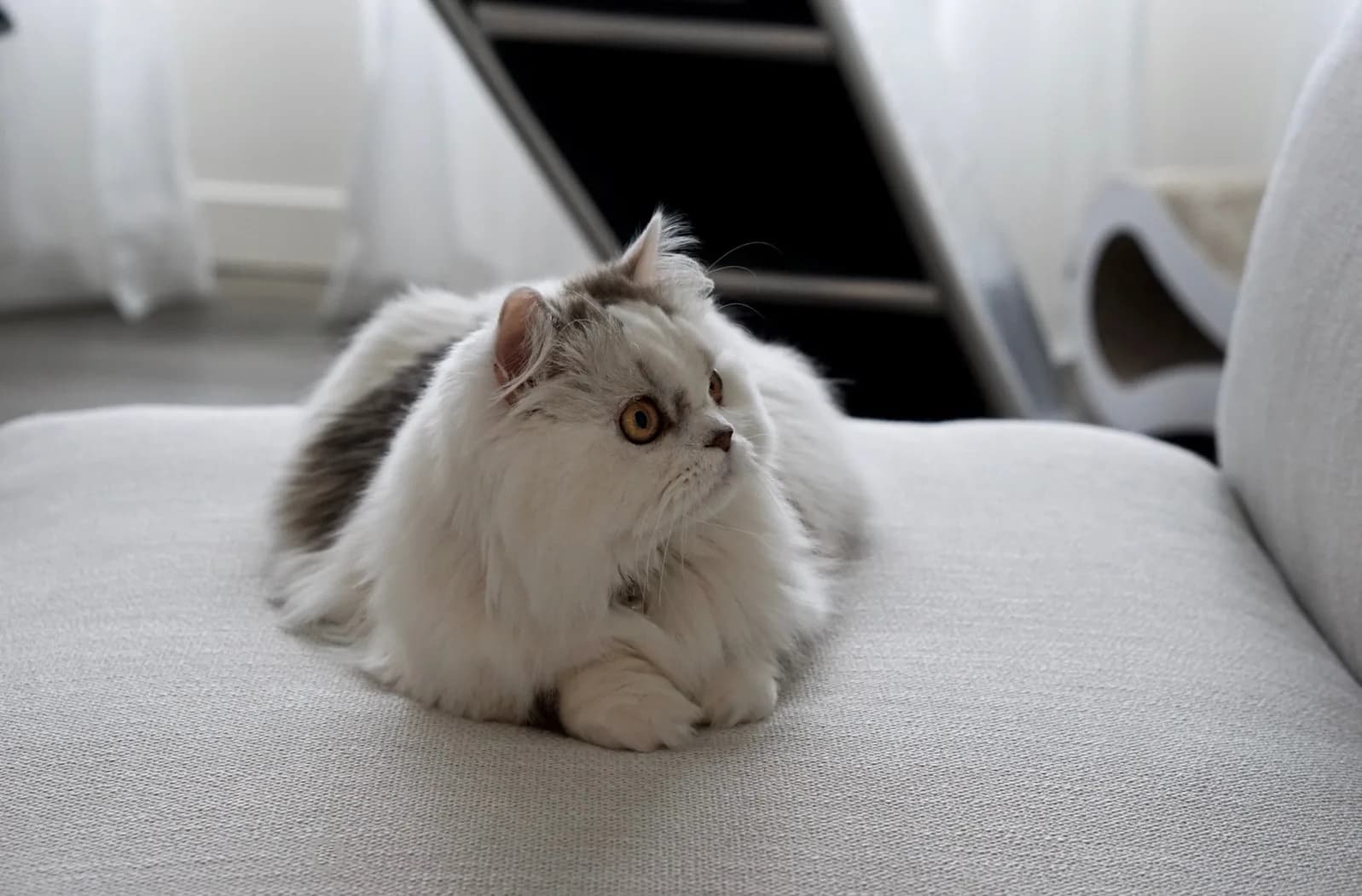
The Nebelung cat price from a reputable breeder typically runs $600 to $1,200, and The International Cat Association (TICA), the registry that granted the breed full championship status in 1997, lists only a small handful of active U.S. breeders. That scarcity is the whole story behind the number. The Nebelung is one of the rarest pedigreed cats in North America, so demand outstrips a tiny supply, and the long-haired blue coat that makes this cat look like a Russian Blue draped in fog comes at a premium. Before you fall for those green eyes, it helps to understand what you are paying for up front, what the first year actually costs, and where the recurring bills land for the next 15 years.
- 1A purebred Nebelung kitten costs $600 to $1,200 from a breeder, or roughly $50 to $150 to adopt.
- 2First-year ownership lands near $1,500 to $2,800 once you add vaccines, spay or neuter, microchip, and starter supplies.
- 3Ongoing care averages $80 to $160 a month for food, litter, and pet insurance.
- 4The breed is rare not because it is expensive to raise, but because very few breeders exist, so a long wait is normal.

Sign up for expert-backed reviews and safety alerts all in one place.
How Much Is a Nebelung Cat? The Short Answer
If you only want the headline figure, here it is: expect to pay between $600 and $1,200 for a Nebelung kitten from a registered breeder, with most pet-quality kittens clustering around $700 to $1,000. Show-quality or breeding-rights kittens from a champion line can reach $1,500 or more, and imported kittens carry shipping and paperwork costs on top of that.
Adoption is far cheaper when you can find a Nebelung, with shelter and rescue fees generally falling between $50 and $150. The catch is rarity. Because the breed is so uncommon, purebred Nebelungs almost never turn up in shelters, and most rescues that do list one have a waiting list.
The price range tracks closely across the major cat resources. Cats.com and A-Z Animals both cite a $600 to $1,200 breeder range, Catster reports around $1,200 before import fees, and Adopt a Pet lists $600 to $1,500 from a breeder against a $50 to $150 adoption fee. Petful sits squarely in that consensus. If a "breeder" is offering Nebelung kittens for $200, treat it as a red flag rather than a bargain.
- Pet-quality kittens that will be spayed or neutered sit at the low end. Show-quality kittens with breeding rights, a documented pedigree, and a champion-line sire or dam sit at the top, which is where the $1,200-plus figures come from.
Why Are Nebelungs So Expensive?
Nebelungs are not expensive because they are difficult to feed or fragile to raise. They are expensive because almost nobody breeds them, and the few who do invest heavily to keep the line healthy and true to type. Three forces push the Nebelung cat price up.
Genuine rarity
The Nebelung is one of the rarest recognized breeds in the United States. It only exists at all because, in the mid-1980s, a Denver software designer named Cora Cobb bred a black domestic shorthair named Elsa to a blue, Russian-Blue-type shorthair, and one of the resulting kittens, a long-haired blue male she named Siegfried, sparked the whole program. Cobb named the breed Nebelung from the German word "Nebel," meaning mist or fog, a nod to the shimmering coat. Decades later, the active breeding population is still tiny, which keeps litters scarce and prices firm.
Careful, low-volume breeding
Reputable Nebelung breeders run small programs. They health-screen their breeding cats, register litters with TICA, vaccinate and socialize kittens before they go home, and often spread the gene pool by outcrossing carefully to Russian Blues to avoid the problems that come with a narrow population. All of that costs money and time, and it is built into the kitten price.

63-inch multi-level cat tree with scratch posts, hammock, plush perches, and dangling toys. Vertical territory is non-negotiable for high-energy climbing breeds like the Bengal.
Petful may earn a commission when you click through to Chewy, at no extra cost to you.
High demand for the look
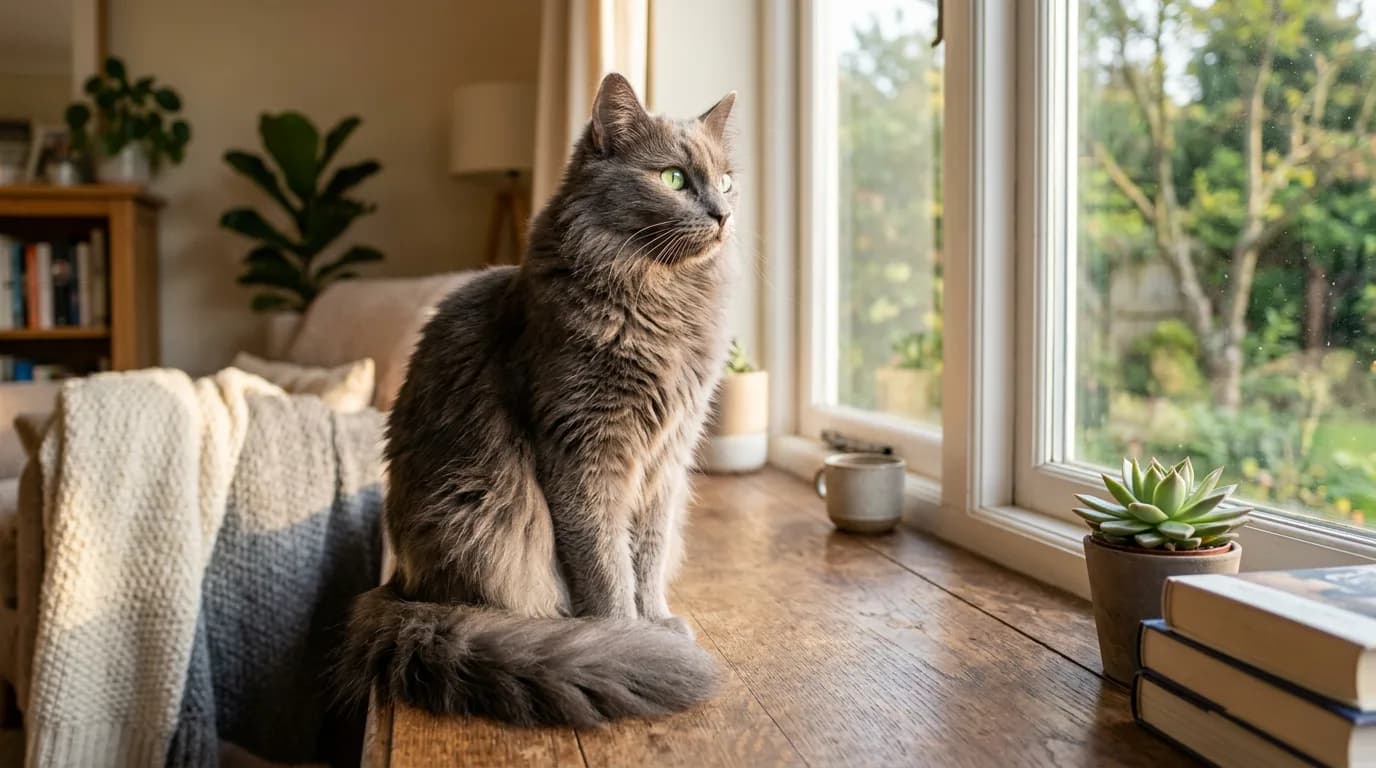
The Nebelung is essentially a long-haired Russian Blue, and that plush silver-tipped slate-blue coat plus vivid green eyes is exactly the aesthetic a lot of buyers want. When a beautiful, hard-to-find cat meets steady demand, the price holds. You can read more about how the two breeds compare in our Nebelung vs Russian Blue breakdown.
- Importing a Nebelung from Europe can add shipping, a health certificate, and customs paperwork worth several hundred dollars or more. Sourcing from a U.S. breeder, even with a wait, is usually the cheaper and lower-stress route.
What Changes the Nebelung Cat Price
Two Nebelung kittens from two different breeders can be priced hundreds of dollars apart, and the gap is rarely random. A handful of concrete factors move the number, and knowing them helps you judge whether a quote is fair or inflated.
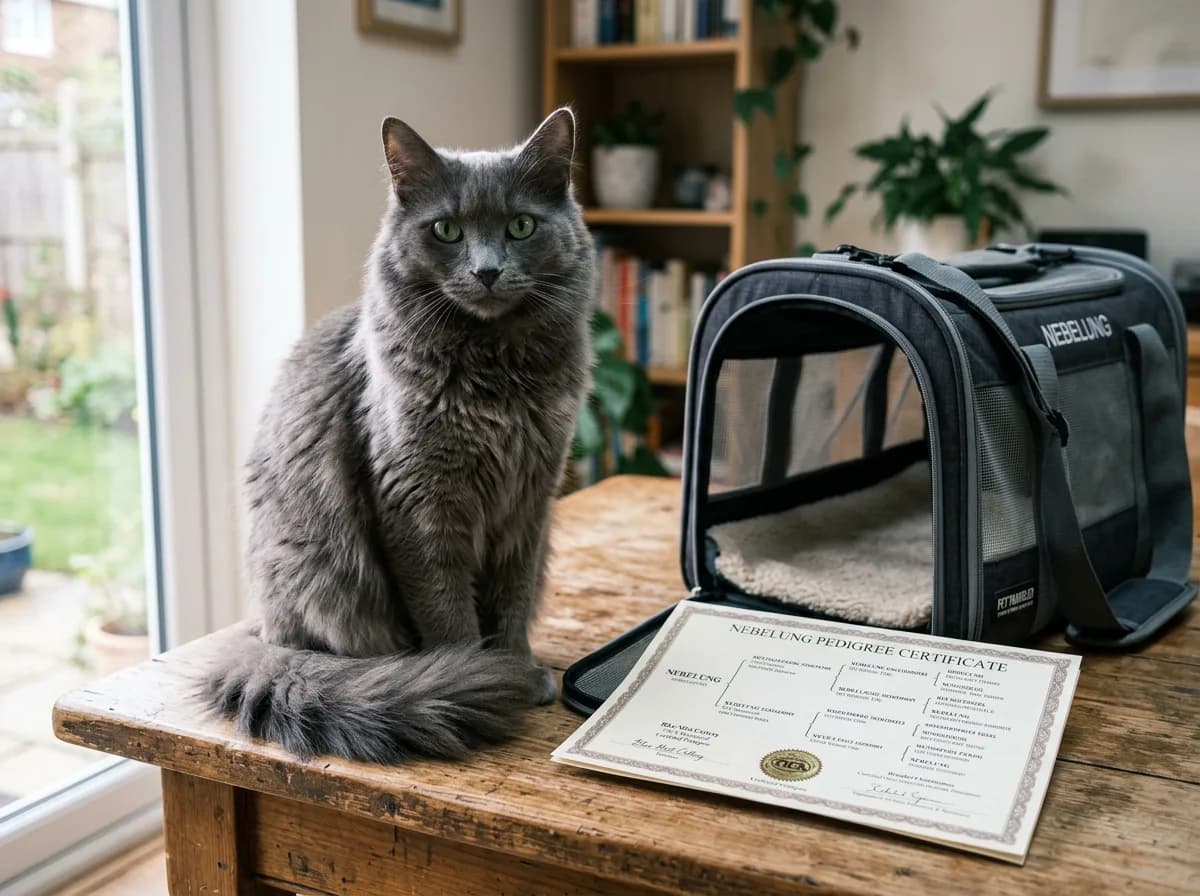
Pedigree and lineage are the biggest lever. A kitten descended from titled, show-winning parents with generations of documented ancestry commands more than a pet-quality kitten from the same litter, because the breeder can prove the cat is true to the breed standard. A registered pedigree is also your only real guarantee that you are buying an actual Nebelung rather than a generic long-haired grey cat being sold as one.
Quality designation matters too. Breeders typically sort a litter into pet quality, show quality, and breeding quality. Pet-quality kittens, sold on a spay or neuter contract, are the most affordable. Show-quality and breeding-rights kittens cost the most because the breeder is giving up future breeding value.
Age plays a role in the opposite direction. Retired adults and older kittens are often placed for a fraction of a kitten price, sometimes for little more than an adoption fee, because the breeder simply wants them in loving homes. If you are flexible on age, an adult Nebelung can be a genuine bargain.
Geography and waiting lists round it out. Where the breeder is located, how far the kitten has to travel, and how long the wait list is all nudge the price. In high-cost metro areas, vet care and the breeder's own overhead are higher, and that flows through to the kitten price.
- A pet-quality Nebelung is just as healthy, affectionate, and beautiful as a show-quality one. The label only means a minor cosmetic point keeps it out of the show ring, such as coat length or eye shade. For a pet, it is the smartest value in the litter.
Regional and Country Price Variation
Where you live changes what a Nebelung costs, and for a breed this rare the geographic gap can be wide. The $600 to $1,200 consensus range is a U.S. average. Inside the United States, the same kitten quality tends to cost more on the coasts and in major metros, where breeder overhead, vet fees, and the local cost of living all run higher, and less in the South and Midwest, where those costs are lower. Because so few Nebelung breeders exist, your nearest one may be several states away, so transport or a flight nanny fee often gets added regardless of which region you live in.
Internationally the picture shifts again, and the swing is driven as much by breeder density as by currency. The breed has a slightly larger following in parts of Europe and Russia, where its Russian Blue heritage carries cultural weight, so kittens can occasionally be easier to find there even if the headline price is similar. Buyers in the United Kingdom, Canada, and Australia usually pay at or above the U.S. range once the limited local supply and any import logistics are factored in. The table below gives a rough sense of where prices land, expressed in U.S. dollars for easy comparison.
| Region | Typical Pet-Quality Range (USD) | Notes |
|---|---|---|
| U.S. coasts and major metros | $900 to $1,400 | Higher breeder overhead and vet costs |
| U.S. South and Midwest | $600 to $1,000 | Lower cost of living, but breeders are sparse |
| United Kingdom | $800 to $1,300 | Few breeders, long wait lists common |
| Canada | $800 to $1,300 | Often sourced from the U.S. with transport added |
| Australia | $1,000 to $1,500 | Smallest local supply, highest import friction |
| Continental Europe | $700 to $1,200 | Slightly deeper breeder pool in some countries |
Treat these figures as orientation rather than quotes. The single biggest cost a long-distance buyer overlooks is getting the kitten home: ground transport, a cabin or cargo flight, or a professional pet courier can add $200 to $600 or more on top of the kitten price, and that is before any import paperwork for a cross-border purchase. When you compare a closer breeder against a cheaper one far away, run the all-in number, not just the sticker.
- A $700 kitten three states away that needs a $450 flight nanny is a $1,150 cat. A $950 kitten you can drive to is cheaper all-in. Always compare the delivered price, not the listing price.
Adoption vs Breeder: Comparing the Real Cost
Buying from a breeder and adopting from a rescue are very different paths, and not only on price. A breeder gives you a known pedigree, a verified purebred, a young kitten, and predictable timing. Adoption gives you a lower fee, an often-vaccinated adult cat, and the chance to give an existing animal a home, but for a breed this rare you may wait a long time or settle for a Nebelung mix.
| Path | Typical Cost | What You Get |
|---|---|---|
| Breeder (pet quality) | $600 to $1,000 | Registered purebred kitten, early vaccines, socialization, a wait list |
| Breeder (show or breeding rights) | $1,200 to $1,500+ | Pedigree, champion lines, breeding rights, possible import fees |
| Shelter or rescue | $50 to $150 | Often an adult cat, usually vaccinated and fixed, rarely a verified purebred |
| Online bargain listing | Under $400 | High risk of a kitten mill, no pedigree, possible health problems |
If your heart is set on a guaranteed purebred kitten, budget for a breeder and be patient. If you mainly want a gentle, blue-grey, mist-coated companion and a pedigree does not matter, breed-specific rescues and Russian Blue rescues are worth a look. For broader context on what these kittens are like before they come home, see our Nebelung kitten guide.
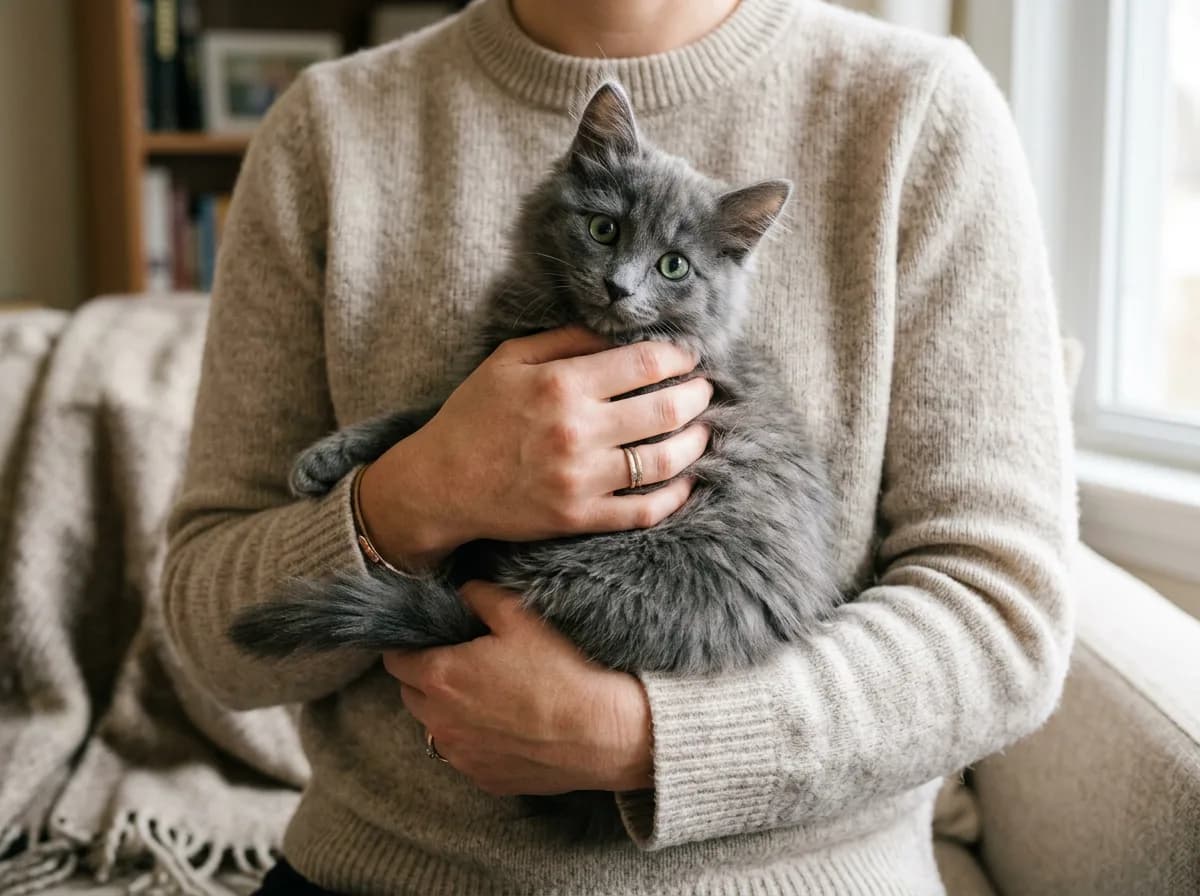
First-Year Cost of Owning a Nebelung
The purchase price is only the opening payment. The first 12 months carry the heaviest extra costs because you are buying everything at once: the medical groundwork plus all the gear. Here is a realistic breakdown for a single healthy kitten in the United States.
| Expense | Low Estimate | High Estimate |
|---|---|---|
| Kitten or adoption fee | $50 | $1,200 |
| Initial vaccine series | $115 | $210 |
| First vet exam and stool test | $75 | $150 |
| Spay or neuter | $150 | $300 |
| Microchip | $20 | $50 |
| One-time supplies (bed, carrier, litter box, scratcher, bowls) | $115 | $400 |
| First-year food and litter | $400 | $750 |
| Pet insurance (year one) | $360 | $720 |
| First-year total | $1,285 | $3,780 |
For most adopters who buy a mid-priced kitten and shop sensibly, the realistic first-year figure lands around $1,500 to $2,800. The single biggest swing factor is the kitten price itself, followed by whether you carry pet insurance from day one.
The medical groundwork
A kitten needs a vaccine series (feline panleukopenia, feline herpesvirus, and calicivirus, plus rabies), a first wellness exam, and a fecal test. Many breeders complete the first round of shots before the kitten goes home, which is one reason buying from a quality breeder can lower your early vet bills. Spay or neuter surgery usually runs $150 to $300 depending on your region and clinic, and a microchip adds $20 to $50.
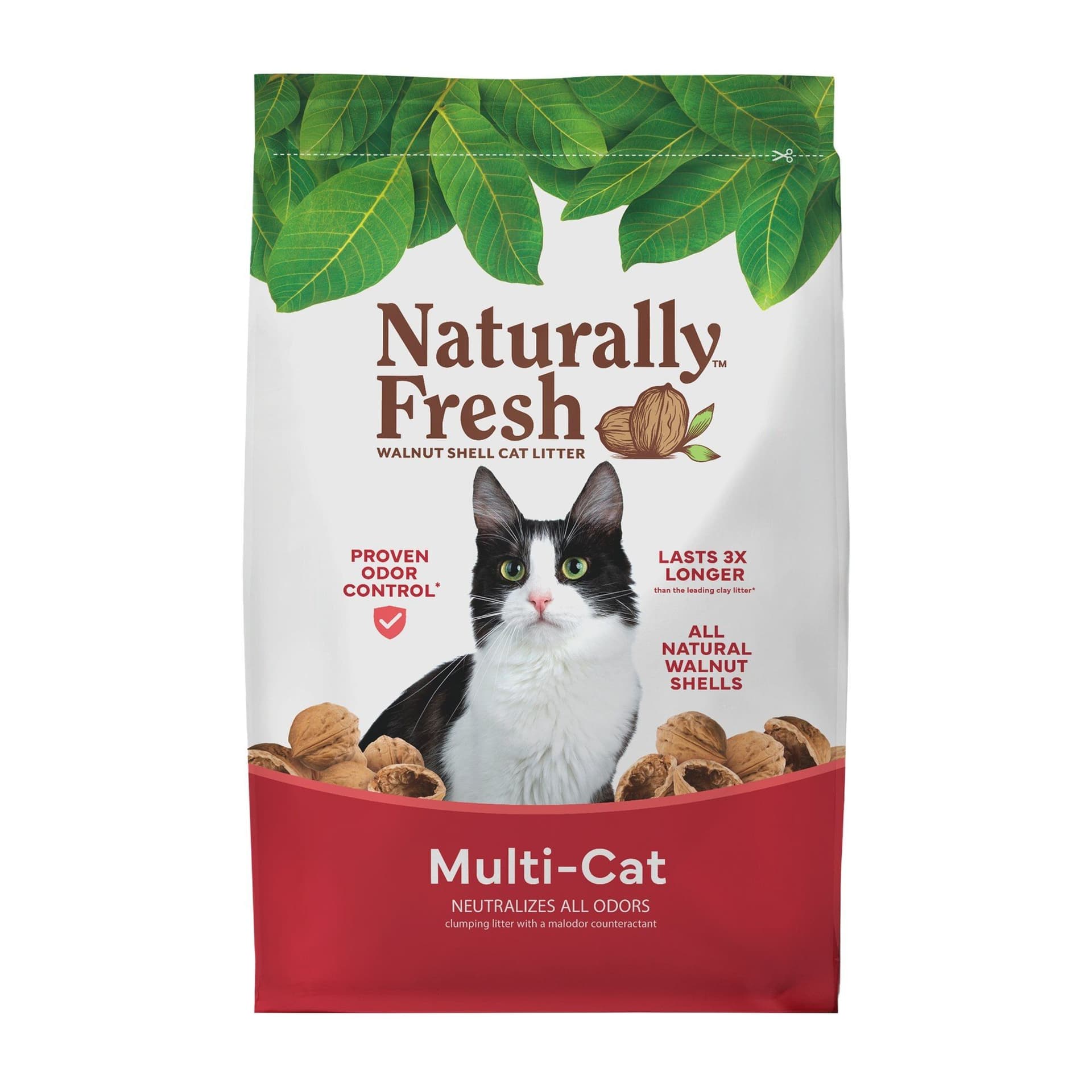
Walnut shell clumping cat litter that excels at odor control, lasts up to 3x longer than clay, and is a top pick for multi-cat households.
Petful may earn a commission when you click through to Chewy, at no extra cost to you.
The starter kit
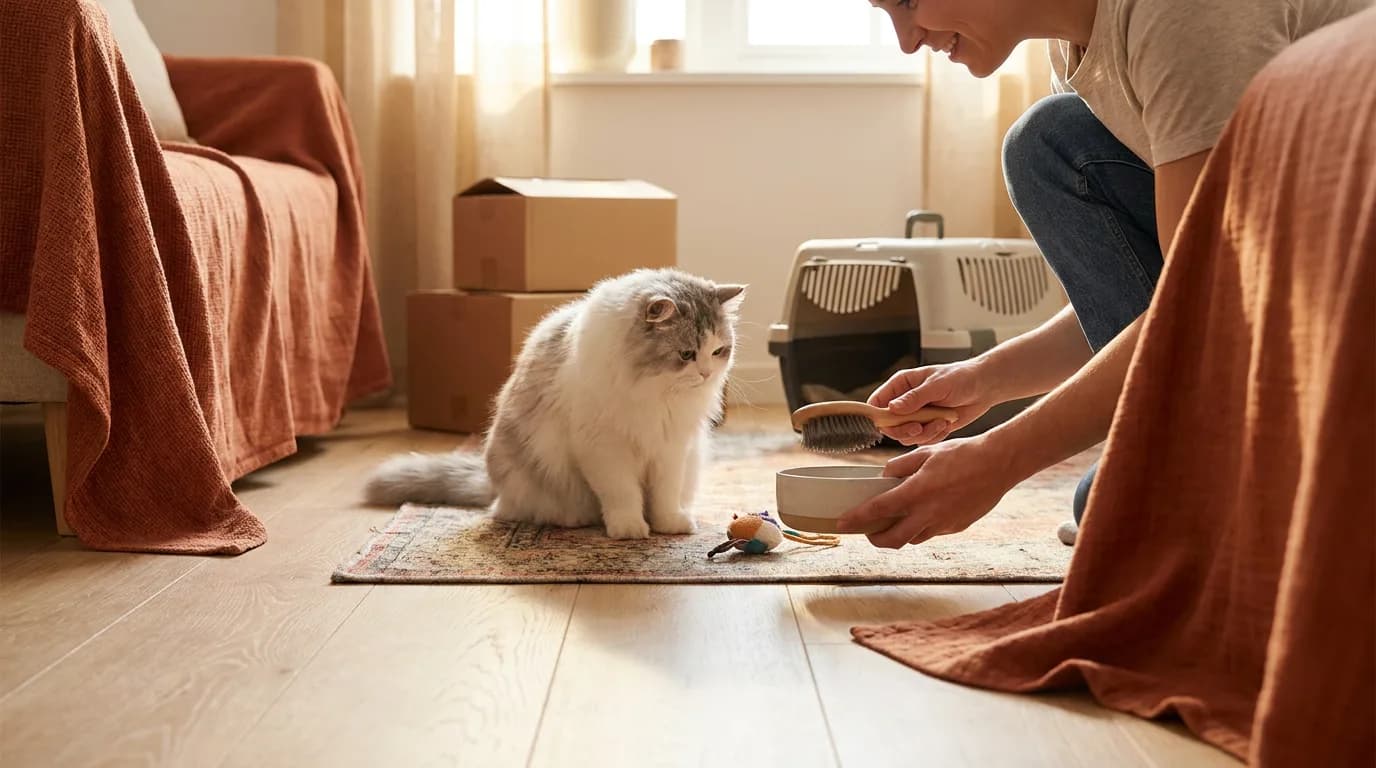
Plan for a litter box, litter, a scratching post, a carrier, food and water bowls, a bed, a brush for that semi-long coat, and a few toys. Bought all at once, this gear typically totals $115 to $400 depending on how premium you go.
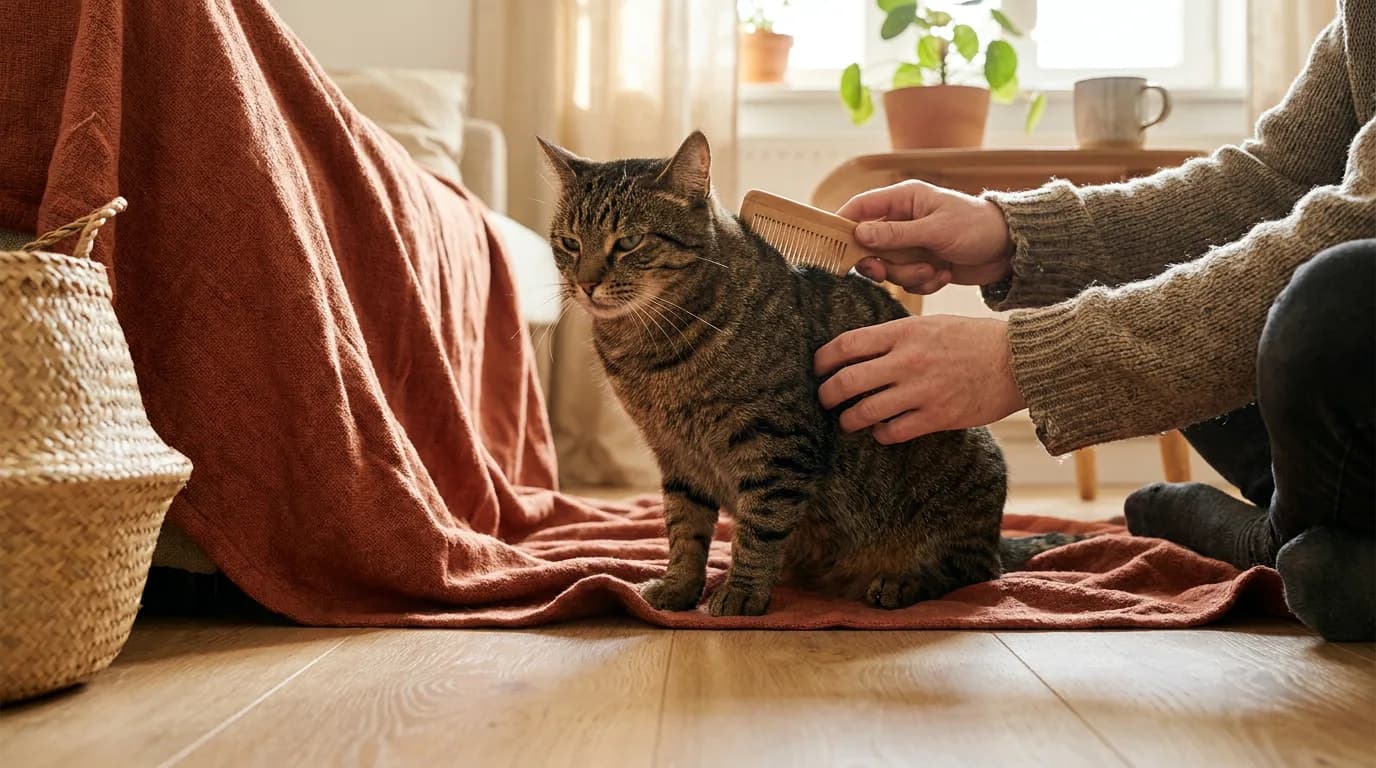
- A Nebelung has a semi-long double coat but it does not mat the way a Persian coat does. A weekly brushing at home keeps shedding and tangles under control, so most owners never pay for professional grooming.
What is actually included in the kitten price
A higher breeder price often buys more than the cat. With a reputable Nebelung breeder, the fee commonly covers the first round of core vaccinations, at least one deworming, a vet health check with a written certificate, registration paperwork from TICA or CFA, microchipping, and sometimes a starter pack of the food the kitten is already eating along with a few weeks of free pet insurance. When you compare two quotes, ask exactly what each one includes. A $1,100 kitten that arrives vaccinated, microchipped, vet-checked, and registered can be a better deal than an $800 kitten that comes with nothing, because you would pay for all of that separately anyway.
How to lower the cost without cutting corners
You can trim the Nebelung budget responsibly without resorting to a sketchy listing. Consider adopting an adult or a retired breeding cat, which can cost a fraction of a kitten while still being a purebred. Ask breeders about pet-quality kittens rather than show prospects. Buy supplies secondhand or in starter bundles instead of premium one at a time. Compare pet insurance quotes and lock in a policy while the cat is young and healthy, when premiums are lowest. And learn to do basic home grooming and nail trims yourself. None of these touch the quality of care; they simply shift money away from markups and toward the cat.
Ongoing and Lifetime Cost of a Nebelung
Once the first-year rush is over, a healthy Nebelung is an average-cost cat to keep. Budget roughly $80 to $160 a month, which covers quality food, litter, the occasional toy or replacement supply, and pet insurance or a vet-savings fund.
| Category | Monthly Range |
|---|---|
| Food and treats | $30 to $70 |
| Litter | $15 to $35 |
| Pet insurance | $30 to $60 |
| Toys, supplies, miscellaneous | $5 to $20 |
| Monthly total | $80 to $185 |
Over a 13 to 18 year lifespan, the recurring costs add up far beyond the purchase price. At a midpoint of about $120 a month, you are looking at roughly $19,000 to $26,000 in lifetime care before any major medical events. The kitten price, in other words, is a rounding error against the cost of simply caring for the cat well for its whole life. That is the real budget conversation to have before you commit.
- Senior cats cost more. Nebelungs are generally healthy, but like any cat they can develop kidney disease, dental problems, or hyperthyroidism in their later years. Treating one chronic condition can run hundreds of dollars a month, which is exactly what pet insurance or a dedicated savings fund is for.
What an Average Year Costs After Year One
The first year is front-loaded with one-time spending, so it is the worst year to budget from. A clearer way to plan is to look at a normal middle year, after the spay or neuter, the kitten gear, and the vaccine series are all behind you. In a typical healthy year, a Nebelung is an ordinary indoor cat as far as the wallet is concerned.
| Expense | Low Estimate | High Estimate |
|---|---|---|
| Food and treats | $360 | $840 |
| Litter | $180 | $420 |
| Annual wellness exam | $50 | $100 |
| Vaccine boosters and parasite prevention | $80 | $200 |
| Pet insurance | $360 | $720 |
| Toys, replacement supplies, grooming tools | $60 | $240 |
| Annual total | $1,090 | $2,520 |
Most owners land near the middle, around $1,400 to $1,800 a year, in a year with no surprises. The numbers climb in three predictable places. They rise in the senior years, when wellness visits become twice yearly and chronic conditions appear. They rise the year a dental cleaning is due, which can add $300 to $800 on its own. And they rise any year you face an unplanned illness or injury, which is exactly the volatility insurance is meant to smooth out. Building your budget around a normal year, then keeping a cushion for the abnormal one, is the realistic way to plan for a 13 to 18 year commitment.
Pet Insurance for a Nebelung: Is It Worth It?
Pet insurance is the line item that most changes a Nebelung owner's risk picture, so it deserves its own look. Because the breed has no signature hereditary disease, you are insuring against the ordinary accidents and illnesses any cat can face, not a breed-specific time bomb. That actually works in your favor: insurers price Nebelungs like a standard domestic cat rather than loading the premium the way they might for a breed with known conditions.
For a young, healthy Nebelung, expect an accident-and-illness policy to run roughly $30 to $60 a month, depending on your state, your chosen reimbursement rate (commonly 70, 80, or 90 percent), your annual deductible, and the payout cap you select. A higher deductible and a lower reimbursement rate drop the premium; a low deductible and a generous cap raise it. Premiums also climb as the cat ages, which is the core reason to enroll early.
The single most important insurance rule is to enroll while the cat is young and has no diagnosed conditions. Every insurer excludes pre-existing conditions, so a policy bought after a problem appears will not cover that problem. Lock in coverage in the first year, when the Nebelung is healthy, and you preserve the option to claim against whatever shows up over the next decade and a half. Waiting until the cat is older and a condition has surfaced is how owners end up paying full freight on the exact bills insurance was supposed to absorb.

108-oz stainless steel pet fountain with quiet pump and water-level window. Bengals are notoriously water-obsessed; a flowing fountain encourages hydration and pulls them away from sinks and toilets.
Petful may earn a commission when you click through to Chewy, at no extra cost to you.
Whether the math favors a policy depends on your temperament more than the breed. A single serious event (a urinary blockage, a swallowed foreign object, a cancer diagnosis) can run $2,000 to $6,000, and that is precisely the kind of bill that wrecks an unprepared budget. If you would struggle to cover a sudden four-figure vet bill out of pocket, insurance buys you certainty for a known monthly cost. If you are disciplined and would rather self-insure, a dedicated savings account funded with the same $30 to $60 a month accomplishes a similar thing, with the trade-off that an early catastrophic event could arrive before the fund is large enough to cover it. Either way, the worst plan is no plan, because a quiet, healthy breed lulls owners into assuming the surprise will never come.
- Pet insurance never covers a pre-existing condition. Buying a policy in your Nebelung's healthy first year locks in the lowest premium and keeps every future illness eligible. Waiting until a problem appears is the most common and most expensive insurance mistake cat owners make.
Are Nebelungs Healthy? What That Means for Your Budget
Good news for your wallet: the Nebelung is generally a hardy, long-lived breed with no signature genetic disease. Because the line is outcrossed to Russian Blues, the gene pool is healthier than that of many rarer breeds. Most Nebelungs live 13 to 18 years.
That does not make them immune to ordinary feline problems. The conditions most worth budgeting for are dental disease, urinary and kidney issues common to aging cats, and obesity if a quiet indoor cat is overfed. Keeping a Nebelung at a healthy weight, feeding a quality diet, and staying current on dental care does more to control lifetime cost than almost anything else. None of these are breed-specific, which is part of why the Nebelung is a relatively low-risk choice among premium cats.
It is worth being honest about one thing many price articles gloss over. Because the Nebelung gene pool is small, responsible breeders work hard to avoid the inherited disease that can creep into any closely bred population, which is exactly why the outcrossing to Russian Blues matters and why a documented, health-screened line is worth paying for. A cheap kitten from an unscreened backyard pairing is the most likely route to expensive genetic surprises down the line. In other words, the smartest way to keep lifetime medical costs low is to spend a little more on the kitten and buy from a breeder who can prove the parents are healthy. The purchase price and the future vet bills are connected, and a bargain at the start can become the most expensive cat you ever own.
Do not forget low-cost preventive care either. Annual wellness exams, year-round parasite prevention, and at-home dental care are inexpensive next to treating a problem that was allowed to advance. A Nebelung that gets steady, modest preventive care usually costs far less over its 13 to 18 years than one that only sees a vet in a crisis.
How to Find a Reputable Nebelung Breeder
Because the breed is rare and the price is real money, the single most important spend-protection step is choosing the right breeder. A good breeder costs about the same as a bad one but saves you from heartbreak and surprise vet bills.
Start with the registry. TICA keeps a directory of registered Nebelung breeders, and CFA recognizes the breed as well, so a breeder who is registered and shows their cats is a strong signal. Because so few breeders exist, you will likely need to look beyond your immediate area and join a wait list, and a serious breeder will expect that of you too. Reach out, ask thoughtful questions, and treat the conversation as a two-way interview. From there, work through a checklist.
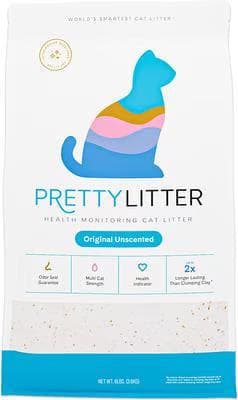
Color-changing crystal litter that flags pH shifts in your cat's urine, an early warning sign of UTIs, kidney issues, and more.
Petful may earn a commission when you click through to Chewy, at no extra cost to you.
- The breeder registers litters with TICA or CFA and can show pedigree documents.
- Breeding cats are health-screened, and the breeder talks openly about the line and any outcrossing to Russian Blues.
- Kittens stay with the mother until at least 12 weeks and go home vaccinated and socialized.
- You are allowed to see where the cats live, in person or over video.
- The breeder asks you questions too, and provides a written health guarantee and a contract.
- There is a waiting list. For a breed this rare, instant availability is a warning sign, not a convenience.
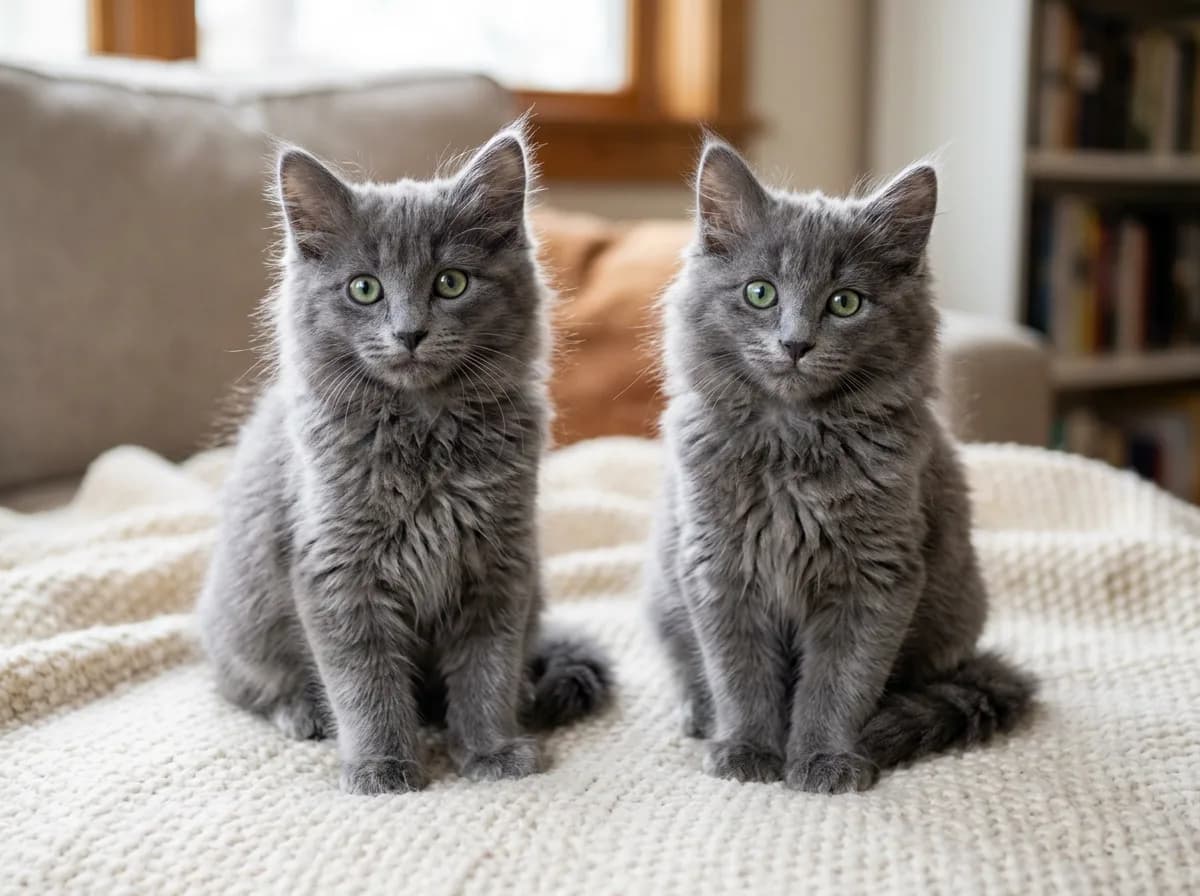
- No pedigree paperwork, prices that seem too good to be true, multiple breeds advertised on the same flashy site, pressure to pay a deposit by gift card or wire, or a refusal to let you see the kitten's living conditions. These are the hallmarks of a kitten mill or an outright scam.
If you want the full picture of the breed before you contact anyone, our complete Nebelung cat breed profile covers temperament, grooming, and care, and our guide to Nebelung coat colors explains why a true Nebelung is always blue with silver tipping. If you are still comparing rare blue and long-haired breeds, the Siberian and the Norwegian Forest Cat are worth a look, and the silver-shaded Burmilla offers a similar misty aesthetic in a different package.
Is the Nebelung Worth the Price?
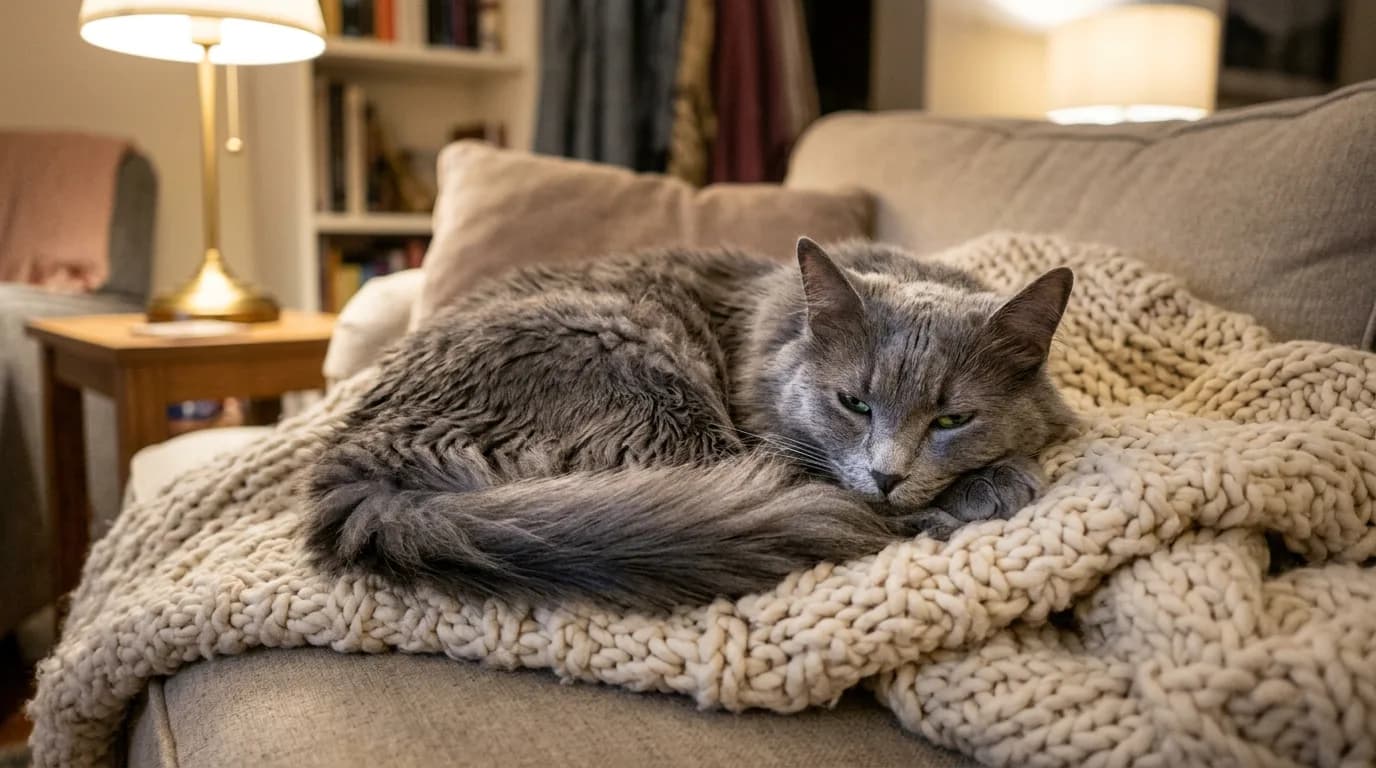
For the right home, yes. You are paying a one-time premium for a rare, strikingly beautiful, gentle cat that bonds deeply to one or two people and tends to stay healthy for a long life. The kitten price is the smallest part of the math. What matters more is whether you are ready for 13 to 18 years of food, litter, vet care, and the quiet, devoted companion at the other end of all those green-eyed slow blinks.
The honest framing is this: the $600 to $1,200 you pay a breeder is the entry fee, not the cost of ownership. If that number stretches your budget today, the recurring care almost certainly will too, and that is the figure to plan around. But if you can comfortably absorb the monthly costs and the occasional vet surprise, the Nebelung rewards you with a calm, loyal, low-drama temperament and a coat that turns heads for nearly two decades. Few breeds give back as much affection for as little fuss. For a patient owner who values a deep one-on-one bond over a busy, social butterfly of a cat, the price is easy to justify.
The Most Expensive and Rarest Cats, for Context
Buyers researching the Nebelung cat price almost always wonder where it sits against the truly pricey breeds, and how rare it really is. For perspective, the most expensive cats in the world are exotic hybrids and ultra-rare pedigrees. The Ashera and Savannah top the list, followed by breeds like the Khao Manee, Toyger, Persian, Bengal, and Siberian.
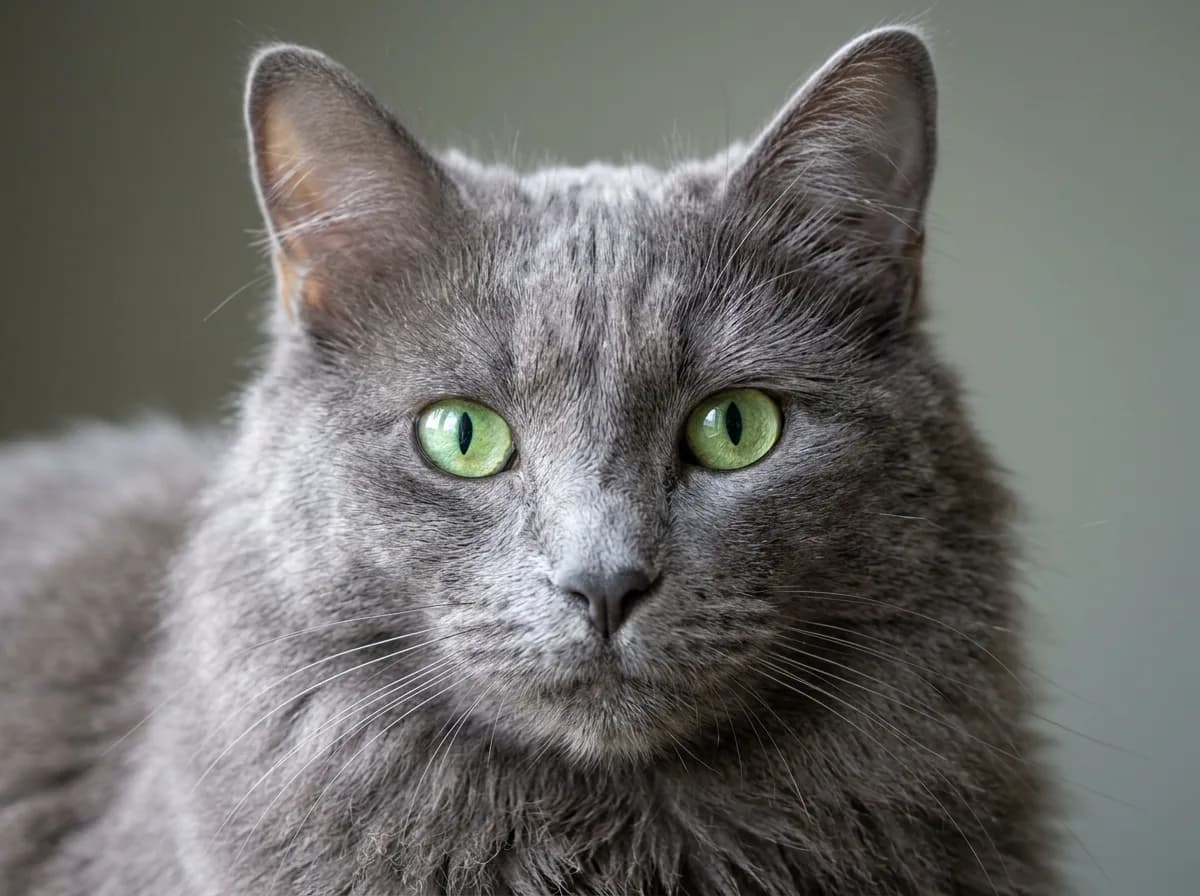
When people rank the rarest cat breeds, names like the American Bobtail, American Curl, Chartreux, Burmilla, and Bombay come up alongside the Nebelung. The Nebelung is firmly in rare-breed territory, which is exactly why its price holds even though it is nowhere near the five-figure exotics.
Frequently Asked Questions
Yes. The Nebelung is one of the rarest pedigreed breeds in the United States. It was only created in the mid-1980s, the active breeding population is small, and TICA lists just a handful of registered breeders, so litters are scarce and wait lists are common.
The three most expensive cat breeds are generally the Ashera (often quoted around $75,000 to $125,000), the Savannah (early-generation cats can exceed $25,000), and the Khao Manee (roughly $7,000 to $11,000). The Nebelung, at $600 to $1,200, costs a small fraction of any of these.
Nebelungs are expensive mainly because they are rare. Very few breeders exist, those breeders run small, carefully health-screened programs, and steady demand for the long-haired blue coat keeps prices firm. The breed is not costly to raise day to day, it is simply hard to find.
Many do, once they trust you. Nebelungs are gentle and reserved, so they often warm up slowly, but a Nebelung that feels secure with its favorite person is affectionate and enjoys cuddling and being close. They typically bond most strongly to one or two people.
The breed began when Cora Cobb bred a black domestic shorthair to a blue, Russian-Blue-type domestic shorthair in the 1980s. Their long-haired blue male kitten, Siegfried, founded the line. Modern Nebelungs are still outcrossed to Russian Blues to keep the gene pool healthy.
Lists vary, but breeds regularly named among the rarest include the American Bobtail, American Curl, Chartreux, Burmilla, and Bombay, with the Nebelung commonly ranked among them. All are far harder to find than mainstream breeds like the Persian or Maine Coon.
An early-generation Savannah cat (an F1 or F2 cross between a domestic cat and an African serval) can cost $10,000 or more depending on lineage. By contrast, a Nebelung costs $600 to $1,200, so it is not in that price tier.
Cats show affection with a slow blink, sometimes called a cat kiss. When a relaxed cat looks at you and slowly closes and opens its eyes, it is signaling trust and contentment. Reserved breeds like the Nebelung often slow-blink at the one or two people they bond with most.

Coreen Saito is a pet writer and longtime shelter volunteer with more than a decade in animal rescue. She covers cat behavior, breed care, and the small, ordinary science of sharing a life with companion animals, with a particular focus on honest takes about the products and decisions that actually matter. At home in Arizona, she's outranked by Mac (a dog with the loudest opinion in the house), Rebel (a cat who governs by quiet authority), and Meri (an orange tabby who runs the late shift and the laundry basket). She writes about all three, plus the rescues that keep coming through her life, at LifeWithMinty.com.
Sign up for expert-backed reviews and safety alerts all in one place.