Minuet Cat (Napoleon): Breed, Health and Everyday Care
A source-backed Minuet and Napoleon guide covering ancestry, grooming, individual mobility, health records and everyday home care.

BVMS, MRCVS
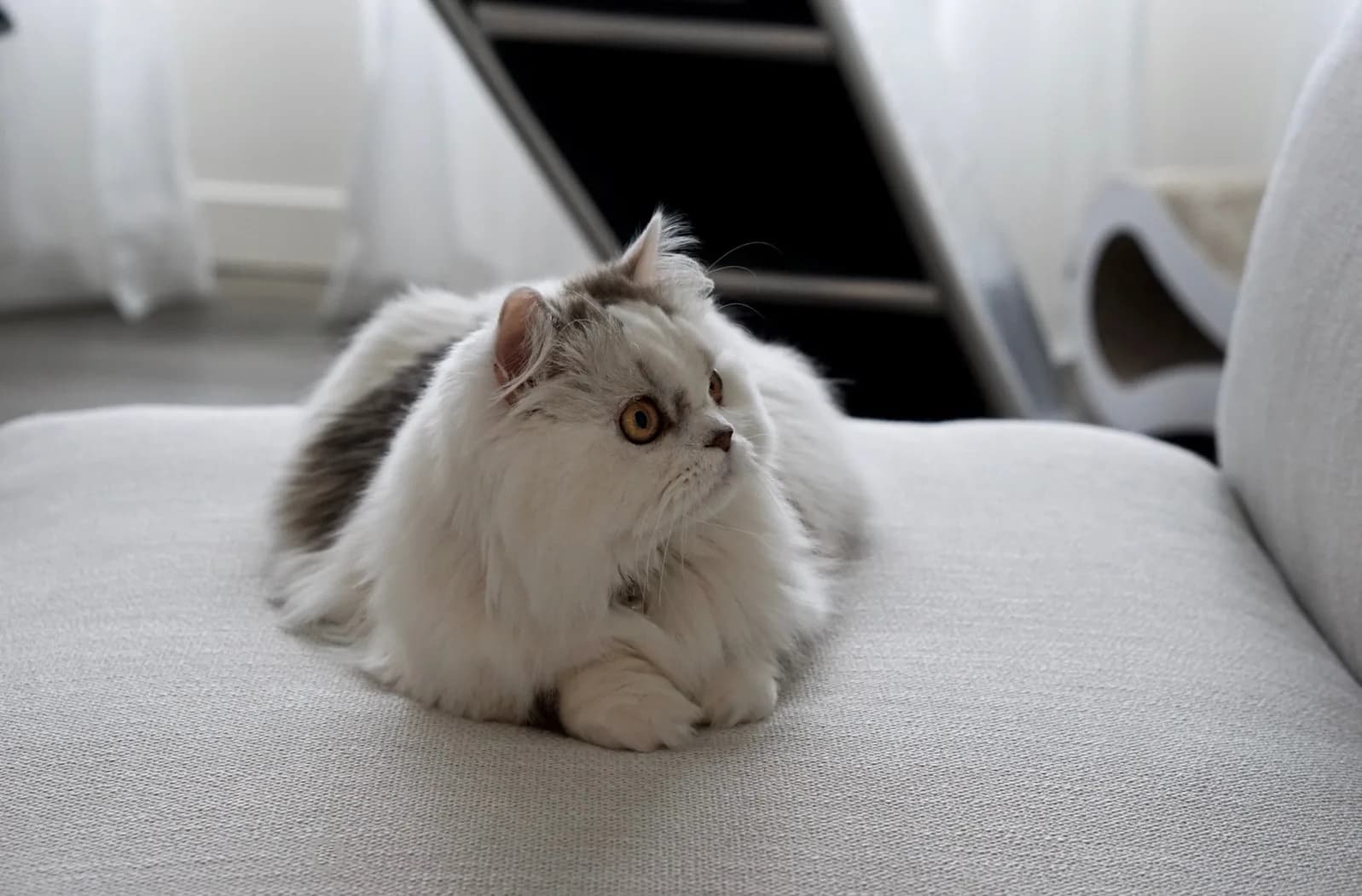
Source-described Minuet example; a photograph alone does not authenticate pedigree. Photo: Parkerwh, CC BY-SA 4.0, resized and converted to WebP.
Petful is reader supported. As an affiliate of platforms like Amazon and Chewy, we may earn a commission when you buy through links on this page. There is no extra cost to you.
The Minuet cat, also known as the Napoleon, is a breed developed from Munchkin and Persian-family ancestry. Its rounded features and often short legs attract attention, but choosing one involves more than deciding whether you like the appearance. Coat maintenance, verifiable health records and the individual cat’s comfort deserve equal attention.
Minuet and Napoleon are two names you may encounter for the same breed. Do not assume they refer to separate cats with different care requirements, or that every short-legged, round-faced cat advertised online has a documented Minuet pedigree.

Sign up for expert-backed reviews and safety alerts all in one place.
Minuet quick facts and history
TICA’s Minuet Longhair introduction describes a medium-sized cat averaging 7–8 pounds, with short or long legs. That is roughly 3.2–3.6 kilograms, not a weight target for every individual. The breed pairs a rounded face and sturdy body with a playful, companionable reputation.
| Feature | Practical reference |
|---|---|
| Also called | Napoleon |
| Ancestry | Persian-family and Munchkin |
| Published adult weight estimate | 7–8 pounds in TICA’s introduction |
| Coat | Shorthaired and longhaired varieties |
| Naming milestone | TICA changed Napoleon to Minuet in 2015 |
| Championship milestone | TICA approved championship status in January 2016 |
Preparing for veterinary travel
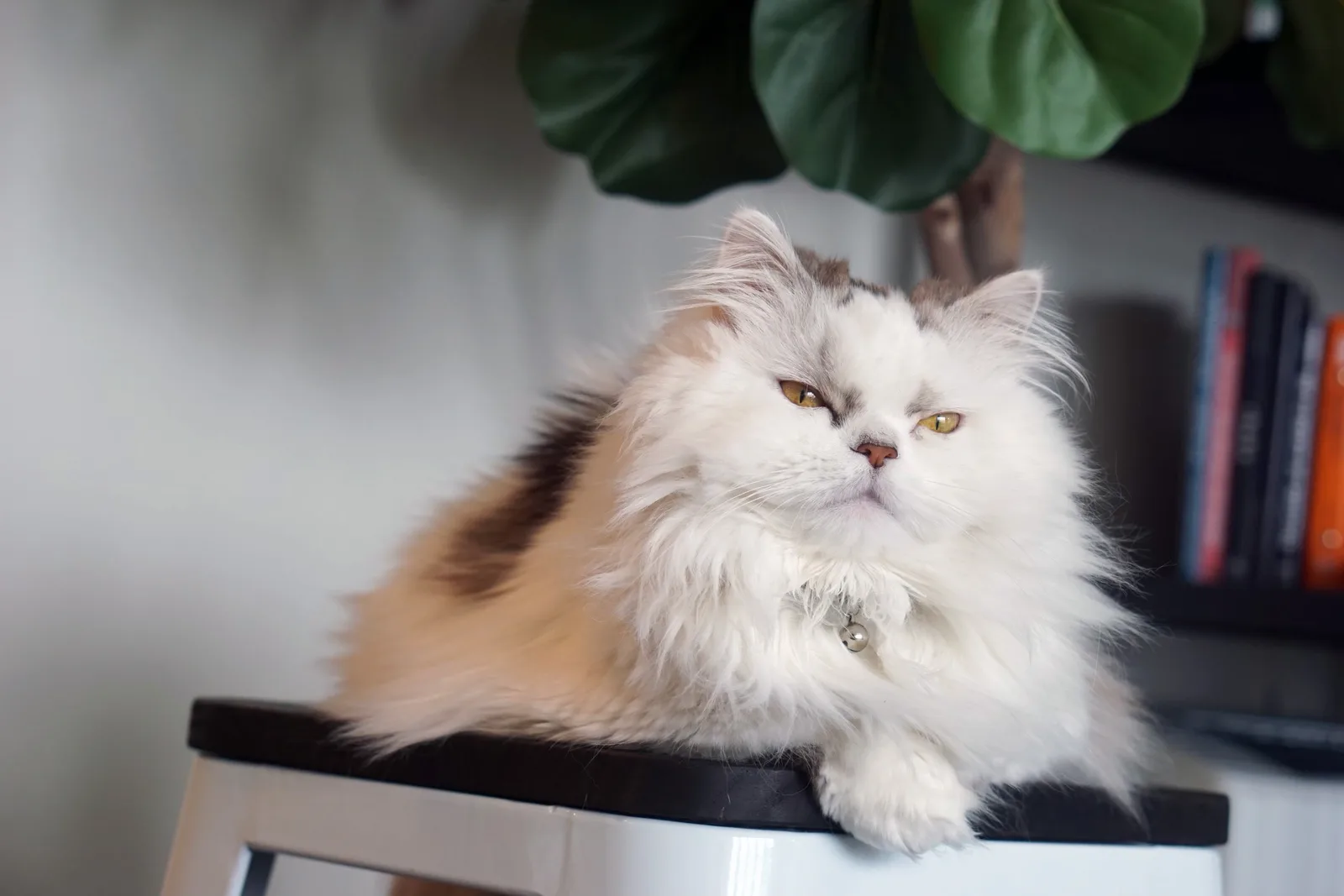
If you are buying a cat carrier, compare its internal dimensions with the individual cat, including the space needed to stand, turn and lie comfortably. A short-legged cat still needs sufficient body length and width. Leave the carrier open at home with familiar bedding so veterinary transport does not begin with a struggle to enter a strange box.

Soft-sided travel safety carrier that keeps a stressed cat secure and well-ventilated on the way to the vet, with mesh panels for airflow and a seat-belt loop.
Petful may earn a commission when you click through to Chewy, at no extra cost to you.
TICA traces the project to Joe Smith’s interest in Munchkins in the mid-1990s and his aim of combining short legs with the rounded expression of a doll-faced Persian. Its history explains why the Napoleon name persists in older records and advertisements. For a prospective owner, the lasting practical distinction is the combination of ancestry, coat type and individual movement, rather than the old name itself.
Breed identity and family fit
TICA’s Minuet breed page provides the primary registry starting point for the name and recognized breed context. When a seller offers a registered kitten, ask which registry is involved and how its records connect to the individual cat. Recognition establishes a breed category; it does not certify that a particular cat is healthy.
You may also see descriptions referring to longhaired or shorthaired Minuets and to either short-legged cats or cats with longer legs. TICA’s current breed listings include Minuet Talls categories. Because registration and exhibition terminology can change, check the actual registry records rather than treating a seller’s use of “standard,” “nonstandard” or “tall” as a universal rule.
For a companion home, leg length is not a measure of the cat’s worth. Ask how the individual moves, uses the litter tray, plays and tolerates handling. An adult cat’s established behavior can be particularly useful information. With a kitten, you are also committing to the uncertainty of growth and the work of teaching comfortable everyday routines.
Minuet and Napoleon refer to the same breed. Verify records, assess the individual cat and plan for its actual coat and mobility instead of treating an appealing photograph as proof of identity or health.
What are the personality traits of a Minuet cat?
Minuets are commonly described as affectionate, playful companions. Those descriptions do not guarantee a lap cat or an animal that welcomes every visitor. Ask what the particular cat does during quiet time, active play and gentle handling. Look for an ability to retreat and settle, and respect its signals when it wants space. Early experiences, health and the household environment all influence behavior, so a calm, gradual introduction is more useful than relying on a breed stereotype.
Appearance, coat patterns and identity limits
Everyday enrichment deserves attention alongside the coat and appearance. A floor-level treat puzzle can provide enrichment without requiring a high jump. Start with an easy arrangement and use part of the measured food allowance. The goal is a successful activity, not withholding a meal until the cat solves a frustrating task.
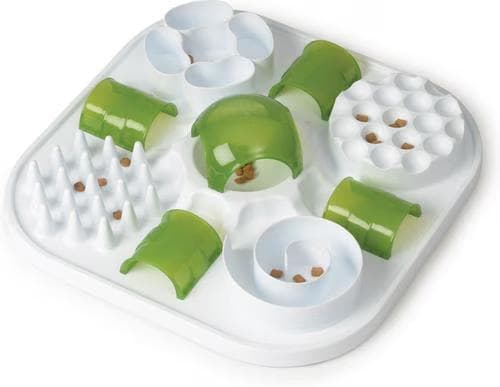
Petful may earn a commission when you click through to Chewy, at no extra cost to you.
Coat length and color descriptions
The Minuet cat’s Persian-family ancestry contributes to the rounded look associated with Minuets, while Munchkin ancestry explains the breed’s association with shorter legs. There is still individual variation. A camera angle or a thick coat can exaggerate proportions, making appearance alone an unreliable way to confirm what a seller claims.
A Minuet/Napoleon tuxedo cat is a cat described by its black-and-white pattern, not a separate breed. The tuxedo label does not determine ancestry or health.
A longhaired coat creates a different grooming workload from a shorter coat. Color and pattern are separate again: white, black, gray, orange, bicolor, tabby or pointed descriptions do not establish the pedigree or tell you how much handling a cat will tolerate. Check the current registry standard if exhibition eligibility matters to you.
| Feature | What to establish | Everyday consequence |
|---|---|---|
| Longhaired coat | Actual density, tangle-prone areas and handling comfort | Frequent hands-on checking and regular grooming time |
| Shorthaired coat | Loose hair, skin condition and tolerance of brushing | A simpler routine can still require regular attention |
| Shorter or longer legs | Records, movement and individual comfort | Arrange resources the cat can access easily |
| Color or pattern | Accurate description and any applicable registry standard | Color does not prove ancestry or health |
Do not pay a premium for a supposedly rare color without understanding what is documented. A seller’s photograph may show attractive markings while telling you nothing about veterinary care or the parents. Petful’s Munchkin color guide provides related pattern context, but it does not replace a Minuet pedigree or this breed’s full care considerations.
Minuet versus Munchkin: ancestry, legs and coat care
A Minuet is not simply another name for a Munchkin. The Minuet’s development includes Persian-family ancestry, which is relevant to its appearance, coat care and questions about inherited disease. The Munchkin breed guide covers that separate breed rather than treating the two as interchangeable.
The practical comparison begins with the individual coat and records. A longhaired Minuet may require more grooming time than a shorthaired cat, but you should compare the actual animals rather than promise a fixed difference between every Minuet and Munchkin. A longer-legged individual can still have the coat and family history that make those questions relevant.
| Question | Minuet consideration | Why it matters before adoption |
|---|---|---|
| What ancestry is documented? | Persian-family and Munchkin ancestry are part of the breed’s development | Request actual pedigree and health records |
| What coat does this cat have? | Longhair and shorthair need different maintenance plans | Assess grooming time and handling tolerance |
| How does it move? | Leg length alone does not describe present comfort | Watch ordinary walking, play and litter access |
| Which health records are available? | Persian-related screening questions can be relevant | Review results with your veterinarian, not just the seller |
A “standard Minuet kitten” usually refers to the shorter-legged form in seller terminology, while “nonstandard Minuet” or “nonstandard Napoleon” often refers to a longer-legged individual. Check the specific registry and records rather than treating those advertising labels as proof of health or quality.
Neither name guarantees a particular temperament, a lifespan or freedom from health problems. Avoid choosing on the assumption that mixing ancestry removes inherited risk. Equally, do not diagnose disability merely from a short-legged photograph. An examination and observation of the individual provide more useful information.
Everyday play, feeding and home access
A teaser wand lets you move the toy along the floor and vary the pace. Supervise the game, allow catches and store strings and feathers afterward. Tailor the height and speed to the individual rather than encouraging difficult jumps just because the cat is willing to chase.

Feathered teaser wand with catnip-stuffed bird. Pairs perfectly with the no-bite training policy: redirect Bengal play drive into a 10-minute interactive session with the wand.
Petful may earn a commission when you click through to Chewy, at no extra cost to you.
Offer activity the cat can enjoy comfortably rather than assuming that short legs mean no play. Use short sessions and notice how it moves during and afterward. A cat that stops participating, changes its gait or avoids previously easy movements needs attention; do not keep increasing the challenge to make it reach an exercise target.
Making everyday resources accessible
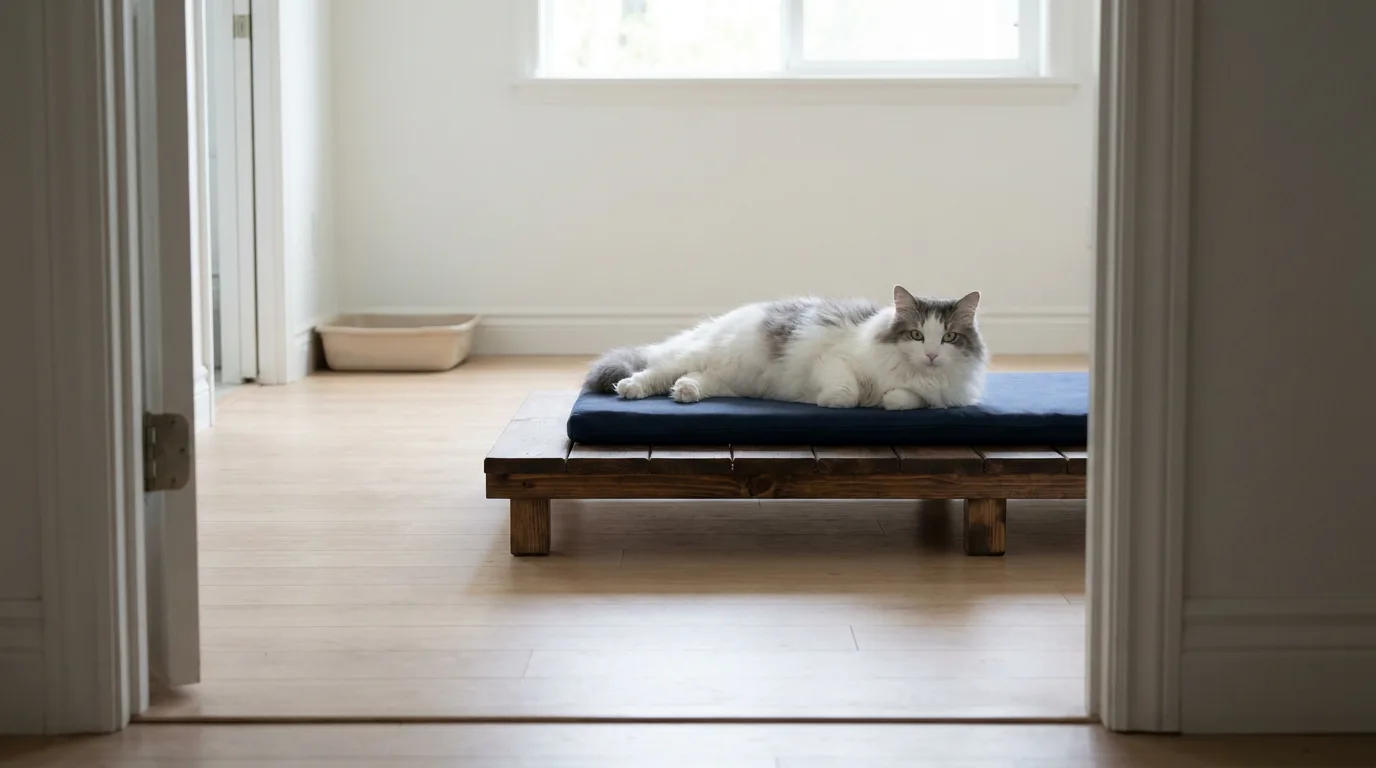
An accessible home starts with everyday resources that are easy to reach. A stable step to a favorite resting place may be useful, while some cats prefer a low bed. Place food, water and litter where the cat does not need to negotiate obstacles. A low-entry litter tray can help an individual that struggles with a high edge, but the cat should still have enough space to turn and use it comfortably.
In a multi-cat home, provide separate routes and resources so one animal cannot block another. Introductions should be gradual, with opportunities to withdraw. Do not assume a friendly breed reputation means the newcomer will immediately share a tray, food area or sleeping spot with another cat.
WebVet’s indoor-cat boredom guide offers ideas for assessing enrichment. Environmental changes can improve a routine, but a new behavior problem can also reflect pain or illness. Review both possibilities instead of buying more toys as the only response.
Coat care, shedding and allergies
Check a longhaired Minuet’s coat often, especially behind the ears, around the legs and in other areas where hair rubs together. Short sessions before tangles become tight are easier on the cat than trying to solve extensive matting in one sitting. Introduce the routine gradually with pauses and rewards for calm participation.
Cat nail clippers can be useful once you know how to avoid the quick. Begin with brief paw touches rather than immediately trimming every nail. A professional demonstration is sensible if you are uncertain. Consistent comfortable handling is a better long-term outcome than finishing a stressful session at any cost.
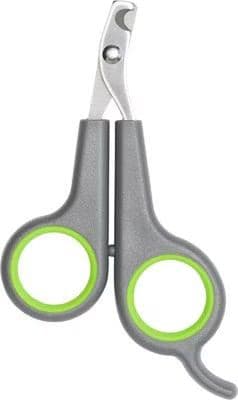
Compact spring-loaded scissor clippers sized for cats and small dogs, with rounded, easy-grip handles.
Petful may earn a commission when you click through to Chewy, at no extra cost to you.
A brush intended for medium-to-long coats may suit part of the routine, but choose by the actual coat and follow its instructions. A tool that pulls or irritates the skin is not improved by using it more forcefully. Ask a groomer or veterinary professional for help with tight mats; cutting close to delicate skin with scissors can injure the cat.
Short coats and grooming changes
For a shorter coat, regular gentle brushing and skin checks may be enough, adjusted to shedding and comfort. Neither coat type means “no maintenance.” A sudden decline in grooming, greasy fur, sore skin or repeated licking of one spot can reflect a problem that needs investigation rather than a new grooming product.
- Match grooming to the actual coat. Adjust steps and litter access to individual comfort; a new change in movement needs veterinary assessment.
Short legs do not make the cat automatically unable to groom, and a long coat does not mean it requires routine full-body clipping. Observe the individual and ask for advice when areas remain dirty or tangled. If handling causes apparent pain, stop and arrange an assessment instead of assuming the cat is being uncooperative.
No Minuet should be advertised as guaranteed hypoallergenic. A shorter coat does not remove cat allergens, and people’s reactions vary. If allergies affect your household, discuss the plan with the person’s clinician before adopting. Grooming and cleaning can manage loose hair without promising that the cat will be safe for every allergic person.
Adult size and body condition
TICA’s 7–8-pound estimate provides a useful starting picture of the adult Minuet, but leg length and scale weight describe different things. A low appearance can make the body look smaller than it is. Ask about the parents while recognizing that ancestry does not provide an exact adult-size prediction.
Use body and muscle condition alongside weight when assessing an adult. A thick coat can hide changes, while an already low-slung shape can make visual guesses difficult. Your veterinarian can show you how to check the cat’s condition and establish an appropriate feeding plan.
For kittens, a complete growth-appropriate diet and regular veterinary follow-up are more useful than trying to keep the cat small. WebVet’s kitten growth timeline provides general life-stage context; it is not a Minuet-specific growth chart. Do not restrict food to preserve a fashionable appearance. For adults, measure portions and include treats and puzzle food when considering the daily intake.
Health, lifespan and evidence limits
Minuet health discussions often swing between “perfectly healthy” and a diagnosis based entirely on leg length. Neither extreme is a sound way to assess an individual. Ask for records, arrange a veterinary examination and discuss the cat’s ancestry, physical findings and daily function.
The UC Davis Veterinary Genetics Laboratory’s PKD1 test information is relevant to Persian-related ancestry and includes Napoleon among the breeds for which testing is appropriate. The test addresses a particular inherited form of polycystic kidney disease. A negative result does not rule out every kidney disorder or replace an examination. Ask your veterinarian to interpret the actual report and its connection to the cat or parents.
| Record or observation | Question to ask | Important limit |
|---|---|---|
| PKD1 result | Which animal was tested, by which laboratory, and how does the result apply here? | One result is not a guarantee against all kidney disease |
| Veterinary examination | What was checked and is follow-up recommended? | A past examination cannot promise lifelong health |
| Everyday movement | Does the cat walk, play and use the tray comfortably? | A video or photograph cannot replace a clinical assessment |
| Care history | Which vaccinations, parasite measures and other care are documented? | A seller’s verbal reassurance is not the complete record |
Do Minuet cats have health problems?
They can, as can other cats. Relevant questions include the documented family history, Persian-related screening such as PKD1 where appropriate, and the individual’s movement, breathing, teeth and general condition. Do not assume short legs establish a diagnosis or that registration proves freedom from disease. Ask your veterinarian to examine the cat and interpret test reports. New limping, reluctance to move, appetite changes or other signs of illness warrant assessment rather than an explanation based only on breed.
Keep the health discussion practical:
- Bring the actual genetic-test reports and veterinary history to the appointment.
- Describe changes in movement, appetite or grooming with dates and examples.
- Ask which preventive care and follow-up apply to this individual cat.
Preventive care also includes ordinary feline needs. Discuss vaccinations, parasite prevention, dental care and sterilization with your veterinarian according to age, health and lifestyle. A breed-specific test does not replace those basics. Keep copies of results and treatment history so future decisions are based on evidence rather than memory.
Observe changes over time. Videos of a cat’s usual movement can help you describe what has changed, but they are supporting information for an appointment, not a way to diagnose at home. If the cat seems painful or distressed, seek veterinary advice promptly instead of trying to correct the situation by altering furniture alone.
Related breed decisions
The Minuet price and ownership-budget guide separates the acquisition payment from setup, routine care and contingencies. It also explains why a dated breeder quote cannot establish a representative market average. If you are asking where to buy a Napoleon cat, use that page to assess sourcing records and current availability, not as an endorsement of a particular seller. Use that page before comparing deposits or deciding that a lower advertised price makes an animal affordable.
Ask sellers to explain the exact registration, health records and contract terms they provide. A polished photograph, a rare-color claim or a higher price cannot answer those questions. If adoption is your preference, be realistic about local availability and consider a suitable adult rather than assuming the precise breed and age you want will immediately appear in rescue.
Frequently asked questions
Local availability varies. Minuets are a specialist breed found through specialist breeders or occasional rehoming, and may be difficult to find locally, especially when you want a particular age or documented ancestry. That is different from having a reliable numerical population estimate; broad online listings do not establish one. Check registry information and verify the individual seller or rescue rather than treating a “rare” label as proof. Limited availability should not pressure you to skip health records, a written agreement or a careful assessment of the cat.
A well-established breed-specific average is not available from the evidence reviewed here. Published estimates vary, and WebMD’s Minuet overview notes uncertainty around this relatively recent breed’s lifespan. Plan for a long-term commitment that may extend well into the cat’s teens rather than treating a quoted number as a guarantee. Individual health, ancestry and ongoing care matter; a veterinarian can discuss the outlook for the particular cat.
BVMS, MRCVS
Dr. Pippa Elliott, BVMS, MRCVS, is a veterinarian with nearly 30 years of experience in companion animal practice. Dr. Elliott earned her Bachelor of Veterinary Medicine and Surgery from the University of Glasgow. She was also designated a Member of the Royal College of Veterinary Surgeons. Married with 2 grown-up kids, Dr. Elliott has a naughty Puggle named Poggle, 3 cats and a bearded dragon.
Sign up for expert-backed reviews and safety alerts all in one place.