Minuet Cat Price: Purchase Costs and an Ownership Budget
Compare dated Minuet asking-price evidence, written terms, setup costs and a reusable first-year ownership budget before making a commitment.
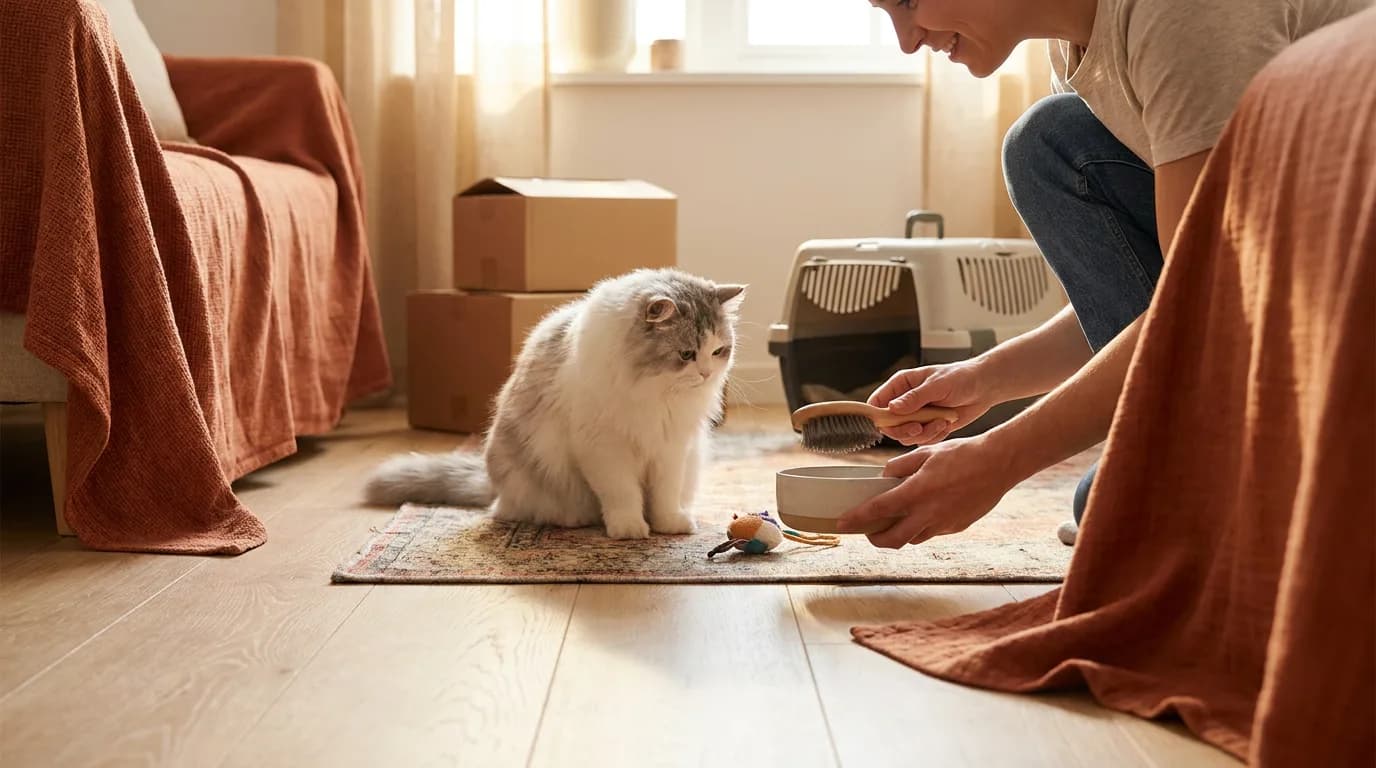
Plan the home setup and continuing care costs alongside the acquisition fee.
Petful is reader supported. As an affiliate of platforms like Amazon and Chewy, we may earn a commission when you buy through links on this page. There is no extra cost to you.
The Minuet cat price you are quoted is only one part of what you will spend. You also need to compare the seller’s written terms, prepare the home, arrange veterinary care and budget for food, litter and unexpected expenses. Napoleon is another name used for the same breed, so include both names when checking what an advertisement actually offers.
There is not a representative US market-price average in the evidence reviewed here. A useful starting point is a transparent, dated seller example followed by a budget built from your own quotes. That is more dependable than treating an unsourced internet price range as the amount every owner should expect to pay.

Sign up for expert-backed reviews and safety alerts all in one place.
Purchase price and what a quote includes
An ownership budget begins by separating a current purchase quote from the costs that continue after adoption.
On September 28, 2026, Forever Kittens Cattery’s Napoleon page displayed pet prices of $1,000 for long-legged Napoleons and $2,000 for short-legged Napoleons. Those are two advertised categories from one seller, observed on that date. They are not a national average, proof of current kitten availability or a recommendation of the seller.
A cat carrier should fit the individual’s body comfortably. Short legs do not necessarily mean a tiny body or the smallest carrier. Check internal dimensions and the manufacturer’s guidance, and allow room to stand, turn and rest. A carrier that works for a small kitten may not be a lifetime purchase.

Soft-sided travel safety carrier that keeps a stressed cat secure and well-ventilated on the way to the vet, with mesh panels for airflow and a seat-belt loop.
Petful may earn a commission when you click through to Chewy, at no extra cost to you.
Ask for a quote tied to a particular cat and date. Find out whether it refers to companion ownership or breeding rights, whether a deposit is included in the total, and whether transport or other services cost extra. A number without those details is difficult to compare fairly with another listing.
Why two quotes can differ
Different leg-length categories can carry different advertised prices, as that example shows, but it does not establish the size of a market-wide premium. Coat, age, location, documented ancestry and included services may also influence a seller’s quote. Do not assume a higher price verifies health, superior care or a better match for your household.
| Item to compare | Question for each seller or organization | Record before paying |
|---|---|---|
| Total acquisition payment | What is the total for this individual cat? | Written amount, currency and quote date |
| Deposit terms | Is it part of the total, refundable or transferable? | The relevant written conditions |
| Included veterinary care | Which examinations or procedures have already happened? | Actual records, dates and any remaining obligations |
| Registration | What documentation is supplied and when? | Registry, animal identity and transfer process |
| Transport | Who arranges it and what is included? | Separate quote and practical handover arrangements |
| Contract restrictions | Are there sterilization, breeding or return conditions? | Complete agreement before any commitment |
Compare the purchase price, included services and contract together. Keep first-year supplies, recurring care and an emergency reserve separate so a low advertised price does not hide an unaffordable commitment.
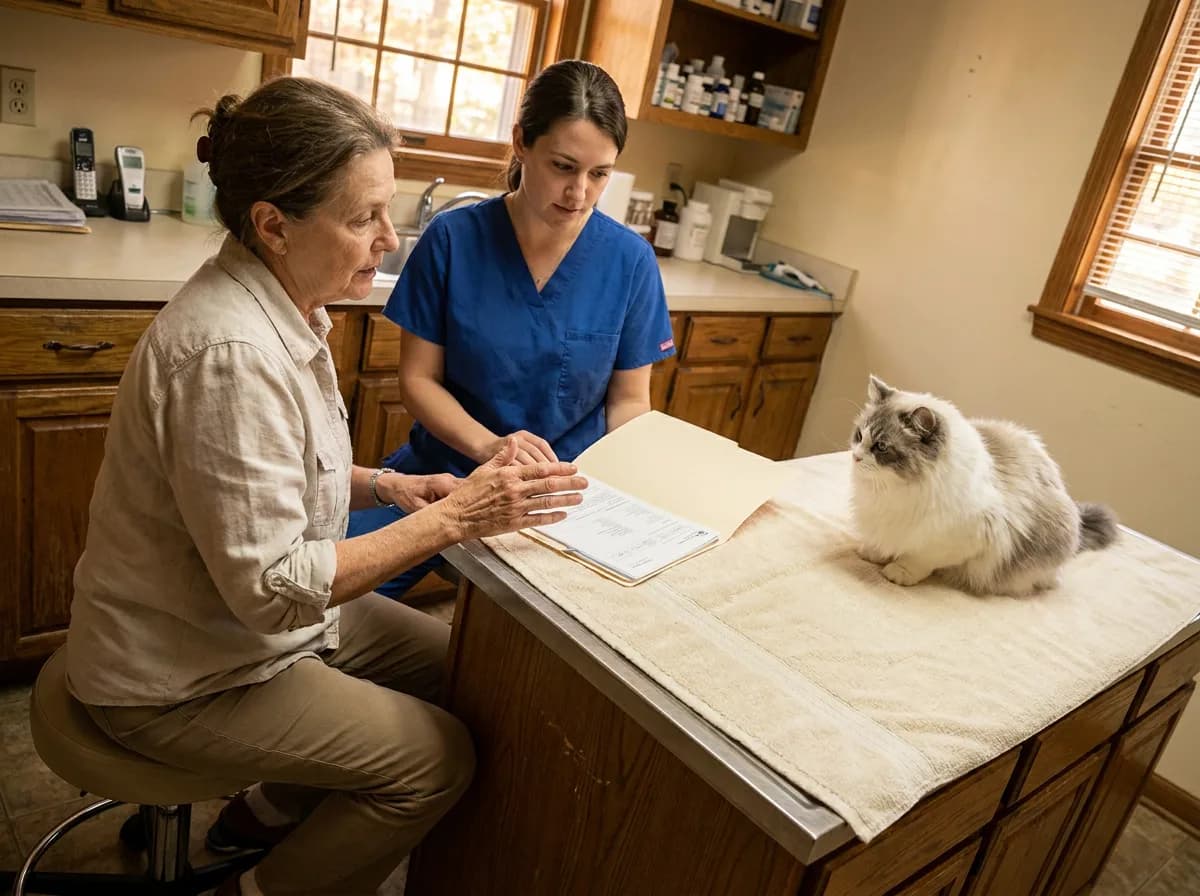
Before discussing a deposit:
- Confirm the individual cat, seller identity and current written price.
- Obtain the full agreement, including refund and handover conditions.
- Review veterinary records and the services still needed after arrival.
Deposits and contracts deserve their own check
A deposit can have consequences even before you take a cat home. Read the full agreement before paying, including what happens if a veterinary concern emerges, a handover is delayed or you cannot proceed. Do not assume a message saying “deposit” tells you whether the payment can be returned.
Save the quote, agreement and relevant communications. Confirm that the payee, seller and organization are consistent. Avoid pressure to send an immediate payment merely because someone says many other buyers are waiting. Attractive photographs and a reassuring social account do not substitute for verification.
Setup costs also include small handling supplies. Cat nail clippers are a modest setup item, but learn safe use before trimming. A demonstration from a veterinary professional can be more valuable than purchasing several tools. Cooperative handling takes time, and time is part of the ownership commitment even when it does not appear as a line on a receipt.

Compact spring-loaded scissor clippers sized for cats and small dogs, with rounded, easy-grip handles.
Petful may earn a commission when you click through to Chewy, at no extra cost to you.
For an important contractual uncertainty, obtain appropriate local advice before committing. This checklist is a way to identify missing information, not a ruling on whether a particular clause is enforceable in your location. The decision should be based on the actual agreement you are offered.
First-year and recurring ownership budget
Build the budget in four parts: acquisition, one-time setup, recurring care and contingencies. Keep the categories separate until the end so you can see which expenses happen once and which continue every month or year. Obtain local veterinary quotes before making a commitment, particularly when an advertised price excludes services you assumed were included.
The basic formula is first-year planned cost = acquisition payment + one-time setup + 12 months of recurring costs + planned veterinary and other annual care. Keep an emergency reserve or insurance planning alongside that total. It is not the same as a guaranteed bill you will incur during the first year.
Avoid double counting. If the acquisition payment includes a completed microchip or procedure, record the evidence and do not add the same service again. If sterilization is still to be arranged, WebVet’s cat spay and neuter cost guide helps you compare what clinic quotes include. If a deposit is credited toward the price, it is part of the purchase payment, not an extra fee. If annual care is already included in a quoted monthly plan, check what the plan actually covers before adding the same items separately.
| Budget category | What belongs here | How to get a usable figure |
|---|---|---|
| Acquisition | Purchase or adoption payment; separately charged transport | Current written quote for the actual cat |
| One-time setup | Carrier, bowls, litter trays, scratching options and grooming tools | A shopping list based on what you already own and what the cat needs |
| Monthly costs | Food, litter and regularly replaced supplies | Local prices multiplied by realistic usage |
| Planned annual care | Examinations, recommended prevention and other known care | A veterinary quote tailored to the animal and location |
| Contingency planning | Emergency savings or appropriate insurance arrangements | Your reserve target and the actual policy terms, not a generic promise |
| Optional services | Grooming help, boarding or pet sitting | Local quotes and the number of visits or days you expect |
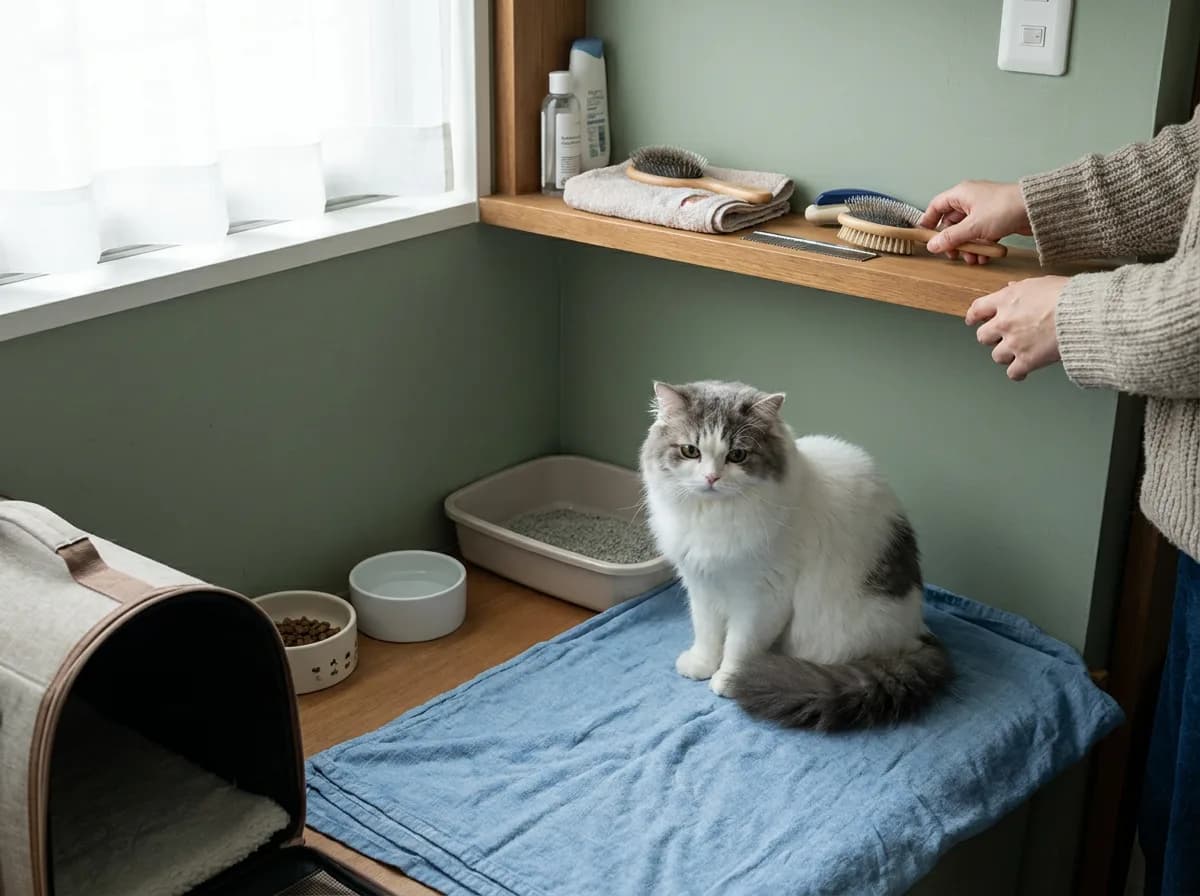
Optional enrichment belongs in the setup category. A floor-level treat puzzle can make part of a meal engaging without adding a tall climbing challenge. It is optional enrichment, not a medical treatment. Begin at an easy setting, supervise use and replace damaged items. If the cat dislikes it, a simpler safe activity may be a better use of your budget.

Petful may earn a commission when you click through to Chewy, at no extra cost to you.
A worked first-year budget example
Here is a hypothetical planning example, not a market average or a set of verified local quotes. Suppose your chosen cat costs $1,500, your setup list totals $300, food and litter average $75 a month, and your clinic quotes $350 for the routine care you have planned during that year.
| Assumed item | Calculation | Example amount |
|---|---|---|
| Acquisition payment | One payment; deposit already included | $1,500 |
| One-time setup | Carrier, trays and other needed supplies | $300 |
| Food, litter and recurring supplies | $75 × 12 months | $900 |
| Planned routine veterinary care | Example local quote | $350 |
| Planned first-year total | $1,500 + $300 + $900 + $350 | $3,050 |
In this scenario, the acquisition payment is less than half the first-year total. Replacing the $75 monthly assumption with $100 adds $300 across the year, bringing the total to $3,350. That is why actual consumption and recurring prices deserve attention alongside the kitten price.
This example assumes local collection, owner-managed grooming and no boarding or pet-sitting charges. It excludes unexpected veterinary treatment and any insurance premiums; add those planning categories separately rather than pretending routine veterinary spending is an emergency reserve. Substitute your own written quotes for every input before deciding affordability.
Setup purchases: buy for the cat you are bringing home
Plan enough litter resources and choose trays the cat can enter and turn in comfortably. If an individual struggles with a high edge, easy access matters more than a fashionable design. For litter, the unscented clumping option in this example is one product to assess against your cat’s preferences and the manufacturer’s directions; a breeder’s current routine can help you avoid an abrupt change on arrival.
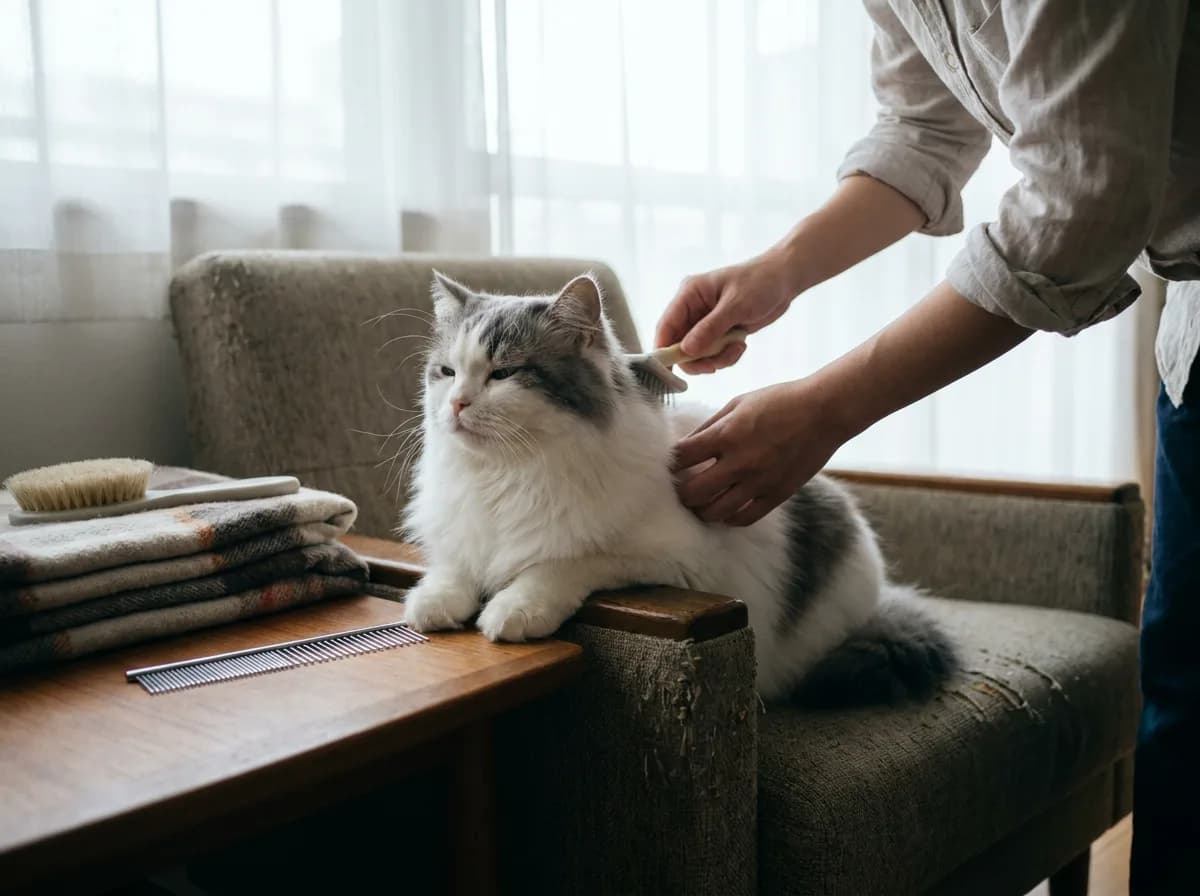
Grooming purchases should match the coat. A longhaired Minuet may need more time and equipment than a shorthaired individual. A brush designed for medium-to-long hair is one possible tool, not a complete solution to matting. Budget for professional help if you cannot maintain the coat comfortably rather than assuming equipment alone will solve handling difficulties.
Food, litter and enrichment recur
A feather teaser wand supports supervised interactive play. Put it away afterward, check for damage and account for replacement when necessary. You do not need an expensive toy collection to provide thoughtful interaction, but you do need time to play and observe the individual cat.

Feathered teaser wand with catnip-stuffed bird. Pairs perfectly with the no-bite training policy: redirect Bengal play drive into a 10-minute interactive session with the wand.
Petful may earn a commission when you click through to Chewy, at no extra cost to you.
Estimate food cost from an appropriate diet and the cat’s actual feeding plan, not the size of the bag alone. Include treats and food used for training or puzzles within the overall intake. Your veterinarian can help you adjust portions for life stage and body condition. Avoid choosing a diet merely because an advertisement claims a special breed requirement.
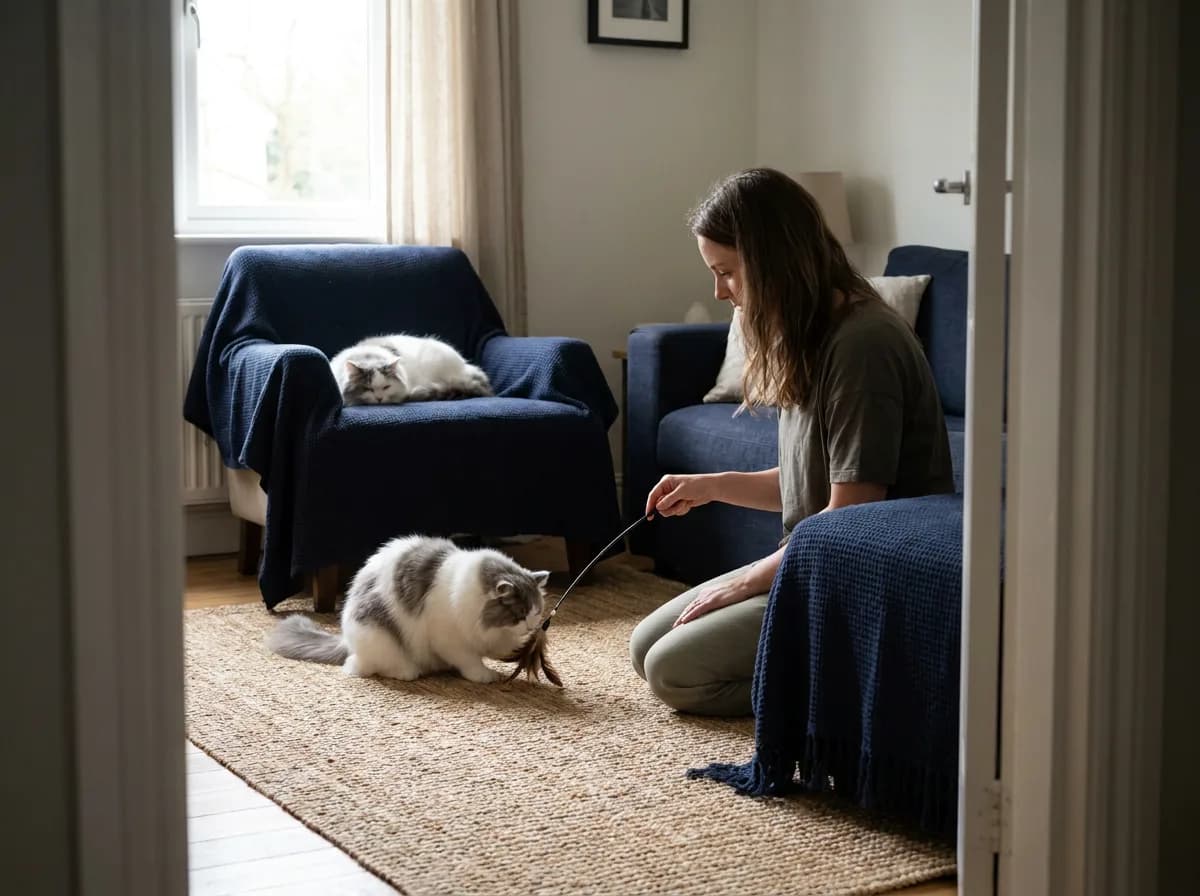
WebVet’s indoor-cat boredom guide can help you evaluate the environment before buying more products. Look at resource placement, predictable interaction and opportunities to retreat as well as toys. Persistent or sudden behavior changes may require veterinary advice rather than another purchase.
Veterinary care, reserves and insurance
Ask a local clinic for the likely initial examination and recommended care for the particular cat. Bring existing records so the clinic can identify what has been completed and what remains. There is no responsible way to promise a fixed annual medical cost for every Minuet in every region.
For contingency planning, consider what you could pay promptly if the cat needed unexpected care. If you are comparing insurance, read the actual exclusions, waiting periods, deductibles, reimbursement arrangements and treatment of pre-existing conditions. A premium is not the same as complete coverage, and a policy may not remove the need to pay a clinic before reimbursement.
Revisit the budget after the first few months, once actual food and litter use are clearer. Review it again when the cat matures, a medical need changes or local prices rise. A realistic budget is a working record, not a one-time calculation made before paying for a kitten.
Adoption, breeders and availability
If you are deciding where to buy a Napoleon cat, verify the seller and records before comparing prices. Minuets are a specialist breed, and availability can vary considerably by location and time. A search for Minuet kittens for sale may return both Minuet and Napoleon wording, plus unrelated short-legged cats. Ask what ancestry and records support the label rather than treating every result as an equivalent offer. TICA’s Minuet listing is a useful starting point for registry terminology; the individual cat still needs its own documentation.
If you are comparing breeders, request the individual cat’s veterinary history and relevant parental records. Ask where the kitten was raised, how it is accustomed to people and handling, and what support is offered after placement. A breeder directory or registry listing is a starting point for verification; it does not answer every question about a specific animal.
Adoption and an adult cat
Adoption can be an option, but a documented Minuet may not be available locally when you begin searching. Avoid a budget that assumes a particular rare-breed rescue cat will appear at a predictable fee. Ask local organizations about actual animals and verified histories rather than paying someone who promises access to an unseen rescue.
An adult cat can offer useful information about present behavior, coat maintenance and size. It still needs veterinary care and a settling-in period. An adoption fee may cover some services already provided by the organization, but you need to confirm those inclusions and the care that remains.
The best financial comparison is between real options you could responsibly bring home. A suitable domestic cat with a known history may fit your household better than a distant kitten advertised with uncertain records. If a documented Minuet is essential to your preference, allow time to verify the opportunity rather than treating urgency as a reason to lower your standards.
Keep the breed comparison separate from the price comparison
The Minuet breed guide explains ancestry, health questions, coat care and the Napoleon name. The Munchkin price guide concerns the related but separate breed. A cheaper Munchkin quote does not tell you what a specific Minuet should cost, and a higher Minuet quote is not evidence of a better animal.
If you are flexible about coat or leg length, compare those actual cats’ care requirements rather than selecting solely by a price label. A lower acquisition payment can coexist with substantial grooming, medical or transport costs. Conversely, an expensive kitten still needs a full routine-care budget.
Related breed decisions
Use the Minuet breed guide for the fuller discussion of rarity, lifespan uncertainty and health records. Price planning should account for those decisions without claiming that an animal’s cost predicts its health or that any genetic test eliminates the need for veterinary care. Keep both pages in view when deciding whether a specific cat and commitment suit your household.
Frequently asked questions
A Minuet cat can have health problems, and a health-care budget should not assume otherwise. Plan a veterinary examination rather than treating a sale price as evidence of health. Ask for veterinary records and discuss Persian-related screening, including the scope of PKD1 testing, with your veterinarian. A negative result for one inherited condition does not guarantee lifelong health or rule out every kidney disease. Plan for routine examinations and contingencies, and use the Minuet health and care guide for the fuller breed discussion before making a purchase decision.

Coreen Saito is a pet writer and longtime shelter volunteer with more than a decade in animal rescue. She covers cat behavior, breed care, and the small, ordinary science of sharing a life with companion animals, with a particular focus on honest takes about the products and decisions that actually matter. At home in Arizona, she's outranked by Mac (a dog with the loudest opinion in the house), Rebel (a cat who governs by quiet authority), and Meri (an orange tabby who runs the late shift and the laundry basket). She writes about all three, plus the rescues that keep coming through her life, at LifeWithMinty.com.
Sign up for expert-backed reviews and safety alerts all in one place.